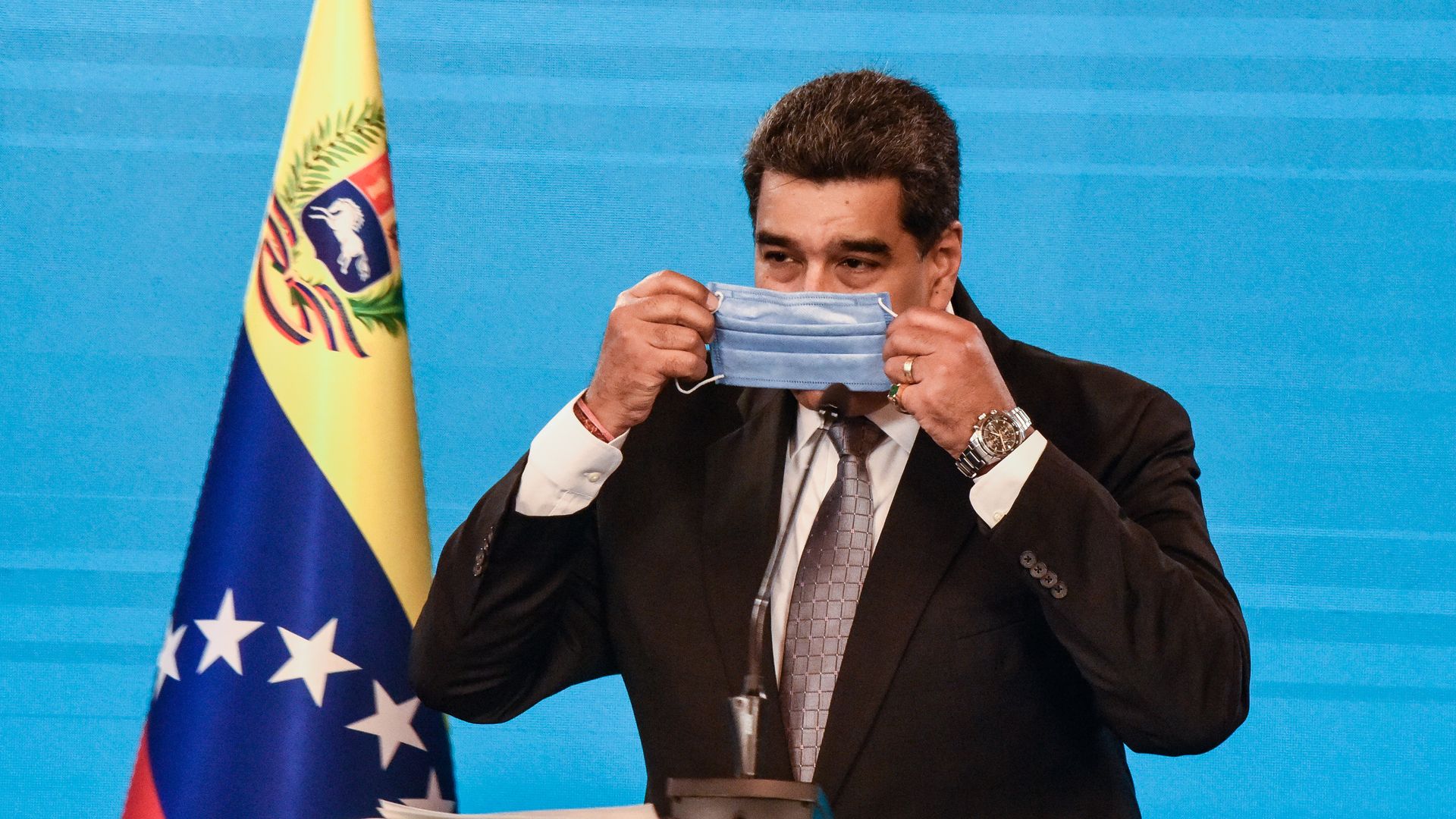
Venezuelan President Nicolás Maduro's Facebook page has been frozen by the tech giant for claiming without evidence that a herbal remedy was a "miracle" cure for COVID-19, Reuters first reported.
Driving the news: Facebook said it removed a video, posted in January, in which Maduro makes the claims about Carvativir, an oral solution derived from thyme. The tech company said the video violated its policy against false claims "that something can guarantee prevention from getting COVID-19 or can guarantee recovery from COVID-19."
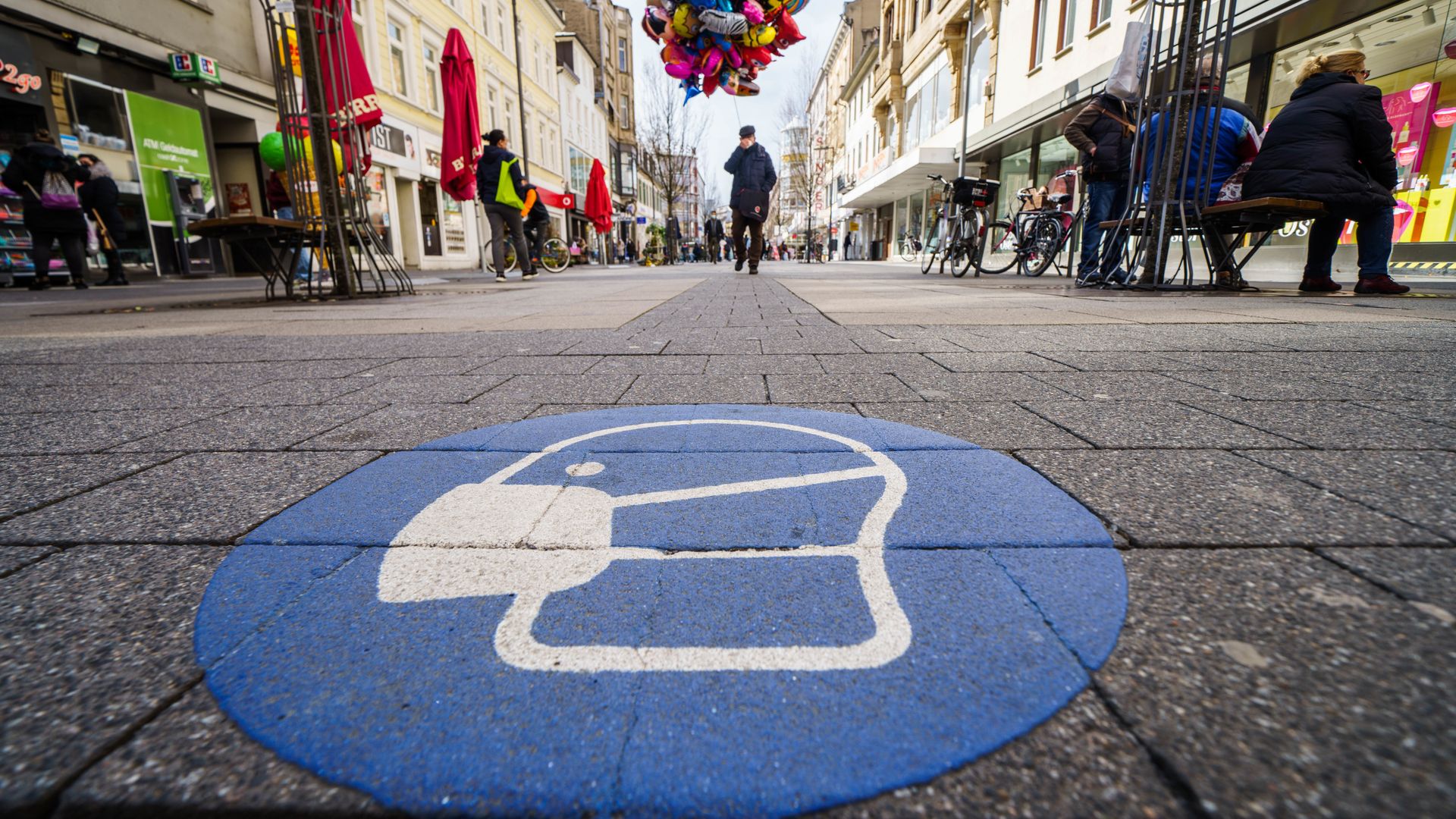
German officials warned Friday the third wave of the coronavirus in the country is going to be "harder to curb" and could be far worse than the previous two.
Why it matters: The number of new confirmed cases has jumped in recent weeks largely due to the more transmissible B.1.1.7 variant and the relaxation of some lockdown measures, according to Reuters.
Former White House coronavirus coordinator Deborah Birx told CNN that she believes that the U.S. coronavirus deaths that occurred after the first surge of cases "could have been mitigated or decreased substantially."
What she's saying: "I look at it this way: There were about 100,000 deaths that came from that original surge," said Birx, who served under the Trump administration. "All of the rest of them, in my mind, could have been mitigated or decreased substantially."
Chinese officials briefed diplomats in Beijing on Friday on four possible ways the coronavirus arrived in Wuhan, AP reports.
Why it matters: The briefing comes ahead of the release of the World Health Organization's report on the virus' origin, and "is based on a visit earlier this year by a WHO team of international experts to Wuhan," the AP writes.
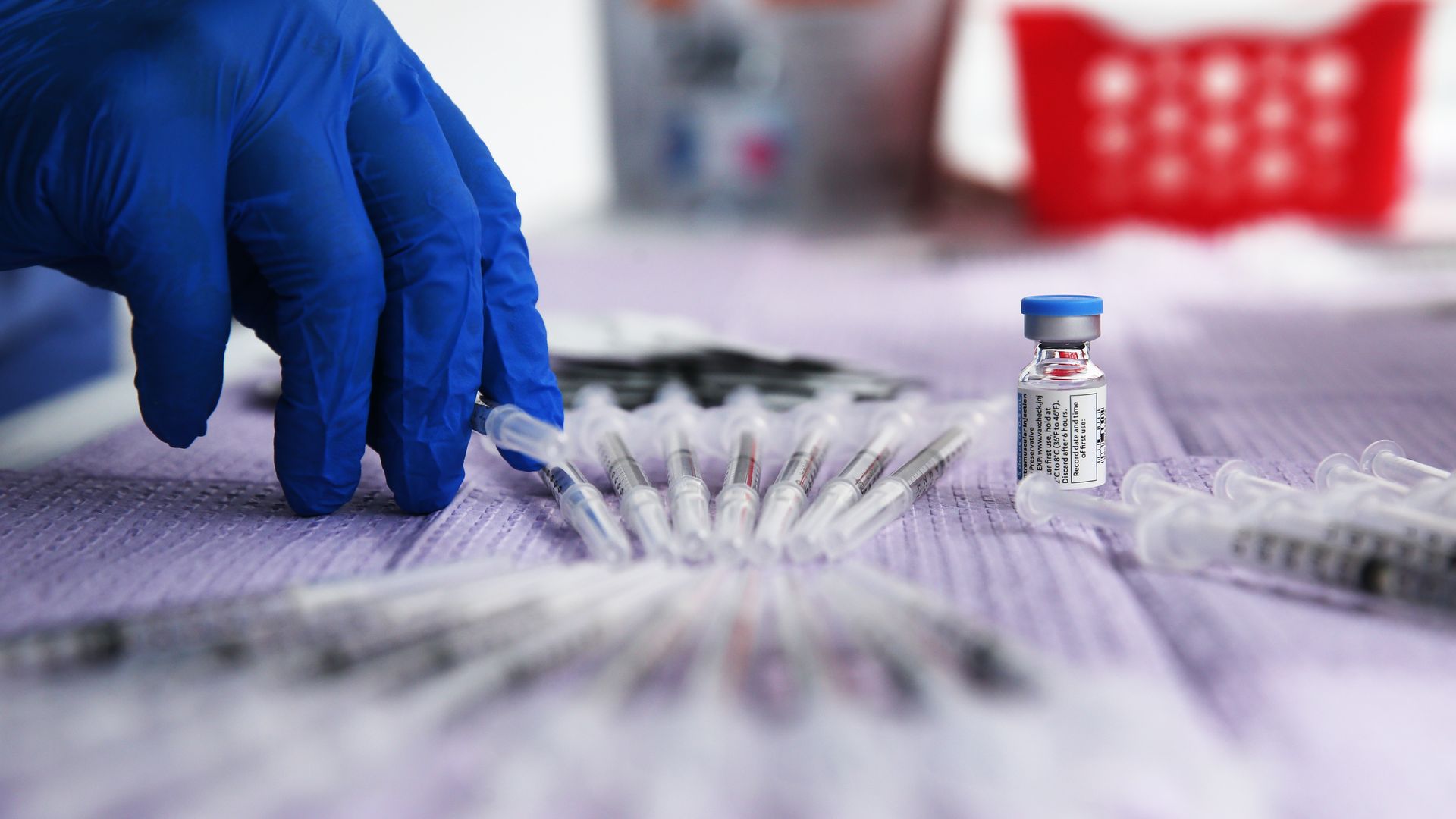
The U.S. broke its previous record for most COVID-19 vaccines administered in a single day, with 3.4 million doses reported on Friday, according to the White House.
Why it matters: President Biden on Thursday set a new goal of 200 million doses administered in his first 100 days in office. At the current seven-day average, which increased to 2.62 million daily doses with the new record on Friday, the U.S. would comfortably reach that goal before his 100th day on April 30.
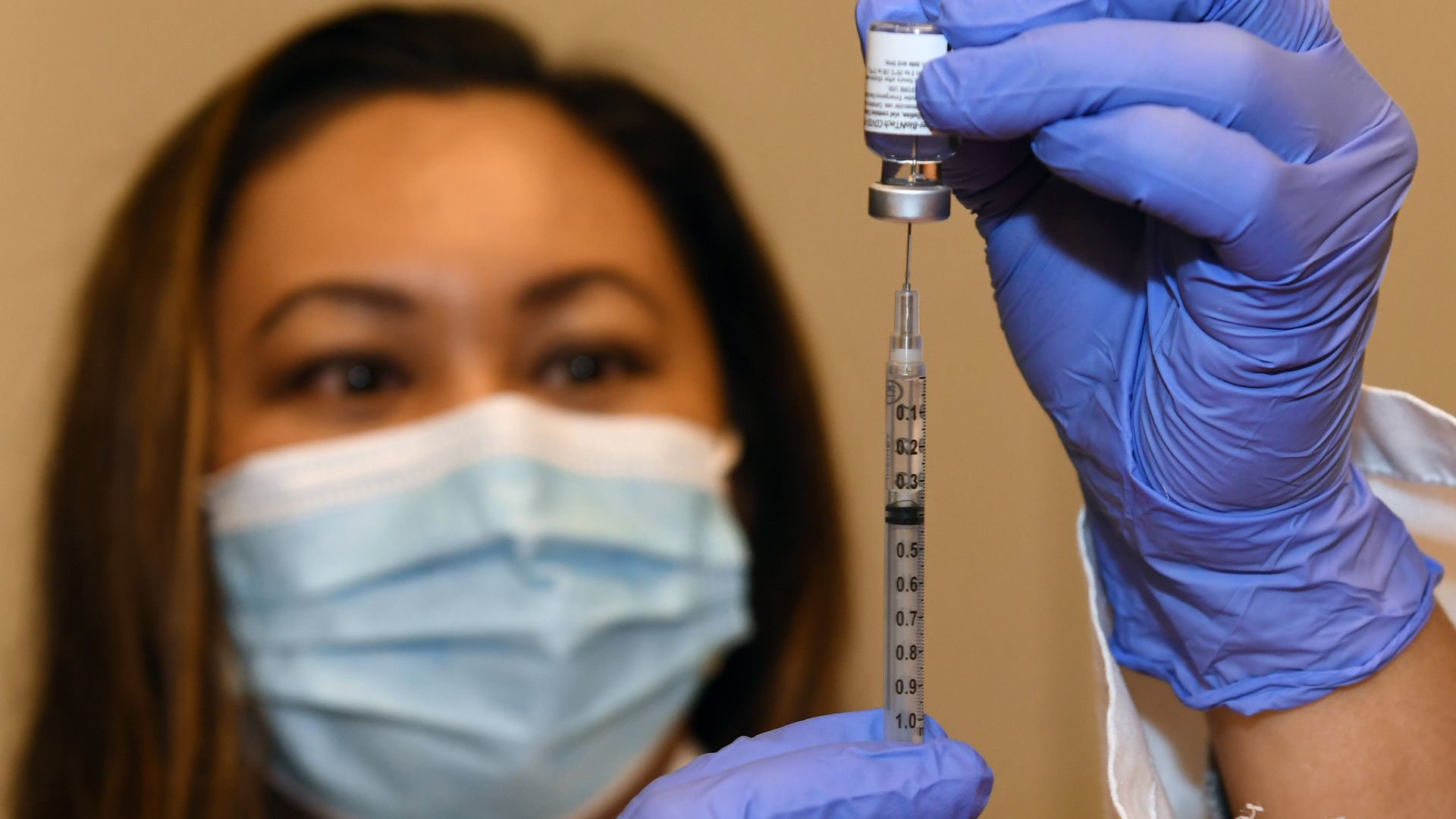
Scientists launched a National Institutes of Health-backed study with thousands of college students to determine whether Moderna's COVID vaccine can prevent asymptomatic spread of the virus.
Why it matters: The results of the trial could provide vaccinated individuals insight on how careful they really need to be when in close contact with others.
Former CDC Director Robert Redfield told CNN on Friday that he believes the coronavirus "escaped" from the Wuhan Institute of Virology, and that it was spreading as early as September or October of 2019 — though he stressed that it was his "opinion."
Why it matters: It's a stunning assertion, offered with little evidence, by the man who led the U.S. government's public health agency from the time the virus was first detected in Wuhan through the entirety of the Trump administration's response.
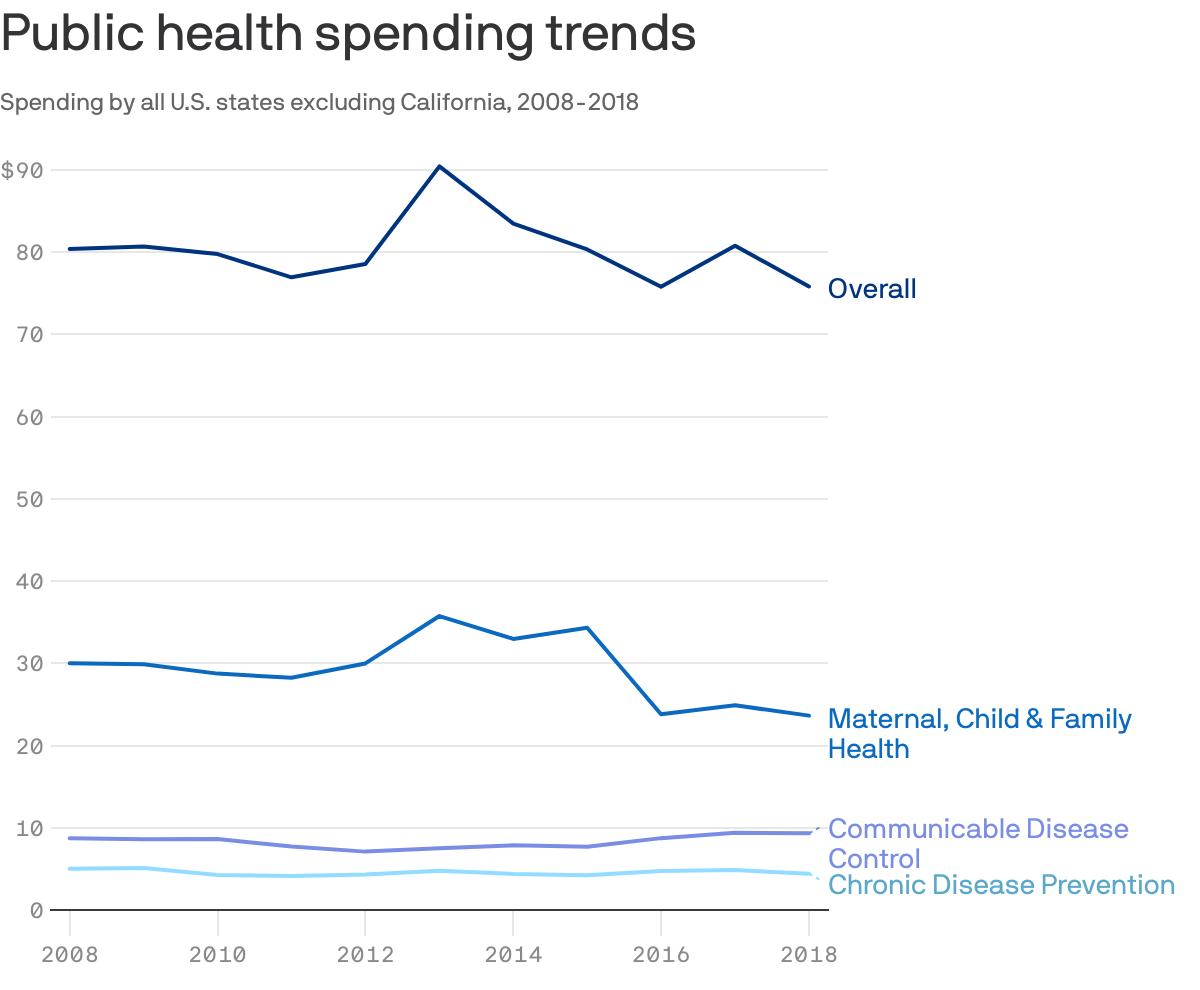
Data: Alfonso YN, US public health neglected: flat or declining spending left states ill equipped to respond to COVID-19; Chart: Will Chase/Axios
Public health spending in most of the country stayed flat or declined in the decade following the Great Recession, "leaving states ill equipped to respond to COVID-19 and other emerging health needs," according to a new study published in Health Affairs.
By the numbers: The study found that public health spending dropped from $80.40 per capita in 2008 to $75.83 in 2018.
12 billion doses of 13 different vaccines could become available by the end of the year — enough to vaccinate 70% of the globe, a new analysis from the Duke Global Health Innovation Center shows.
Yes, but: Key barriers, like unpredictable manufacturing and the variants, make it difficult to ensure supply can be distributed equitably, the report says.