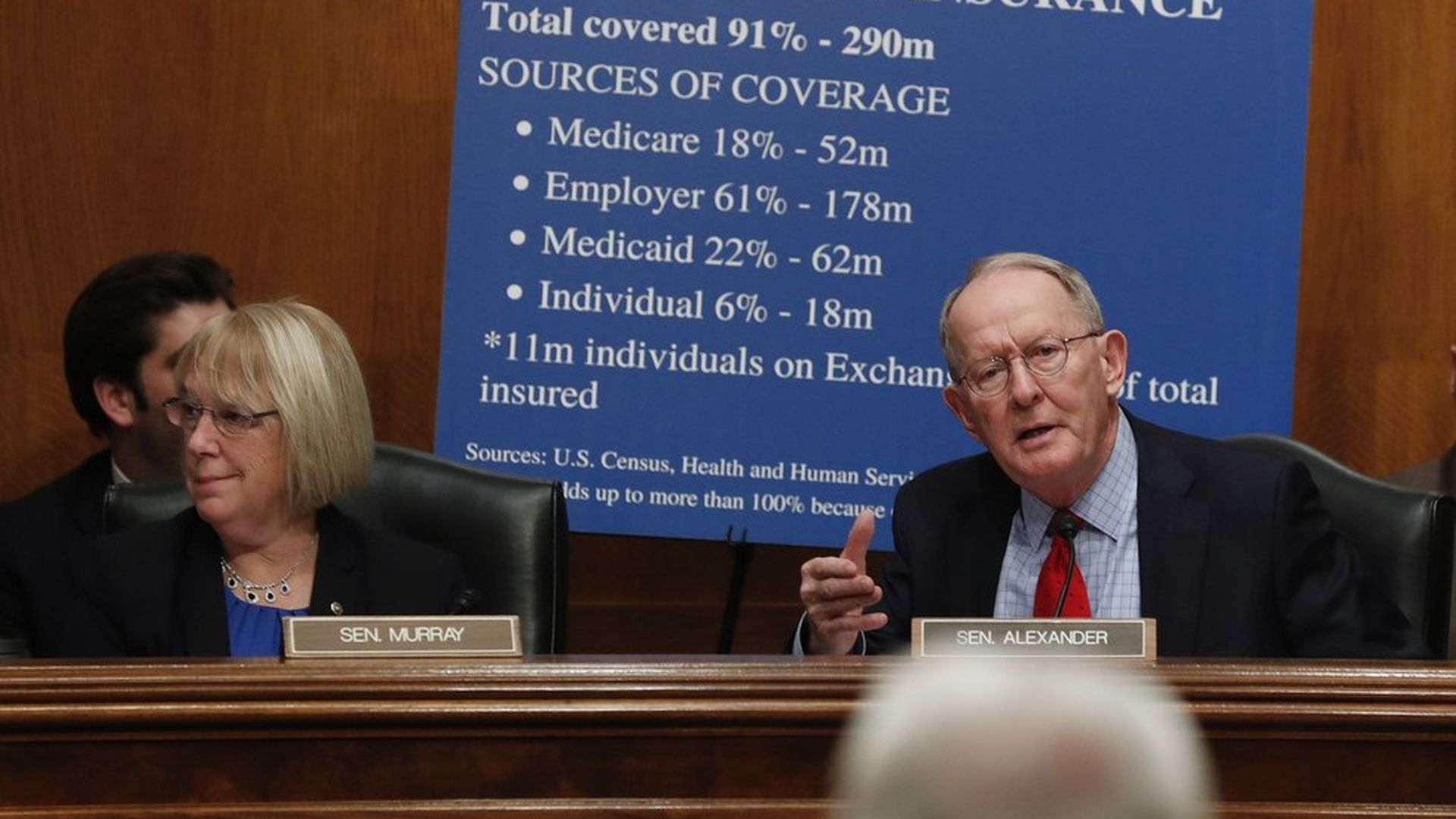
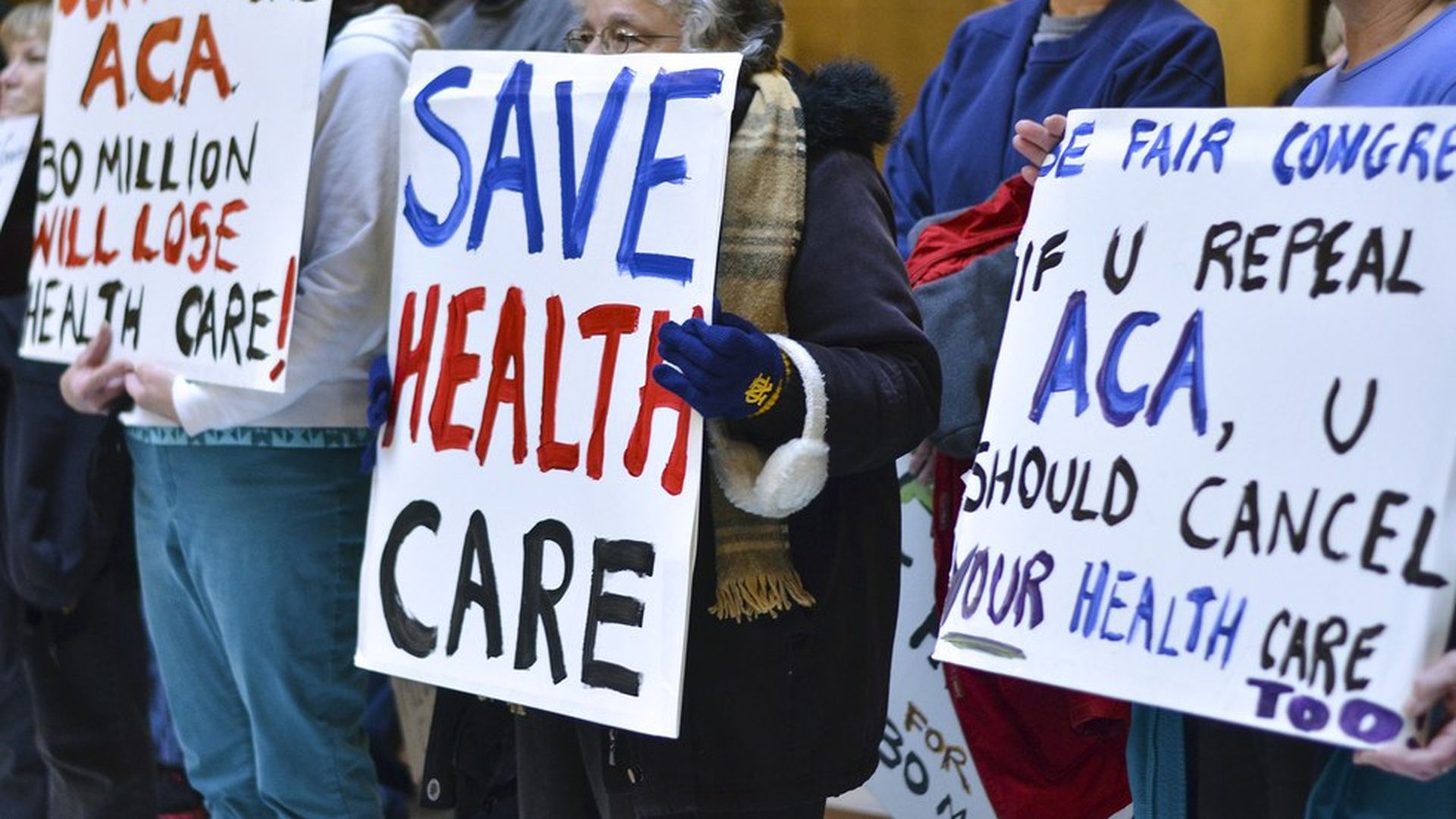
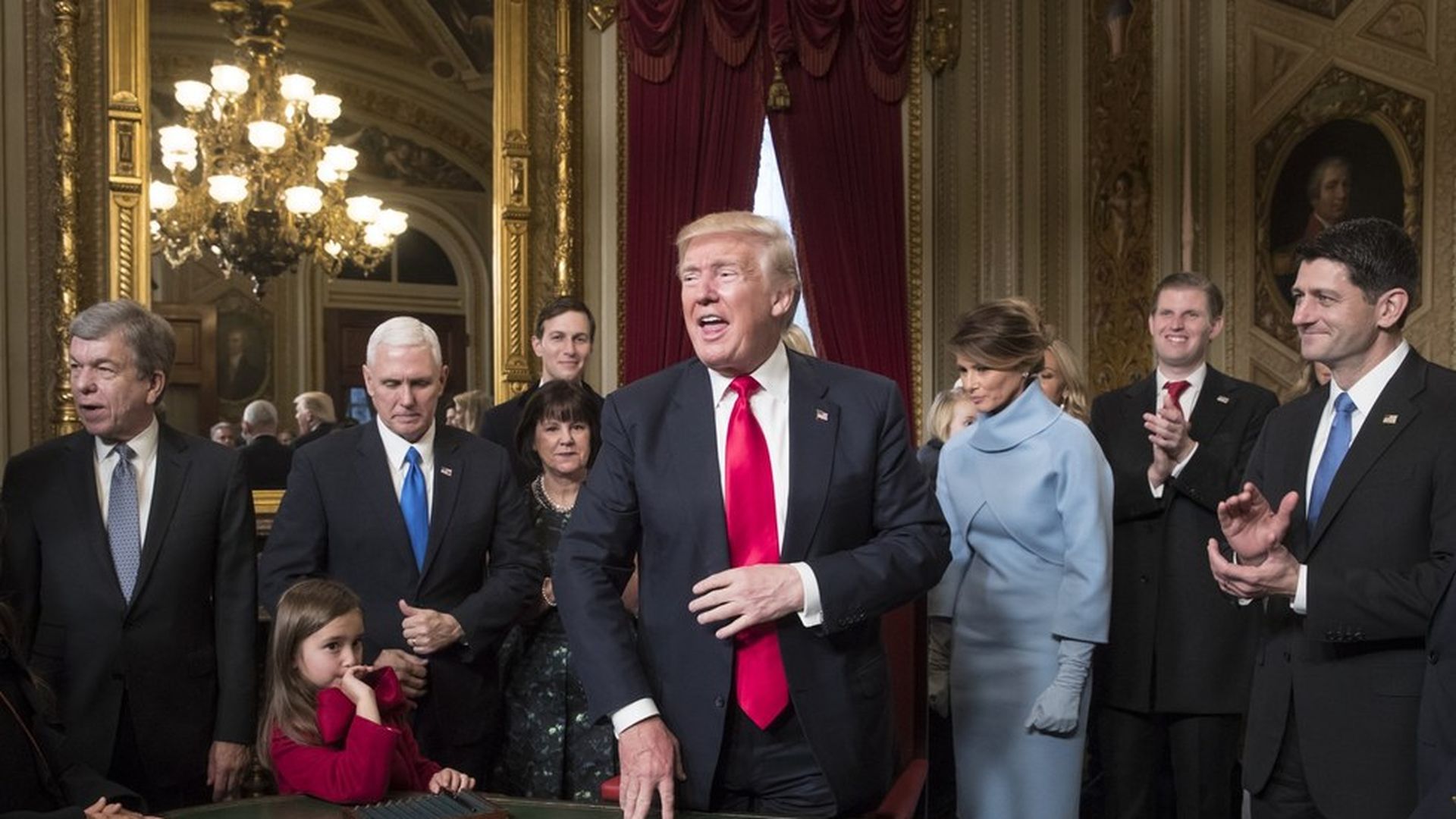
House and Senate Republican leaders met Tuesday to get on the same page before the GOP leaves for its retreat tomorrow. While no final decisions were made about the timing for repealing and replacing Obamacare, Senate HELP Committee Chairman Lamar Alexander said everybody agrees they need to be done at the same time.
"We're accelerating the replacement part of the package, because we want — both the House and the Senate, and the president — want to do repeal and replacement at the same time," Alexander said after the meeting. He said the timing of both repeal and replace is "governed by getting it right, making sure we do no harm."
A leadership aide said they talked about putting pieces of replacement in the repeal bill, which Republicans have said they plan to pass through a budget process called reconciliation. "It's going to be repeal plus, they're going to fit as much as possible into reconciliation," the aide said.
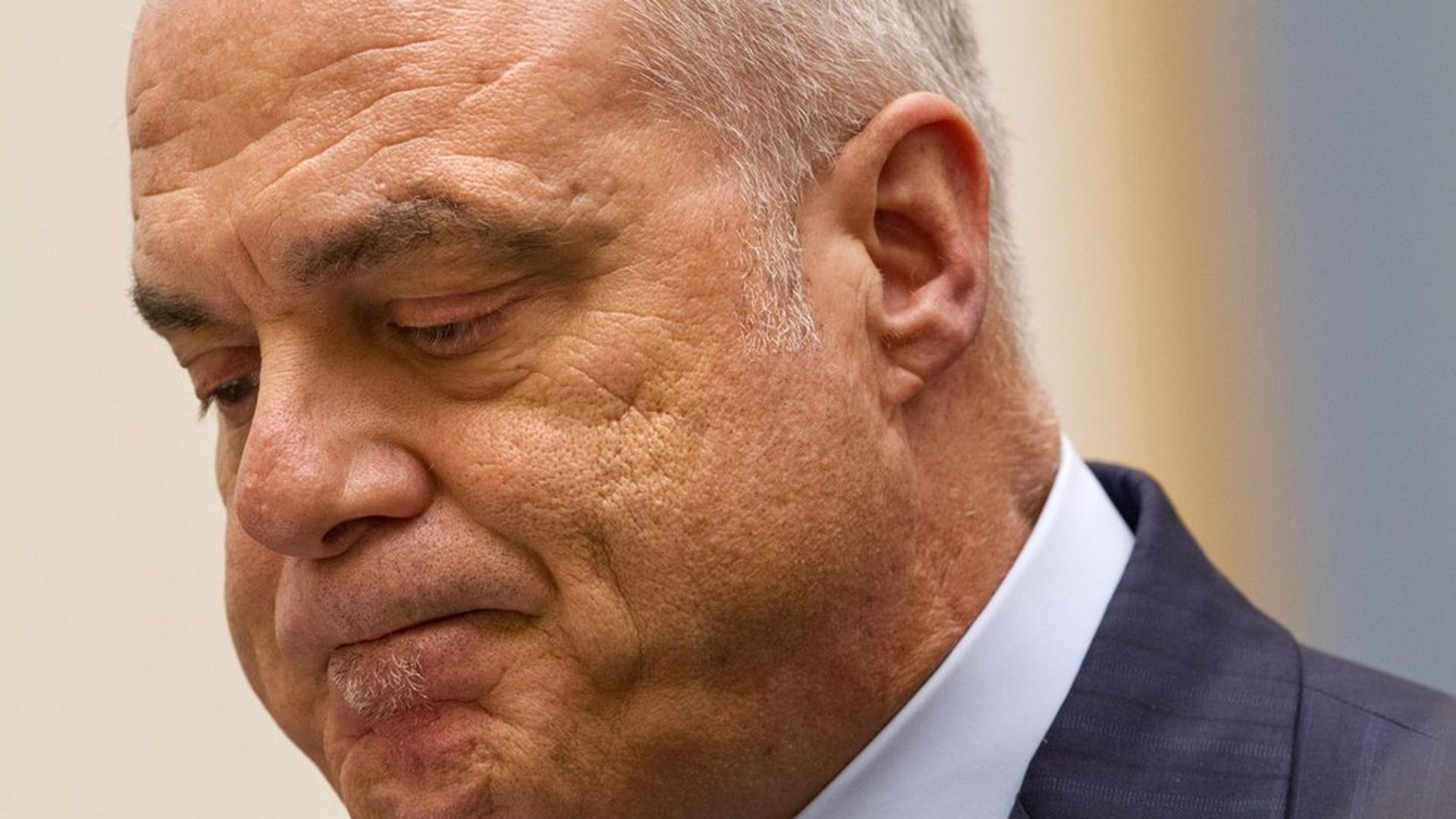
Molina Healthcare CEO J. Mario Molina isn't fazed by President Trump's Obamacare executive order. But he's also not entirely confident about what will happen with the law and its insurance marketplaces — and he won't commit to staying in the marketplaces in 2018.
In an interview, Molina said the executive order is "symbolic" and doesn't change the plans for his company, an insurer that mostly covers Medicaid members but also has more than a half million Obamacare customers. Yet when asked if Molina Healthcare would keep offering Obamacare plans in 2018, he said: "There are just too many unknowns at this point to give a definitive answer."
The Heritage Foundation has a new survey showing that 72% of Americans will take Congress less seriously if it "waits to fulfill promises to repeal Obamacare."
Why it matters: The group's advocacy arm, Heritage Action, is pushing this survey to Republican members of Congress. It shows what kind of pressure the GOP is under to move quickly on repeal, when a growing number of Republicans are voicing doubts about acting before a replacement is ready.
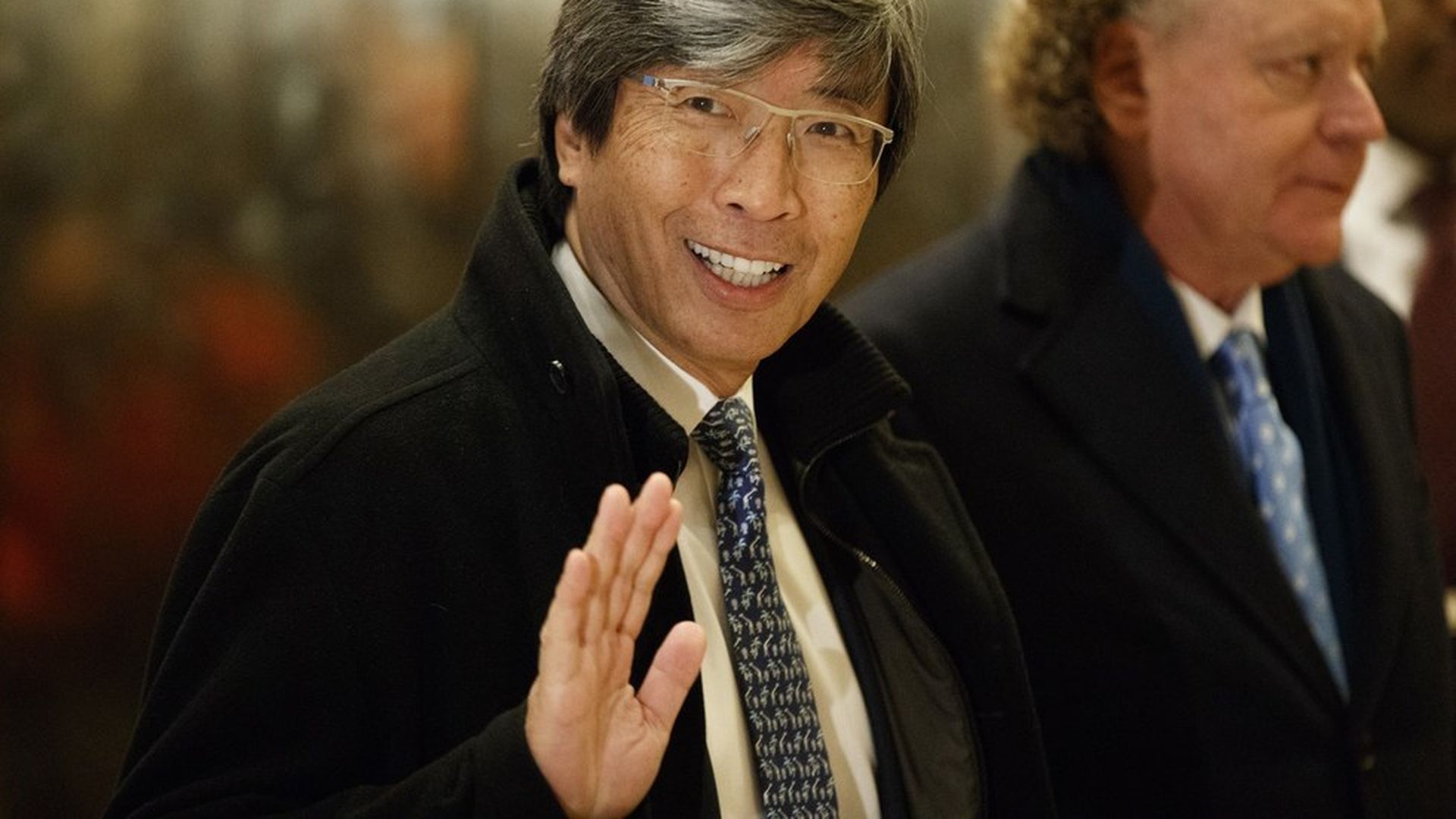
STAT's Dylan Scott has a big scoop this morning: Biotech billionaire and surgeon Dr. Patrick-Shiong is in talks with the Trump administration about the prospect of overseeing the U.S. health care system. Soon-Shiong has met with Trump and his team at least twice in the past few weeks about serving as a "health care czar" with a broad portfolio.
Between the lines: Soon-Shiong really gets around. STAT notes that he pitched the Obama administration on a similar role. He also did a lot of self-promotion when he consulted with then-Vice President Joe Biden on his cancer "moonshot" program.
You should read this Incidental Economist post by smart people Nicholas Bagley and Adrianna McIntyre, who have found a long list of actions the Trump administration can take on its own to dismantle Obamacare, depending on how much it's willing to set the individual market on fire. A few of the highlights:
Grant more waivers from the individual mandate
Trim back the law's "essential benefits"
Stop giving cost-sharing payments to insurers
Allow states to impose work requirements, charge premiums for Medicaid
Delay enforcement of the health insurer, pharmaceutical, and medical device taxes
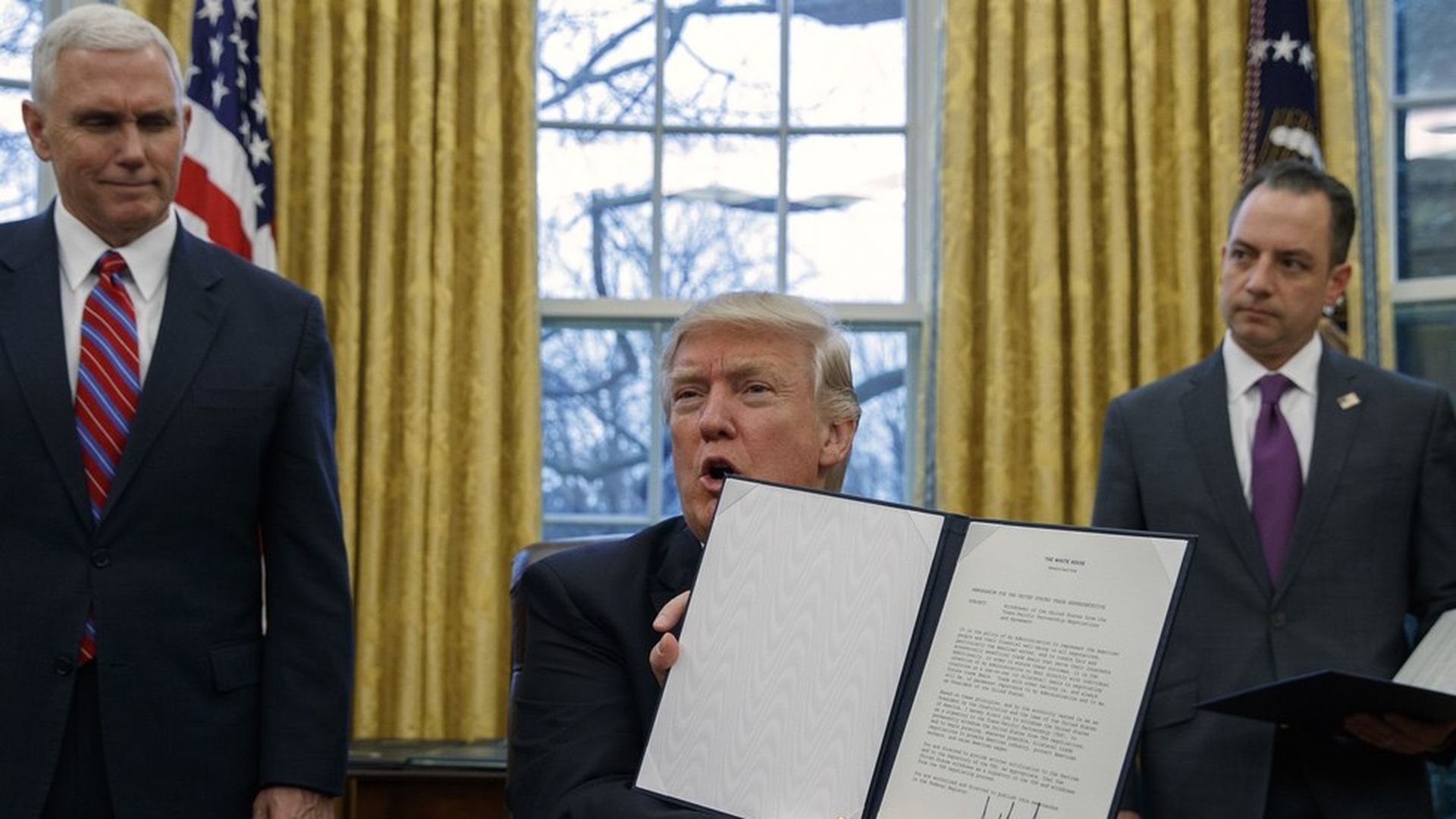
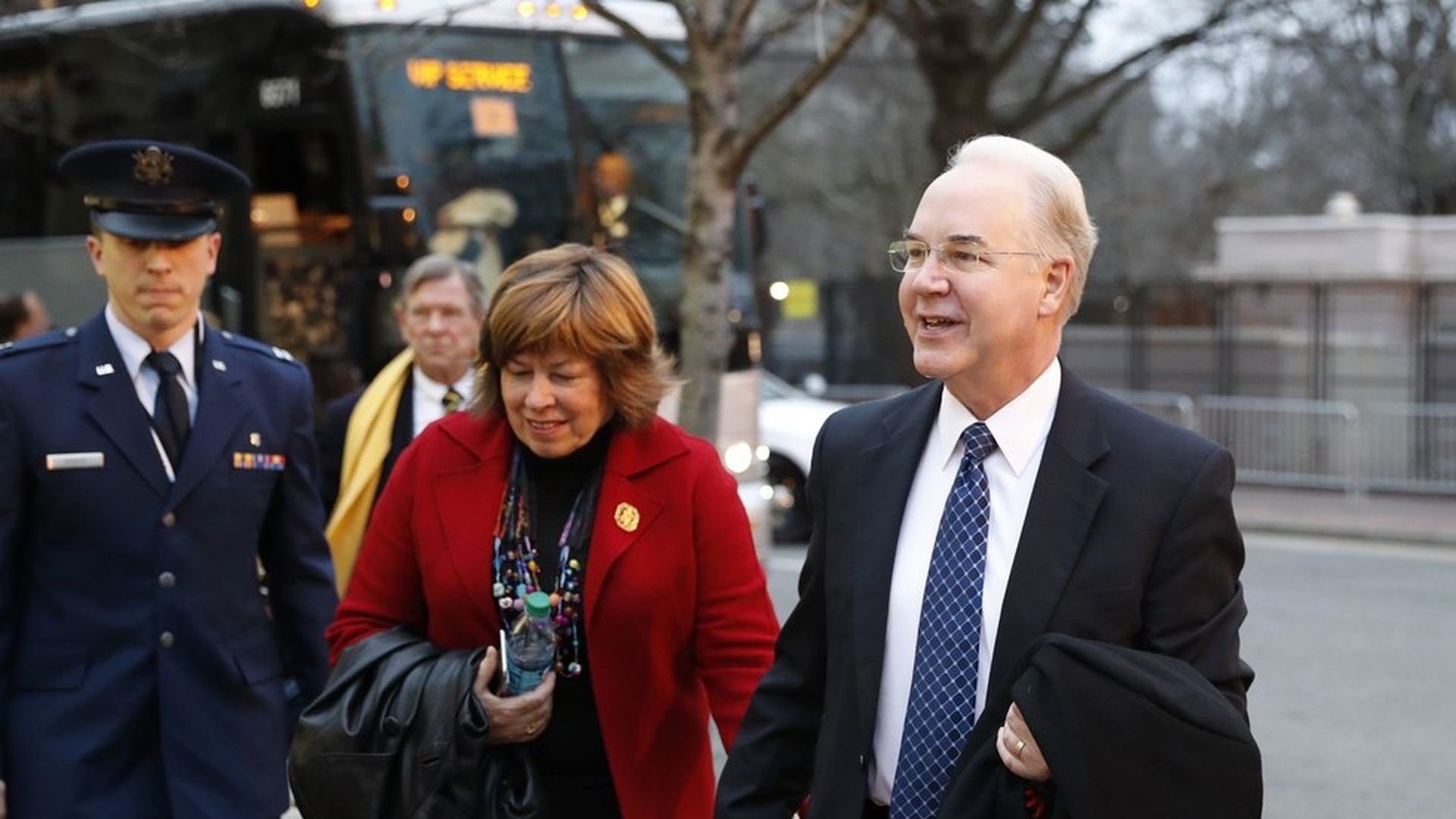
President Trump's Health and Human Services nominee was already going to face more questions about his stocks and his ethics. But now, the Senate Finance Committee will have even more reason to grill him on policy this morning — thanks to that Obamacare executive order Trump put out late Friday night. Like, what does it really mean? And how would Price apply it once he's running HHS?
The Aetna-Humana merger is all but dead after a judge said the deal would ruin competition, especially in Medicare Advantage.
But the ruling shed some damning light on how the Obamacare marketplaces factored into the deal, and how Aetna executives wanted to use their participation and withdrawals from the marketplaces to help gain approval for their deal.
Here are some of the most controversial Obamacare portions of the Aetna-Humana ruling.
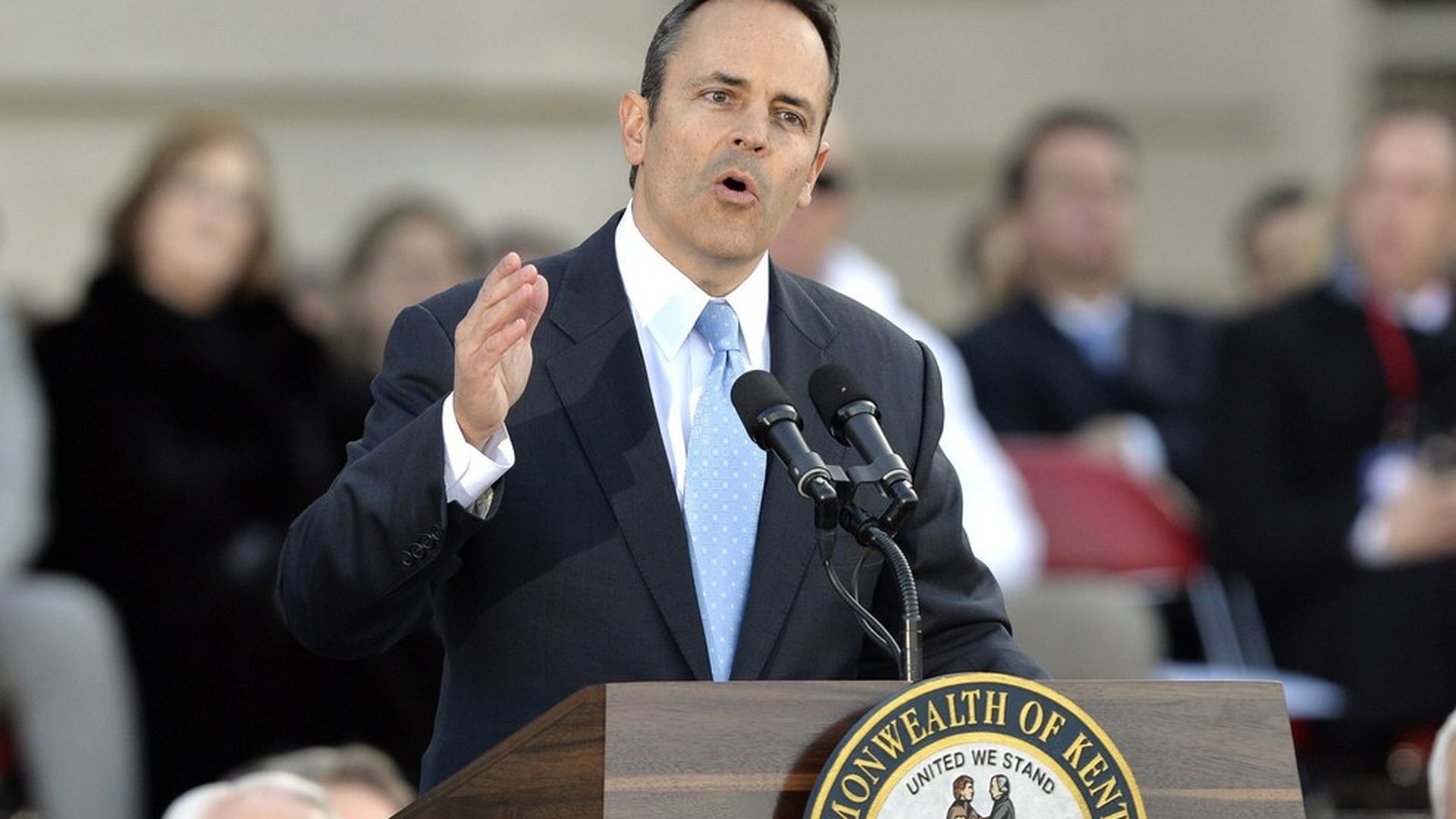
Bloomberg has a lesson for President Trump and national Republicans from Matt Bevin, the Republican governor of Kentucky: rebranding Obamacare might be easier than killing it.
Some Republican-friendly additions Kentucky lawmakers made to Obamacare while maintaining Medicaid expansion in the state:
Rebranding — the program is known as Kynect or Passport
Monthly premiums of $1 to $15, allowed to rise annually
$1,000 per year deductible, funded by the state
A requirement to work or volunteer for 20 hours each week
Not only does Obamacare help provide insurance for millions of Americans, it also mandates that insurance companies cover preventive care services and supplies. Why are mammograms, flu shots, colonoscopies, birth control and breast pumps free? Partially, because Obamacare says so, as the Los Angeles Times points out.
With the repeal approaching, some people are worried their benefits will be gone with the law.
Remember:
Preventive care is an Obamacare benefit that affects people well beyond the newly insured.
But those benefits are factored into the premiums. They're not free.
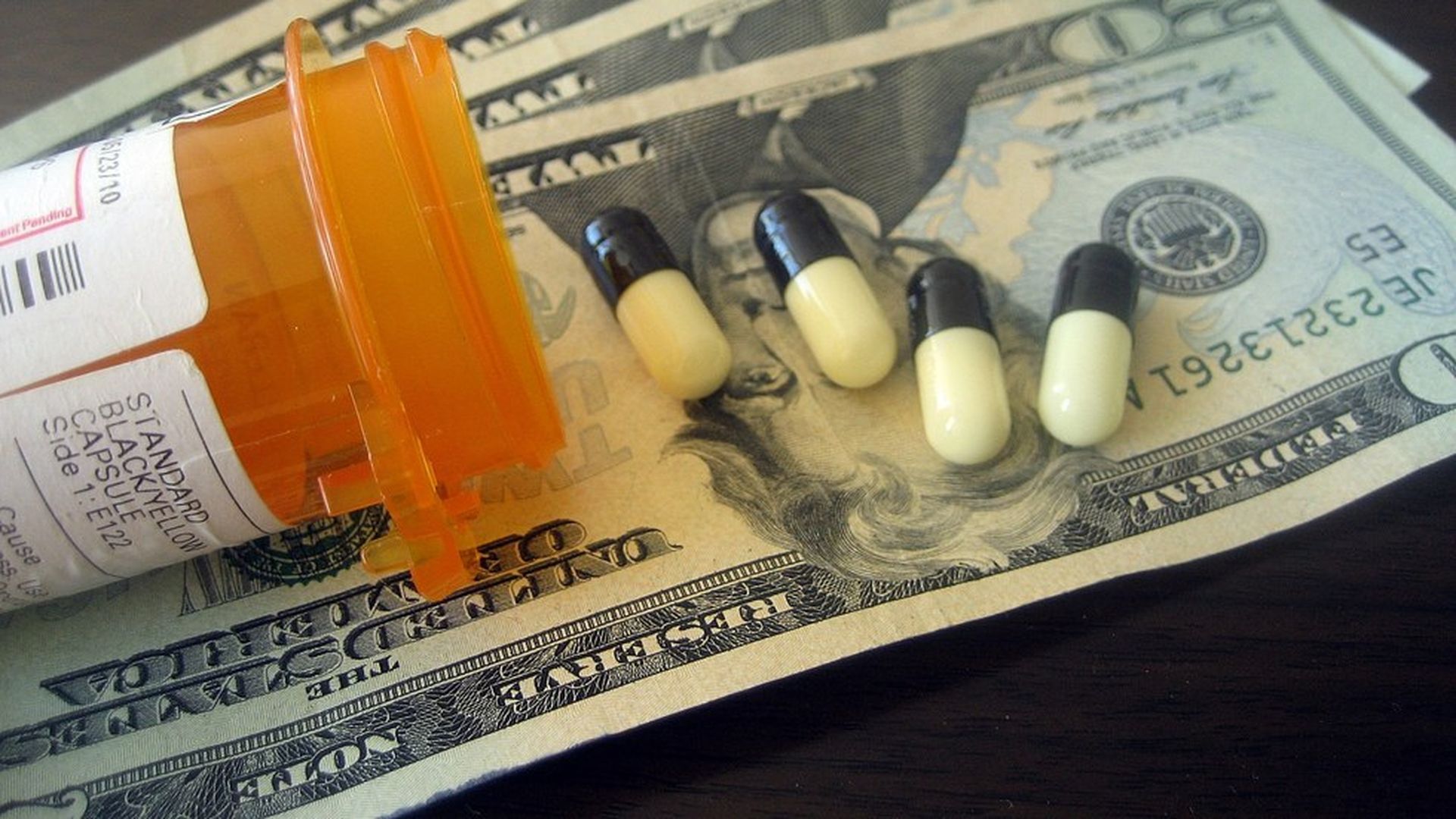
The main drug industry trade group is launching a massive ad campaign to highlight the medical advances that have been created in the last few years — a counterstrike against the attacks they're facing over rising drug prices.
Cowen analyst Chris Krueger sets the scene for this week's GOP policy retreat:
He sees Obamacare repeal being rolled into tax reform, incentivizing lawmakers to vote in favor of it. Krueger calls this process of merging two bills into one the legislative equivalent of William "Refrigerator" Perry.
Says Trump will be "super anxious" to put some points on the board, and infrastructure is something everyone largely agrees on. With the main focus on repealing and replacing Obamacare, Trump should have more wiggle room on infrastructure.
A bipartisan package of tax cuts and credits could be approved for the FY18 reconciliation process. It could also be a component of an infrastructure bill.
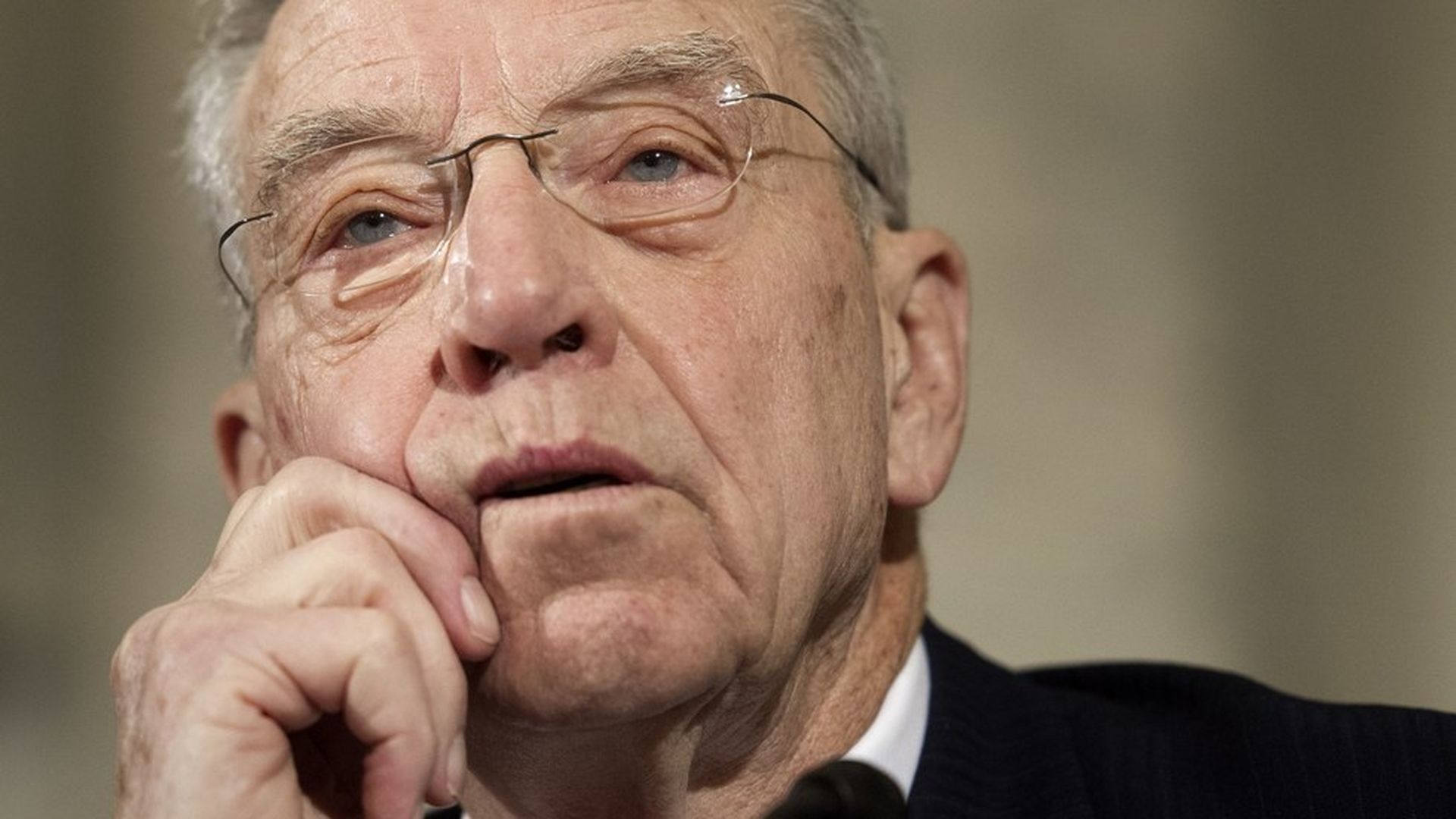
Sen. Chuck Grassley has been one of the most consistent Republicans speaking out against rising prescription drug prices. As chairman of the Senate Judiciary Committee, he plans to push legislation this year making it easier for generics to get to market. He's hoping that will add competition and drive down prices.
What to know:
Grassley sees his two bills increasing competition as likely to gain some traction, but he doesn't see the same odds for legislation allowing prescription drugs to be imported from abroad.
Drug price legislation could be wrapped into the Obamacare debate if it saves money and helps pay for the replacement, he said.