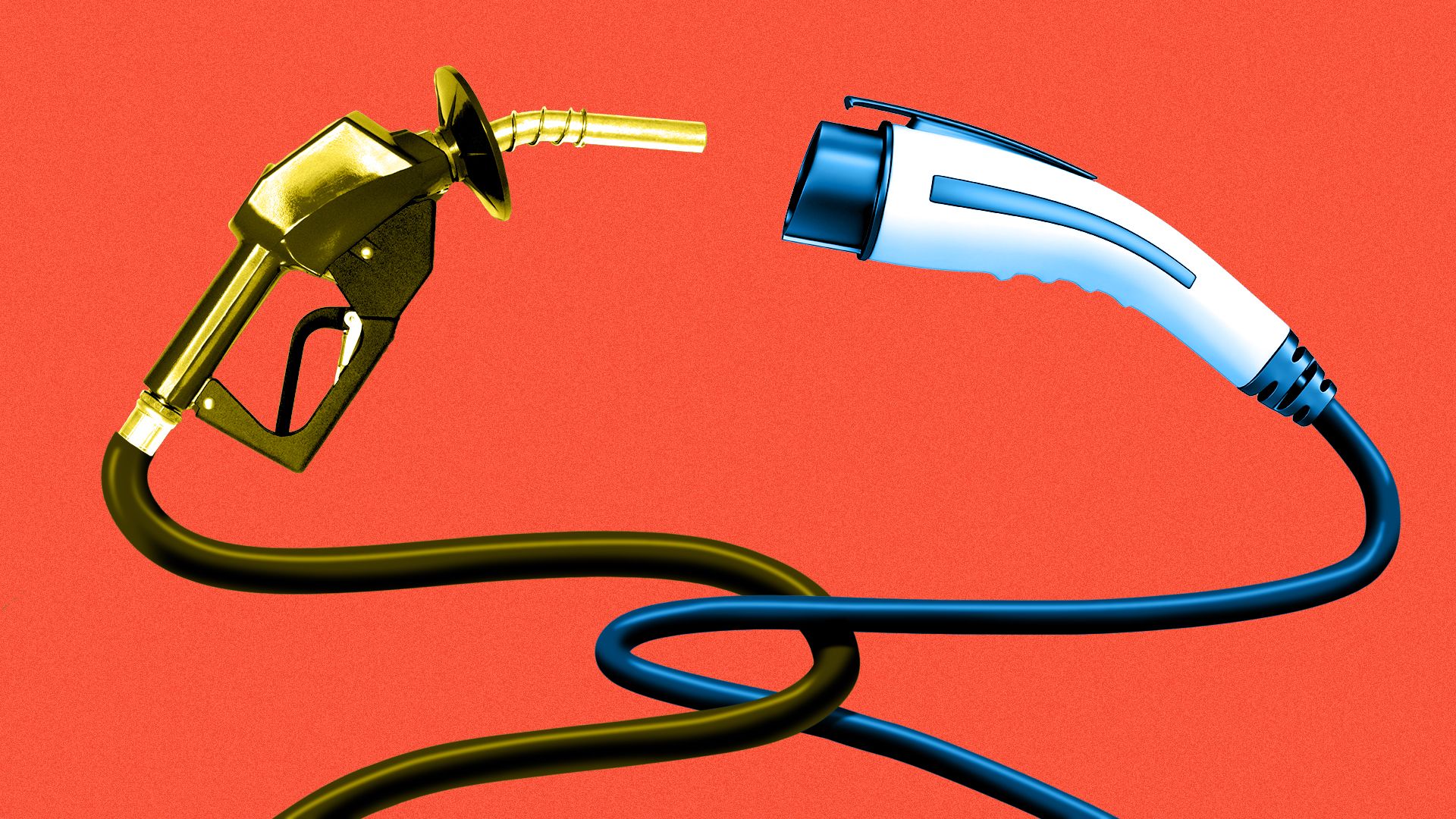
Between the lines: Used EVs cost less than preowned gas cars (most are priced below $30,000) and they're the most affordable cars to own, according to a University of Michigan study.
The International Energy Agency said Wednesday its member governments will jointly release up to 400 million barrels of oil from strategic stockpiles after the Iran war set off a chaotic spike in crude prices.
Why it matters: It would be the largest joint release in the history of IEA, which coordinates members' emergency responses to oil shocks.
The Consumer Price Index was steady in February, and a gauge that excludes food and energy costs held at the lowest in four years, the government said on Wednesday.
Why it matters: Inflation was stable last month, but new price pressures from the Iran war have since emerged — a fresh factor for consumer affordability concerns.
Russia and other oil exporters outside the Mideast — and not ensnared in the conflict — are emerging as the economic winners in the Iran war.
Why it matters: The market mechanisms are perhaps obvious here — higher oil prices are good for nations that sell oil — but are worth underlining, as the energy market shift plays into the geopolitical calculations.
The U.S. military destroyed 16 Iranian mine-laying naval vessels on Tuesday amid concerns that Iran is preparing to deploy mines in the Strait of Hormuz.
Why it matters: A senior U.S. official told Axios the strike on the inactive ships was a preemptive measure that was a result of intelligence about Iran's operational plans.
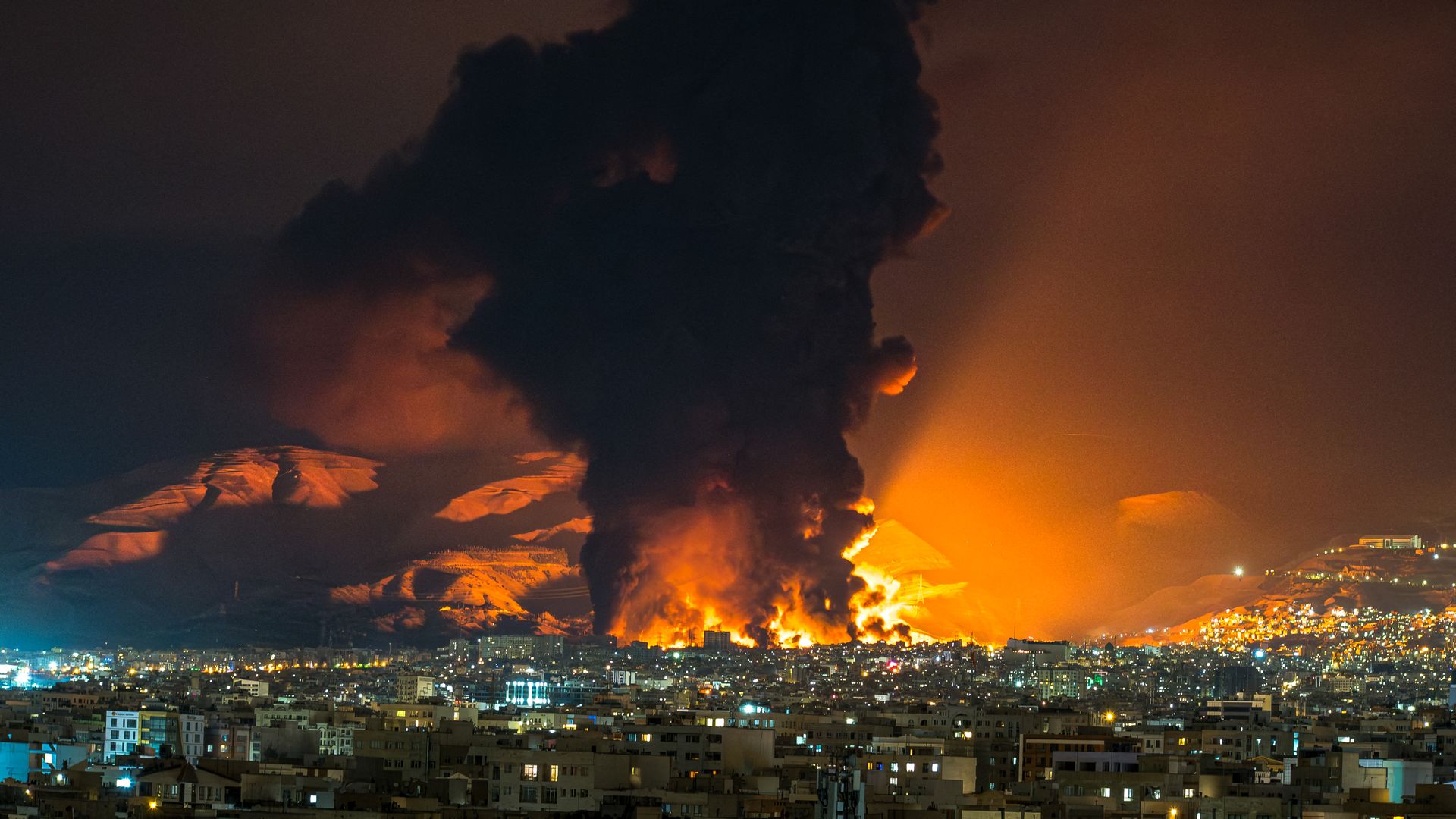
The Trump administration asked Israel on Monday not to carry out further strikes on energy facilities in Iran, particularly oil infrastructure, according to three sources familiar with the matter.
Why it matters: The U.S. request marks the first time the Trump administration has reined in Israel since the two countries launched their joint operation against Iran ten days ago.
Across the U.S., homeowners are facing rising energy costs, extreme weather and aging HVAC systems as summer rounds the corner.
Here's the deal: Temperature fluctuations mean more consumers are choosing high-efficiency electric heat pumps that work as air conditioners in the summer and heaters in the winter.
Today's systems are built for stronger performance and durability — helping homeowners get year-round comfort and a more stable energy budget.
Across the U.S., homeowners are facing rising energy costs, extreme weather and aging HVAC systems as summer rounds the corner.
Here's the deal: Temperature fluctuations mean more consumers are choosing high-efficiency electric heat pumps that work as air conditioners in the summer and heaters in the winter.
Today's systems are built for stronger performance and durability — helping homeowners get year-round comfort and a more stable energy budget.
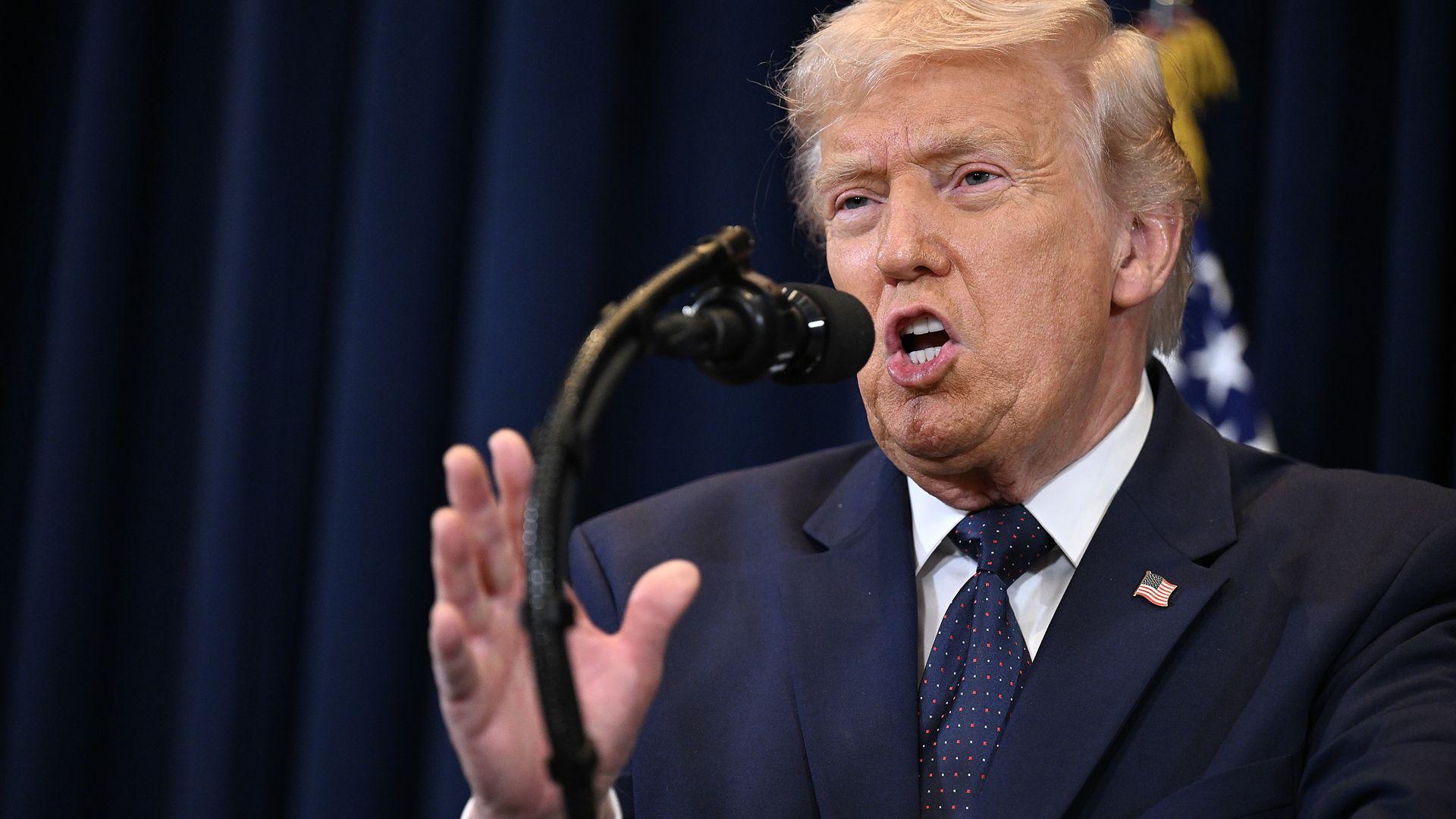
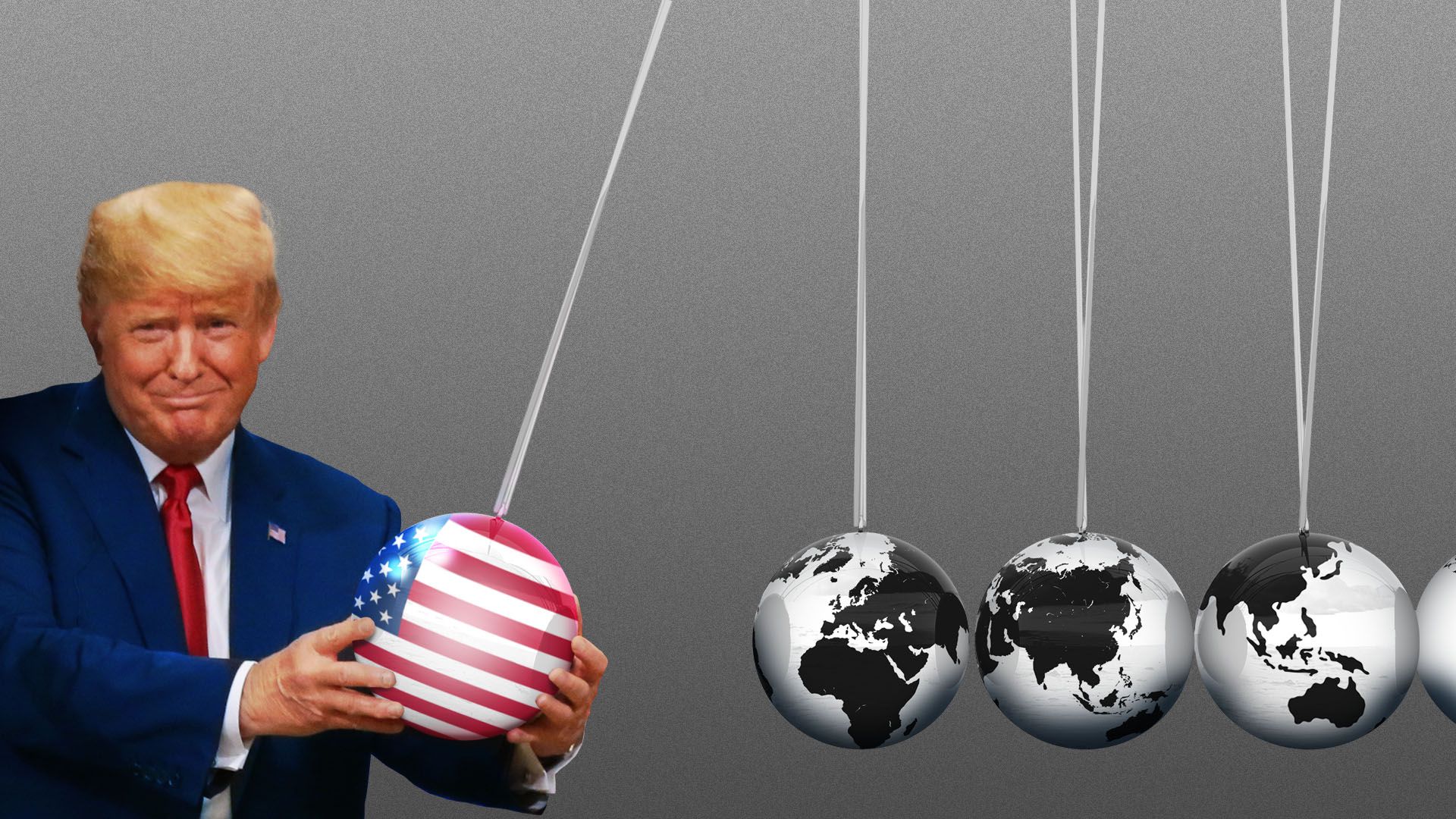
President Trump soothed rattled global financial marketsMonday afternoon by suggesting that the conflict in Iran will be over "very soon." But the reality of a more fractured world may not dissipate quite so easily.
The big picture: The geopolitical strains unleashed by the U.S. and Israeli attacks on Iran 11 days ago point to an ongoing reset in the politics and economics of the Middle East — with downstream effects for global inflation, interest rates and more.
The Iran war's fuel-price shock is slamming states that could decide Senate control in November, a potential headache for Republicans defending their majority.
A new coalition of companies that includes Google and Tesla will address energy affordability by tapping into underused electricity grid capacity, coalition officials told Axios exclusively.
Why it matters: It's the latest example of how soaring electricity rates — from AI data centers and other demands — have moved affordability to the front burner.
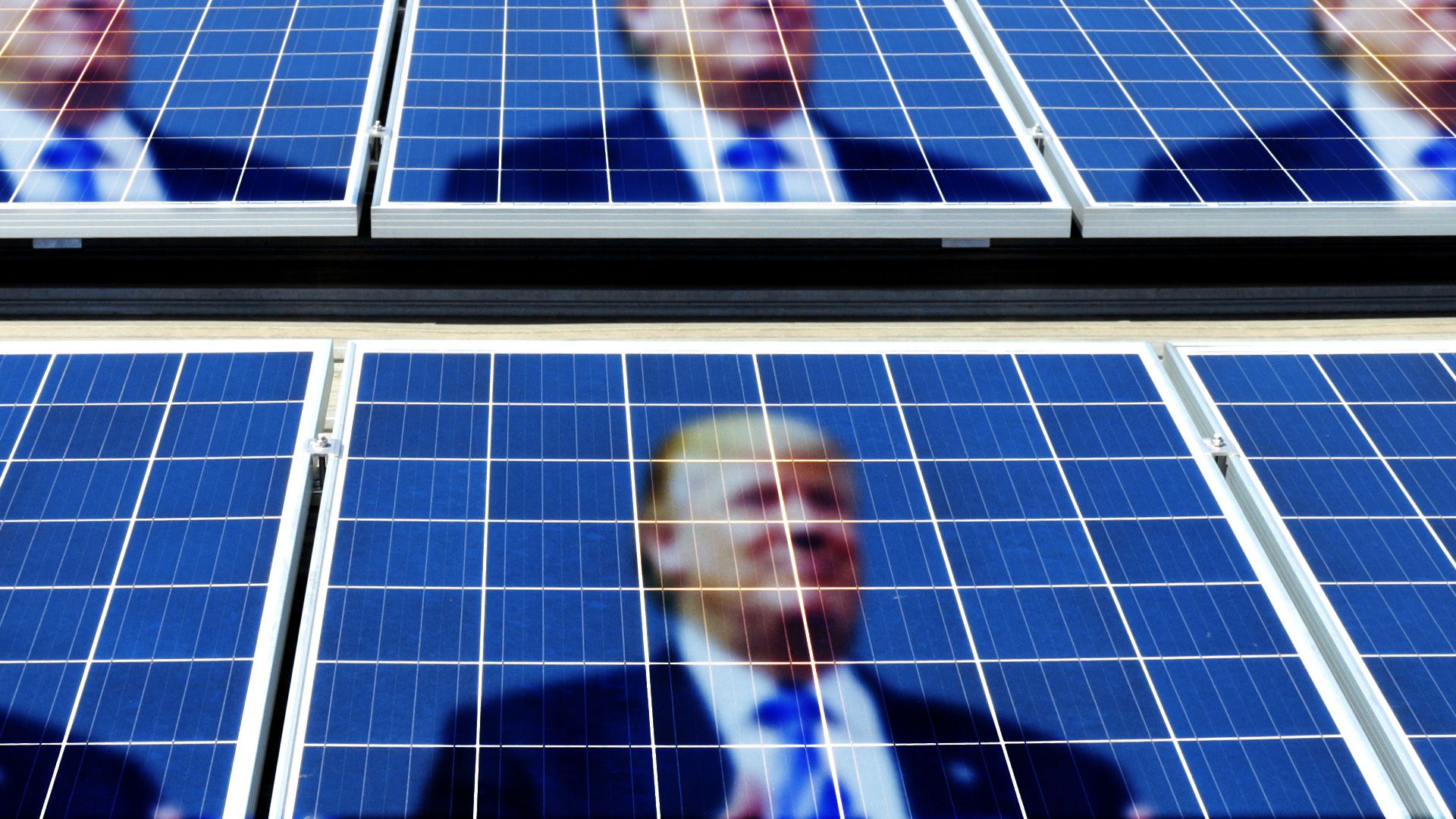
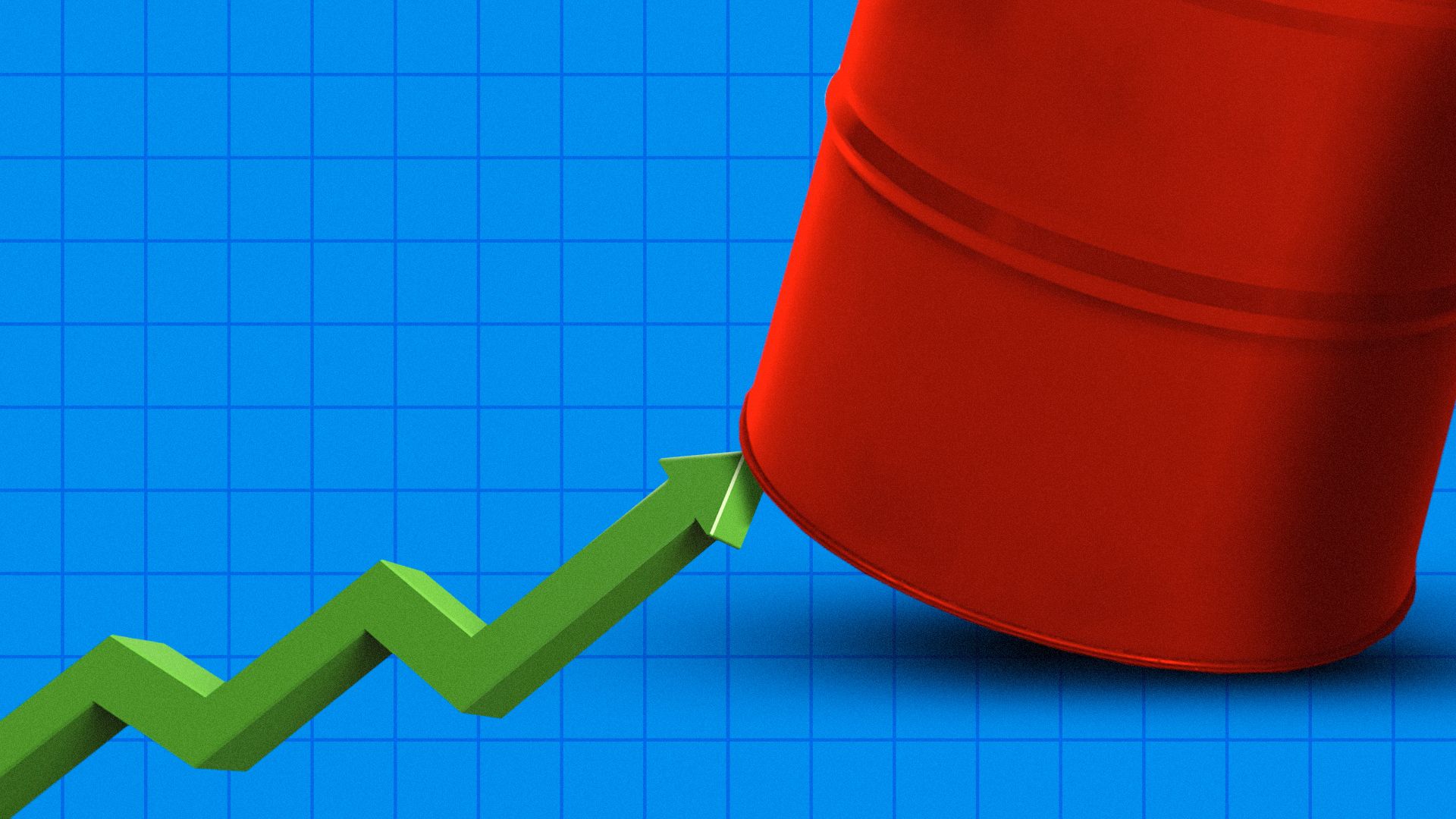
Oil prices would need to stay high for years — not weeks or months — to drive a lasting shift away from the fossil fuel.
The big picture: Every time oil spikes, the same question surfaces: Will this push more people into electric cars or install solar panels onto rooftops?
Ten days into President Trump's Iran campaign, the war has gone global.
At least 20 countries are now militarily involved — shooting, shielding or quietly supplying — while a widening energy shock punishes nations far from the front lines.
Why it matters: This isn't World War III. But it may be the closest we've come in decades — drawing in more countries, more great powers and more overlapping conflicts than any crisis since the Cold War.