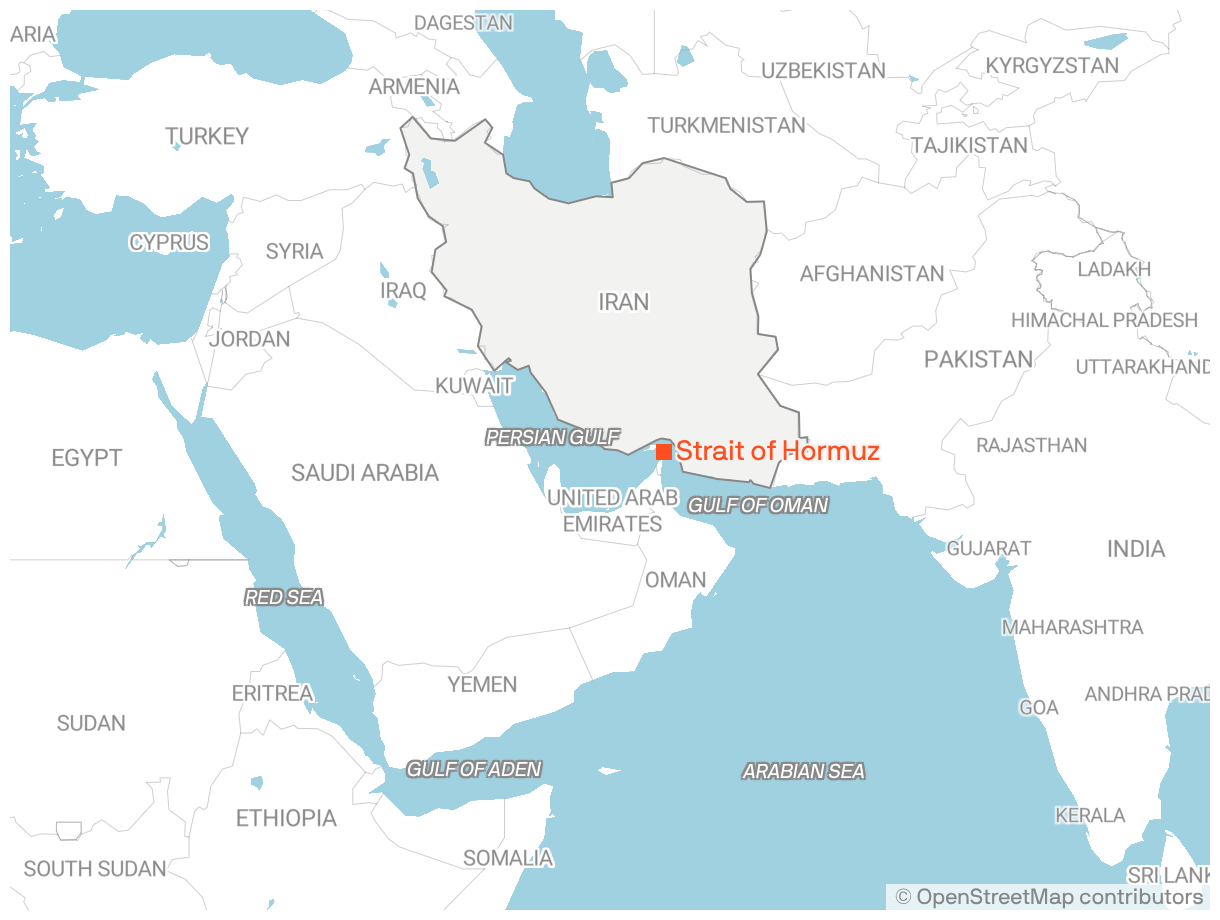
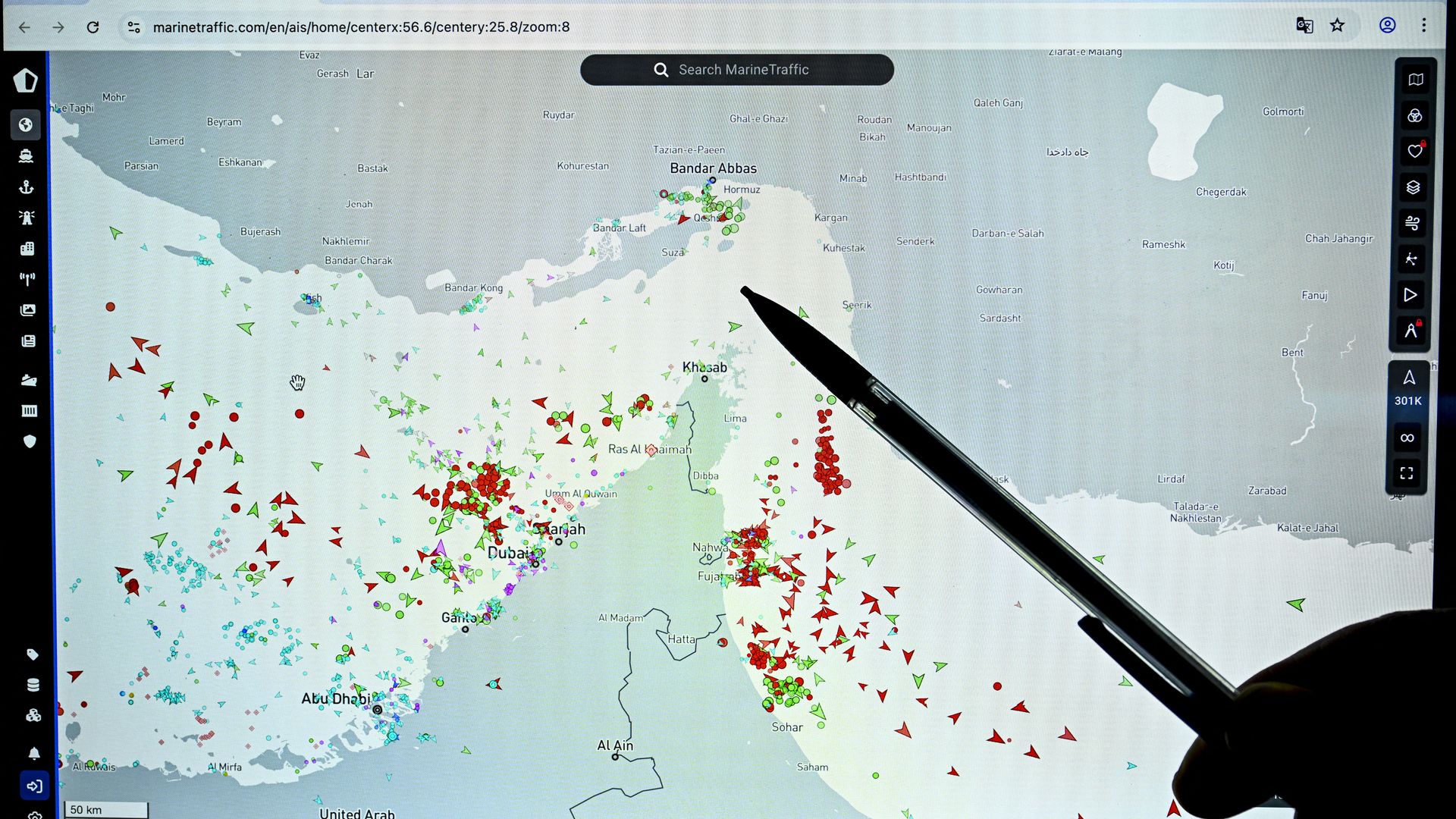
While President Trump has offered political risk insurance and Navy escorts for tankers navigating the Strait of Hormuz, it still remains one of the most difficult waterways in the world to defend.
The big picture: The Strait, which carries roughly 25% of the world's seaborne oil supply, is approximately 21 nautical miles wide at its narrowest point, but the designated shipping lanes are far smaller — concentrating traffic into predictable corridors for Iran to monitor and target adversaries.
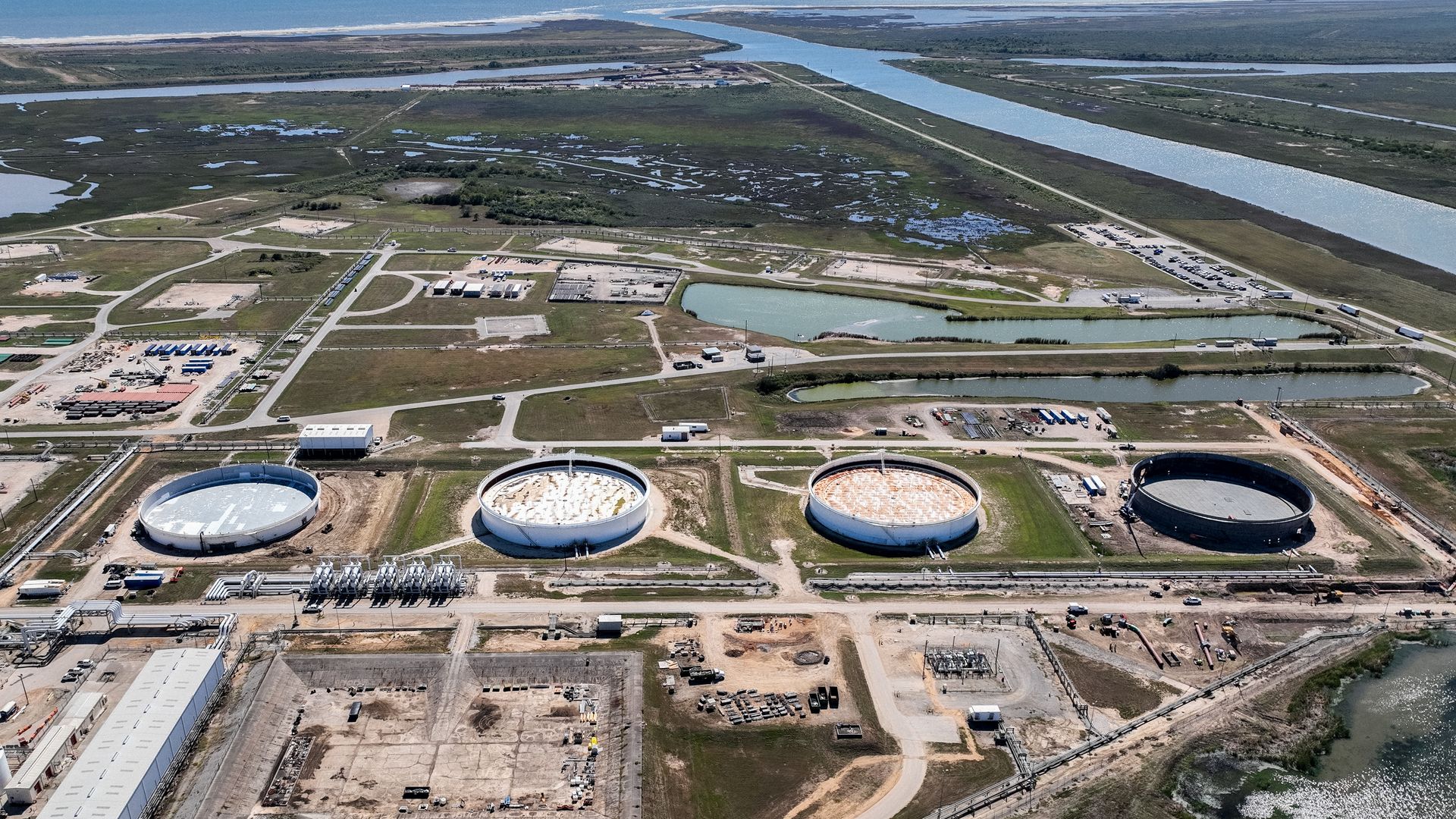
Pressure is mounting on President Trump to tap the Strategic Petroleum Reserve, the world's largest emergency oil stockpile, as gas prices surge in response to the Iran war.
Why it matters: The stockpile sits near its lowest levels in decades, limiting the government's cushion if the conflict drags on.
The Iran conflicthas a new economic front: oil topping $100 a barrel, with a near-immediate impact for drivers, travelers and grocery shoppers — while the benefits will flow more slowly to a handful of oil patch states.
Why it matters: Americans were already fed up with high prices. The effects of a widening conflict will ripple across the economy, with uncertainty about how high prices will rise and how long the surge will last.
The Iran war has cast a sharp spotlight on the global economy's reliance on the Strait of Hormuz.
Why it matters: The strait is a chokepoint for critical global commodities — and prices for oil, gas, plastics and fertilizers are already surging on fears of war-related disruptions.
Oil prices on Sunday crossed into triple digits for the first time since 2022 — a stark sign of how the Iran war is throttling global supplies and raising consumers' costs.
Why it matters: The psychologically important $100-a-barrel mark is going to increase pain for consumers, many of whom don't support the war and didn't have any real warning that it was coming.
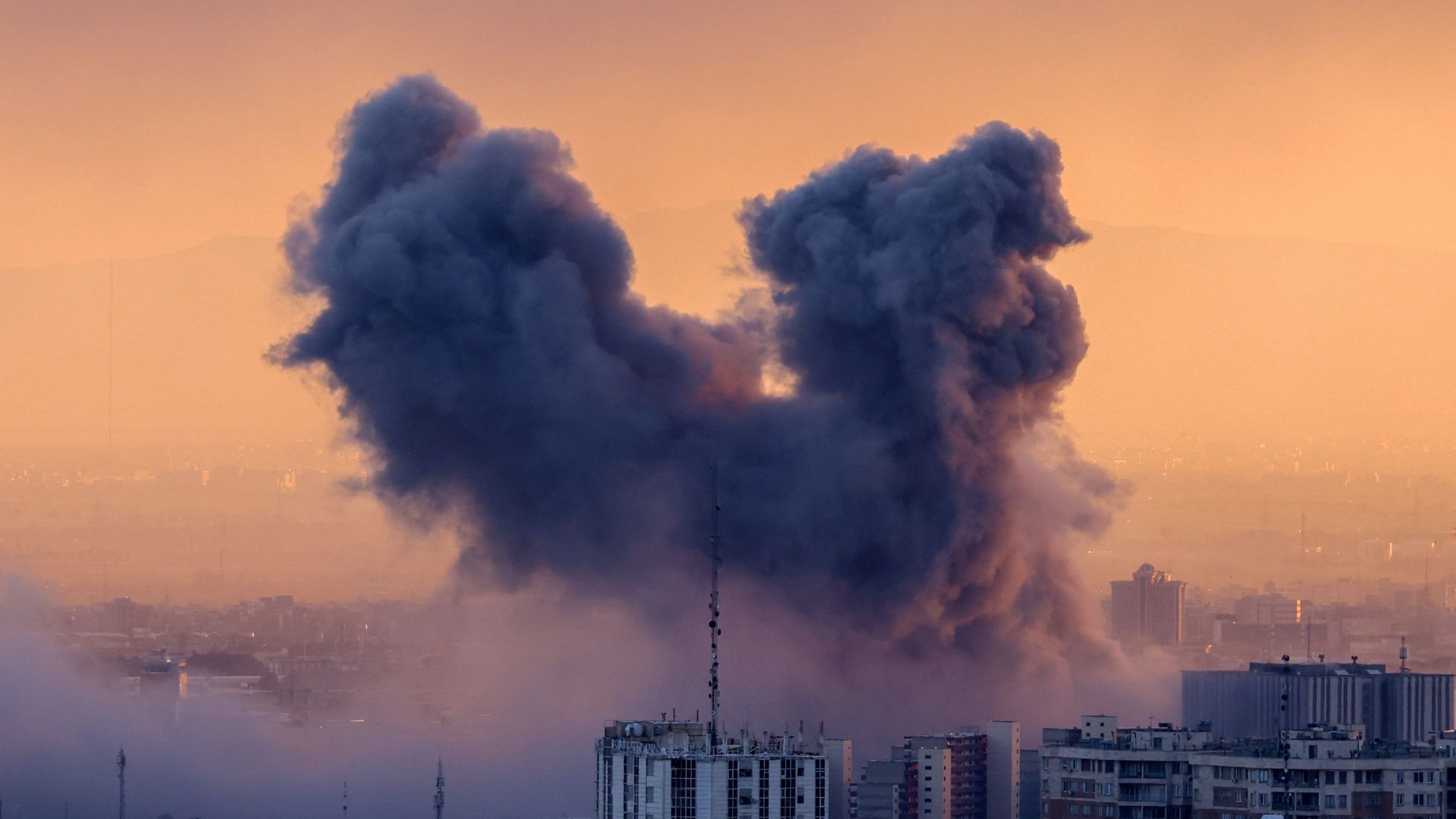
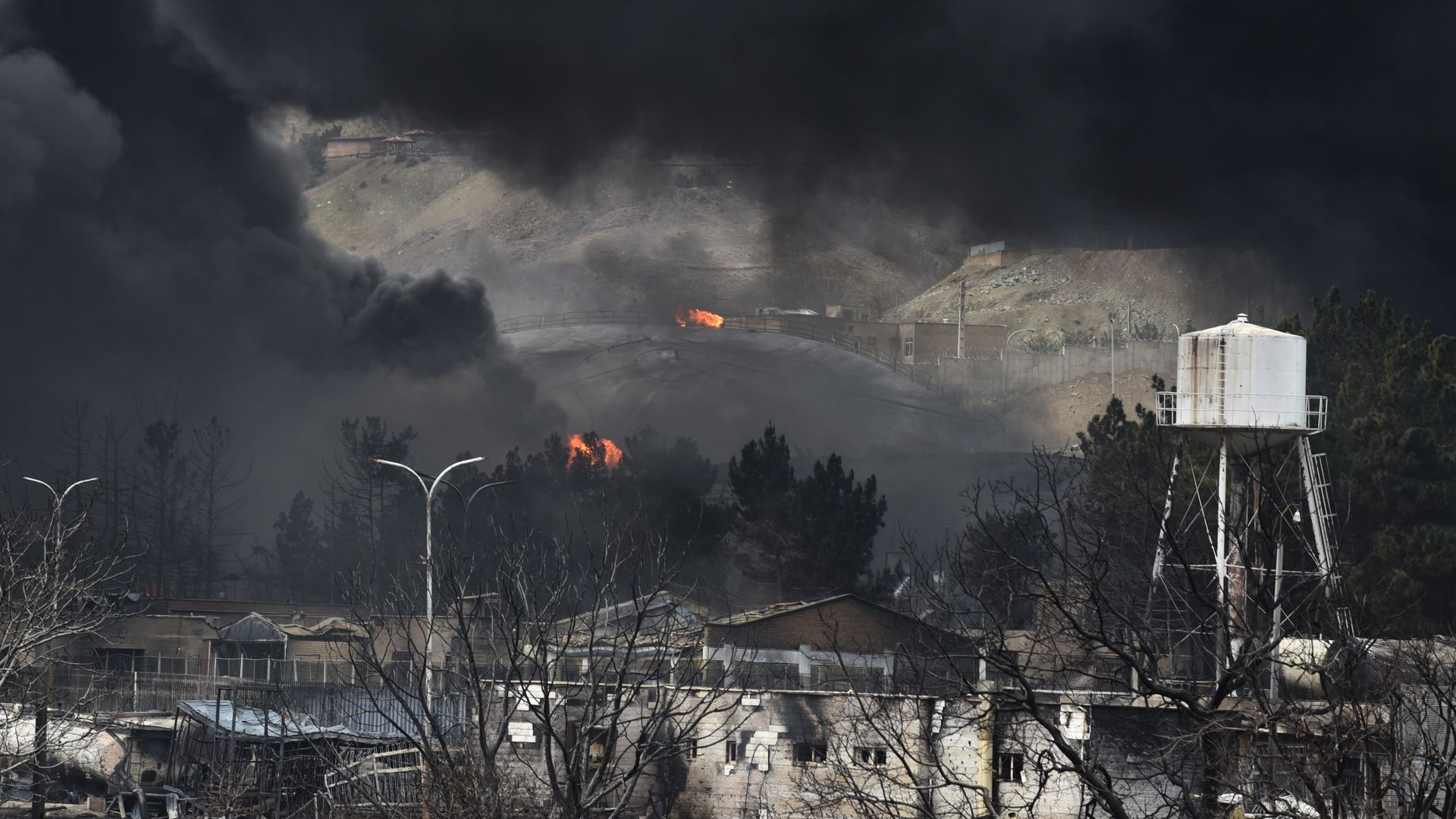
Israel's strikes on 30 Iranian fuel depots Saturday went far beyond what the U.S. expected when Israel notified it in advance, sparking the first significant disagreement between the allies since the war began eight days ago, according to a U.S. official, Israeli official and a source with knowledge.
Why it matters: The U.S. is concerned Israeli strikes on infrastructure that serves ordinary Iranians could backfire strategically, rallying Iranian society to support the regime and driving up oil prices.
Senate Minority Leader Chuck Schumer (D-N.Y.) on Sunday called on President Trump to release oil from the national stockpile to counter soaring gas prices — an idea that Republicans have been slow to embrace.
Why it matters: Tapping the Strategic Petroleum Reserve (SPR) could deprive Republicans of a talking point: That then-President Biden's move to do so in 2022 was done for purely political reasons.
The Trump administration's top energy official argued Sunday that fear — not supply shortages — is driving a historic surge in oil prices.
The big picture: The world is well-supplied with oil, but markets are reacting to real-world disruptions — a strangled Strait of Hormuz, halted production and strikes on fuel storage.