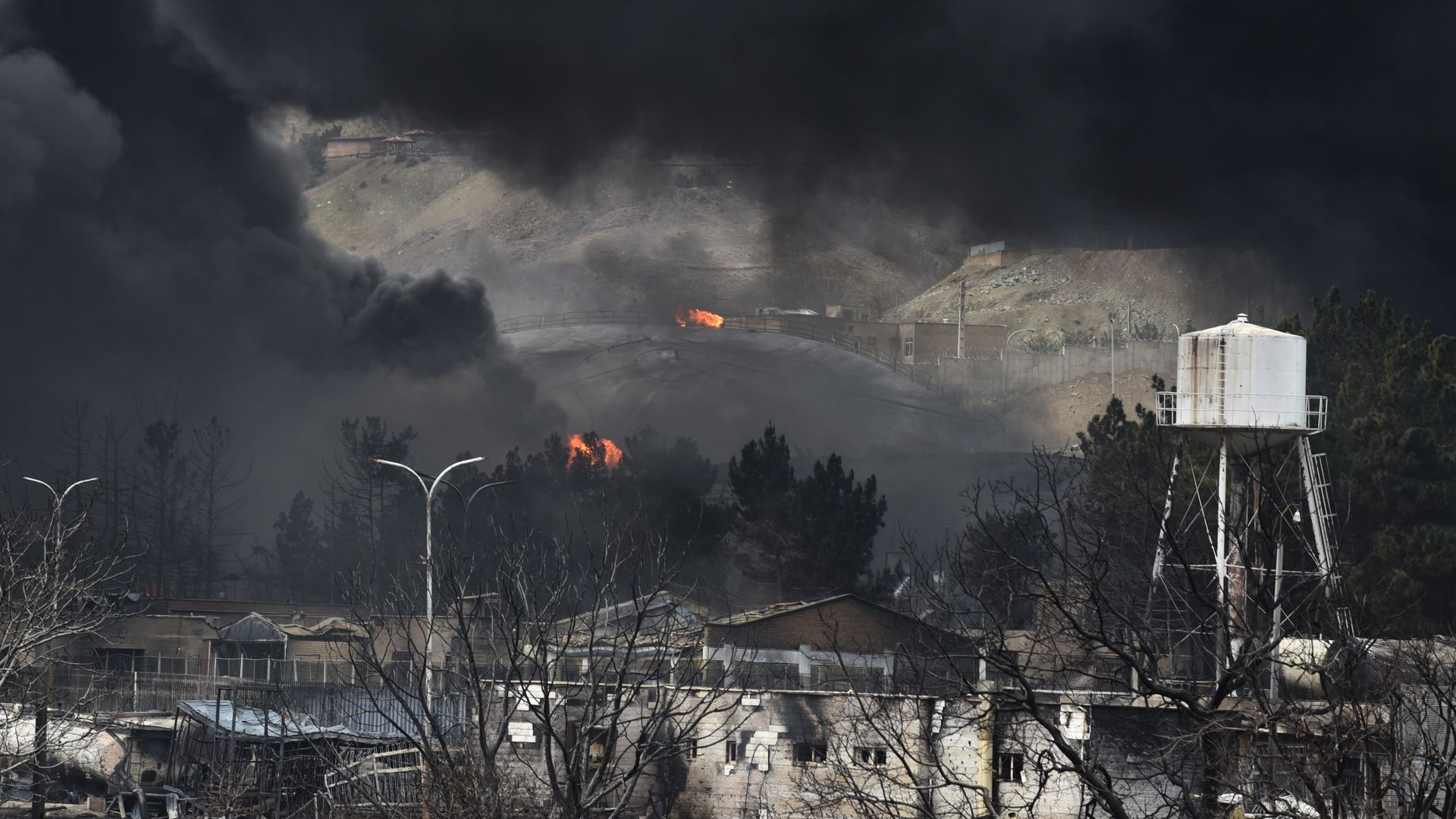
Israel's strikes on 30 Iranian fuel depots Saturday went far beyond what the U.S. expected when Israel notified it in advance, sparking the first significant disagreement between the allies since the war began eight days ago, according to a U.S. official, Israeli official and a source with knowledge.
Why it matters: The U.S. is concerned Israeli strikes on infrastructure that serves ordinary Iranians could backfire strategically, rallying Iranian society to support the regime and driving up oil prices.
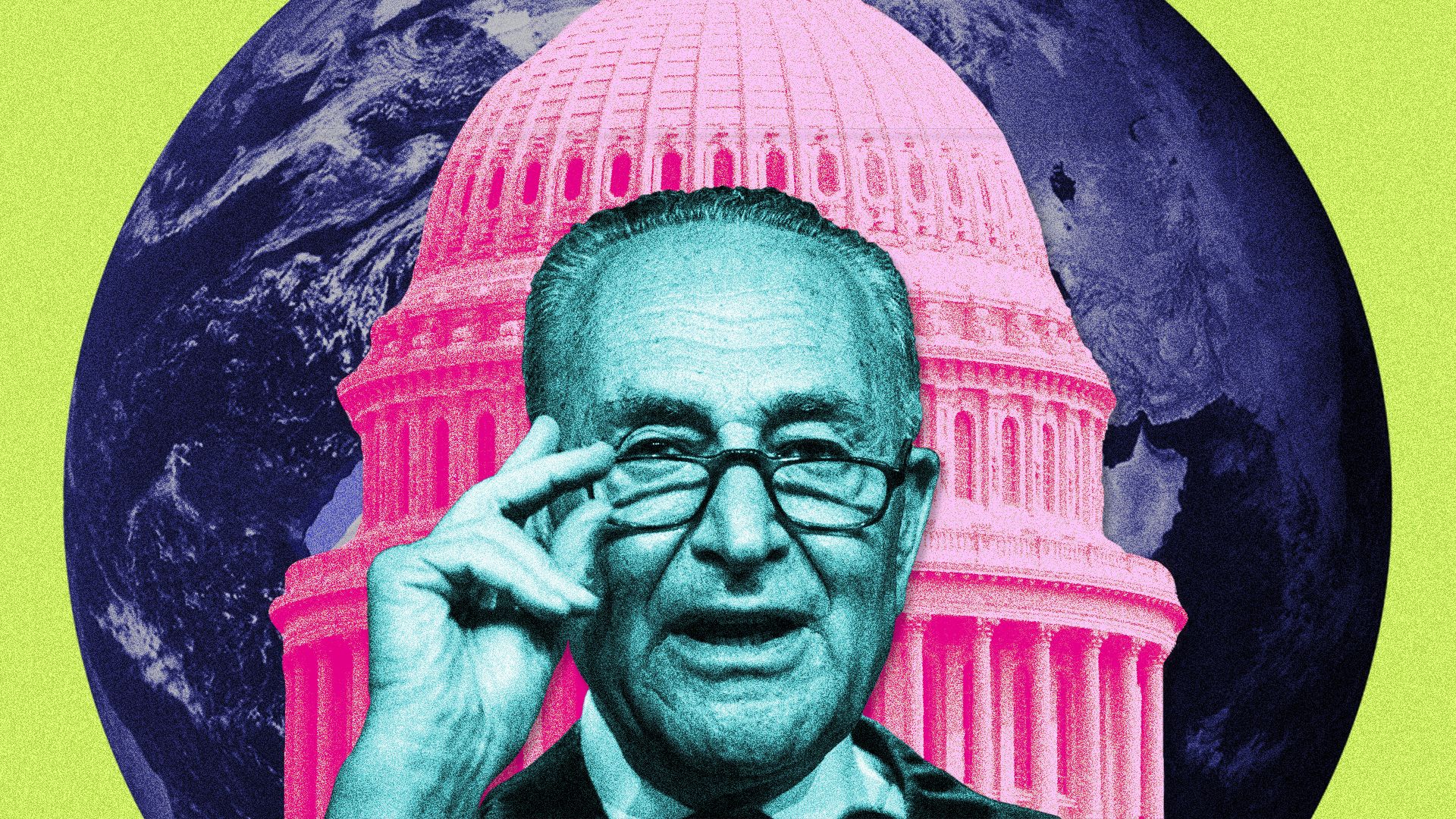
Senate Minority Leader Chuck Schumer (D-N.Y.) on Sunday called on President Trump to release oil from the national stockpile to counter soaring gas prices — an idea that Republicans have been slow to embrace.
Why it matters: Tapping the Strategic Petroleum Reserve (SPR) could deprive Republicans of a talking point: That then-President Biden's move to do so in 2022 was done for purely political reasons.
The Trump administration's top energy official argued Sunday that fear — not supply shortages — is driving a historic surge in oil prices.
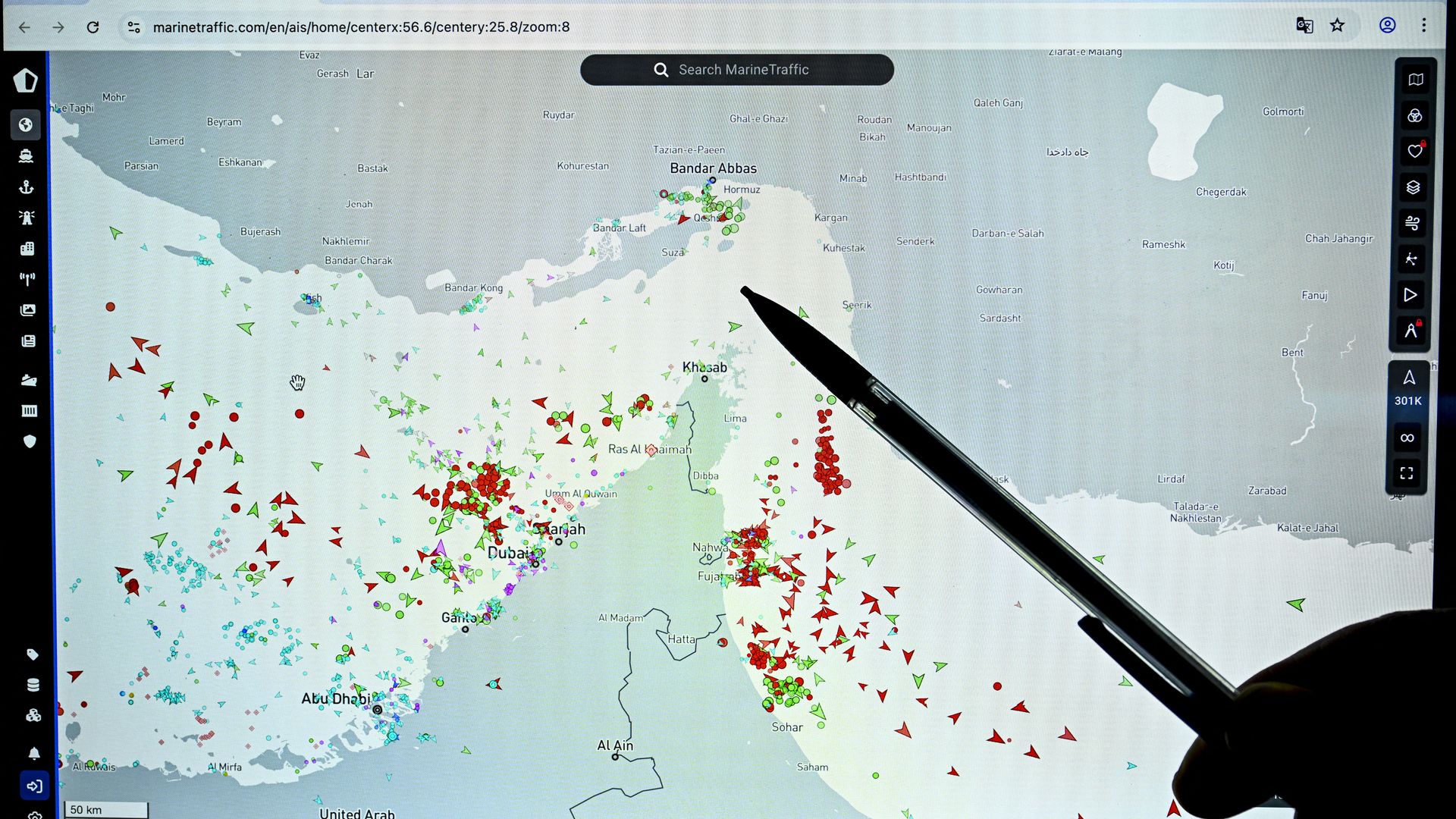
The big picture: The world is well-supplied with oil, but markets are reacting to real-world disruptions — a strangled Strait of Hormuz, halted production and strikes on fuel storage.
Why it matters: Trump fancies himself a high-risk, high-reward president, a confidence cheered by the vast majority of Republican officials and voters. But risk is risk — and by most measures, it's rising everywhere.
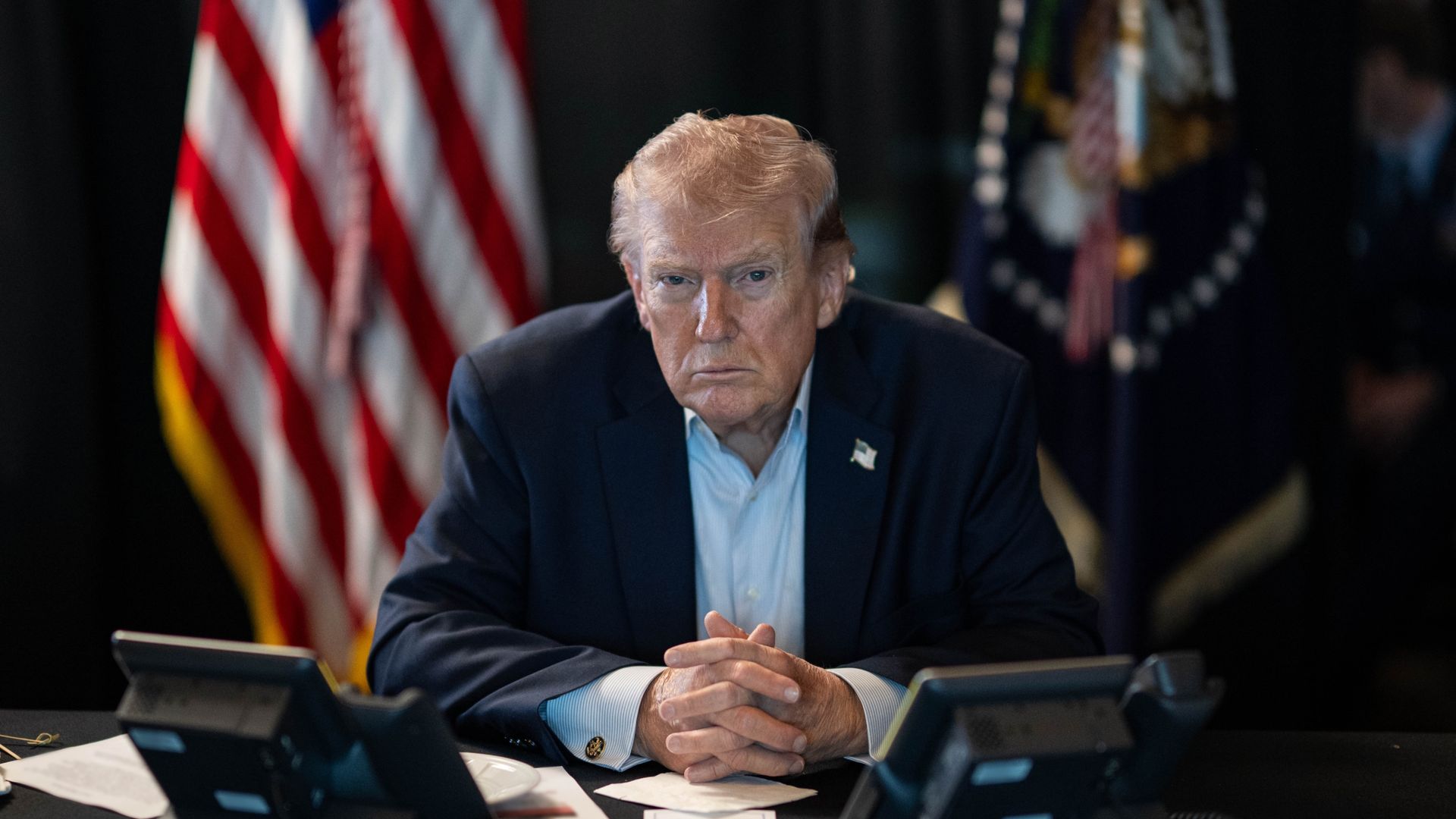
President Trump is positioning himself as a central architect of Iran's post-war future, demanding "UNCONDITIONAL SURRENDER" on Friday.
The big picture:Trump is signaling ambitions that extend beyond military action into reshaping Iran's political and economic order just as he did in Venezuela. But experts warn it's not that simple.