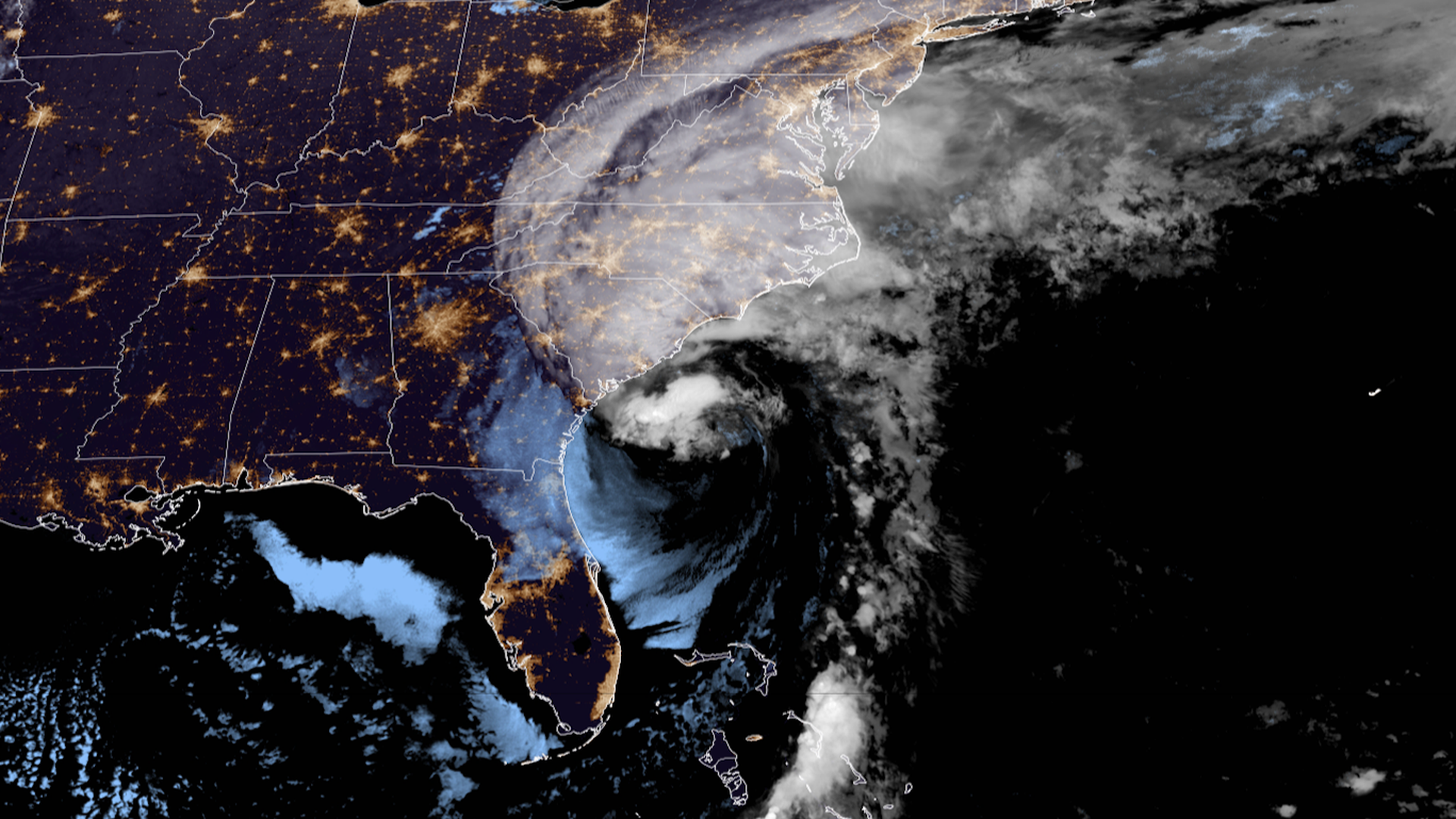
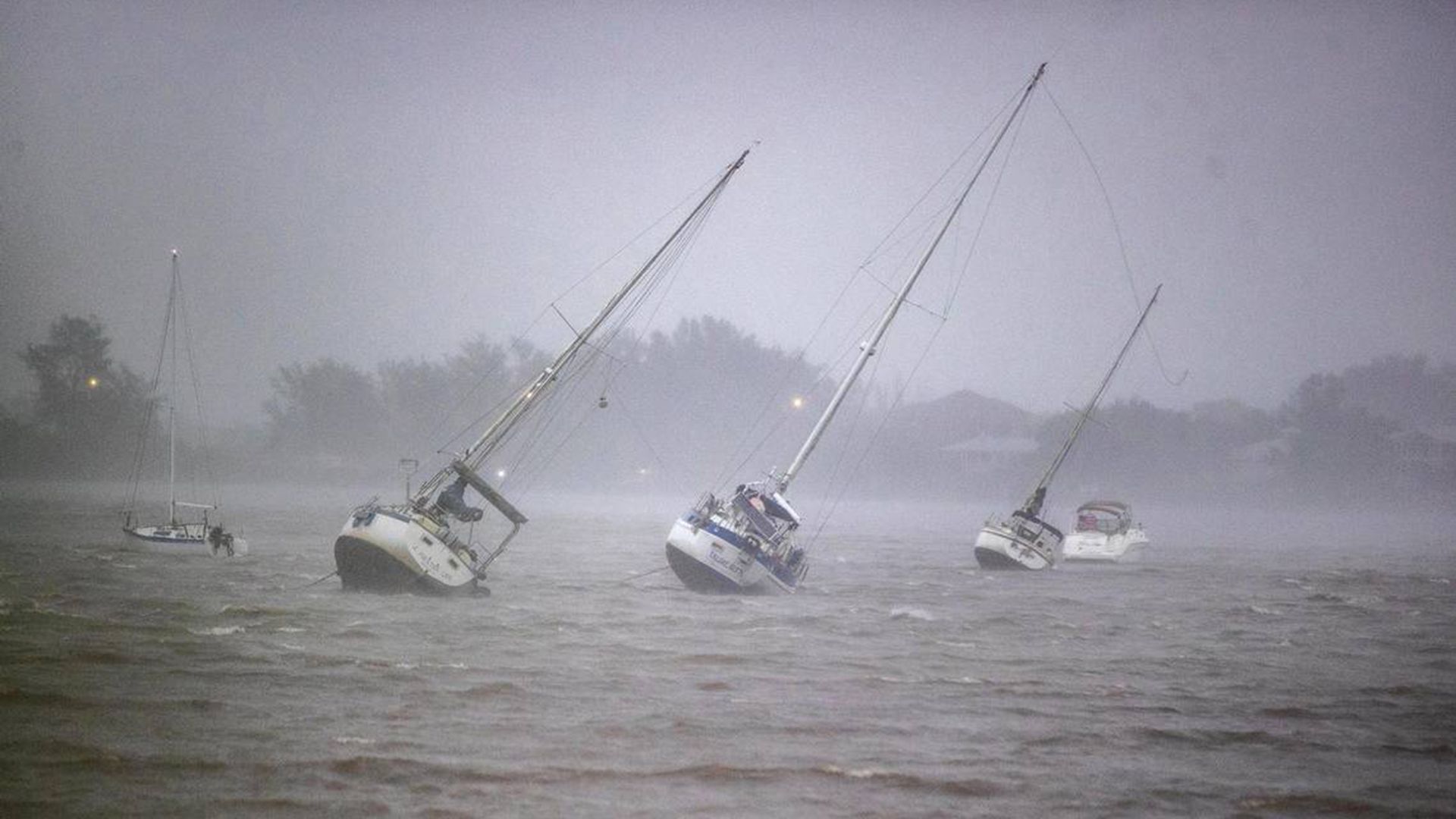
The White House approved an emergency declaration for North Carolina after massive storm Ian, which hit Cuba, Puerto Rico, Florida and South Carolina earlier this week, ripped through the state late Friday and early Saturday.
The latest: Ian was downgraded and is expected to continue weakening near Virginia and North Carolina's border, per the NHC.
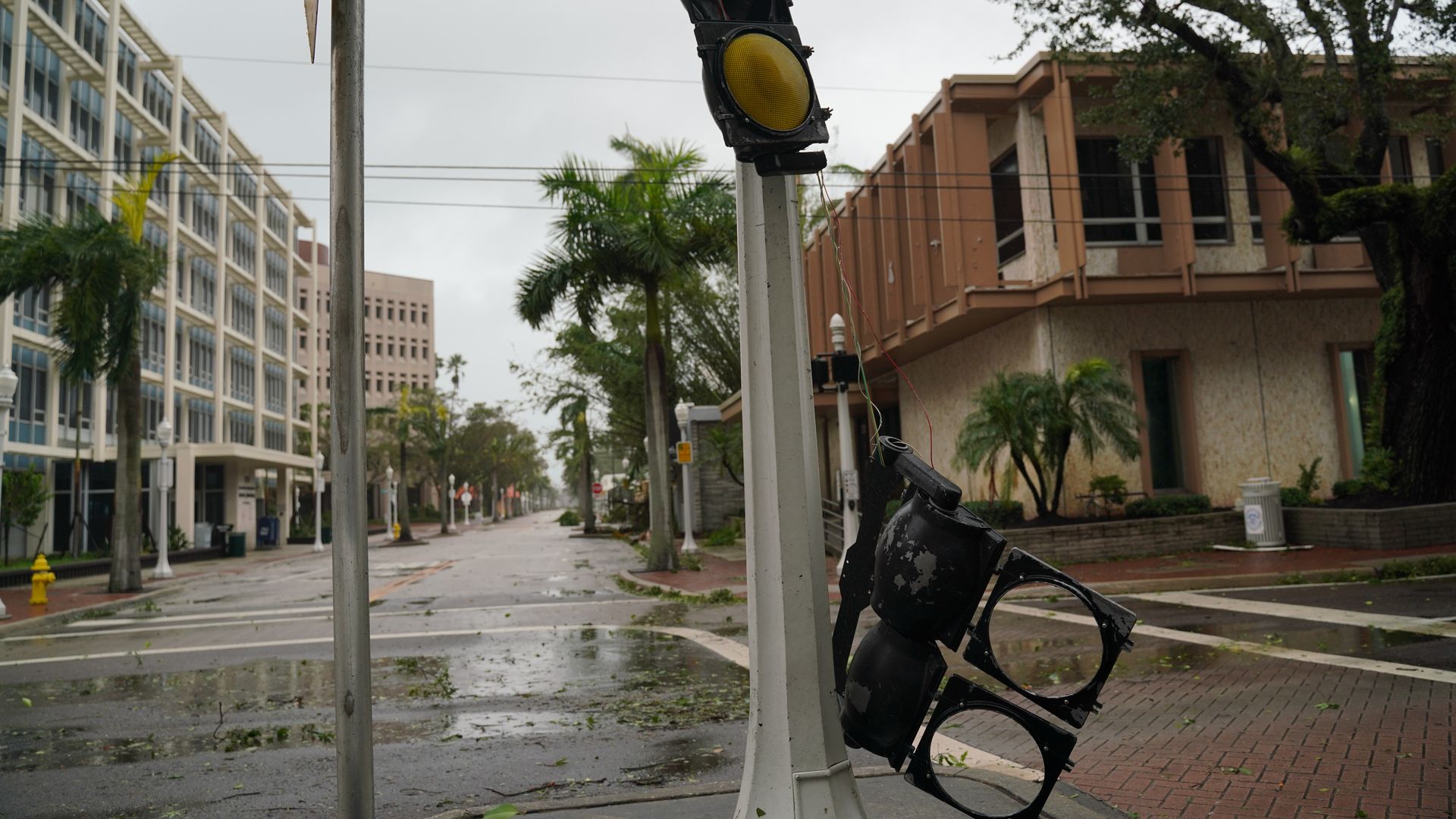
More than 1.6 million Florida customers — about 15% of the state — remained without power Friday afternoon from Hurricane Ian as restoration efforts continued in the state.
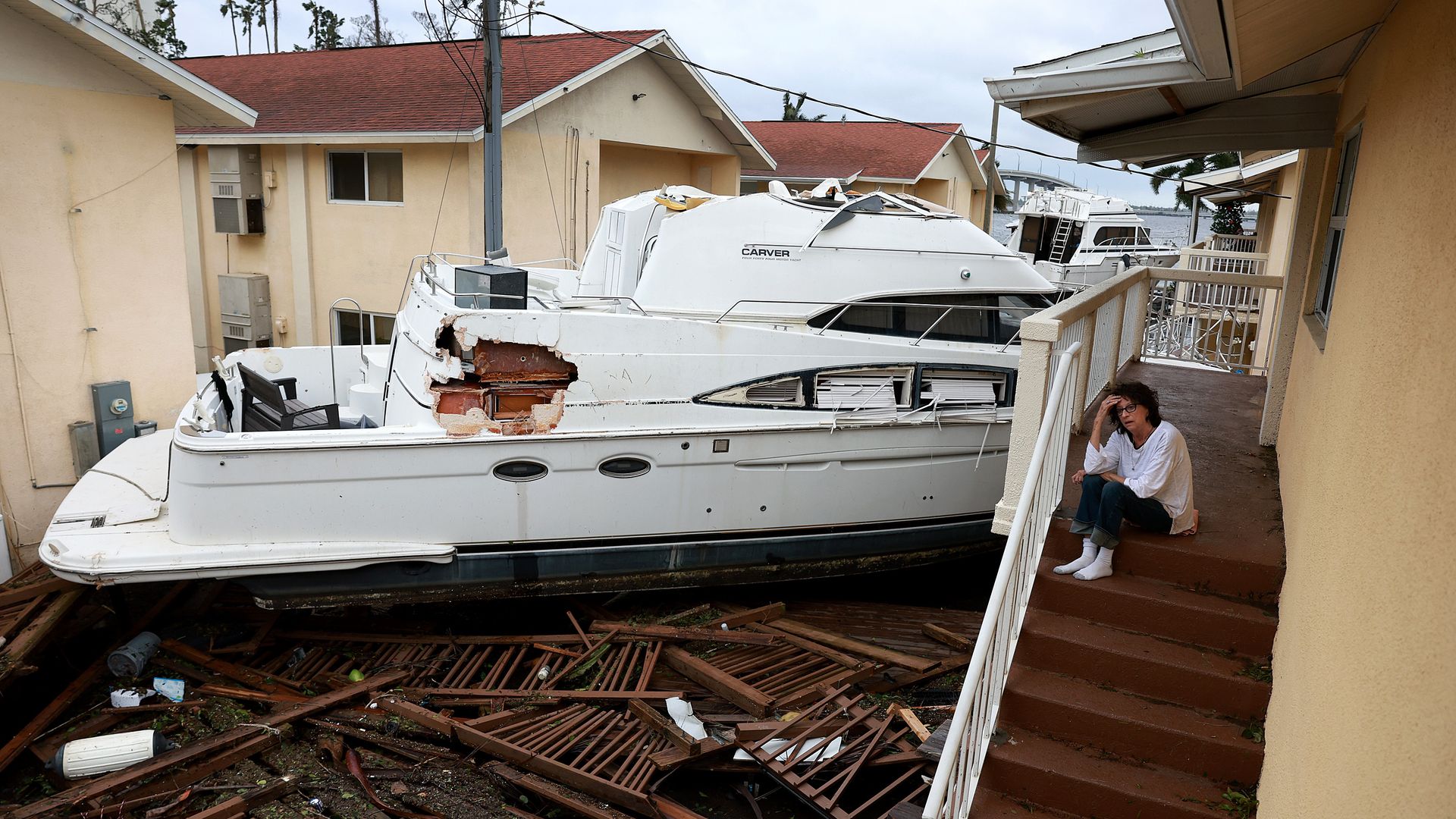
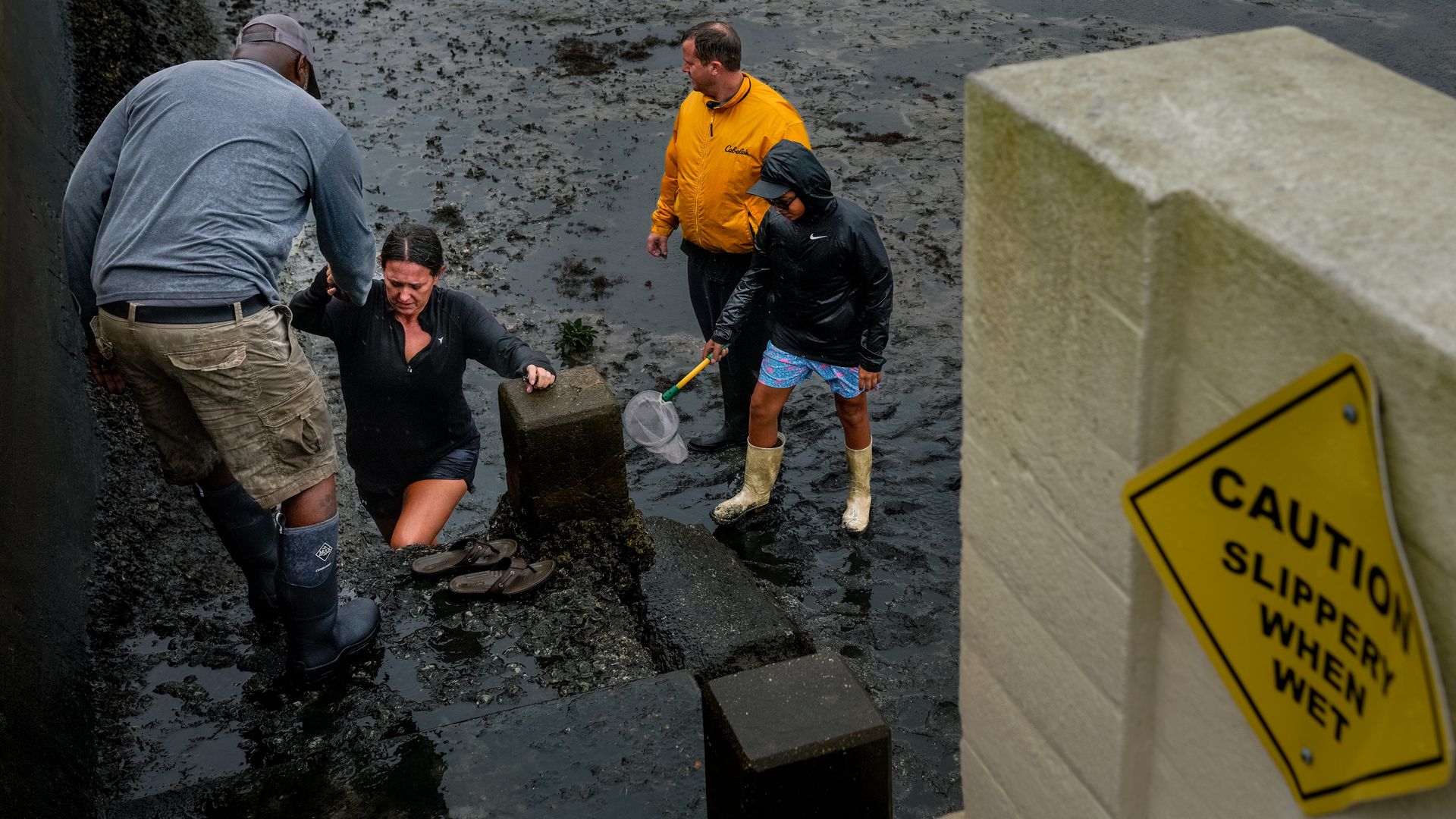
The big picture: Ian unleashed widespread life-threatening storm surge flooding after making landfall as a high-end Category 4 storm near Cayo Costa Wednesday afternoon. Officials in coastal communities were responding to multiple water rescues. In Port Charlotte, storm surge flooded a hospital emergency room, per AP.
The big picture: Hurricane warnings have been issued for the South Carolina coastline. The storm has knocked out power to about 2.6 million customers across Florida, with outages mounting in the Jacksonville area as the storm's winds knock down trees and power lines.
The U.S. is using multilateral talks in Montreal to seek stronger emissions targets for aviation — and the new climate law is providing diplomatic leverage, Transportation Secretary Pete Buttigieg said in an exclusive interview with Axios.
Why it matters: Aviation accounted for just 2% of global energy-related greenhouse gas emissions in 2021, but it is growing quickly.
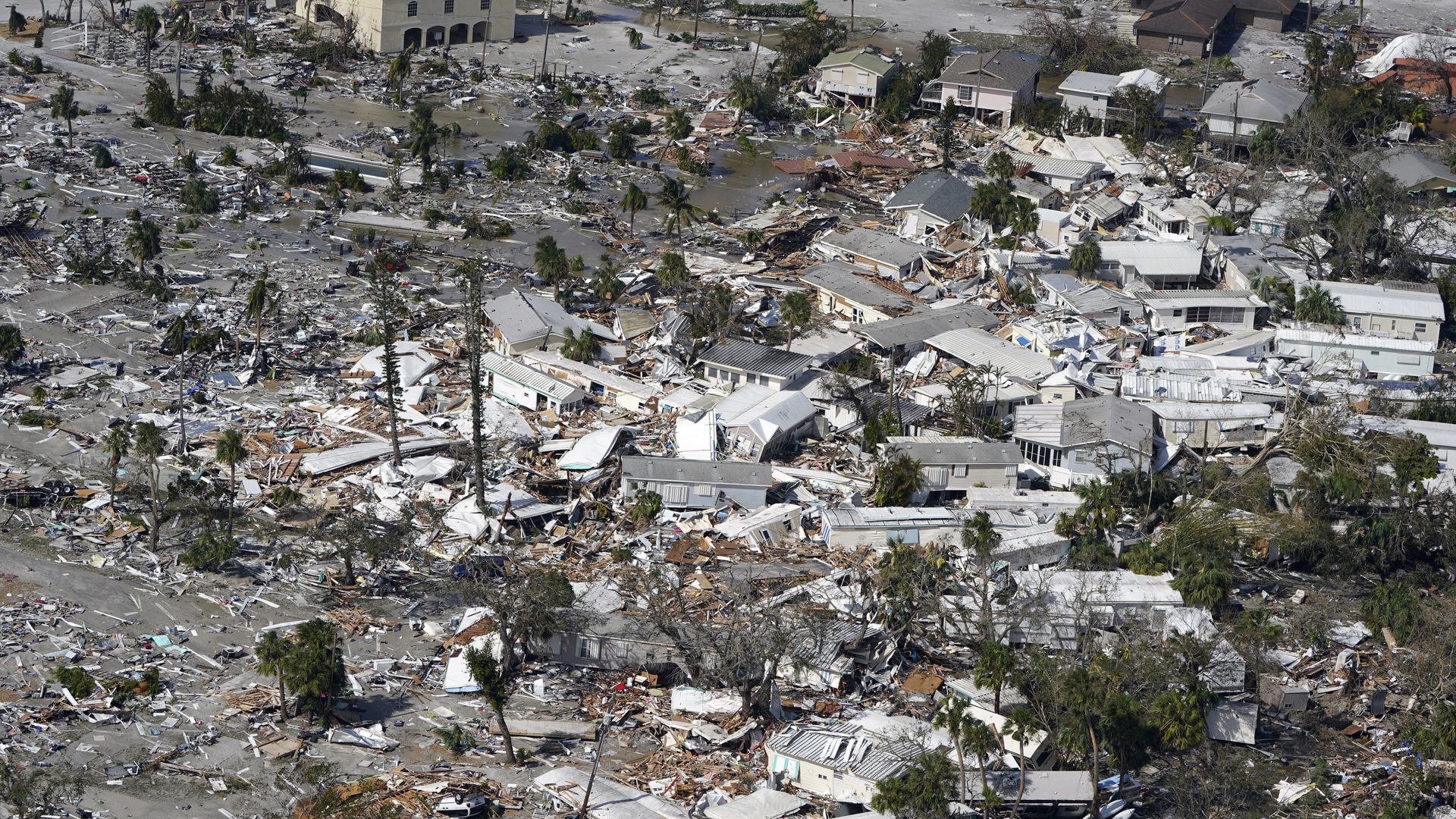
Recovery efforts are underway in Florida in the aftermath of devastating Hurricane Ian, which continued to move northeast as a tropical storm across the state Thursday on its way to the Carolinas.
Driving the news: More than 2.6 million in the state were without power Thursday after Ian brought strong winds, "life-threatening, catastrophic" flooding, and storm surges as high as 12 feet in some areas.
The big picture: Parts of the Florida mainland experienced widespread power outages and flash flooding as Ian crossed through the state Wednesday after making landfall in the Fort Myers area as a Category 4 hurricane.
As Hurricane Ian hammers southwest Florida, Tampa's lower-income households lack the funds to stock up on hurricane supplies — and rising prices add to that pressure.
The big picture: Millions of Floridians spent the past few days evacuating or gearing up for the storm. But preparation ahead of a hurricane is an added stressor for the 42% of Hillsborough County’s population — and the 46% of neighboring Pinellas County — that can’t afford the basic cost of living.
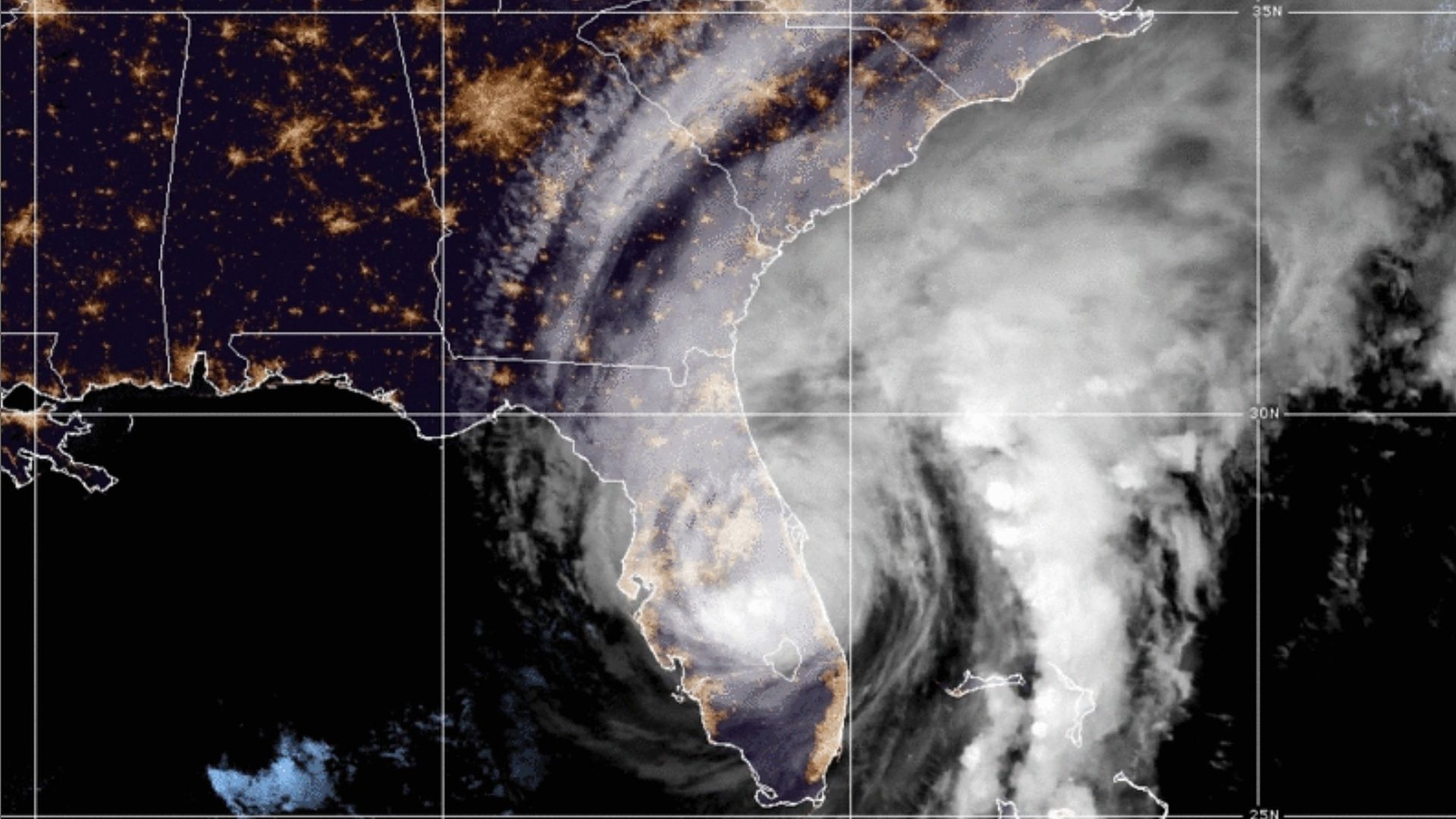
Hurricane Ian weakened to a tropical storm early Thursday, but the National Hurricane Center warned it's still battering the Florida Peninsula with strong winds, heavy rains and storm surge.
Driving the news: Since making landfallas a high-end Category 4 storm Wednesday afternoon, Ian has knocked out power to nearly 2.5 million people as it inundated densely populated coastal communities known for attracting tourists and retirees — including Fort Myers, Cape Coral, Naples and Sanibel Island.
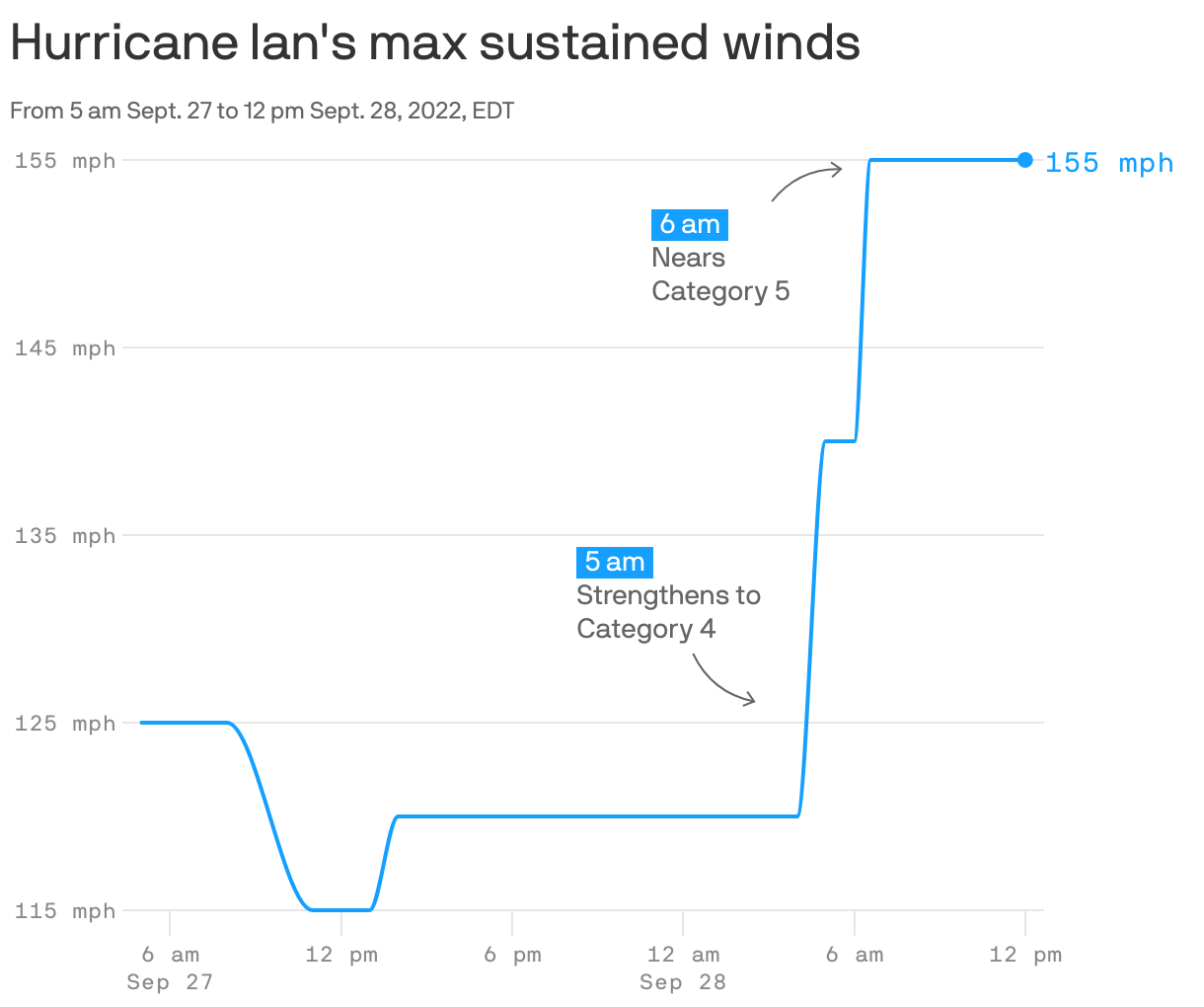
Data: National Oceanic and Atmospheric Administration; Note: Category 5 intensity begins at 157 mph; Chart: Madison Dong/Axios Visuals
Hurricane forecasters' worst nightmare came true on Wednesday morning, when what had been a Category 3 storm Tuesday night suddenly jumped almost to Category 5.
Why it matters: It used to be rare for storms to keep strengthening until landfall, let alone do so rapidly. Now it is not — and studies show this is a dangerous sign of climate change.
Hurricane Ian was pummeling communities across the Florida Peninsula on Thursday morning, a day after making landfall as a major Category 4 storm.
The big picture: Ian weakened to a Category 1 storm overnight, but it was still posing a serious threat with its heavy rains, powerful winds, storm surge and life-threatening flooding as it churned toward Georgia and South Carolina, knocking out power to over 2 million Floridians in its wake.
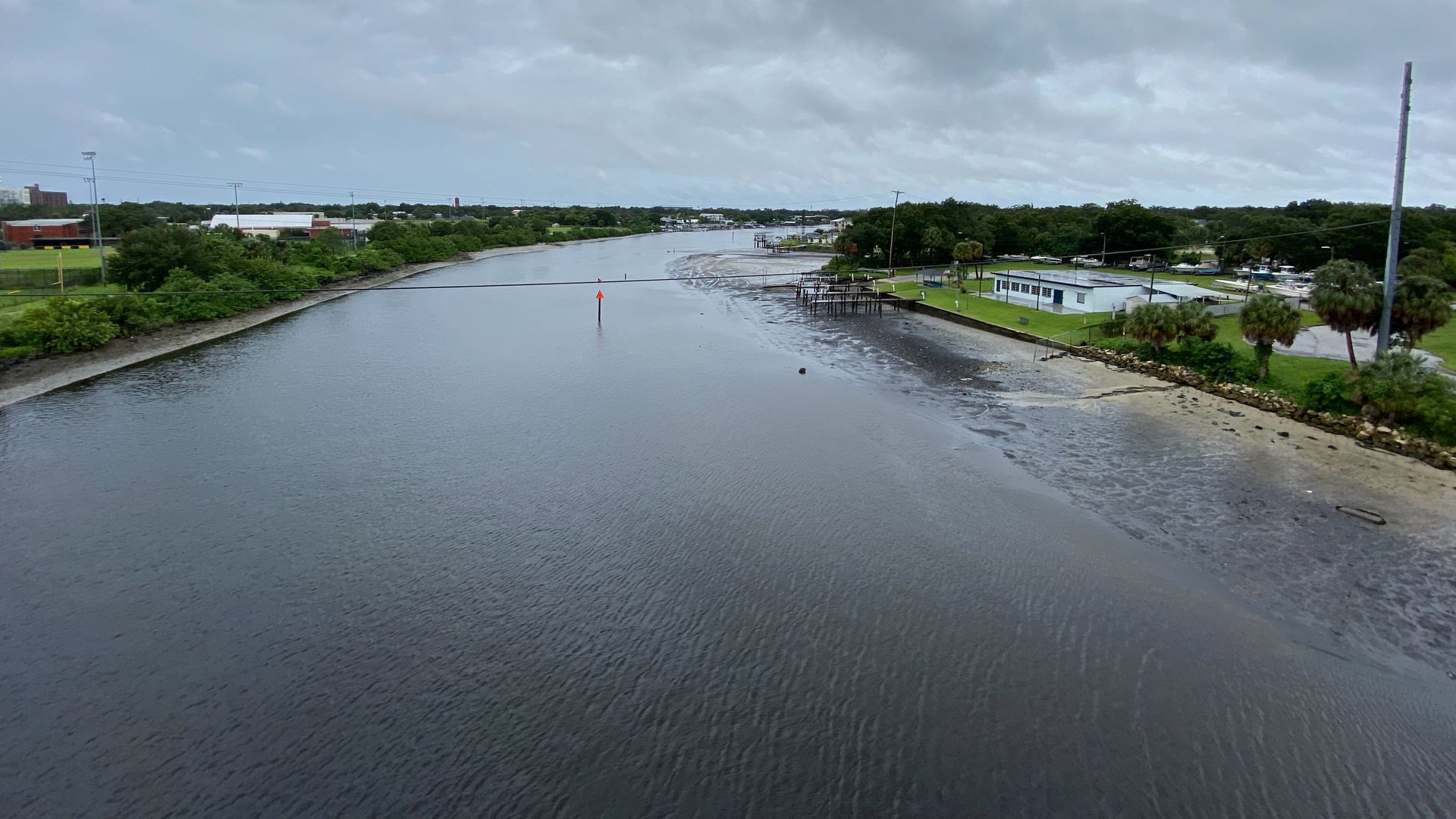
Hurricane Ian was flooding some areas of Florida's west coast with storm surges that could reach up to 18 feet above ground level as it moved across the peninsula after making landfall Wednesday afternoon, the National Hurricane Center said.
Why it matters: Surge numbers that high — 12 to 18 ft — would be unprecedented for the region and some of the highest on record in the U.S.
Much attention has focused on Hurricane Ian's storm surge flooding coastal areas of Florida, setting records in coastal areas like Fort Myers and Naples.
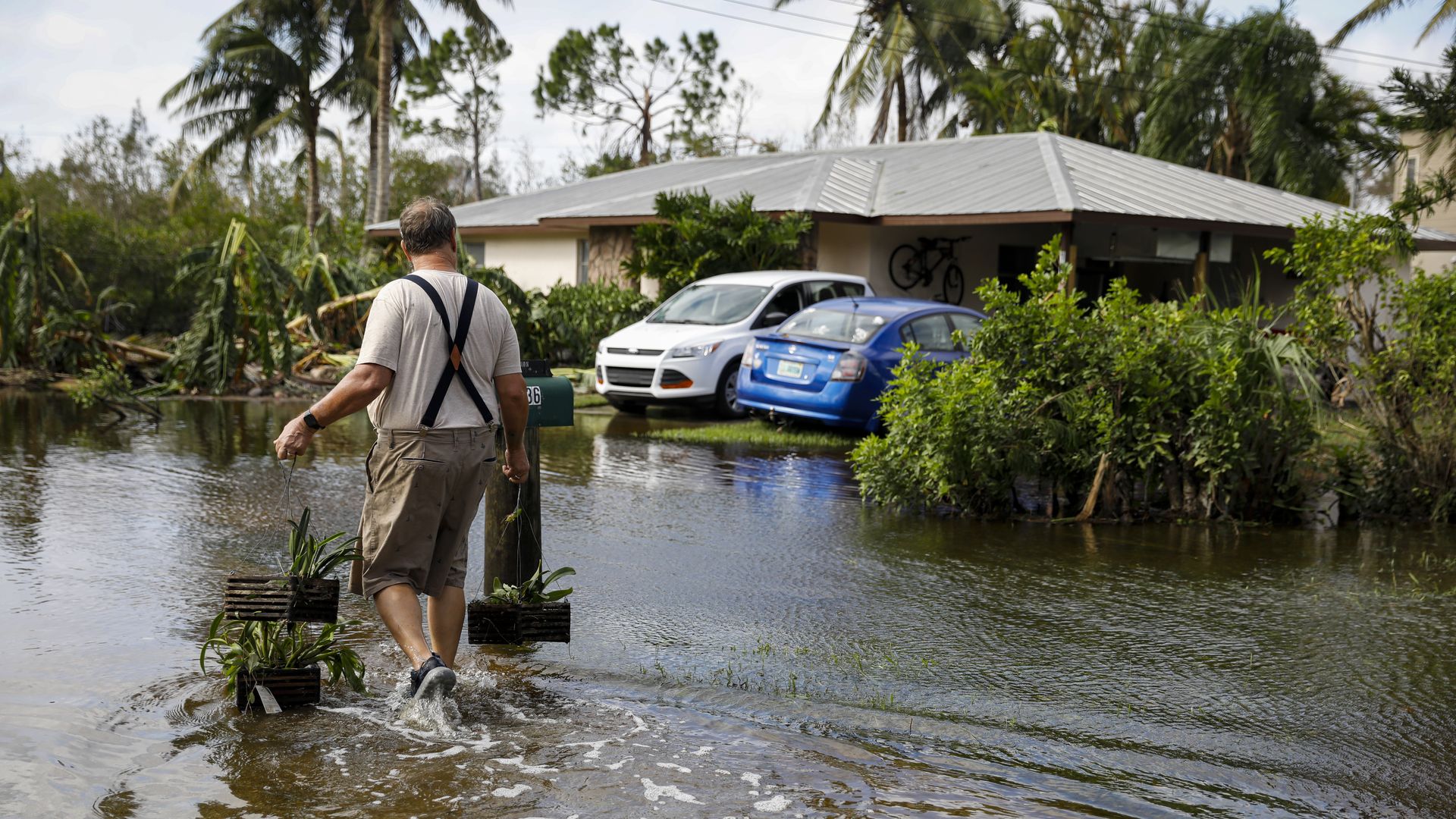
But the National Hurricane Center warned in an advisory Wednesday that "widespread, life-threatening catastrophic flash and urban flooding, with major to record flooding along rivers, is expected to continue across central Florida" — damage that will last after the storm moves away.