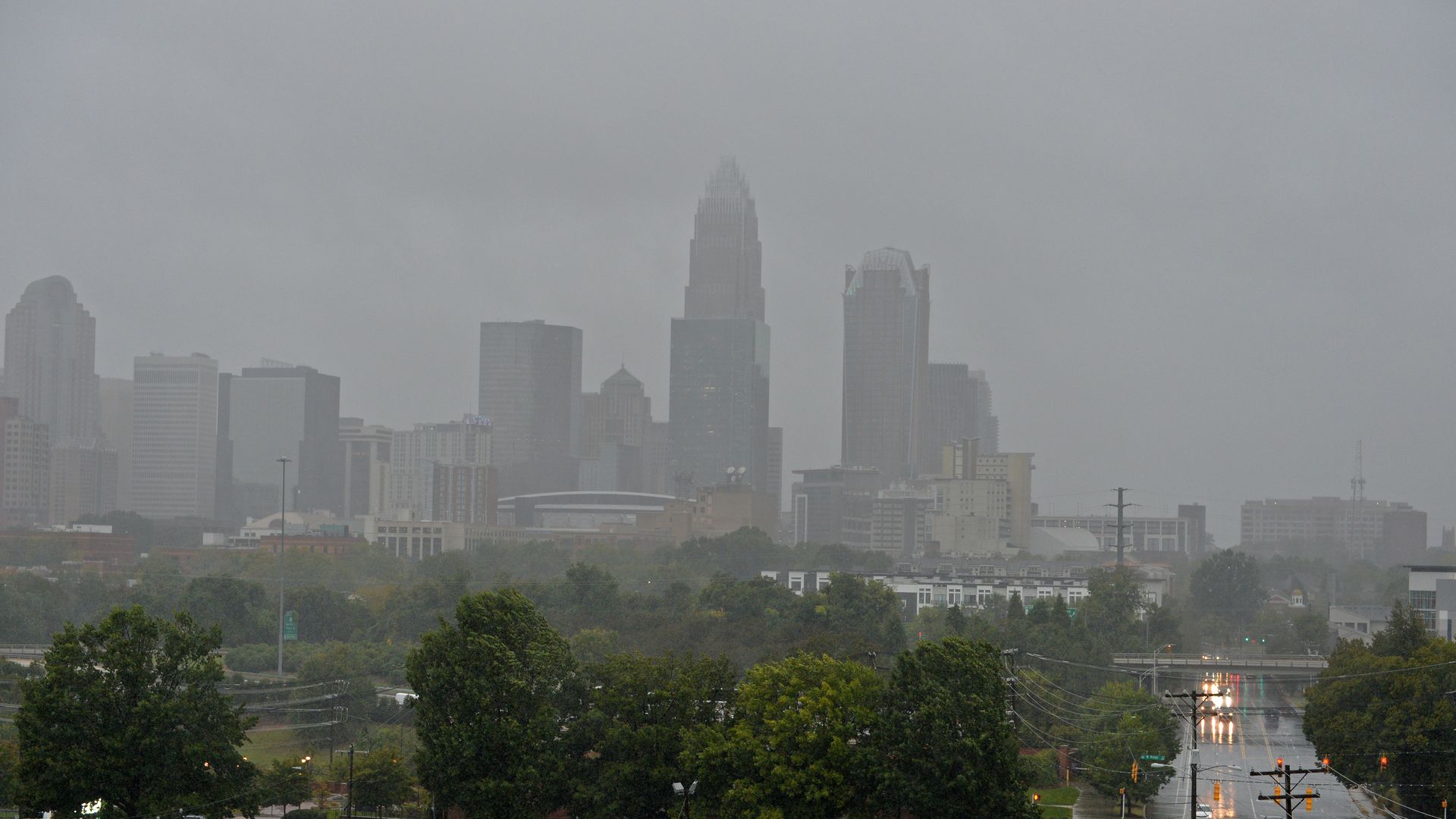
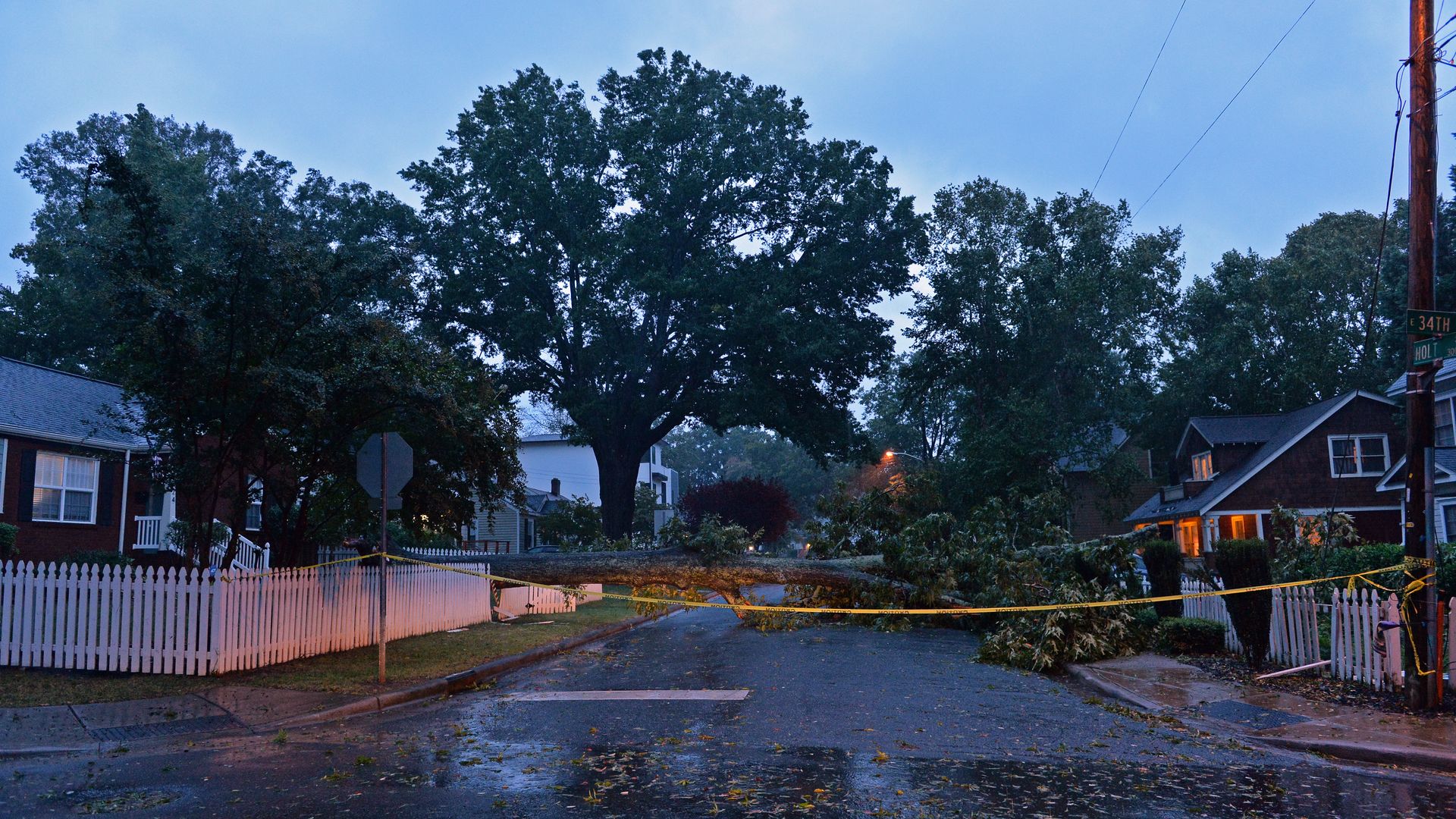
The White House has approved a state of emergency for North Carolina as the remnants of Hurricane Ian approach the state on Saturday.
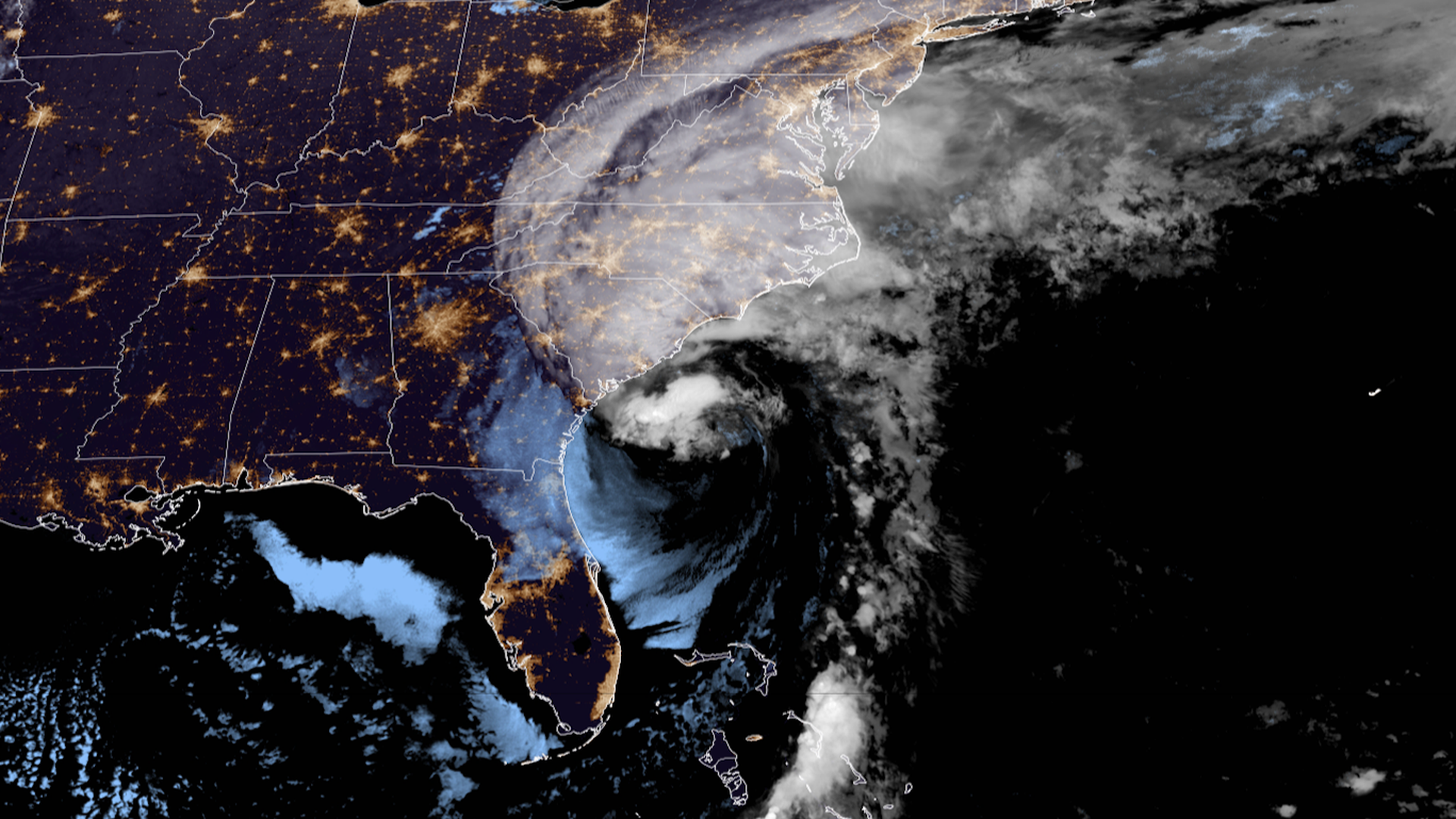
The big picture: Ian, now considered a post-tropical cyclone, will continue to weaken, but heavy rain and gusty winds will still impact the Mid-Atlantic region and New England coast, according to the National Hurricane Center.
Driving the news: Ian hit South Carolina as a Category 1 hurricane and brought heavy winds and "life-threatening" storm surge along the North and South Carolina coasts on Friday.
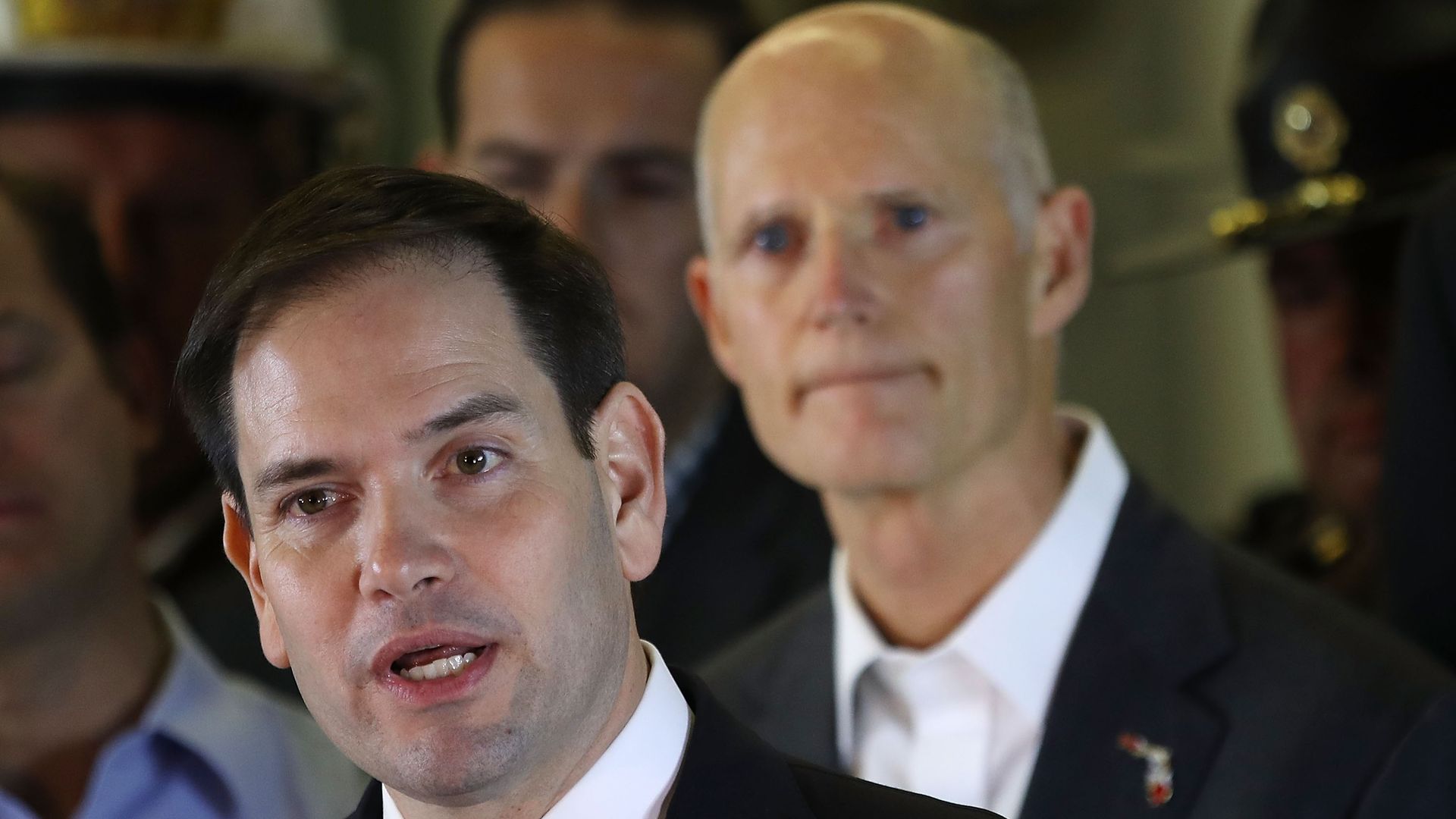
Florida Sens. Marco Rubio and Rick Scott called on Senate leaders Friday to provide more funding to help Florida rebuild after the devastating Hurricane Ian wiped out buildings, roads and power for millions of people.
Why it matters: Several members of Congress from Florida previously voted against a short-term spending bill that includes aid for disaster relief.
The White House approved an emergency declaration for North Carolina after massive storm Ian, which hit Cuba, Puerto Rico, Florida and South Carolina earlier this week, ripped through the state late Friday and early Saturday.
The latest: Ian was downgraded and is expected to continue weakening near Virginia and North Carolina's border, per the NHC.
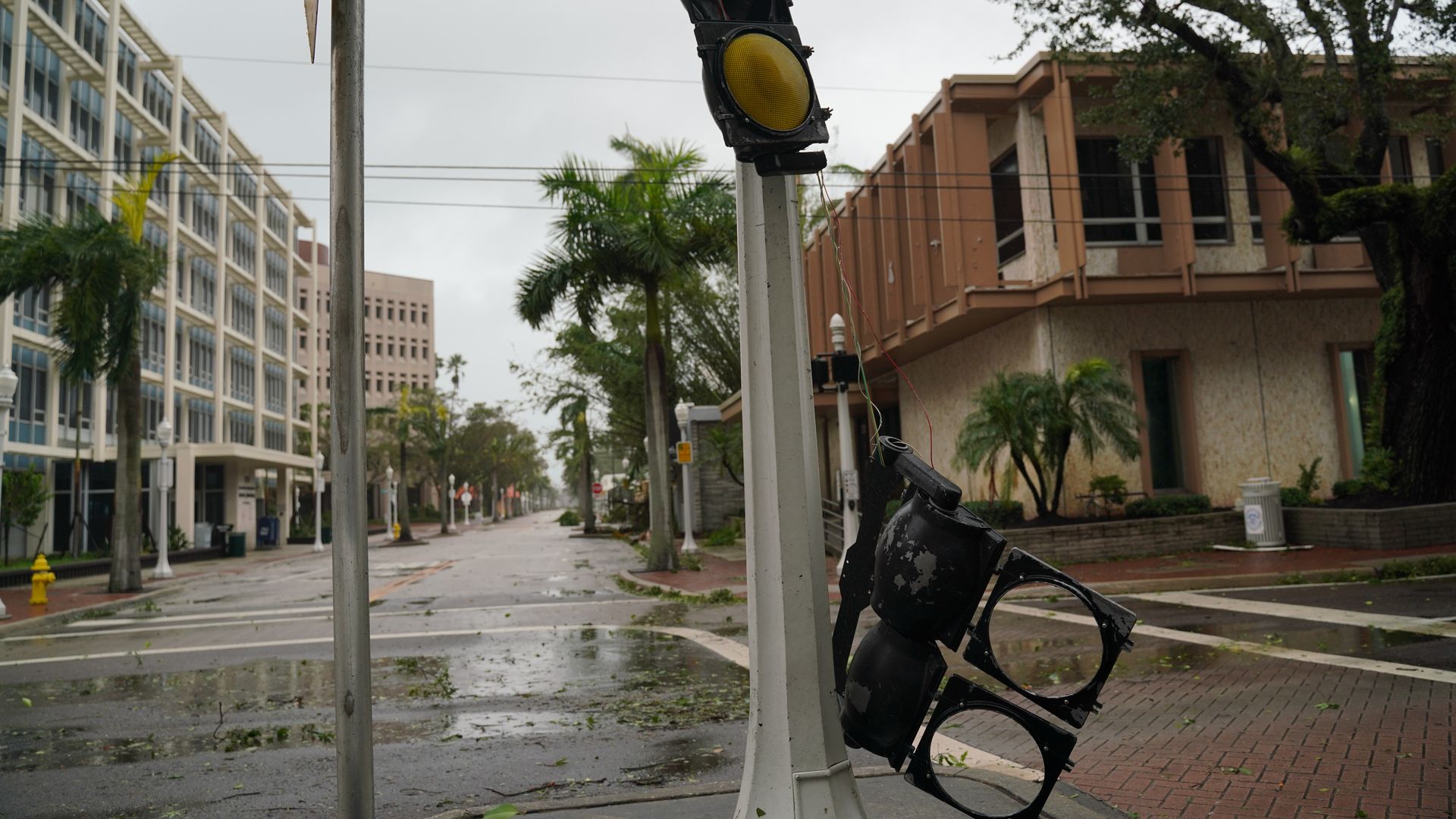
More than 1.6 million Florida customers — about 15% of the state — remained without power Friday afternoon from Hurricane Ian as restoration efforts continued in the state.
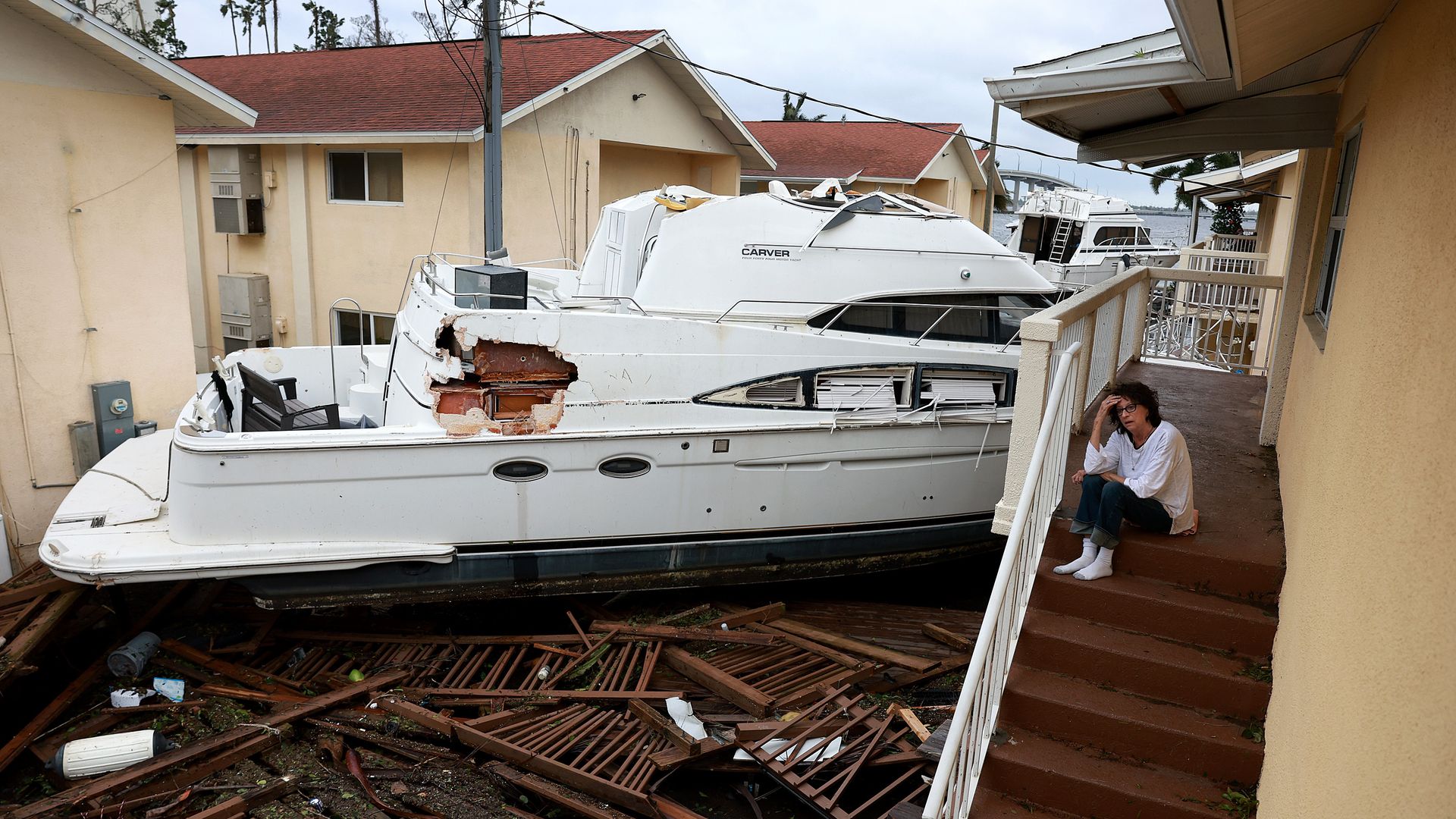
The big picture: Ian unleashed widespread life-threatening storm surge flooding after making landfall as a high-end Category 4 storm near Cayo Costa Wednesday afternoon. Officials in coastal communities were responding to multiple water rescues. In Port Charlotte, storm surge flooded a hospital emergency room, per AP.
The big picture: Hurricane warnings have been issued for the South Carolina coastline. The storm has knocked out power to about 2.6 million customers across Florida, with outages mounting in the Jacksonville area as the storm's winds knock down trees and power lines.
The U.S. is using multilateral talks in Montreal to seek stronger emissions targets for aviation — and the new climate law is providing diplomatic leverage, Transportation Secretary Pete Buttigieg said in an exclusive interview with Axios.
Why it matters: Aviation accounted for just 2% of global energy-related greenhouse gas emissions in 2021, but it is growing quickly.