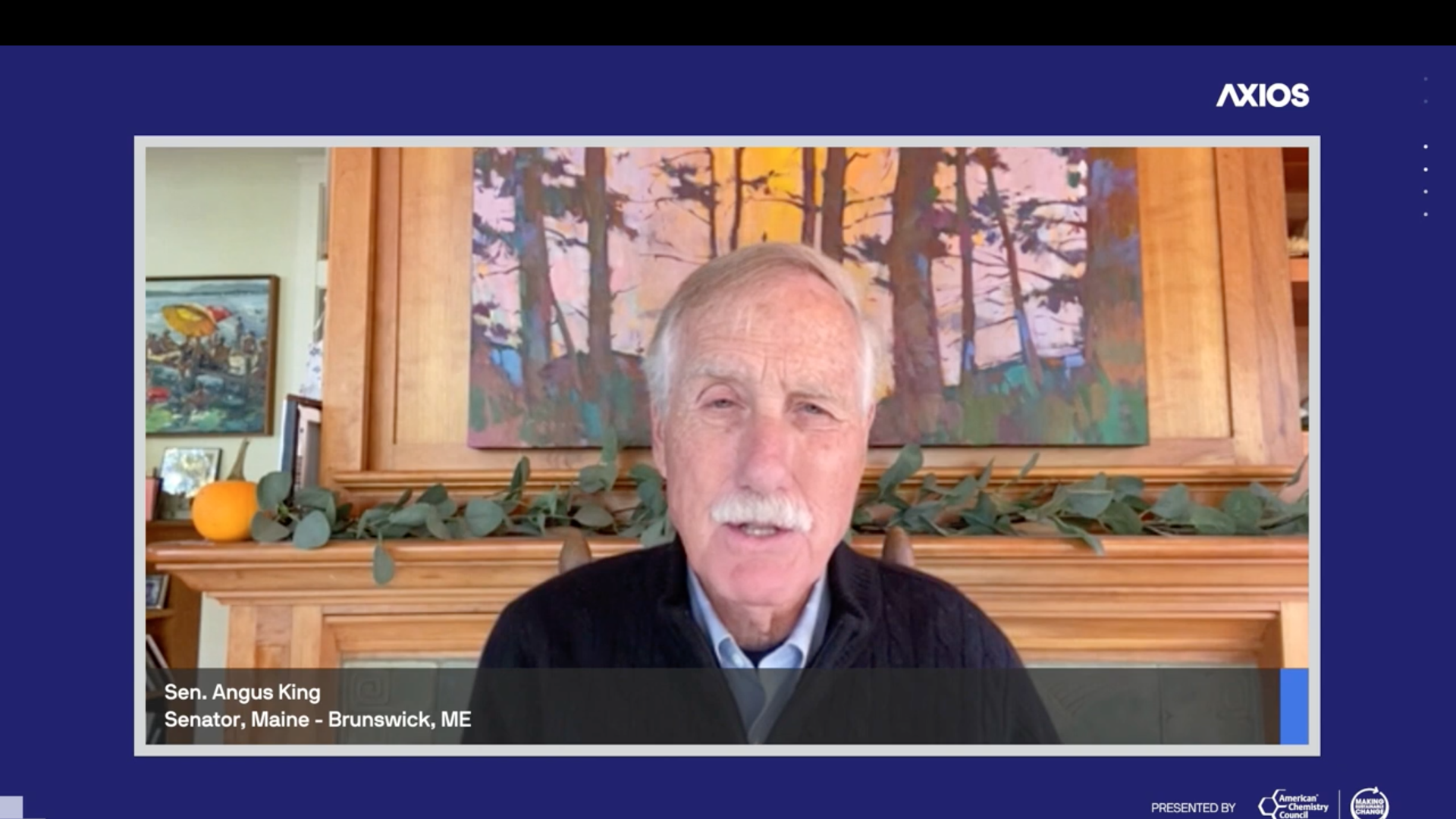
It will be five years before battery recycling will yield sufficient minerals to support a domestic supply chain for electric vehicles, Sen. Angus King (I-Maine) said Tuesday at an Axios event.
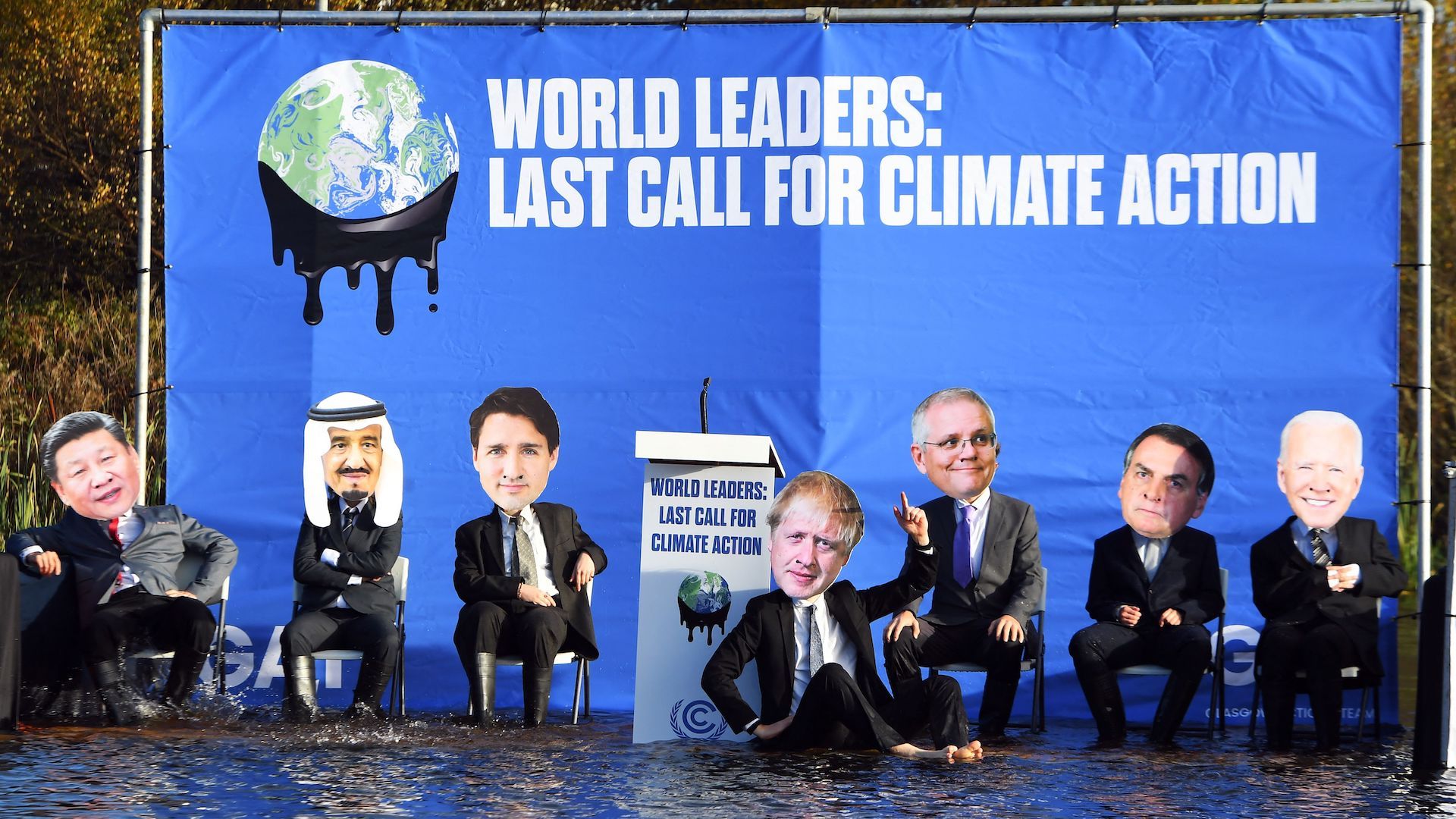
GLASGOW, Scotland -- A new analysis released during the COP26 climate summit finds that despite additional countries' pledges to cut greenhouse gas emissions by 2030 and reach net zero by 2050, nations are still on a course to be emitting twice the amount of greenhouse gas emissions in 2030 than would be consistent with the Paris Agreement's more ambitious temperature target.
Why it matters: As negotiators work this week to hammer out the text of a climate agreement, they are now more aware of the large gap that exists between commitments to date and what is needed to avert far worse climate change impacts.
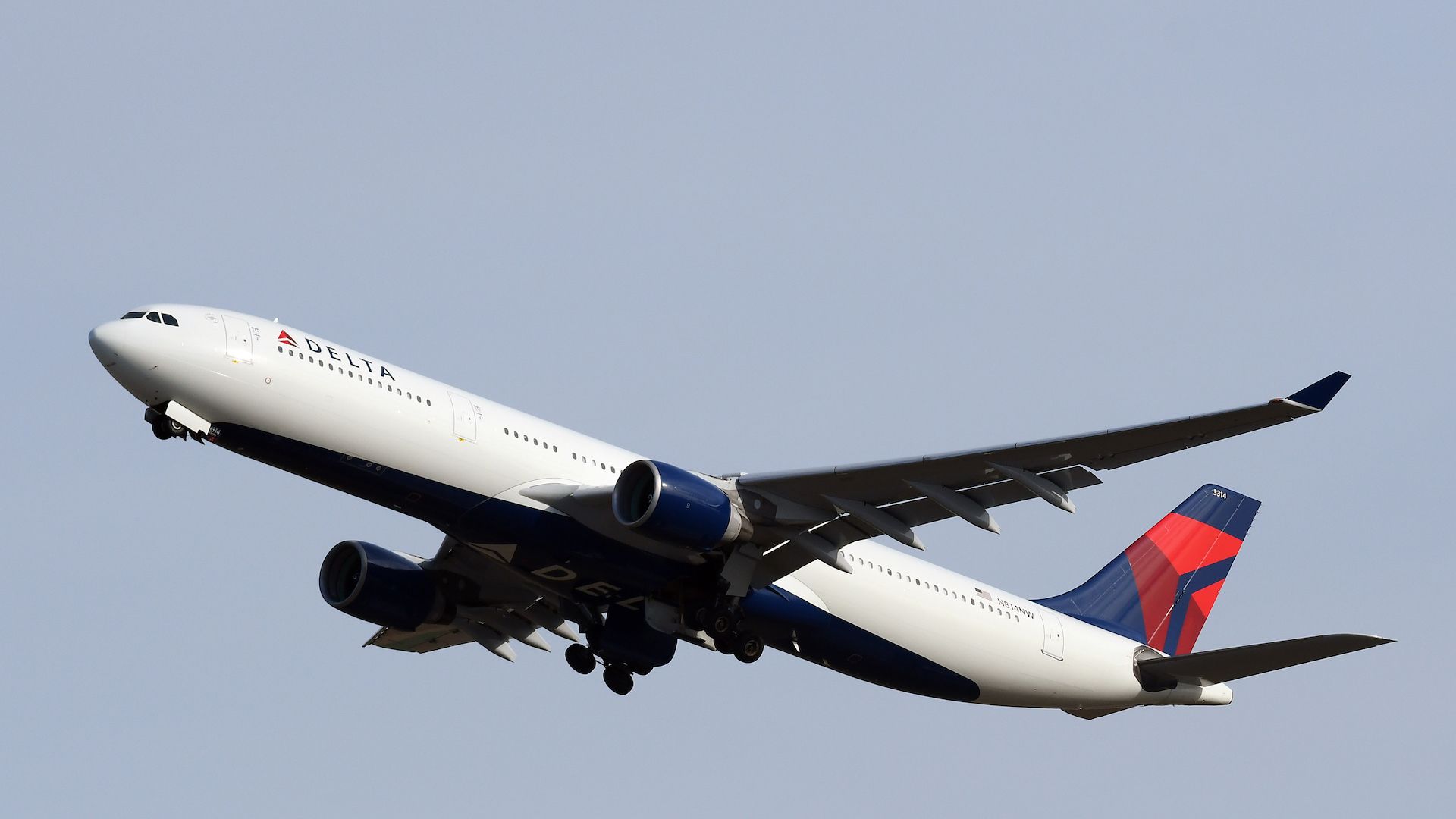
The Transportation Department is unveiling a multi-agency roadmap to slash greenhouse gas emissions from the U.S. aviation sector with a target of reaching net-zero by 2050.
Why it matters: Aviation accounts for around 3% of global carbon emissions, but has other warming impacts too. It accounts for 11% of U.S. transportation-related emissions, according to the White House.
One criticism of new pledges at COP26 is that they're vague and squishy, but a U.S.-led push to help decarbonize several major industries features specific commitments by corporate giants.
Driving the news: The burst of announcements included the First Movers Coalition.
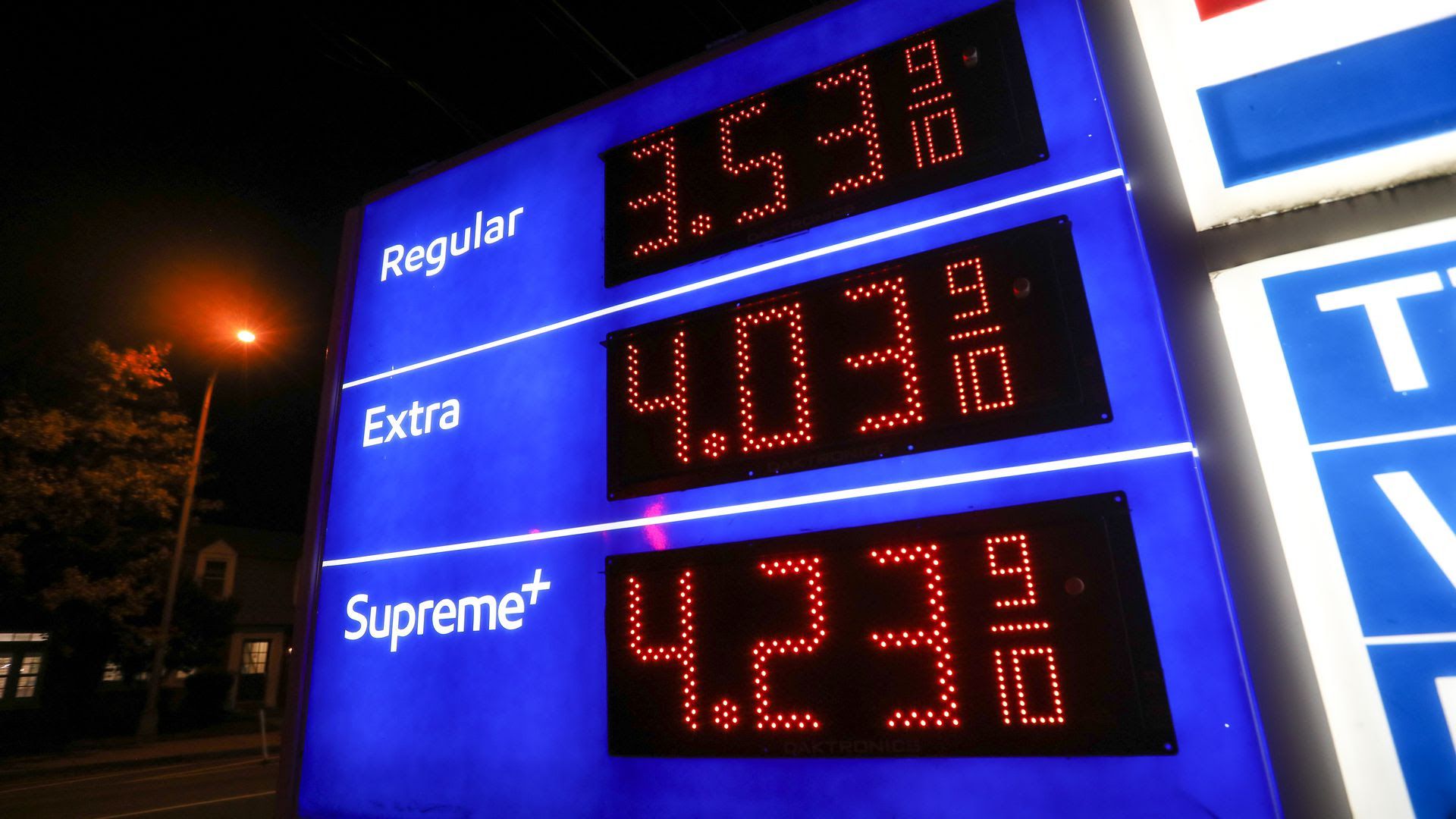
GLASGOW, Scotland — The discussions over tapping the U.S. Strategic Petroleum Reserve in a bid to bring down gas prices continue at the highest levels of government, Deputy Secretary of Energy David Turk told Axios.
Why it matters: The Biden administration is trying to strike a delicate balance between emphasizing a push to pour hundreds of billions into clean energy technologies, including electric vehicle charging stations, while at the same time dealing with an energy supply crunch driving up prices.
GLASGOW, Scotland — Depending on the final outcome of COP26, former President Obama's stemwinder of a speech here on Monday, along with other appearances through Tuesday, will either be viewed as successful calls to action or insufficient for moving climate negotiators who are too entrenched in their positions.
Why it matters: Obama's speech had three key elements worth paying attention to in order to fully understand the ultimate COP decisions at the end of this week (or early next, if the talks go into overtime).
A billion people will endure extreme heat stress if global temperatures were to increase by 2°C (3.6°F), research announced Tuesday by the U.K.'s Met Office at the COP26 climate summit warns.
Why it matters: Current targets being discussed at COP26 in Glasgow, Scotland, would see global average temperatures overshoot the Paris Agreement's most ambitious target of 1.5ºC of warming, compared to preindustrial levels, per Axios' Andrew Freedman.
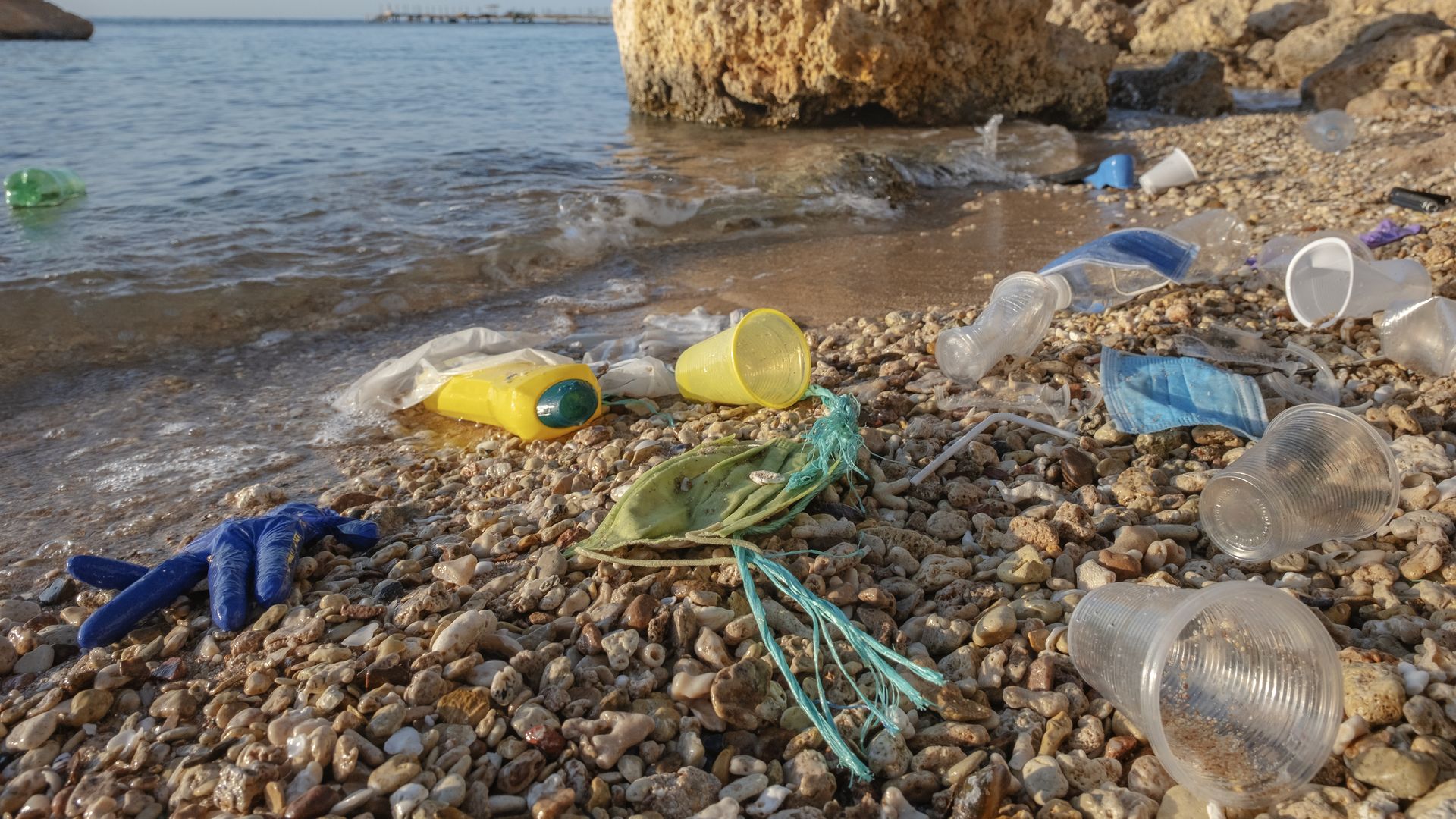
Why it matters: Plastic waste poses a major threat to marine life and ecosystems. COVID-19 only increased the demand for single-use plastic, "intensifying pressure on this already out-of-control problem," the researchers write.
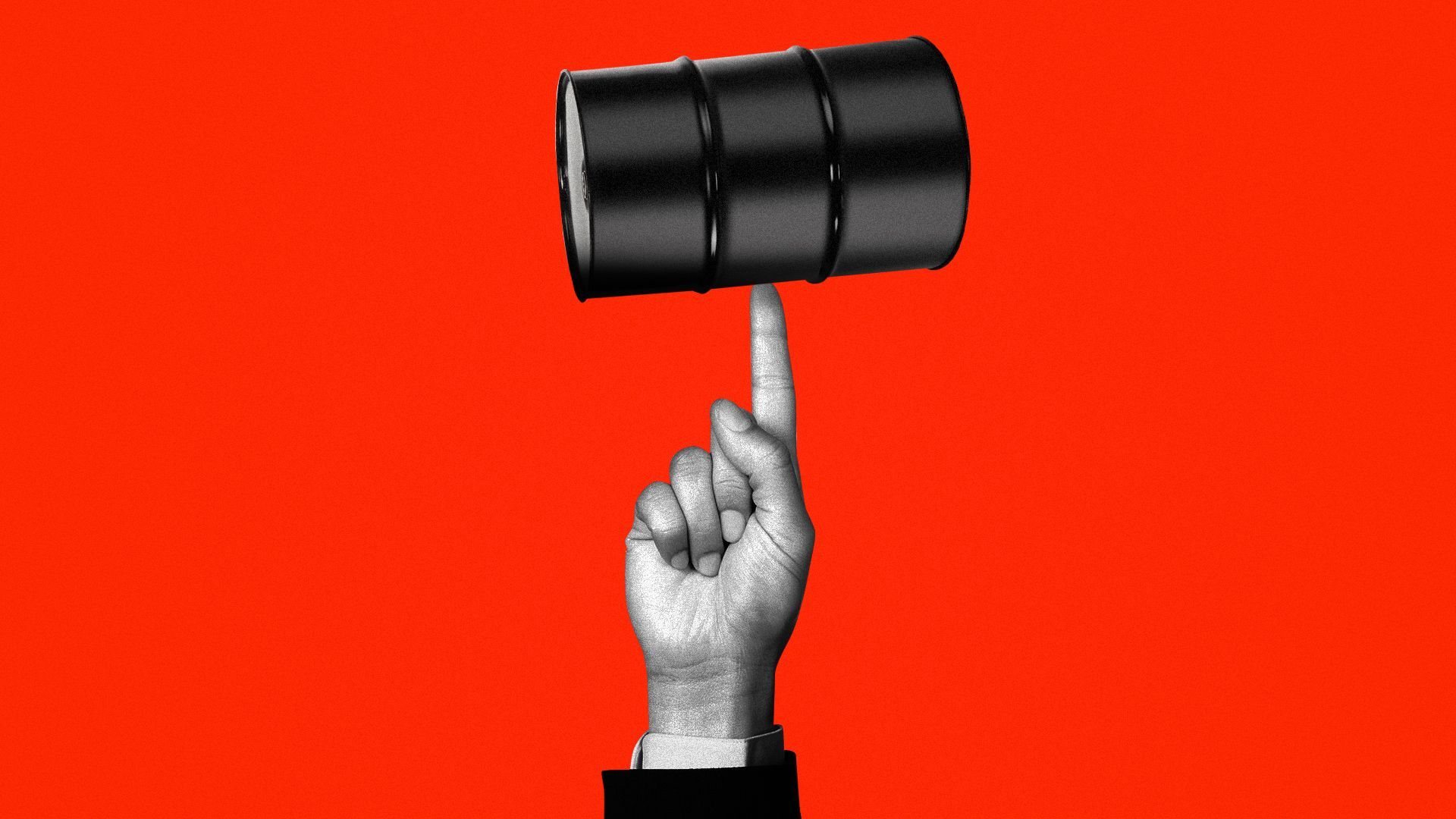
Ben Dell's job is to buy oil and gas assets, as a managing partner of private equity firm Kimmeridge. And he has a message for his peers: You're going unacceptably slow on carbon neutrality.
Driving the news: Kimmeridge recently formed Civitas Resources, via the $2.3 billion all-stock merger of publicly traded Bonanza Creek Energy and Extraction Oil & Gas. Civitas then purchased Crestone Peak, creating the largest pure-play energy producer in Colorado's DJ Basin.
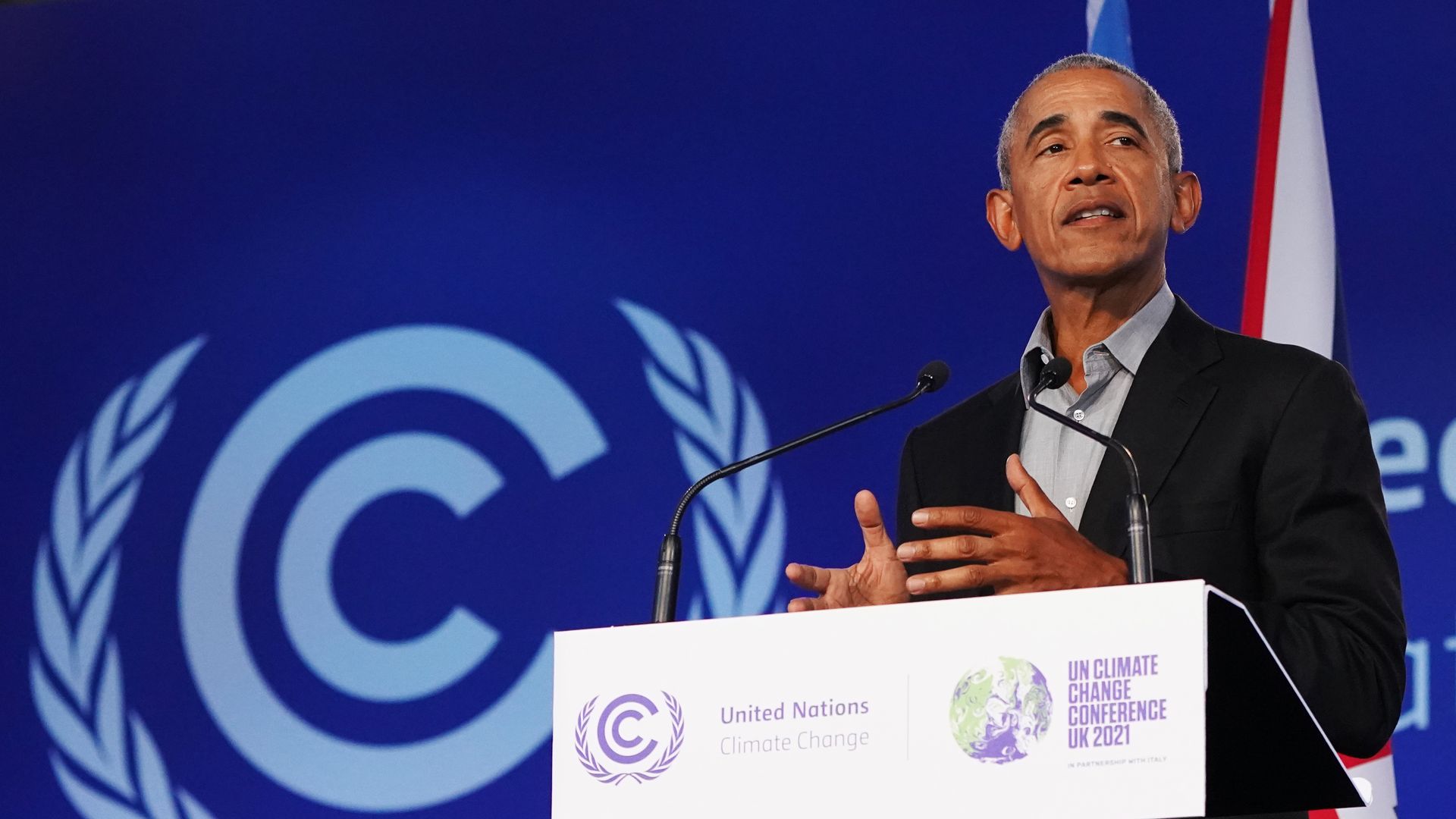
Former President Obama told the COP26 conference Monday that the "U.S. is back" and "once again engaged" in leading the fight against climate change, following four years of "hostility toward climate science" from the Trump administration.
Driving the news: Obama said he "wasn't really happy" with former President Trump's decision to pull the U.S. out of the Paris climate accord. But despite Trump's actions, Obama said, local and state governments, along with regulations from his administration, "allowed our country to keep moving forward."
GLASGOW, Scotland — By the time many of the pledges made in Glasgow this week are met (or not), some of the participating countries may no longer exist.
Driving the news: The world’s 40-some small island states have used COP26 to plead for more urgent action — while there's still time — and to confront world powers like the U.S. and China with the devastation their emissions have caused.
GLASGOW, Scotland — The drumbeat of public and private announcements during the first week of COP26, including big moves on deforestation and methane emissions, are now giving way to a more formal, contentious and political phase.
Why it matters: The summit is viewed as a key test of the notion that all countries of the world can work together through a voluntary system to rein in global warming before it worsens more significantly.