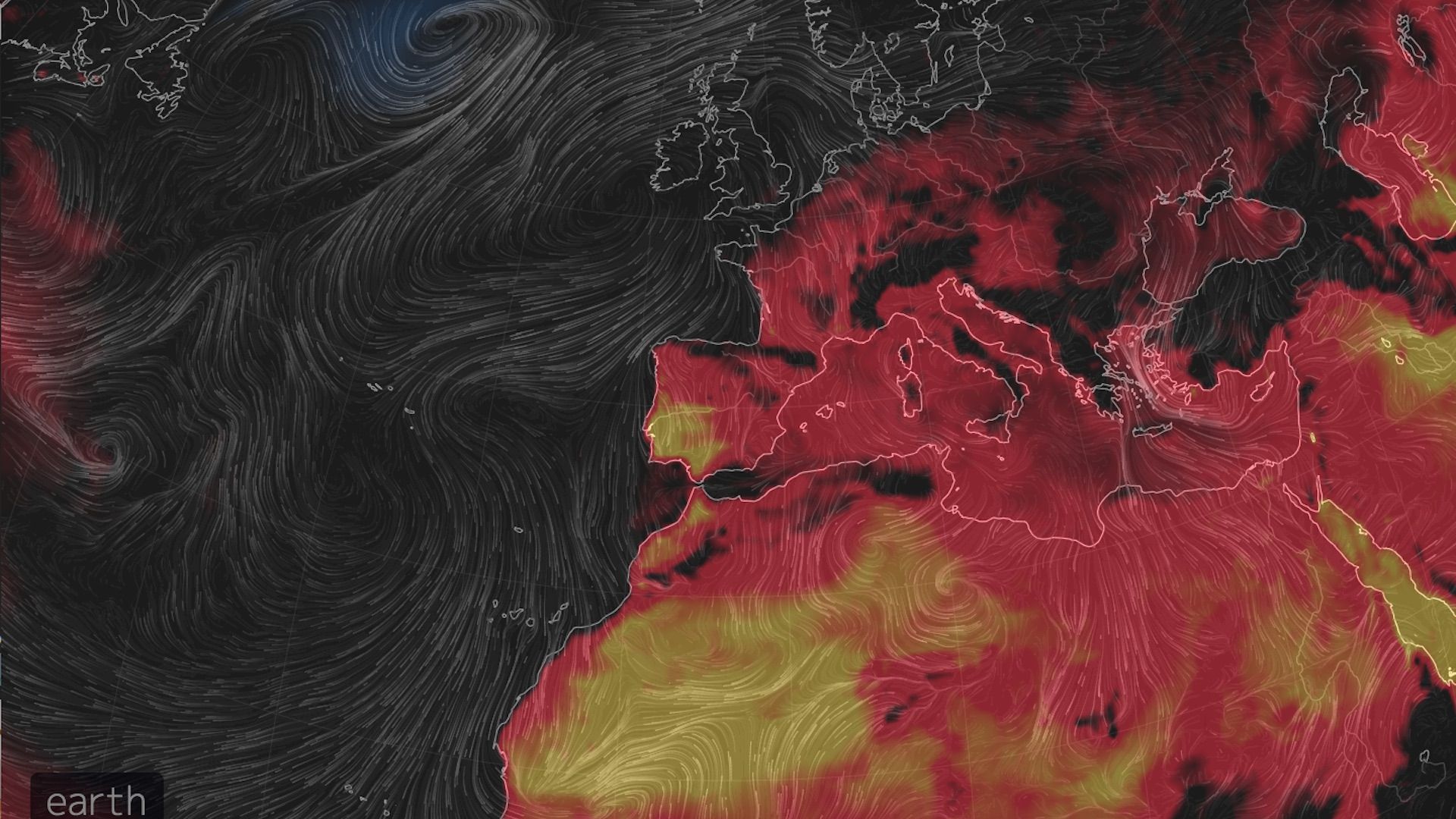
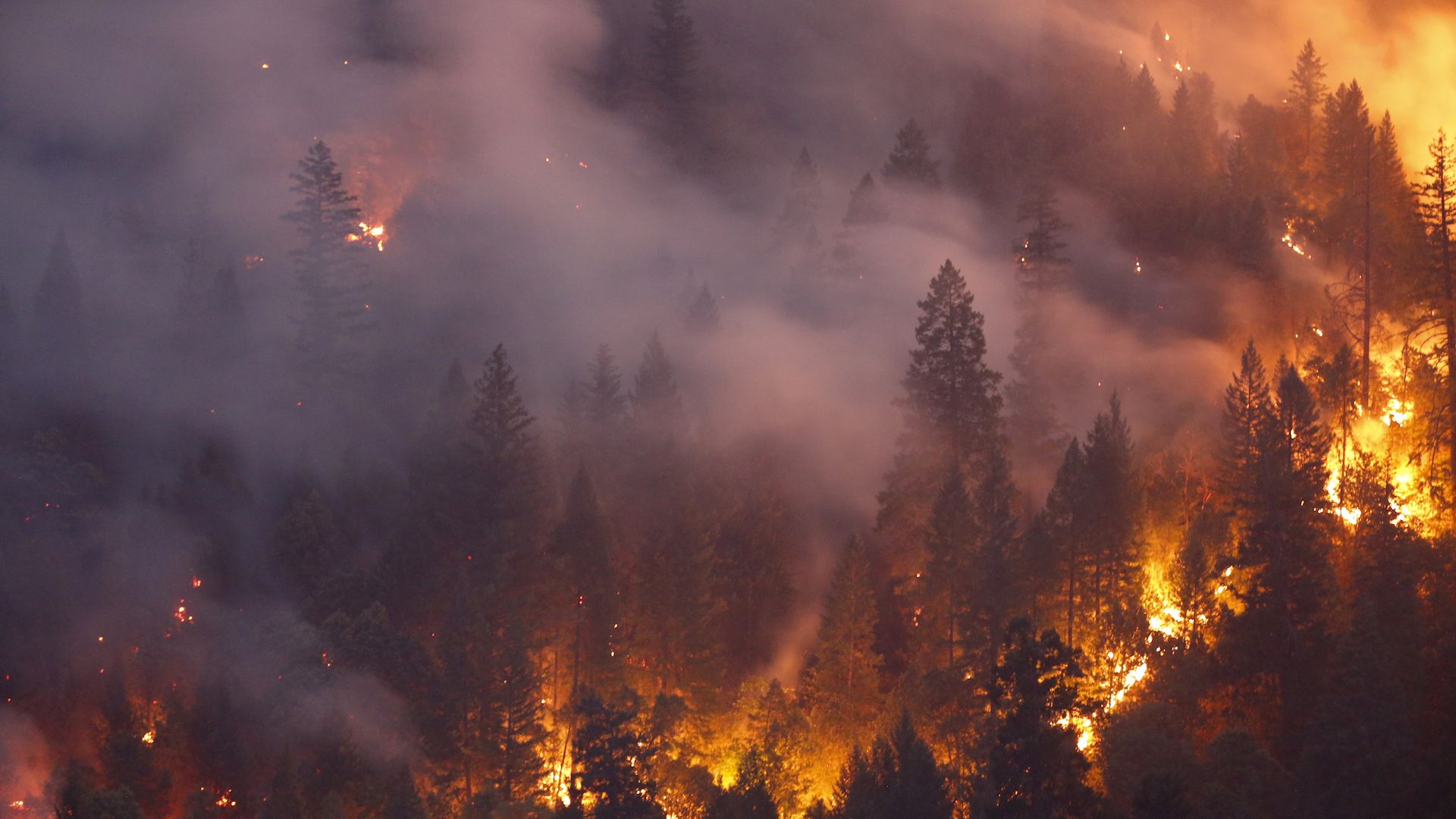
A building heat wave in Portugal and Spain threatens to topple national and all-time high temperature records in a continuation of a series of remarkable heat waves that have roasted the Northern Hemisphere this summer.
The big picture: The heat wave will be most intense in Portugal, Spain and parts of France, although the U.K. will also see above average temperatures for this time of year. In Spain and Portugal, the fire danger will climb to dangerous levels as temperatures soar, humidity levels plunge, and downslope winds increase.
Heat waves in the North China Plain — China's breadbasket — are predicted to become so severe, they would "limit habitability in the most populous region of the most populous country on Earth," a new study finds.
The big picture: Such heat waves could both threaten lives and dampen economic output in the region, where 400 million people live. Earlier studies along with a separate new analysis released Thursday found the potential emergence of extreme heat waves — from China to West Africa to South Asia — that are far worse than those currently experienced.
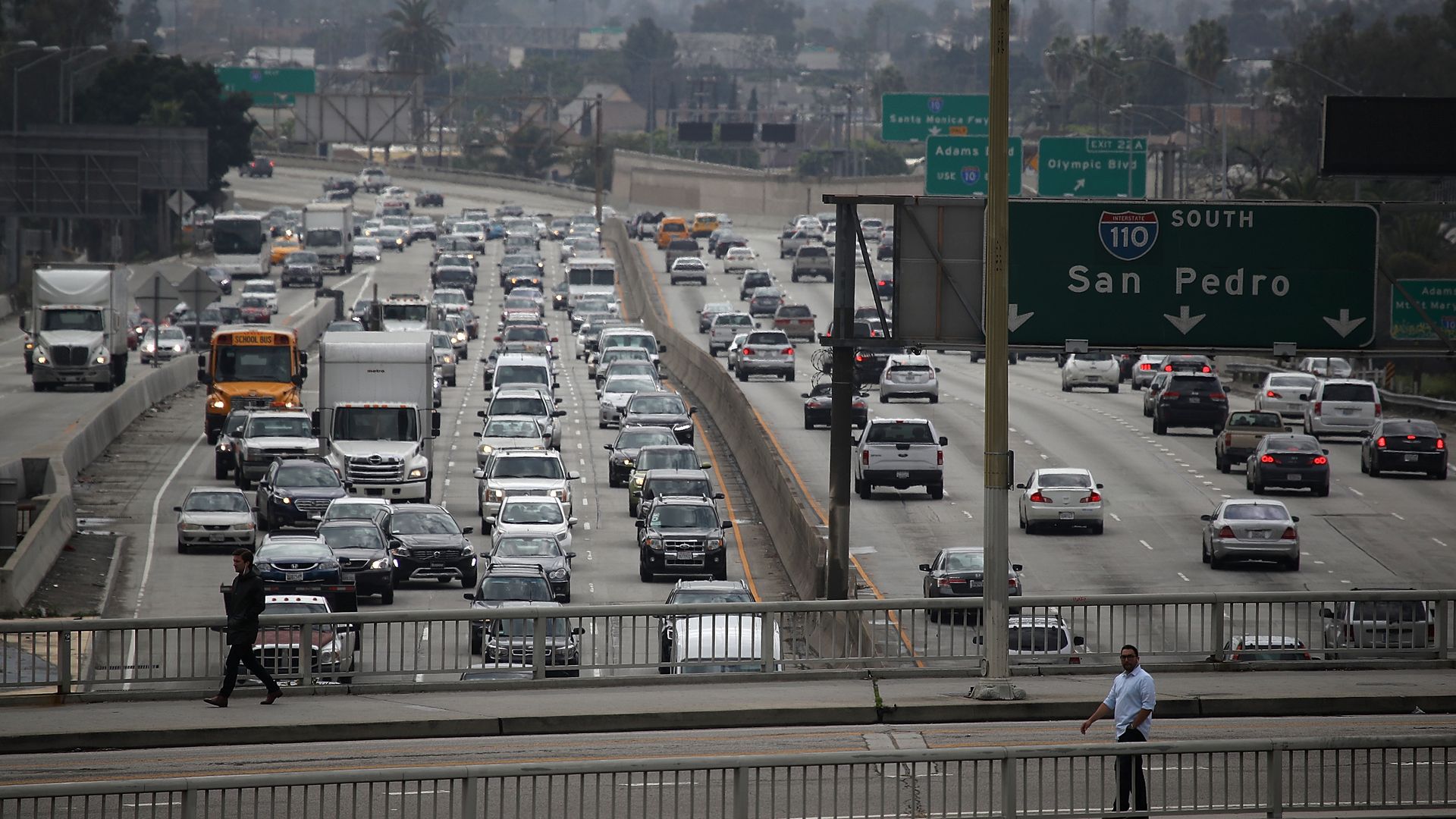
Federal fuel efficiency standards issued under President Obama are frozen under a proposal the Transportation Department and Environmental Protection Agency issued today.
Why it matters: These rules, which under Obama would have reached an average of 50 miles per gallon by 2025, were a big part of the former president's climate legacy, cutting carbon emissions and fuel use. The Trump administration is now asserting that the scaled back proposal will save both lives and money.
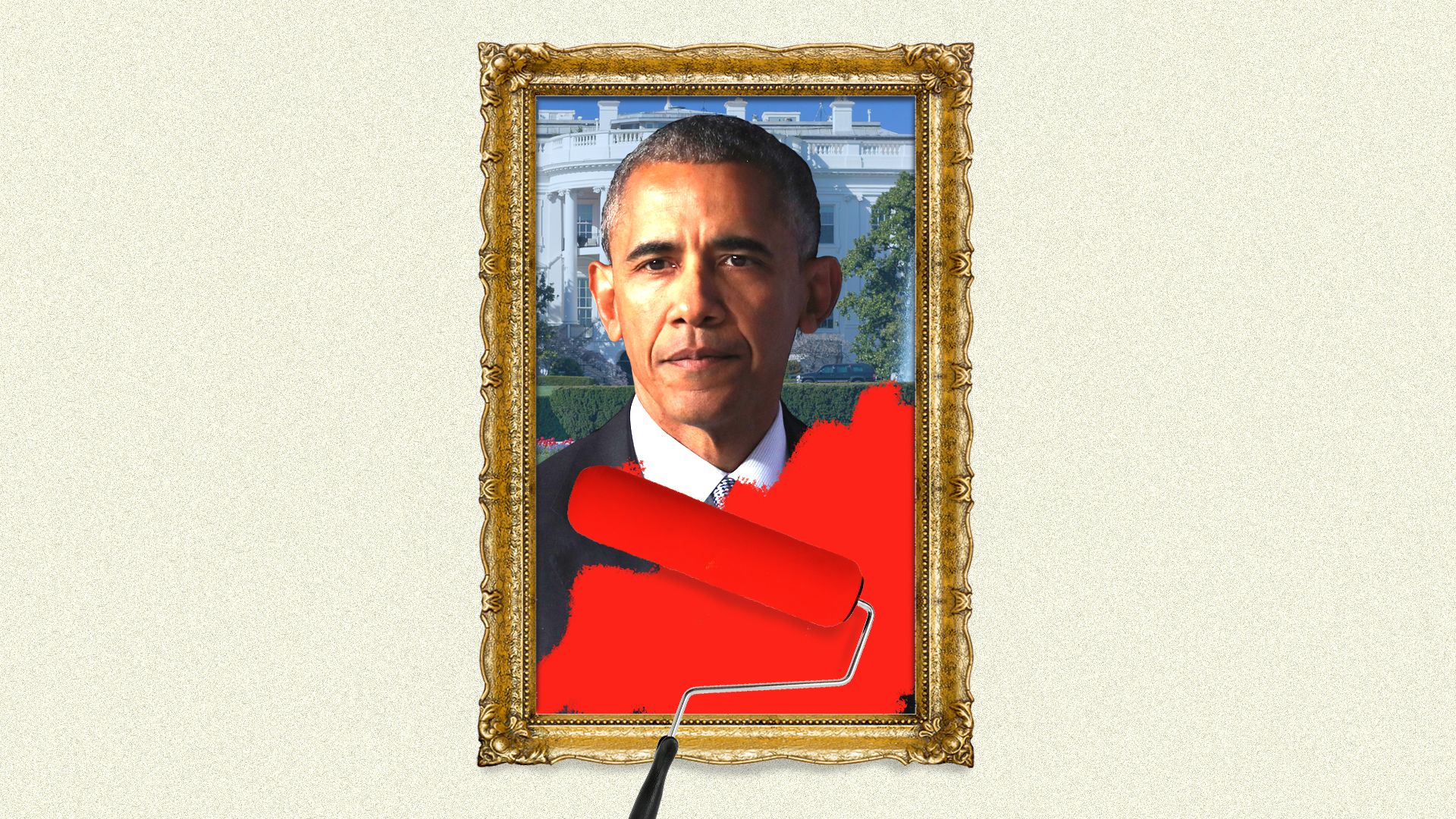
While many of us have been distracted by Rudy Giuliani's latest legal theories — and President Trump’s latest tweets — the Trump administration is making two big moves that will get him closer to his goal of erasing President Obama's biggest policies.
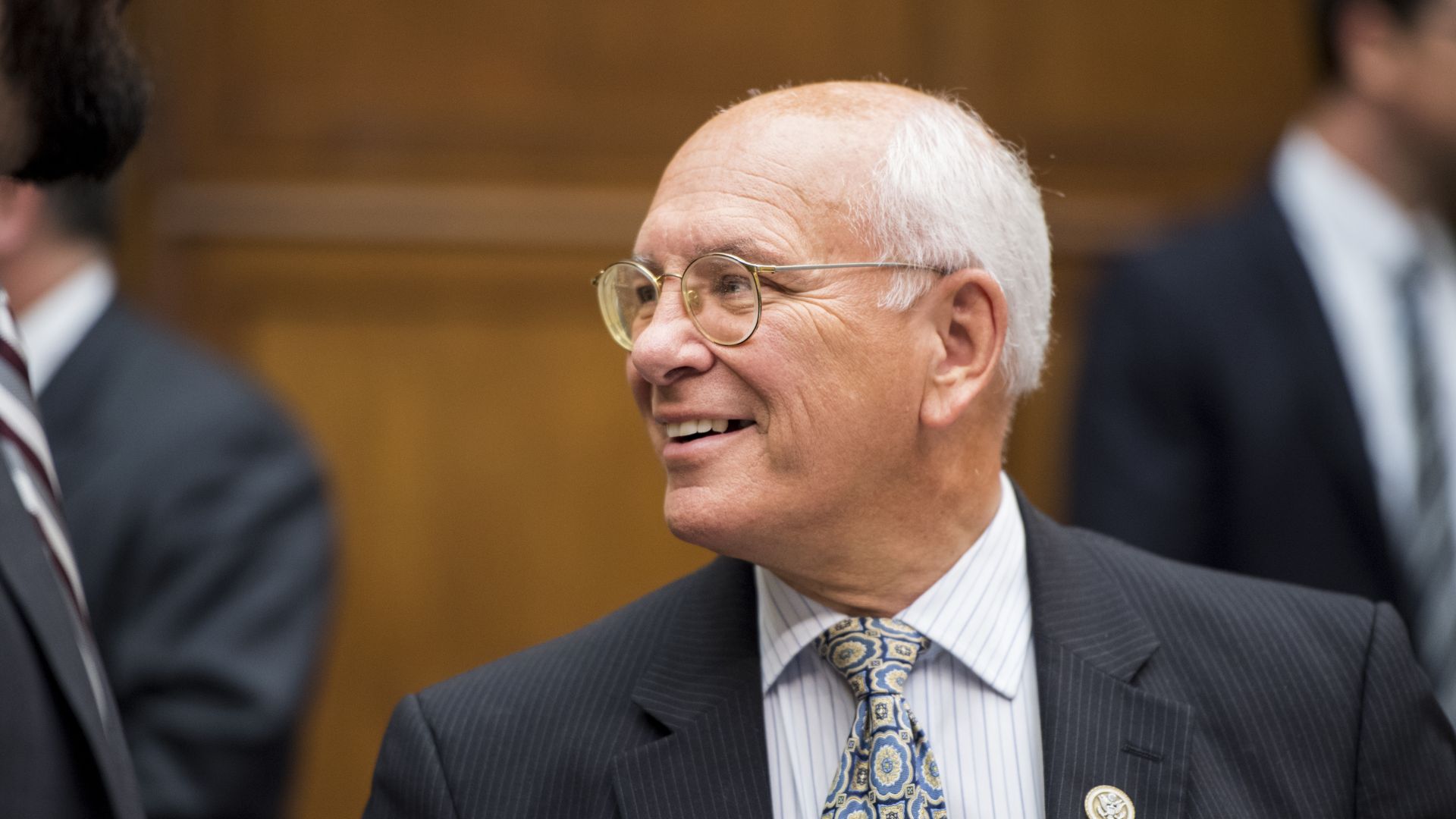
Democratic Rep. Paul Tonko of New York is working on a cap-and-trade bill to cut greenhouse gas emissions, Axios has learned. Tonko’s measure is the third comprehensive climate-change measure to surface in the last couple of weeks in the House.
The bottom line: These bills are very unlikely to get broad support any time soon, and they offer competing ways to address climate change. But the mere introduction indicates a thawing of sorts after a decade of mostly dormant policy in this space on Capitol Hill.
Tonko is the top Democrat on the environment panel of the powerful Energy and Commerce Committee, which has primary jurisdiction over the topic.
Tesla CEO Elon Musk announced the company will be profitable in the last half of the year, and that by 2020 it will produce up to 1 million cars in the U.S. and China, about four times current production. Tesla's share price surged by more than 10% in after-hours trading.
Why it matters: Musk has faced tremendous scrutiny in recent months after numerous missed deadlines and a high cash burn. If reporting in the coming quarters appears to bear out his projections, it is likely to burnish Tesla's image, and could keep the company's already-elevated share price moving up.
Earlier this week, the Trump administration outlined its initiative to counter China's growing economic influence in the Indo-Pacific, announcing a plan to provide $113.5 million in seed funding and push the U.S. private sector to invest in the region. Already, it's clear that the plan is insufficient to match the scale of Chinese investment in the region.
The big picture: Another key challenge for the Trump administration will be how to reconcile its Indo-Pacific strategy with its approach toforeign adversaries. India is central to this challenge, with its close historical ties to both Russia and Iran. As the U.S. pursues punitive measures against those countries, it also risks undermining significant progress in the U.S.–India relationship made over the last 15 years.
Tesla reported Q2 revenue of $4 billion and a loss of $3.06 a share on Wednesday, both of which missed analysts' predictions.
Why it matters: "Tesla Inc. burned through less cash than analysts’ expected last quarter and stood firm with CEO Elon Musk’s projection that profit is around the corner after years of losses," per Bloomberg. The earnings report was important for Tesla as concerns loom about Tesla's ability to be profitable, various production problems, and demand for the Model 3.
The New York Times dedicated their entire magazine this week to the subject of climate change; specifically, a single article on the decade when the scientific consensus on the subject solidified and humans failed to act.
Why it matters: It is rare to see media outlets dedicate substantial coverage to the Earth's rising temperature and the subsequent impacts, let alone a nearly book-length piece. But the magazine, online today, isn't being lauded unanimously.
Death Valley, California, has set the record for the hottest month ever recorded in the U.S., and it came close to a world record as well. With an average monthly temperature of 108.1°F, this beat the old record set just last year in the same location by about a half-a-degree Fahrenheit.
Why it matters: July brought extraordinary heat to parts of the U.S. as well as many other areas, including the European Arctic, the U.K., Japan, China and California. The Death Valley record, along with other all-time records across the Northern Hemisphere, is consistent with global warming-related trends.
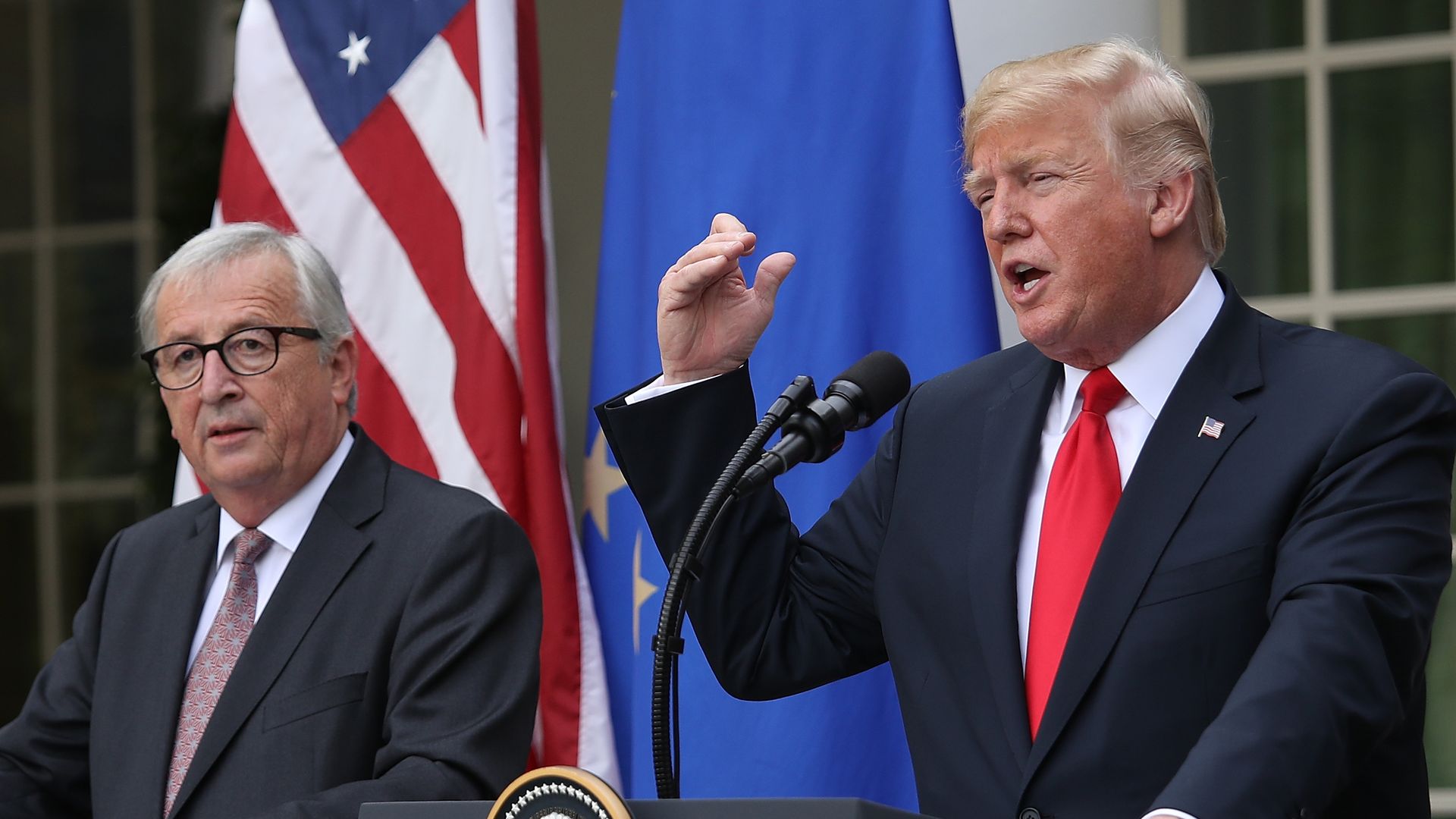
A new post at UPenn's Kleinman Center for Energy Policy breaks down the deal between the White House and European Commission President Jean-Claude Juncker that's aimed at bolstering U.S. liquefied natural gas exports to Europe.
Why it matters: In recent weeks, Trump has talked up the possibility of expanding gas shipments to Europe, but a number of analysts have cautioned that Europe is unlikely to absorb huge amounts of U.S. LNG.
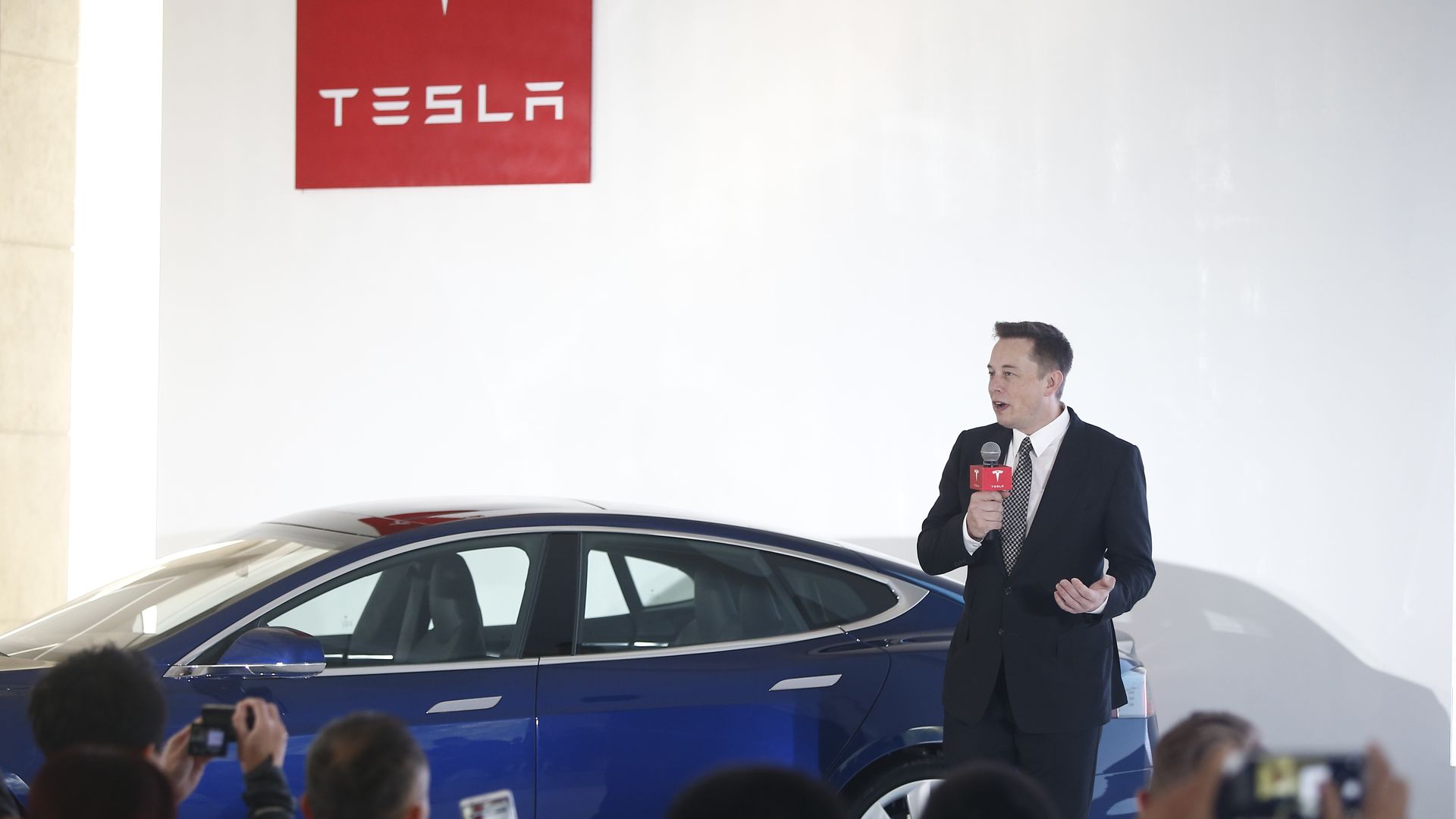
Why it matters: China is the second-largest market for the electric car company, per Bloomberg, and it recently imposed 25% in retaliatory tariffs on American-made cars, bringing the total to 40%. Tesla hopes to produce its Model 3 — which has faced serious production difficulties at its U.S. plant — at the new factory by 2020.
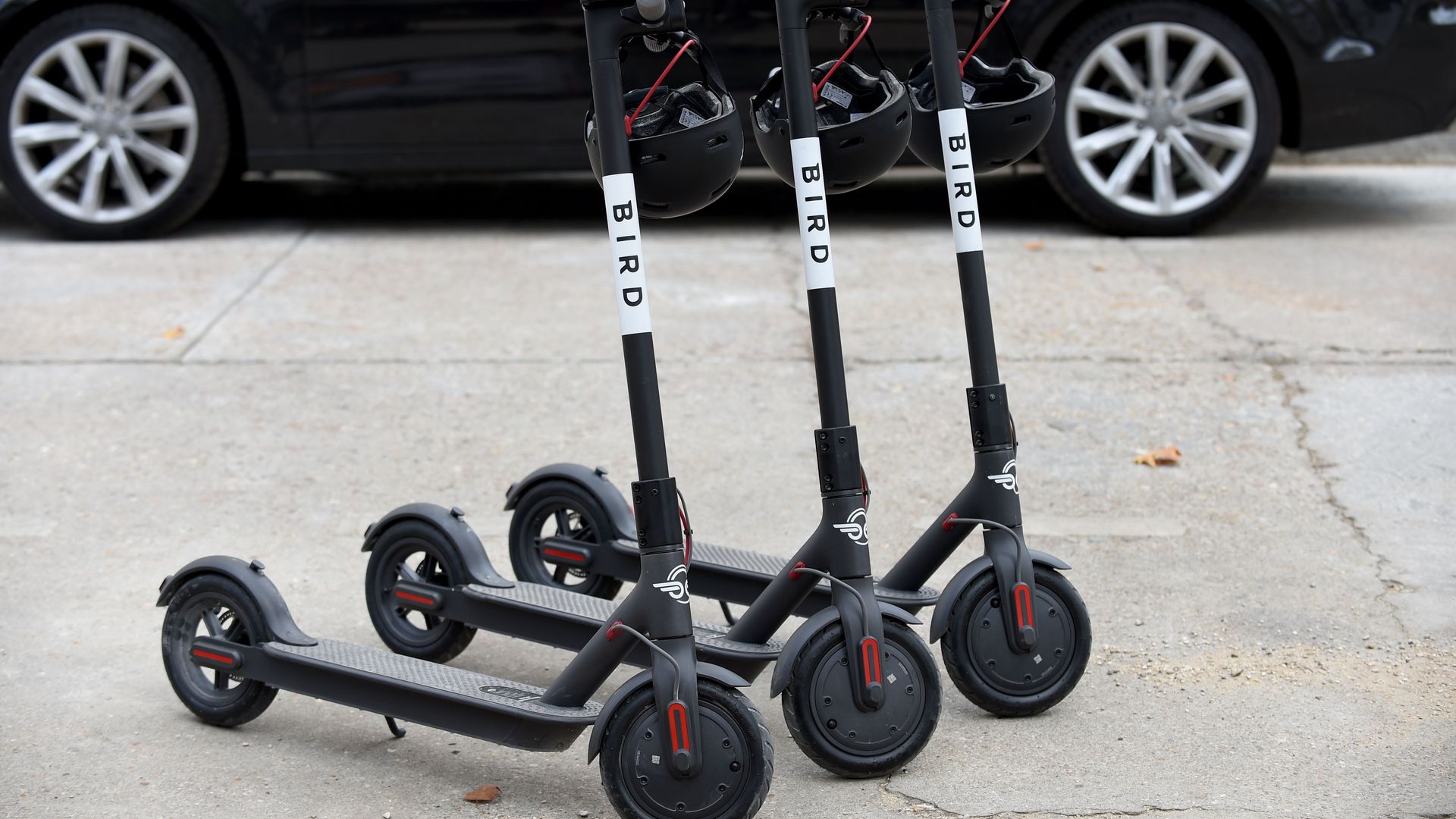
Scooter-sharing startup Bird is rolling out a small number of vehicles in Paris, its first foray outside the U.S., the company said on Wednesday. In a few weeks, it will also deploy operations in Tel Aviv.
The intrigue: Bird will now go head-to-head on foreign soil with rival Lime, which rolled out its own scooters in Paris last month — and, despite having a history of boldly deploying into cities without regulatory approval, Bird says it's been in touch with officials in Paris and Tel Aviv prior to its arrival.
President Donald Trump has nominated extreme weather expert, Kelvin K. Droegemeier of the University of Oklahoma, as head of the White House Office of Science and Technology Policy, according to a White House official.
Why this matters: The Trump administration faces a host of complex scientific challenges, from charting a path forward for federal research into quantum computing, AI and space exploration to negotiating a nuclear agreement with North Korea. Trump took longer to name a science adviser than any other president since Eisenhower.