The Securities and Exchange Commission is dropping its two-year investigation of ExxonMobil, about whether it misled its investors with regard to the risks greenhouse-gas regulations pose to the company.
Why it matters: This is a significant victory for the oil giant, which is still facing pressure from multiple attorneys general investigations and lawsuits related to its actions and climate change. The news also bodes well for the industry writ large, given any affirmative action by the SEC in this case could have had broad implications.
Liquified natural gas (LNG) is on the list of products targeted by planned retaliatory tariffs on $60 billion worth of U.S. goods announced by China on Friday morning, Reuters reports.
Why it matters: Hitting U.S. LNG exports is one of China's "last major weapons from its energy and commodities arsenal" in the escalating trade war with President Donald Trump, they report.
The big picture: This milestone accounted for installations that have occurred over the past 40 years, with 90% having been installed within the past 10 years. Product and installation costs for wind and solar energy have fallen significantly since the 1970s, in part because of innovations in technology, integration and access.
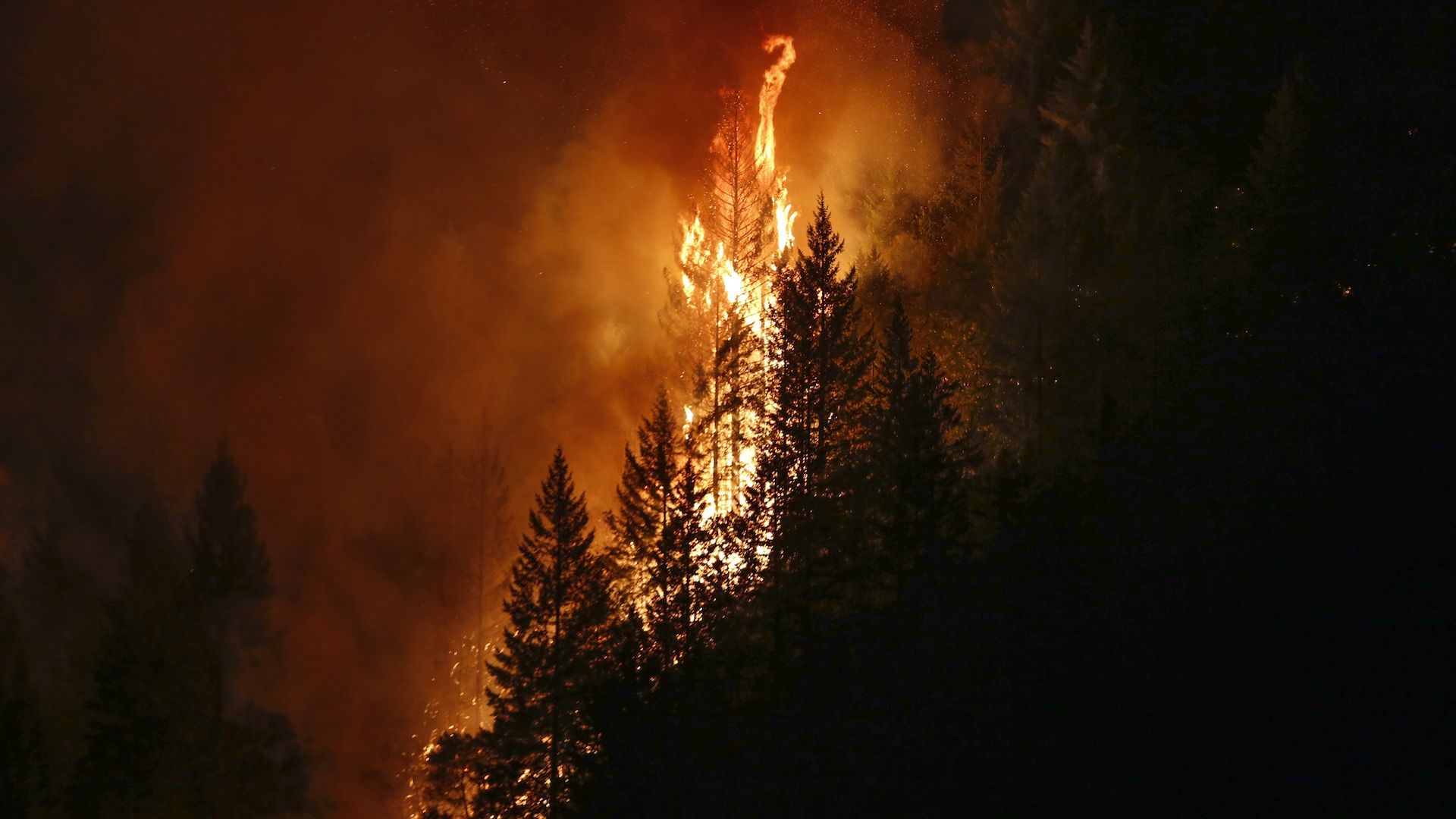
The fire whirl, or fire tornado, that swept into Redding, California on July 26, appears to have had winds as strong — if not stronger than — an EF-3 tornado, according to the National Weather Service.
Why it matters: The Carr Fire now ranks as one of the state's largest and most destructive wildfires on record. The extreme fire behavior exhibited on July 26 allowed the blaze to jump a natural fire break — the Sacramento River, and enter the city of Redding. So far, the fire has claimed at least 6 lives.
The future of electric vehicle adoption, in the U.S. but elsewhere too, remains bound up with Tesla even as other automakers bring more and more models to market.
Data: Securing America's Future Energy; Note: The totals represent combined battery electric vehicles and plug-in hybrid electric vehicles sold; Chart: Kerrie Vila/Axios
Why it matters: Tesla's stock got a boost after decent second quarter financials and a renewed pledge to be profitable later this year. But Tesla's long-term health is a question mark as it ramps up production of the Model 3 sedan.
As the world's climate changes, heat waves may become difficult for people to tolerate in certain parts of the world — and this could have an impact on the global economy.
Why it matters: Economies that are heavily dependent on extractive industries — such as mining, oil and gas drilling, and agriculture — could find themselves at a disadvantage if particular climate change projections become a reality, according to a new report by the risk analysis firm Verisk Maplecroft.
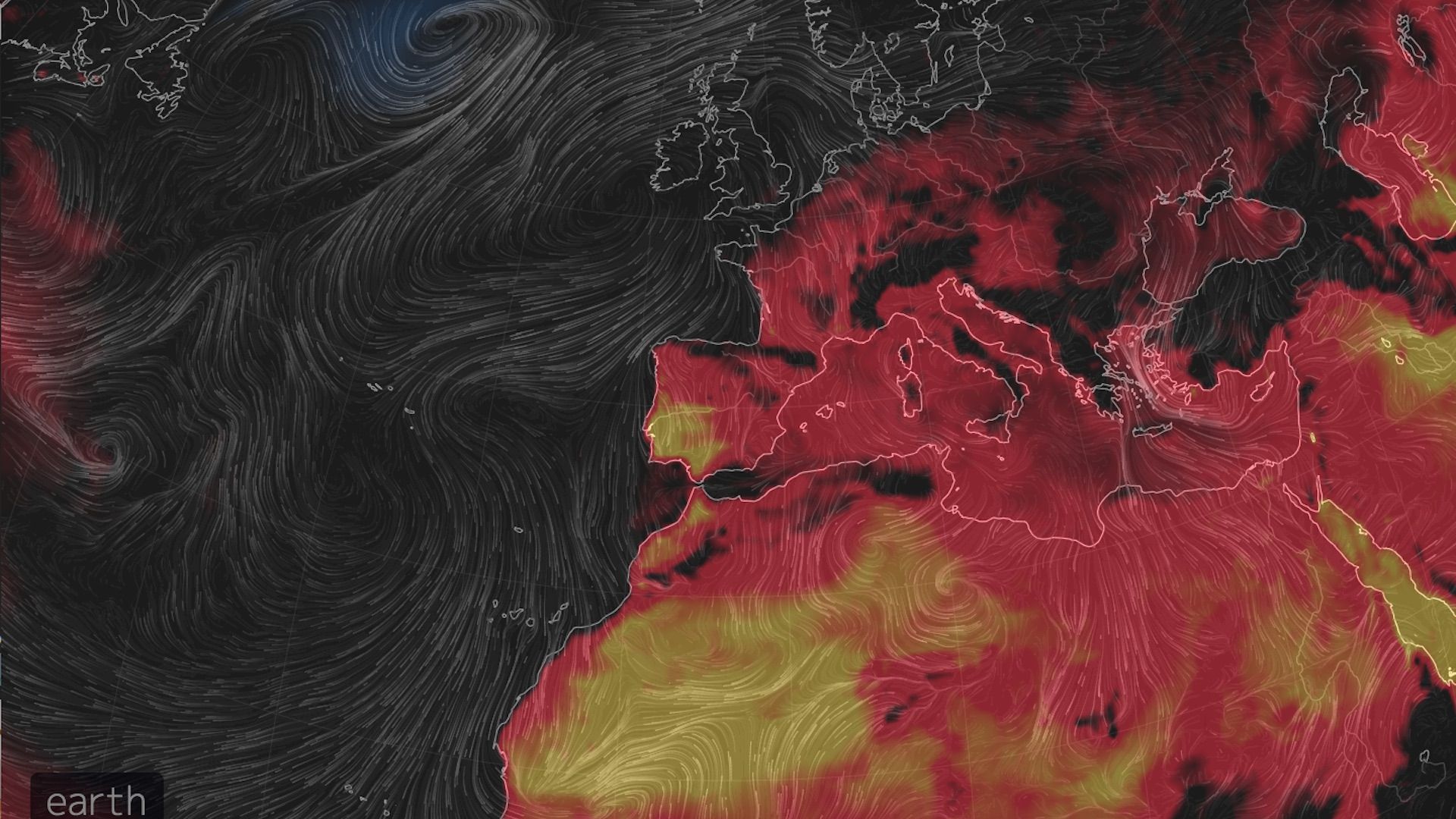
A building heat wave in Portugal and Spain threatens to topple national and all-time high temperature records in a continuation of a series of remarkable heat waves that have roasted the Northern Hemisphere this summer.
The big picture: The heat wave will be most intense in Portugal, Spain and parts of France, although the U.K. will also see above average temperatures for this time of year. In Spain and Portugal, the fire danger will climb to dangerous levels as temperatures soar, humidity levels plunge, and downslope winds increase.
Heat waves in the North China Plain — China's breadbasket — are predicted to become so severe, they would "limit habitability in the most populous region of the most populous country on Earth," a new study finds.
The big picture: Such heat waves could both threaten lives and dampen economic output in the region, where 400 million people live. Earlier studies along with a separate new analysis released Thursday found the potential emergence of extreme heat waves — from China to West Africa to South Asia — that are far worse than those currently experienced.
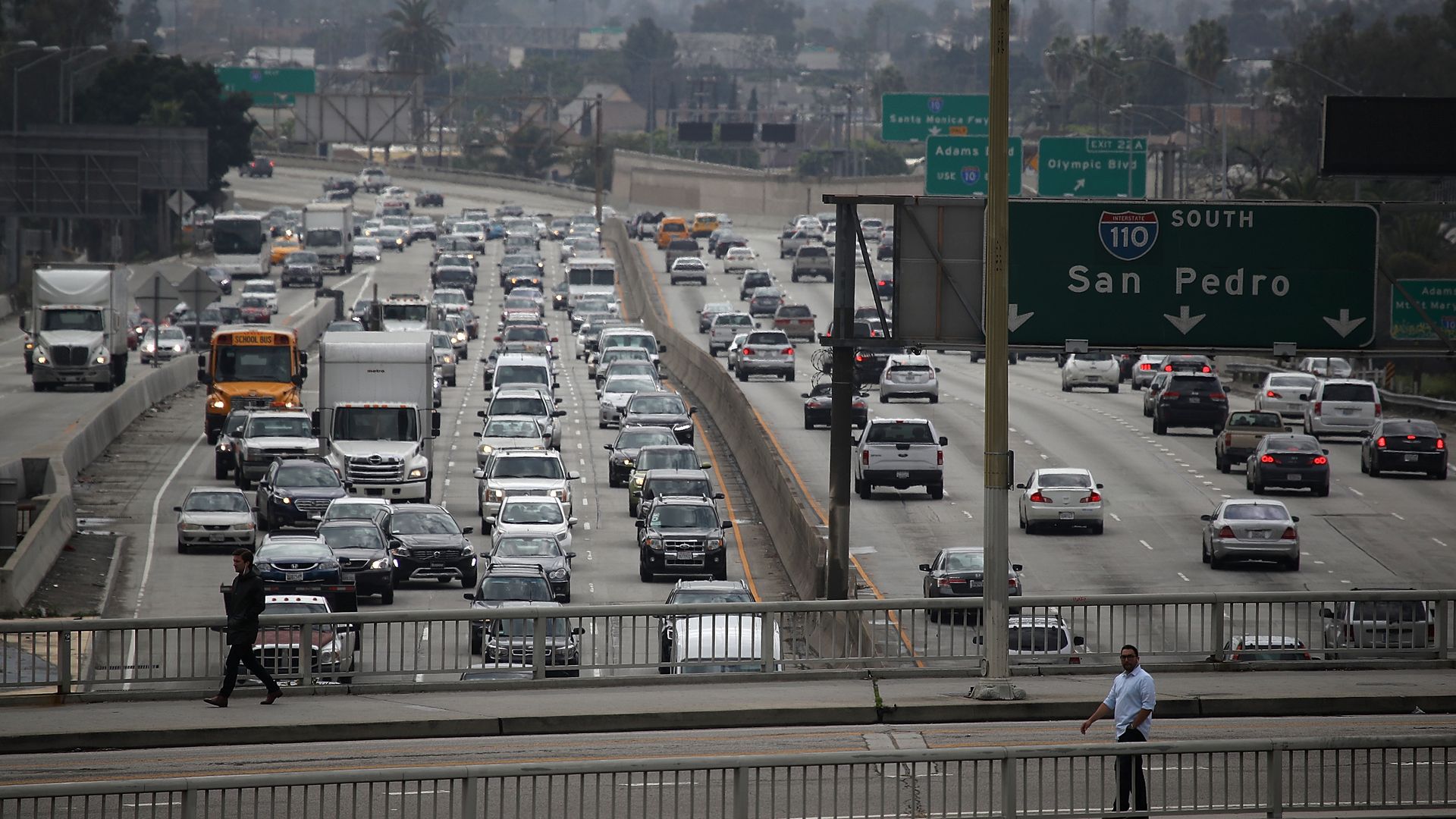
Federal fuel efficiency standards issued under President Obama are frozen under a proposal the Transportation Department and Environmental Protection Agency issued today.
Why it matters: These rules, which under Obama would have reached an average of 50 miles per gallon by 2025, were a big part of the former president's climate legacy, cutting carbon emissions and fuel use. The Trump administration is now asserting that the scaled back proposal will save both lives and money.
While many of us have been distracted by Rudy Giuliani's latest legal theories — and President Trump’s latest tweets — the Trump administration is making two big moves that will get him closer to his goal of erasing President Obama's biggest policies.
Democratic Rep. Paul Tonko of New York is working on a cap-and-trade bill to cut greenhouse gas emissions, Axios has learned. Tonko’s measure is the third comprehensive climate-change measure to surface in the last couple of weeks in the House.
The bottom line: These bills are very unlikely to get broad support any time soon, and they offer competing ways to address climate change. But the mere introduction indicates a thawing of sorts after a decade of mostly dormant policy in this space on Capitol Hill.
Tonko is the top Democrat on the environment panel of the powerful Energy and Commerce Committee, which has primary jurisdiction over the topic.