Mortgage rates spiked to their highest level in nearly three years, continuing their climb above the 7% threshold.
Why it matters: Housing sales were already slow due to a lack of inventory and elevated rates, creating a risk that the market could further its freeze.
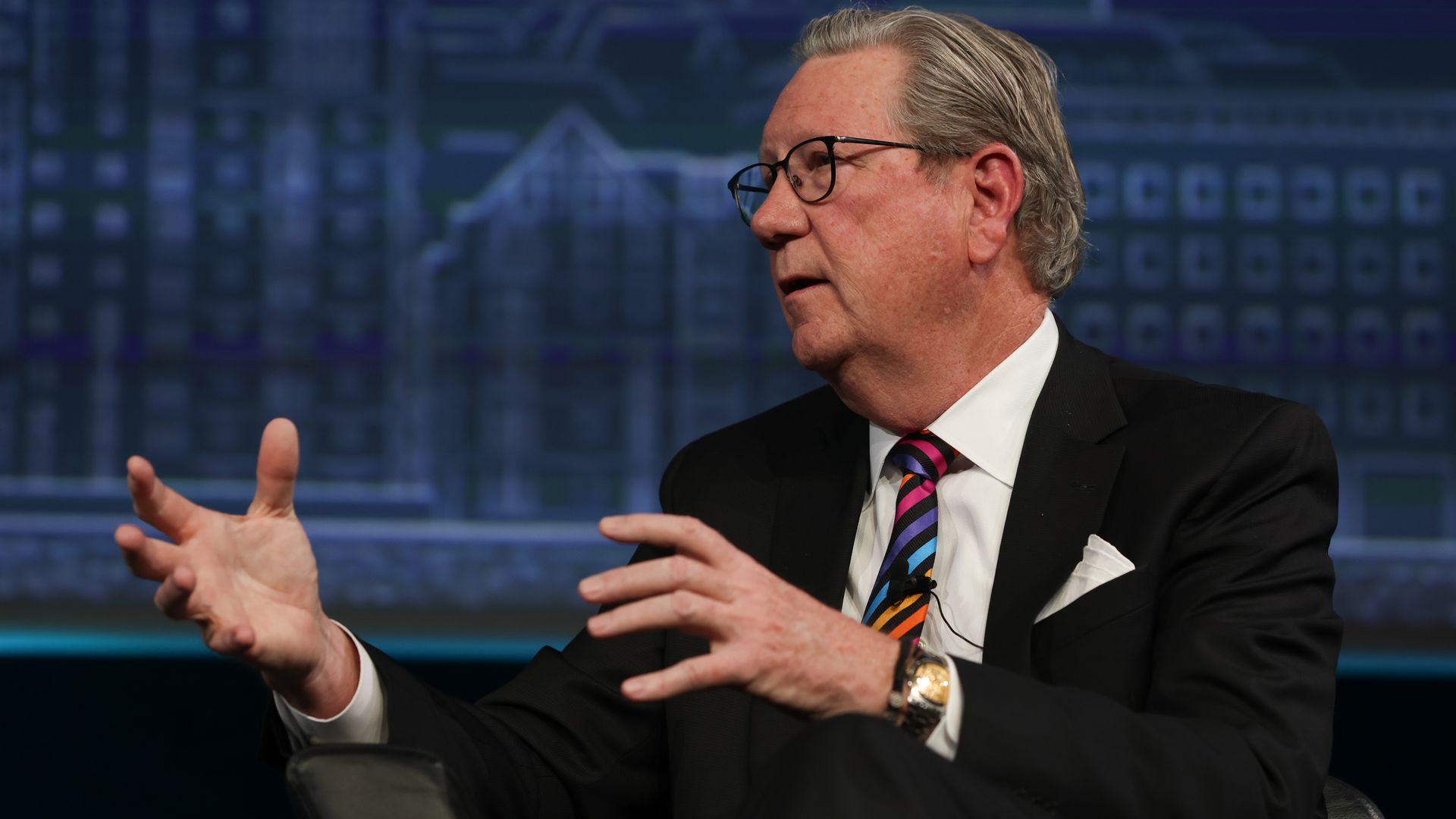
The relentless rise in long-term interest rates is starting to have effects on more parts of the economy, Kansas City Fed president Jeff Schmid told Axios Thursday.
"You're starting to see some friction in some of the long-market users of credit," he said, pointing to multifamily housing and commercial lending.
"Even on the mortgage rate side, it's starting to affect home prices, which is how the price of credit works relative to valuation," Schmid said at a conference on investing in rural America hosted by the Federal Reserve Bank of Richmond in Asheville, N.C.
The big picture: Schmid spoke alongside Richmond Fed president Tom Barkin and Boston Fed president Susan Collins, who weighed in on the forces driving the rise in borrowing costs.
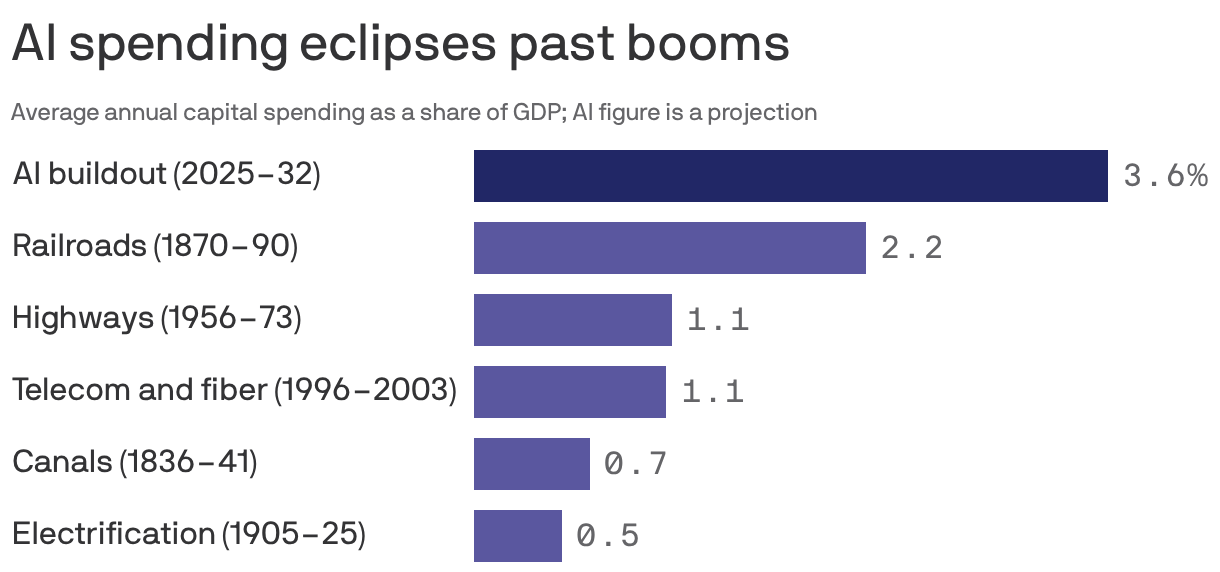
"I think you're seeing this trillion-dollar AI buildout, and I think it's not surprising that rates go up if you've got a lot more demand out there," Barkin added.
Collins said AI investment is also helping drive the solid economic growth that has persisted despite higher borrowing costs.
"I think it does have broader effects, not just in particular sectors," Collins said. But it "remains to be seen" whether investment will continue at its current pace, she added.
The intrigue: Schmid likened the Fed's challenge of separating strong demand from supply-driven inflation to a seven-layer dip — one of his favorite foods.
"The beauty of a seven-layer dip is you have equal amounts of beans and sour cream," Schmid said. Right now, with AI and data centers, "there's too much beans in that dip," he added.
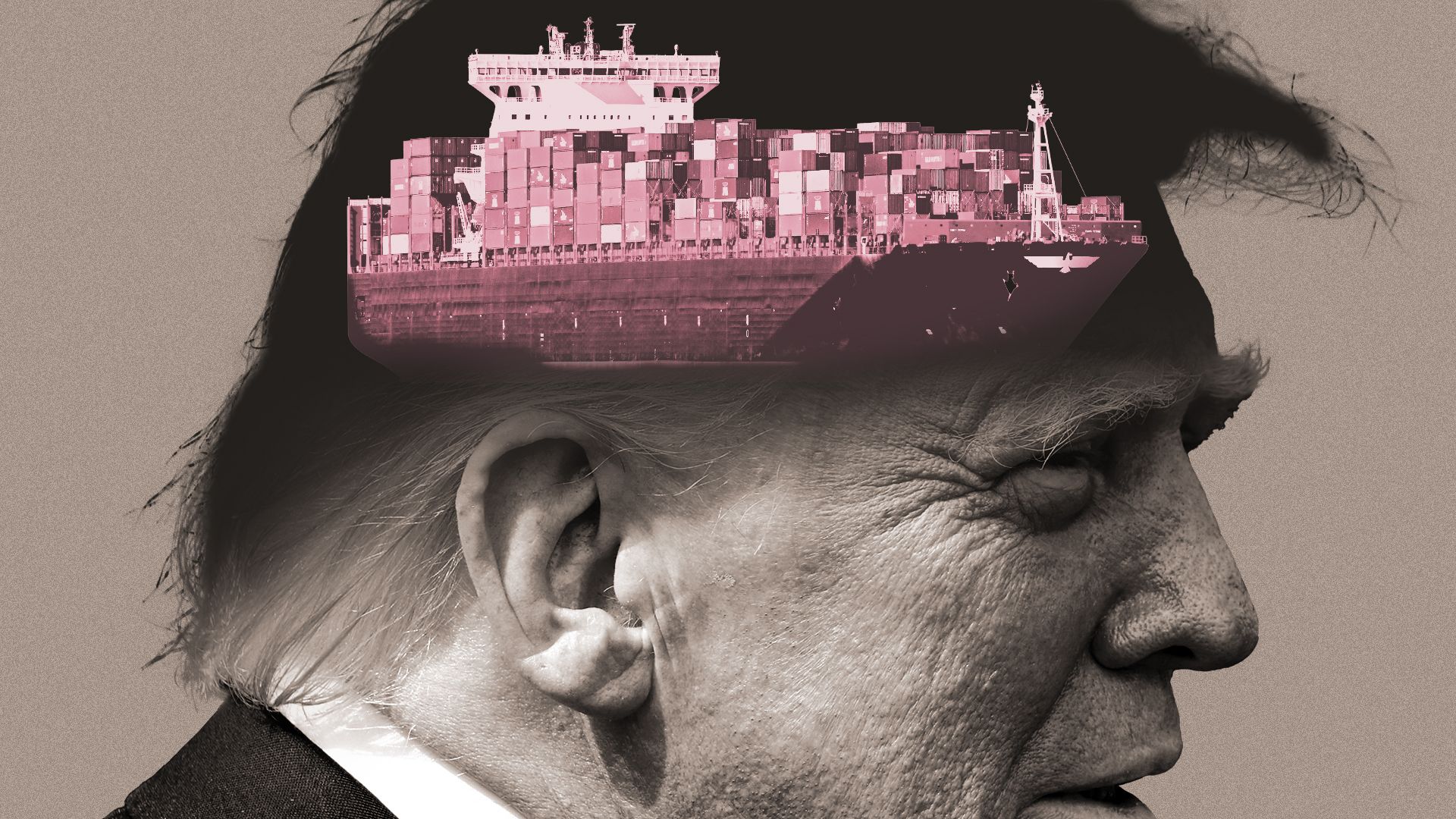
More countries are buying into a core piece of President Trump's argument about what is broken in global trade, even as his tariffs rattle the world economy.
Why it matters: Two major agreements over the past month show that more countries are embracing the view that huge trade imbalances and excess production can hurt domestic industries and may warrant action.
Axios spoke on the phone with Vinod Khosla, the legendary venture capitalist, entrepreneur and newly minted NFL owner.
What follows is a transcript of the conversation, which preceded the Factory/Cognition dustup, lightly edited for clarity and brevity:
🏈 Seattle Seahawks
Khosla last month paid a record $9.6 billion to buy the NFL club from Paul Allen's estate, after having spent several years as a minority owner of the San Francisco 49ers.
Private equity firm Sycamore Partners reportedly is in talks to sell British pharmacy chain Boots to part of the billionaire Weston family for around $9 billion (including debt).
Why it matters: Sycamore isn't wasting any time breaking up the Walgreens Boots Alliance, believing that it's worth less than the sum of its parts.
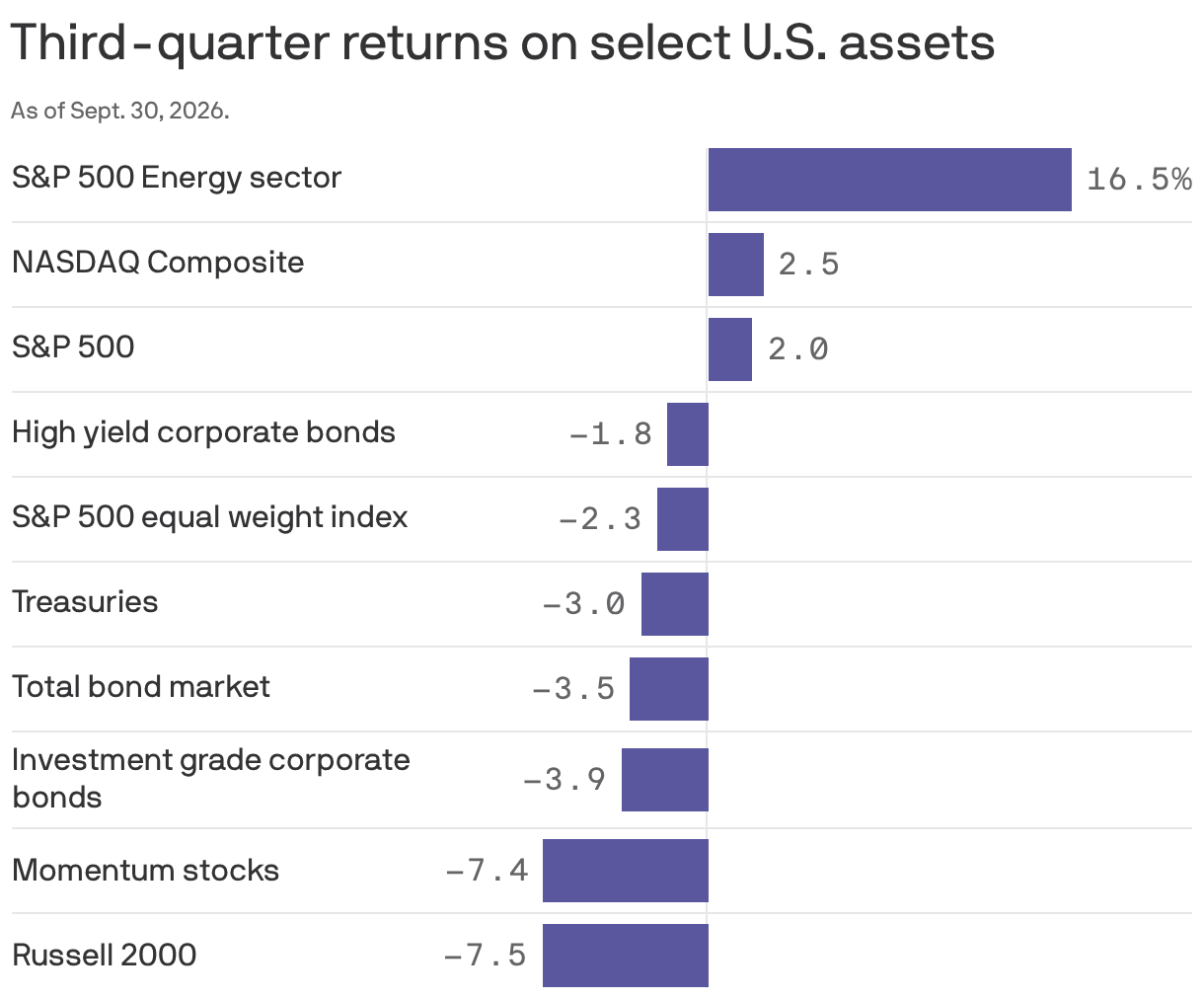
Data: FactSet; Chart: Axios/Matt Phillips; Note: Bond market figures reflect total returns for the Bloomberg U.S. Aggregate bond index and subindexes for U.S. Treasuries and U.S. investment grade and high yield corporate bonds. Momentum stocks reflects the iShares MSCI USA Momentum Factor ETF .
Energy stocks were some of the best-performing U.S. assets to own in the just-ended third quarter, as inflationary pressures related to the Iran war and irrepressible U.S. growth established themselves as key price-drivers.
Why it matters: The performance of oil-and-gas drillers, refiners and retailers was crucial to keeping broader indexes such as the S&P 500 in the black (+2%) during the three months that ended Wednesday.
Most of the benefits of the AI boom, for humans at least, have filtered into the stock market — but that leaves a lot of folks out.
Why it matters: Record wealth from stock market gains is helping drive strong consumer spending and economic growth overall, but it's a fragile situation: What goes up can come down, after all.
Plus, there are plenty of Americans who have little or no exposure to the market — especially lower-income households — and they're currently struggling to deal with falling real wages, rising gas prices and stubbornly high inflation.
Americans overwhelmingly disapprove of President Trump's handling of the economy, reaching levels that rival some of the worst of former president Biden's term, per a new AP-NORC poll out Thursday.
Why it matters: The economy is stronger than sentiment suggests, but time is running short for the president and his administration to convince highly skeptical voters of that.
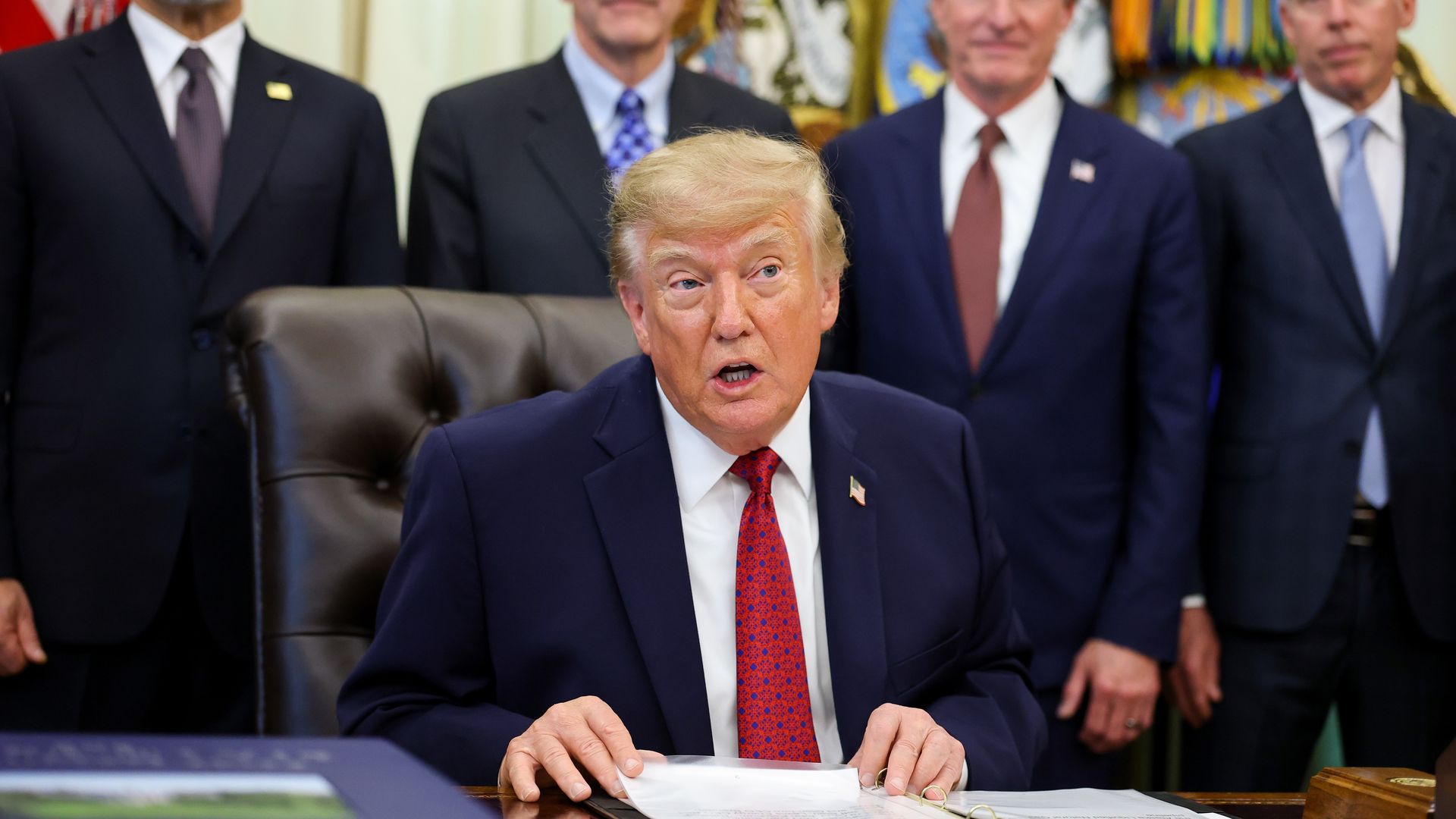
President Trump and the AI industry have co-signed one of the biggest economic and technological wagers of all time.
If it goes right: A new age of abundance — explosive productivity, staggering wealth and a generational leap in American power.
If it goes wrong: A catastrophic bust that destroys capital and jobs and, in the words of several involved, threatens widespread human harm.
Why it matters: Neither Trump nor the AI titans have plausible deniability. Their fortunes have become so tightly bound that success will be shared — and failure impossible to disown.
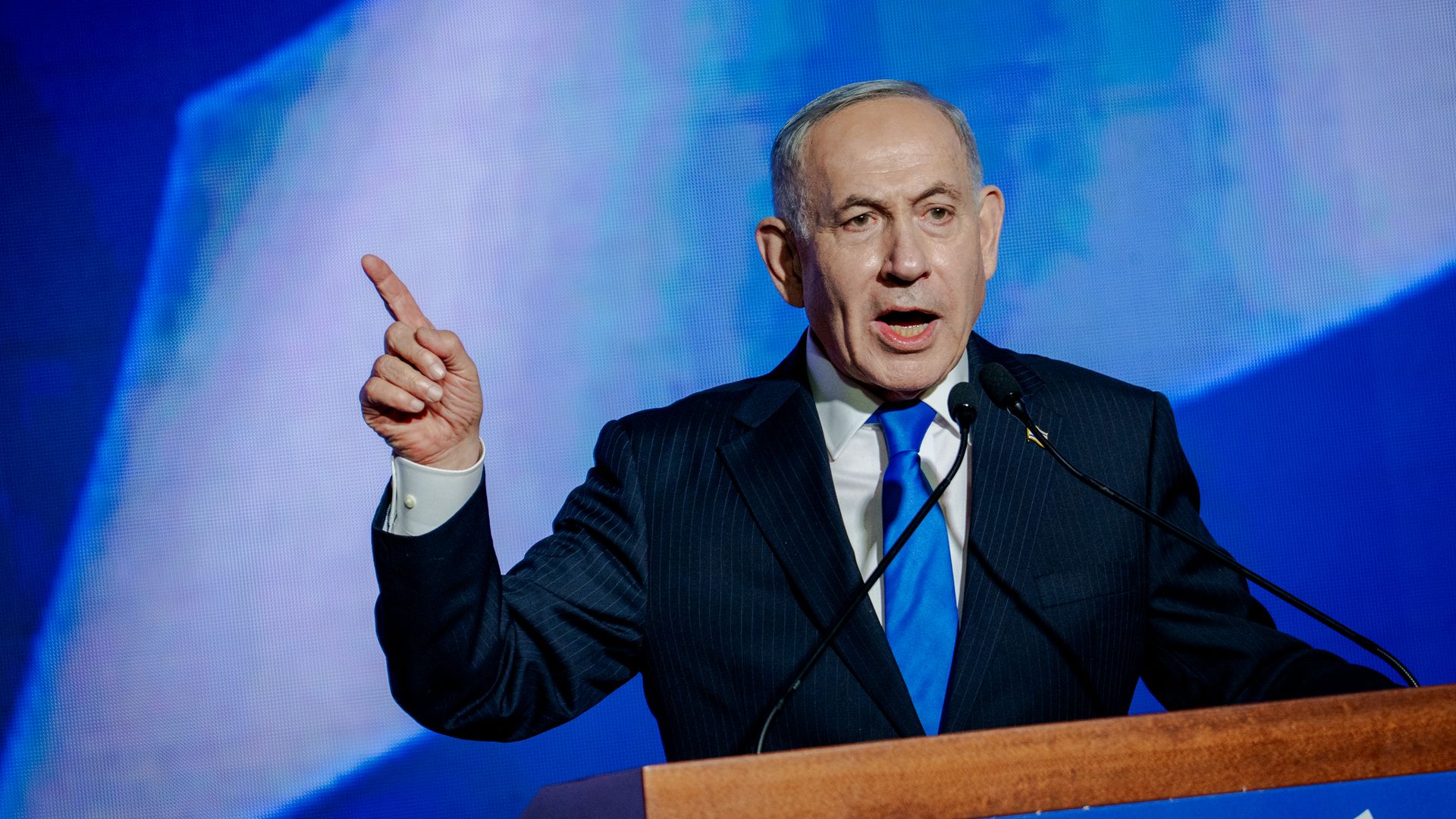
Israeli Prime Minister Benjamin Netanyahu revealed new details about a FlyDubai flight bound for Israel during which a pilot stabbed a colleague, sending the plane spiraling thousands of feet.
The big picture: Netanyahu told CNN Wednesday evening that the Indian pilot who was stabbed, Capt. Smit Machchhar, unlocked the cockpit after being attacked and an Israeli passenger who works as a plumber, Yaniv Hayun, entered and found the Omani pilot apparently trying to interfere with the aircraft's controls.
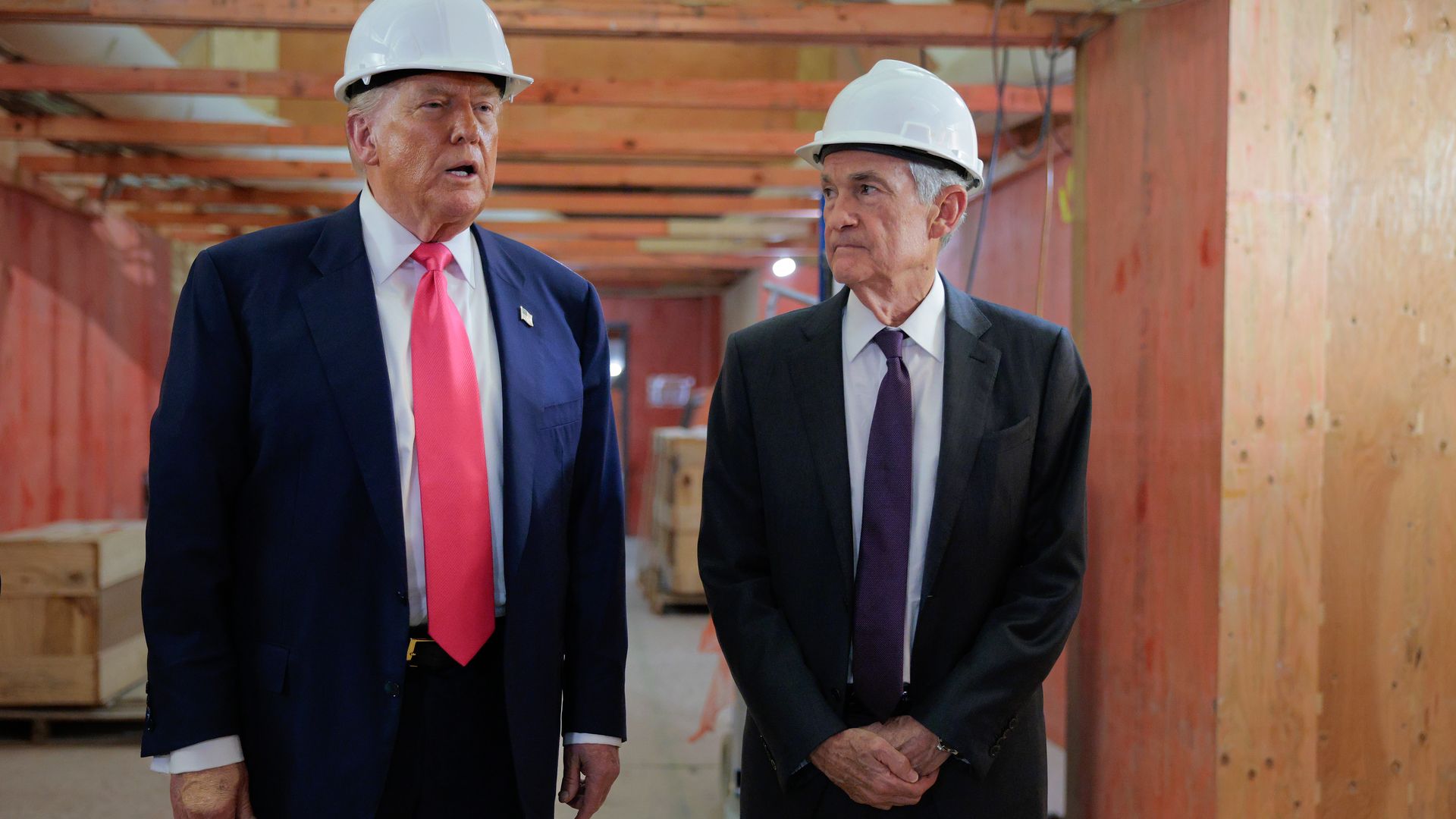
A Federal Reserve watchdog found no criminal wrongdoing by former chair Jerome Powell in its investigation of the central bank's expensive headquarters renovation, according to a report released on Wednesday.
Why it matters: The findings effectively clear Powell after the Justice Department opened an unprecedented criminal investigation into then-Fed chair, which became public in January.
The Army National Guard plays a critical role when communities face natural disasters and emergencies. Now, it's helping high school students understand what that work looks like up close.
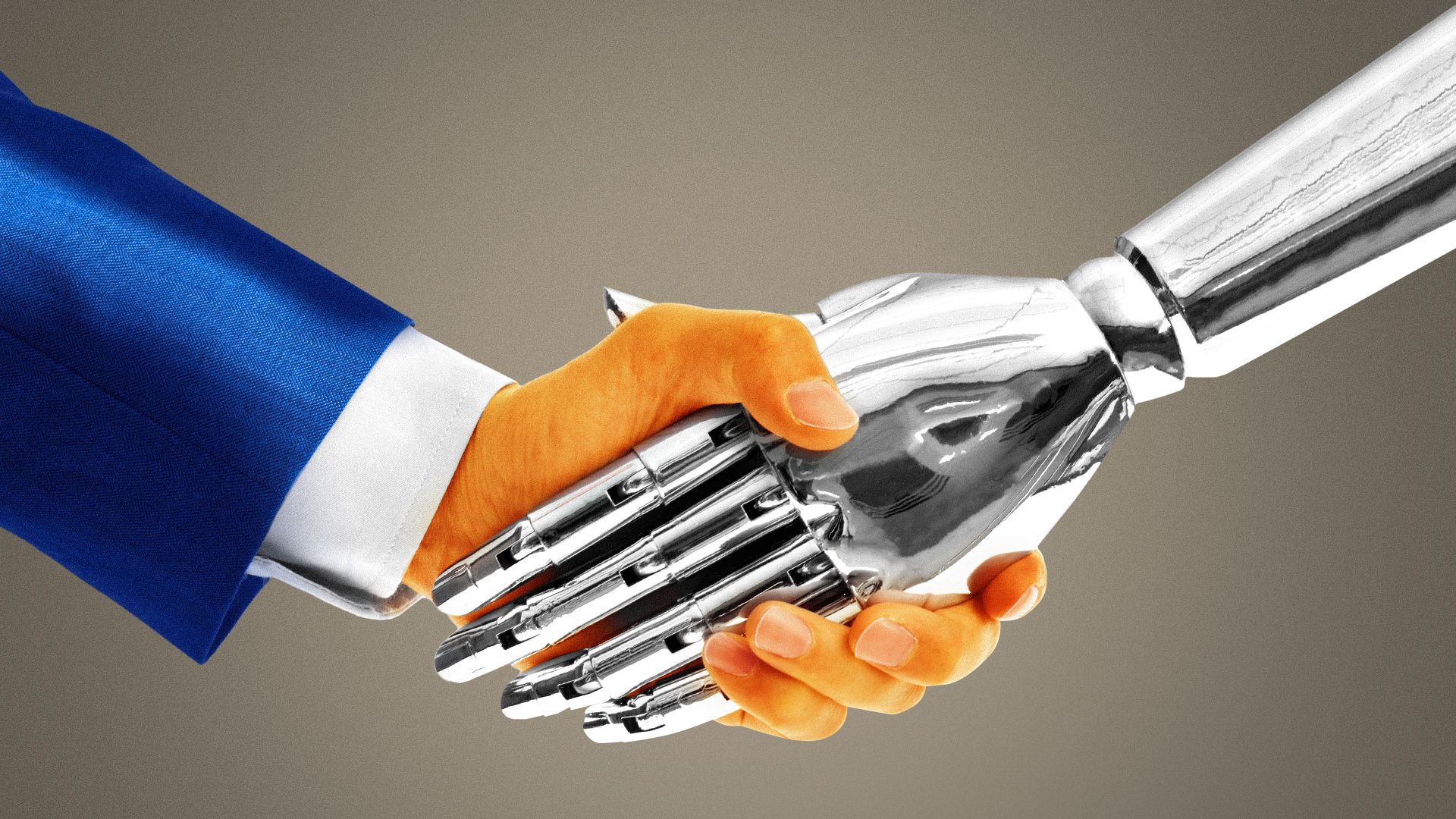
DoorDash is adding another vehicle to its increasingly automated delivery fleet: a drone designed and built in-house.
Why it matters: DoorDash is building a sprawling multimodal delivery network — humans, robots and drones — and using its software to decide which is best for each order.
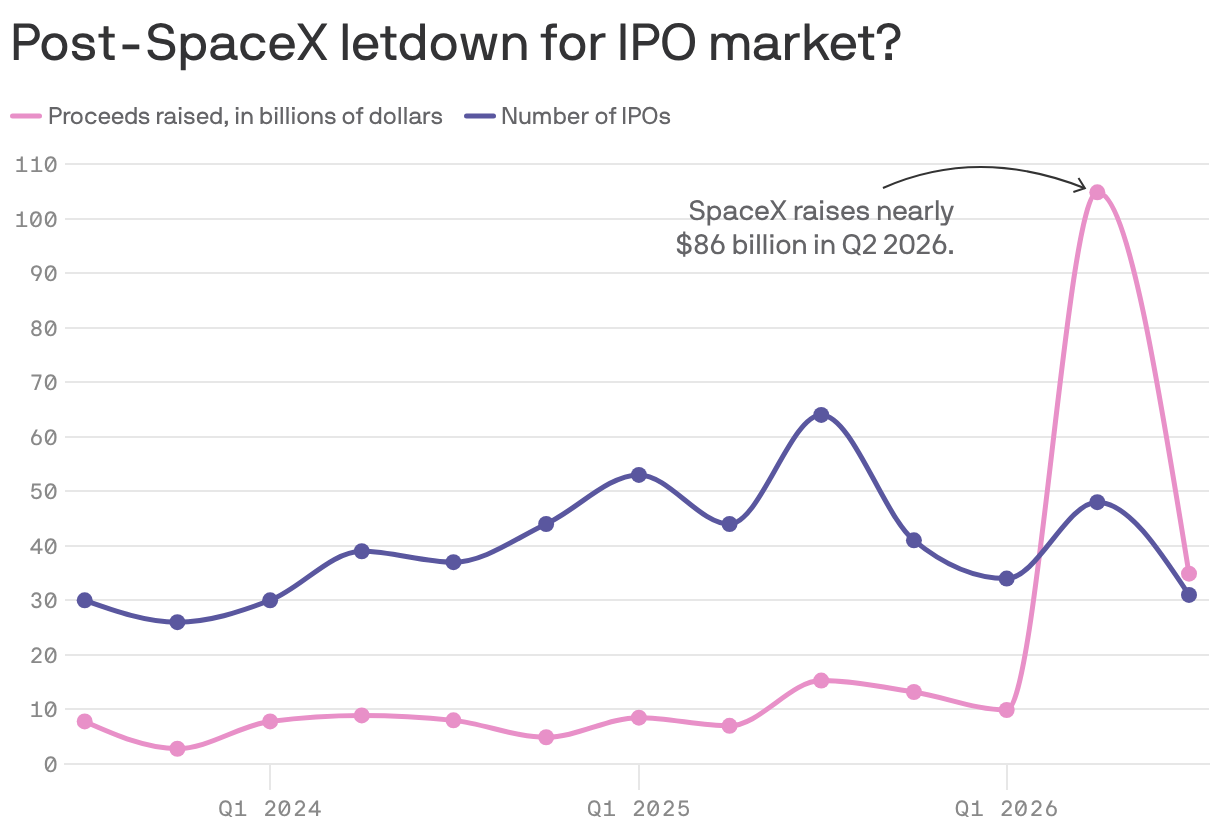
Anthropic already was going to be the defining IPO story for Q4, but now takes on greater significance as other companies postpone or scrap their offerings due to "market conditions."
The big question: Will the Claude maker go public before Thanksgiving, or follow the crowd (and OpenAI) into the "wait 'til next year" wilderness?
Walmart is donating $15 million to Feeding America to help alleviate hunger at a time when food inflation remains a challenge for many Americans.
Why it matters: Nearly 48 million people in the U.S. are experiencing food insecurity, including 1 in 5 children, according to Feeding America's 2026 Elevating Voices report.
Data: Stijn Van Nieuwerburgh, "Financing the AI Buildout," Brookings Papers on Economic Activity conference draft; Chart: Axios/Emily Peck
The AI buildout is entering a show-me-the-money phase: A growing chorus warns that the pace of spending on the technology is far outstripping the money coming in, and that may be true for a while.
Why it matters: With so much of the economy riding on investor bets on AI, it could all end in tears.
Stratolaunch purchased a Boeing 777-200ER and plans to use it, after some modification, as a carrier for its Talon-A, a reusable, autonomous hypersonic aircraft, chief executive Zachary Krevor told Axios.
Why it matters: The addition of an upgraded 777 to the fleet increases Stratolaunch's flight capacity by about 35%. It also moves the aerospace company closer to being able to conduct multiple simultaneous hypersonic tests around the world.
"Hypersonics are a national security priority," Krevor said. "You can look through history: Speed always wins."
The Alliance for Critical Infrastructure, a recently formed CEO-led coalition, has added dozens of new members and will focus on preparedness.
Why it matters: Growing concern about the prospect of AI-powered attacks on public infrastructure, financial institutions and essential businesses is fueling momentum for action.