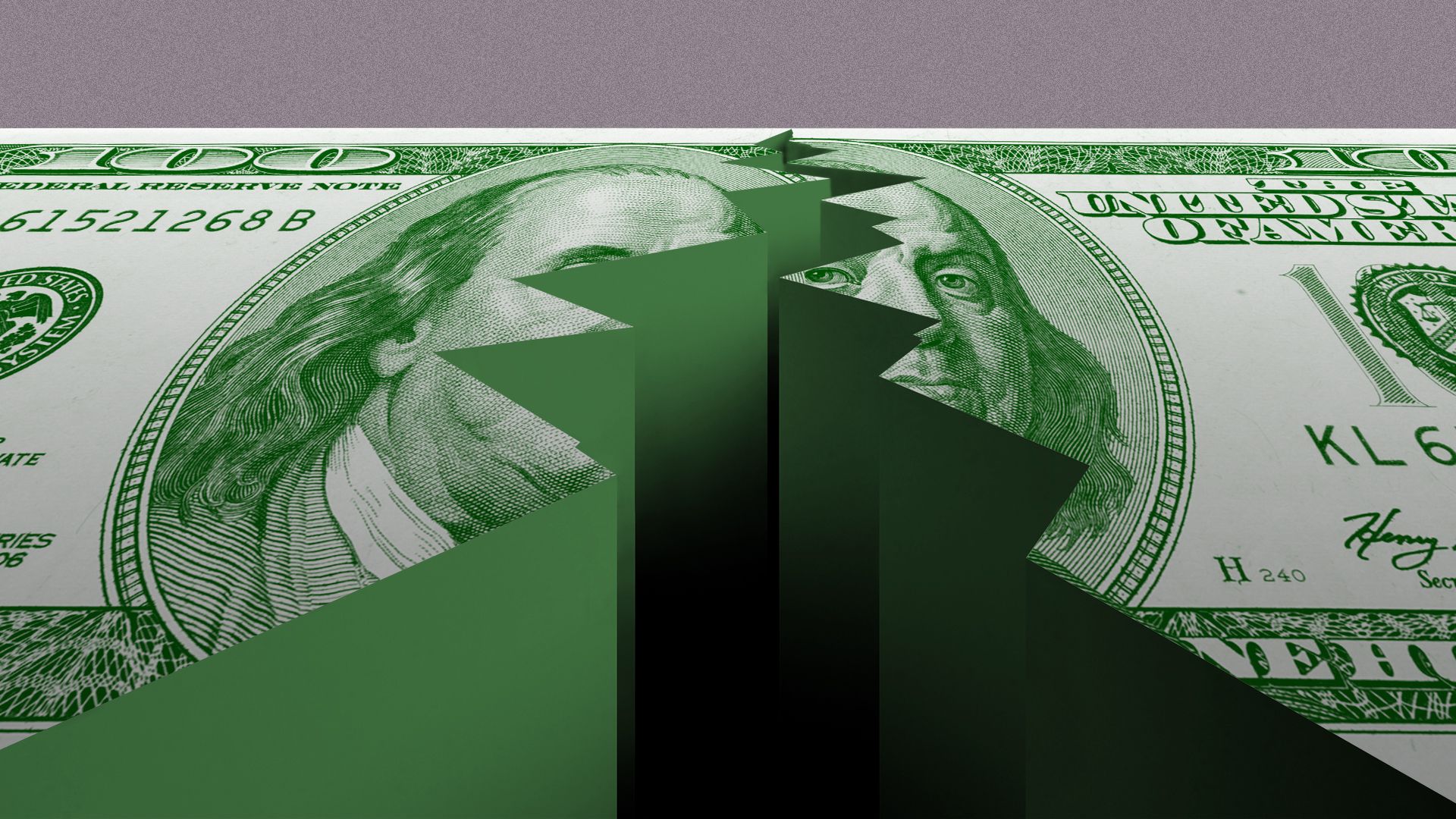
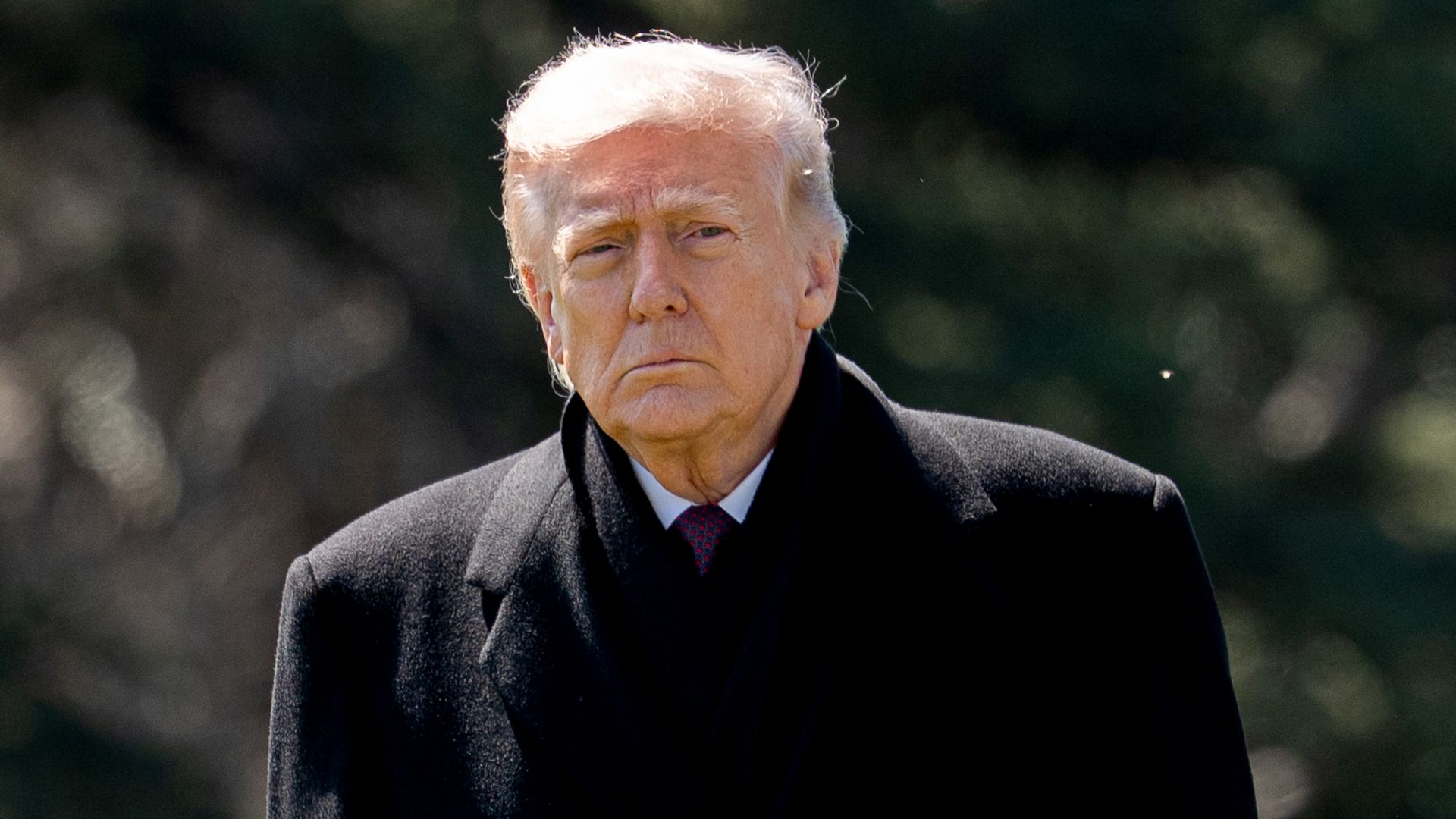
House Republicans blanched at the Pentagon's reported $200 billion price tag for Iran, but many are embracing the eye-popping number to help energize a stalled reconciliation process.
Why it matters: GOP leaders have struggled to build consensus around a "reconciliation 2.0" package. But injecting a must-pass defense spending bill into the equation will give Speaker Mike Johnson the urgency he needs to bring it to the floor.
Robotaxis, like any new driver, often make mistakes — as more and more of them get deployed in U.S. cities, the tech companies behind them are learning important lessons from things they could have done better.
Why it matters: Every incident — every dumb or potentially dangerous error — is being scrutinized as they work to earn public trust.
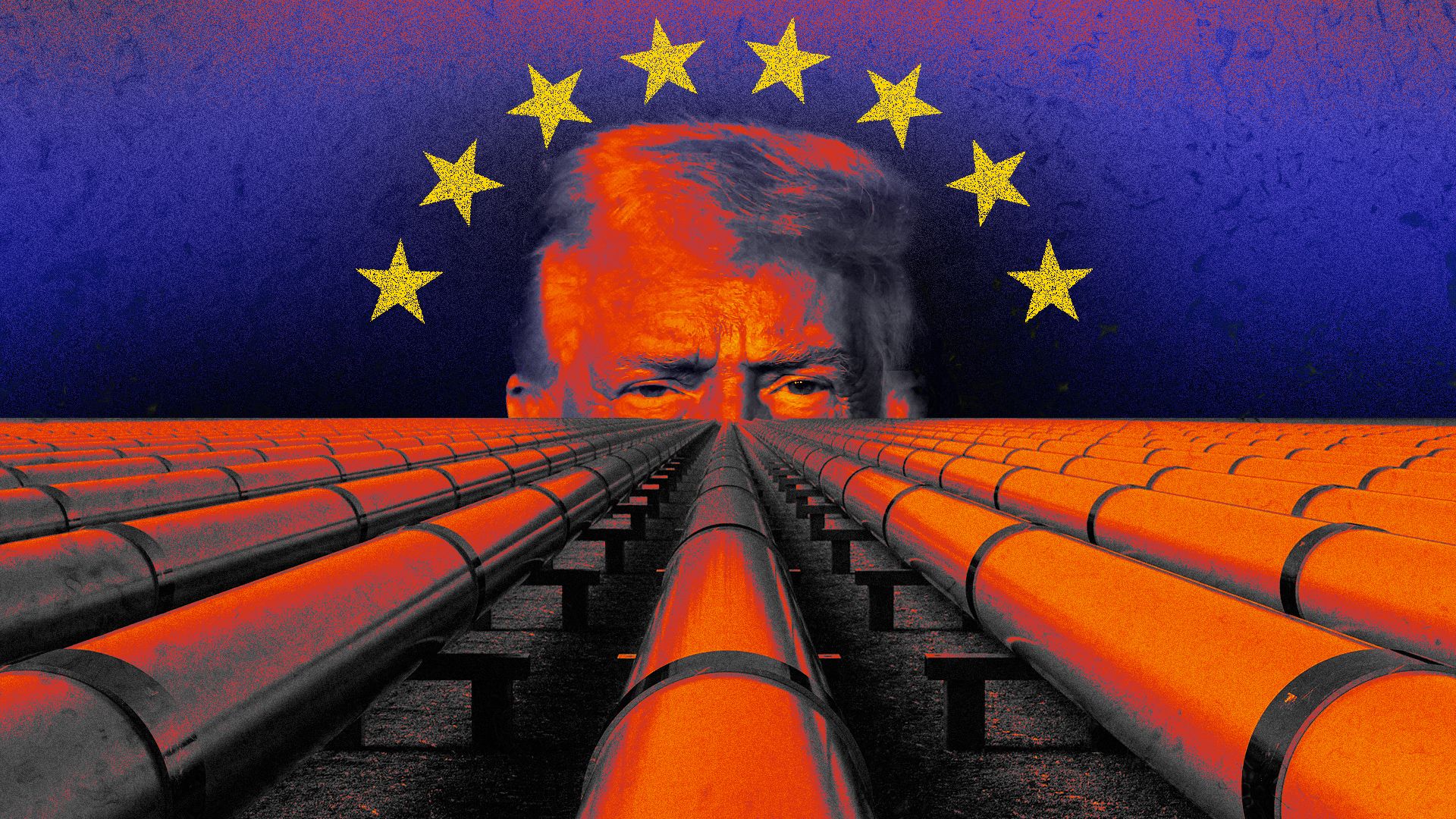
The Trump administration doesn't plan to thwart U.S. oil exports as officials scramble for ways to temper energy price spikes.
Why it matters: Rumors of restrictions have swirled in recent days, and would represent a sea change after years of expanding shipments that have made the U.S. a huge player in global markets.
Steak-hungry Americans are skipping the meat aisle — and heading to restaurants instead.
Why it matters: Sky-high grocery prices, especially for beef, are reshaping how people consume one of the most expensive proteins — and narrowing the gap between cooking at home and dining out.
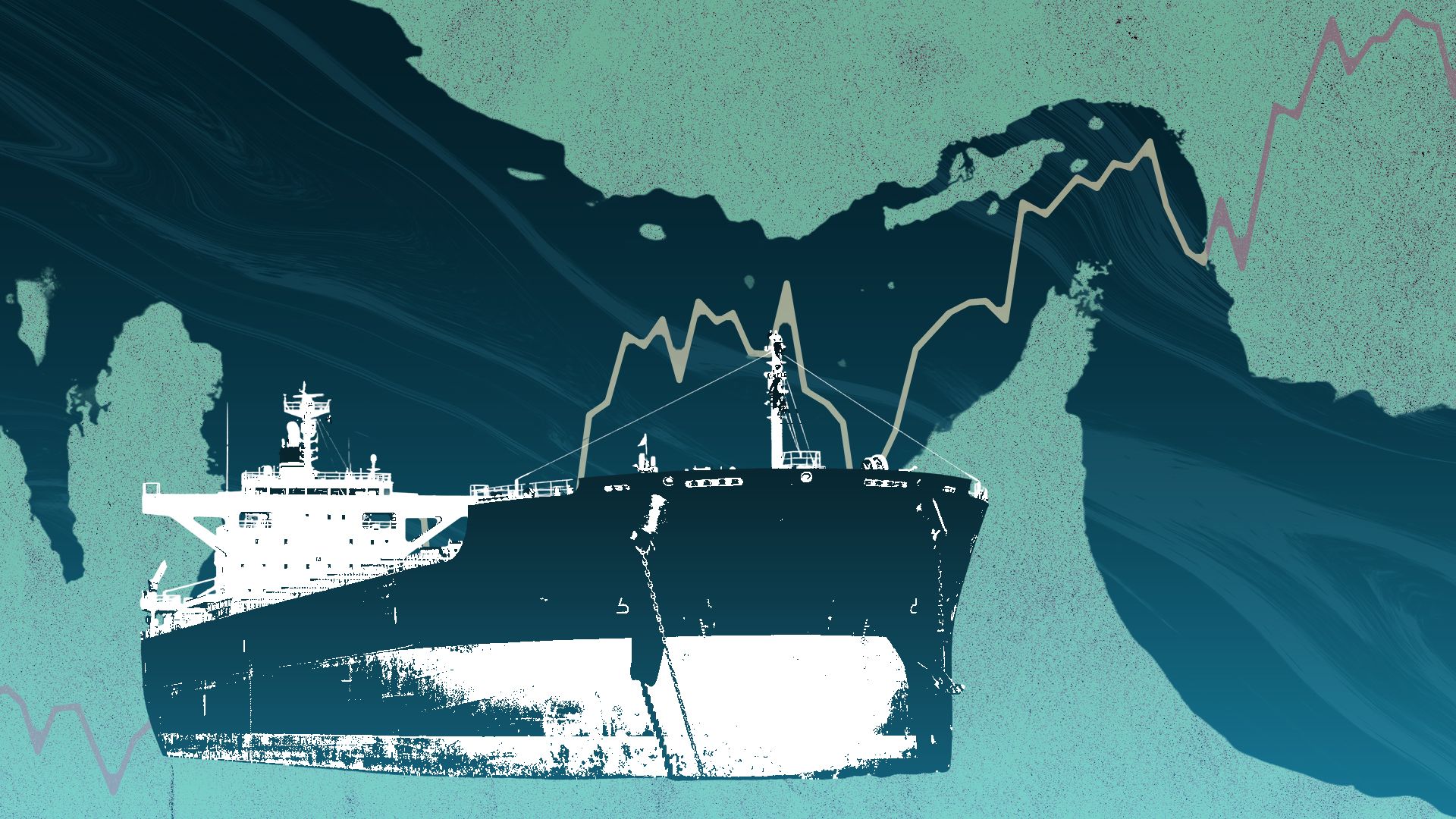
Nearly three weeks into the Iran war, the risk of sustained disruption to global energy supplies is getting worse, not better. That's raising the possibility of tighter money and higher borrowing costs worldwide.
The big picture: Global policymakers can't wave a magic monetary wand and fix a breakdown in the key supply chains for oil and natural gas. All they can do is try to contain the inflationary fallout.
Financial markets on Thursday were waking up to that possibility — and repricing global assets accordingly.
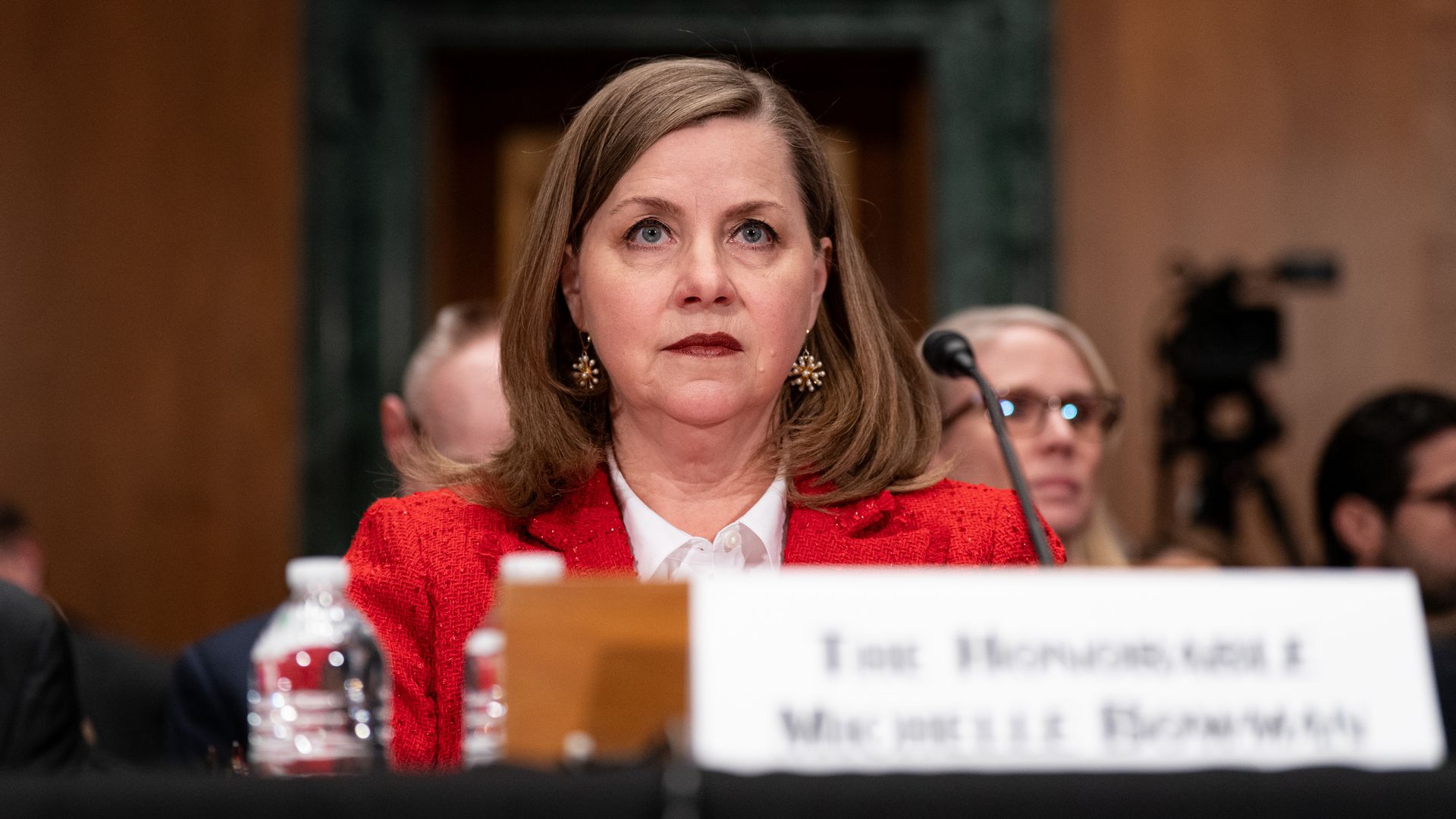
America's financial regulators released a package of proposals on Thursday that would ease regulations for the nation's banks.
Why it matters: This is the biggest swing yet at bank deregulation efforts in the Trump 2.0 era, which administration officials see as key to moving its economic agenda forward.
Federal financial regulators Tuesday officially announced a new treatment of crypto assets, aiming to provide a clearer understanding of the rules for digital assets.
Why it matters: The more industry-friendly rules from the Trump-era Securities and Exchange Commission aren't a surprise, but they're a win for the crypto industry as key market structure legislation remains stalled in the Senate.
Even as the Iran war grabs everyone's attention, private credit still has Wall Street unsettled.
Why it matters: Investors are worried about loan quality and getting their money out of funds, and it's that anxiety that actually appears to be private credit's biggest problem. (Here's an explainer on the trillion-dollar sector.)
Where it stands: For investors, "this is a little bit of a wake-up moment," Lotfi Karoui, a multi-asset credit strategist at Pimco, said on a company podcast this week.
People are starting to think more carefully about where they deploy capital, he said.
Zoom in: Here's what's driving the stress — and why it might not be cause for a full-fledged freakout:
Software weakness. About 20% of private credit loans were made to software companies, and their fate is now in question because of AI.
A significant share of defaults, however, hasn't materialized — though Morgan Stanley forecasts that it will rise to 8%. That's not great, but it's hardly a systemic disaster.
Lower yields. As more investors got interested in private credit last year — and as the Federal Reserve cut rates — the yields that investors could earn fell from about 11% to about 8%-9%, per data that investment bank Lincoln International shared with Axios.
The lower yields have made private credit less attractive to investors, says Ron Kahn, the bank's managing director and global co-head of valuations and opinions.
"Some of this started before even the software disruption, purely because of the yield," he says.
Opacity. Investing in this market is not like putting money into stocks. Investors don't know what their investments are worth day to day. That's nerve-racking.
What they're saying: There are commenters comparing this moment to the run-up to the Great Financial Crisis — arguing private credit is an unfamiliar financial instrument that obscures risk and could take down the system.
"You will not ever hear someone who professionally lived through 2008 make that comparison with any real veracity," Jim Caron, the chief investment officer of Morgan Stanley's Portfolio Solutions Group, tells Axios.
Unlike before the financial crisis, now there isn't leverage upon leverage for a derivative security backed by a strawberry picker's $700,000 loan that then blows up the housing market.
Still, Stephen Parker, global co-head of investment strategy at JPMorgan Private Bank, says: "There is likely to be some pain felt."
"But importantly, we think the default cycle will be manageable and we don't think this is going to be a systemic issue, which I think is the question that a lot of our clients are asking,"
Between the lines: Stress begets stress, creating a bit of a doom loop that is lessening investor interest overall in private credit.
By the numbers: 35% of investors said negative perception of private credit was the biggest headwind to the industry, per a survey from PitchBook of about 100 credit providers, banks, private equity firms and other market participants in the U.S. and Europe.
Stress/default risk was the second-highest risk, followed by geopolitical turmoil.
"Sentiment in the market is significantly worse than it was six months ago," says Marina Lukatsky, global head of research, credit and U.S. private equity at PitchBook LCD.
Zoom out: "Headlines are absurd. Asset class is fundamentally sound," one respondent wrote.
Still, optics are everything in investing — the gloomy outlook is driving down demand for new investments.
That might drive up yields and make this an interesting sector again.
The Israeli military strike on Tehran's South Pars gas field facilities means the Iran war will likely extend into May, analysts said Wednesday.
The big picture: Oil prices jumped after Israeli forces' unprecedented strike on the gas field that Axios' Barak Ravid reported was conducted in coordination with and approved by the Trump administration. The global benchmark Brent crude was still hovering above $110 per barrel early Thursday.
President Trump said Wednesday that Israel will not conduct further attacks on Iran's main natural gas facility.
Why it matters:Trump's comments that seem to be an effort to de-escalate the situation came hours after he green-lit the Israeli strike on the facility that marked a significant escalation in the war.