President Trump escalated his threats to seize Cuba this week — raising questions about whether he might seek to topple the Communist Caribbean island's leader Miguel Díaz-Canel.
The big picture: As Cuba's totalitarian government faces a deepening energy crisis that saw an island-wide blackout amid a U.S.-imposed oil blockade, Trump told reporters Monday he believes he'll be "having the honor of taking" the island.
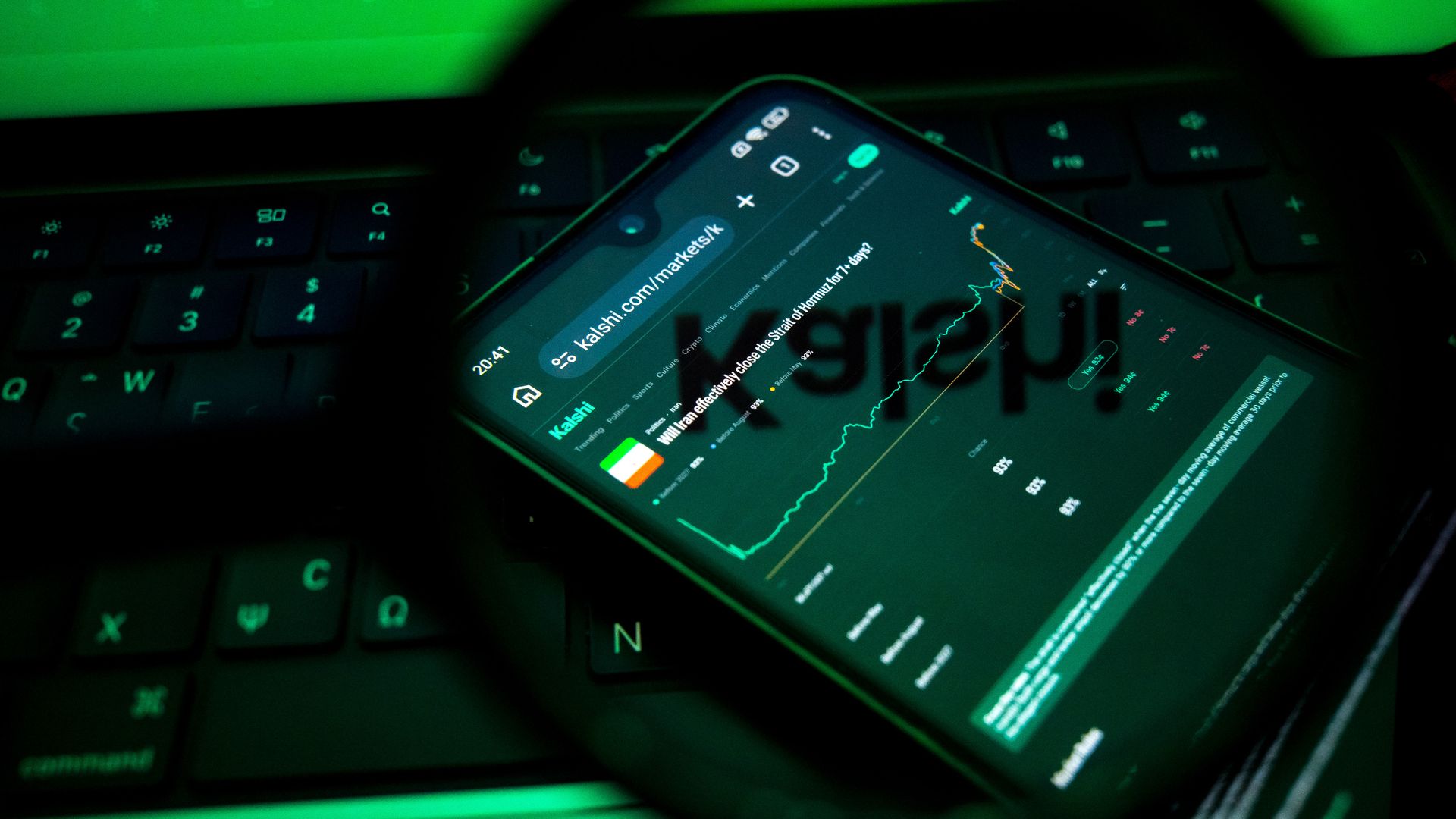
Arizona's attorney general filed criminal charges against Kalshi on Tuesday in a dramatic escalation of the legal battle over prediction markets.
Why it matters: Kalshi allows users in all 50 states to risk money on event contracts — including what it calls "100% legal sports trading" — but detractors say it usurps state gambling regulations.
The Federal Reserve will almost certainly hold rates steady, but fresh economic projections and other communications due out Wednesday afternoon will show how the central bank is absorbing two uncomfortable realities at once.
Why it matters: The energy shock from the Iran war adds a new factor to the Fed's complicated calculus. Inflation is running hotter than expected, even before the war's impact materializes in the data. Labor market data has been grim, and it's unclear how a sustained oil shock could weigh more heavily on the economy.
The price of diesel fuel has surged above $5 a gallon in the U.S., the highest in four years, creating new inflationary pressure on anything Americans buy that relies on truck transport — which is to say, pretty much everything.
Driving the news: The average retail price of a gallon of diesel was $5.04 Tuesday, AAA says, up from $3.65 a month ago.
That's the emerging consensus among private equity firms, which are building consortiums to work alongside the AI giants that are threatening to gut their portfolios.
Driving the news: OpenAI and Anthropic each are in talks with different PE groups to create something akin to enterprise AI consulting arms.
Mastercard has agreed to acquire London-based stablecoin infrastructure startup BVNK for up to $1.8 billion, including $300 million of contingent payments.
Why it matters: Legacy payment providers are seeking to retain control over how money moves, even if the rails themselves change.
Taco Bell is expanding its chicken lineup this spring as the fast-food brand pushes deeper into one of the industry's hottest proteins, the company exclusively tells Axios.
Why it matters: Chicken has been fast food's fiercest battleground for years — from the 2019 chicken sandwich wars to last summer's wrap battle.
Protein is coming for your comfort food — from tortilla chips to mac and cheese, ice cream and cereal.
Why it matters: Food companies across categories are racing to meet demand for higher-protein diets — without asking shoppers to give up the foods they already love.
Corporate executives in charge of human resources, legal operations and technology are increasingly among the highest-paid employees inside public companies, according to an analysis out Tuesday from The Conference Board.
The big picture: Researchers looked at the five highest-paid job functions inside publicly traded companies — named executive officers in public filings — a useful way of understanding what roles companies most value.
These days there's more emphasis inside companies on risks associated with technology, talent and regulation, the group said in its report. These are no longer simply viewed as support functions.
Countries across South Asia are imposing emergency measures like rationing energy, closing universities, cutting short workweeks and even changing the way crematoriums work to deal with the fallout from the Iran war.
Why it matters: Yes, the war is raising gas prices for Americans and causing a political headache for President Donald Trump — but it's also creating a deeper crisis abroad that governments and businesses are scrambling to manage.
Even gambling sites are turning AI anxiety into a product.
Why it matters: There's been endless debate about how AI will impact the labor market. Now, you can see the odds it'll impact your job — and even bet on it.
Americans view prediction market trading as more like gambling than investing, according to a new poll by Ipsos and the American Institute for Boys and Men.
Why it matters: Prediction markets have emerged as an increasingly popular — and controversial — way to bet on everything from sports and politics to business, news and entertainment.