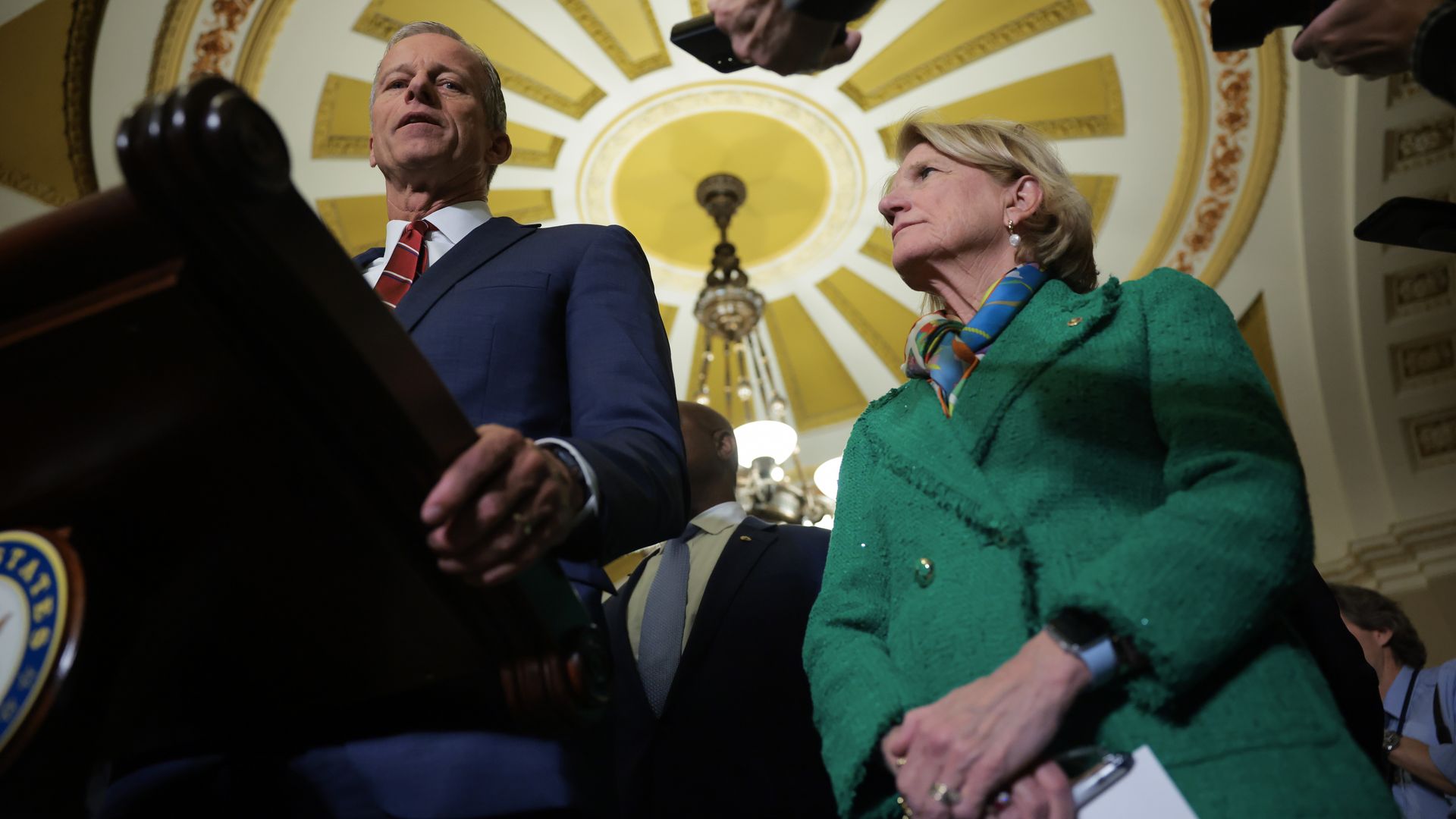
Senate GOP leadership will barrel forward in the coming weeks to block California's big electric vehicle rule — despite a recent opinionfrom Senate Parliamentarian Elizabeth MacDonough.
Why it matters: The details are still being hashed out. But it would be thesecond time this year GOP leadership has worked around MacDonough, who will play a critical role in the process Republicans are using to pass President Trump's "one big, beautiful bill."
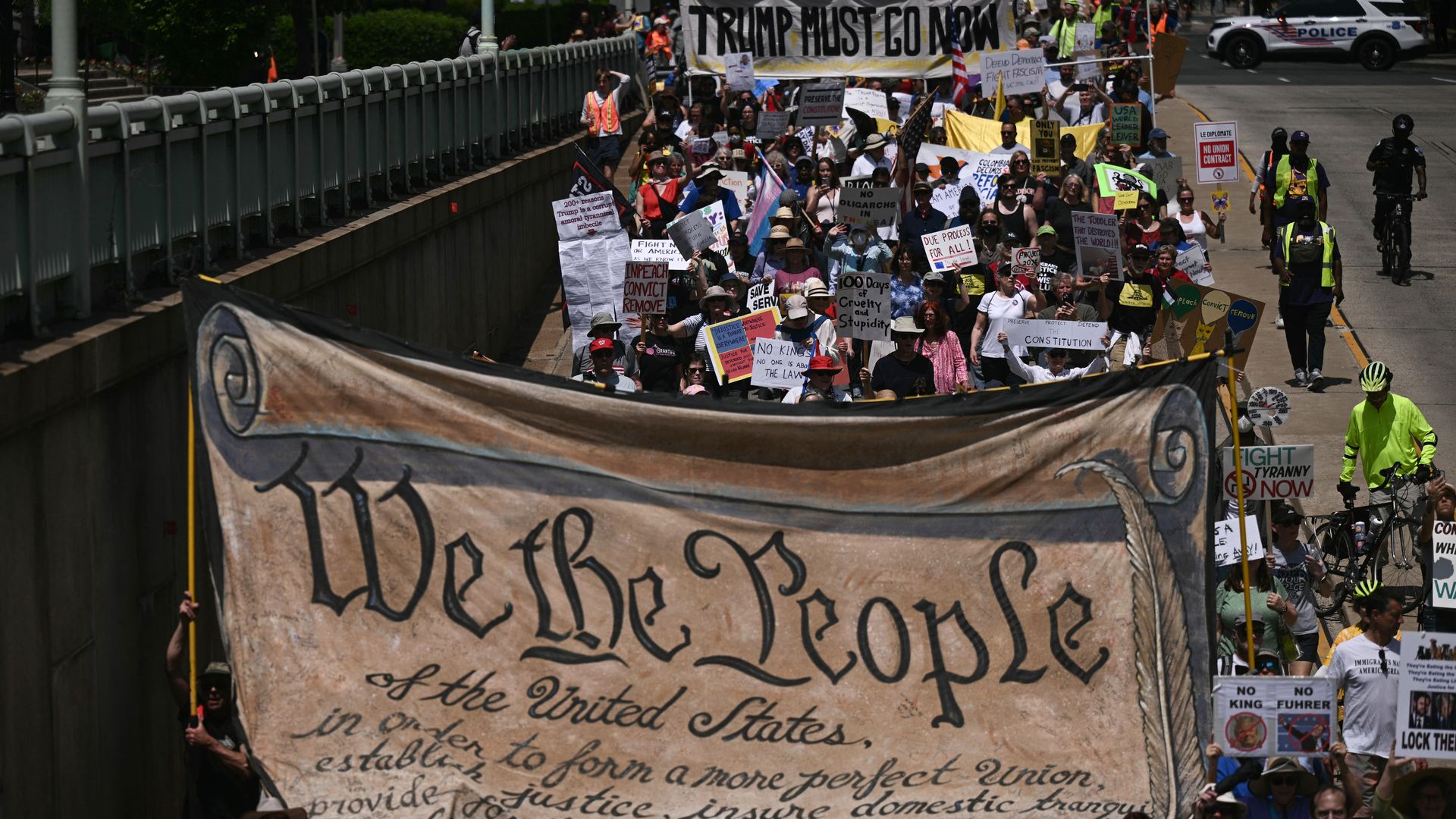
For the third time in a month, tens of thousands of protesters took to the streets, government buildings and the White House in a nationwide rally against the Trump administration.
Driving the news: Thursday's May Day protests fall on International Workers' Day and are calling attention to policies that affect working people, including threats to Social Security and union protections.
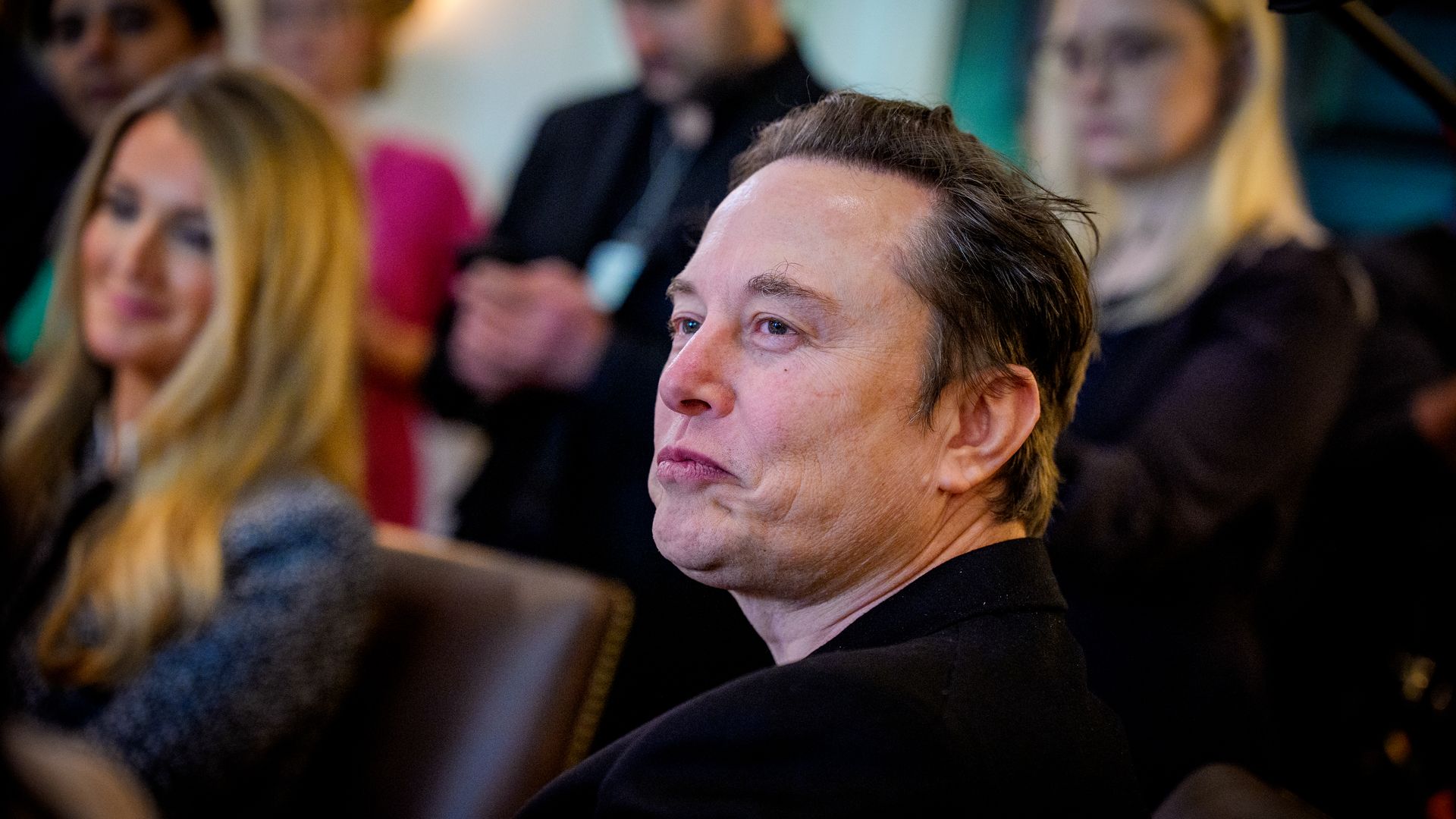
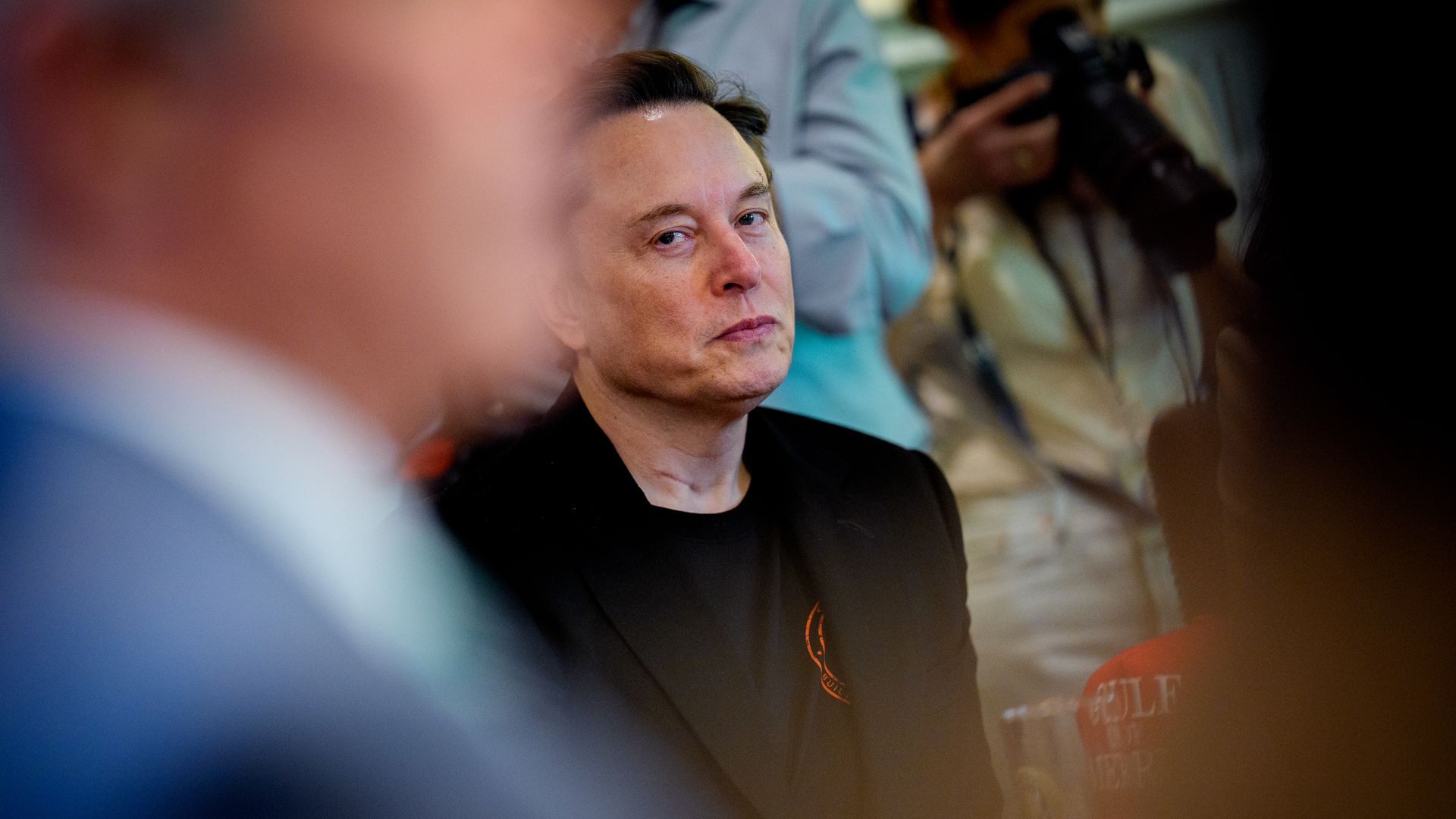
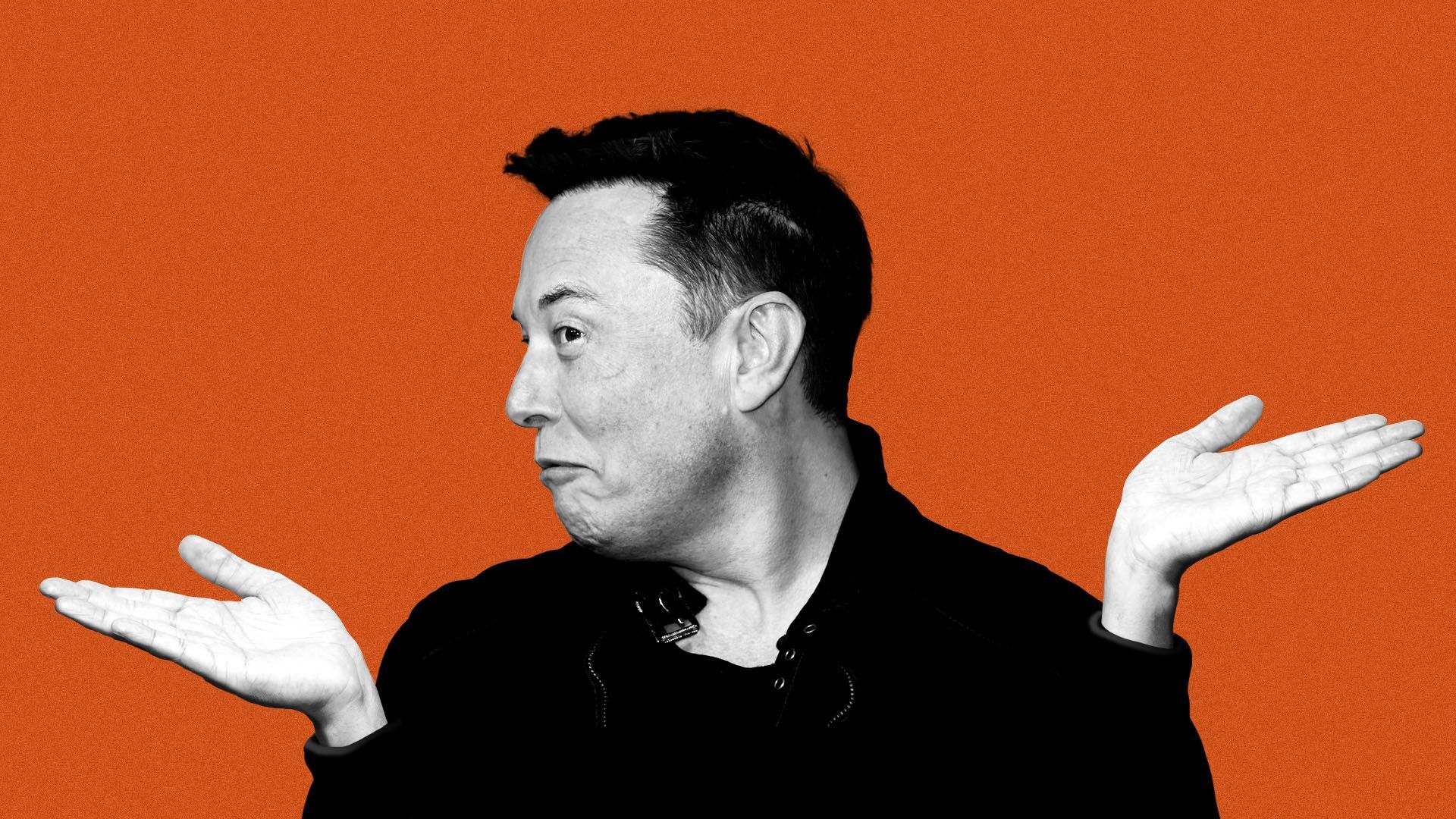
The simple thought of replacing Elon Musk as CEO of Tesla is not so simple at all.
It stirs up practically unanswerable questions about who could possibly take his place, how Musk would handle it and how investors would react.
Why it matters: Musk and Tesla's chair on Thursday vehemently denied a Wall Street Journal report saying the EV company's board had launched a search process for a new CEO to potentially replace the world's richest person.
Bitcoin is now an investment held by regular people who want to diversify their portfolio, while the rest of the cryptocurrency world (stablecoins aside) struggle to catch on.
Why it matters: The question of "what is bitcoin actually good for" has been answered by the market: It buys (and is buying) the digital gold narrative.
Republicans in the Arizona legislature have sent its Democratic governor two bills that would establish strategic bitcoin reserves.
Why it matters: The bills imitate moves made by President Trump in establishing reserves at the federal level.
What we're watching: Whether or not Gov. Katie Hobbs signs them. Her office has not replied to Axios.
How it works: One bill authorizes state funds to allocate part of what they hold, up to 10%, to virtual currencies. That includes state retirement funds, if their administrators choose to do so.
Another bill authorizes the state to hold onto virtual currency seized by law enforcement. It also authorizes the state treasurer to lend out holdings to increase yield.
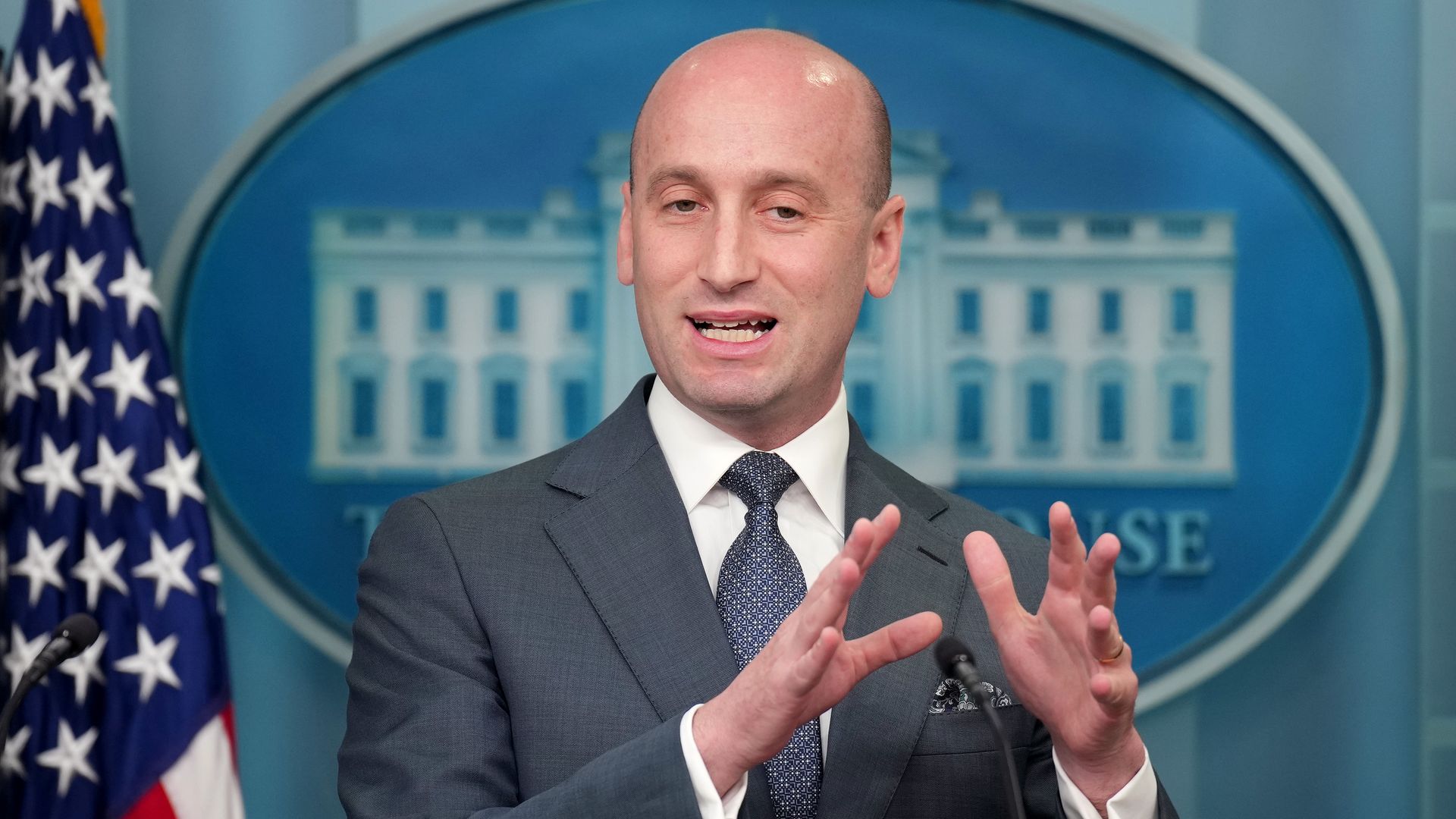
The doll debate continues: After President Trump acknowledged that toy shortages were a possible tariff side effect, Deputy Chief of Staff Stephen Miller argued that "almost every American consumer" agrees they'd pay more for an American-made doll.
The big picture: Miller on Thursday emphasized the administration's persistent argument that tariffs would force manufacturers toproduce more goods in the U.S. — but domestic retailers fear the trade war with China will leave prices higher and shelves empty.
The White House's reaction to reports that Amazon was planning to itemize tariff pricing — which Amazon later denied — shows how tricky the current political landscape is for American businesses.
Why it matters: This kerfuffle highlights the potential blame game between corporations and the administration, should prices rise.
It's usually a mistake to attribute economic conditions in the weeks after a presidential inauguration to the person in the Oval Office.
Right now is not one of those times.
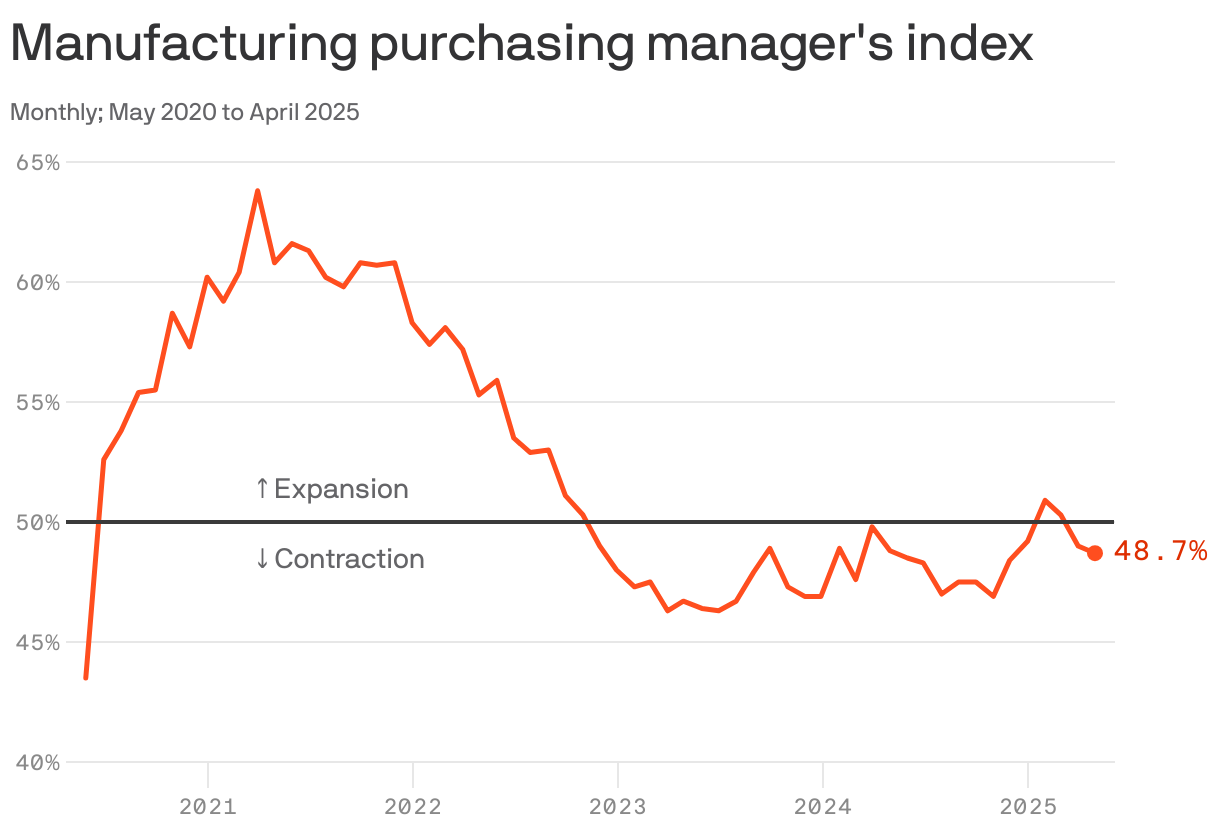
The big picture: The U.S. economy is a mighty tanker ship, slow to turn. So much so that presidents usually don't affect its short-term course. The exception is when they take sweeping, rapid action on a massive scale.
General Motors expects a tariff impact of $4 billion to $5 billion this year — almost one-third of its expected profits for 2025 — even after President Trump pulled back on some auto levies this week, the company said Thursday.
Why it matters: The warning underscores how much pain American companies may face as Trump uses trade leverage to try to bring back domestic manufacturing.
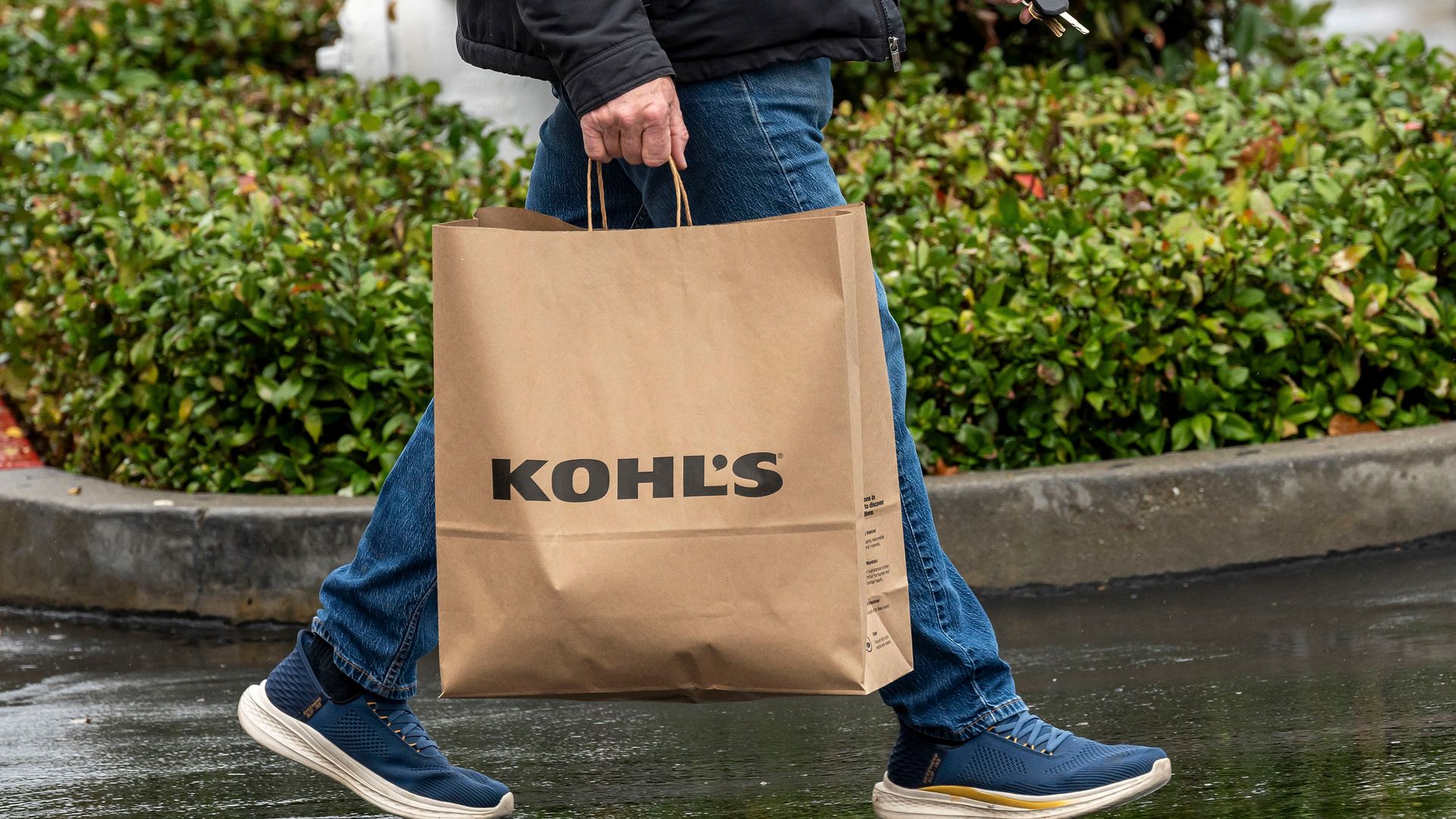
The CEO of Kohl's was fired after the company's board said he violated conflict-of-interest standards by inappropriately directing business to someone with whom he had a "personal relationship."
Why it matters: The struggling department store chain has had significant turnover in the C-suite as it tries to reinvent itself amid three straight years of sales declines.
Elon Musk and Tesla's chair early on Thursday vehemently denied a Wall Street Journal report saying the EV company's board had launched a search process for a new CEO to potentially replace the world's richest person.
Why it matters: Tesla has suffered declining sales since Musk became an outspoken ally of President Trump and leader of the budget-slashing DOGE.
Corporate America will continue to serve two antitrust masters, after Rep. Jim Jordan (R-Ohio) yesterday backed off a plan to remove the FTC's antitrust authority and consolidate (most of) those powers in the Justice Department.
Why it matters: This illustrates how antitrust politics have changed in the past 100 days.
Here's what's new on Netflix, Disney+ and Prime Video.
What we're watching: A star-studded remake of an '80s comedy, the sequel to 2018's "A Simple Favor," and a new season of "Chef's Table" featuring four culinary industry titans.
Hospitals across the country are starting to reckon with the effects President Trump's tariffs are having on medical supplies like syringes and PPE, and in some cases freezing spending and making other contingencies.
Why it matters: A global trade war could bring a return to pandemic disruptions if imported goods that health systems purchase in high volumes from China can't be replenished. And there's still the prospect of Trump's tariffs on pharmaceuticals.
Elon Musk acknowledges his budget-cutting exercise known as DOGE hasn't been as successful as he hoped. But he says it may go on for President Trump's entire four years in office — more than twice as long as originally planned.
Why it matters: DOGE was set up to terminate on July 4, 2026. But Musk now says his controversial group could help oversee the slashing of federal spending through the end of 2028.
President Trump is putting China's economy through a trillion-dollar stress test, and he may not like the result.
Why it matters: Treasury Secretary Scott Bessent insists China is far more reliant on the U.S. than vice-versa, and thus has no choice but to blink first.
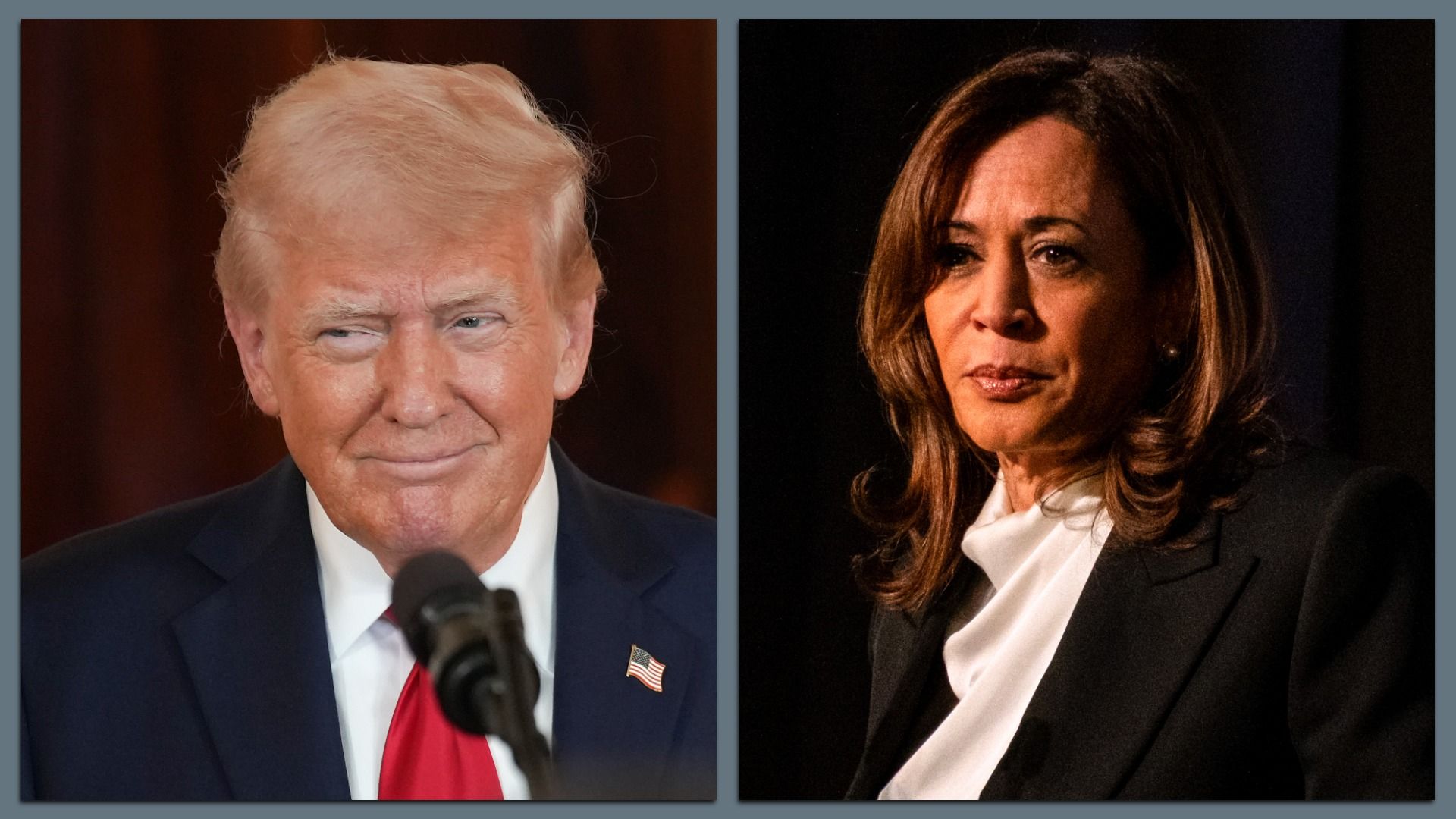
Former Vice President Harris accused President Trump of being responsible for the "greatest man-made economic crisis in modern presidential history" during a Wednesday night speech in San Francisco, California.
Why it matters: The 2024 Democratic presidential candidate used her first major speech since Trump took office for a second time to criticize his handling of the economy, immigration and other key policy areas.








/2025/05/01/1746118910030.gif?w=3840)