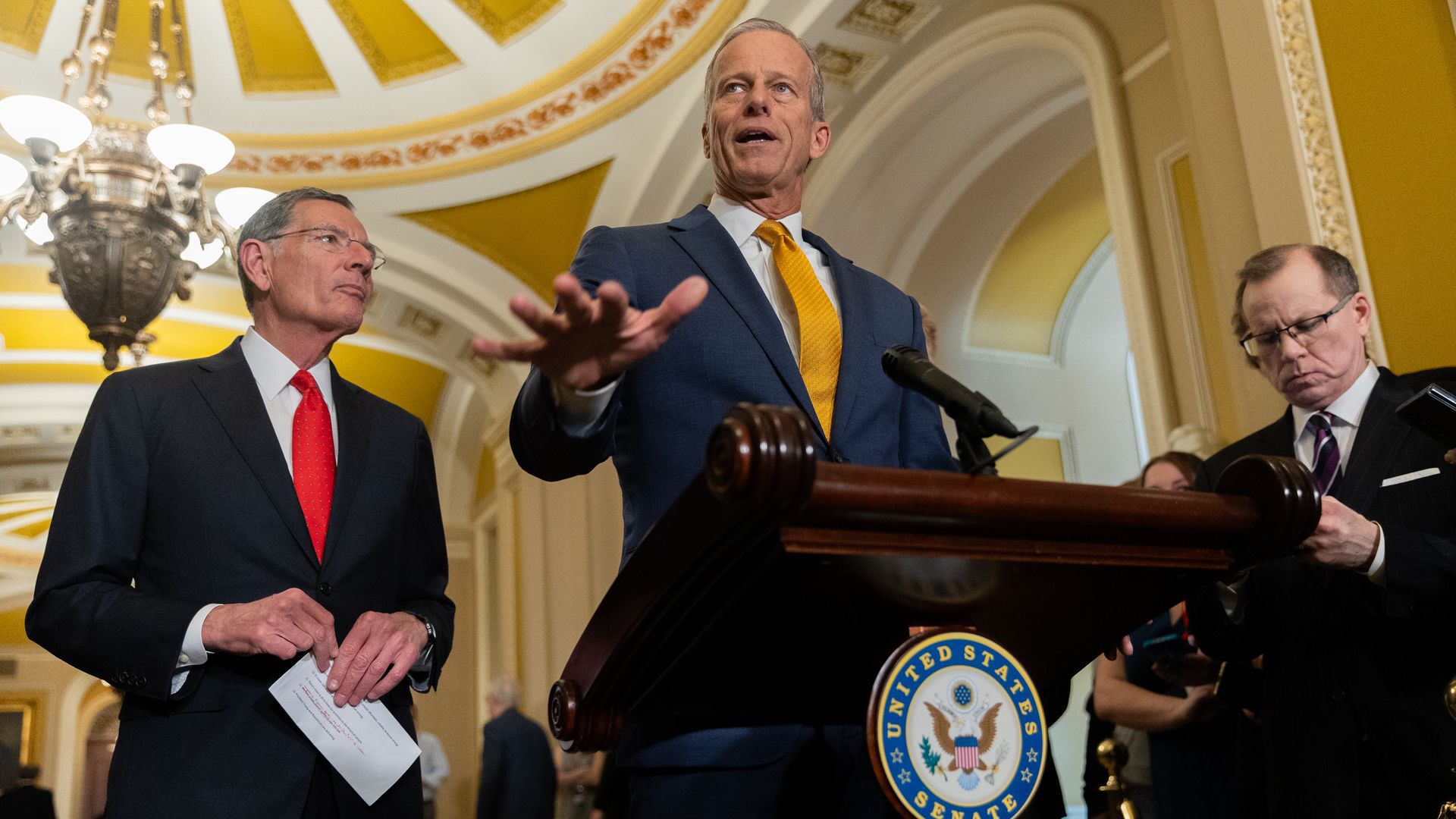
The Senate on Wednesday killed a resolution that would have effectively reversed President Trump's 10% tariffs on all imported goods, with just three Republicans joining with Democrats in support of the measure.
Why it matters: The vote is a win for Trump and Senate Republican leaders, who lobbied lawmakers against backing the resolution and handing Democrats a messaging win.
The prices of some of America's biggest music festivals are cranking up alongside the thermometer as we move toward summer.
Why it matters: In an environment where food and housing costs remain high, it's harder to justify the luxury of attending events like music festivals — especially as the looming impact of tariffs threatens to further dent Americans' spending power.
Just 4% of adults on the fence about parenthood say a $5,000 incentive would sway them, per a new BabyCenter poll shared with Axios.
Why it matters: The Trump administration has reportedly discussed a $5,000 "baby bonus" to boost birth rates — but that amount doesn't stretch much beyond Day 1 of a newborn's life.
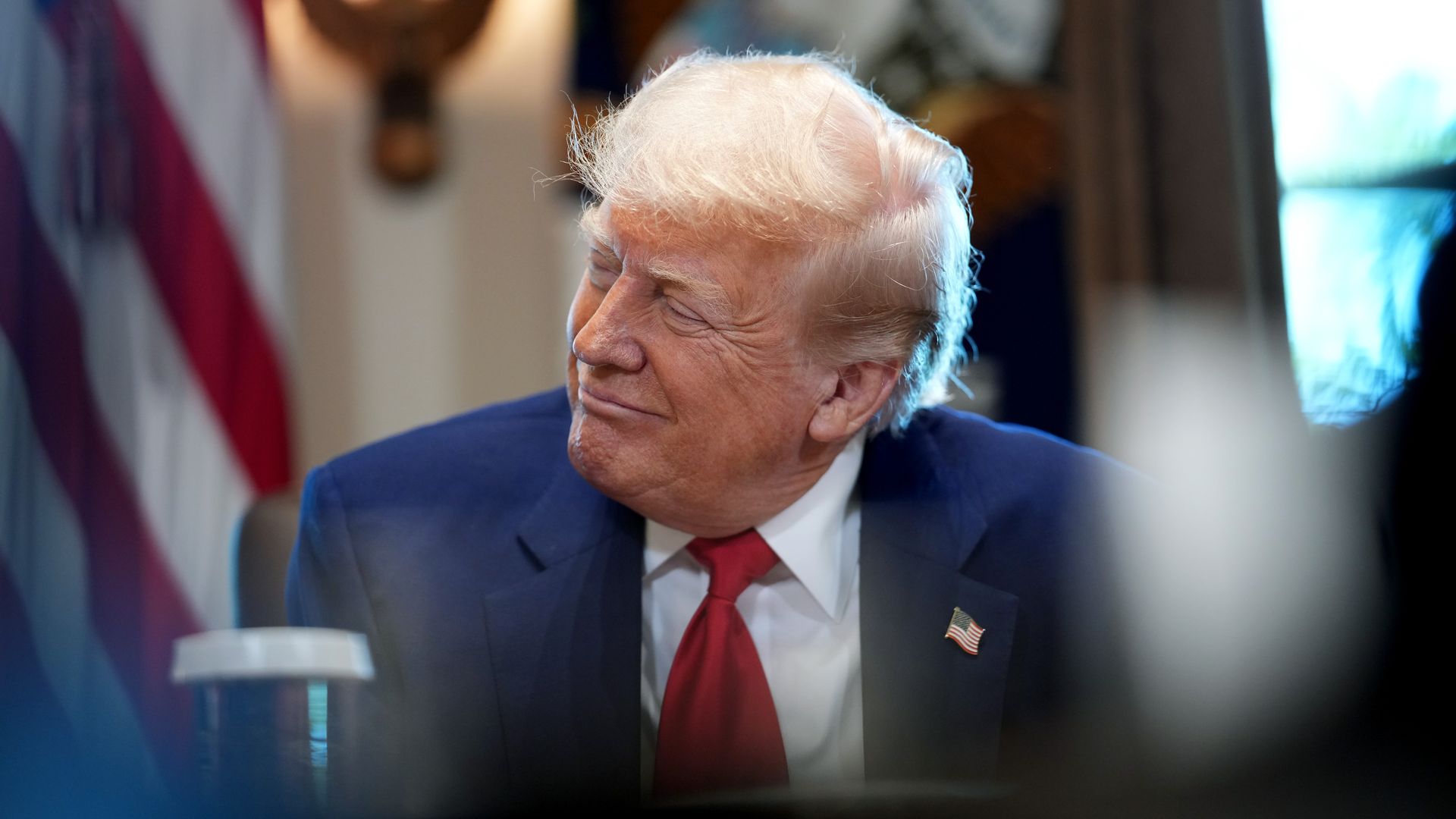
President Trump appeared to acknowledge Wednesday that toy shortages are possible as his tariff hikes ripple through the economy.
Why it matters: American retailers are growingworried that the president's trade warand increased volatilitywill lead to empty shelves, higher prices and store closures as Chinese imports screech to a halt.
President Trump rejected any blame for the stock markets's slide this year in a post Wednesday morning: "This is Biden's Stock Market, not Trump's. I didn't take over until January 20th," he wrote on Truth Social.
But in January 2024, when the market was doing well, but he wasn't even president yet, he had a different take: "THIS IS THE TRUMP STOCK MARKET BECAUSE MY POLLS AGAINST BIDEN ARE SO GOOD THAT INVESTORS ARE PROJECTING THAT I WILL WIN, AND THAT WILL DRIVE THE MARKET UP."
Why it matters: It's typically tricky to tie a U.S. president's actions to stock market performance — equities move for all kinds of reasons – but Trump's connection to the ups and downs of U.S. indexes this year is pretty clear cut.
The underlying growth trendof the U.S. economy was quite solid to start the year.
But the full range of data out Wednesday suggests reasons to worry about what comes next.
The big picture: The backward-looking aspects of Wednesday's economic data releases are better than they look at first glance. The forward-looking ones are worse.
With his sweeping tariff and trade policies, President Trump envisions a U.S. manufacturing renaissance that will bring back good-paying, working-class jobs to America's auto industry.
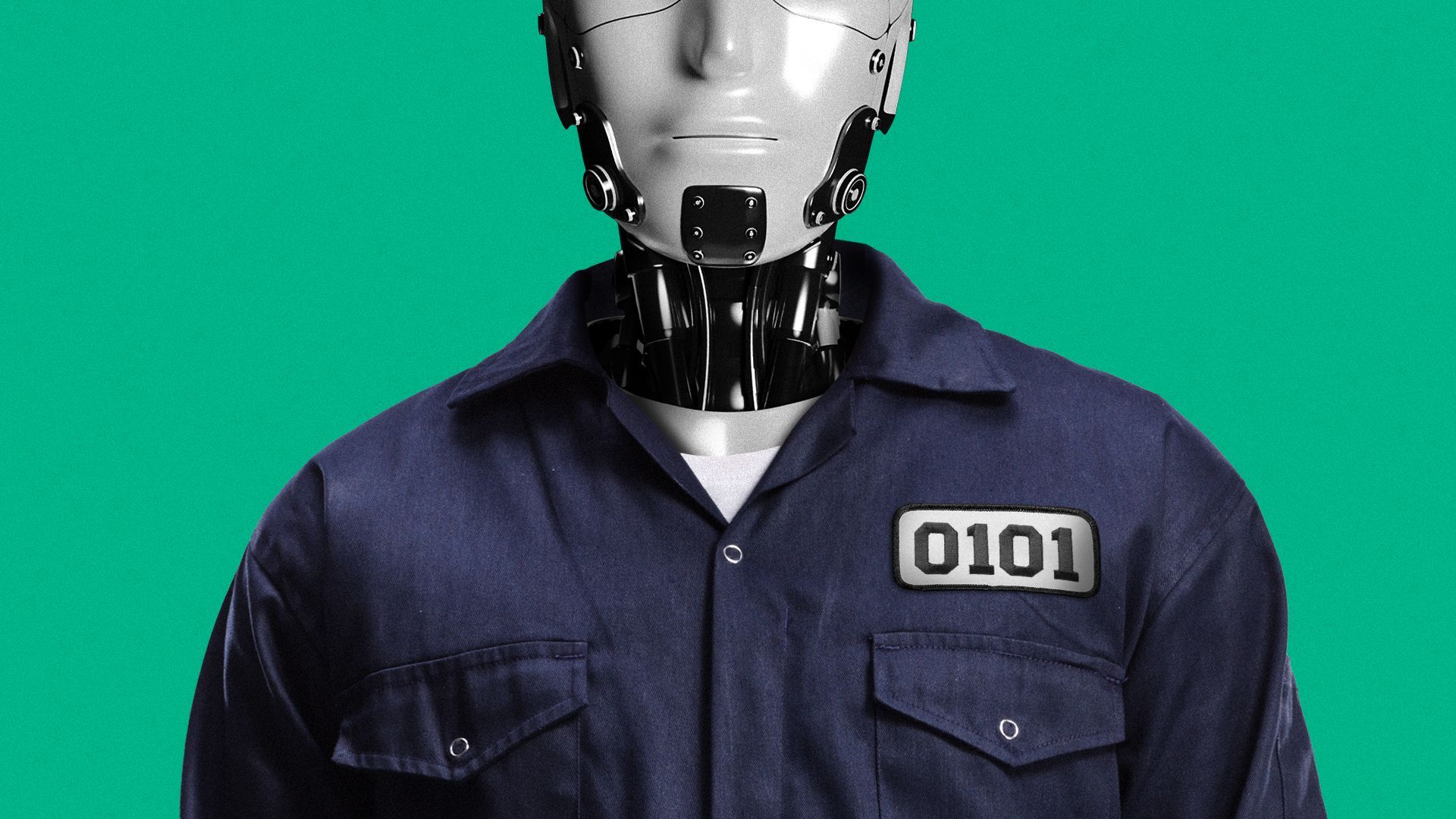
But advances in AI and other technologies paint a different picture of the future: Armies of robots — some in human form — doing difficult or repetitive tasks once done by people, who instead put their brains to work in different ways.
Driving the news: Humanoid robots are inspiring much fascination at the moment, with Morgan Stanley projecting 1 billion of them walking around by 2050, starting first in factories and warehouses.
Despite the hype, though, their practical use in manufacturing is still a few years off.
Elon Musk told investors April 22 he expects "thousands" of Optimus robots operating in Tesla factories by the end of this year, but when pressed for details, said the bots are still in development and that Tesla might build "a few" this year.
BMW has been testing Figure AI's humanoid robots at its Spartanburg, South Carolina, factory, but isn't saying when it might integrate them into its production lines.
A more realistic view of the future is Hyundai Motor Group's new $7.6 billion factory near Savannah, Georgia, arguably the world's most technologically advanced vehicle assembly plant — for now, at least.
It started building electric vehicles last November, and plans to build as many as 500,000 cars a year by 2031.
It's designed for flexibility to build both EVs and hybrids, as demand warrants, starting with the Hyundai Ioniq 5, the Kia EV9 and Waymo's next-generation robotaxi (based on the Ioniq 5).
Zoom in: Instead of human-operated forklifts or tuggers, autonomous mobile robots (AMRs) roam freely around the plant, delivering parts, modules and vehicle bodies to the right place at the right time.
Elsewhere, giant robot arms twirl tires, seats and center consoles in the air before dipping into the belly of unfinished cars to attach them in a single sweeping gesture.
Instead of gloved inspectors feeling for surface imperfections, Spot, the four-legged robot from Hyundai-owned Boston Dynamics, scans the exterior to check quality against specifications and transmits real-time feedback to the assembly robots. (Robots helping robots!)
At the end of the line, flat robots looking like giant Roombas work in pairs tocarry cars away. (Musk says Teslas can drive themselves off the line.)
All of those jobs used to belong to humans.
Boston Dynamics' Spot robots use sensors to look for imperfections in an unfinished car body before painting it. Image: Courtesy of Hyundai
Follow the money: Using robots, instead of people, to move parts or inspect quality can mean huge savings, according to manufacturing experts at Oliver Wyman, which analyzes every carmaker's labor cost per vehicle.
"Your labor costs per vehicle could be $100 lower, and if you're making 300,000 vehicles a year, that's big bucks," Oliver Wyman vice president Jim Schmidt tells Axios.
"Yeah, there's a big up-front investment in equipment, but the payback is fast, and after that, it's all gravy."
What they're saying: The United Auto Workers union doesn't object to automation, especially if it makes jobs safer or less taxing, but it wants a say in how robots are implemented, says Jason Wade, a senior advisor to UAW President Shawn Fain.
The union wants to protect paychecks and ensure workers whose jobs are replaced by robots are retrained to oversee them, he said.
By the numbers: When fully up to speed in Savannah, Hyundai expects to employ about 8,500 people building 500,000 vehicles a year.
Ford's F-150 plant in Kansas City, which produces about the same number of vehicles, has just over 9,000 employees.
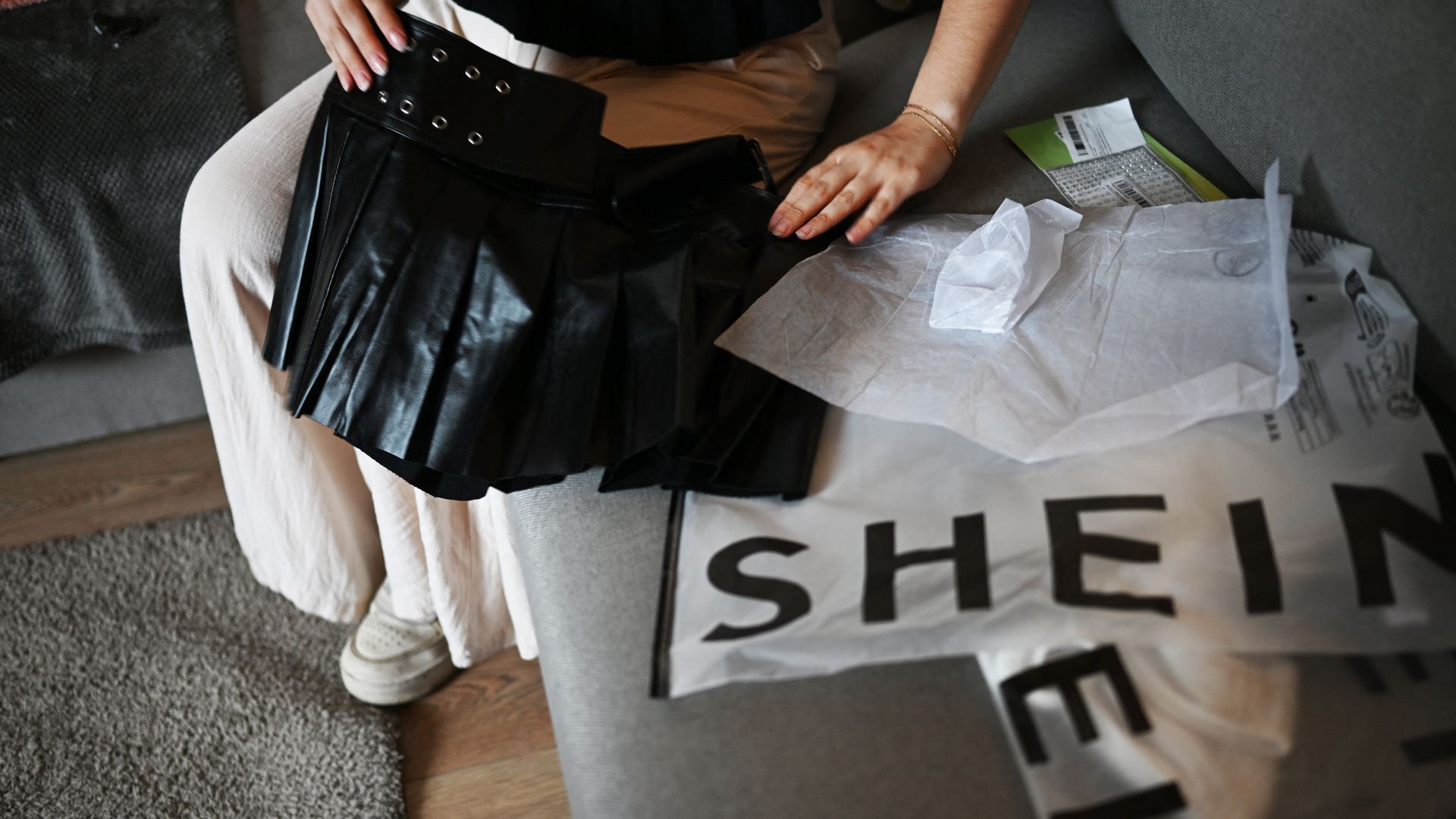
Low-cost apparel retailer Shein is exploring ways to restructure its business in response to new tariffs, including the diversion of U.S. market manufacturing to countries outside of China, according to the FT.
Why it matters: This almost certainly would delay Shein's IPO on the London Stock Exchange, which has been expected to occur within months.
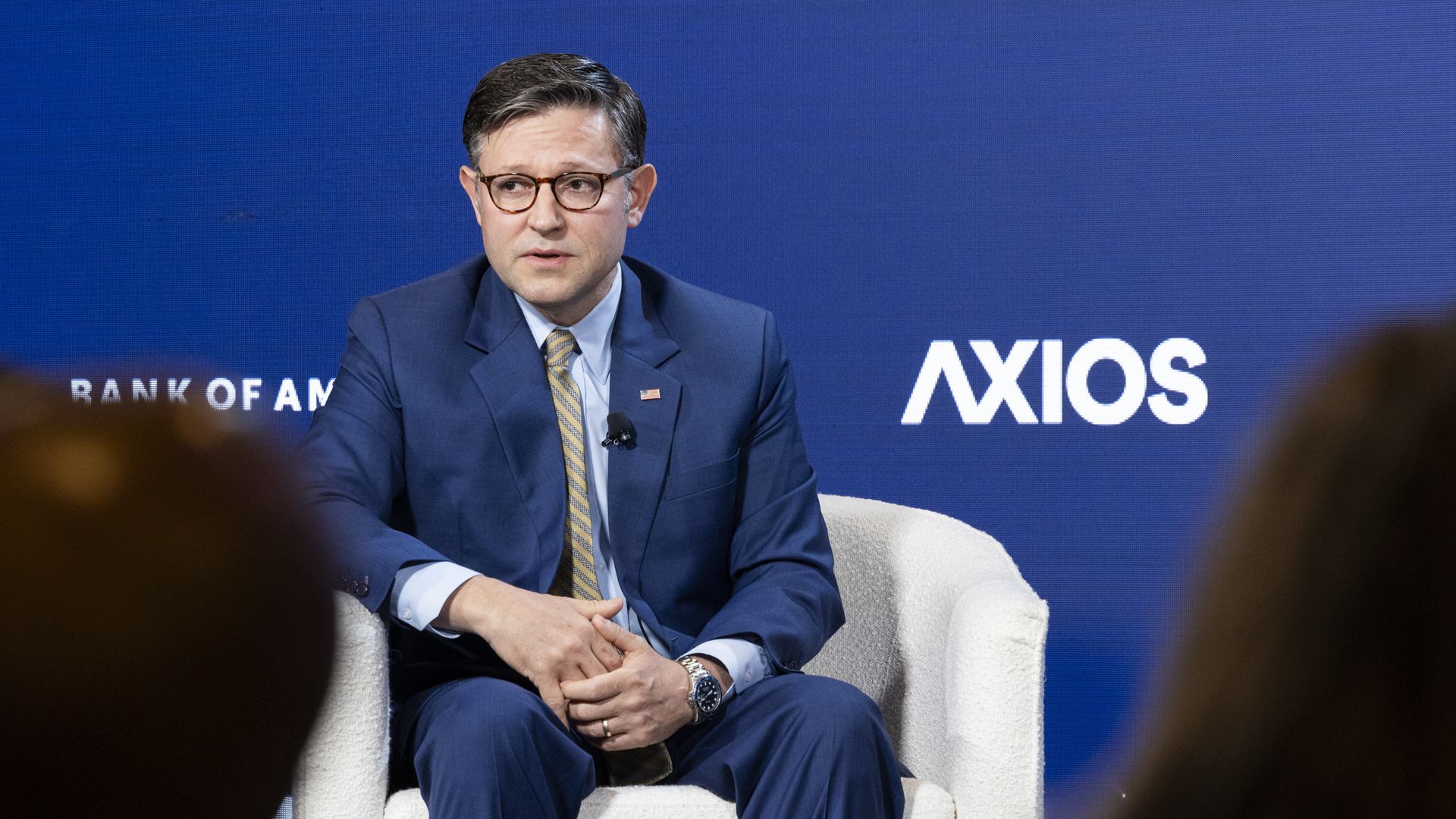
Speaker Mike Johnson (R-La.) defended President Trump's tariffs, got real about the deadline to get a mega-MAGA bill through Congress and warned Democrats are hungry to impeach Trump for a third time.
Why it matters: Johnson has had to fight again and again to keep his power over the Republican Conference. He's headed for another high-stakes battle to jam through the president's agenda with slim margins.
President Trump's global trade war is only a few weeks old, but even if it stopped today, the effect on supply chains could eventually be measured in months and years.
Why it matters: The U.S. economy is at risk of repeating pandemic-era scenes of empty shelves and shortages of popular goods.
MAGA media erupted over a reported plan by Amazon, which the retailer denied, to display tariff costs on its website — just as Big Tech is working to align itself more closely with President Trump.
Why it matters: Tuesday's hullabaloo shows that deep skepticism of Big Tech remains a potent force within Trump's movement.
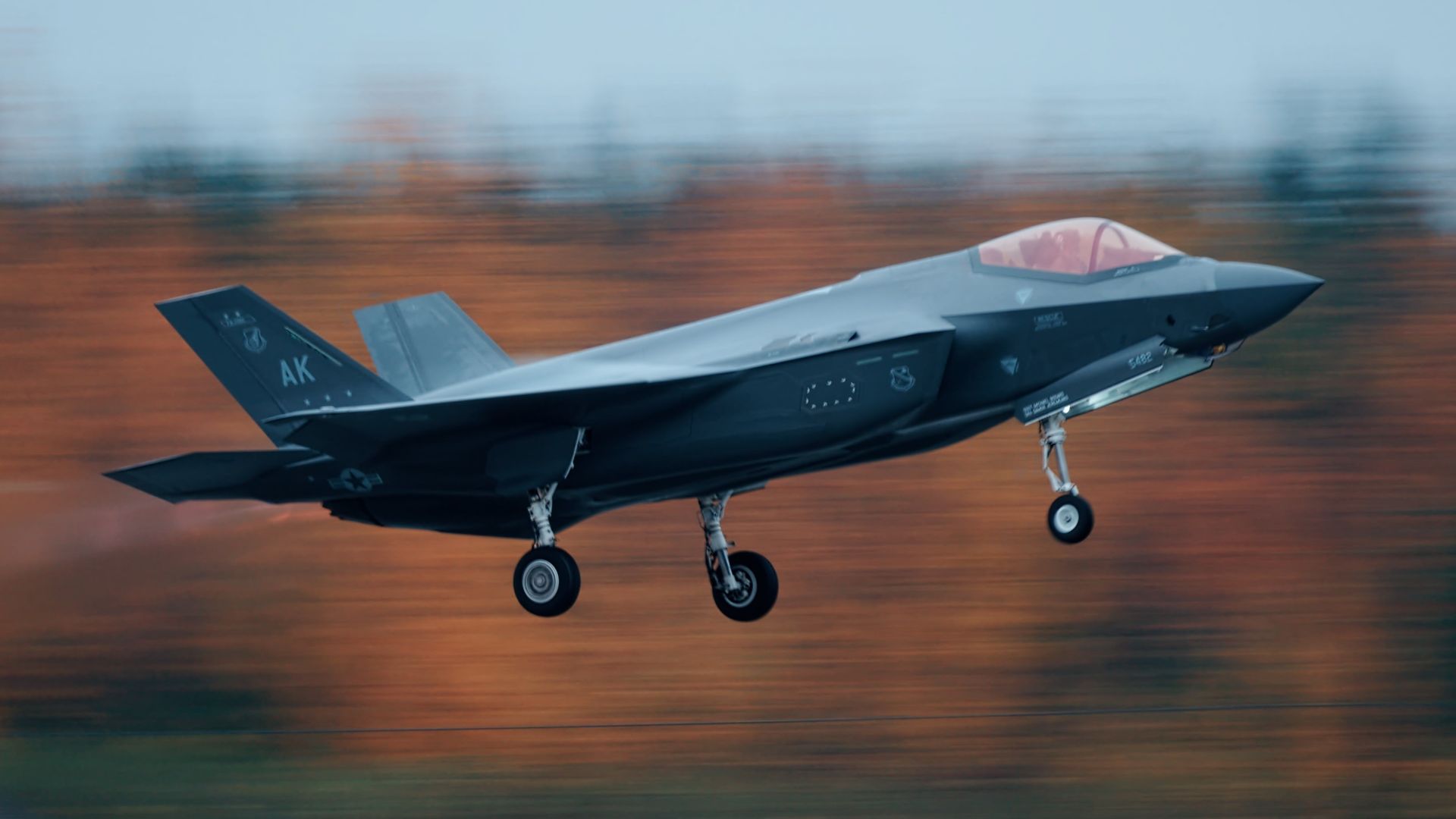
Lockheed Martin wants to superchargeits F-35 and F-22 fleets with technologies it cooked up while competing for the U.S. Air Force's Next Generation Air Dominance contract, CEO Jim Taiclet said.
Why it matters: The resultant aircraft would be what Taiclet coined "fifth generation plus" — stealthier and able to sense and strike at greater ranges.
"We're basically going to take the chassis and turn it into a Ferrari," he said during the company's first-quarter earnings call.
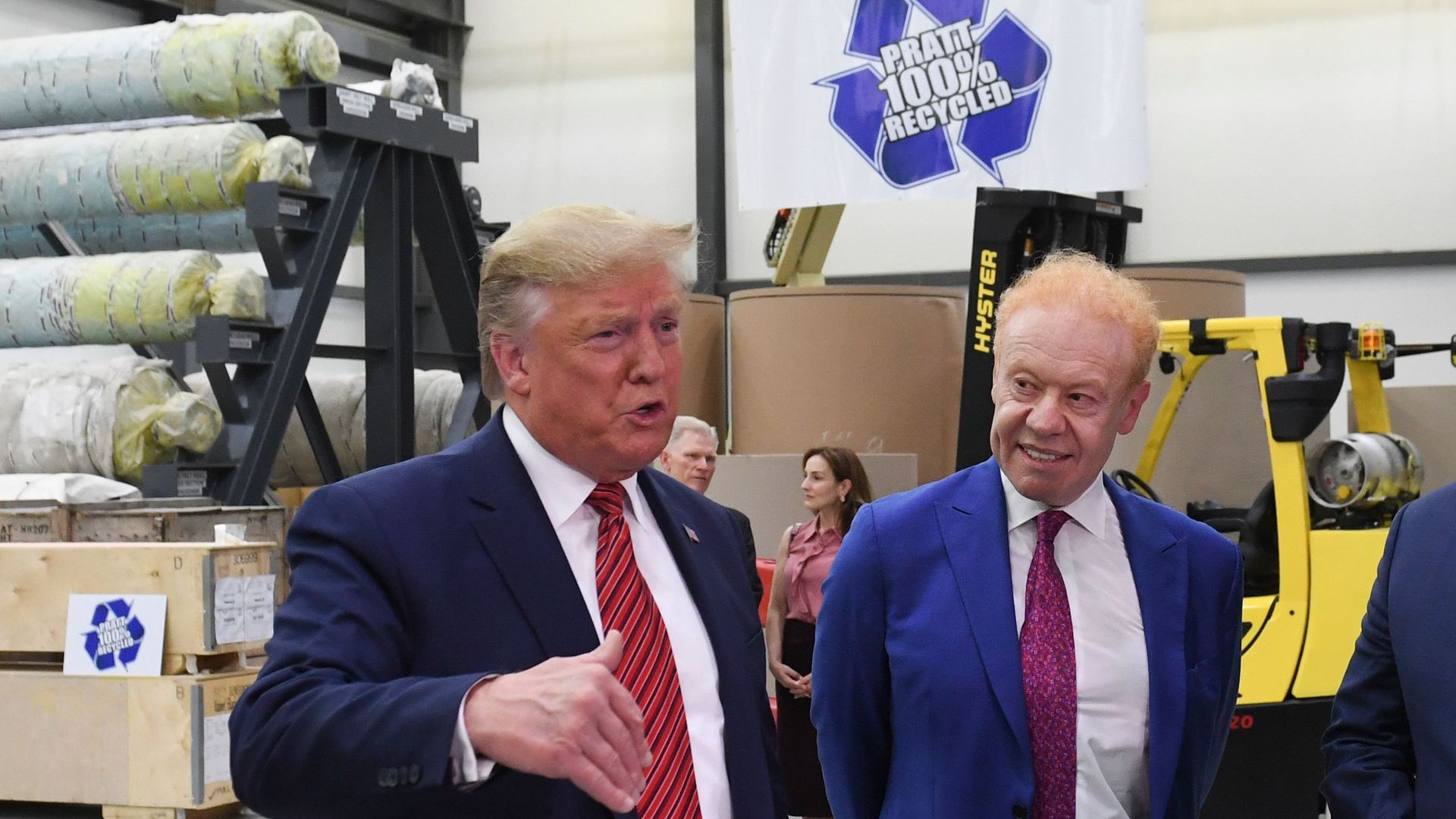
Packaging magnate Anthony Pratt pledged Wednesday to invest $5 billion to support President Trump's "call to reindustrialize" the U.S., according to an emailed Pratt Industries statement.
Why it matters: The pledge by the executive chair of the largest privately held 100% recycled paper and corrugated box manufacturer in the U.S. will result in 5,000 new manufacturing jobs at Pratt Industries "across key industrial states," including Ohio, Michigan, Pennsylvania and Arizona, per the statement.
President Trump defended his handling of the economy and sweeping tariffs as he declared during an ABC News interview airing Tuesday evening, "the country's doing great."
Why it matters: ABC's ' Terry Moran noted during their interview that tourism numbers were down as he suggested Trump's policies may have caused reputational damage — particularly with neighboring Canada, where Prime Minister Mark Carney said after his Liberal Party was re-elected on Monday the "old relationship of integration" with the U.S. was "over."