🛒 Inflation was notably cooler than expected in March, as President Trump began ratcheting up the global trade war. Overall CPI dropped as energy prices plummeted, while the core measure that excludes food and energy rose just slightly. (Axios)
💵 Amazon CEO Andy Jassy expects certain product sellers on the platform to pass the increased costs of tariffs on to consumers. Meanwhile, Amazon has conducted "strategic forward inventory buys" to get ahead of increased duties. (CNBC)
👠 Prada agreed to acquire Versace from Capri Holdings in a deal that will create an Italian fashion powerhouse. The transaction values Versace at $1.4 billion. (AP)
There's at least one place where people aren't following the stock market drama — and it's because they literally can't.
The Masters.
State of play: Augusta National Golf Club bans patrons from bringing cellphones onto the grounds of the first major golf tournament of the year.
Which means that finance types attending the practice rounds earlier this week and today's first round have been unable to live-track the ups and downs.
"It's a respite from negativity," real estate investor Steven Vernon III told WSJ while attending Wednesday. "It feels so good to be surrounded by a bunch of people who disconnected."
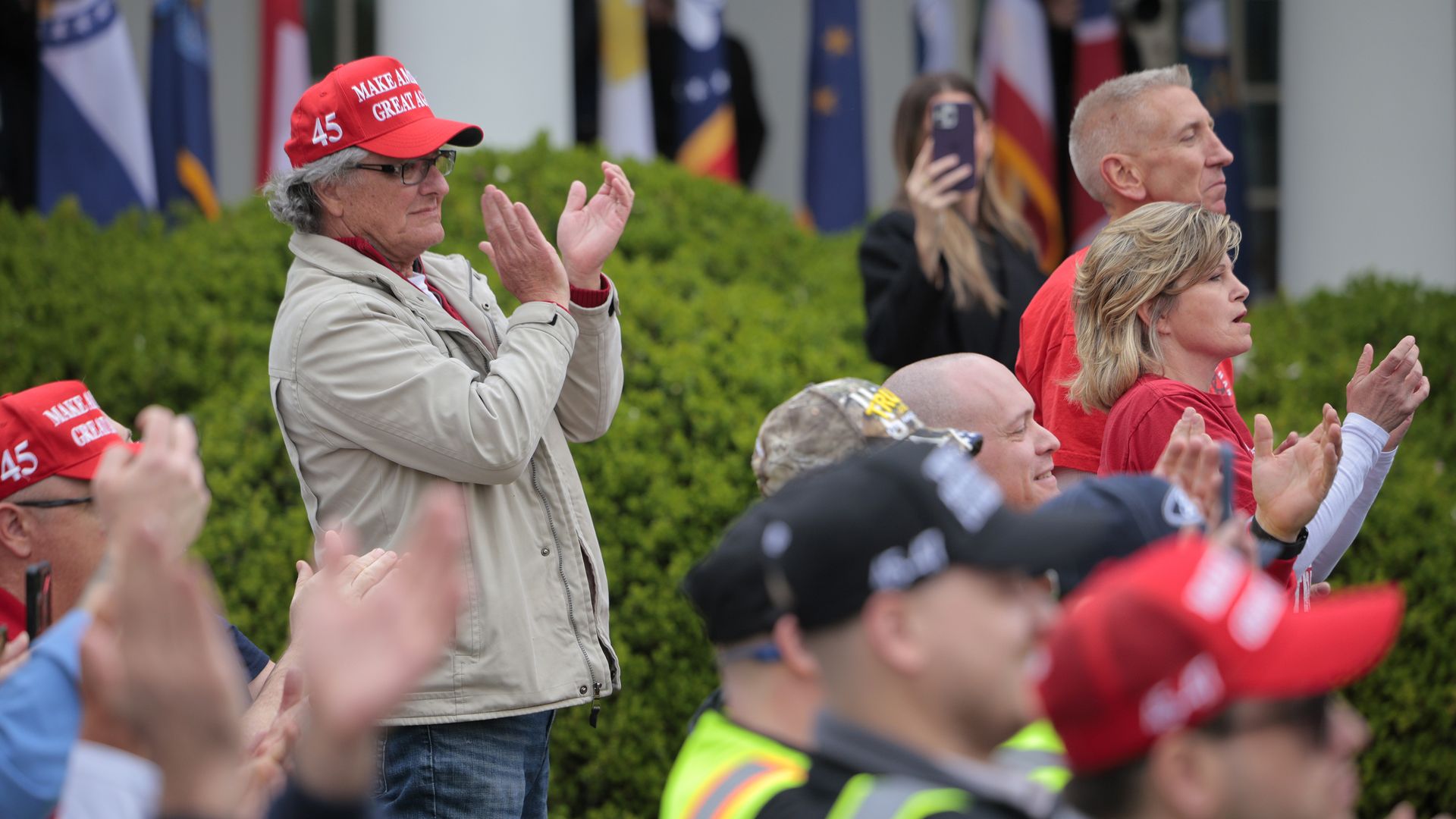
UAW workers are poised to stomach thousands of dollars in reduced payments because of President Trump's auto tariffs, according to new estimates.
Why it matters: The left-leaning union is supporting the Republican's auto tariffs, saying free trade hurts American manufacturing and arguing that the automakers can afford to absorb the financial blow.
Chagee, a Chinese teahouse operator and franchisor, on Thursday launched an IPO that could raise over $400 million at a $5.1 billion valuation.
Why it matters: The IPO market has been catatonic since President Trump announced new tariffs, so it would be ironic if the first major listing after "Liberation Day" comes from the one country still in his crosshairs.
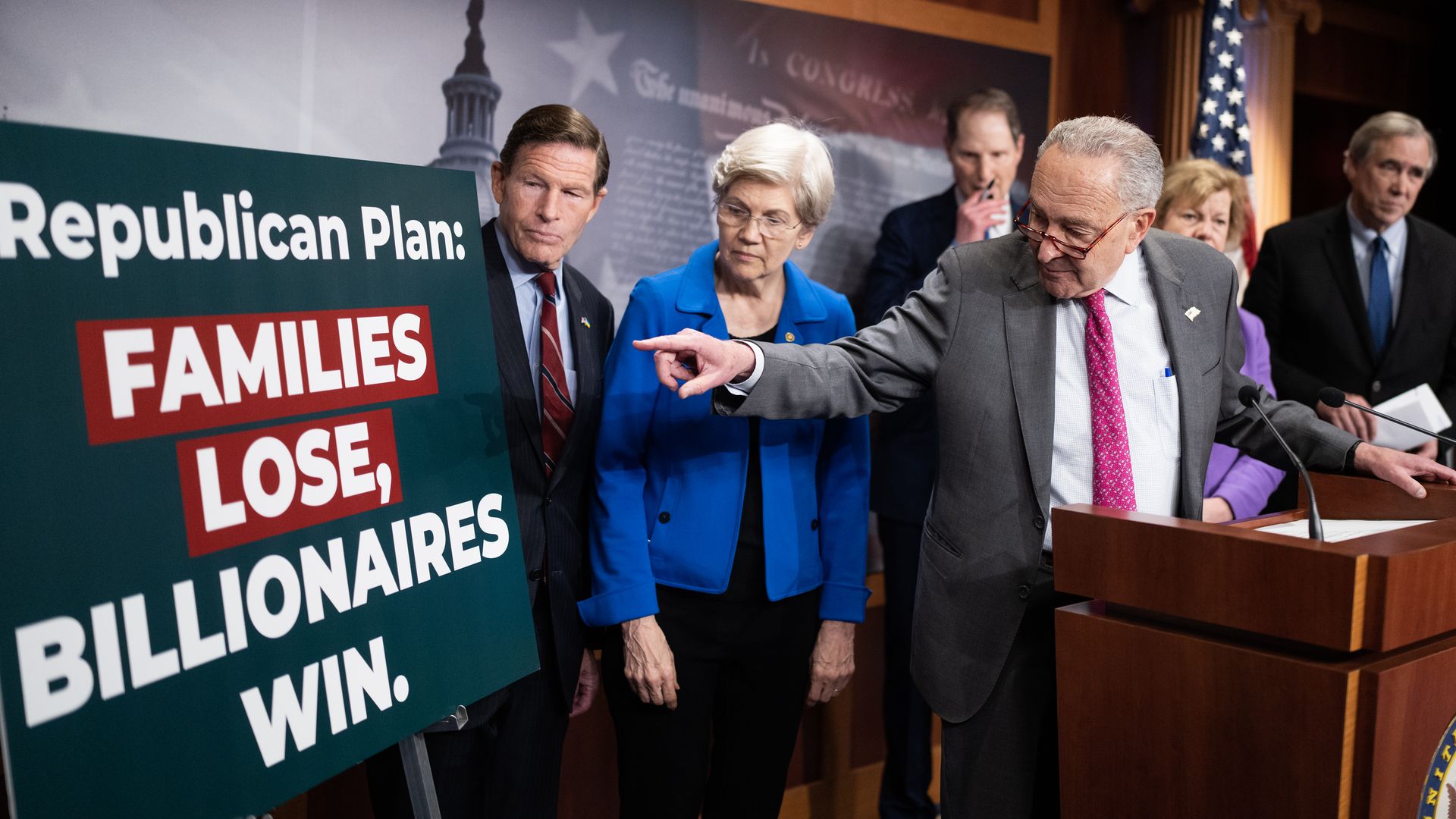
Top Senate Democrats plan to unveil legislation that would provide an emergency $200 monthly increase in Social Security benefits through the end of the year, Axios has learned.
Why it matters: It's the party's latest effort to highlight the Trump administration's tariff policies and now-scrapped DOGE-driven plans for service reductions to the popular benefits program.
Here's one corner of the blockchain industry that the tariffs seem to have benefited: euro-based stablecoins (specifically, Circle's — the largest in the market).
Why it matters: Circle, the issuer of EURC, is making its case to the market to invest in its IPO.
How it works: EURC works just like all the stablecoins we've been covering in this space, with one difference: It's redeemable for euros rather than dollars.
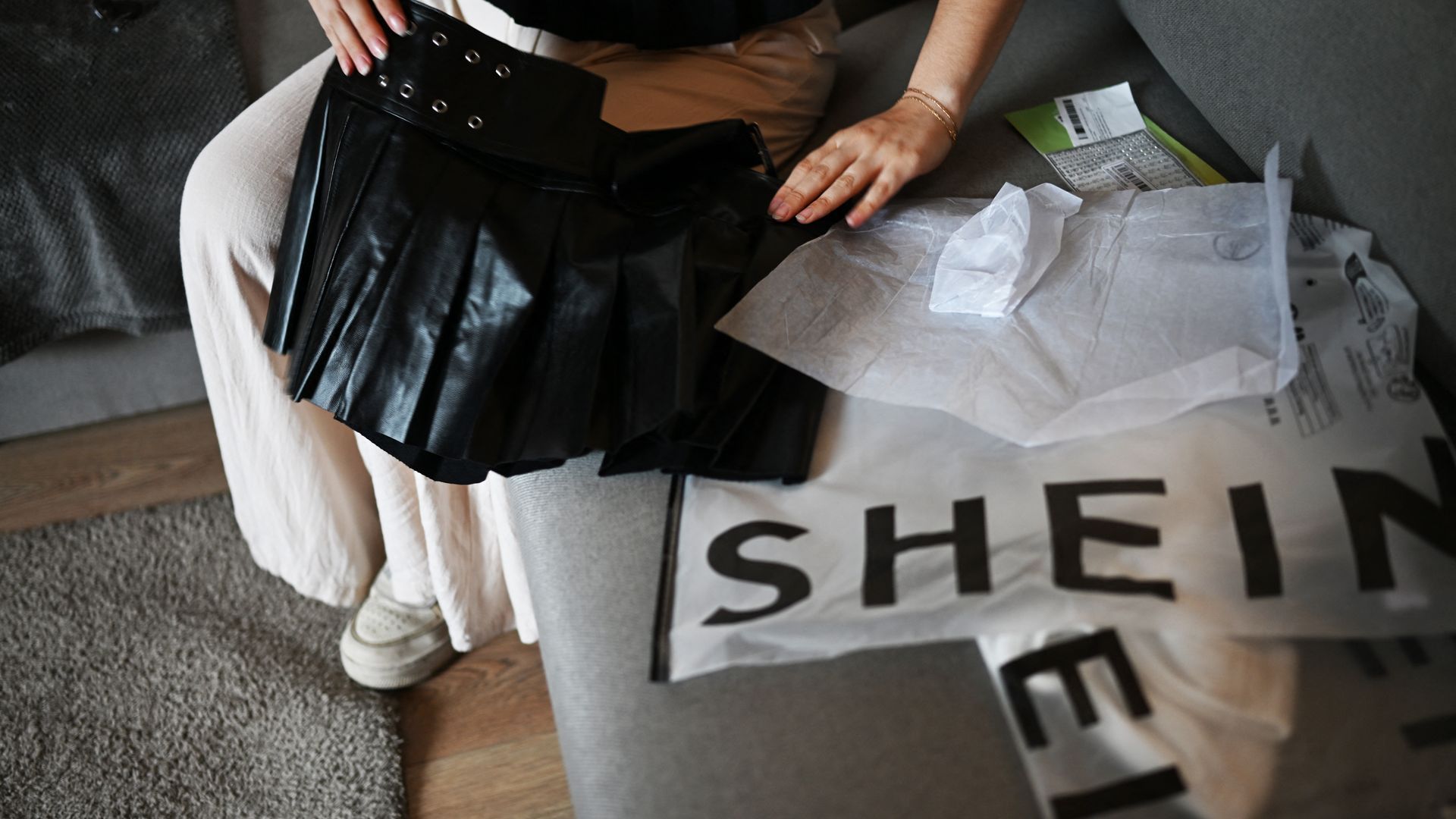
Packages from the likes of low-cost Chinese retailers Temu and Shein are facing another tariff hike from President Trump.
Why it matters: Imported shipments valued at less than $800 had enjoyed the "de minimis" exemption from added duties, which enabled foreign online retailers like Temu and Shein to sell super-cheap items to American consumers without facing tariffs.
While CEOs have stayed mostly mum on tariffs for fear of retribution, earnings season has forced some executives to discuss how Trump's trade policies could affect their businesses.
Why it matters: America's top business leaders are starting to communicate through the uncertainty in anticipation of changing consumer habits and prices.
There is now sand — a lot of it — in the gears of global commerce, and it won't be going away in the foreseeable future.
Why it matters: President Trump may have backed down on some of the most extreme — and hardest to justify — trade barriers he announced a week earlier. But the tariffs that remain in place still make for a more fractured global economy, albeit with slightly different fractures.
Democrats are bashing President Trump for sharing market advice with his Truth Social followers Wednesday hours before announcing a 90-day pause on most of his sweeping tariffs, elevating calls for a ban on congressional stock trading.
Why it matters: The badly bruised market soared on Wednesday following Trump's freeze on the historic levies — leaving some critics questioning who benefitted from the market mayhem.
Inflation was notably cooler than expected in March: The overall Consumer Price Index dropped as energy prices plummeted, while the core measure that excludes food and energy rose just slightly.
Why it matters: Inflation moved down as President Trump began ratcheting up the global trade war last month — a relief after warnings that inflation progress had stalled out.
The European Union will hold off on about 21 billion euros of retaliatory duties against American exports after President Trump paused his tariff plans for 90 days.
Why it matters: It's another sign of cooling temperatures in what had been a rapidly escalating trade war between the U.S. and the rest of the world. Markets have begun bouncing back in response.
President Trump's boosters hailed his decision to pause tariff increases for countries around the world as a strategic masterstroke.
But few are buying the spin. Trump buckled under tremendous, mounting-by-the-minute pressure from CEOs ... friends ... GOP senators ... the markets ... and bond prices. Trump himself admits he blinked when "people were getting a little queasy" about the bond market.
President Trump's epic tariff retreat shows there is no grand strategy for revolutionizing global trade, and that he's governing — as he always has — through gut instinct.
Why it matters: Trump's allies see a genius at work. His critics see a madman steering the economy toward crisis. And Wall Street sees, for the first time in weeks, a president who is receptive to external pain.
To make a manufacturing renaissance happen in America, President Trump needs three things to happen simultaneously:
The private sector needs to commit capital, in size and with confidence, to support a national campaign to build factories, ships and the like.
There needs to be a willing labor force for that construction — either American workers agreeing to take lower-wage construction jobs, or a reversal of the immigration crackdown that's straining the labor market.
All of the above needs to happen, nationally and in real time, without runaway inflation, as everyone seeks the same steel, lumber, workers, etc.
The big picture: No one can yet square that magical thinking with reality. Until they do, trillions of dollars in investments may be on hold.
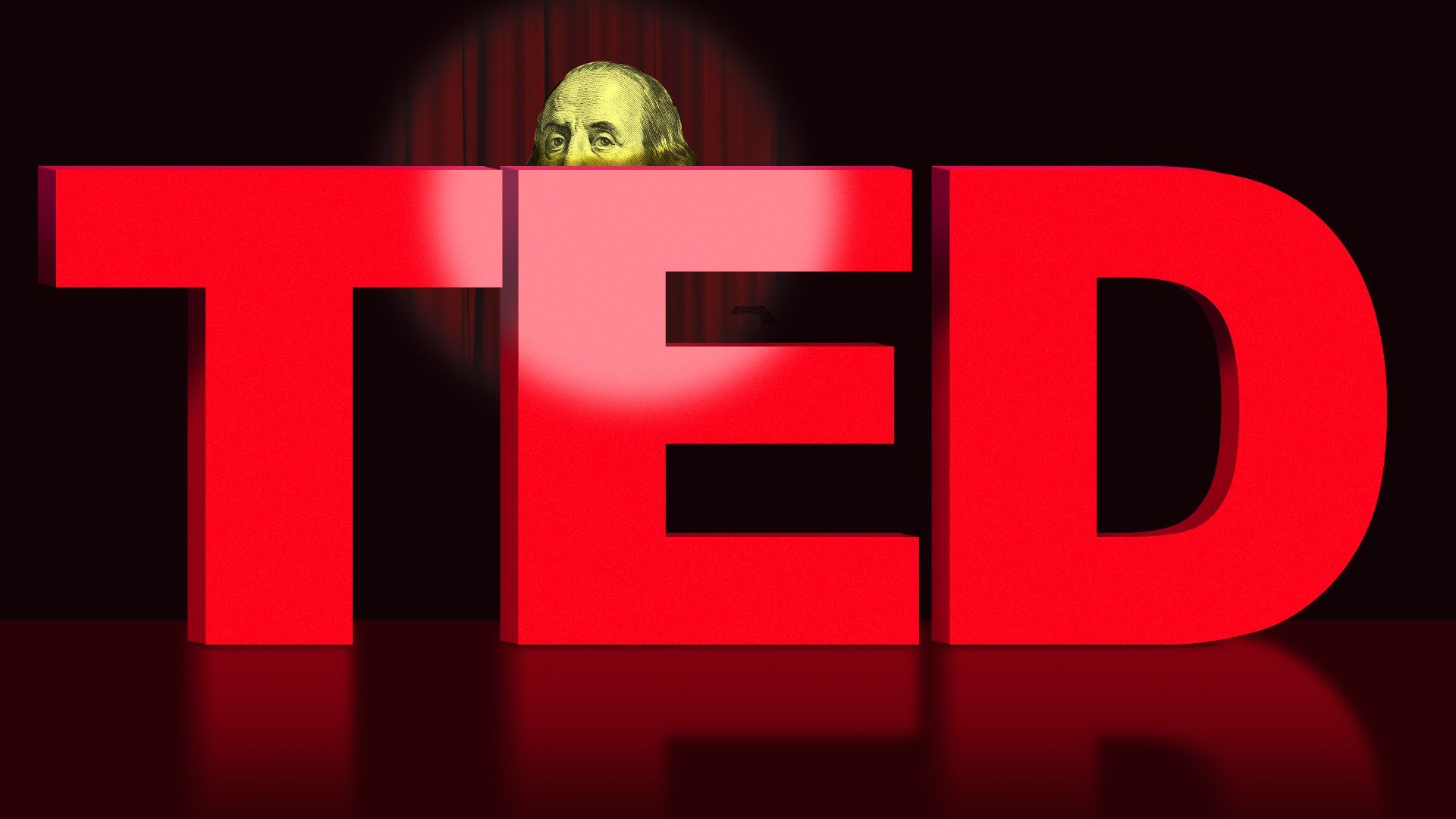
The annual TED conference is designed to help business and cultural leaders think long-term, but that's proving tough this year with the global economy in turmoil.
State of play: TED talks are planned months in advance and tend to avoid the news of the day. But President Trump's tariff turnabouts have kept attendees' devices buzzing and flashing.
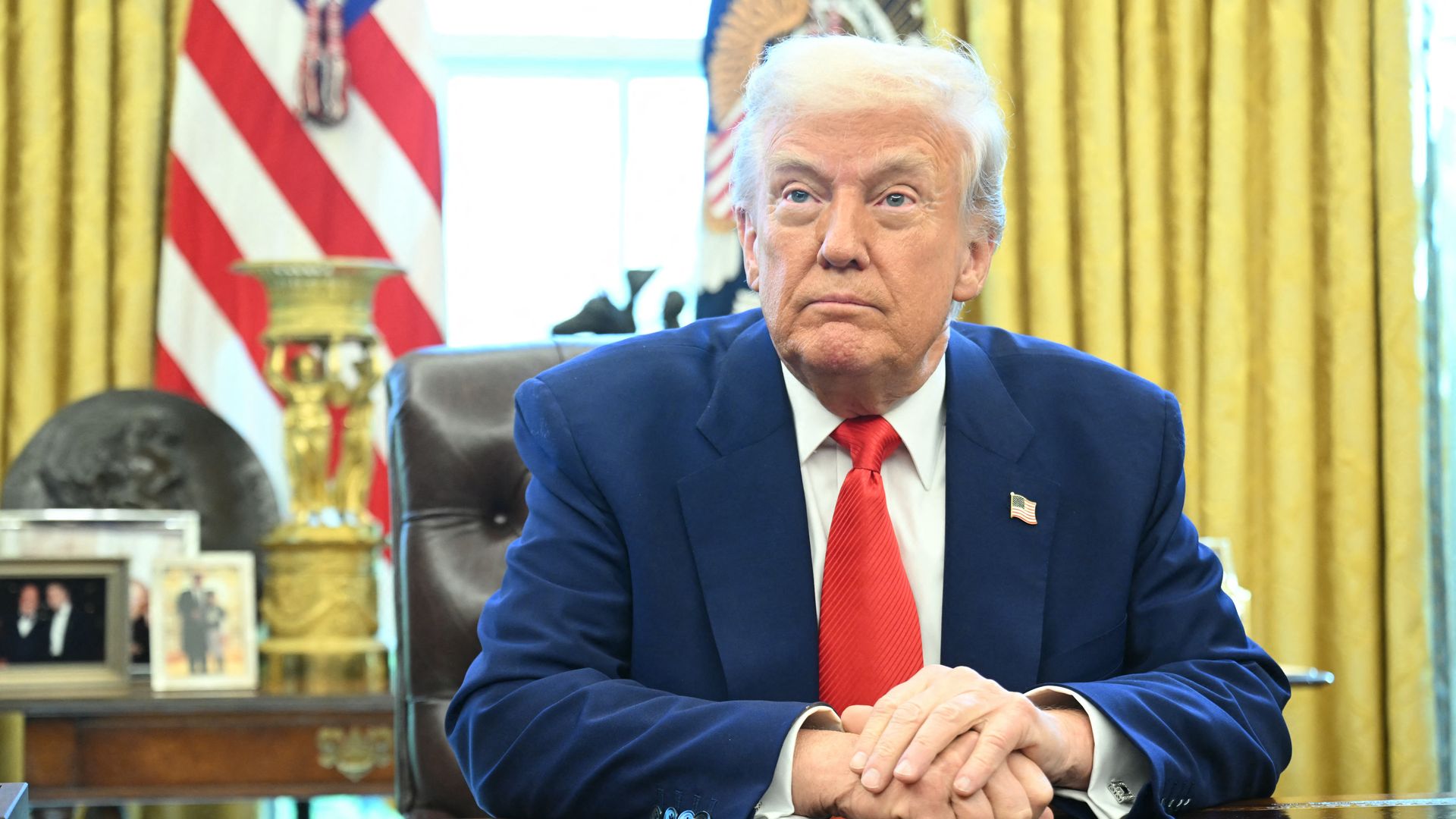
President Trump said his sudden announcement to pause hard-hitting tariffs except on Chinese imports the day they took effect on Wednesday happened after he'd been thinking about the matter "for a few days."
The big picture: Trump's sweeping tariffs push sent stock markets spiralling and the president noted to reporters at the White House on Wednesday about his abrupt reversal the day they took effect that stocks had since surged.