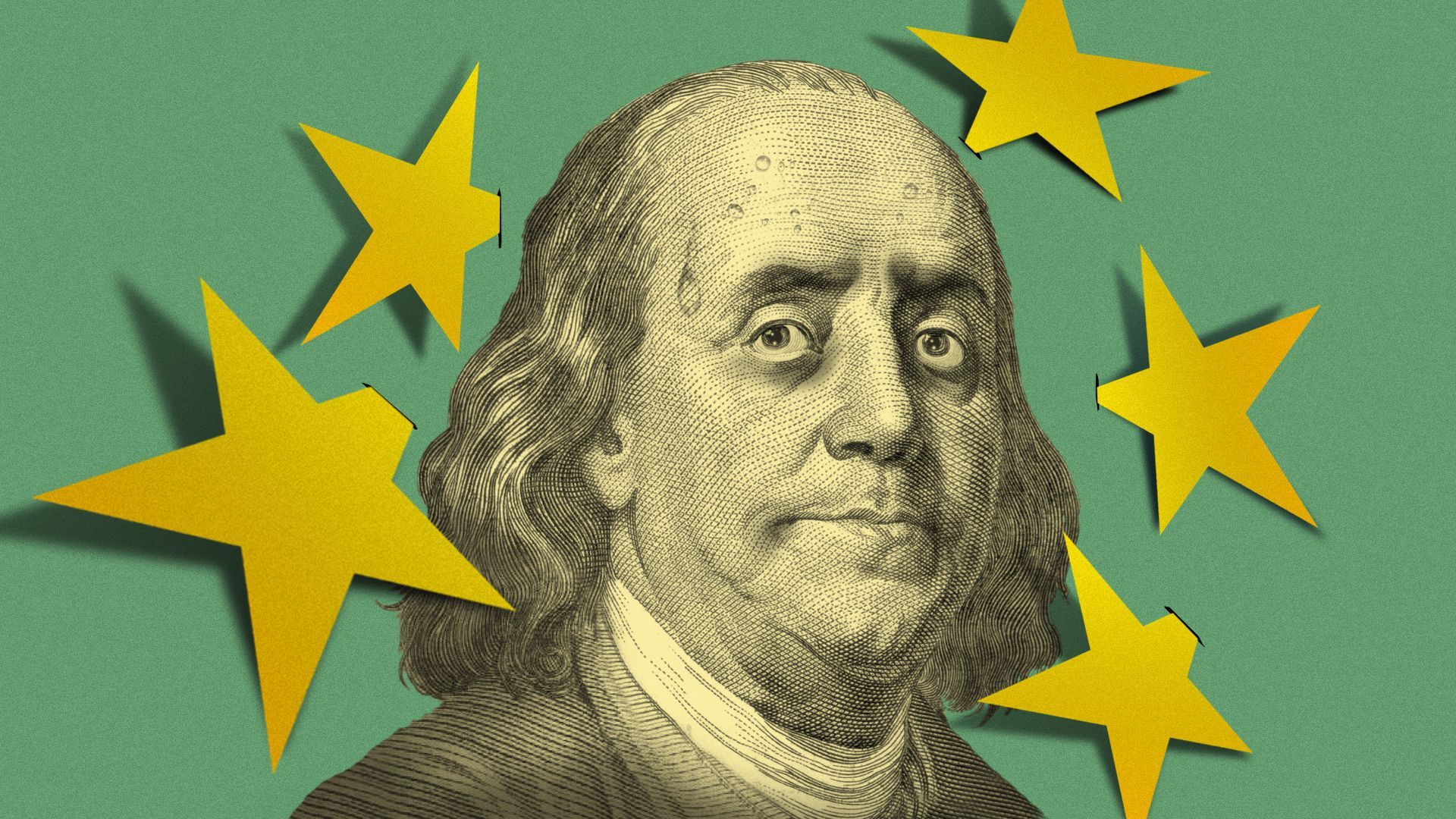
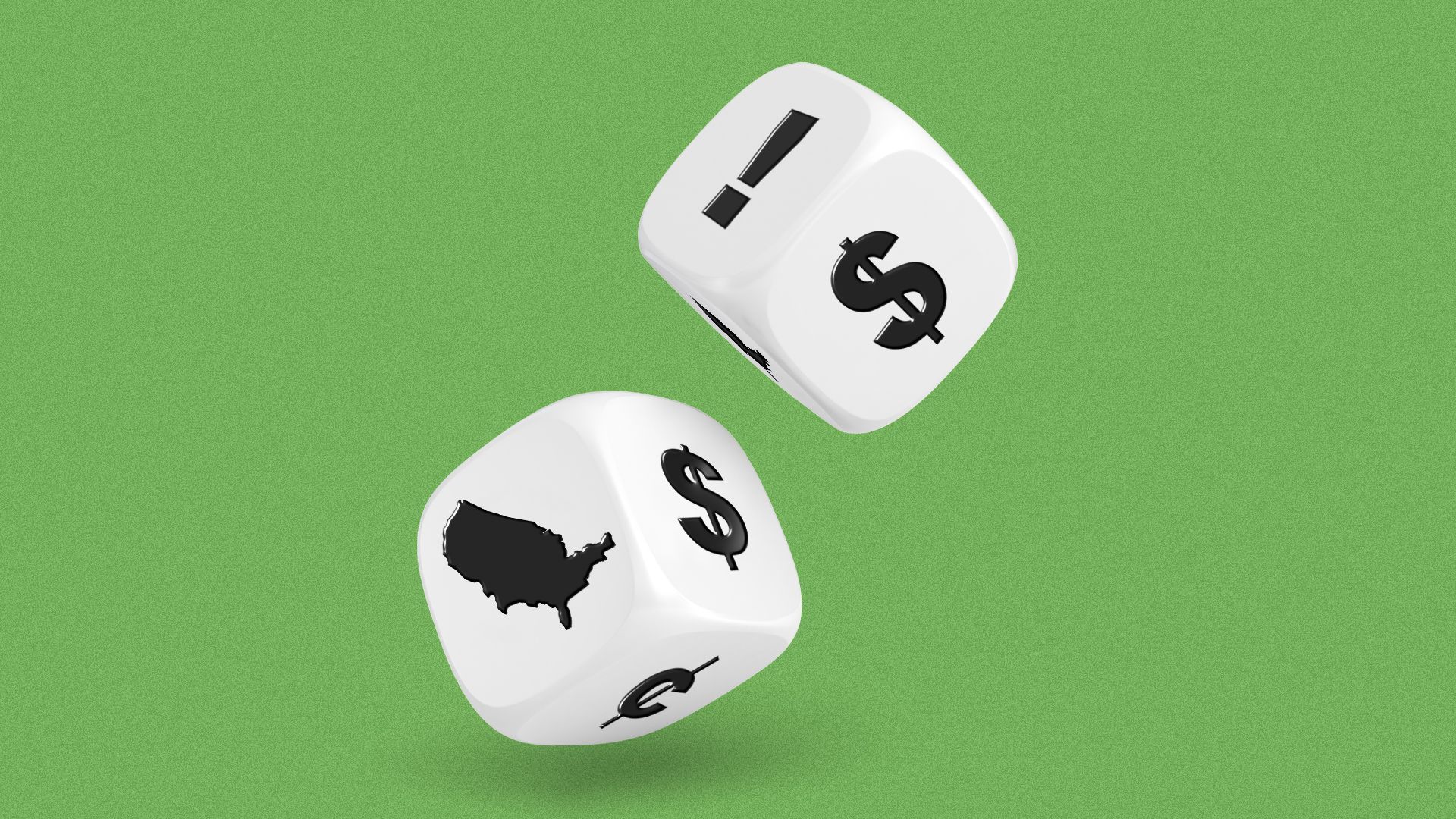
The last tendays have thrown into doubt the role of the United States at the core of the global economic and financial system.
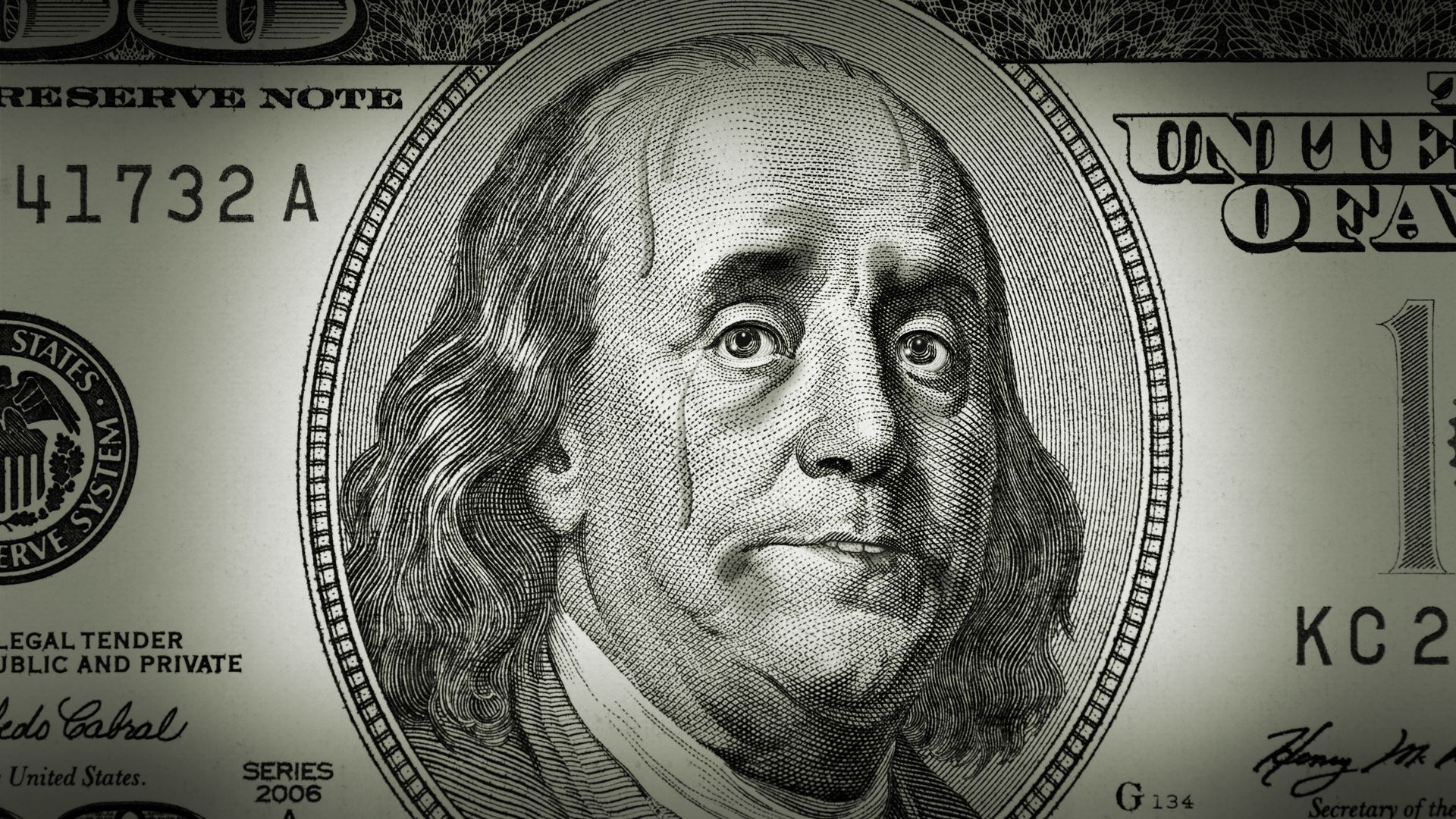
The big picture: After generations in which the U.S. dollar and its government securities have been the world's bedrock safe haven assets, global investors woke up this week to the possibility that they are not particularly safe, and not at all a haven.
Treasury bonds and other U.S. dollar assets have acted as a global safe haven for generations. This week, global investors woke up to the possibility that they are not particularly safe, and not at all a haven.
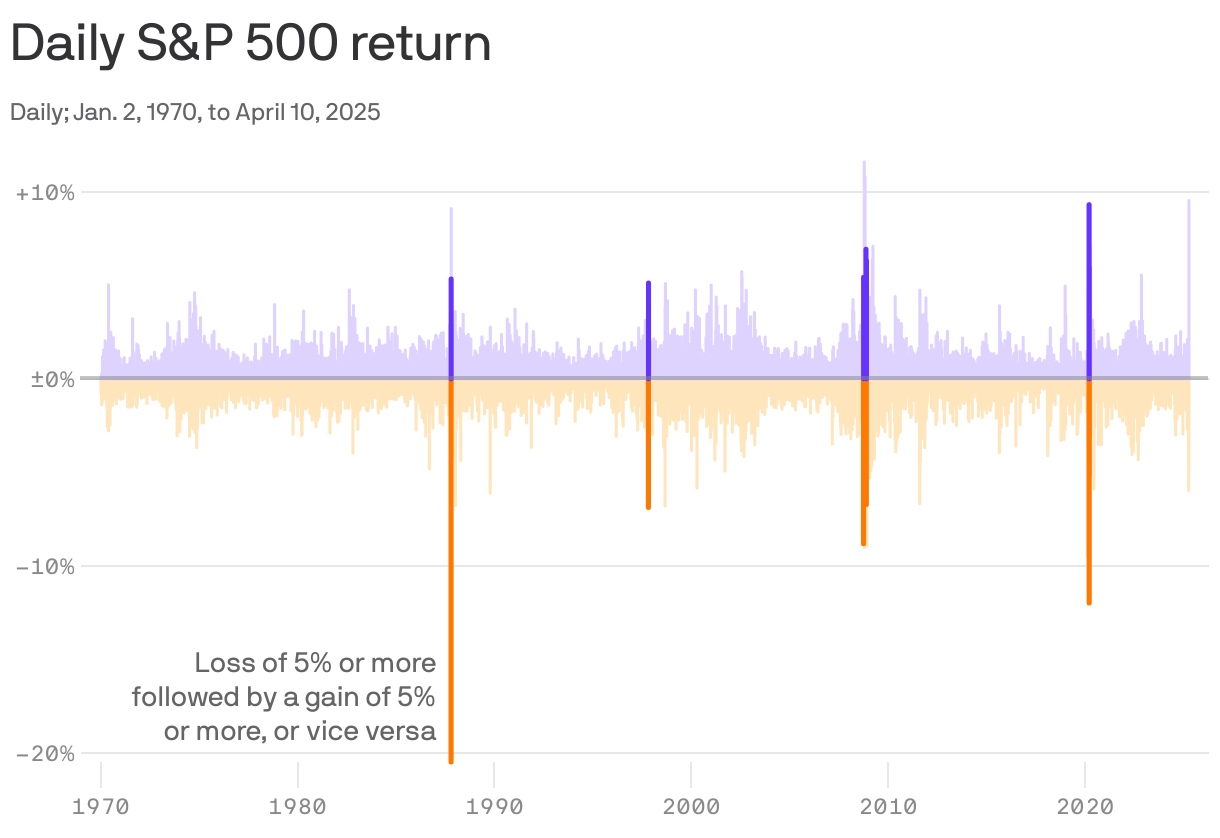
The big picture: The last nine days will reverberate through economic history, as the kind of shifts in the global trade order and financial markets that usually play out over years were compressed into each news cycle.
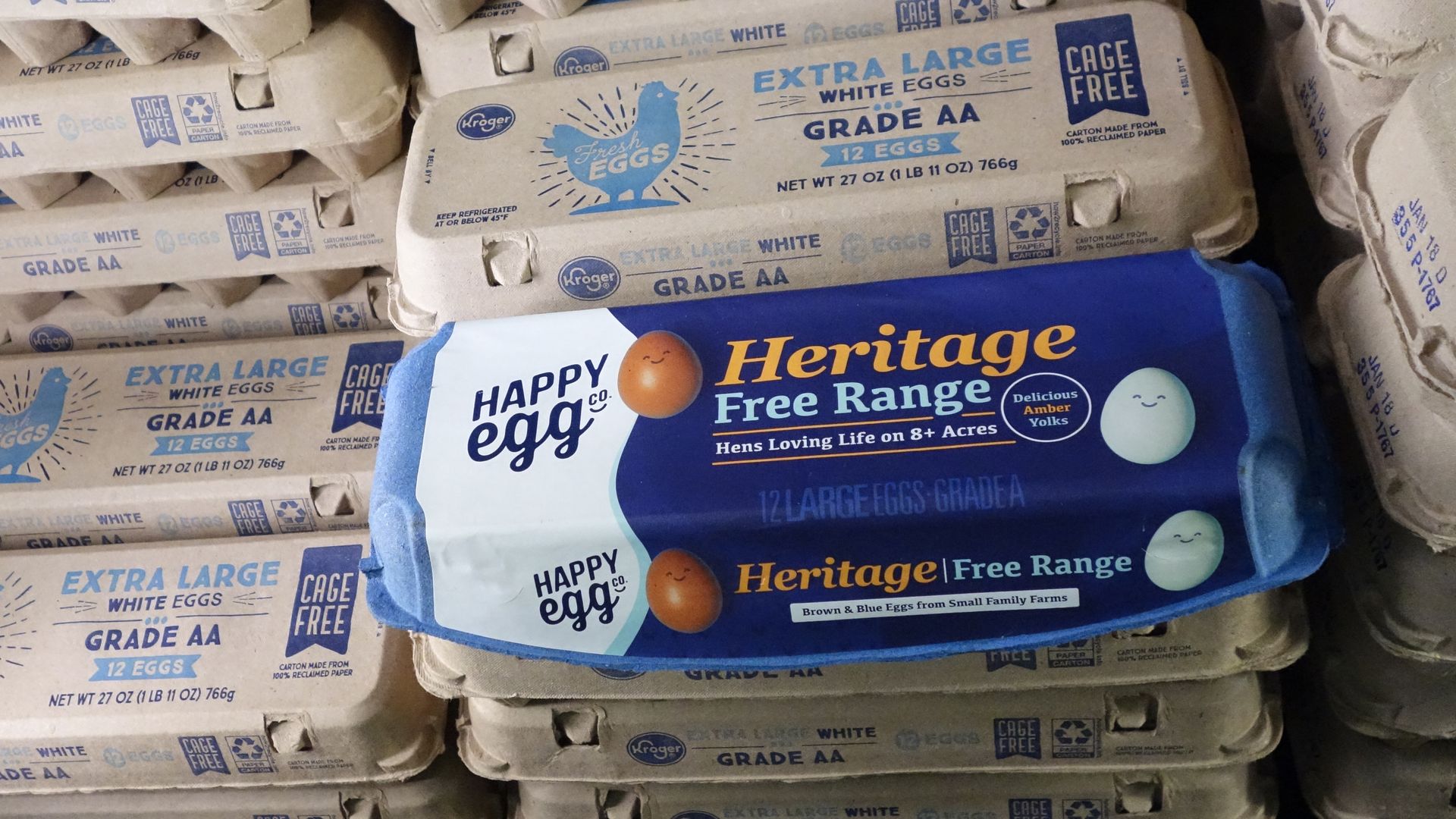
Egg prices rose to a record high of $6.23 per dozen in March, according to U.S. Bureau of Labor Statistics data released on Thursday that pre-dates a recent decline in retail prices.
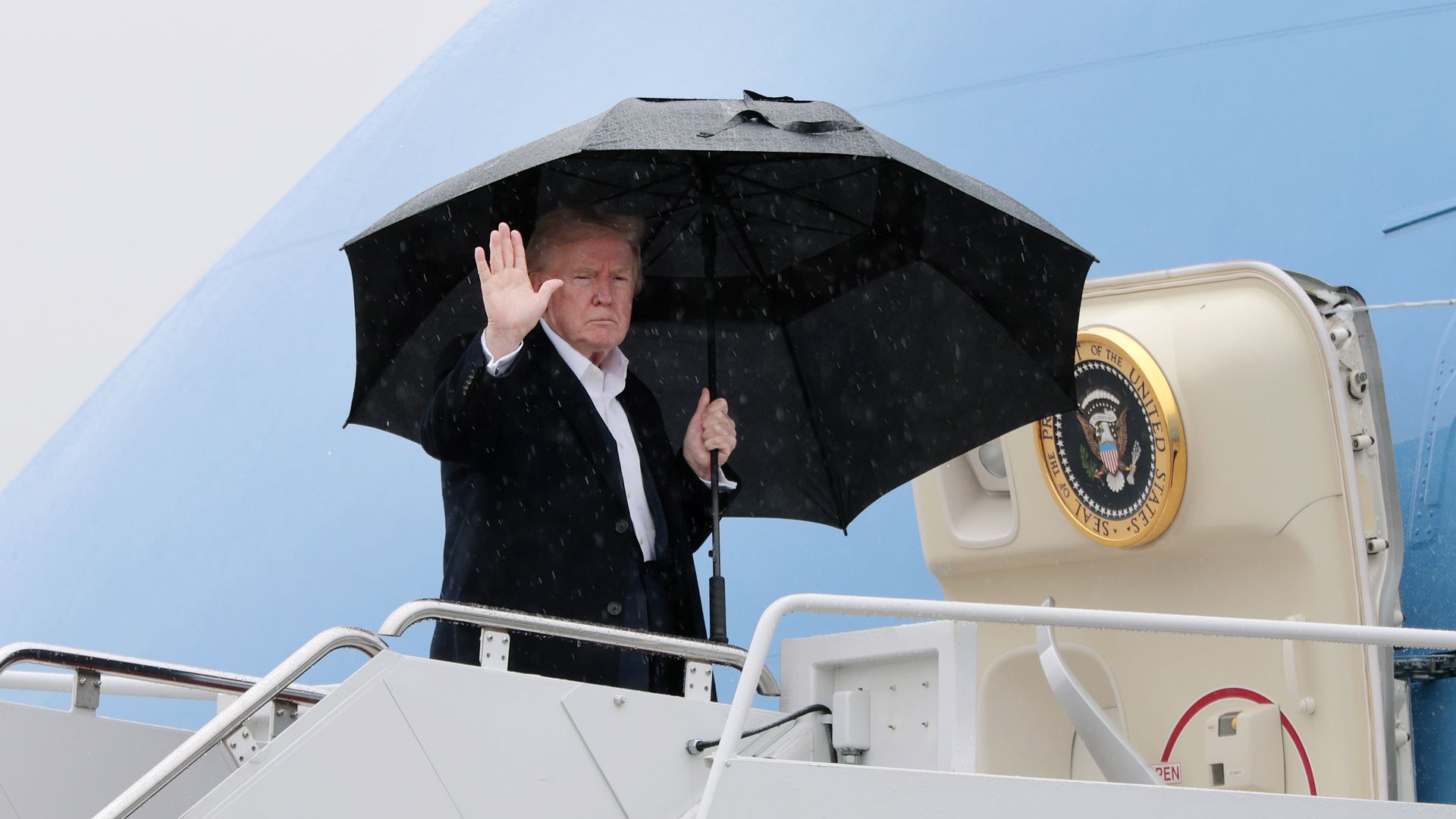
The big picture: President Trump claimed credit last month for a drop in wholesale egg prices, as bird flu outbreaks that had forced producers to cull millions of chickens and sparked shortages began to wane — and his administration moved to tackle high prices by boosting egg imports.
To fight a trade war against China, most foreign policy experts would say that you need allies.
Why it matters: Over the past few months, the White House antagonized pretty much all its friends on the global stage, making it that much harder to carry out what is now a full-blown tariff battle with China.
China increased its tariff on U.S. goods to 125% on Friday, matching President Trump's levy, but said it won't go higher.
Why it matters: The tit-for-tat move extends a trade war impacting hundreds of billions of dollars' worth of goods — though the intention to cap the tariff may be a small opening to moderate tensions.
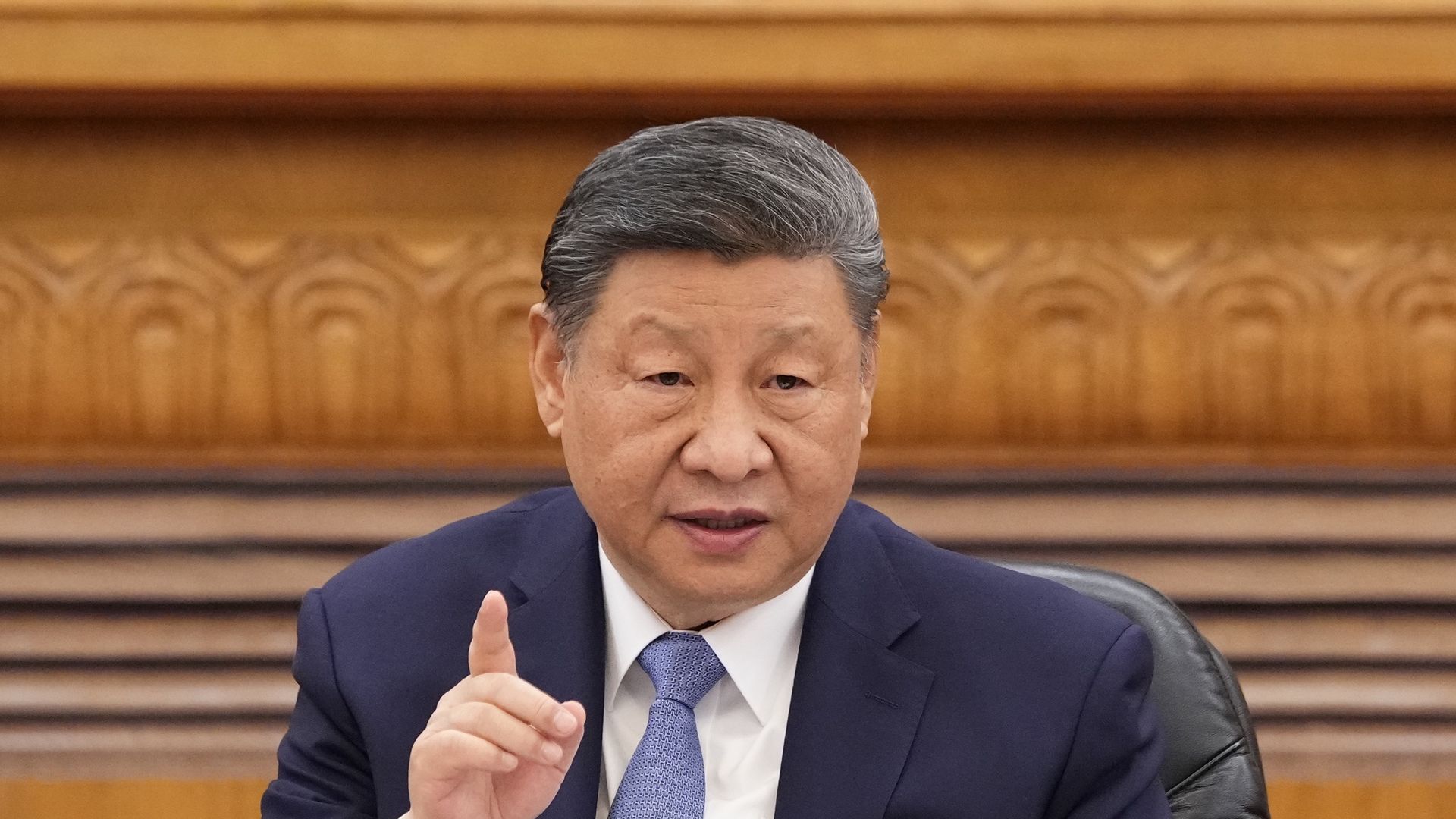
Chinese President Xi Jinping has no shortage of pressure points to ensure Americans feel the pain from President Trump's superpower trade war.
The big picture: China on Friday increased its tariffs to an eye-watering 125% in response to Trump's 145% levies. And ever since trade war 1.0, Beijing has also been developing a wider array of tools that it's now putting to use.
President Trump's whiplash tariffs may have inadvertently achieved his goal of reordering the global economy by inspiring investors to sell U.S. assets and move their money elsewhere.
Why it matters: For decades, the world has invested in America. Now, a global moment of clarity threatens to redirect trillions of dollars of capital inflows and diminish the U.S. in the international economic order.
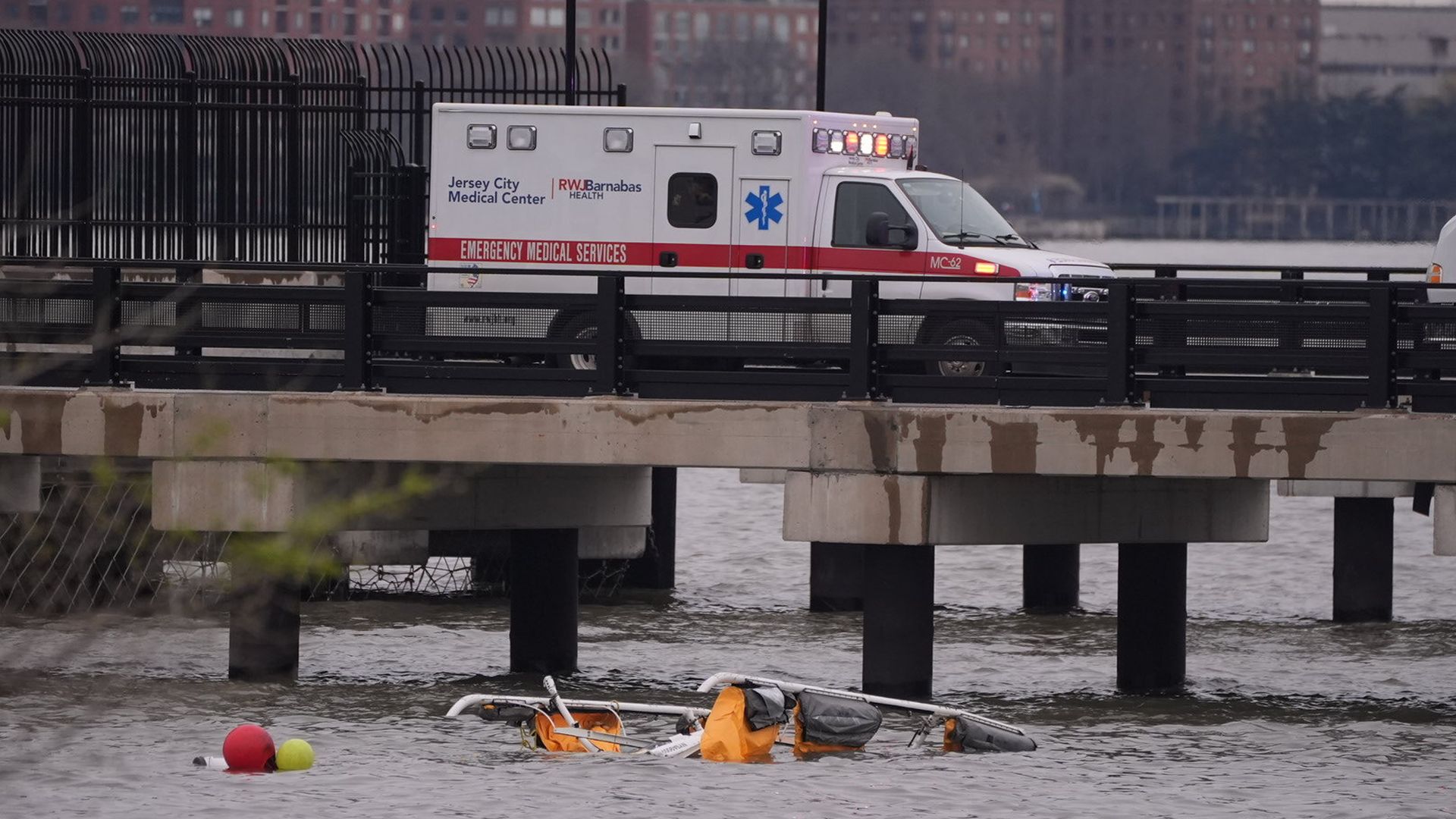
Siemens executive Agustín Escobar and his family were among six people to die when a helicopter crashed in the Hudson River, between New York and New Jersey, on Thursday, the company confirmed in an email.
The latest: The Spanish executive, his wife, Mercè Camprubí Montal, and his children — ages 4, 5 and 11 — were aboard the helicopter when it crashed. The pilot, who also died in the crash, was not immediately identified.
Why it matters: The U.S. Treasury market is the heart of the global financial system. The rapid selloff fueled by Trump's tariffs was seen as a ticking economic time bomb that risked bringing the world economy to a screeching halt.
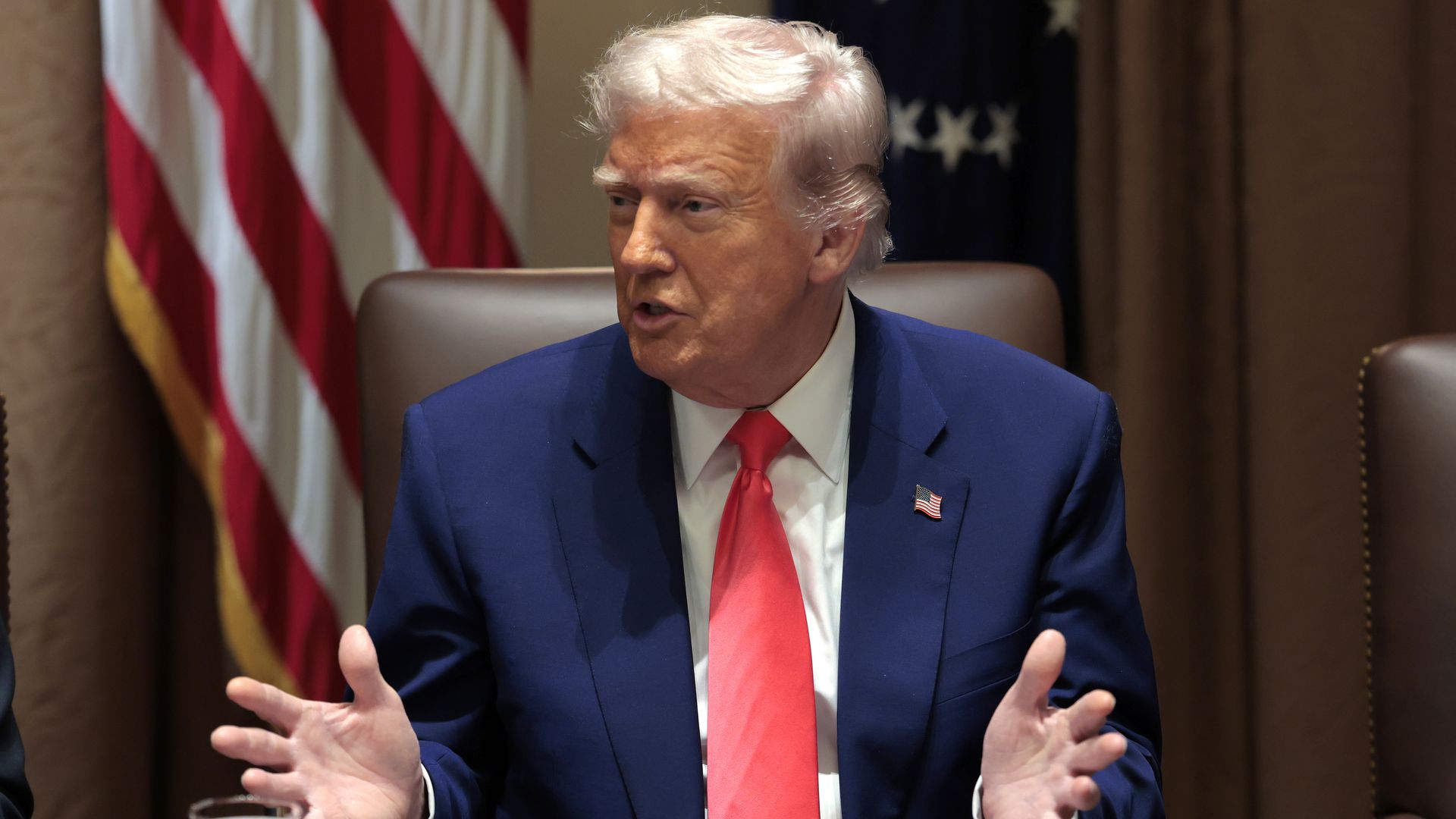
President Trump threatened Mexico with more tariffs and sanctions on Thursday over a water dispute at the southern border.
What he's saying: "Mexico OWES Texas 1.3 million acre-feet of water under the 1944 Water Treaty, but Mexico is unfortunately violating their Treaty obligation," Trump said in a Truth Social post, referring to a 1944 agreement that requires Mexico to deliver to the U.S. 1.75 million acre-feet of water over a five-year cycle.