One "Survivor" contestant's rabid hunger is Applebee's good fortune.
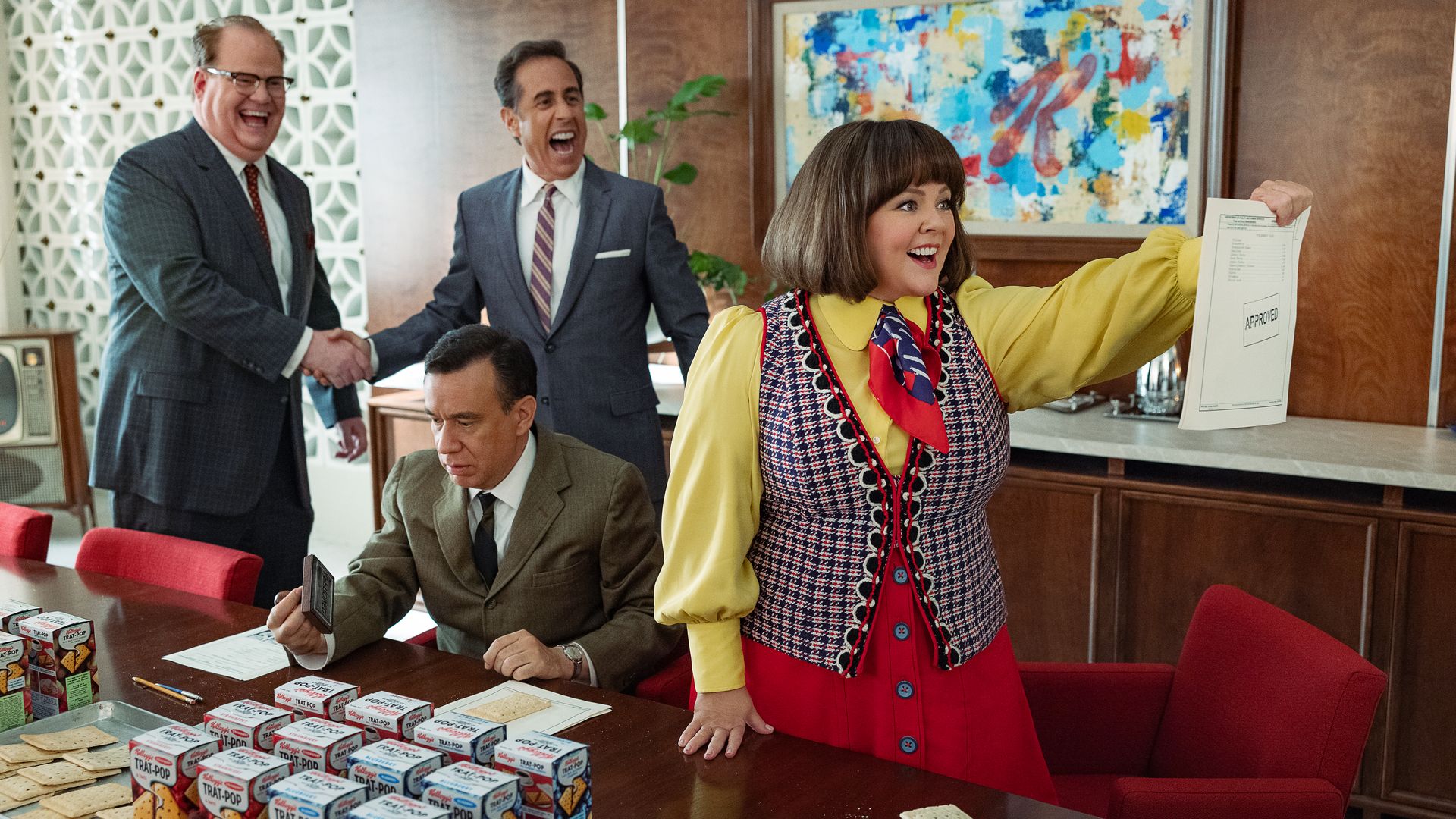
State of play: A hangry Liz Wilcox erupted with rage during Wednesday night's episode after fellow contestant Q Burdette did not invite her to an Applebee's meal as a reward for winning a challenge.
"I'm pissed!" Liz screamed in a viral rant that "Survivor" fans are calling one of the most iconic moments in the show's 46 seasons.
Zoom in: Liz couldn't eat much on the island due to severe allergies, so she was super hungry.
She also desperately wanted to go for sentimental reasons: She regularly dines at Applebee's with her daughter.
Crypto scams tend to get a lot of attention, even when they don't actually involve cryptocurrencies.
The big picture: When people discuss the risks around scams in crypto, it's often linked to digital assets' specific dangers: backdoors, anonymous founders and new ways to cover one's tracks. There are certainly scams in crypto, but there are also plain old scams that just use "crypto" as a hook.
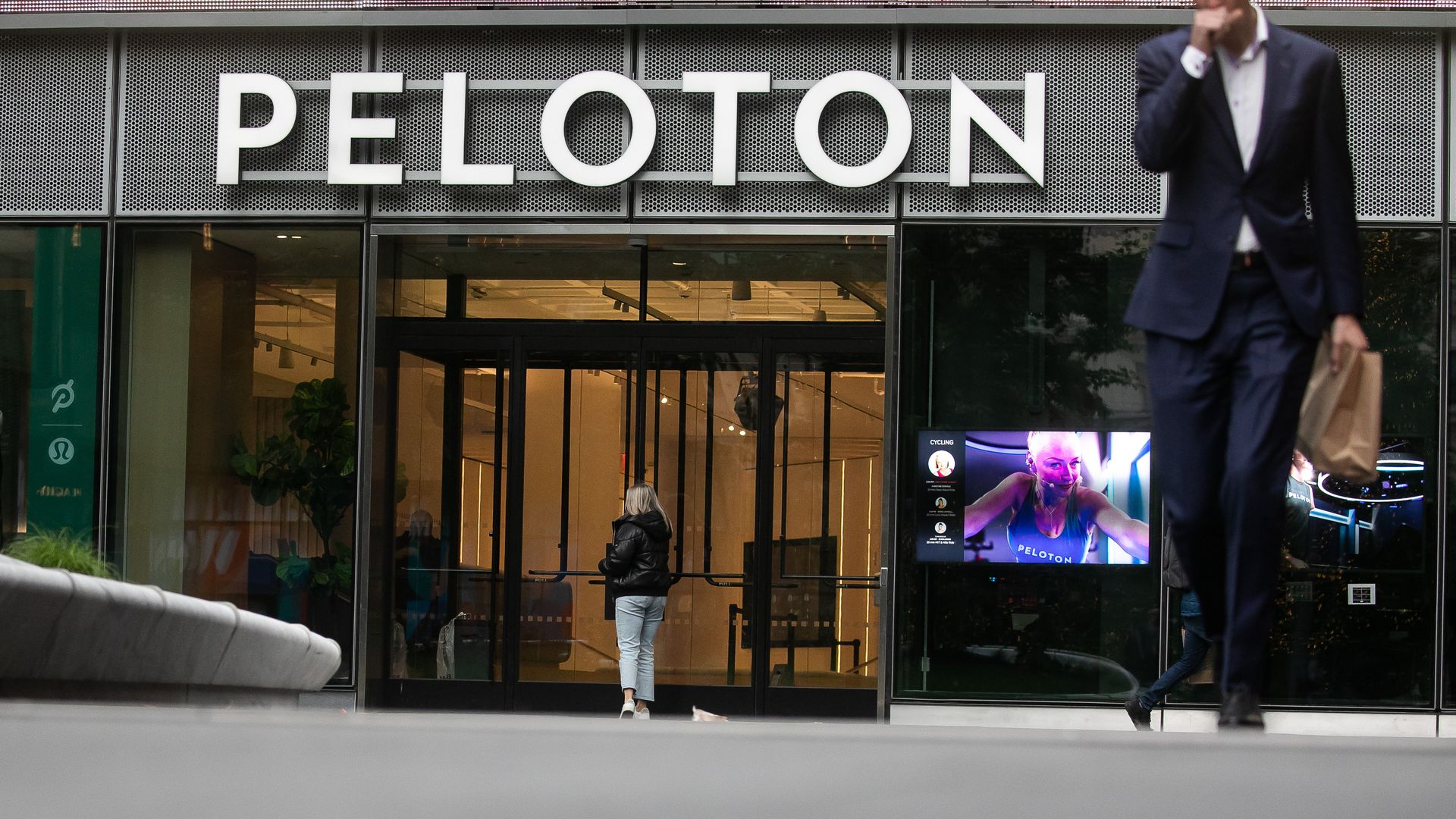
Peloton Interactive said CEO Barry McCarthy will step down from his role as the connected fitness company works to turn itself around.
Why it matters: The struggling company, whose shares are down around 90% from their 2020 peak, is searching for a replacement and slashing 15% of its workforce.
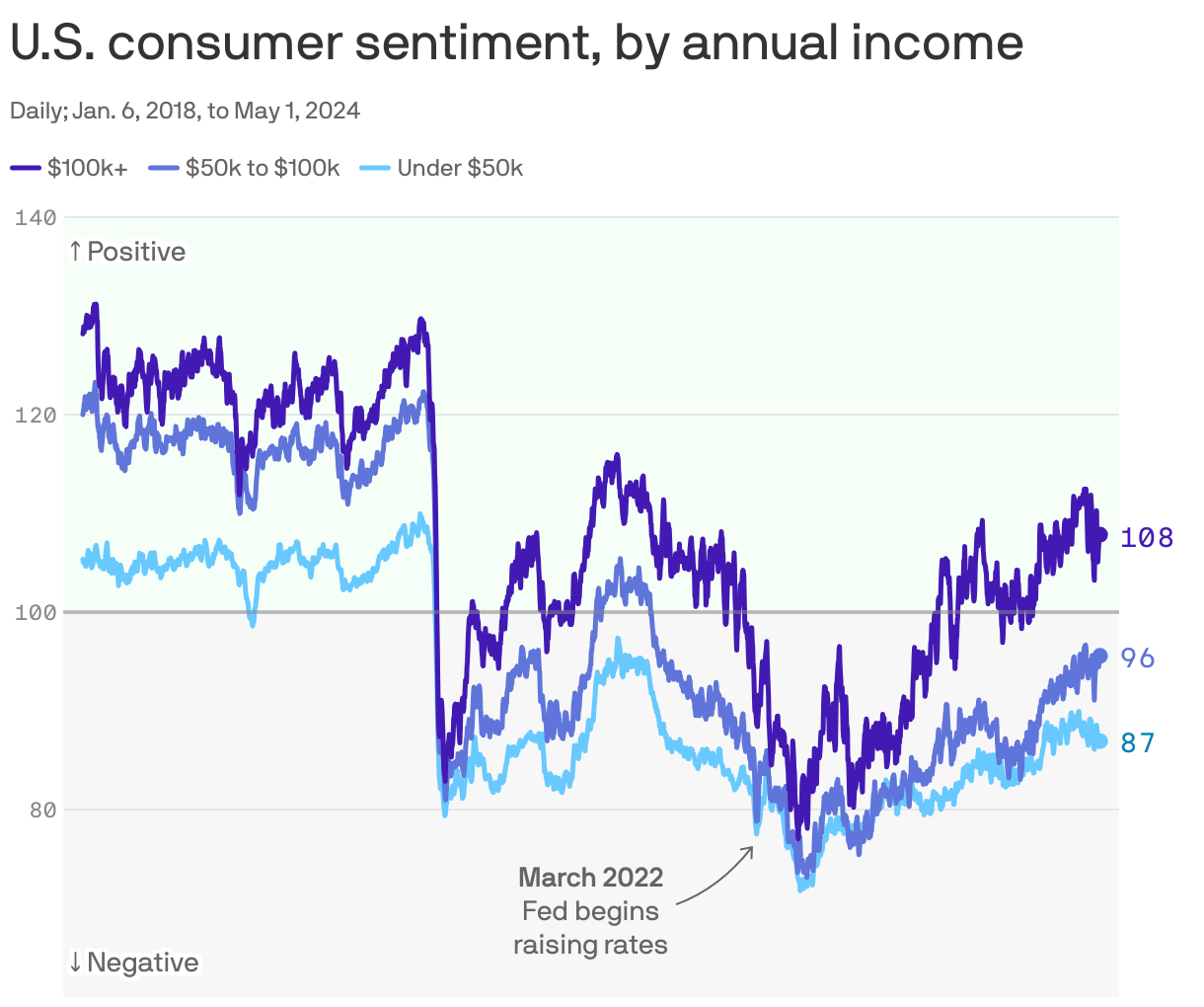
Consumer sentiment, though still lower than it was in 2019, has gone up since the Fed started hiking rates, and inflation began moving down. That holds across all income groups.
The big picture: Consumer vibes among higher earners have been at or near positive territory for the past year, per Morning Consult's sentiment index.
Middle-income Americans are getting closer to positive territory.
Those earning less than $50,000 a year are in the worst spot — likely because these are the people most impacted by inflation, particularly gas and food prices.
Massachusetts is a leader in life sciences, academia and medicine, but competing states with nicer weather and friendlier economies are breathing down its neck.
Why it matters: When Massachusetts companies in cutting-edge sectors look to grow their businesses elsewhere, it harms the local economy and the state's self-perceived reputation as home to the country's smartest workforce.
Boston is in the vanguard of cities trying to coax developers to convert office buildings to apartments, offering deep tax discounts as an incentive.
Why it matters: Office-to-residential conversions are a hot topic nationally because of how the COVID-19 pandemic forever changed the way we live and work.
LinkedIn has its own version of Sudoku and Wordle now.
Why it matters: Taking a page from the New York Times, LinkedIn has launched games as part of its plans to boost engagement.
Zoom in: Dubbed Queens, Crossclimb and Pinpoint, the three new games that appeared today globally have been designed by the LinkedIn News division.
Players will "engage in some friendly rivalry" while the news team will create daily content around the games, LinkedIn editor-in-chief Daniel Roth writes.
💭 Hope's thought bubble: We have doubts about how successful this endeavor will be, but evolution is the only way to survive.
Why it matters: The listings follow the January launch of the U.S.'s spot bitcoin funds, yet the new products overseas show a deeper embrace of the digital assets industry and ETF innovation.
BlackRock turned heads when it partnered with a digital asset firm to launch a tokenized money market fund on the Ethereum blockchain in March. Just weeks later, that fund has become the largest.
The big picture: Overall the tokenized treasury market, at $1.3 billion, remains small compared to the $160 billion enjoyed by stablecoins.
Flashback: BlackRock partnered with Securitize Markets to put real world assets onchain, starting out with a treasury fund for qualified purchasers. Within days, it had $100 million in assets.
Franklin Templeton, however, was the first to put a registered mutual fund on-chain, according to the firm.
Of note: Not many addresses hold the BUIDL tokens, just 13, according to rwa.xyz.
Franklin Templeton's fund has the second most associated wallet addresses overall, at 404, per the research firm, just behind Ondo U.S. Dollar Yield fund's (USDY), 836.
Behind the scenes: BlackRock made a minority investment in Securitize as part of their partnership, and BlackRock's global head of strategic partnerships Joseph Chalom joined Securitize's board, per the Wall Street Journal in March.
Securitize said the firm led its $47 million fundraising round just today, referencing that investment made at BUIDL's launch.
The bottom line: Tokenizing real world assets is a work in progress, but the entry of big firms like BlackRock appears to be at least accelerating the pace of the category's growth — BUIDL is 30% of the overall category.
Nvidia founder and CEO Jensen Huang, Stanford's Fei-Fei Li ("the Godmother of AI") and OpenAI chief strategy officer Jason Kwon are among this year's Gold House A100 List honorees.
Why it matters: The list is published annually to coincide with the start of Asian American and Pacific Islander Heritage Month and recognizes individuals of Asian Pacific heritage who have had a significant impact on American culture and society.
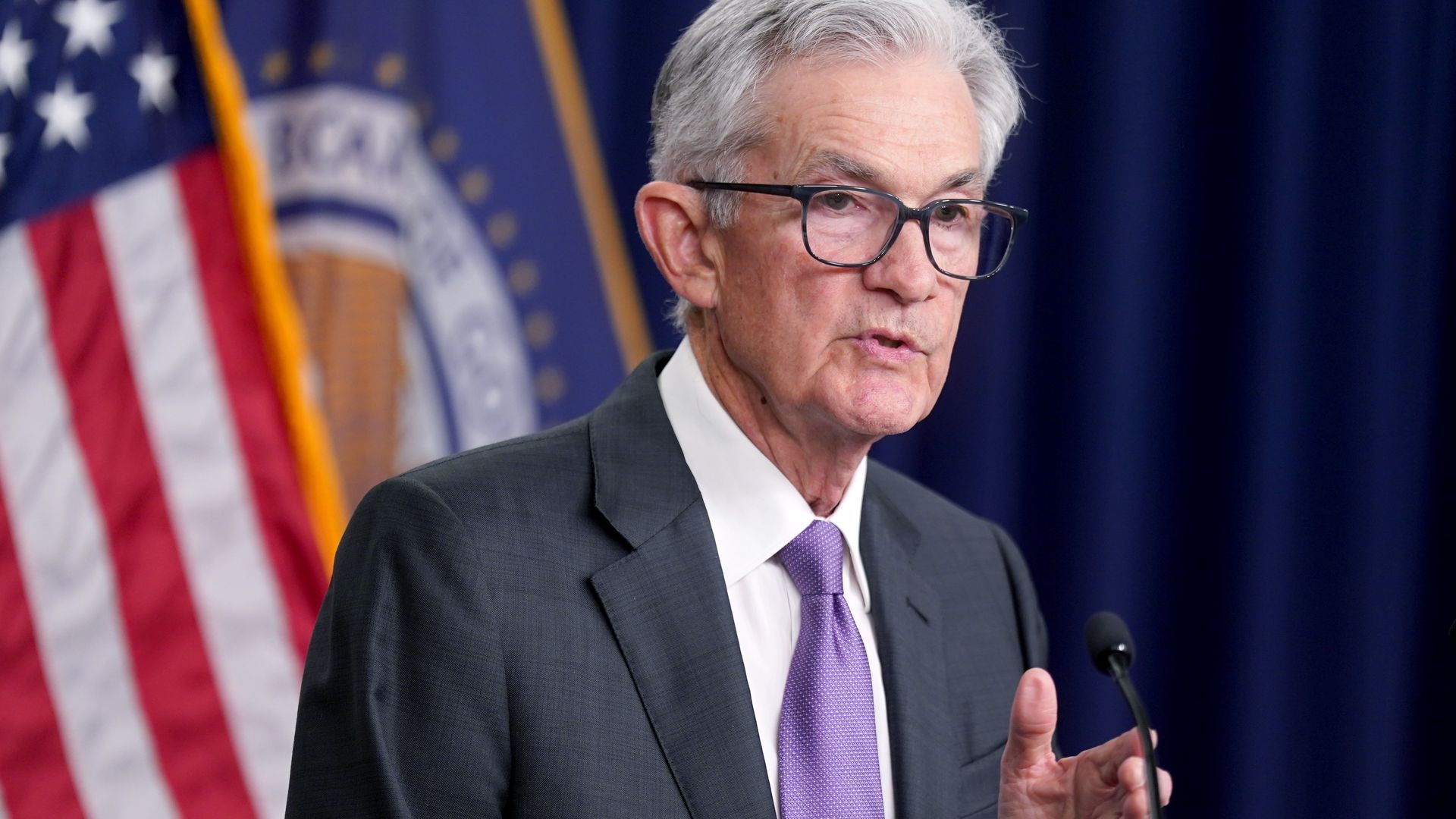
The Federal Reserve held interest rates steady on Wednesday for the sixth straight time and acknowledged a "lack of further progress" on cooling inflation.
Why it matters: The latest economic data show prices are still rising too quickly, complicating the Fed's projections of lower interest rates this year.
When you use a pressure cooker,it can take an annoyingly long time after your dish is done cooking for the pot to cool to the point where you can safely open the lid. And so it is with the U.S. job market.
Why it matters: The evidence that the labor market has moved past its overpressurized 2021-2022 levels continues to mount, but it is remarkable that it has remained this hot for this long.
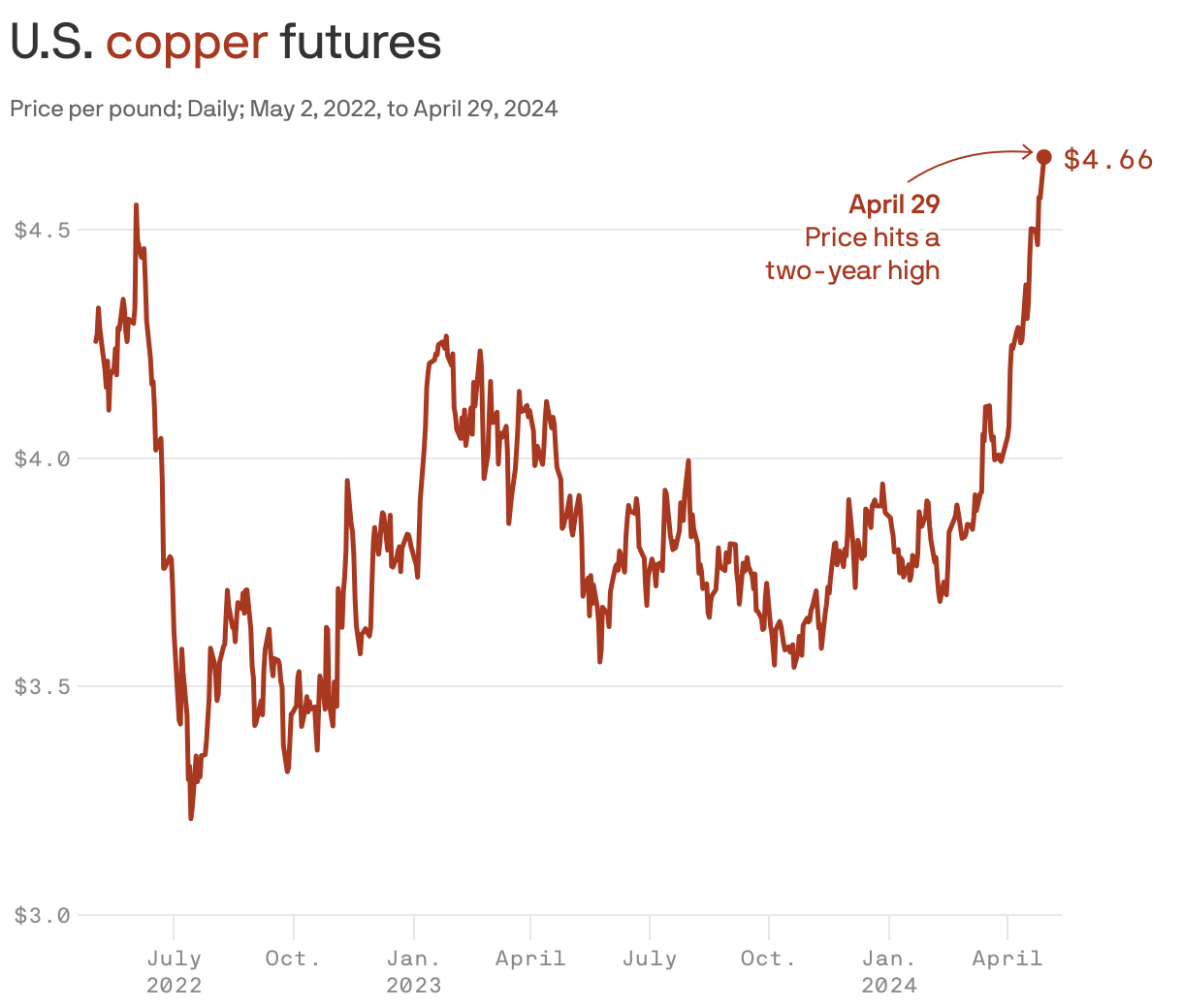
Copper prices have been on a tear, converging with a broad rally in commodities, and flirting with their highest levels since 2022.
Why it matters: Copper's versatility in construction, electronics, transportation and now AI applications makes it a go-to for industrial purposes, and as a useful gauge of economic health that's coined it the nickname "Dr. Copper."
The U.S. Drug Enforcement Agency is recommending that cannabis be reclassified as a Schedule III drug, which would codify that it has medicinal value and is less dangerous than its current Schedule I designation, Axios has confirmed.
Why it matters: The U.S. cannabis industry needed a win, just days after one of its best-known companies, MedMen, filed for bankruptcy protection.