The business of buying and selling homes in the U.S. just received a titanic jolt, Axios' Pete Gannon writes.
The big picture: The National Association of Realtors, as part of a wider settlement agreement to end a series of lawsuits from home sellers, agreed to end its rules that essentially guaranteed agents' 5%–6% commissions on home sales.
While a federal court still has to approve the deal, experts across the industry have not held back on predictions of its impact:
Home sale activity could pick up, and prices could be driven down, as sellers pocket a greater share of the sale price.
Amazon will hold a six-daysales event for U.S. customers on March 20–25, the company announced this week, Hope writes.
Why it matters: The retail giant has been increasing the frequency of its promotional periods as competition for online spending from the likes of Walmart and direct-to-consumer brands has grown.
In 2022, Amazon held two Prime Day-like sales events in the same year for the first time.
The company doubled up again last year — and its second event in October helped push year-over-year online stores sales growth to 9% in the fourth quarter, compared to a contraction in Q4 2022.
Zoom in: Unlike Prime Day sales, the upcoming Big Spring Sale is open to anyone, even customers who don't have a Prime membership.
If a pair of senators get their way, spot bitcoin ETFs will be marked with a scarlet letter "P."
Why it matters: In what might seem like a trivial battle of semantics, the label, if adhered strictly to the new exchange-traded products, has the potential to slow down the pace of adoption by causing investors to pause at the gate.
The central quandary about the U.S. housing market in 2024 is this: Higher interest rates have caused home sale activity to fall, but contrary to the usual pattern, they haven't done much damage to homebuilding and construction employment.
Why it matters: The reasons behind the disconnect help explain the overall economy's striking resilience — and shed light on what happens from here.
Best Buy is voluntarily recalling 187,400 Insignia brand air fryers and air fryer ovens sold nationwide because they can cause fire, burn and laceration hazards, according to a recall notice.
Why it matters: There have been 24 reports of "overheating/melting or glass shattering, including six reports of air fryers catching on fire," the notice posted on the Consumer Product Safety Commission website said.
The National Association of Realtors will pay $418 million in damages to settleallegations it conspired to boost agents' commissions, the organization said on Friday.
Why it matters: If the settlement is approved, the lawsuits will change the way we buy and sell homes — potentially lowering the commission rates that buyers pay.
When President Biden spoke out Thursday against Japan-based Nippon Steel's planned $14.9 billion acquisition of U.S. Steel, it was a win for the United Steelworkers union — it's been blasting the deal for months.
Why it matters: The union's political influence stems from labor's heightened leverage in an election year — but a less understood factor involves the Steelworkers themselves.
New York Community Bancorp's stock rose last week on the news that it was getting rescued by a private equity consortium led by Steve Mnuchin. But its expected earnings plunged.
Why it matters: In early February, after NYCB took an extraordinary charge of $552 million for credit losses on its commercial real estate portfolio, the message from the bank's leadership was that the bank was still solidly profitable.
Halloween is more than seven months away but Home Depot is already teasing some of the items it'll be selling for the October holiday.
Why it matters: There's an arms race among retailers to move holiday merchandise earlier and earlier. They're aiming to get shoppers whipped up well in advance of their festivities and, ideally, spending more money.
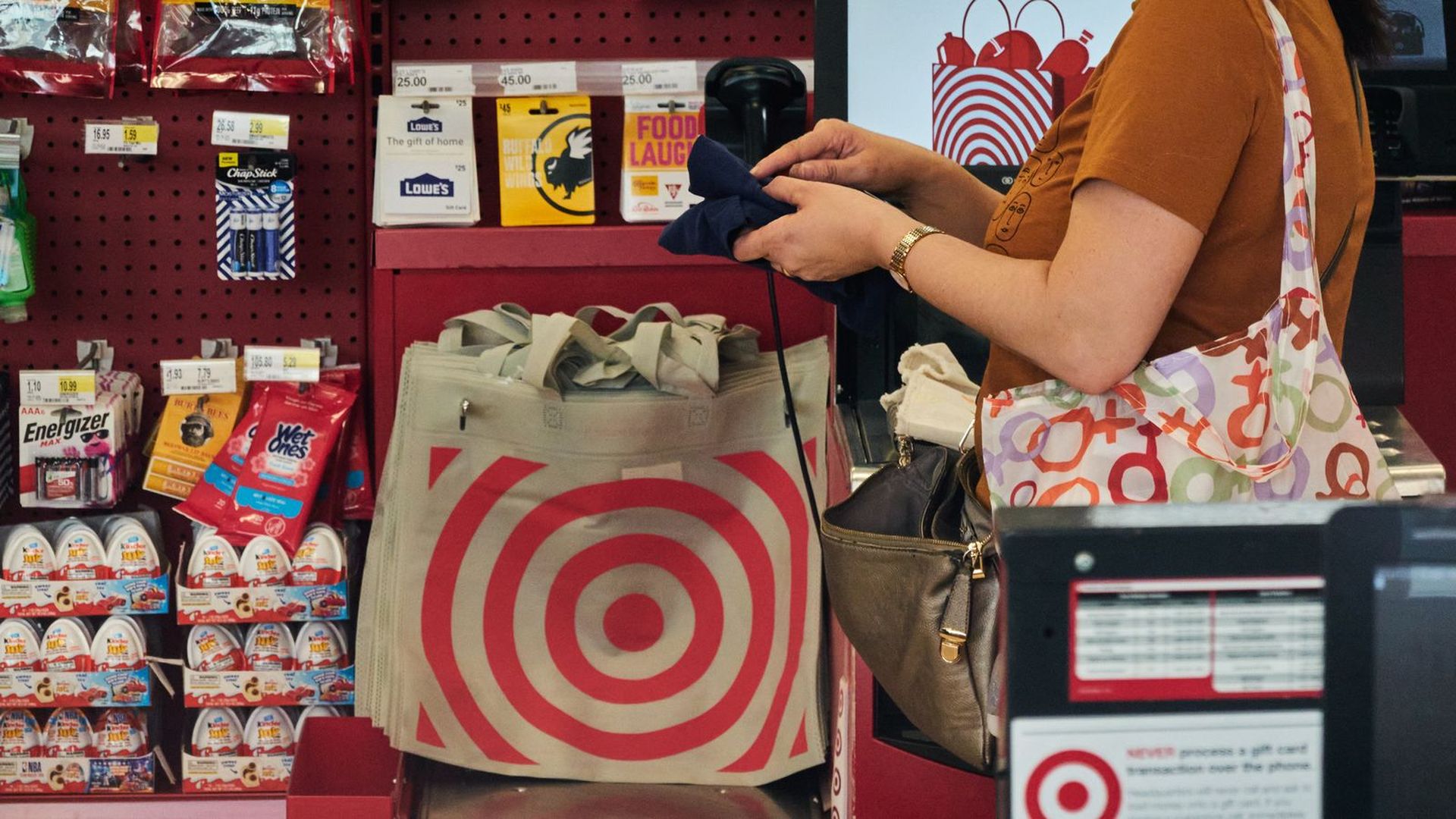
Target is rolling out a big change to self-checkout that limits the number of items shoppers can buy at the registers, the retailer shared exclusively with Axios.
Why it matters: Shoppers and retailers have a love-hate relationship with self-checkout. The self-service registers are sometimes difficult for consumers to use and enable theft.