"Until the threat of these tariffs returning is fully removed, the uncertainty will continue to restrict American Whiskey export growth in our most important international market."
— Distilled Spirits Council CEO Chris Swonger in a statement praising the Biden administration for negotiating the extension of a suspension of the European Union's retaliatory tariffs on American whiskey.
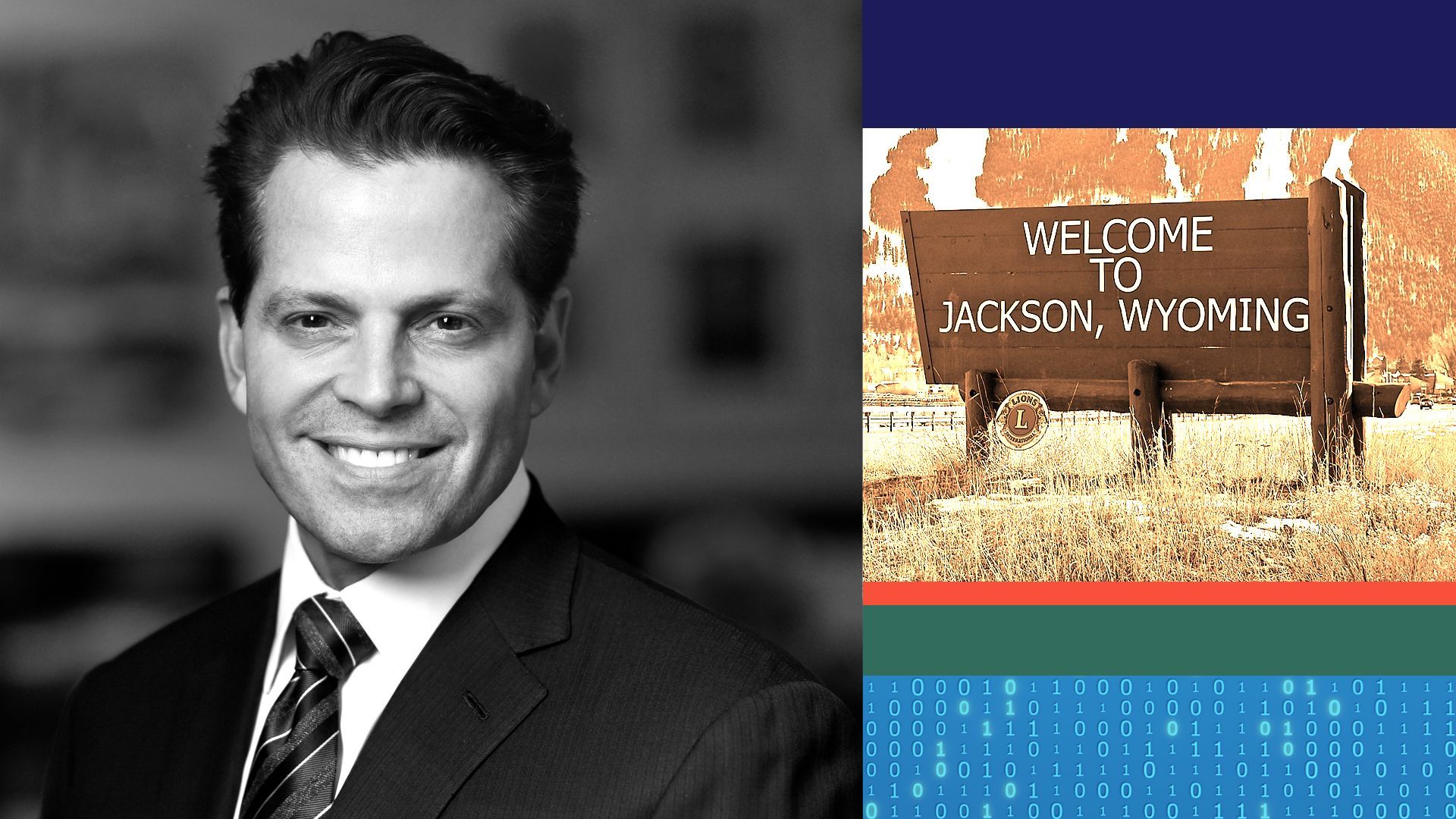
The New York Post wrote Anthony Scaramucci's "financial obituary" in July 2022, with a cartoon image of him on a sinking rowboat laden with bitcoin, but the entrepreneur tells Axios he's not dead.
What he's saying: "This is the most successful year of my career," Scaramucci says, with his core fund in SkyBridge up 25% as of Dec. 15, which he attributes to his decision to reinvent the investment firm and move into digital assets.
The consequences of decades-high interest rates around the world are still rippling across the global economy, and some of the poorest nations are buckling under the historic debt burden.
Why it matters: It is one of the lagged effects of a worldwide tightening campaign that looks to be over.
Still, the aftermath is being felt across low-income countries as global interest rates soar — making it more expensive to pay off debt and drawing parallels to the crisis of the 1980s.
Shares of U.S. Steel surged on Monday after Japan-based Nippon Steel announced plans to purchase the once-iconic American producer in a deal valued at $14.9 billion, nearly double what U.S. rival Cleveland-Cliffs had offered for the company just four months ago.
By the numbers: The stock was in negative territory for the year until this past August when Cleveland-Cliffs made a splashy bid to merge — and it's now sitting on gains of nearly 100%.
Autonomous trucking developer Torc Robotics is test-driving its prototypes on historic Route 66 in Albuquerque, New Mexico, as it works toward commercial deployment.
Driving the news: Torc says it's on track to use its autonomous trucks for deliveries with no safety driver by 2027, and recently unveiled more detailed plans to get them operating across the American Southwest.
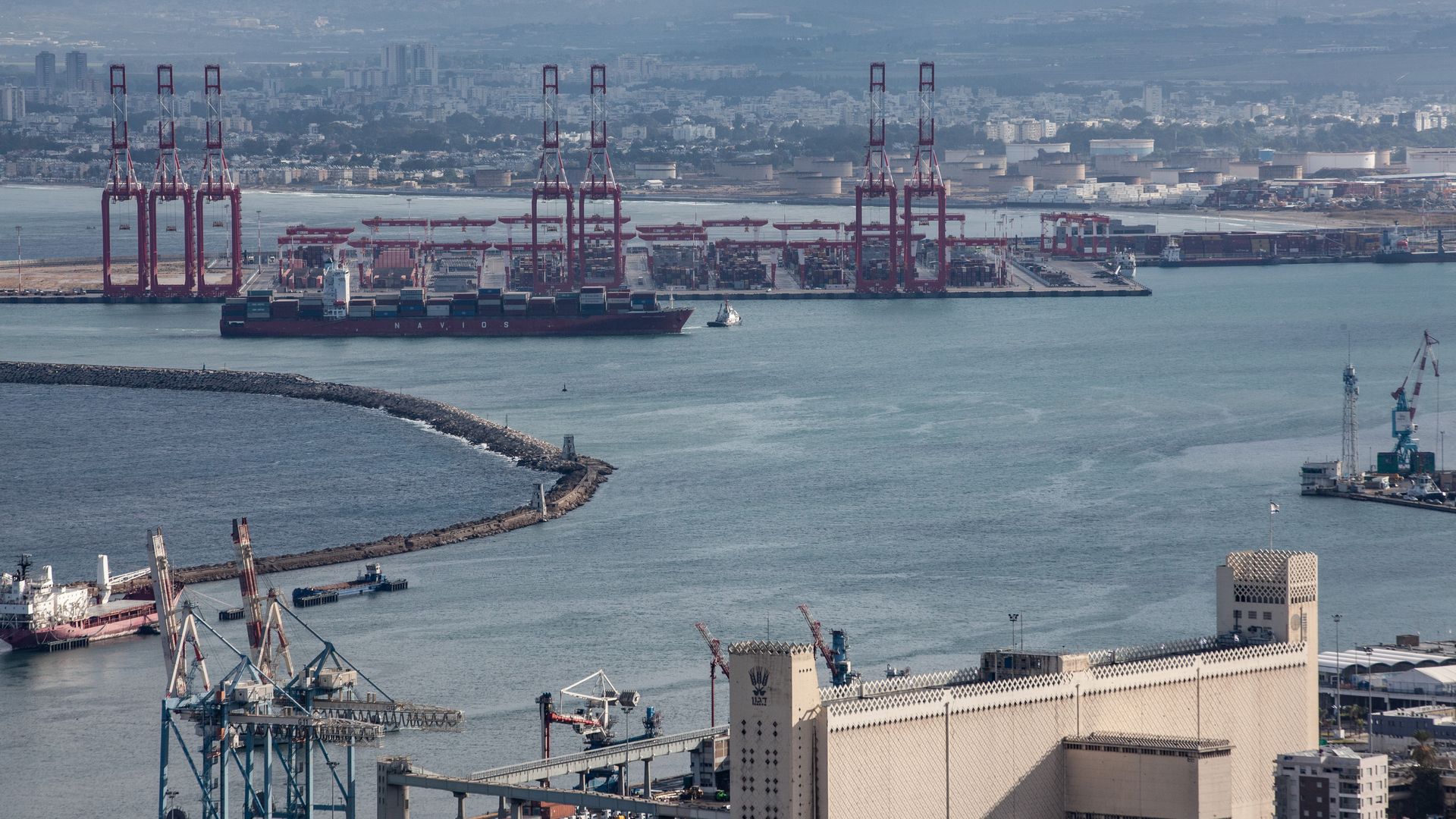
Global shipping giants are rerouting vessels away from the Red Sea as conflicts related to the Hamas-Israel war spread.
Driving the news: In response to the war, Yemen's Iran-backed Houthi rebels have been attacking merchant ships in the Red Sea before or after they move through the Suez Canal.
Adobe and Figma have terminated their $20 billion merger agreement announced last September, the companies said today.
They cited regulatory hurdles, which surrounded the agreement from the start against the backdrop of strong antitrust regimes in both the U.S. and abroad, Axios' Kerry Flynn notes.
Flashback: Adobe investors had expressed shock at the sticker price — 40 times Figma's annual revenue run rate, Axios' Ina Fried has written. (Maybe why the stock shot up nearly 2.5% today.)
The other side: Adobe needs a rethink for the cloud era, Adobe general counsel Dana Rao previously told Ina. The Figma deal was supposed to be a start.
U.S. Steel today said it's agreed to a $14.9 billion deal to sell to Japan's Nippon Steel.
Zoom in: The $55 per share offer represents around a 40% premium to where Pittsburgh-based U.S. Steel shares closed Friday, Axios' Dan Primack reports.
That's substantially higher than the rebuffed bids from American rivals Cleveland Cliffs and Esmark.
Yes, but: The United Steelworkers union is saying not so fast.
The union — which has made its preference for Cleveland Cliffs' offer loud and clear — has said its contract with U.S. Steel requires any prospective buyer to agree to a new labor deal before a sale can be finalized, Nathan writes.
I'd have put a pickleball joke in the headline here if I knew one, but the photo speaks for itself, Hope writes.
Spotted on Saturday: These Christmas tree ornaments were the last ones of their kind left at my local home decor store and they were begging for attention.
First, because they're the first pickleball-themed holiday trinkets I've ever stumbled across.
And second, because their price tags — $24 for a tiny, stuffed sweaty Santa and $18 for a stand-alone glittery paddle and ball — gave me a horrible feeling about the cost of holidays to come.
"No court or any independent investigation has substantiated any allegations that: there has been systemic or widespread sexual harassment at Activision Blizzard."
— From an agreement through which the California Civil Rights Department withdraws its claims of sexual harassment against Activision Blizzard in what the NYT called a "stunning reversal."
Top policymakers warned that the "last mile" of getting inflation back to 2% would be most challenging.
But now, the finish line is in sight and disinflation looks to still have momentum to carry through.
Why it matters: Beating inflation in America has not become more difficult as the fight winds down.
Rather, supply-side rebounds and strong productivity gains have surprised top economists, who expected economic pain might be necessary to get inflation all the way back to the sweet spot central bankers aim for.
Financial markets went wild last week after communications out of the Fed suggested multiple rate cuts are on the way next year. Fed officials noticed and appear to believe the reaction was overblown.
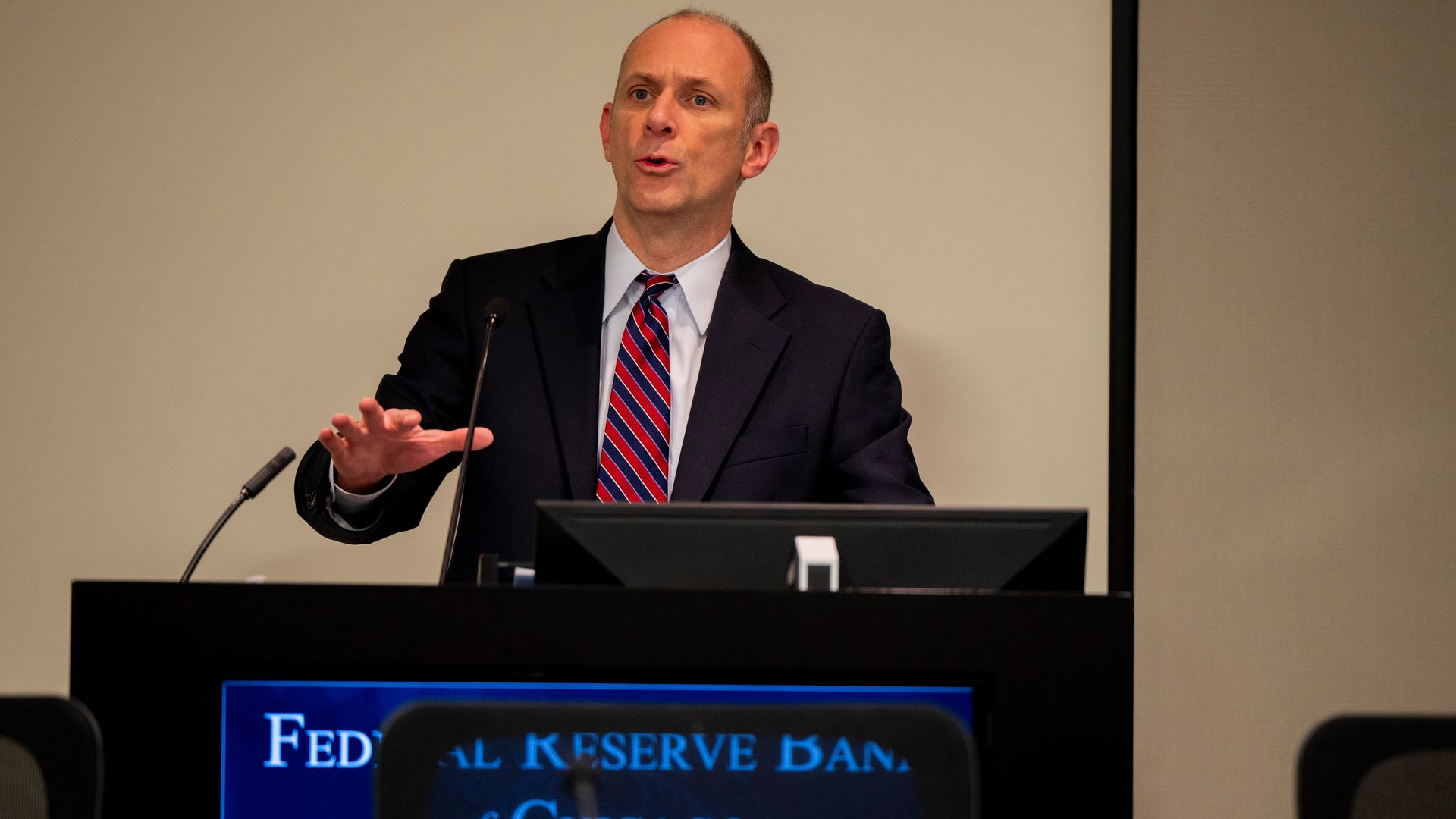
What they're saying: "We've made a lot of progress in 2023, but I still caution everyone, it's not done," said Chicago Fed president Austan Goolsbee on CBS' "Face the Nation" Sunday.
"We've got to get inflation down to target," he said. "Until we're convinced that we're on path to that, it's an overstatement to be counting the chickens."
Goolsbee has been an anchor of the dovish wing of the Fed's policy committee — seemingly more open to rate cuts than some of his colleagues. That gives his skepticism of the rate-cuts-soon narrative extra weight.
Meanwhile, Cleveland Fed president Loretta Mester said in an interview published Monday morning that "markets are a little bit ahead."
"They jumped to the end part, which is 'We're going to normalise quickly,' and I don't see that," Mester told the Financial Times.
The comments from Goolsbee and Mester follow similar cold water thrown by New York Fed president John Williams on Friday.
Between the lines: It's the nature of markets to get ahead of Fed officials. What matters for stock and bond prices is what the Fed ultimately ends up doing on rate cuts, not what officials say today.
But the latest round of comments make clear that the Fed won't deliver the rate cuts Wall Street wants unless and until the economic data, especially around inflation, cooperates.
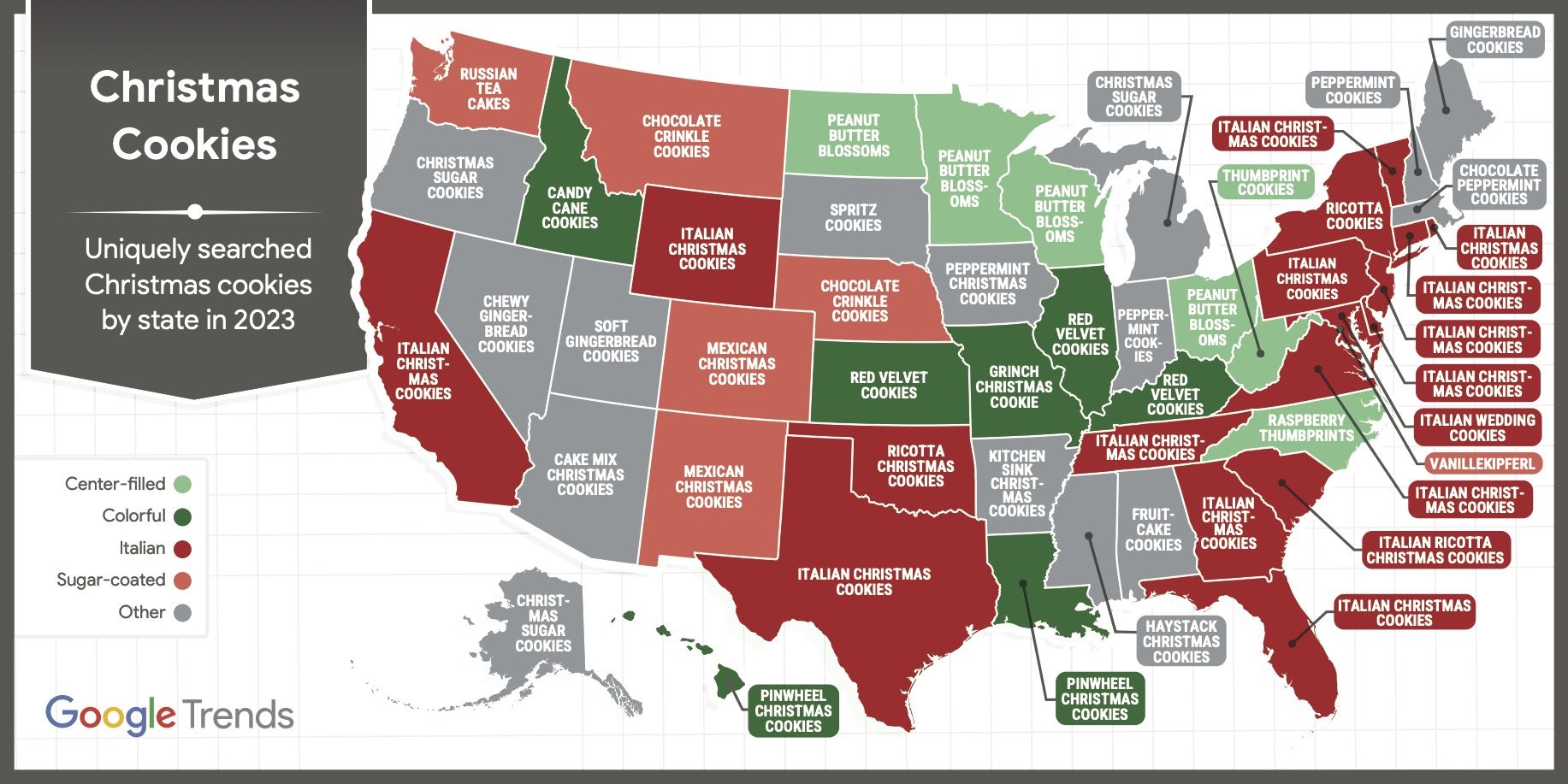
Google Trends Christmas cookies map shows each state's most searched for cookie. Illustration courtesy of Google
America's most popular Christmas cookies for 2023 are a festive mix of cultural and colorful varieties, according to Google Trends data.
Why it matters: Buying or baking Christmas cookies to serve at holiday celebrations — or to leave for Santa — is a longstanding tradition for many families.
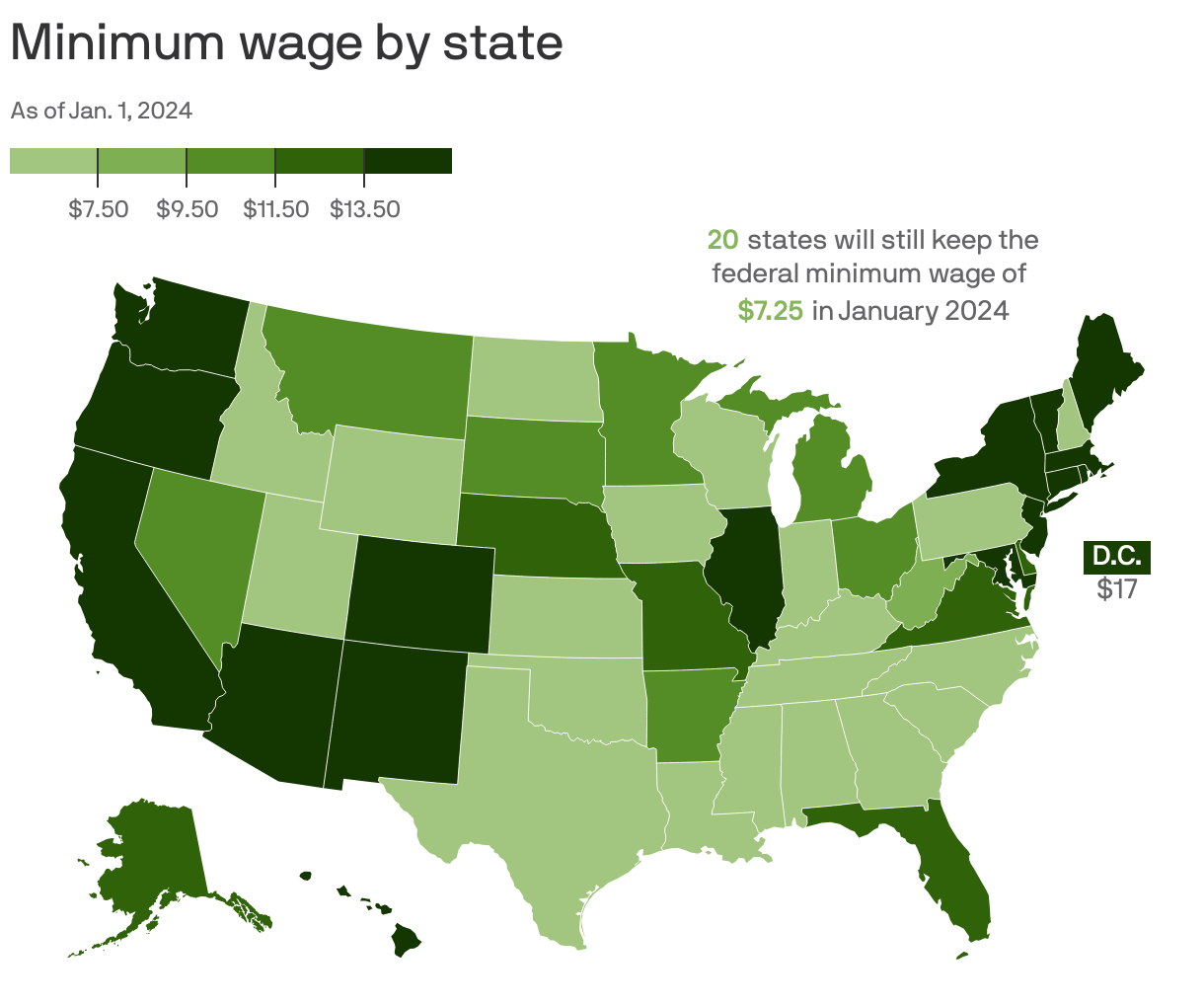
The minimum wage is set to increase in 22 states on Jan. 1, 2024.
Why it matters: For Americans making minimum wage, it's an automatic raise — but it also ripples out. Typically, increasing the wage floor for the lowest earners pushes up pay for those who make a bit more than the minimum, as employers have to adjust pay scales upwards.
An insurance brokerage called USI borrowed $600 million from investors in the high-yield bond market last week.
Why it matters: It's Wall Street's first bond deal with a "CCC" credit rating since all the way back in April, per Pitchbook LCD. The CCC designation is the worst, most risky rating — and the market for these bonds has been effectively dead.