Autonomous trucks prove their mettle on historic Route 66

Add Axios as your preferred source to
see more of our stories on Google.
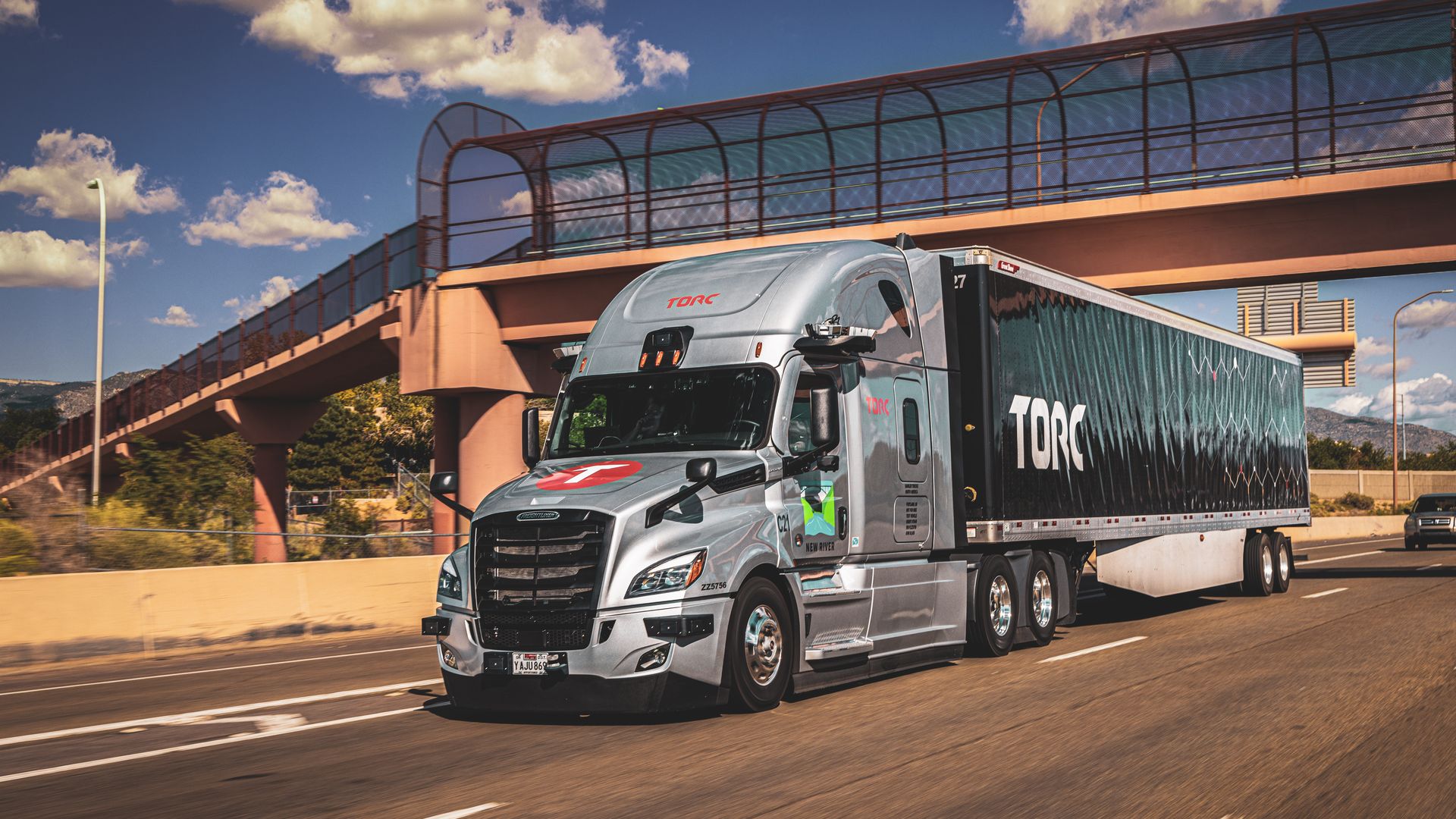
A Torc autonomous truck drives along I-40, the historic Route 66, in Albuquerque, N.M., with the help of a safety driver. Photo: Courtesy of Torc
Autonomous trucking developer Torc Robotics is test-driving its prototypes on historic Route 66 in Albuquerque, New Mexico, as it works toward commercial deployment.
Driving the news: Torc says it's on track to use its autonomous trucks for deliveries with no safety driver by 2027, and recently unveiled more detailed plans to get them operating across the American Southwest.
Details: Torc, a subsidiary of Germany's Daimler Truck, has been developing and testing its self-driving trucks for years in Albuquerque — an ideal proving ground because of the mountainous terrain and varied weather.
- It's recently been operating with safety drivers and data monitors along the city's Interstate 40 — once the storied Route 66 — to measure its progress.
- The trucks have been collecting data on road conditions, traffic laws, possible hazards and driver behavior at busy city intersections and on the highway, which travels through Indigenous land.
Backstory: Route 66, also called the "Mother Road," was born in 1926 after the Bureau of Public Roads launched the nation's first federal highway system.
- One of the first roads in the U.S. highway system, it brought together existing local and state roads from Chicago through St. Louis to Los Angeles.
- Small towns opened shops, motels and gas stations along the route, pumping revenue into local economies just as the nation's car culture took off.
- It was decommissioned as a U.S. highway in 1985.
The intrigue: Torc CEO Peter Vaughan Schmidt tells Axios he hadn't thought about the historic connection until it was pointed out, but it seemed fitting.
- "It feels like a little bit of writing history here," he says.
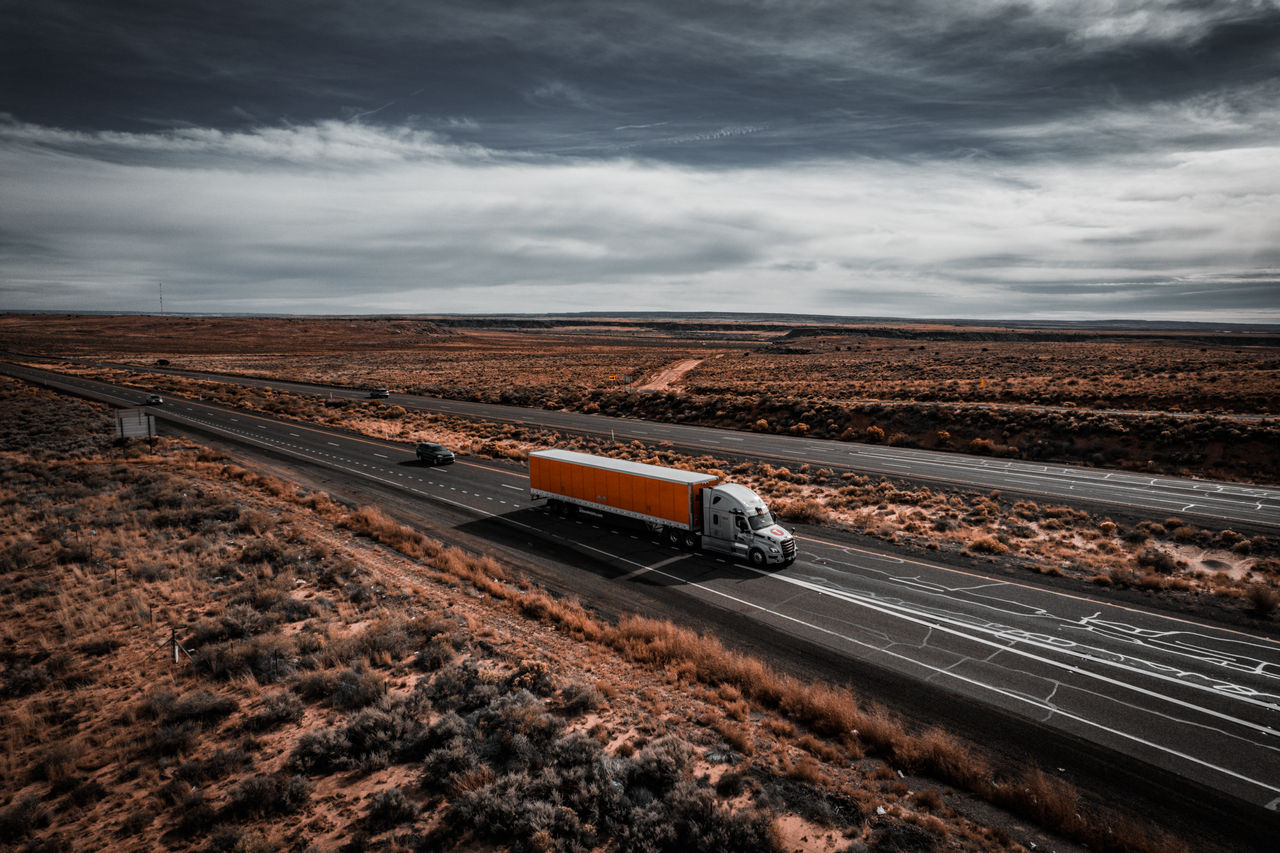
How it works: Torc's autonomous trucks are designed to operate mainly "hub-to-hub," with other vehicles used for "last-mile" transport.
- Using a variety of sensors (including long-distance lidar, cameras and radar), the trucks are designed for hundreds of miles of highway driving, often in the right lane.
- Artificial intelligence helps the trucks identify objects like cars and people. The company's systems can also detect if the trucks need to stop for gas, or if someone is trying to jump atop to hitch a free ride.
- They're trained to exit the highway at the correct stop and navigate a mile or so on surface streets to arrive at a hub.
- If they get a flat tire or hit something, they can send a distress call to company HQ, and help will be dispatched.
Zoom out: Schmidt said Torc is working on scaling its trucks to immediately help companies struggling with a driver shortage.
- The company plans to use its trucks in parts of the American Southwest and Midwest, and then expand to Europe.
Hands-on: I recently had a rare opportunity to ride inside a Torc truck during a test run in Albuquerque and on historic Route 66.
- A safety driver navigated the truck through neighborhood roads, relinquishing control to the self-driving system once we were on the highway. A second staffer rode shotgun and gathered data.
- I sat in the back of the cab while the driver kept his hands on the wheel for the 20-minute or so ride.
💬 My thought bubble: I had no apprehensions or fears while inside the truck as it followed the speed limit and cautiously weaved in and out of traffic.
- I could see the truck's monitoring system spotting low-riders, sedans, motorcycles and even a person in a wheelchair waiting to cross a street.
- It was one of the safest rides I've ever had on I-40.
Yes, but: Self-driving startups face an uphill battle after General Motors-owned Cruise suspended operations following a nasty pedestrian accident — though driving primarily on the highway and on surface streets (as Cruise does) are two different beasts.
The bottom line: Autonomous trucks will likely be fully operational soon, especially in the Southwest, where companies face few regulations or limits.
- How states and local governments respond will depend on how the technology proves itself over time.
Editor's note: The second photo has been replaced with one of a Torc truck operating in the Albuquerque area. The original photo had an incorrect caption and showed a Torc truck in the Las Vegas area.
