Six months into pandemic-induced telework, employees' priorities are changing. Company culture seems to matter as much — if not more — to workers as getting promoted, says Amy Lavoie, who leads people science at Glint, a human resources platform owned by LinkedIn.
Why it matters: That's a seismic shift in the way Americans think about work — and it underscores the need for CEOs to pay close attention to culture during the pandemic and beyond.
The coronavirus pandemic has supercharged the freelance economy.
Why it matters: Millions of workers are freelancers by choice, but millions of others are wading into this riskier and less stable way of life because of the pandemic's economic turmoil.
Nearly 30 million Americans are spending their 20s in the same place they spent their grade school years: at home with their parents.
The big picture: For the first time since the Great Depression, the majority of 18- to 29-year-olds have moved back home. Those living arrangements can come with a great deal of awkwardness and pain, but families across America are making the most of it.
JPMorgan Chase said Tuesday the bank has sent a number of its employees in New York City home after an unspecified number tested positive for the coronavirus, Bloomberg first reported.
Why it matters: Roughly one week after workers started trickling back into offices after Labor Day weekend, news of the infection was communicated internally, serving as just one example of how the spread of the coronavirus will make it challenging to bring staff back from remote work, Bloomberg writes.
By this time next week, we should all know if TikTok will be allowed to continue operating in the U.S., in partnership with Oracle, or if it will be in the process of being banned by President Trump.
Axios Re:Cap digs into the perspective from China, where TikTok's parent company is based. Our guest is CNBC Beijing bureau chief Eunice Yoon.
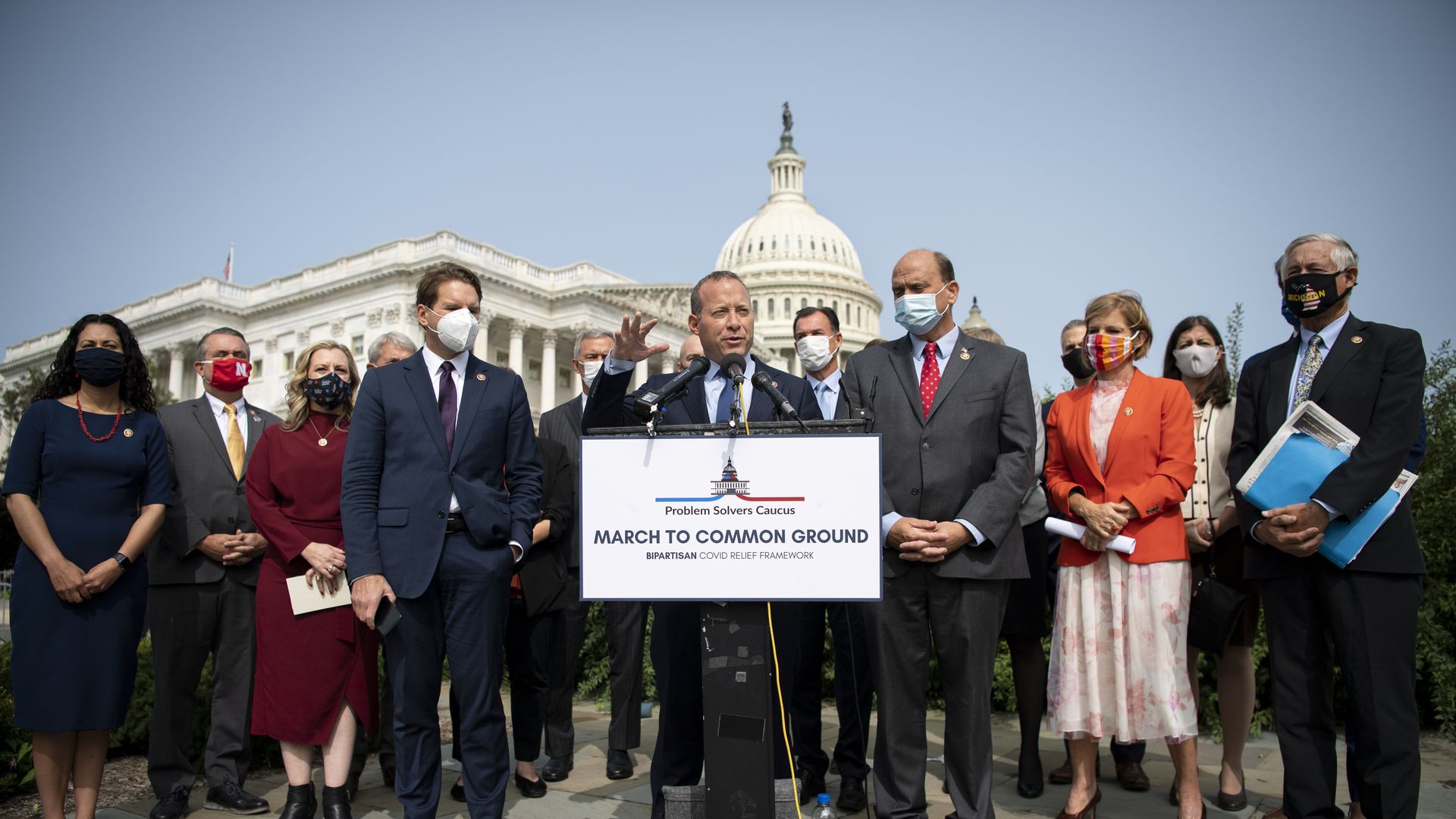
A bipartisan group of 50 House members known as the Problem Solvers Caucus unveiled a roughly $2 trillion coronavirus stimulus bill on Tuesday amid frustration with congressional and White House leaders for failing to deliver desperately needed aid to Americans.
Why it matters: The legislation, which is widely viewed as unpassable, is a last-ditch effort by centrist lawmakers to force party leaders back to the negotiating table before the November election.
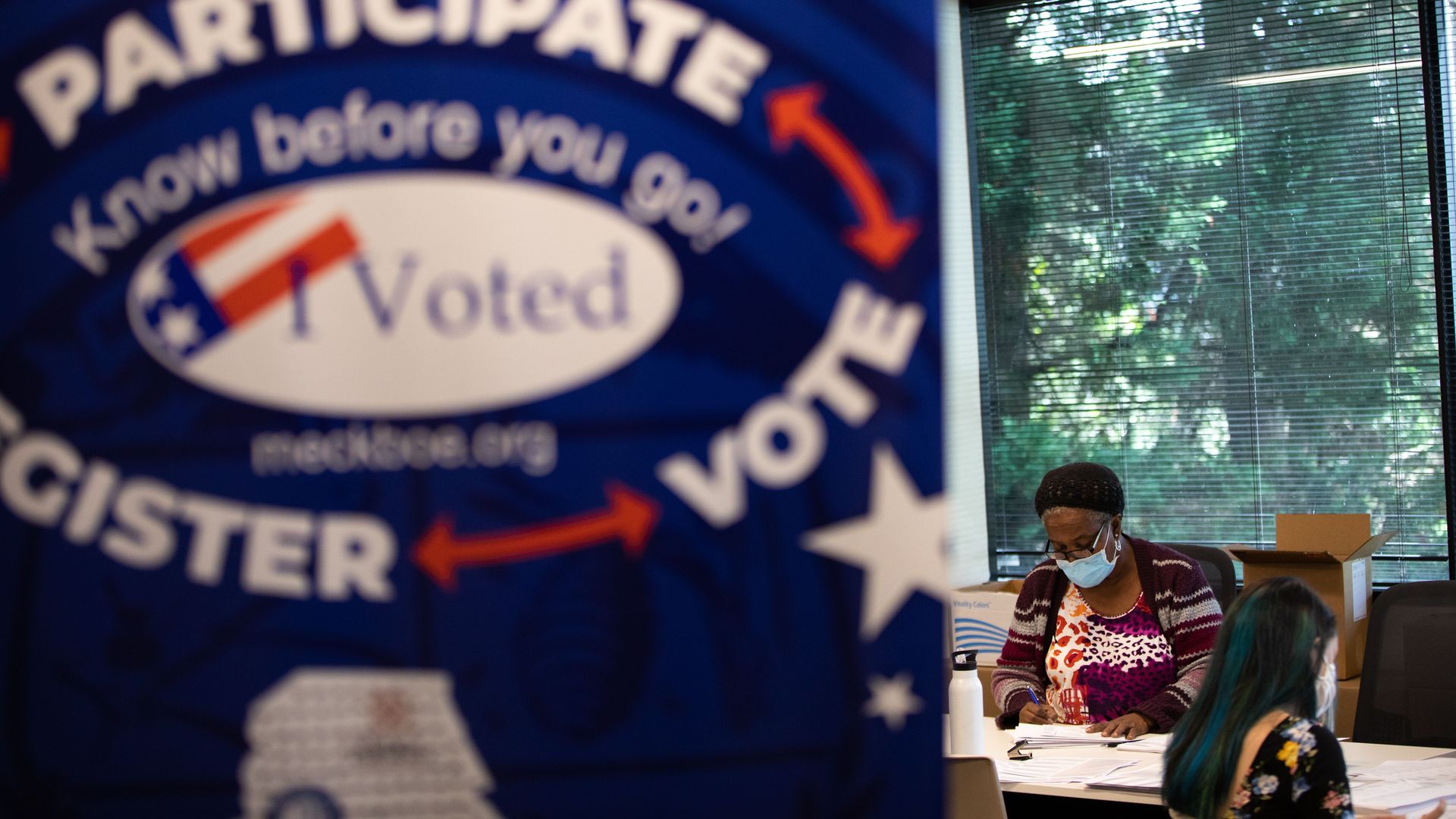
On Friday in the Pro Rata newsletter, we noted that both Facebook and Old Navy were giving employees paid time off to work polls on Election Day, due to anticipated staffing shortfalls caused by the pandemic. Then we challenged you to do the same in an effort to help prevent long lines at best, or polling location closures at worst.
Driving the news: The response was tremendous. And deserving of recognition. So instead of a traditional Pro Rata column (sign up to get it in your inbox), below are the companies and firms that wrote back...
A number of media companies, especially with audiences that skew female, are replacing top white editors with people of color.
Why it matters: A slew of top editors were forced to step down from their positions this summer after the #BlackLivesMatter movement and protests sweeping the nation forced media companies to reckon with their own shortcomings on diversity.
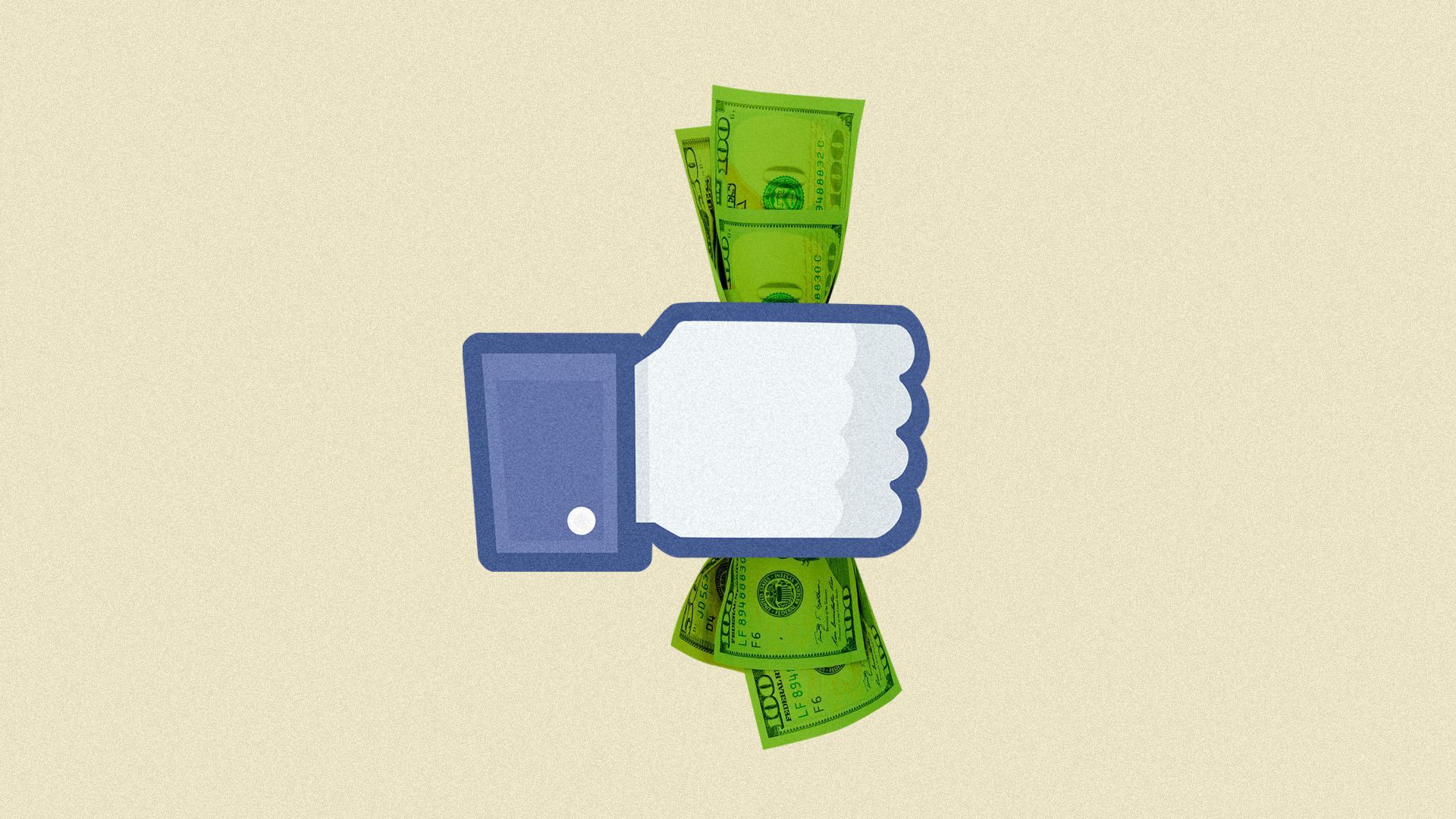
Facebook is investing $5 million in programs for newsrooms of color and entrepreneurial journalism, executives tell Axios.
Why it matters: The investment comes amid tensions between Facebook and civil rights leaders over the prevalence of hate speech and misinformation on its platform.
Ouraon Tuesday will announce a partnership with mixed martial arts league Ultimate Fighting Championship (UFC), the latest in its deals to get its smart rings onto the fingers of sports stars.
Why it matters: The deals provide the startup with both visibility and validation that its rings can offer meaningful data on sleep, health and other metrics.
A new ad fraud scheme targeting premium publishers on connected TVs (CTV) and mobile has been uncovered by DoubleVerify, an ad fraud analytics company. The botnet, called MultiTerra, was stealing roughly $1 million per month from publishers by spoofing their ad inventory.
Why it matters: Premium publishers were particularly vulnerable to this particular attack because their ad rates (CPMs) are so high, making them an efficient target. CTV is any TV set that streams video over the internet.
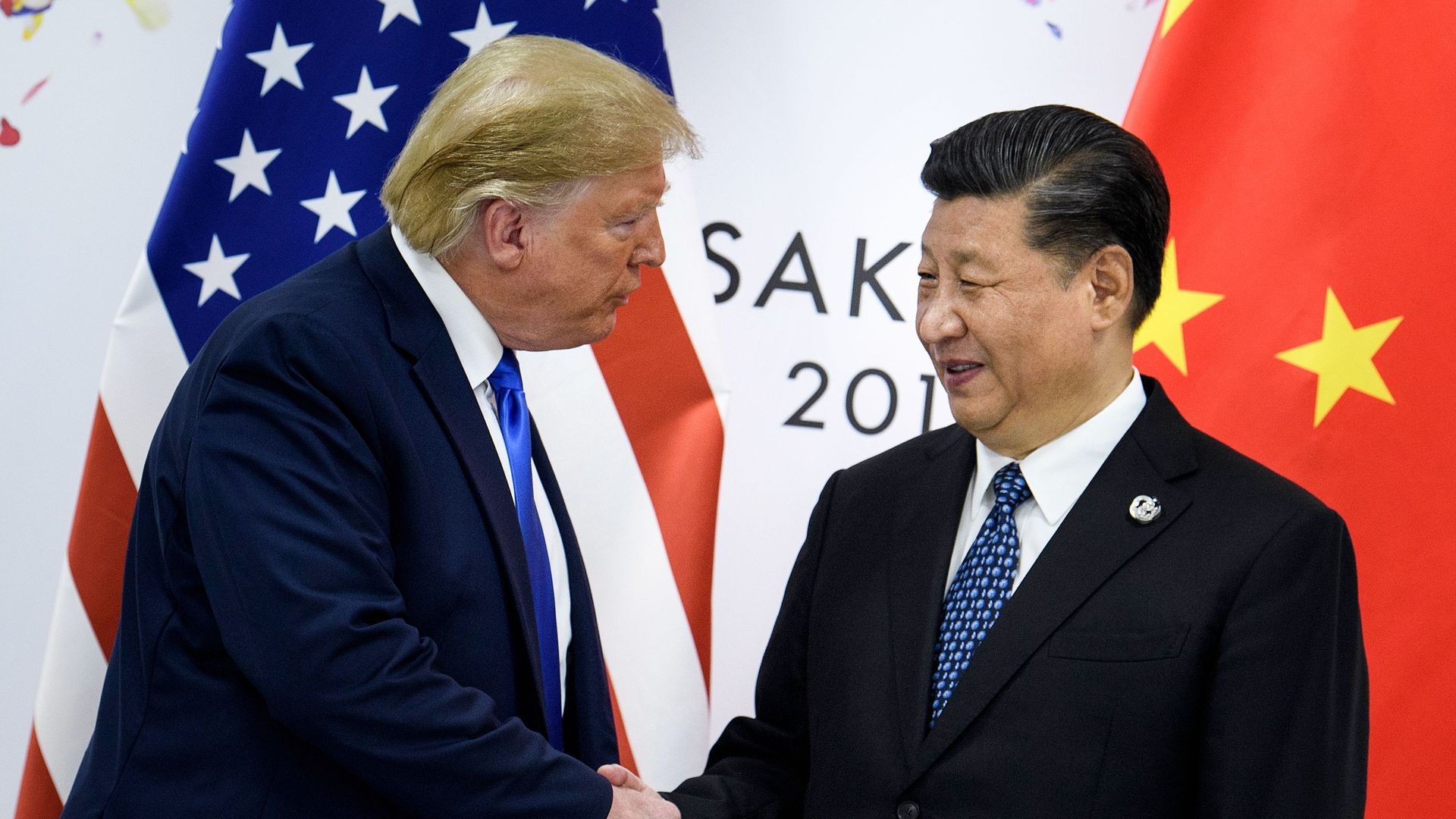
A World Trade Organization panel ruled on Tuesday that the Trump administration's tariffs on over $500 billion worth of Chinese goods violate international rules, Bloomberg reports.
Why it matters: It may be a rhetorical victory for Beijing, which has denounced Trump's trade war, but the ruling will have no binding effect. President Trump has blocked all new appointments to the WTO's dispute-resolution court, rendering the international body effectively toothless.
"It may be time for a reckoning" with social media's role in spreading disinformation, Melinda Gates told "Axios on HBO" Monday — but she doesn't see that happening until after the pandemic ends.
Between the lines: Bill and Melinda Gates are clearly big believers in technology. But they've also seen firsthand the impact of disinformation, as they've become targets of conspiracy theories amplified and spread via social media.
Peloton's stock surged after the company announced its fiscal fourth-quarter sales jumped 172%, thanks to an increase in at-home workouts during the coronavirus pandemic.
The state of play: Investors salivated over Peloton's outlook for the current quarter and fiscal 2021, but a new survey from CivicScience suggests the company may have a hard time finding new customers.
The fate of one of Wall Street's most polarizing stocks — embattled electric truck maker Nikola, the company accused of being an “intricate fraud built on dozens of lies” and now facing a reported SEC investigation — will be decided almost entirely by long-only investors and mostly by retail traders.
Why it matters: This could be the ultimate test of Wall Street's current buy-the-dip ethos and the option market mania that has driven equity prices and valuations through the roof despite a withering economy.
A cycling boom has materialized as a result of the pandemic, with people around the globe taking part in the two-wheel revolution at unprecedented levels.
Why it matters: This has not only been a boon to the biking industry, but it also has the chance to permanently alter cities as bike-friendly changes to urban infrastructure got fast-tracked when the pandemic refused to relent.
Sports media companies are leaning further into sports betting as more states legalize the practice and the NFL and college football seasons kick into gear.
Driving the news: ESPN has entered into separate agreements with Caesars Entertainment and DraftKings, both of which include exclusive link integrations (i.e. affiliate partnerships) across ESPN's digital platforms.
Match Group CEO Shar Dubey stepped up her criticism of Apple's App Store policies in an interview with "Axios on HBO" that aired Monday, saying the way that the company applies its policies is "inconsistent and unfair" and takes choices away from consumers.
What happened: In the interview, Dubey said the App Store relationship, wherein the company controls billing and subscriptions, had been "a great source of dissatisfaction."
An overwhelming number of companies this year are giving employees paid time off to work the polls on Election Day.
Why it matters: The push from corporate America comes amid a shortage of poll workers, with many older people who would typically do the job planning to stay home because of COVID-19.
As the coronavirus pandemic shuttered restaurants, movie theaters and bars across the country, more people were flying to dating apps like Tinder, OkCupid and Hinge than ever before.
Shar Dubey, the CEO of Match Group, which owns all three and numerous others, tells "Axios on HBO" the company has learned a lot from the last six months and expects many of the pandemic's dating habits are here to stay.

















/2020/09/15/1600141333112.gif?w=3840)