More than half of the American workforce could be participating in the gig economy within the next 10 years, but the U.S. Bureau of Labor Statistics is underprepared when it comes to collecting who's actually in it, according to Recode.
The big picture: Participants like Uber drivers and Airbnb hosts are becoming an integral way for people to make extra money aside from a 9-to-5 job. However, measuring the data has been so inconsistent, the percentage of gig workers could be anywhere from 4% to 40%. In order for state and local governments to consider different policies like portable benefits and understand what jobs people are accepting in their areas, data will be needed to track mobility.
“The idea that a primary job will pay for most expenses and can be relied on is no longer the case for working Americans.”
— Louis Hyman, director of Cornell’s Future of Work project and a co-director of the Gig Economy Data Hub, told Recode.
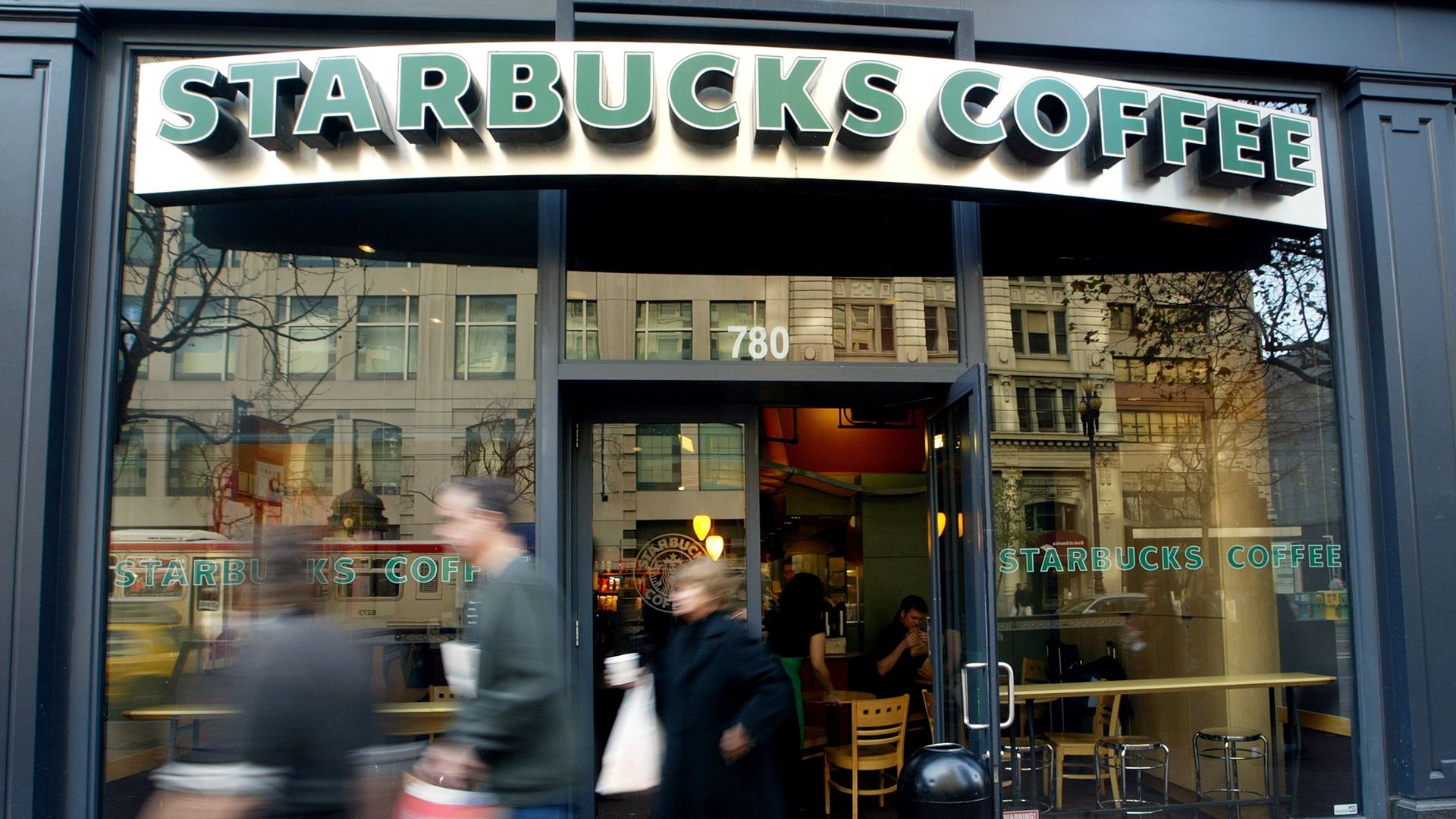
The California state Supreme Court ordered Starbucks Thursday to pay its employees who routinely perform tasks after their scheduled shift, such as store closings.
The backdrop: This comes after Douglas Troester, a Starbucks employee, filed a complaint in court arguing that he should get paid for his time spent closing up the shop, activating the alarm and walking coworkers to their cars — in compliance with the company’s policy.
The CEOs running S&P 500 companies cumulatively took home $10 billion in 2017, an amount that is 44% higher than what is usually reported, according to an Axios analysis of Securities and Exchange Commission filings. The big reason: CEOs cashing in their stock.
Why it matters: Annual proxy filings bury the fact that many of America's top executives are sometimes paid even more than what headlines suggest, due almost entirely to the huge gains they reap from the stock market. Meanwhile, worker wages are stagnant, the average household is living on $59,000 a year, and income inequality has become one of the most visible political rallying cries.
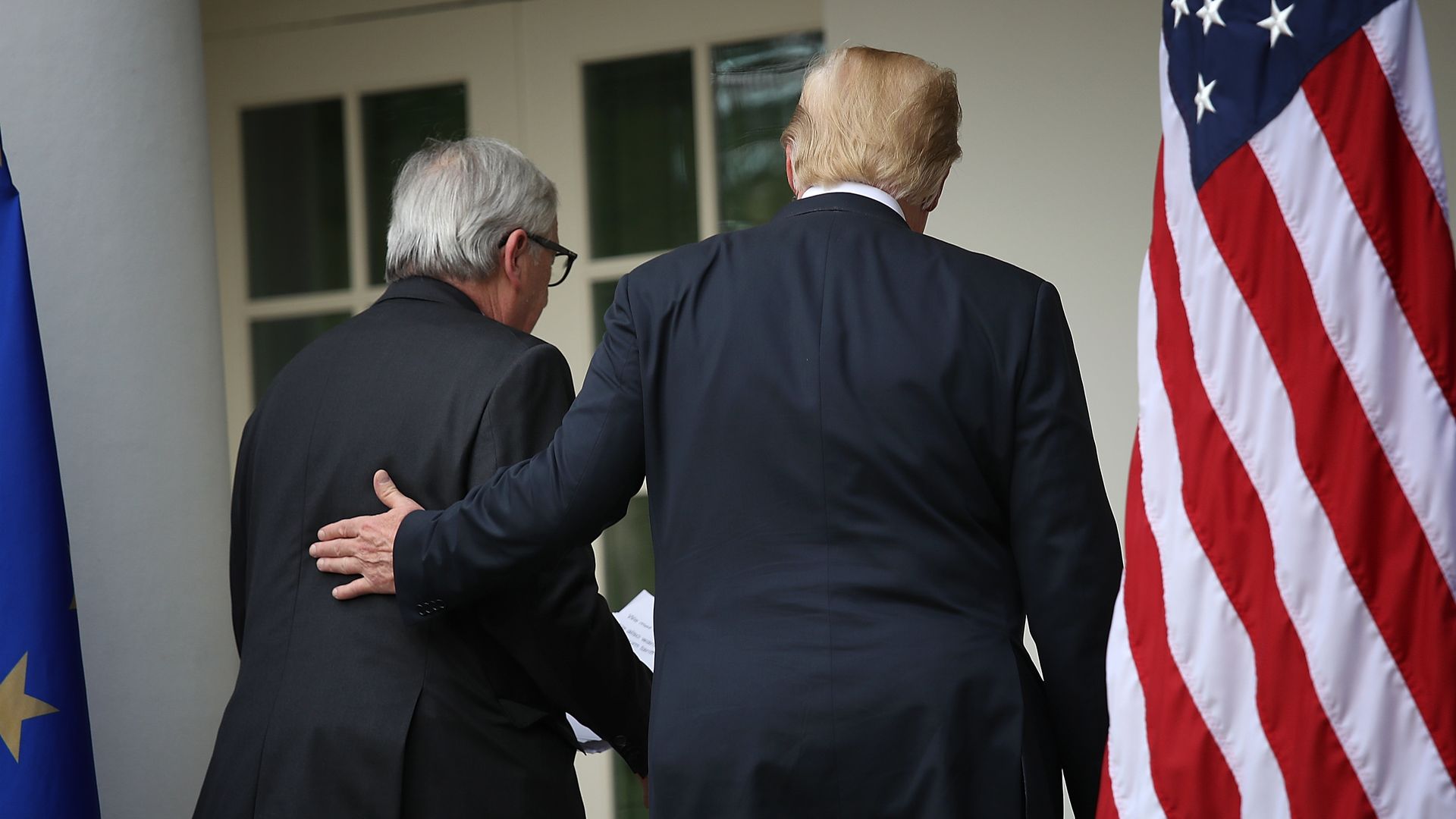
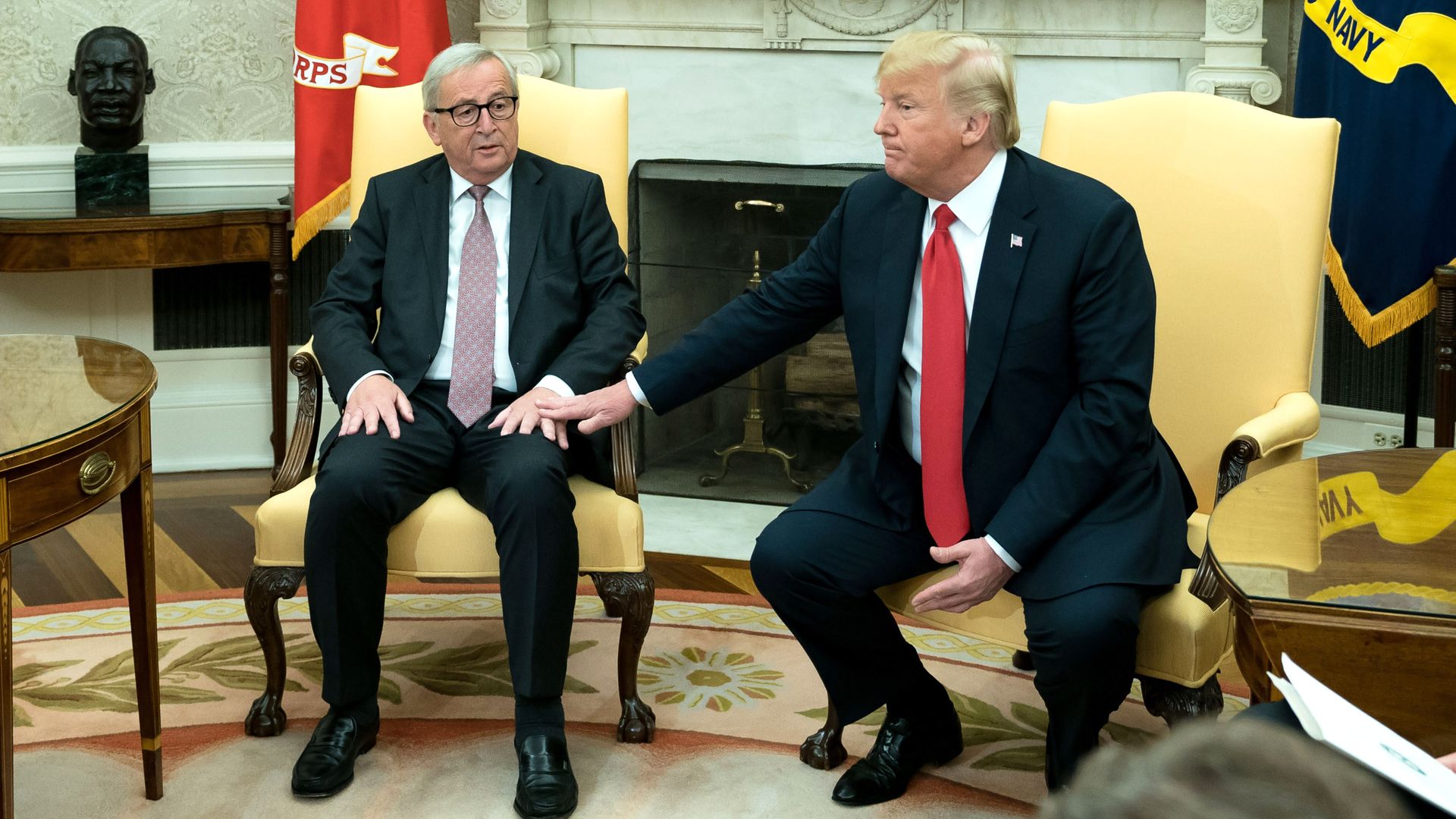
President Trump took a victory lap in the Rose Garden after achieving at least a rhetorical de-escalation of his trade war during a visit by European Commission President Jean-Claude Juncker.
Between the lines: Critics will say Trump was taking credit for solving a problem he caused, but free traders were relieved that at least for now, there's a pause in new tariffs for the Continent. And they hope that Trump has found an exit ramp — a face-saving way to back out of an escalating round of tit-for-tat sanctions that have already begun to hurt Trump Country farmers.
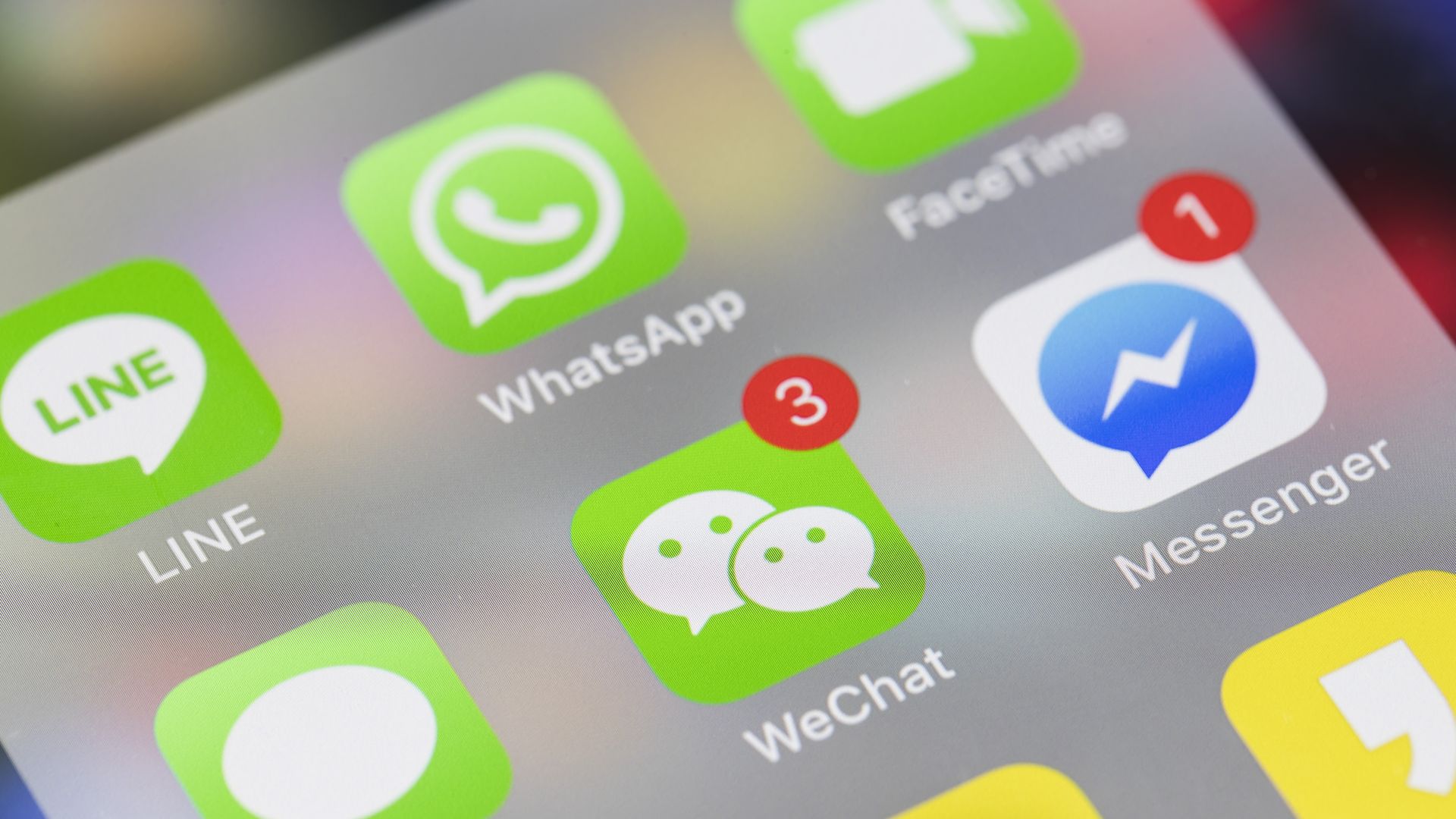
For nearly a decade, social media networks have dominated the tech economy, but as the experience becomes more saturated and invasive, users are turning to private networks, like encrypted messaging.
Why it matters: The transition is rocking the businesses of some of the biggest and fastest-growing tech companies of all time.
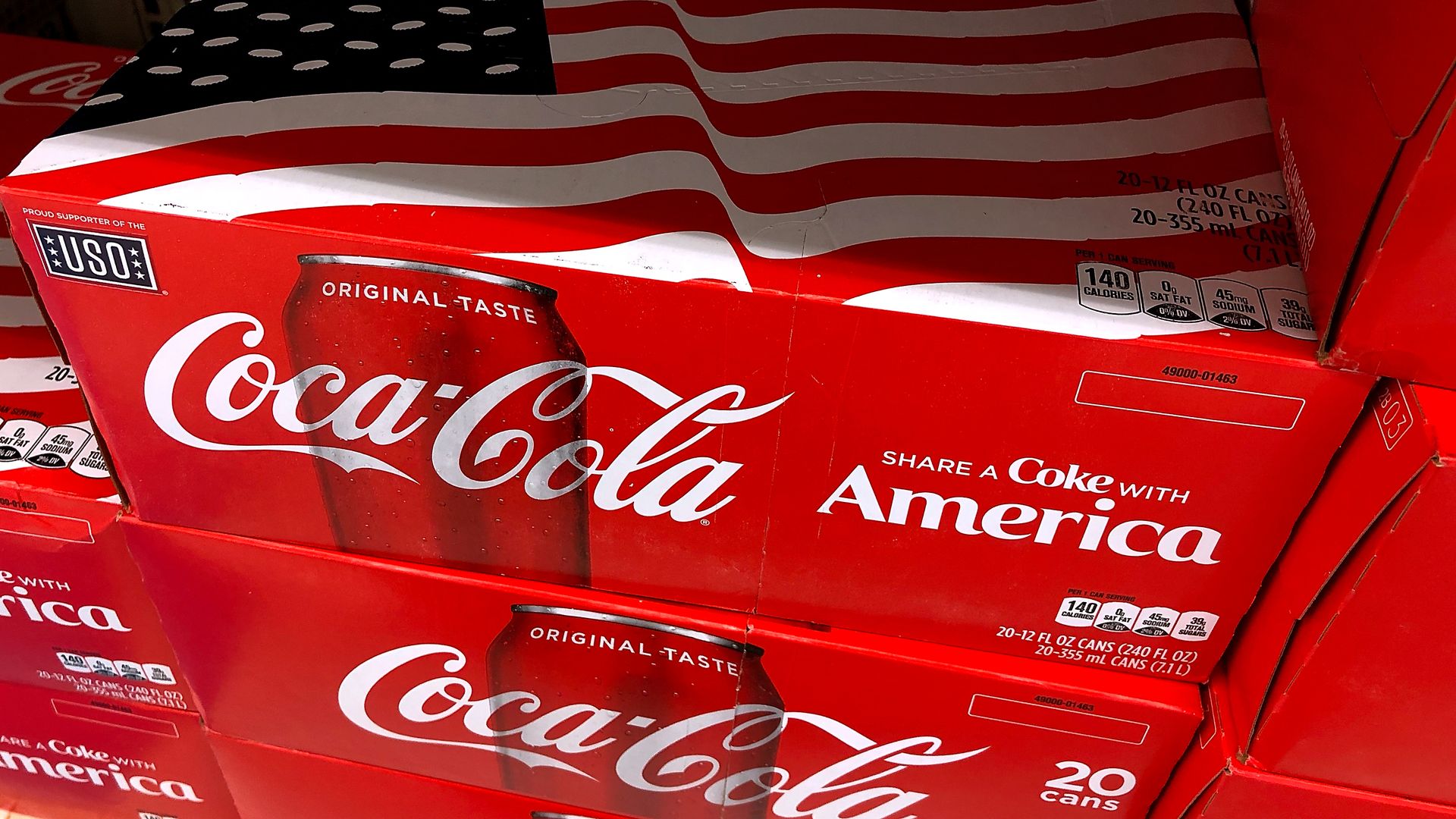
Coca-Cola CEO James Quincey told CNBC on Wednesday that the company will raise prices on its carbonated sodas later this year in response to President Trump's tariffs on imported steel and aluminum on some of the U.S. closest allies, which have slapped retaliatory duties.
"We had to take with our bottling partners an increase [in prices] in our sparkling beverage industry in the middle of the year, which is relatively uncommon. That's the metal steel and aluminum going up. The labor going up."
— Quincey said on CNBC's Squawk on the Street after Coke reported earnings.
He added, however, that the company has a slight advantage over others because its products are American-made. "We're very focused on creating local businesses, with local factories, with local jobs, with local blue collar," he told CNBC. "Less trade and more tariffs will mean less economic growth in the end and that will affect us."
President Trump and European Commission President Jean-Claude Juncker announced Wednesday that they will open negotiations to, as Trump put it, "work toward zero tariffs, zero non-tariff barriers and zero subsidies," and hold off on any further tariffs unless either side terminates the negotiations.
Why it matters: The trade war appears to be on hold, at least on the European front. However, importantly, Trump said the path toward "zero tariffs" applied to "all non-auto industrial goods." Trump has been mulling auto tariffs that could hit EU countries like Germany hard. Juncker struck an optimistic tone, saying “I had the intention to make a deal today and we made a deal today.”
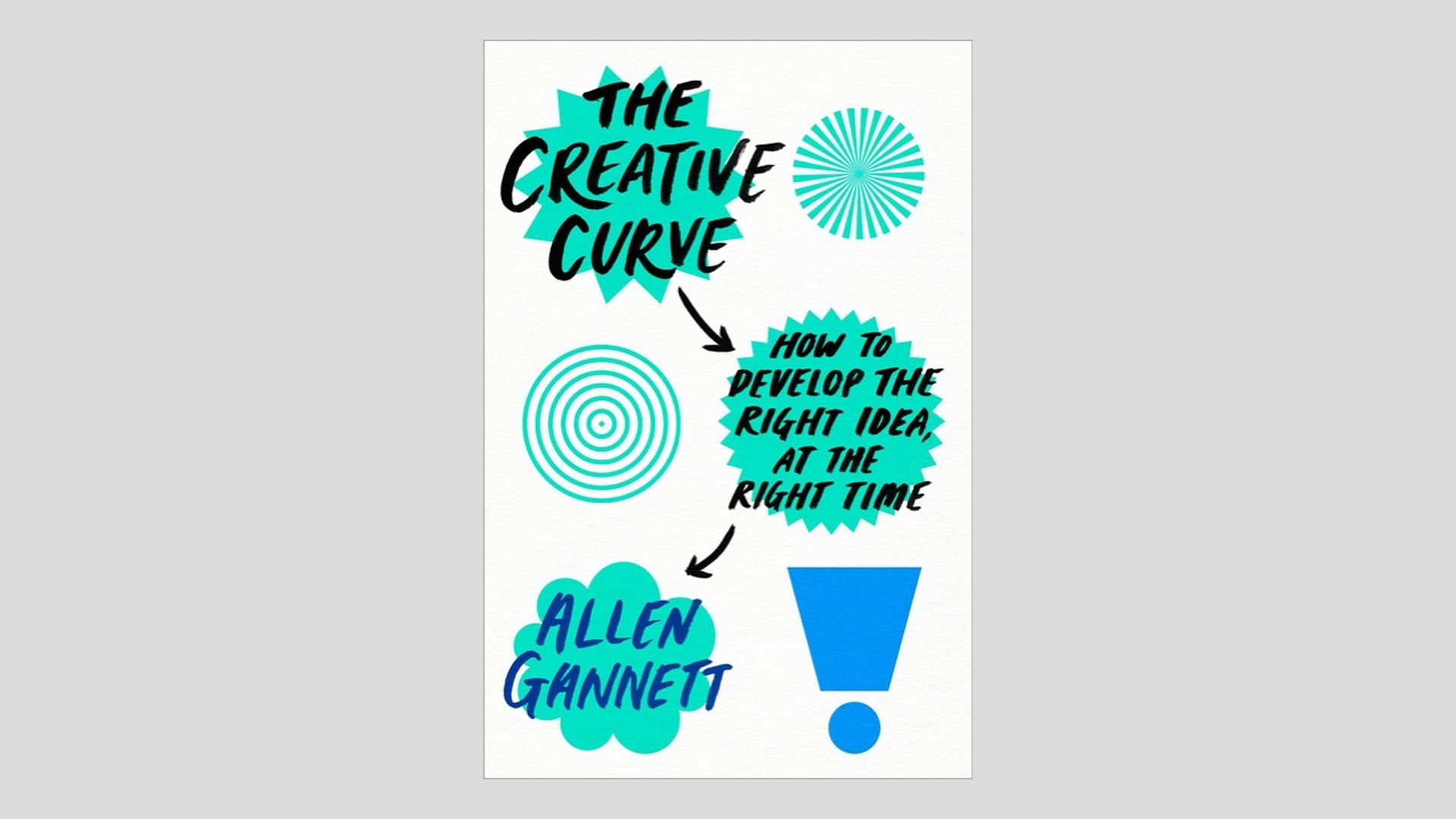
The narrative around the future of jobs is that almost any occupation involving a repetitive process — from assembly work to accounting — is vulnerable to automation. According to McKinsey, automation could eliminate up to 800 million jobs around the world by 2030.
Why it matters: The main savior of a job, it is said, will be creativity — the intangible quality that produced E=MC2 and the iPhone. But how many people can possibly have such brain cells?
In response to political ethics scandals and the #MeToo movement — both turbocharged by social and traditional media — the business world is recognizing how toxic leadership and culture can threaten a company’s image, profits and long-term survival. More “enlightened” CEOs are taking a stand on issues like immigration and more boards are holding executives accountable for ethical organizational culture.
Why it matters: Corporate boards and executives are taking a broader view of their key stakeholders — not just the vaunted shareholder but also their employees and customers.
President Trump's broad attack on trading partners appears to be spooking investors overseas, whose net direct investment in the U.S. has fallen substantially since his election in 2016, says a leading economist.
Why it matters: Adam Posen, president of the Peterson Institute for International Economics, calls this evidence of the start of the "post-American world economy," in which the U.S. becomes excluded by a large amount of foreign trade. He wrote on the thesis Monday in Foreign Affairs.
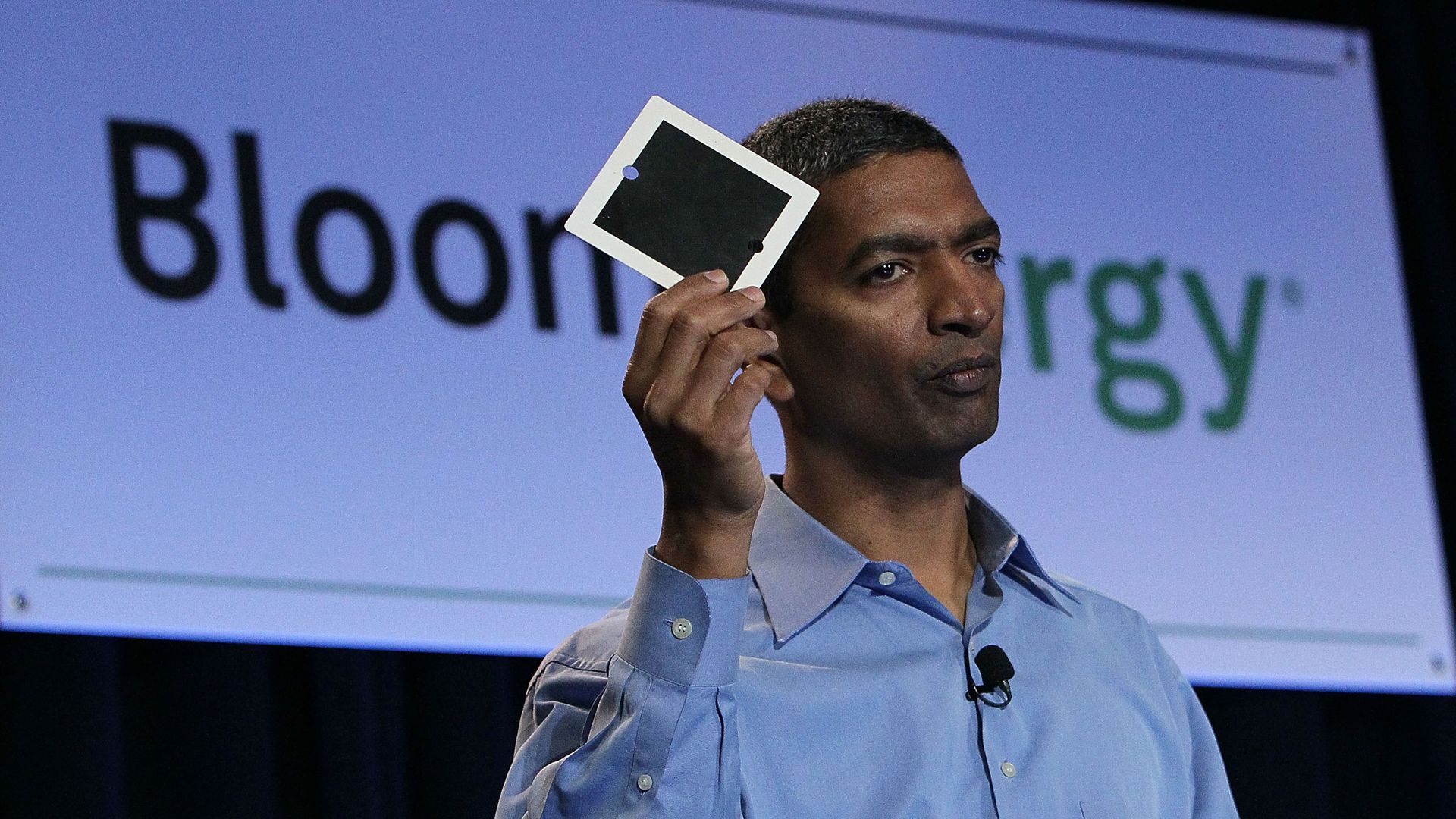
Fuel cell maker Bloom Energy last night priced its IPO, raising $270 million by selling shares at the top of its $13-$15 price range, but big questions remain about why it quietly paid millions of dollars to a pair of men who were accused by federal regulators of defrauding Bloom Energy investors.
Bottom line: One of those men wants to talk about it, but Bloom refuses to waive a confidentiality agreement.
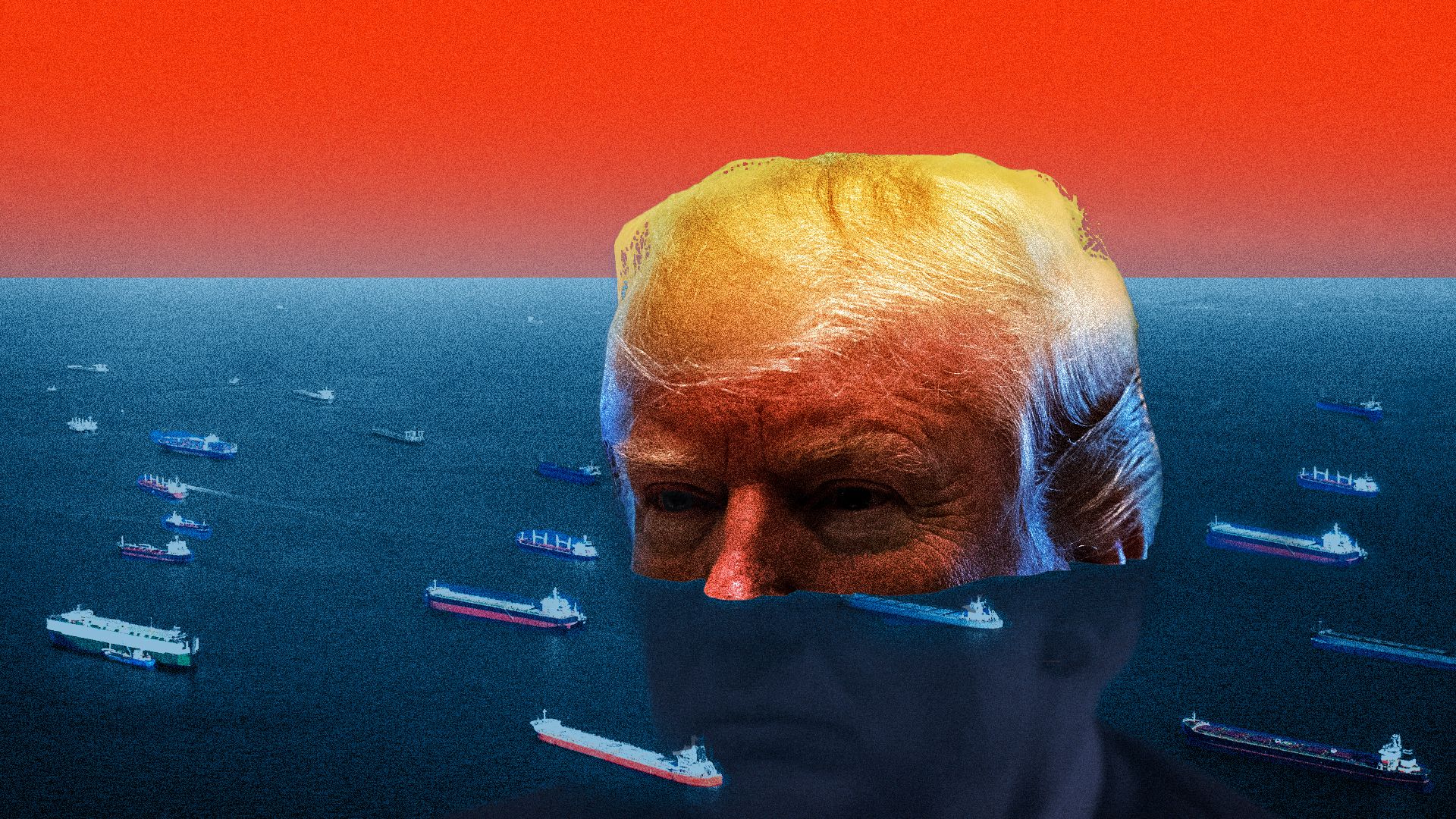
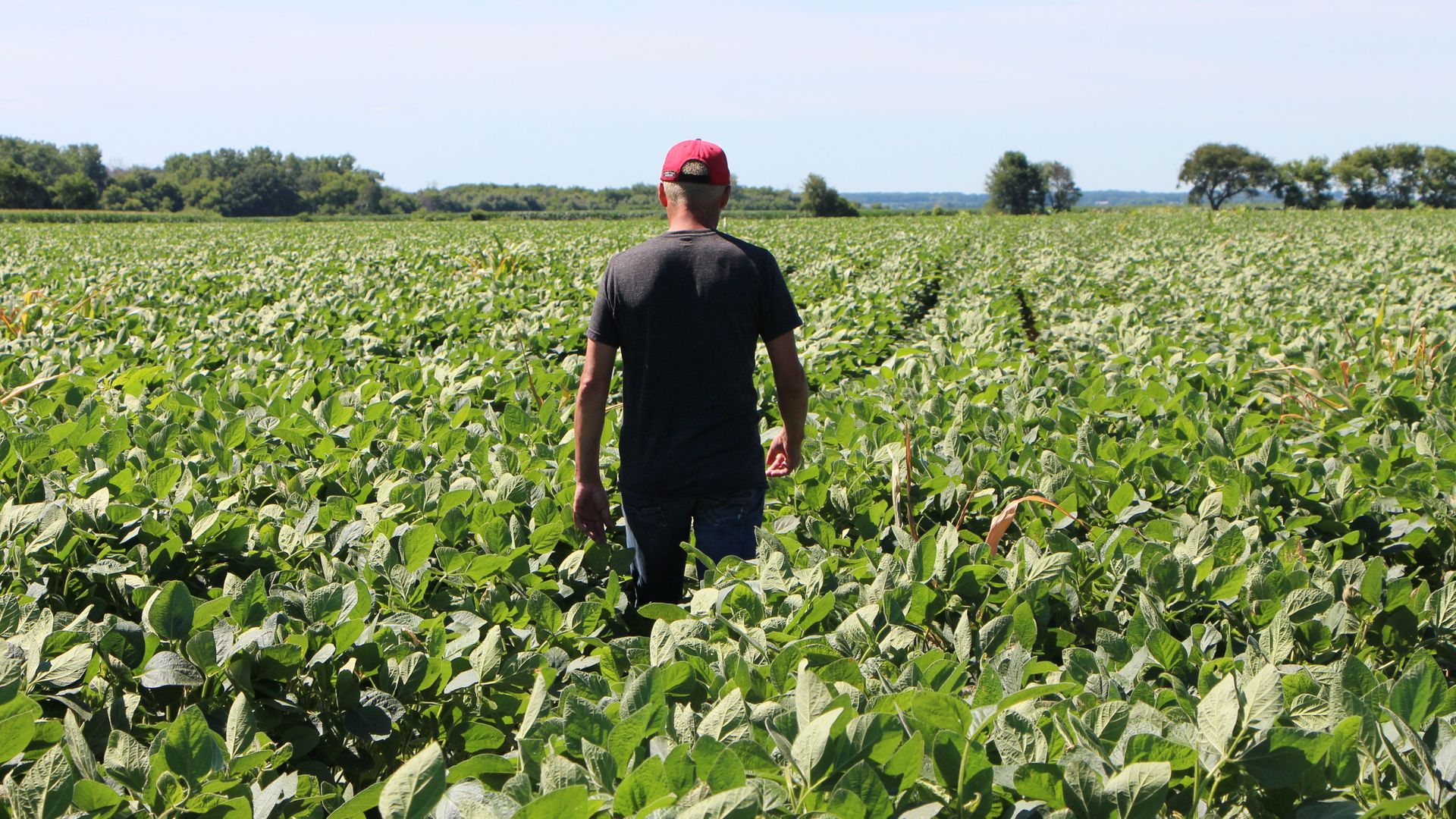
President Trump declared that tariffs are “the greatest” on Tuesday, just as his administration prepares to give $12 billion in emergency aid to farmers targeted by global retaliation to his trade policies. But the agriculture export market is so large that even $12 billion will only delay the inevitable: deep, long-term damage to the U.S. agricultural sector.
The big picture: The model for U.S. agriculture business is based on export markets. For producers of soybeans, corn, pork and myriad other products, the retaliatory actions by some of our biggest purchasers in China, Canada, Mexico and the EU mean the end of that model.
Georgia State Rep. Jason Spencer will resign at the end of July after yelling racial slurs and exposing himself on Sacha Baron Cohen's Showtime series, per the Atlanta Journal Constitution.
The big picture: Spencer initially refused to resign, but the political pressure after his appearance on "Who Is America?" became too much to ignore. His resignation now adds to the fallout from Cohen's series, which has targeted other high-profile Republicans.
"Every time I see a weak politician asking to stop Trade talks or the use of Tariffs to counter unfair Tariffs, I wonder, what can they be thinking? Are we just going to continue and let our farmers and country get ripped off? Lost $817 Billion on Trade last year. No weakness!"
President Trump was unhappy with First Lady Melania Trump after she turned her television on Air Force One to CNN, a network largely regarded as "fake news" by her husband, the New York Times' Katie Rogers and Maggie Haberman report.
Why it matters: This is further indication that Trump is "living in a world of selected information and bending the truth to his own narrative," Rogers and Haberman write.
One day ahead of President Trump's meeting with European Commission President Jean-Claude Juncker in Washington, he tweeted his suggestion to come to an agreement on trade, explaining, "Both the U.S. and the E.U. drop all Tariffs, Barriers and Subsidies! That would finally be called Free Market and Fair Trade!"