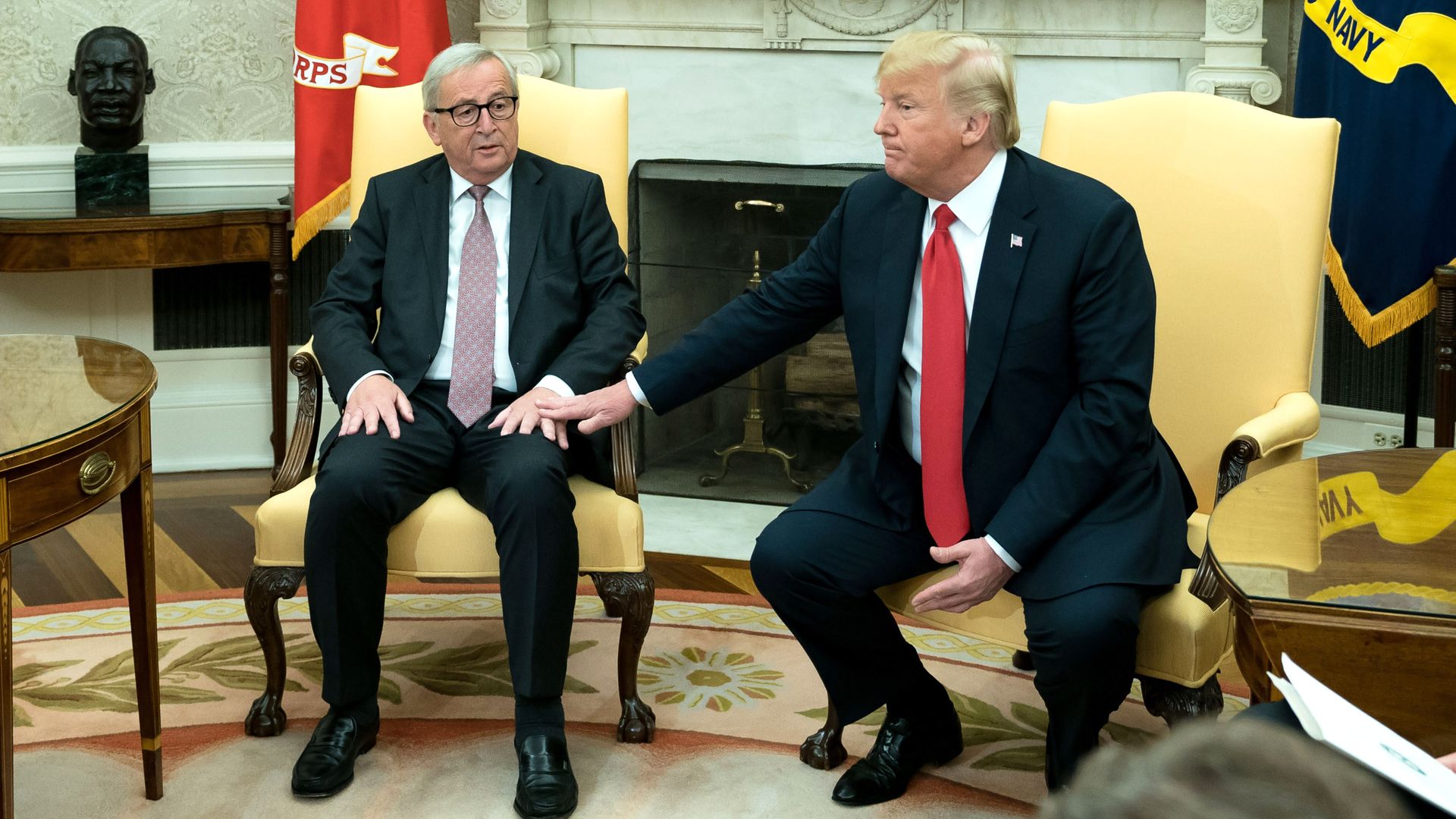
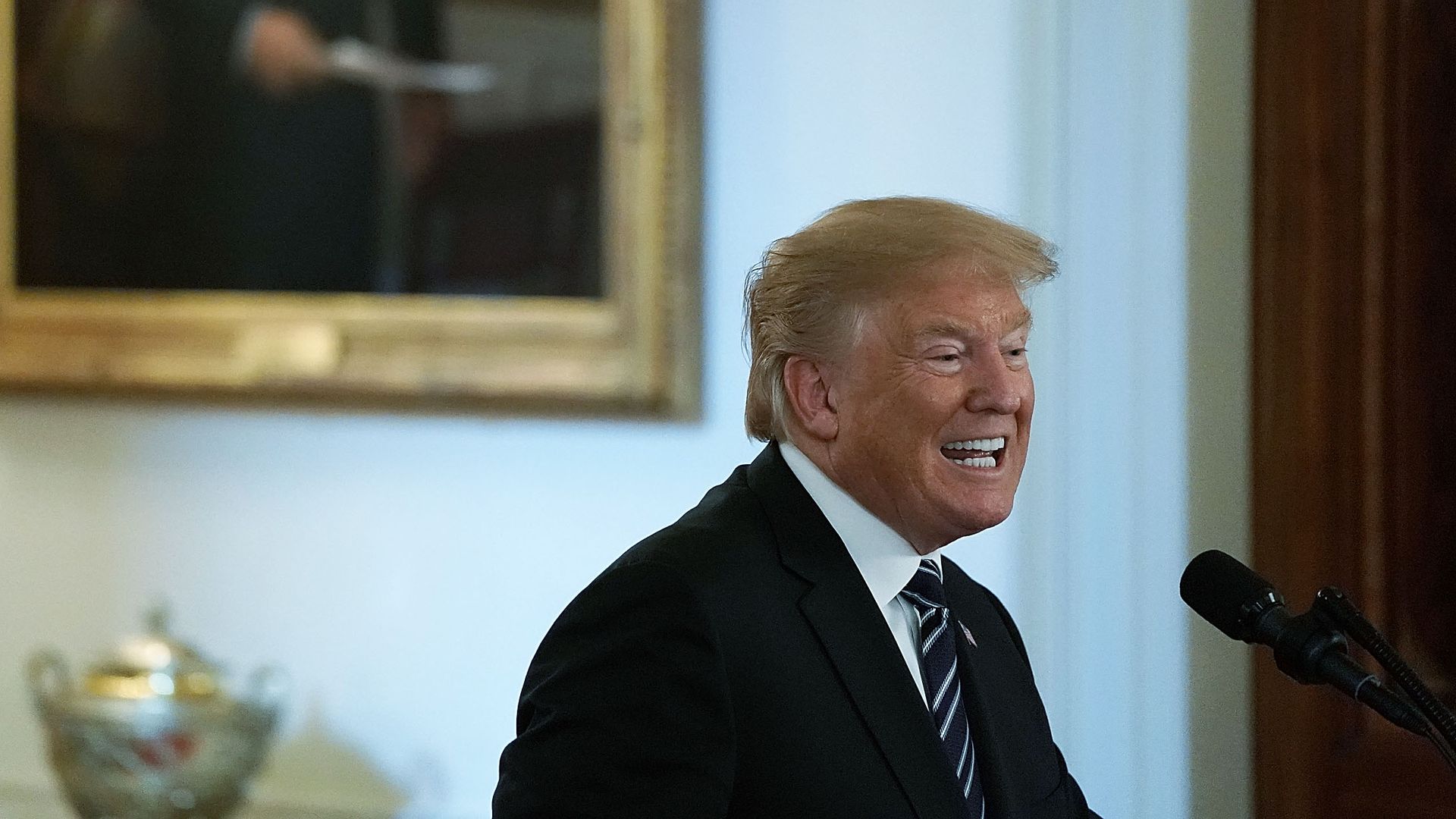
President Trump and European Commission President Jean-Claude Juncker announced Wednesday that they will open negotiations to, as Trump put it, "work toward zero tariffs, zero non-tariff barriers and zero subsidies," and hold off on any further tariffs unless either side terminates the negotiations.
Why it matters: The trade war appears to be on hold, at least on the European front. However, importantly, Trump said the path toward "zero tariffs" applied to "all non-auto industrial goods." Trump has been mulling auto tariffs that could hit EU countries like Germany hard. Juncker struck an optimistic tone, saying “I had the intention to make a deal today and we made a deal today.”
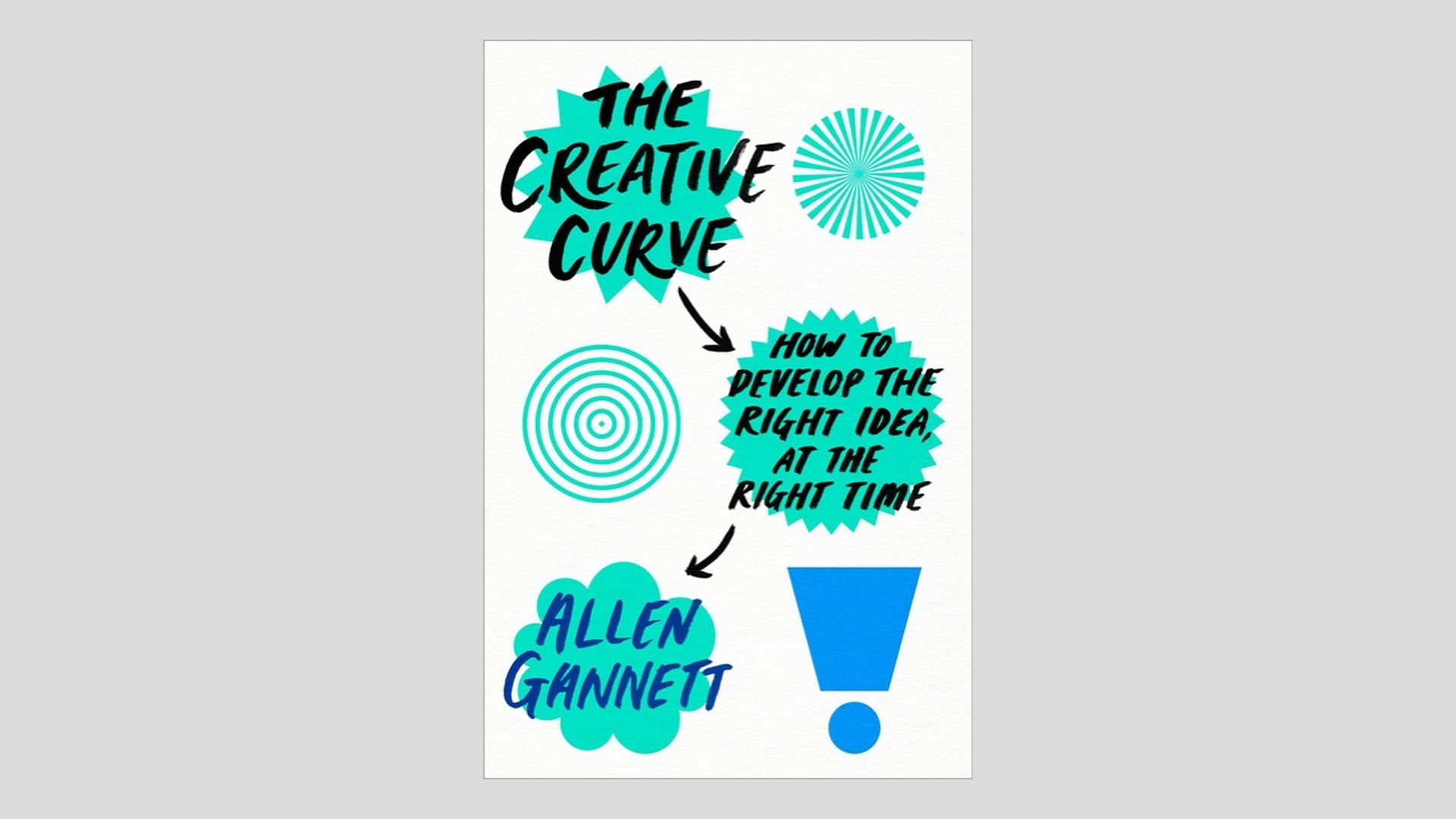
The narrative around the future of jobs is that almost any occupation involving a repetitive process — from assembly work to accounting — is vulnerable to automation. According to McKinsey, automation could eliminate up to 800 million jobs around the world by 2030.
Why it matters: The main savior of a job, it is said, will be creativity — the intangible quality that produced E=MC2 and the iPhone. But how many people can possibly have such brain cells?
In response to political ethics scandals and the #MeToo movement — both turbocharged by social and traditional media — the business world is recognizing how toxic leadership and culture can threaten a company’s image, profits and long-term survival. More “enlightened” CEOs are taking a stand on issues like immigration and more boards are holding executives accountable for ethical organizational culture.
Why it matters: Corporate boards and executives are taking a broader view of their key stakeholders — not just the vaunted shareholder but also their employees and customers.
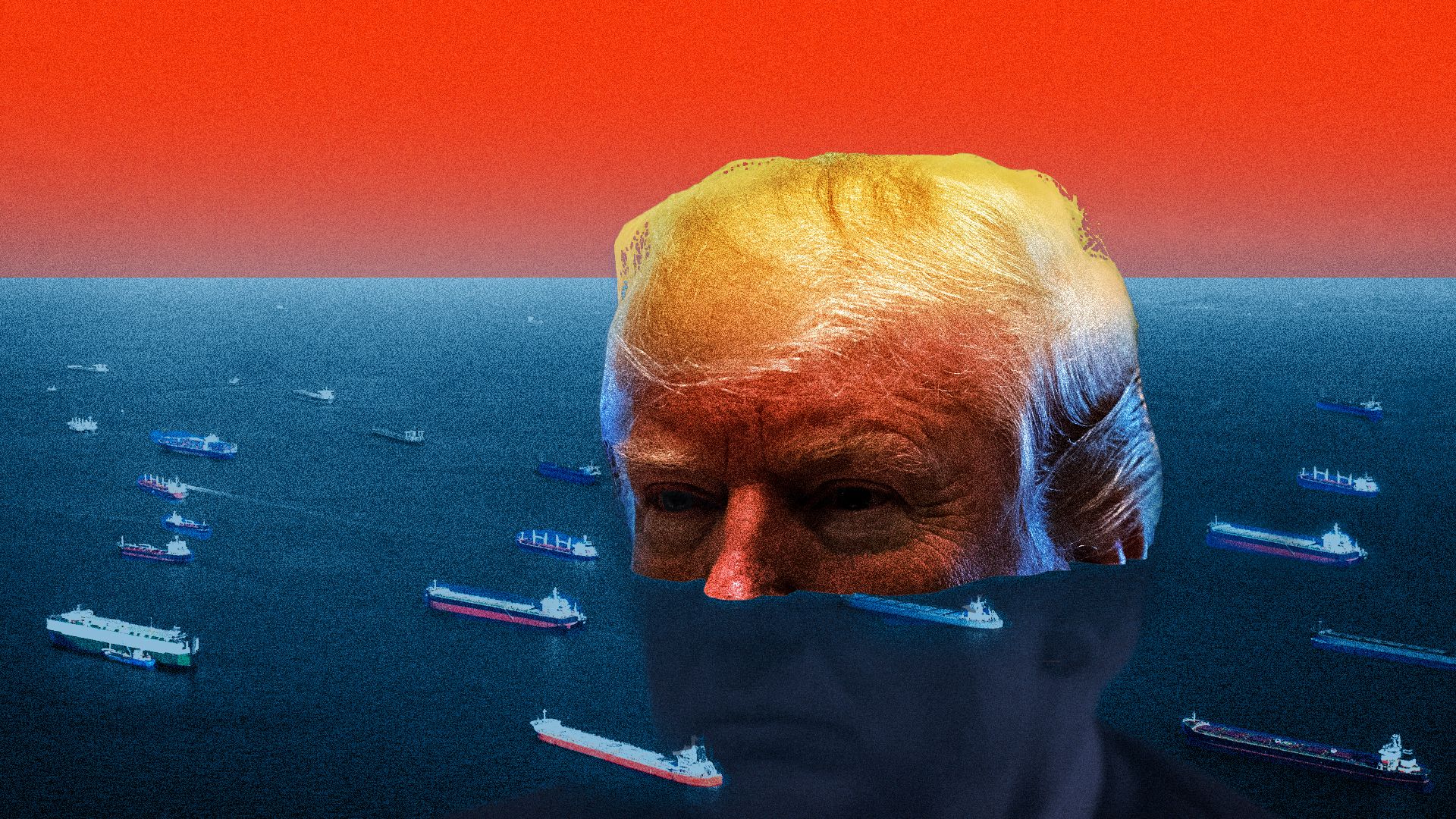
President Trump's broad attack on trading partners appears to be spooking investors overseas, whose net direct investment in the U.S. has fallen substantially since his election in 2016, says a leading economist.
Why it matters: Adam Posen, president of the Peterson Institute for International Economics, calls this evidence of the start of the "post-American world economy," in which the U.S. becomes excluded by a large amount of foreign trade. He wrote on the thesis Monday in Foreign Affairs.
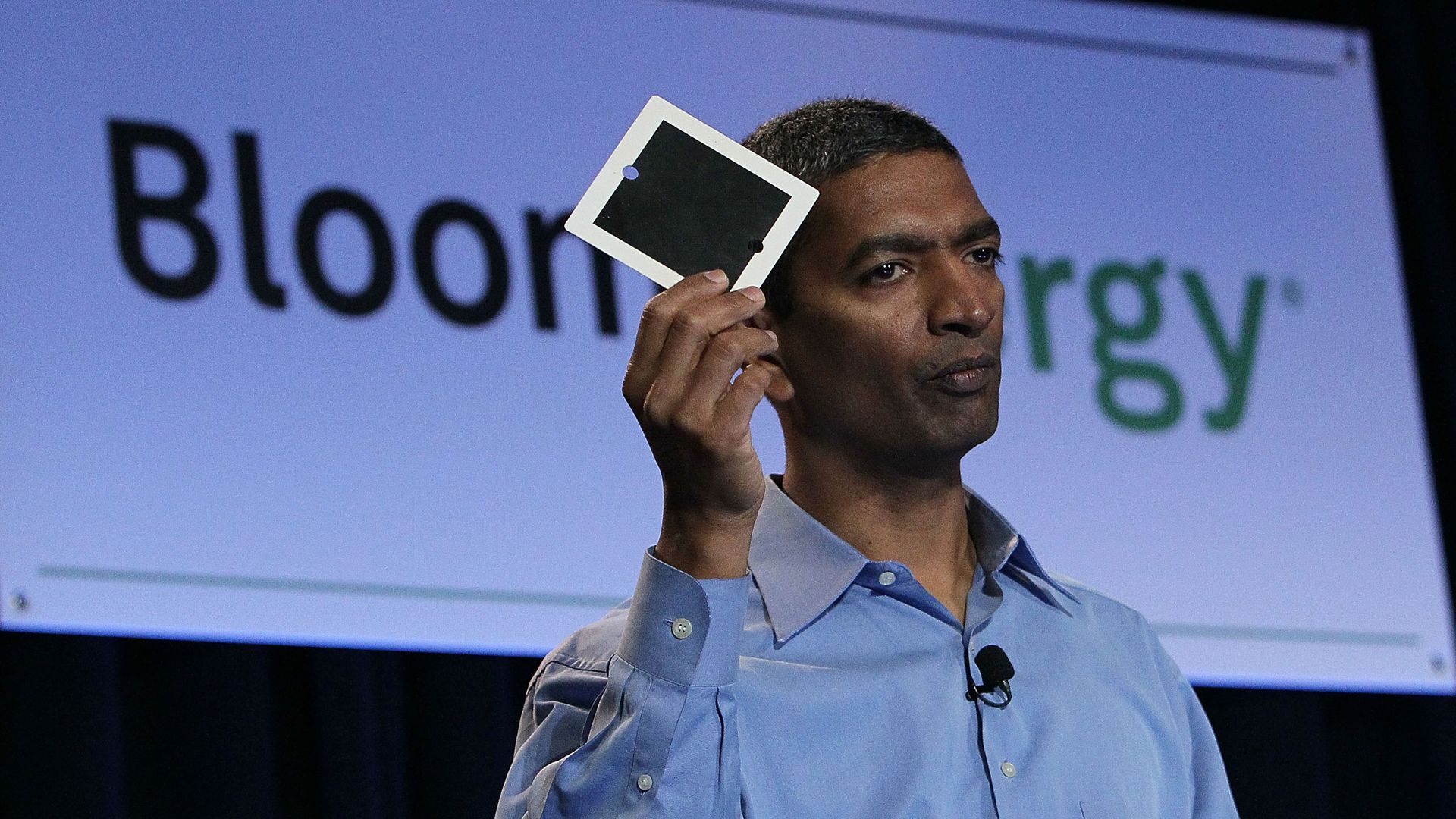
Fuel cell maker Bloom Energy last night priced its IPO, raising $270 million by selling shares at the top of its $13-$15 price range, but big questions remain about why it quietly paid millions of dollars to a pair of men who were accused by federal regulators of defrauding Bloom Energy investors.
Bottom line: One of those men wants to talk about it, but Bloom refuses to waive a confidentiality agreement.
President Trump declared that tariffs are “the greatest” on Tuesday, just as his administration prepares to give $12 billion in emergency aid to farmers targeted by global retaliation to his trade policies. But the agriculture export market is so large that even $12 billion will only delay the inevitable: deep, long-term damage to the U.S. agricultural sector.
The big picture: The model for U.S. agriculture business is based on export markets. For producers of soybeans, corn, pork and myriad other products, the retaliatory actions by some of our biggest purchasers in China, Canada, Mexico and the EU mean the end of that model.
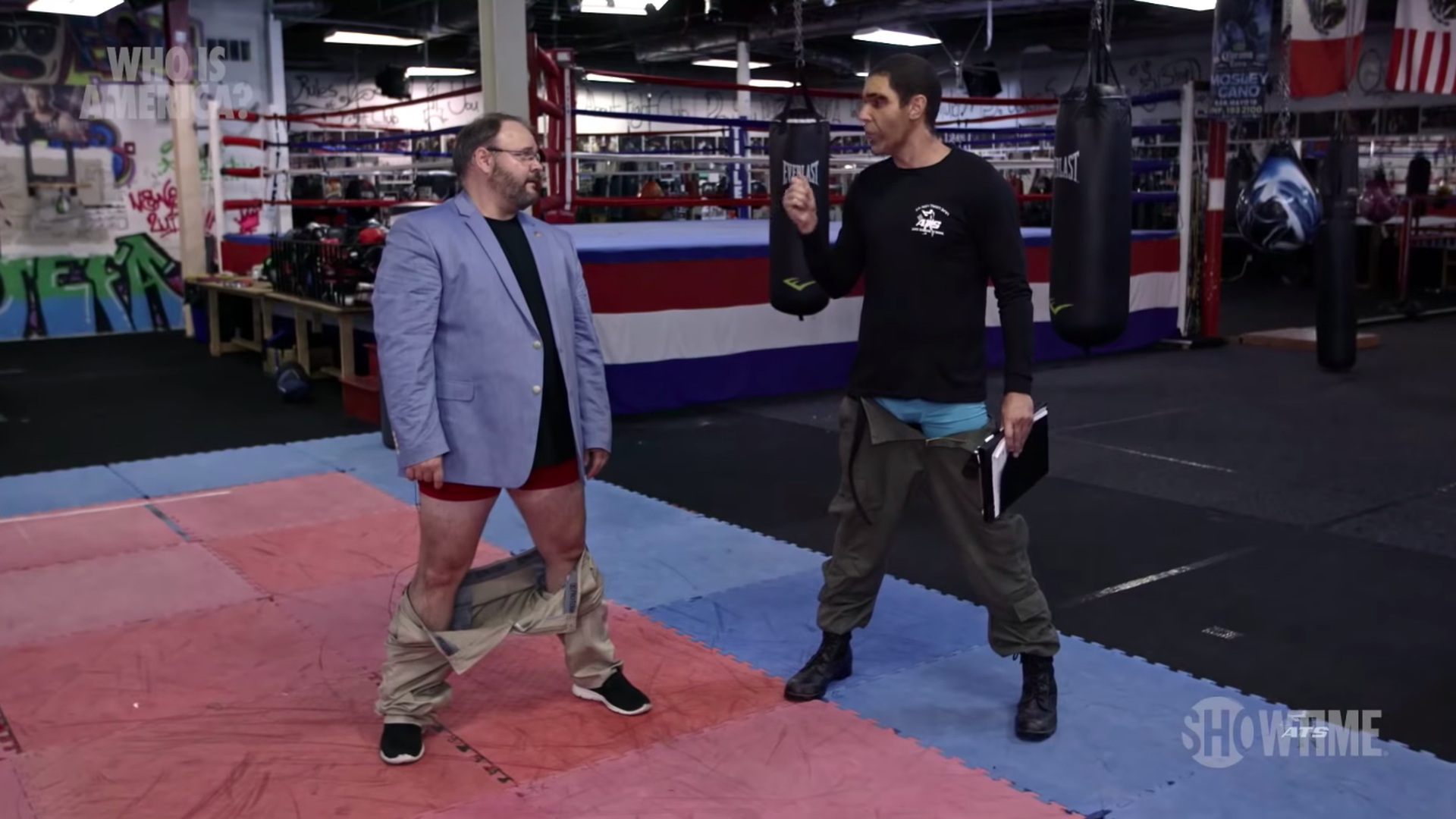
Georgia State Rep. Jason Spencer will resign at the end of July after yelling racial slurs and exposing himself on Sacha Baron Cohen's Showtime series, per the Atlanta Journal Constitution.
The big picture: Spencer initially refused to resign, but the political pressure after his appearance on "Who Is America?" became too much to ignore. His resignation now adds to the fallout from Cohen's series, which has targeted other high-profile Republicans.
"Every time I see a weak politician asking to stop Trade talks or the use of Tariffs to counter unfair Tariffs, I wonder, what can they be thinking? Are we just going to continue and let our farmers and country get ripped off? Lost $817 Billion on Trade last year. No weakness!"
President Trump was unhappy with First Lady Melania Trump after she turned her television on Air Force One to CNN, a network largely regarded as "fake news" by her husband, the New York Times' Katie Rogers and Maggie Haberman report.
Why it matters: This is further indication that Trump is "living in a world of selected information and bending the truth to his own narrative," Rogers and Haberman write.