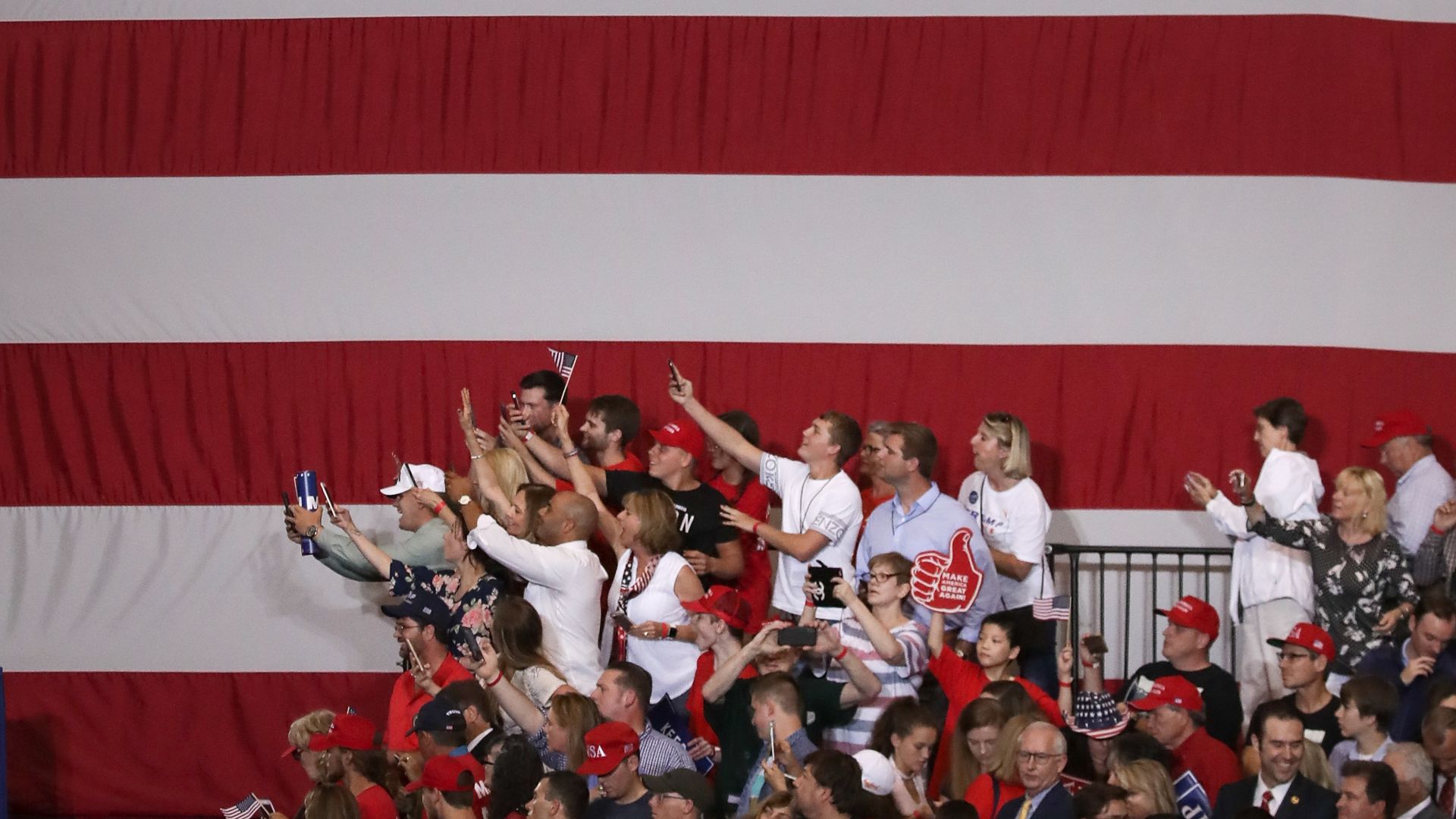
If you want a glimpse of how competitive the fight to take over the U.S. House has become in 2018, just turn on the TV.
Driving the news: Democrats and Republicans have spent nearly $40 million on more than 128,000 Congressional campaign ads through June 11, up 54% from the same period in 2014, Bloomberg reports.
Last week, activist firm Elliott Management Corporation mandated that California-based Sempra Energy return to basics and shutter future growth activities. With U.S. electricity demand continuing to flatline, "a return to basics" will juice near-term prices, but risks Sempra’s long-term stability.
Why it matters: Elliott's strategy, like those of other activist investors, intensifies the structural pressure on once-stable utilities. As declining utility demand, stiffer competition and increased consumer interest in distributed services challenge legacy service models, utilities are struggling in part because some owners are playing a profit-squeezing short-game at the expense of long-term planning.
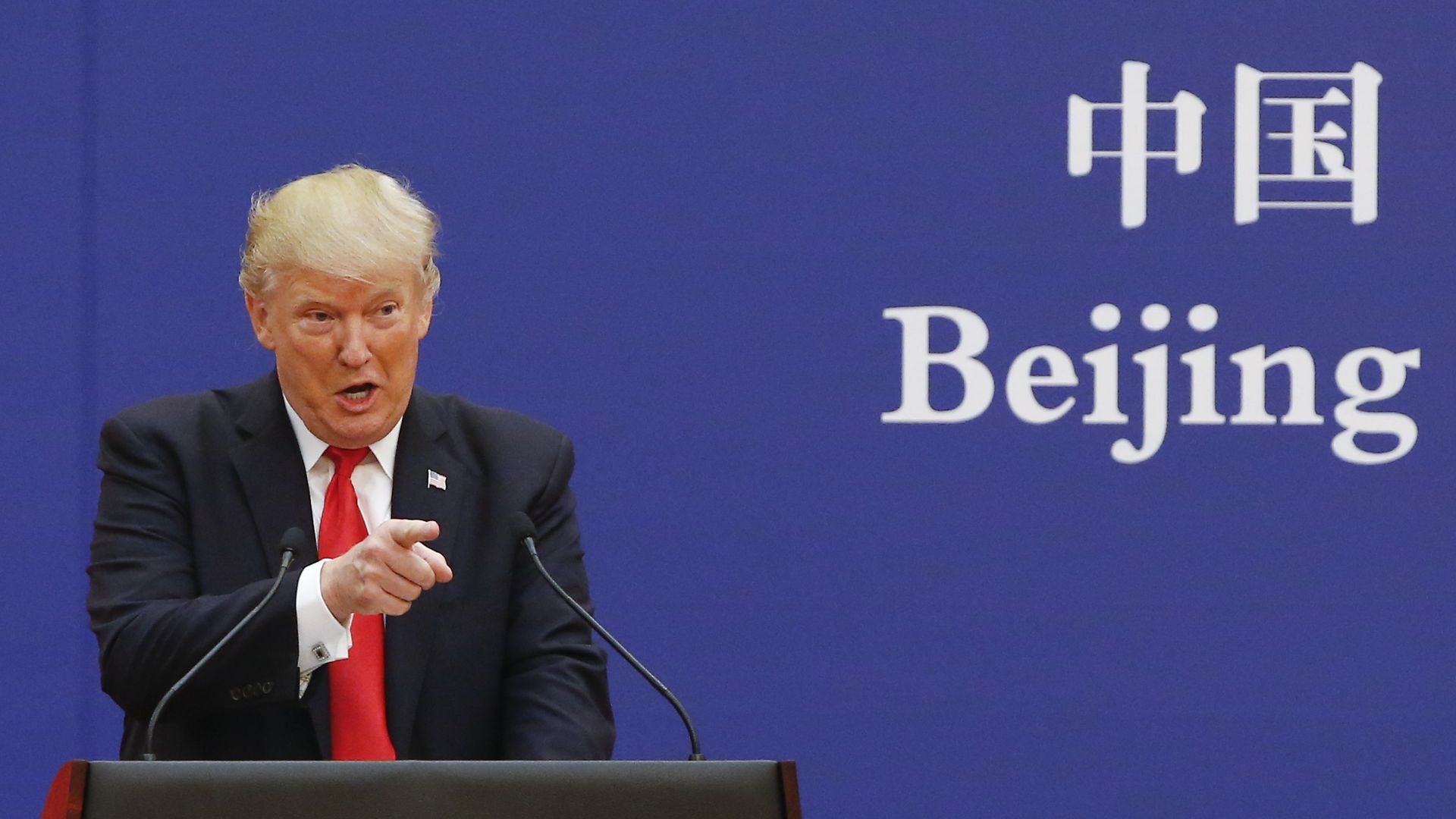
U.S. soybean prices are down more than 2% Tuesday, reports Business Insider. They fell after President Trump announced a new round of tariffs on $200 billion worth of Chinese goods, spurring fears that Beijing — the biggest consumer of U.S. soybeans — could retaliate by imposing its own tariffs.
The big picture: China has included soybeans and sorghum on previous lists of proposed retaliatory tariffs. It's a political move by Beijing to hit farmers and rural voters in Trump's base.
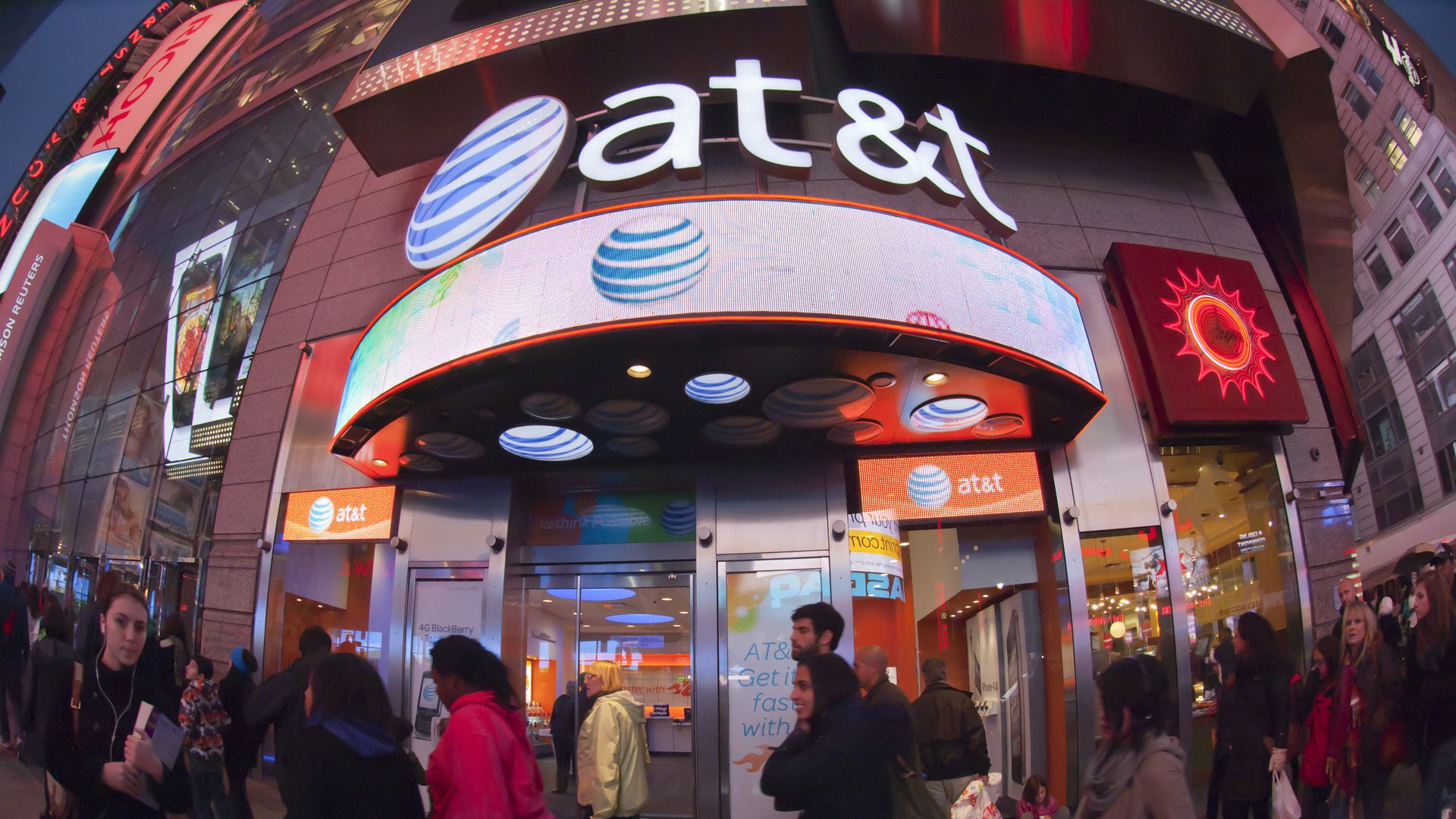
Now that AT&T has successfully completed the transaction of Time Warner, it's moving quickly to get its ad business up and running.
Why it matters: AT&T hopes it will bring them a new revenue stream that can help subsidize Pay-TV losses as more people cut the cord. Marketers hope it will give them a new way to more seamlessly target consumers across many screens and devices.
Racked, the retail website that was acquired by Vox Media in 2013, is going to be converted from a standalone website into a vertical that will live within Vox (the website), Axios has learned.
Why it matters: The move suggests that Vox Media feels that some of its eight standalone brands may be easier to market and sell as verticals under its flagship news site, Vox.
Technical experts and their peers are considered the most credible for information on social media, according to the latest 2018 Edelman Trust Barometer survey. By comparison, celebrities, corporate executives and journalists are considered far less credible.
Reproduced from Edelman Trust Barometer, Special Report: Brands and Social Media, 2018; Chart: Axios Visuals
AT&T's acquisition of Time Warner will create a media conglomerate that combines premium content with a vast distribution network to deliver it to consumers.
Why it matters: One of its first experiments in marrying the two will be a "skinny bundle" called AT&T Watch, providing Time Warner content (minus sports) to mobile customers. This is a glimpse at the future of media — packages of content curated and disseminated by the same companies that provide the broadband service you need to watch it in the first place.
President Trump announced in a statement Monday night that, in addition to the administration's recently-announced tariffs on $50 billion worth of imports from China, he has also directed the United States Trade Representative "to identify $200 billion worth of Chinese goods for additional tariffs at a rate of 10 percent."
Why it matters: Trump initially warned China against retaliating to his administration's latest round of sanctions, but China ignored it and imposed their own tariffs of equal measure. This latest threat is Trump's second warning, in which he clearly states: "these tariffs will go into effect if China refuses to change its practices, and also if it insists on going forward with the new tariffs that it has recently announced."
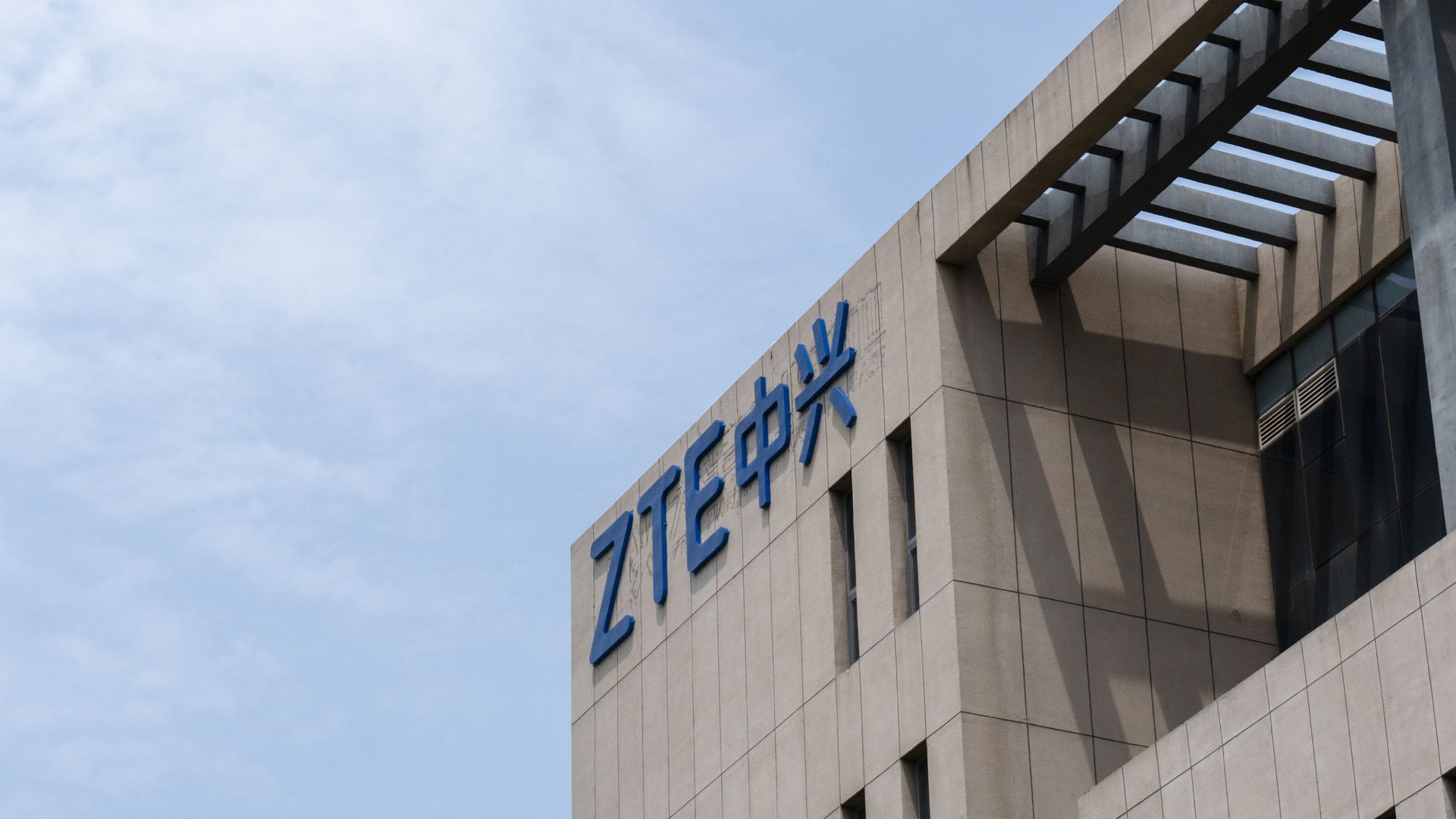
The Senate voted Monday night to reinstate the U.S. ban on Chinese telecom giant ZTE, which has violated American sanctions and was labeled as a national security threat by the Pentagon.
Why it matters: The Senate's rejection is a strong rebuke, by lawmakers from both parties, of the Trump administration's decision to resurrect ZTE.
Last week, the United States unveiled a $255 million new home for the American Institute of Taiwan — Washington's de facto embassy in Taipei. While the move angered Beijing, it was an outlier. Outside of Washington, President Xi Jinping's hardline approach to Taiwan is getting results.
The big picture: China is chipping away at Taipei's legitimacy on the international stage by pressuring companies and foreign countries to stop treating the self-governing island as a sovereign nation — and Beijing has the economic leverage to pull it off.
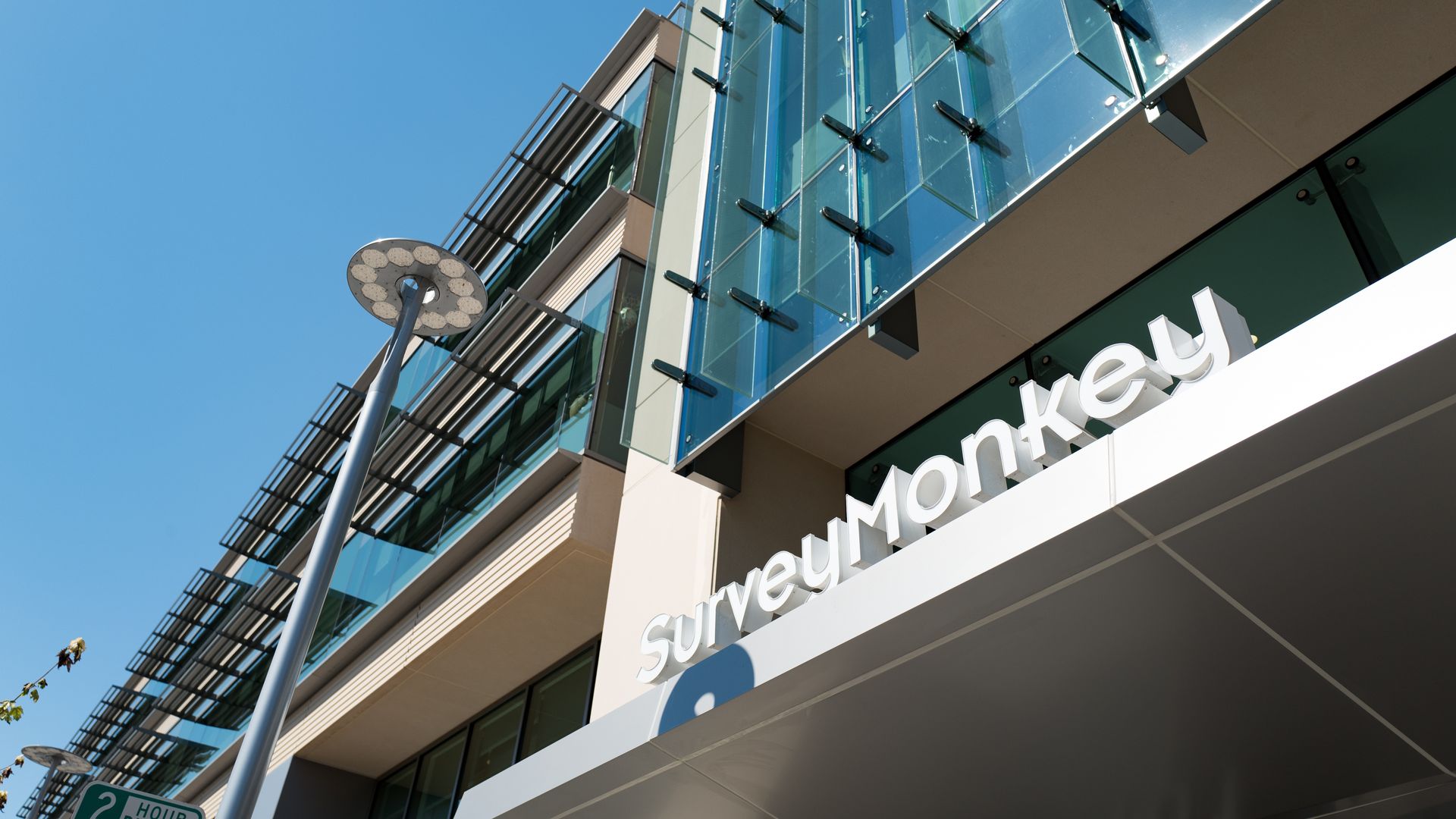
SurveyMonkey, a San Mateo, Calif.-based provider of survey software, said on Monday that it has confidentially submitted its registration to go public. The company is expected to file publicly soon after regulatory review.
Why it matters: Founded in 1999, SurveyMonkey was said to be looking to go public a few years ago, but those plans were put on hold after then-CEO Dave Goldberg died in May 2015. Since then, the company has undergone management changes and other business adjustments to get back on track.
Google has agreed to invest $550 million into Chinese online retail giant JD.com as part of a strategic global partnership that will also include offering many of the latter's products via Google Shopping in certain regions.
Why it matters: For Google, teaming up with a major Chinese company can potentially help it enter the Chinese market someday, as well as give it a leg up in certain markets in Asia. For JD.com, the deal allows it to expand its business to regions where it may be less known and compete with Amazon.









/2018/06/18/1529346908595.gif?w=3840)