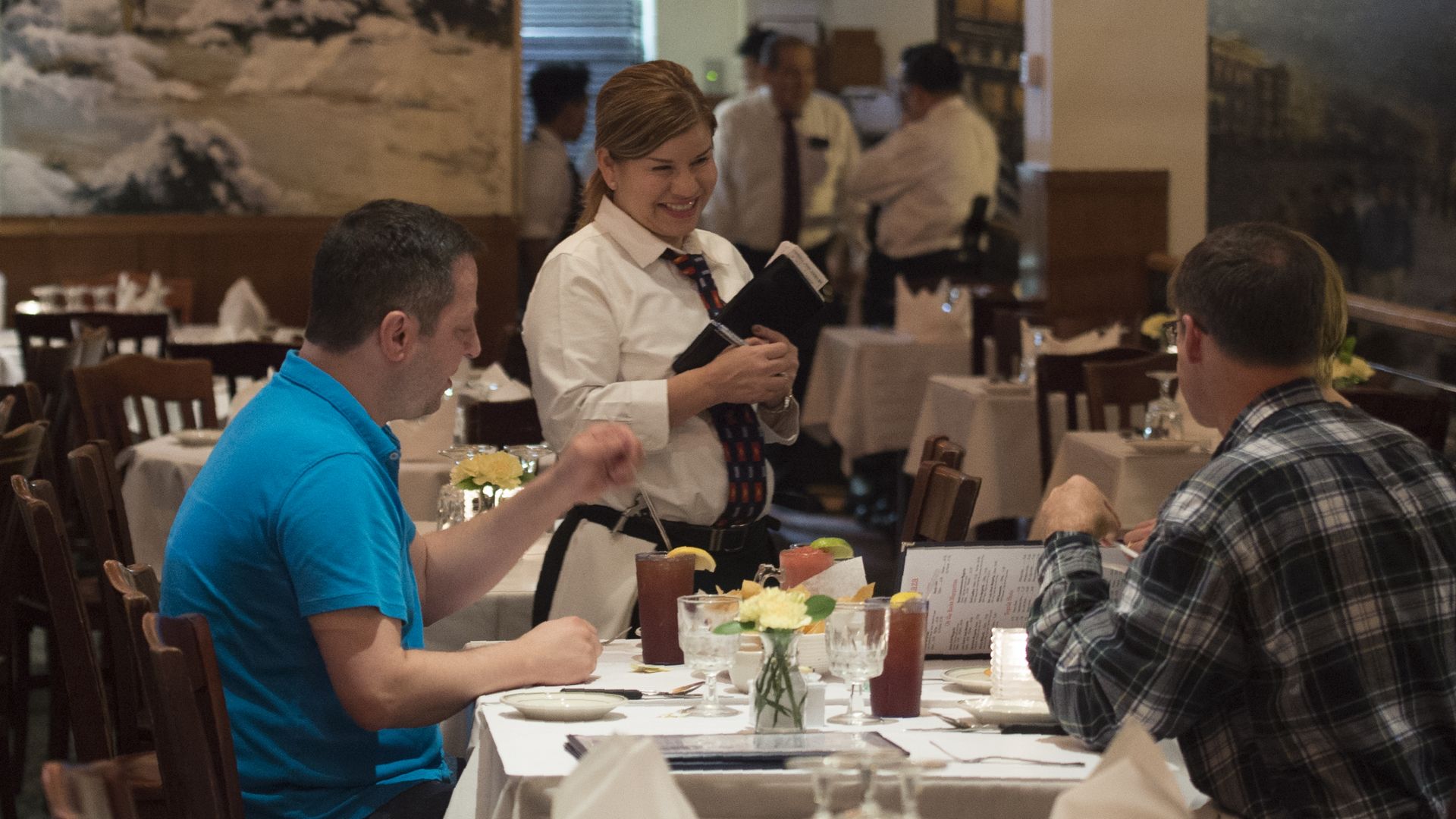
D.C. voters will decide a ballot measure on Tuesday that requires restaurant and bar owners to gradually increase the $3.33 “tipped wage” for workers until it matches the city’s $15 minimum wage of $12.50 per hour — a figure set to rise to $15 an hour by 2020.
The bigger picture: While the Fight for $15 campaign has forced dozens of states and cities across the U.S. to increase their minimum wage in recent years, activists have finally begun to turn their attention to tipped workers.
China’s take-no-prisoners Big Tech war is playing out in An Huang's little family grocery in Hangzhou, a three-hour drive southwest of Shanghai.
What’s going on: A year ago, Huang and his father had a visit from representatives of Alibaba, China's e-commerce giant. What did they think of transforming their dowdy place into a state-of-the-art, digitalized store, with all the bells and whistles, under Alibaba’s Tmall brand? According to Huang, it took him and his father only about five minutes to agree.
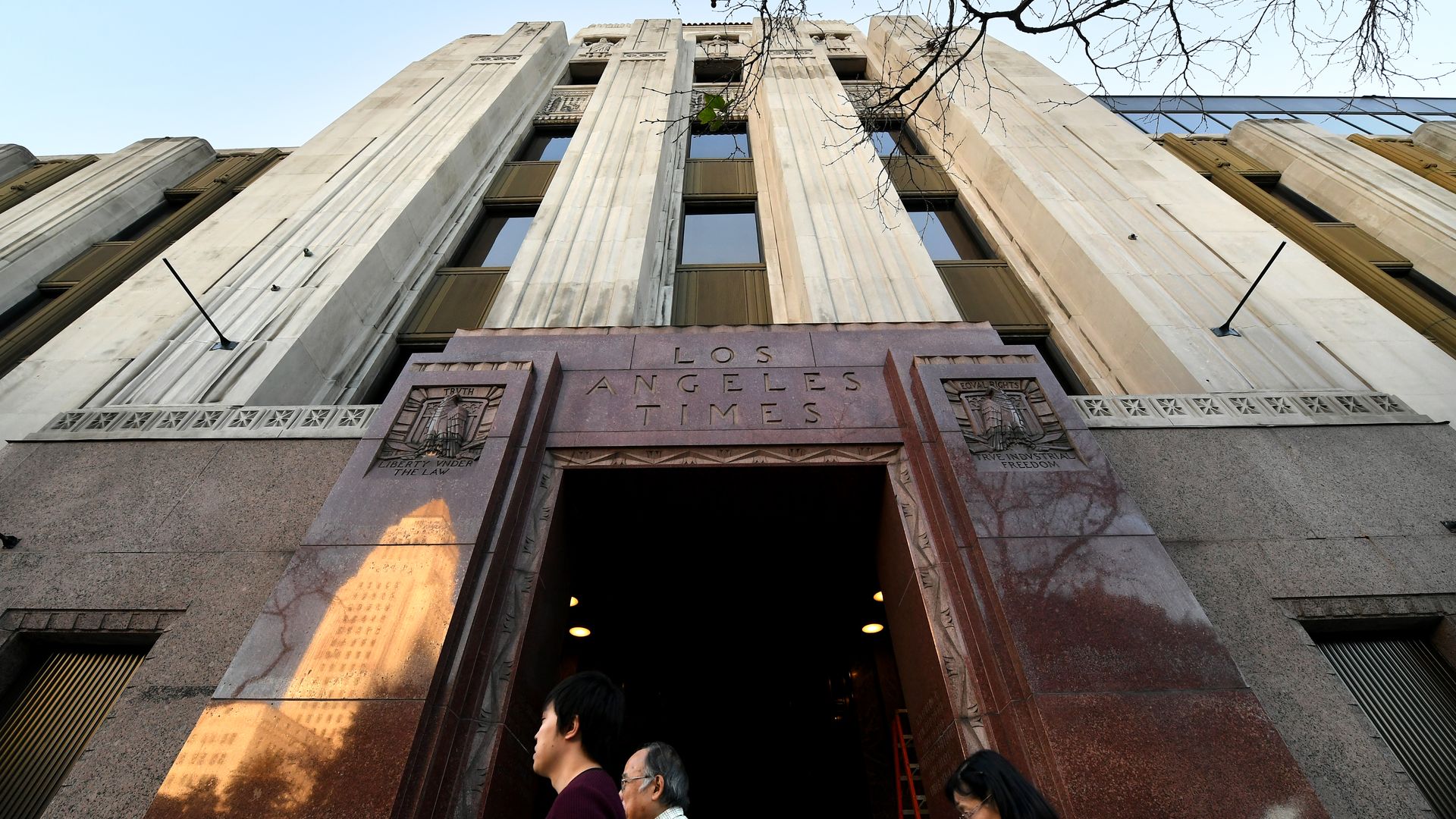
"Biotech billionaire Dr. Patrick Soon-Shiong [tomorrow] will take control of the Los Angeles Times," the L.A. Times' Meg James writes. "Soon-Shiong is spending $500 million to acquire [The Times and the San Diego Union-Tribune] from Chicago-based Tronc."
Why it matters: "The deal, which was announced Feb. 7, returns The Times to local ownership after 18 turbulent years under Chicago control."
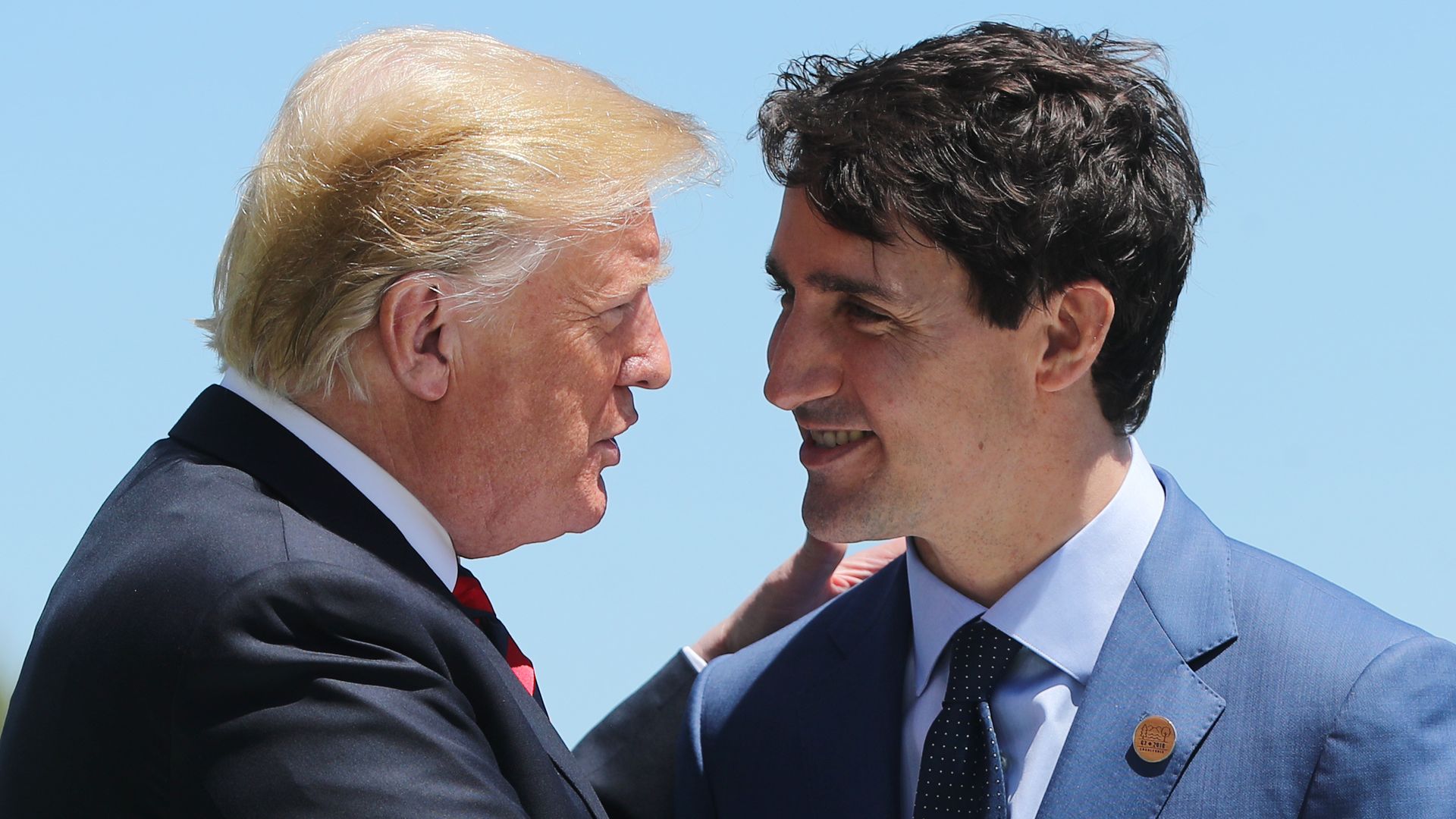
"As the Trump administration imposes tariffs on allies and rivals alike, provoking broad retaliation, global commerce is suffering disruption, flashing signs of strains that could hamper economic growth," the N.Y. Times' Peter Goodman, Ian Austen and Elisabeth Malkin write.
Why it matters: "As the conflict broadens, shipments are slowing at ports and airfreight terminals around the world. Prices for crucial raw materials are rising. At factories from Germany to Mexico, orders are being cut and investments delayed. American farmers are losing sales as trading partners hit back with duties of their own. ... Fears are deepening that the current outbreak of antagonism could drag down the rest of the world."
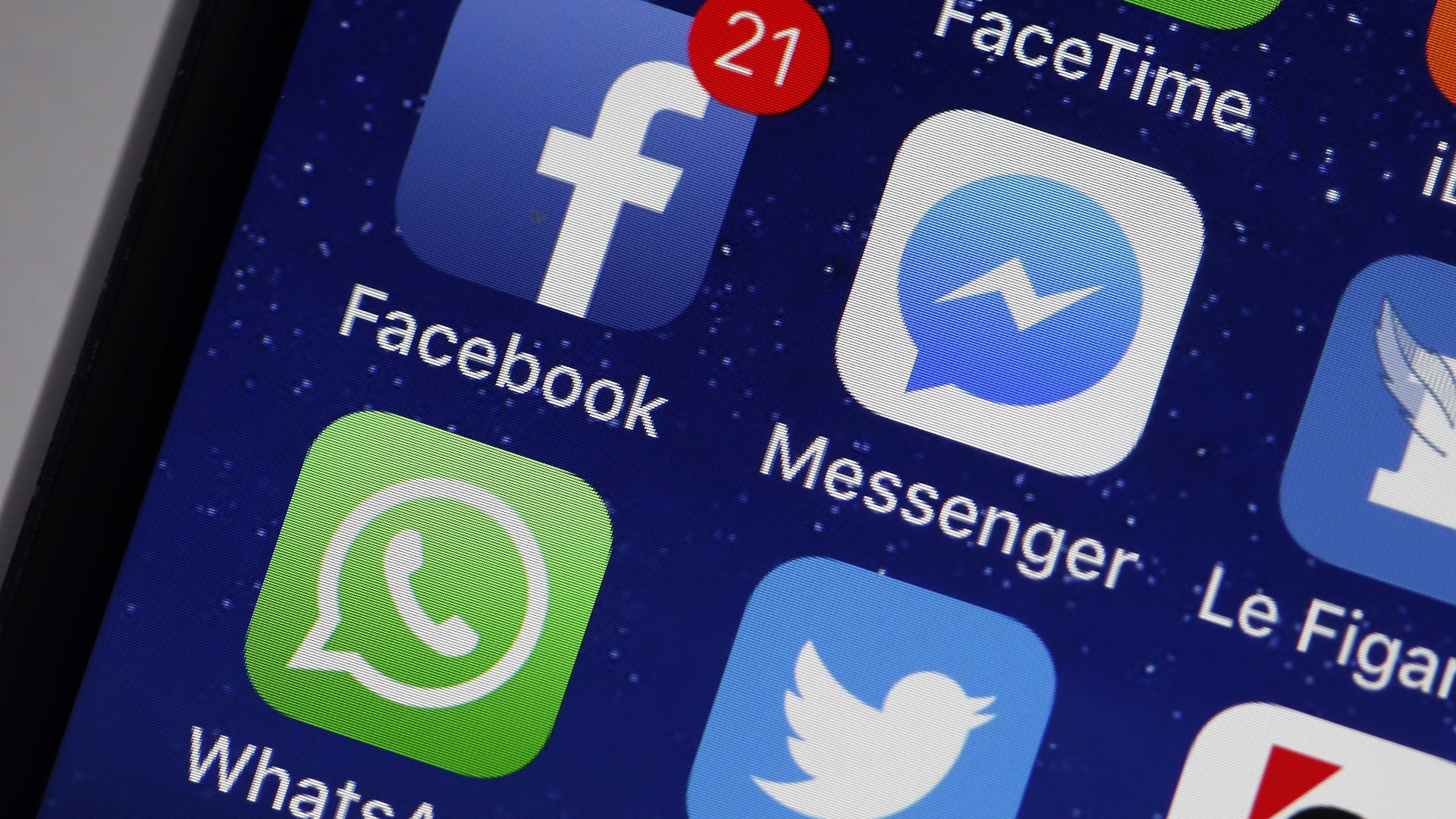
Messaging apps are becoming more popular than Facebook for sharing and consuming news, according to the 2018 Reuters Digital News Report.
Why it matters: In countries where political free speech is limited or threatened, encrypted messaging has become an attractive way for users to communicate about news and information. And for users that feel social networks that have become too polarizing or crowded, one-to-one messaging is attractive.
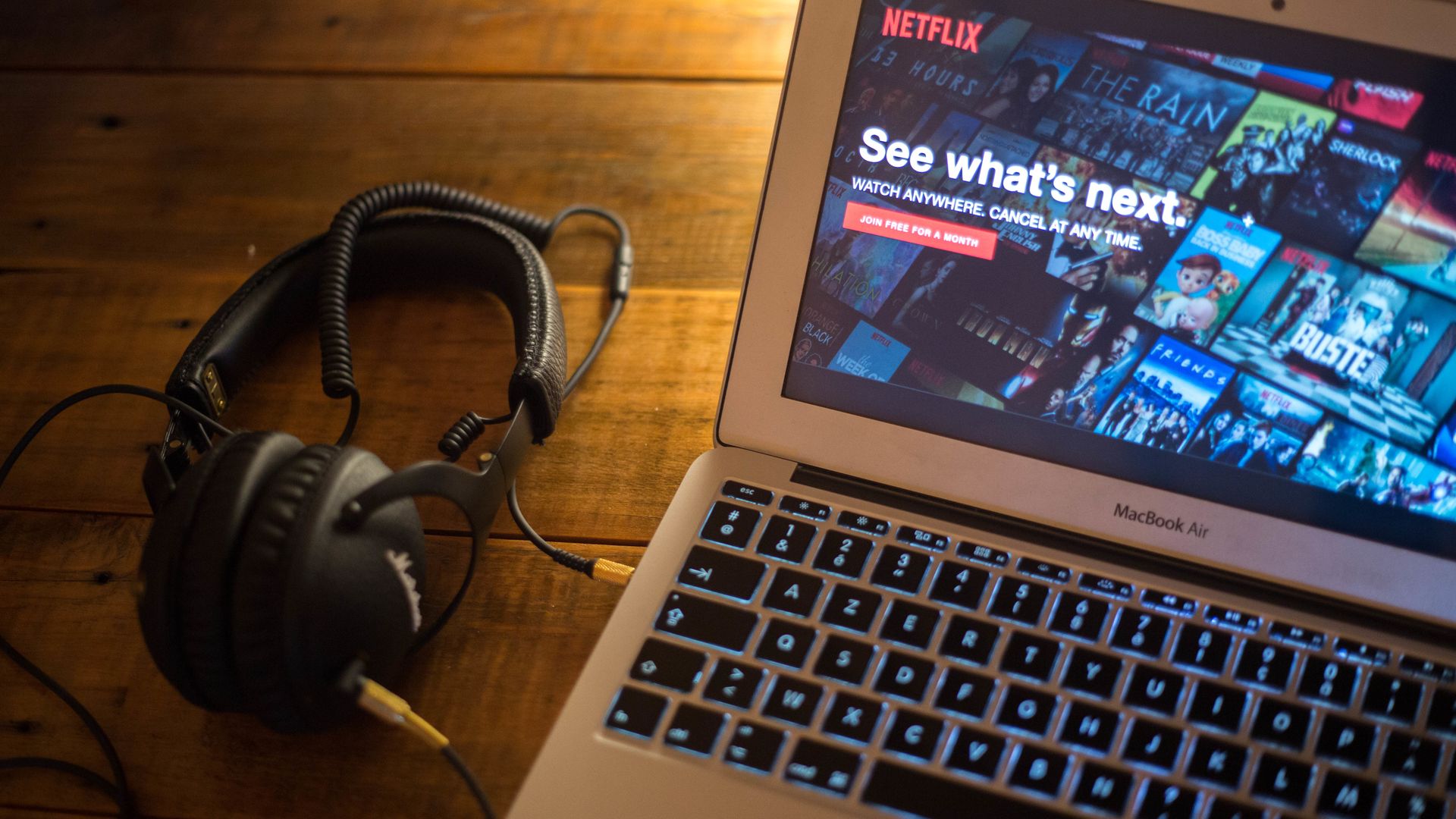
In just seven years, Netflix has revolutionized the television industry with its original content, Vulture's Josef Adalian reports.
The big picture, per Adalian: "Netflix doesn't want to be a streaming, supersized clone of HBO or FX or NBC. It's trying to change the way we watch television."