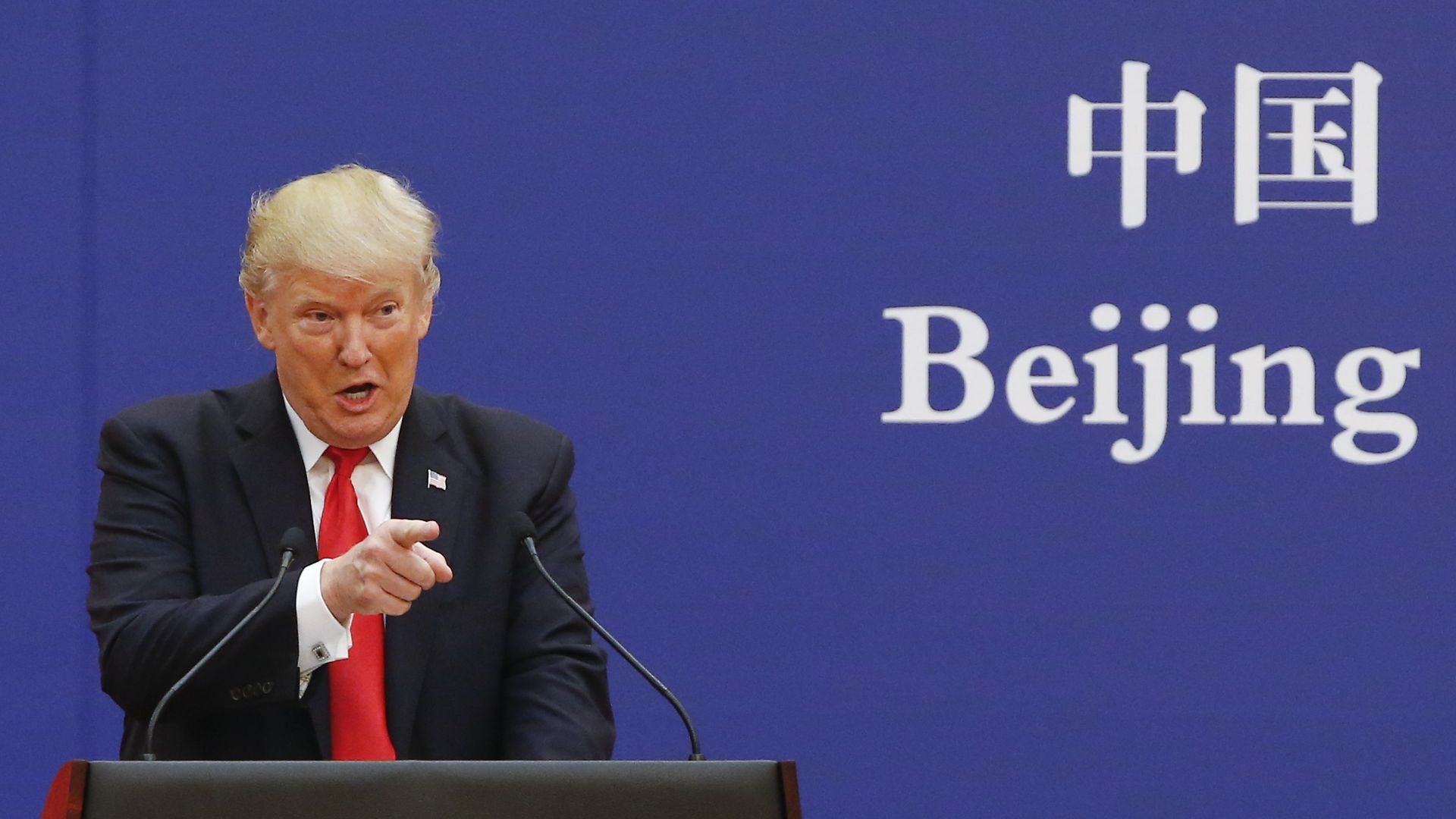
President Trump announced in a statement Monday night that, in addition to the administration's recently-announced tariffs on $50 billion worth of imports from China, he has also directed the United States Trade Representative "to identify $200 billion worth of Chinese goods for additional tariffs at a rate of 10 percent."
Why it matters: Trump initially warned China against retaliating to his administration's latest round of sanctions, but China ignored it and imposed their own tariffs of equal measure. This latest threat is Trump's second warning, in which he clearly states: "these tariffs will go into effect if China refuses to change its practices, and also if it insists on going forward with the new tariffs that it has recently announced."
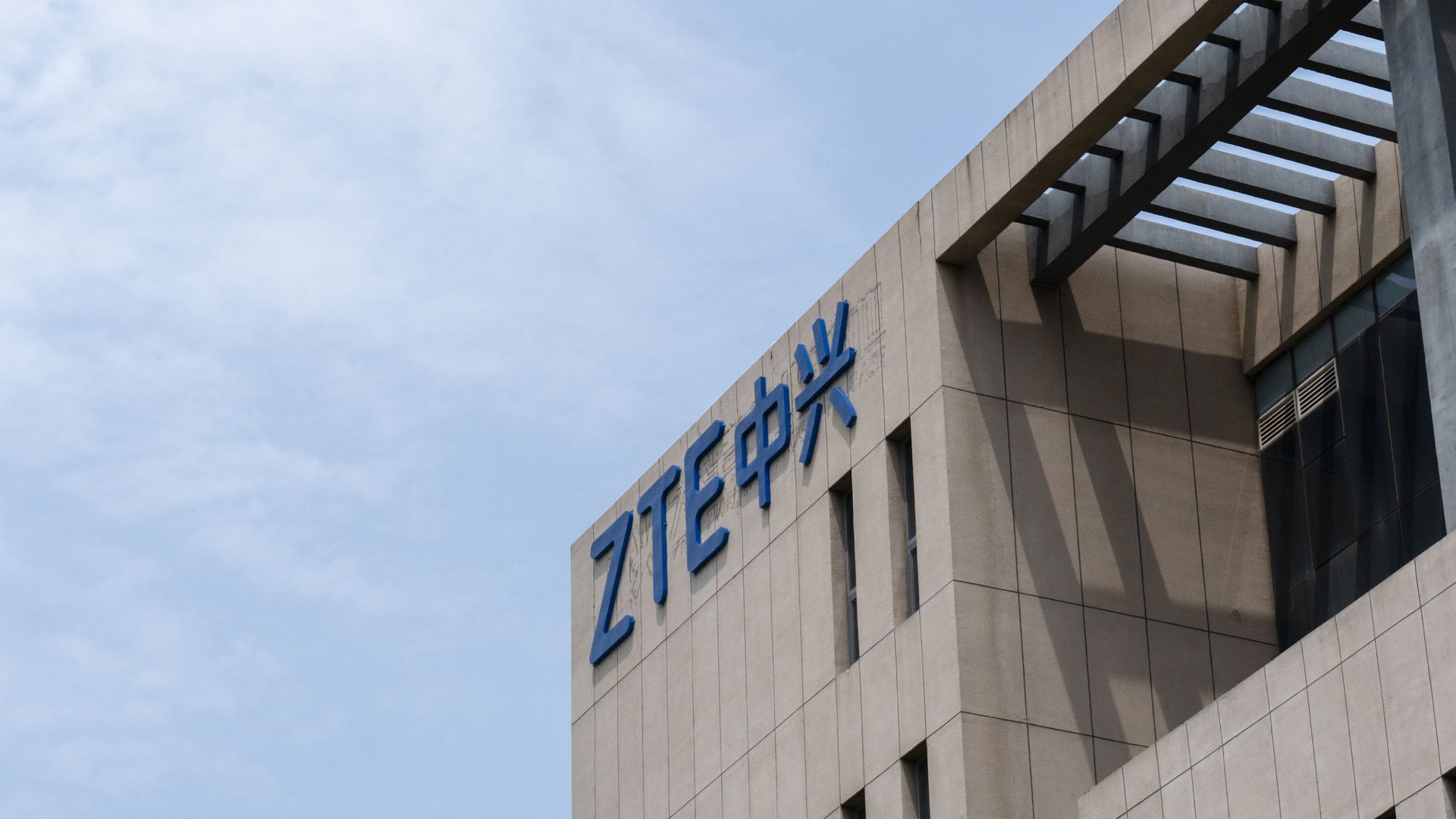
The Senate voted Monday night to reinstate the U.S. ban on Chinese telecom giant ZTE, which has violated American sanctions and was labeled as a national security threat by the Pentagon.
Why it matters: The Senate's rejection is a strong rebuke, by lawmakers from both parties, of the Trump administration's decision to resurrect ZTE.
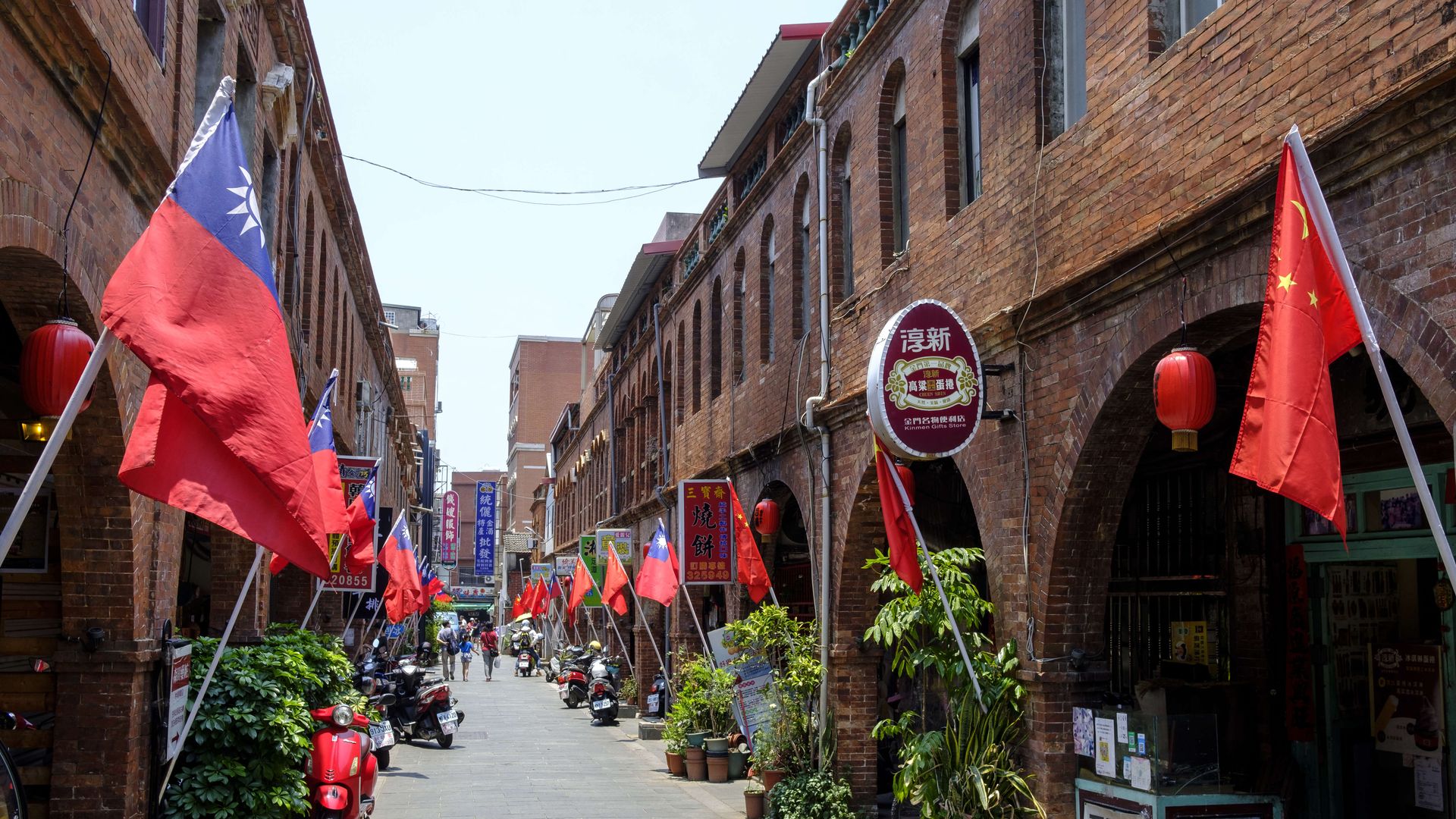
Last week, the United States unveiled a $255 million new home for the American Institute of Taiwan — Washington's de facto embassy in Taipei. While the move angered Beijing, it was an outlier. Outside of Washington, President Xi Jinping's hardline approach to Taiwan is getting results.
The big picture: China is chipping away at Taipei's legitimacy on the international stage by pressuring companies and foreign countries to stop treating the self-governing island as a sovereign nation — and Beijing has the economic leverage to pull it off.
SurveyMonkey, a San Mateo, Calif.-based provider of survey software, said on Monday that it has confidentially submitted its registration to go public. The company is expected to file publicly soon after regulatory review.
Why it matters: Founded in 1999, SurveyMonkey was said to be looking to go public a few years ago, but those plans were put on hold after then-CEO Dave Goldberg died in May 2015. Since then, the company has undergone management changes and other business adjustments to get back on track.
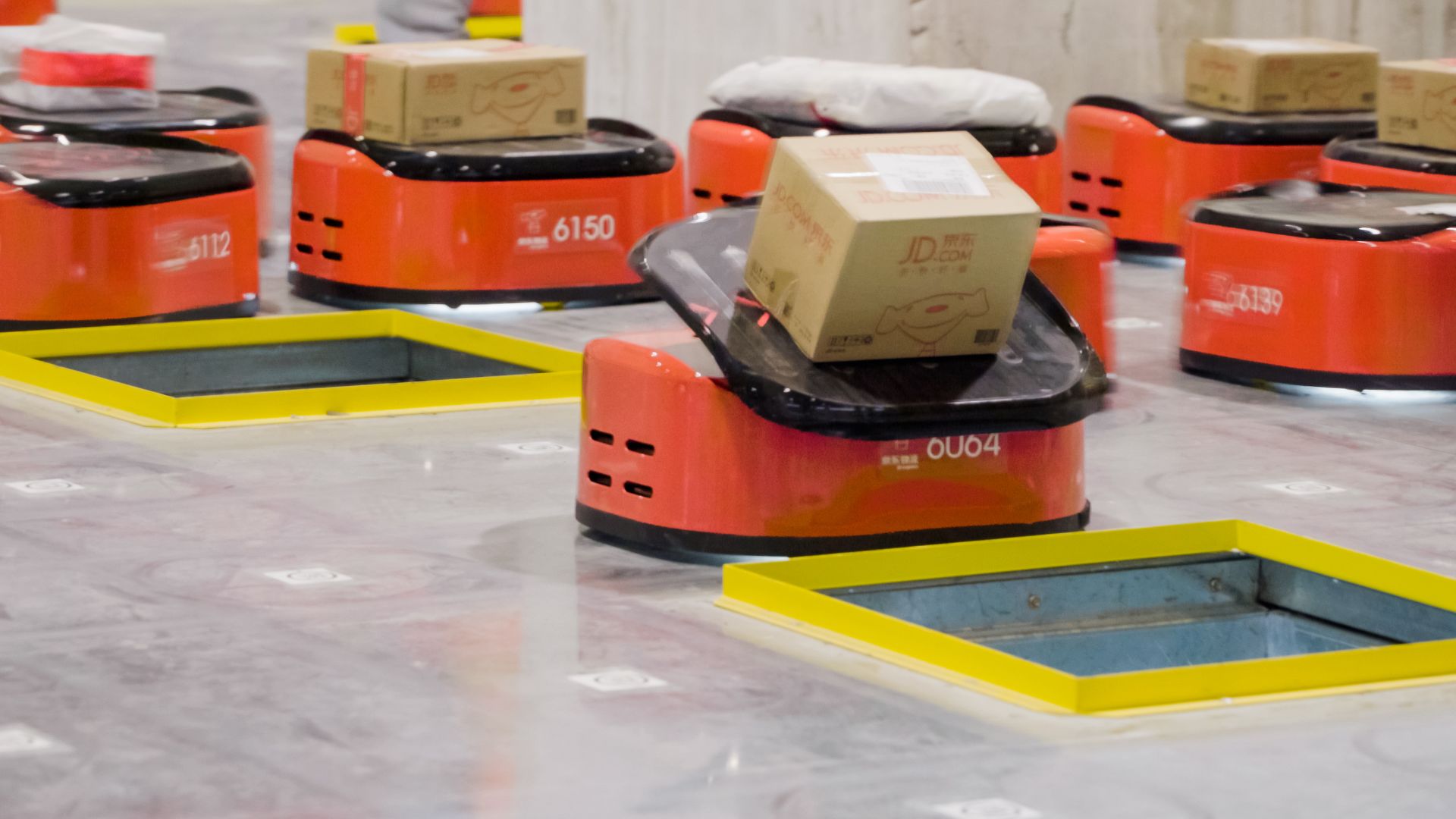
Google has agreed to invest $550 million into Chinese online retail giant JD.com as part of a strategic global partnership that will also include offering many of the latter's products via Google Shopping in certain regions.
Why it matters: For Google, teaming up with a major Chinese company can potentially help it enter the Chinese market someday, as well as give it a leg up in certain markets in Asia. For JD.com, the deal allows it to expand its business to regions where it may be less known and compete with Amazon.
D.C. voters will decide a ballot measure on Tuesday that requires restaurant and bar owners to gradually increase the $3.33 “tipped wage” for workers until it matches the city’s $15 minimum wage of $12.50 per hour — a figure set to rise to $15 an hour by 2020.
The bigger picture: While the Fight for $15 campaign has forced dozens of states and cities across the U.S. to increase their minimum wage in recent years, activists have finally begun to turn their attention to tipped workers.
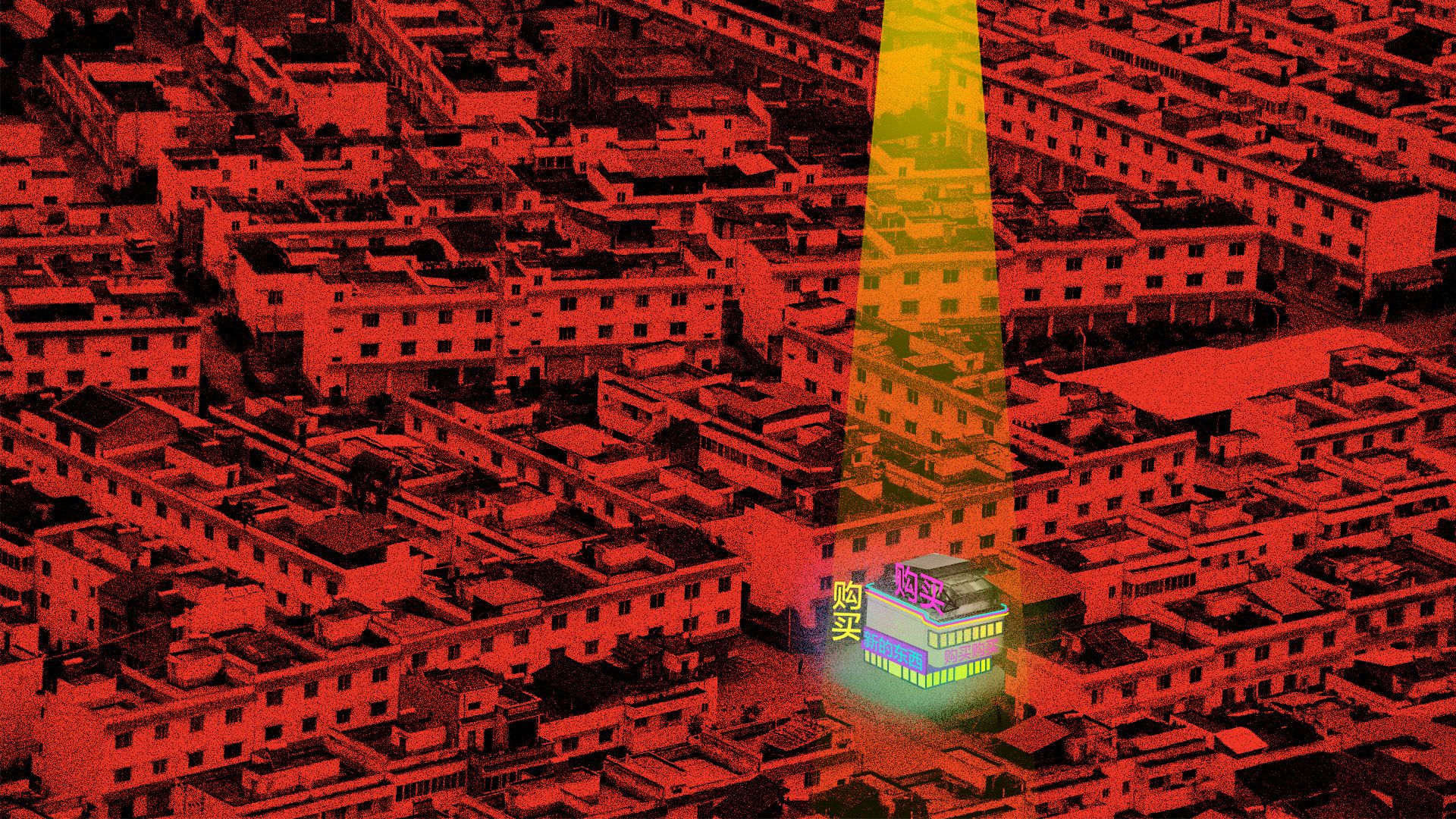
China’s take-no-prisoners Big Tech war is playing out in An Huang's little family grocery in Hangzhou, a three-hour drive southwest of Shanghai.
What’s going on: A year ago, Huang and his father had a visit from representatives of Alibaba, China's e-commerce giant. What did they think of transforming their dowdy place into a state-of-the-art, digitalized store, with all the bells and whistles, under Alibaba’s Tmall brand? According to Huang, it took him and his father only about five minutes to agree.
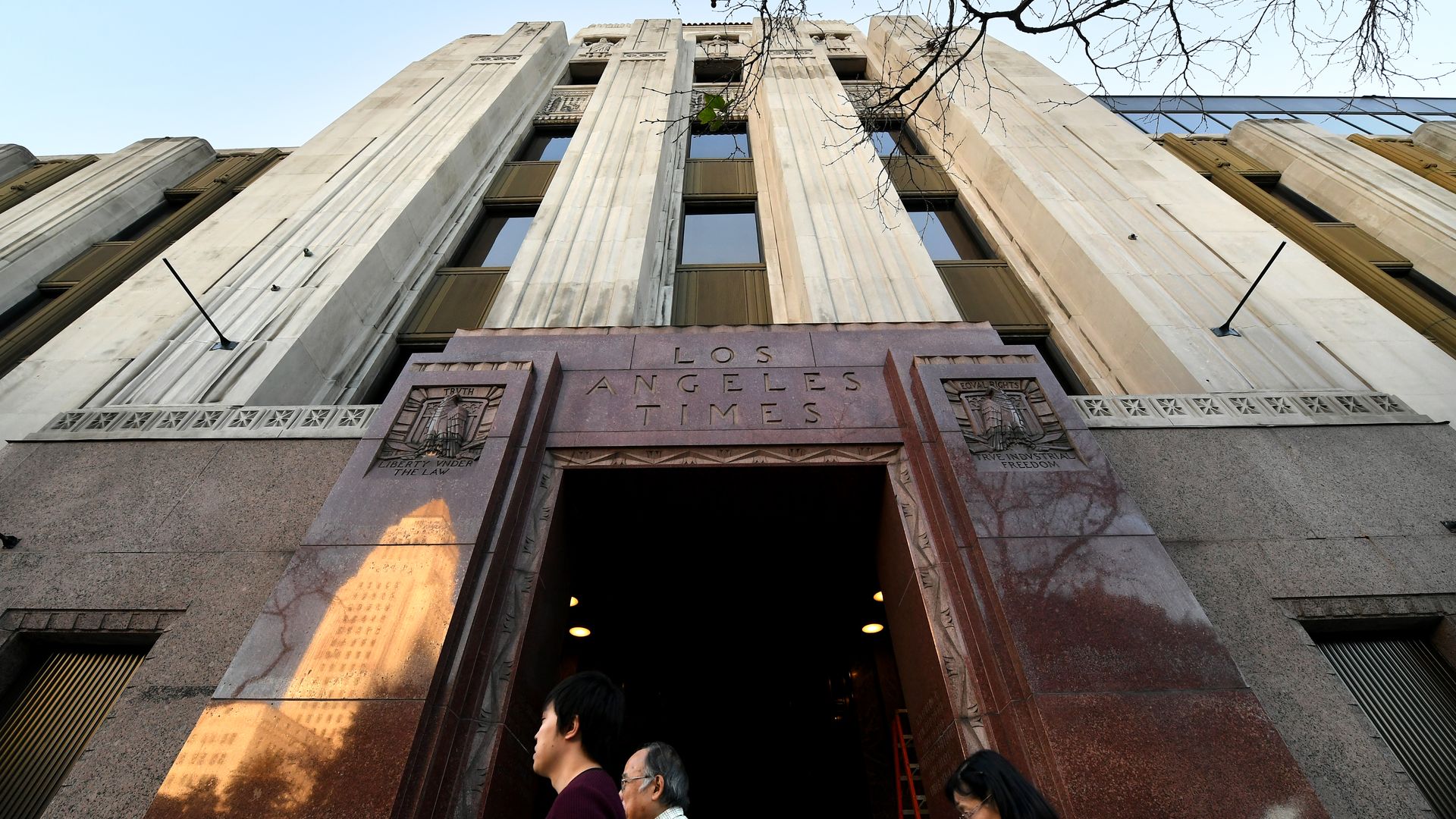
"Biotech billionaire Dr. Patrick Soon-Shiong [tomorrow] will take control of the Los Angeles Times," the L.A. Times' Meg James writes. "Soon-Shiong is spending $500 million to acquire [The Times and the San Diego Union-Tribune] from Chicago-based Tronc."
Why it matters: "The deal, which was announced Feb. 7, returns The Times to local ownership after 18 turbulent years under Chicago control."
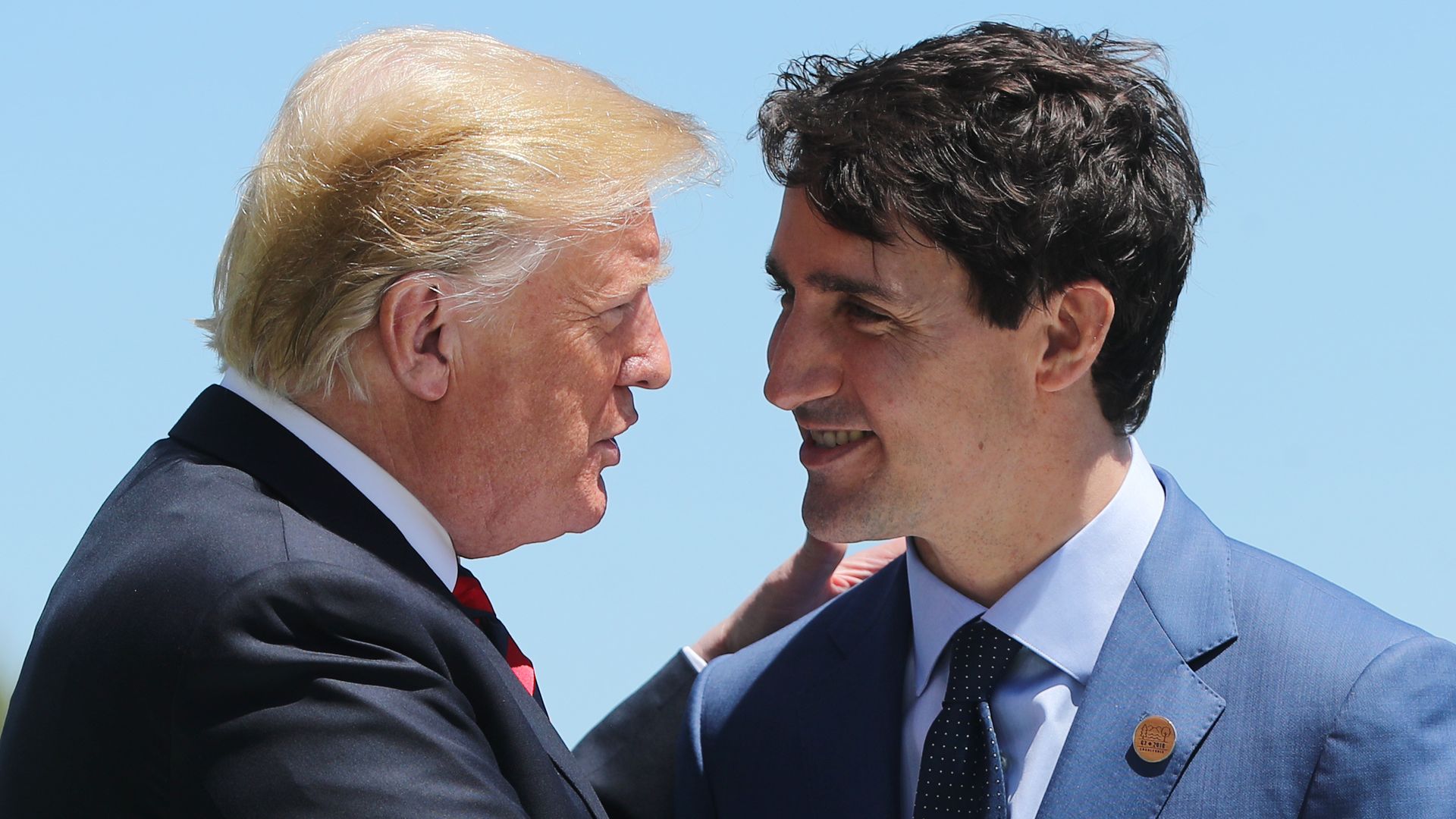
"As the Trump administration imposes tariffs on allies and rivals alike, provoking broad retaliation, global commerce is suffering disruption, flashing signs of strains that could hamper economic growth," the N.Y. Times' Peter Goodman, Ian Austen and Elisabeth Malkin write.
Why it matters: "As the conflict broadens, shipments are slowing at ports and airfreight terminals around the world. Prices for crucial raw materials are rising. At factories from Germany to Mexico, orders are being cut and investments delayed. American farmers are losing sales as trading partners hit back with duties of their own. ... Fears are deepening that the current outbreak of antagonism could drag down the rest of the world."