A look at the trials and tribulations of one U.S. agricultural product, sorghum, tells the story of how the U.S. reached the brink of a trade war with China — then swiftly retreated.
The big picture: Sorghum growers and exporters were caught in the middle of a U.S. and Chinese trade policy fight so volatile that it stranded sorghum-laden American ships before they reached their destinations in China.
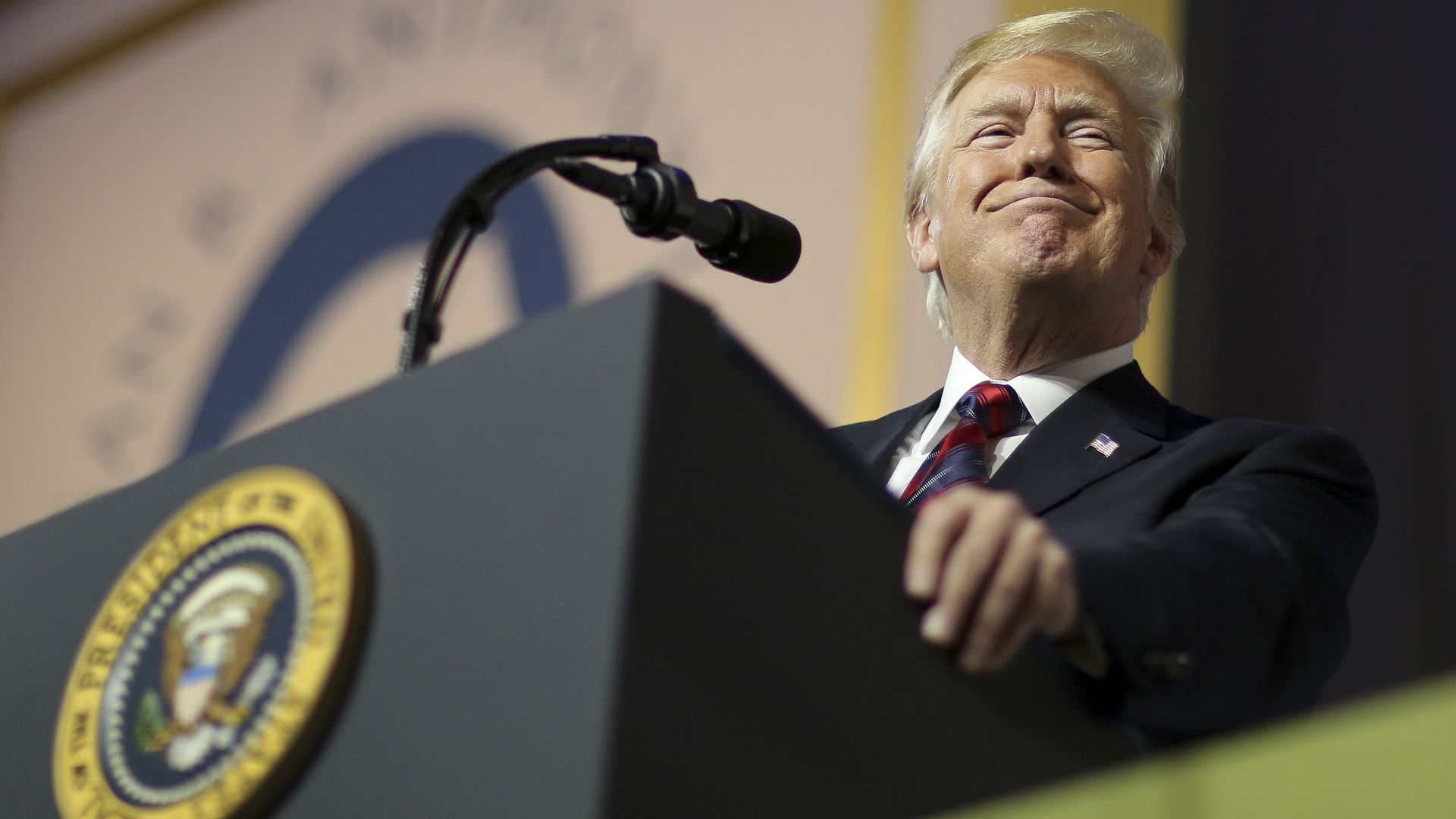
At the Deadline Club of New York this week, Lesley Stahl of "60 Minutes" recalled an off-camera conversation with Donald Trump at Trump Tower in July 2016 (via CNBC):
"[H]e started to attack the press ... I said, ... 'You've won ... Why do you keep hammering at this?' And he said: 'You know why I do it? I do it to discredit you all and demean you all. So when you write negative stories about me, no one will believe you.'"
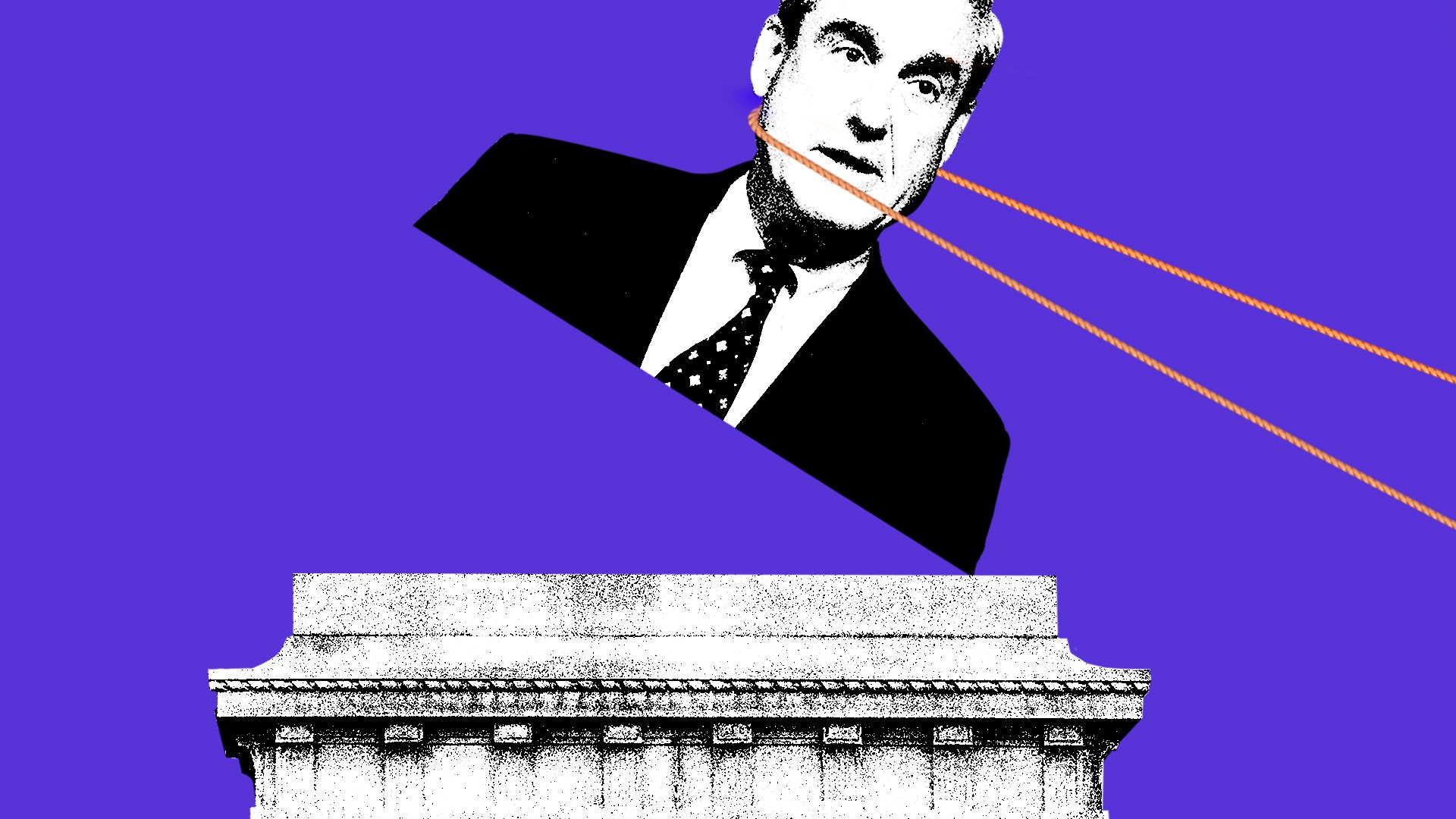
It’s not just President Trump and his tweeter anymore. The anti-Robert Mueller chorus is growing slightly larger, and significantly louder, in an effort to discredit the Russia probe and its origin.
The big picture: A motley crew of Clinton-era political stars — including Rudy Giuliani, Alan Dershowitz and Mark Penn — and a gaggle of pro-Trump House Republicans are hitting Capitol Hill, cable and the web to trash Mueller, the FBI and the media.
Yes, but: A bipartisan group of senators from the Senate Banking Committee today voted overwhelmingly for an amendment that would require the Trump administration to certify that ZTE had abided by U.S. demands before sanctions could be eased, per The Hill. That idea would still have a long road through Congress, but today's vote shows its popularity on both sides of the aisle.
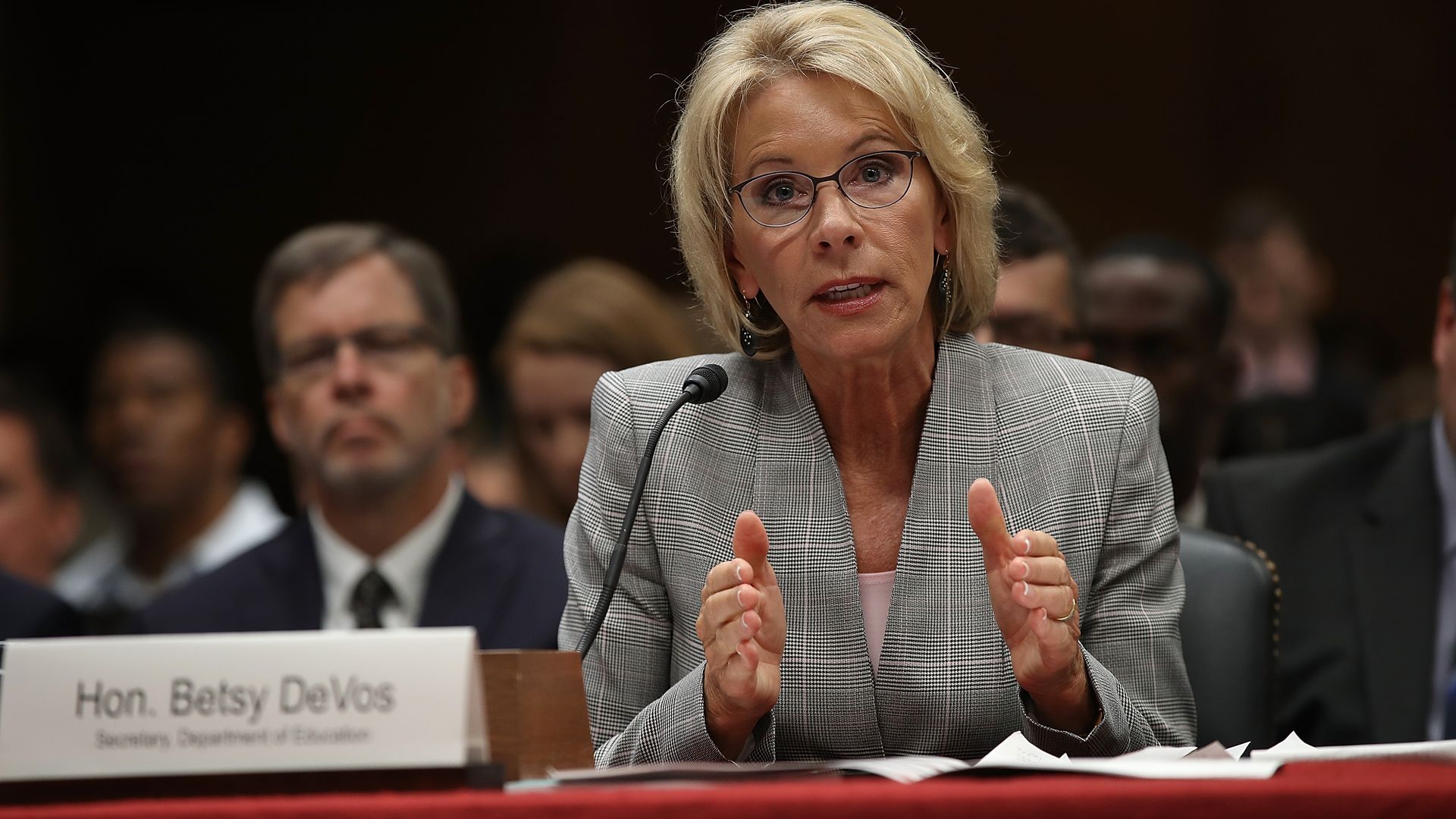
Education Secretary Betsy DeVos told the House Education and Workforce Committee Tuesday that teachers, who are striking across the country for better wages and work conditions, should be "better compensated" when asked about teacher strikes around the country.
Why it matters: DeVos doesn't often speak directly about teacher pay — in April, she told the Dallas Morning News that teachers should "stay focused on what's right for the kids" — though she has expressed in the past that she believes teacher's deserve betters wages. Nonetheless, DeVos and her department have yet to address the issue in a policy way.
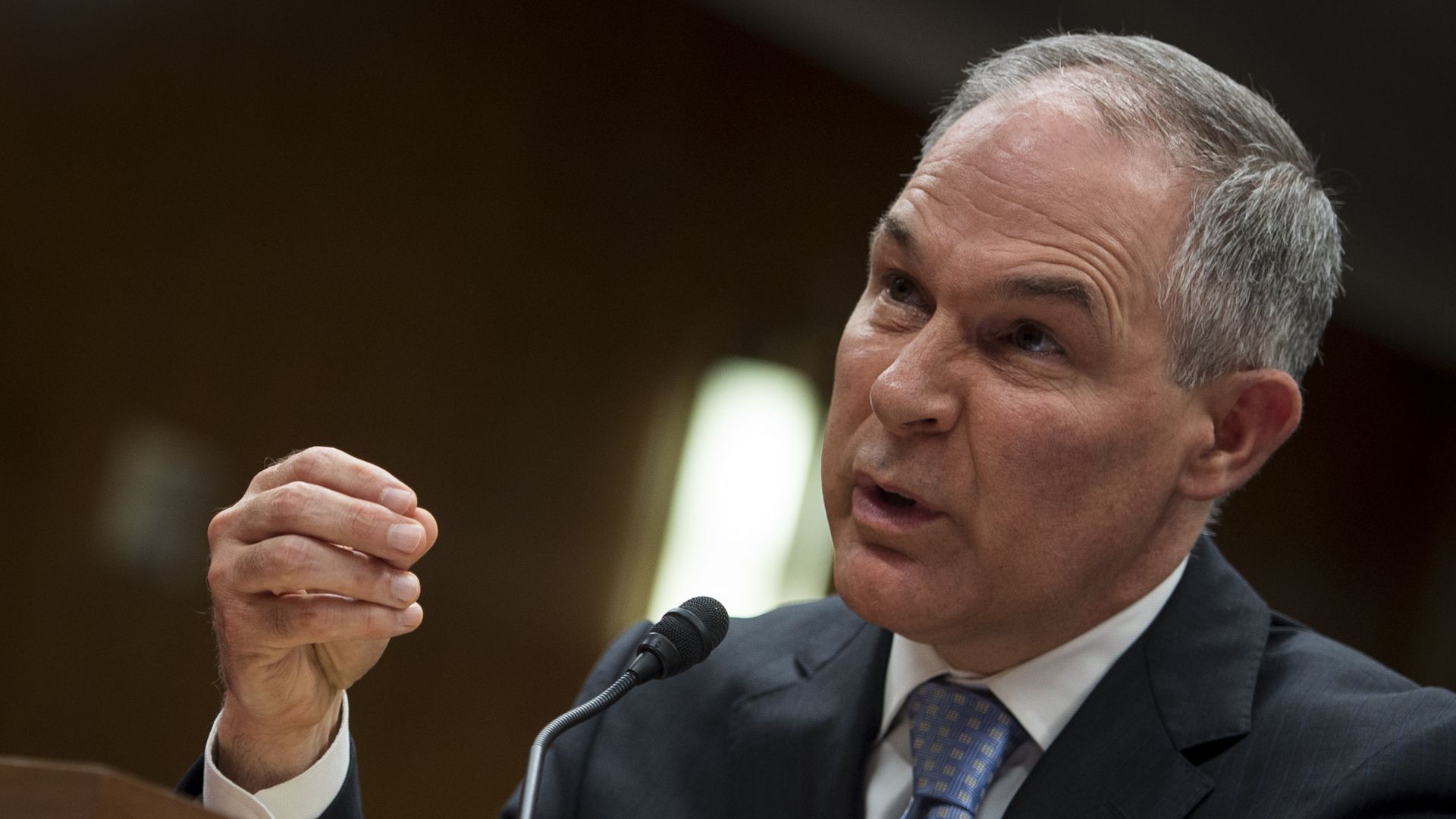
The Environmental Protection Agency blocked the AP, CNN, and E&E from attending a Tuesday morning summit featuring EPA Administrator Scott Pruitt on harmful contaminants in drinking water, reports the AP.
The details: When an AP reporter "asked to speak to an EPA public-affairs person, the security guards grabbed the reporter by the shoulders and shoved her forcibly out of the EPA building." EPA spokesperson Jahan Wilcox told the news outlets they were not invited but did not cite a reason for barring them.
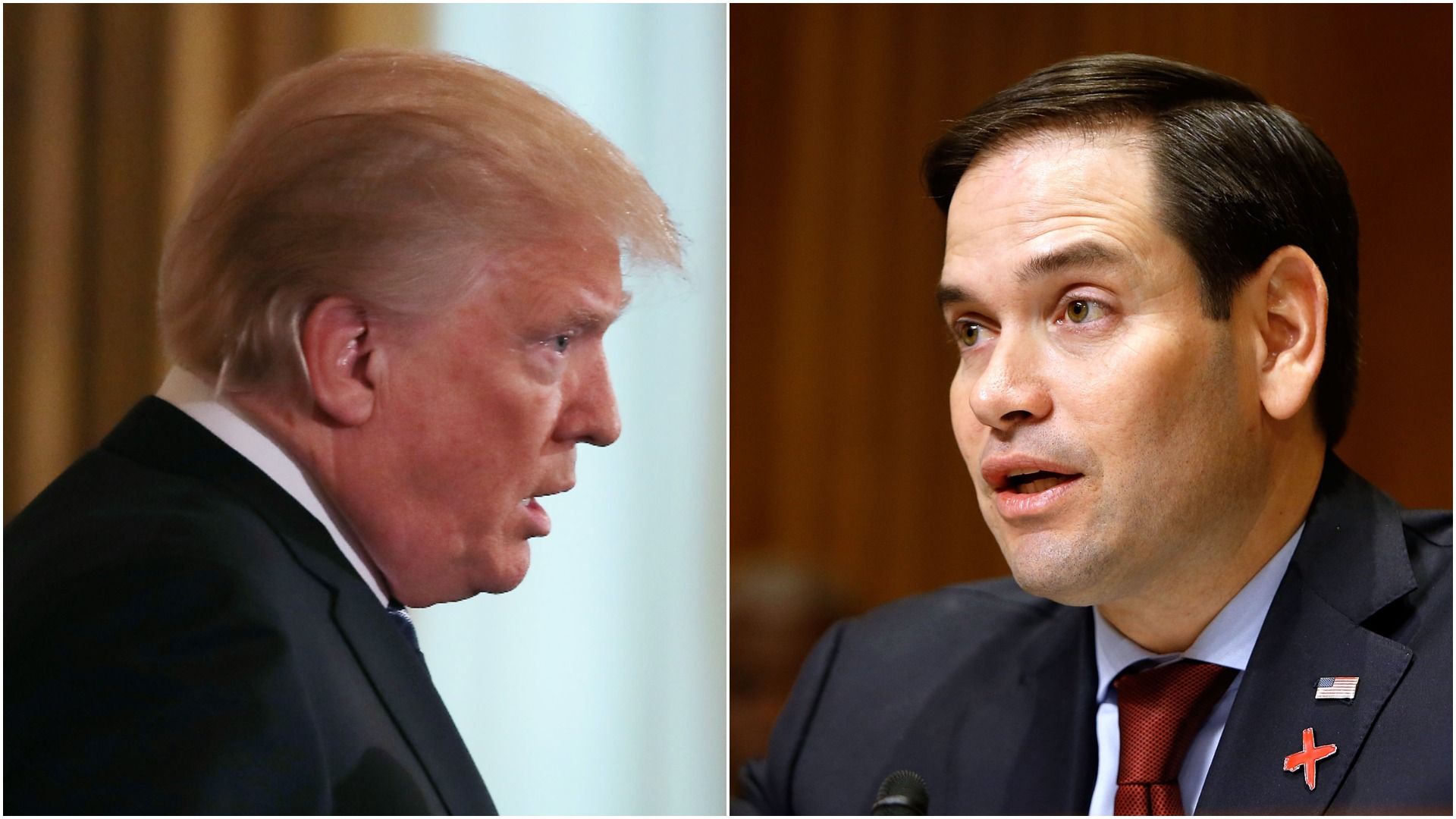
Among the most vocal critics of President Trump's cave on his trade threats to China is Republican Sen. Marco Rubio, his former opponent on the 2016 campaign trail.
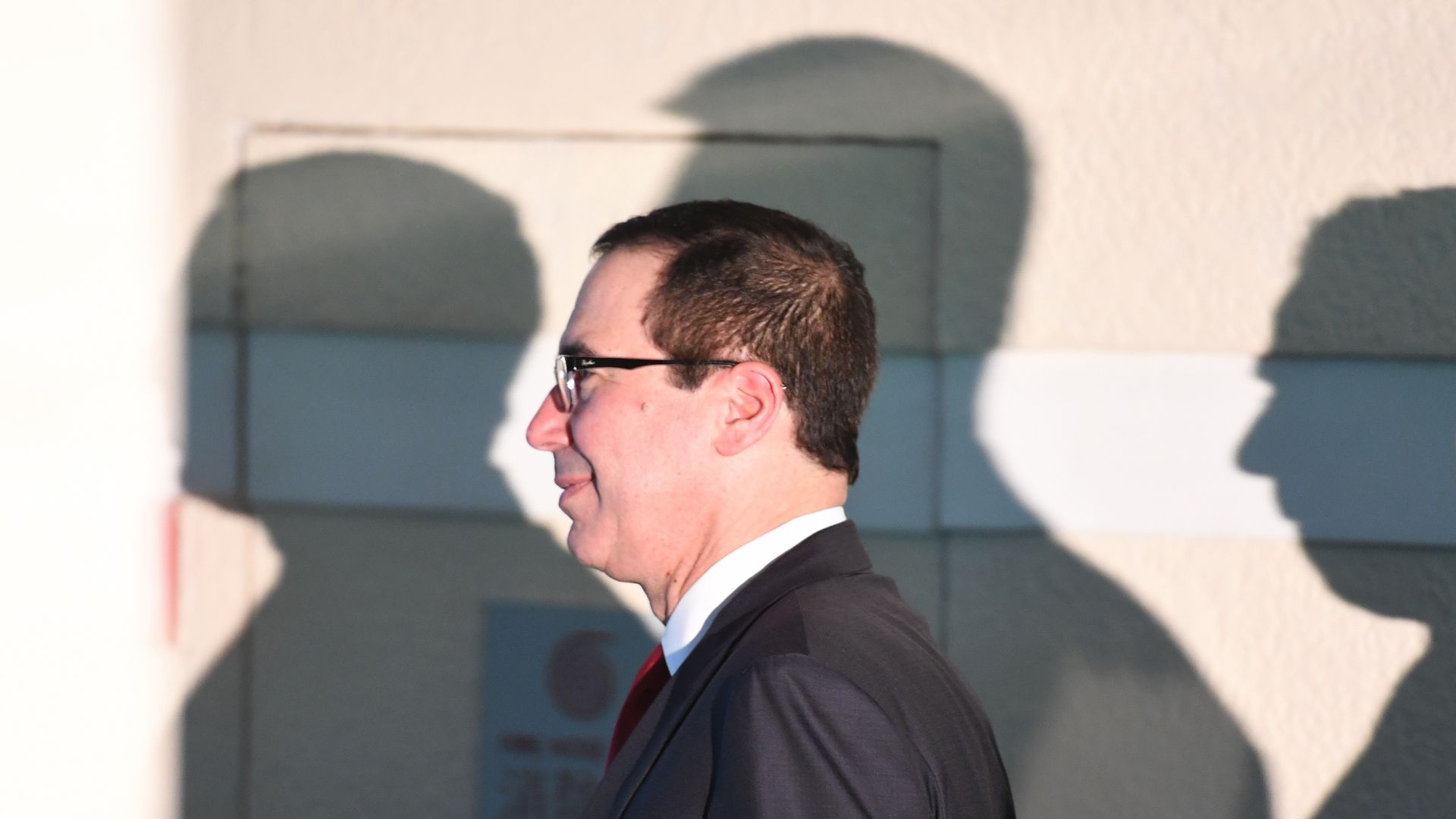
What's happening: A perfect storm of North Korea, Steve Mnuchin and a lack of internal focus has Trump backing away from tariffs against Chinese goods and reportedly floating a deal for rogue Chinese phone maker ZTE. Rubio, one of the co-chairs of the Congressional-Executive Commission on China, is tweeting a steady stream of rebukes of the White House's moves — and hinting that Congress may act to overrule Trump's decisions.
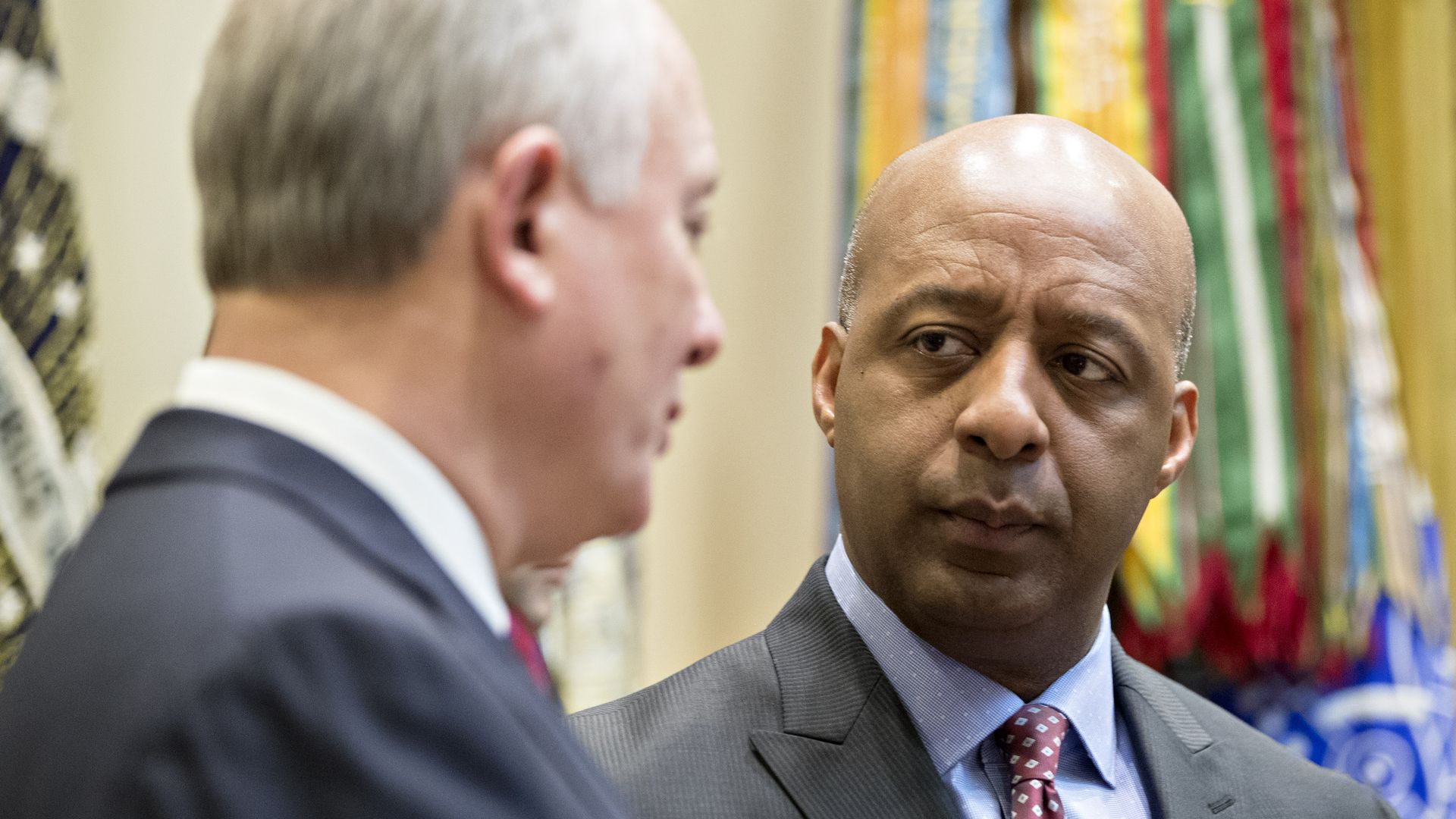
Lowe's named J.C. Penney CEO Marvin Ellison as its new chief executive — effective July 2 — on Tuesday, reports CNBC. Ellison had previously worked for more than a decade at Home Depot, Lowe's main rival.
Why it matters: Fortune senior writer Phil Wahba tweeted that Ellison's move shows "he really has no more faith" in J.C. Penney's ability to rebound in a dwindling marketplace for traditional department stores. J.C. Penney's shares have sunk 4.21% in pre-market trading on the news.
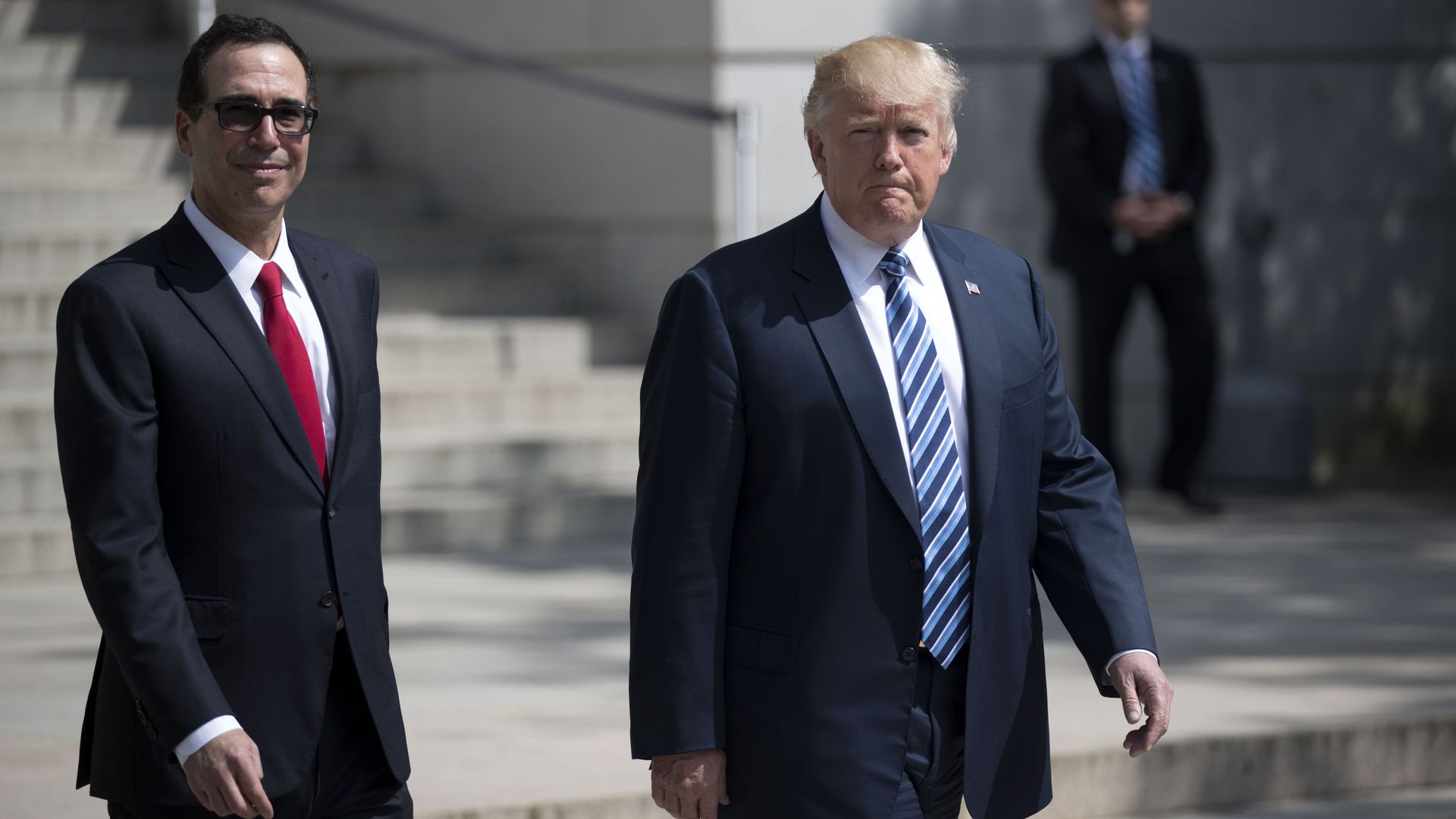
Who knows how the chest-bumping over China ends. But for now, President Trump’s anti-China advisers are right: The president is buckling on his threats to punish China with fundamental, lasting changes to trade tariffs and rules.
The big picture: The reasons are threefold: North Korea, Steve Mnuchin and a lack of focus internally.
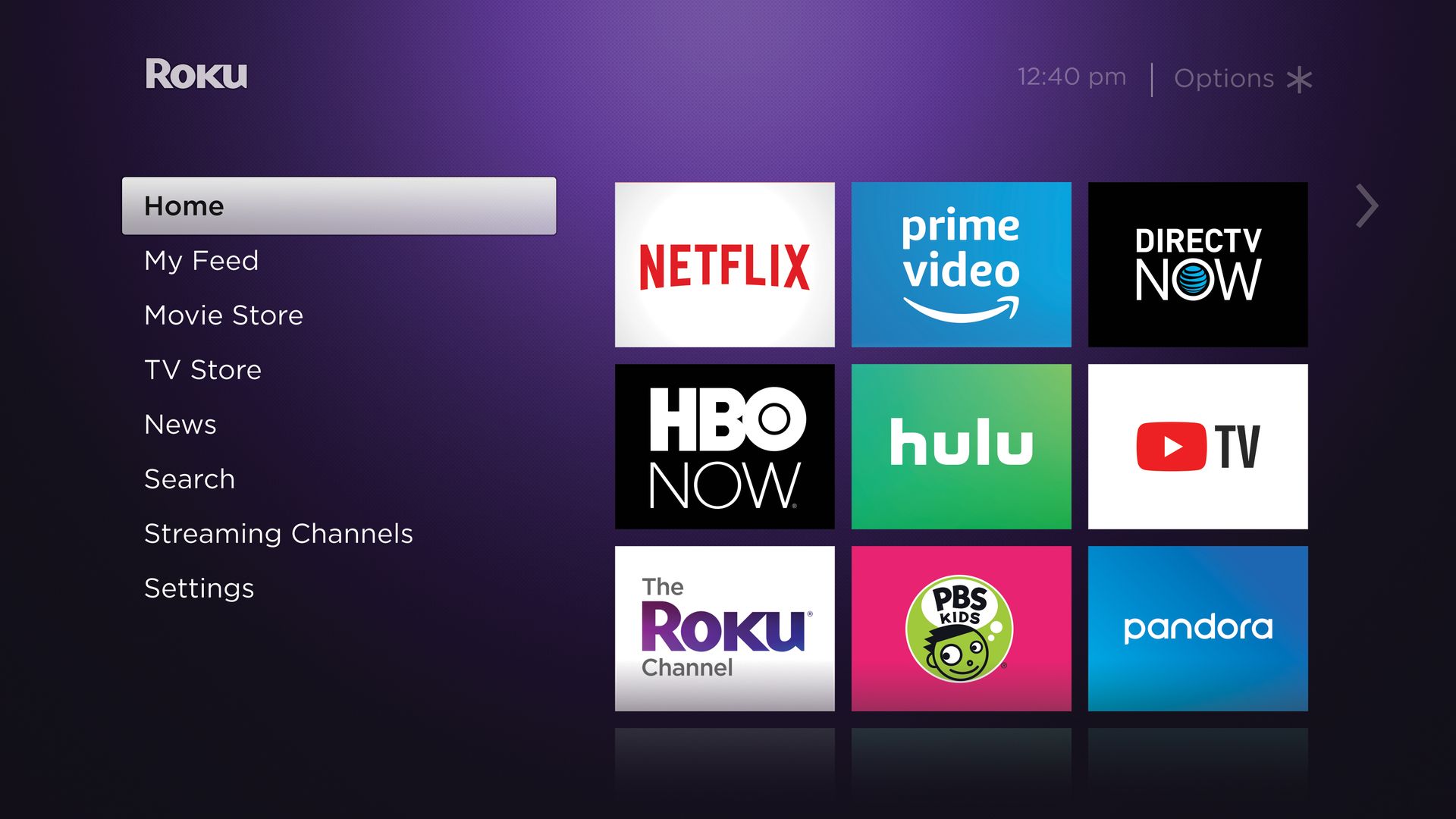
Roku, the connected TV hardware company, is quietly building a large software business, driven mostly by advertising revenue.
Why it matters: For the first time in its history, Roku says that last quarter it made more money from its platform business, which includes TV software and advertising, than from hardware through sales of its connected TV device.
Americans are increasingly picky, impatient, distracted and demanding — and their media diets are changing so fast that most traditional industries can no longer keep up.
Why it matters: The modern consumer has completely reshaped advertising, content creation and consumption. Most media companies, advertising agencies, and telecom companies either didn't see it coming, saw it and ignored it, or acted too late.
Japanese entertainment giant Sony plans to purchase 60% of music publishing firm and record label EMI for about U.S. $2 billion, reports Bloomberg.
Why it matters: Sony already owns about 40% equity interest in EMI, and this transaction would bolster Sony’s current position as the world's largest music publisher — EMI reportedly has a catalog of 2.1 million songs — and further expand its content and services.