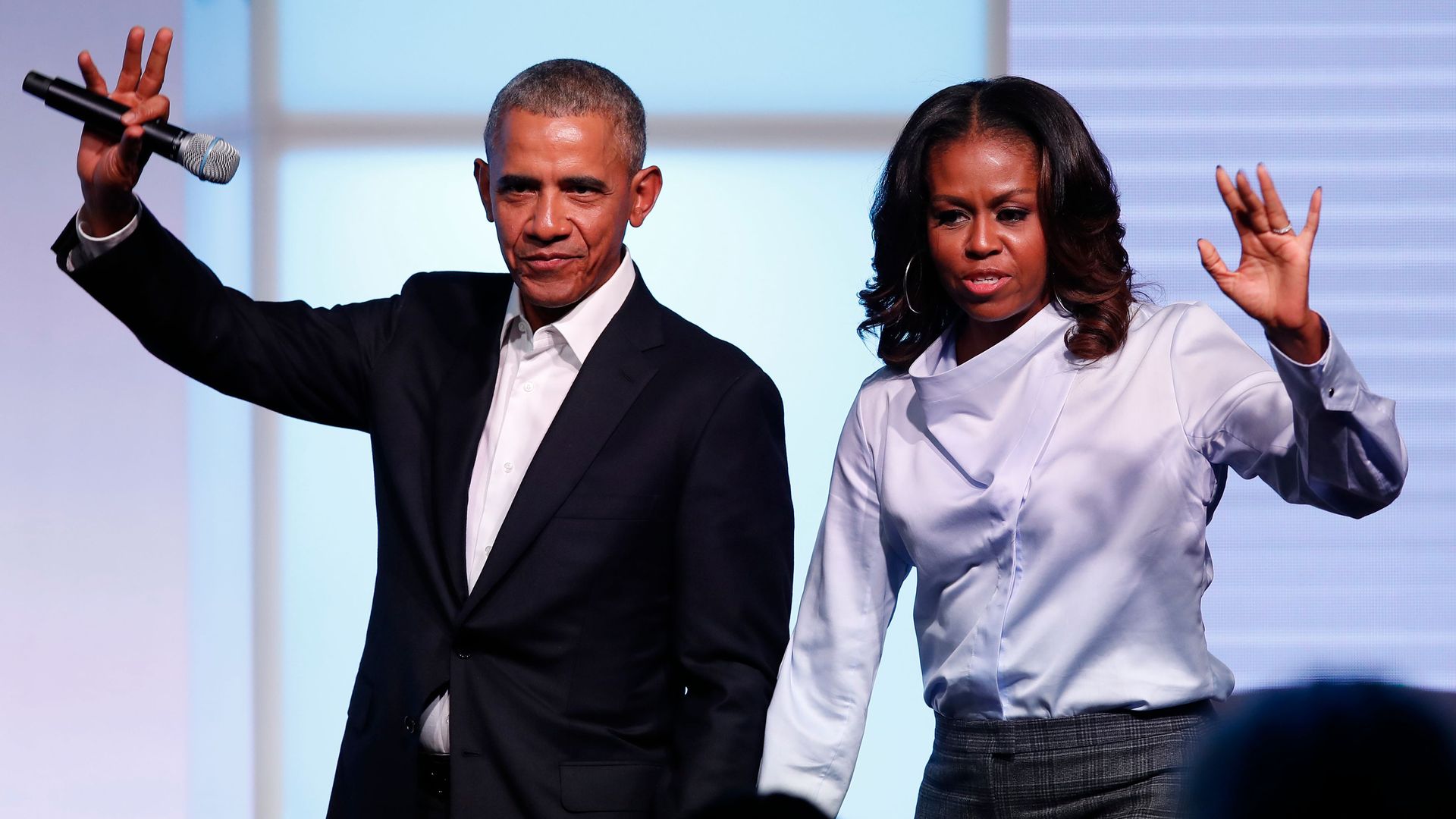
Barack and Michelle Obama have entered into a multi-year deal with Netflix to produce exclusive films and series for the streaming service, Netflix announced Monday.
The intrigue: The terms of the deal and the type of content they'll provide have not yet been revealed, but Barack Obama said they hope to cultivate "talented, inspiring, creative voices" to promote greater empathy and understanding within the world. The New York Times first reported a potential deal in March.
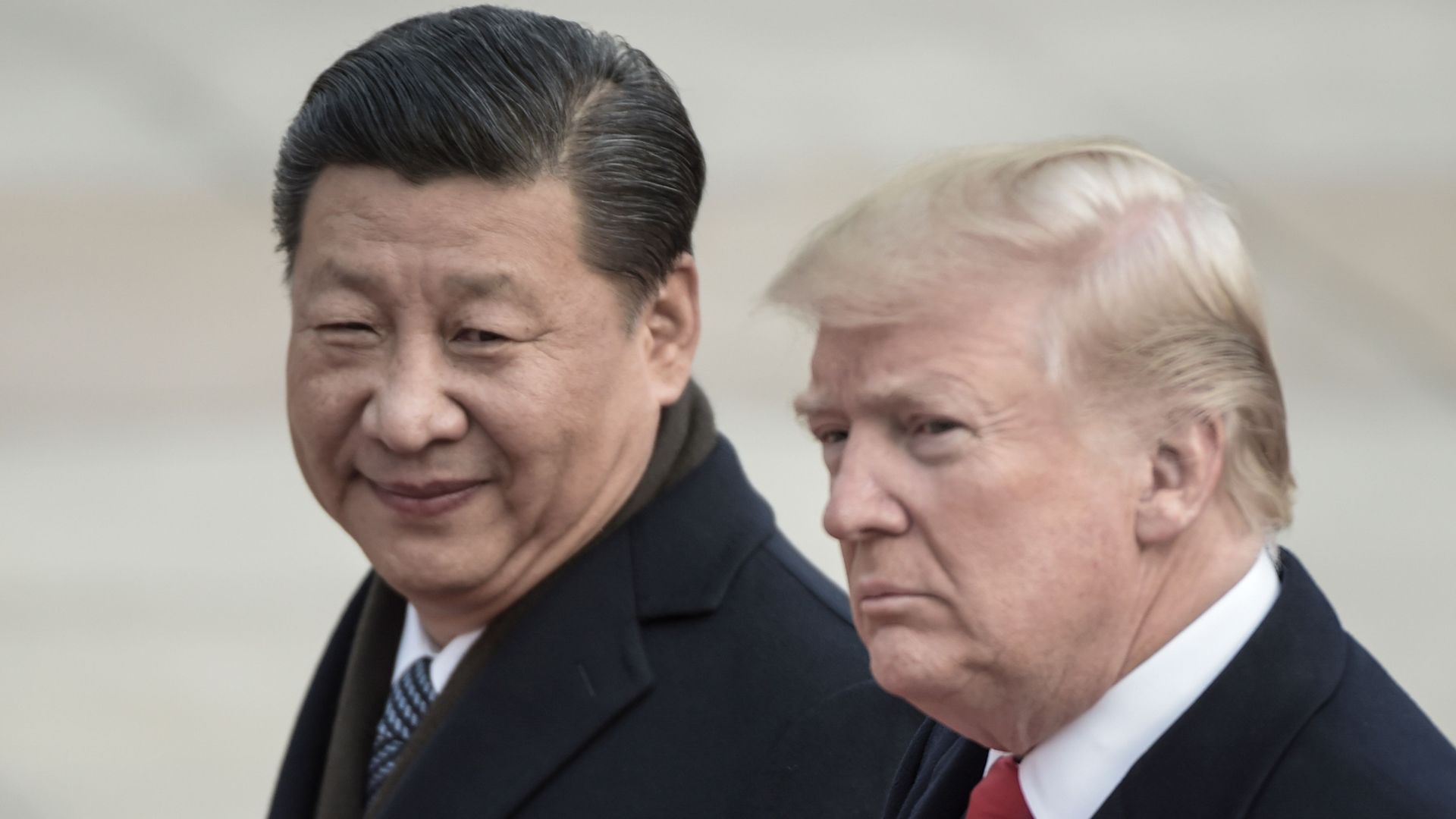
President Trump kicked off a Monday morning mini-tweetstorm this morning that touched on his administration's joint plan with China to reduce the trade imbalance between the two countries, effectively freezing his planned trade war.
The big picture: Trump's tweets didn't provide much additional firm insight or detail into how his administration plans to rectify the trade situation with China — though he did explicitly link the issue to his push for peace with North Korea for the first time.
Companies from all sectors — retail, tech, health care, telecommunications, and the auto industry — made an appearance near the top of this year's Fortune 500, but Walmart snagged the pole position for the sixth year in a row.
The big picture: Traditional corporate giants Exxon Mobil and Berkshire Hathaway rounded out the top three, but the most impressive gains came from the tech sphere. Apple had the highest profits of any U.S. company, Amazon romped into the top 10, and relative upstarts like Tesla, Netflix, and Nvidia all notched strong showings for investors.
The #2 story on the WashPost's homepage argues that based on the joint U.S.-China statement released Saturday, "China looks as if it's winning President Trump's trade skirmish — so far."
Be smart: Axios' Jonathan Swan analyzes the Trump administration's weekend trade moves on China in a pithy tweet, "The bark to bite ratio is currently about 85:1."
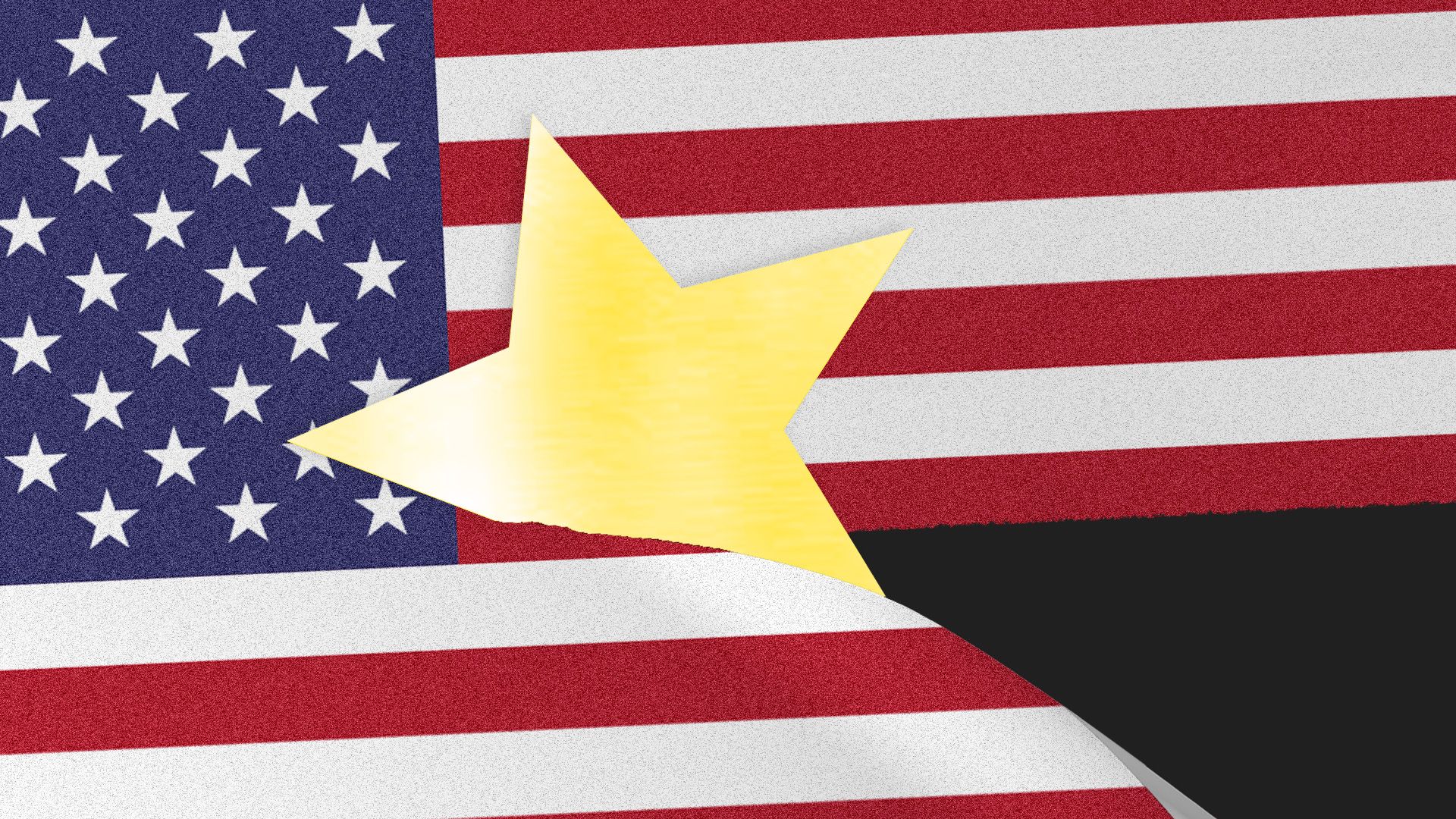
China has outlined strategies for 2018, 2025 and 2050 all designed to displace the United States as the dominant global economic and national security superpower.
Why it matters: While America dawdles and bickers, China is thinking long-term — and acting now, everywhere. There is no U.S. equivalent of a plan for 2025 or 2050 — or really for next year.
You could almost hear the markets breathe a sigh of relief this morning when Treasury Secretary Steve Mnuchin announced an armistice in the trade war.
Between the lines: This was basically foreseeable. A few weeks ago, Axios had a story headlined "the one-trick pony," in which sources who've been in the negotiating room with Trump described his predictable tactics: "threaten the outrageous, ratchet up the tension, amplify it with tweets and taunts, and then compromise on fairly conventional middle ground."
We know that major U.S. cities such as New York and Boston are pricing swaths of people out of the housing market. But the cities are also unfavorable ground if you happen to be seeking work in certain lower-paid occupations, like as a trailer mechanic, concrete finisher or freight handler, according to a new report.
Note: Expensive metros are defined as the 10 most expensive with populations over 1 million people based on Bureau of Economic Analysis Regional Price Parity data for 2015; Data: Indeed.com; Chart: Chris Canipe/Axios
Why it matters: The report by the jobs listing site Indeed suggests that big U.S. cities are increasingly bland places — havens for richly-paid data scientists and behavioral therapists who may never mix with a lawn technician or a cable installer.
Treasury Secretary Steve Mnuchin said during an appearance on Fox News Sunday that around $150 billion worth of proposed tariffs on Chinese goods are on hold as the two countries continue trade negotiations to reduce their deficit.
"We're putting the trade war on hold, so right now we have agreed to put the tariffs on hold while we try to execute the framework. ... We have an agreement with China that they're going to substantially agree to it."
The backdrop: His remarks come a day after and Washington and Beijing released a joint statement, which didn't include many details on how exactly both sides would "substantially reduce" the trade imbalance.