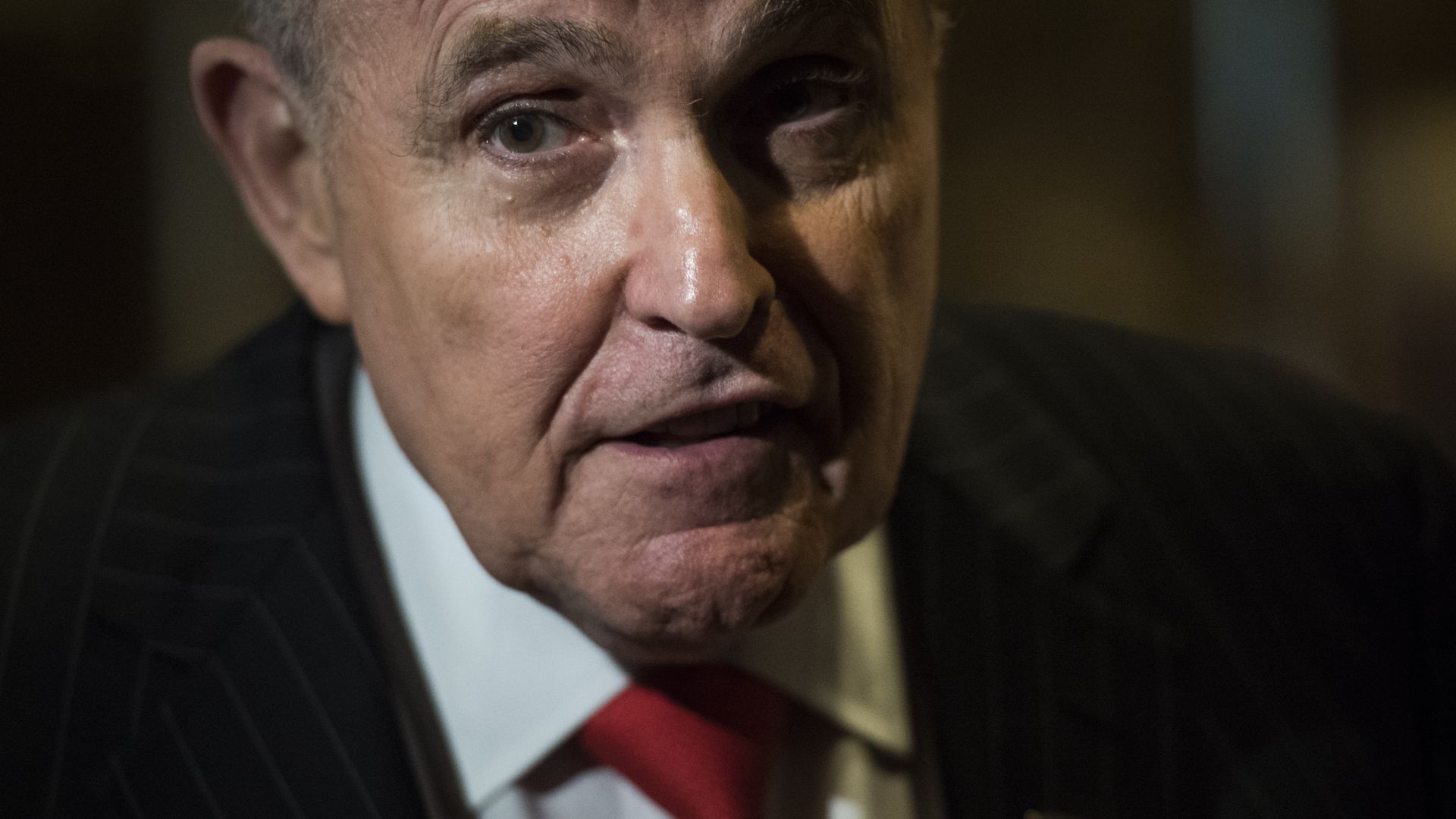
President Trump's attorney Rudy Giuliani told CNN and Fox News Wednesday that Special Counsel Robert Mueller's team told Trump's legal team that they have acknowledged — "after some battling" — that they cannot indict a sitting president.
Be smart: The Office of Legal Counsel in the Justice Department has long taken the position that they do not have the power to indict a sitting president. However, as CNN pointed out, Mueller still has the power to "issue a report making referrals or recommendations to the House of Representatives."
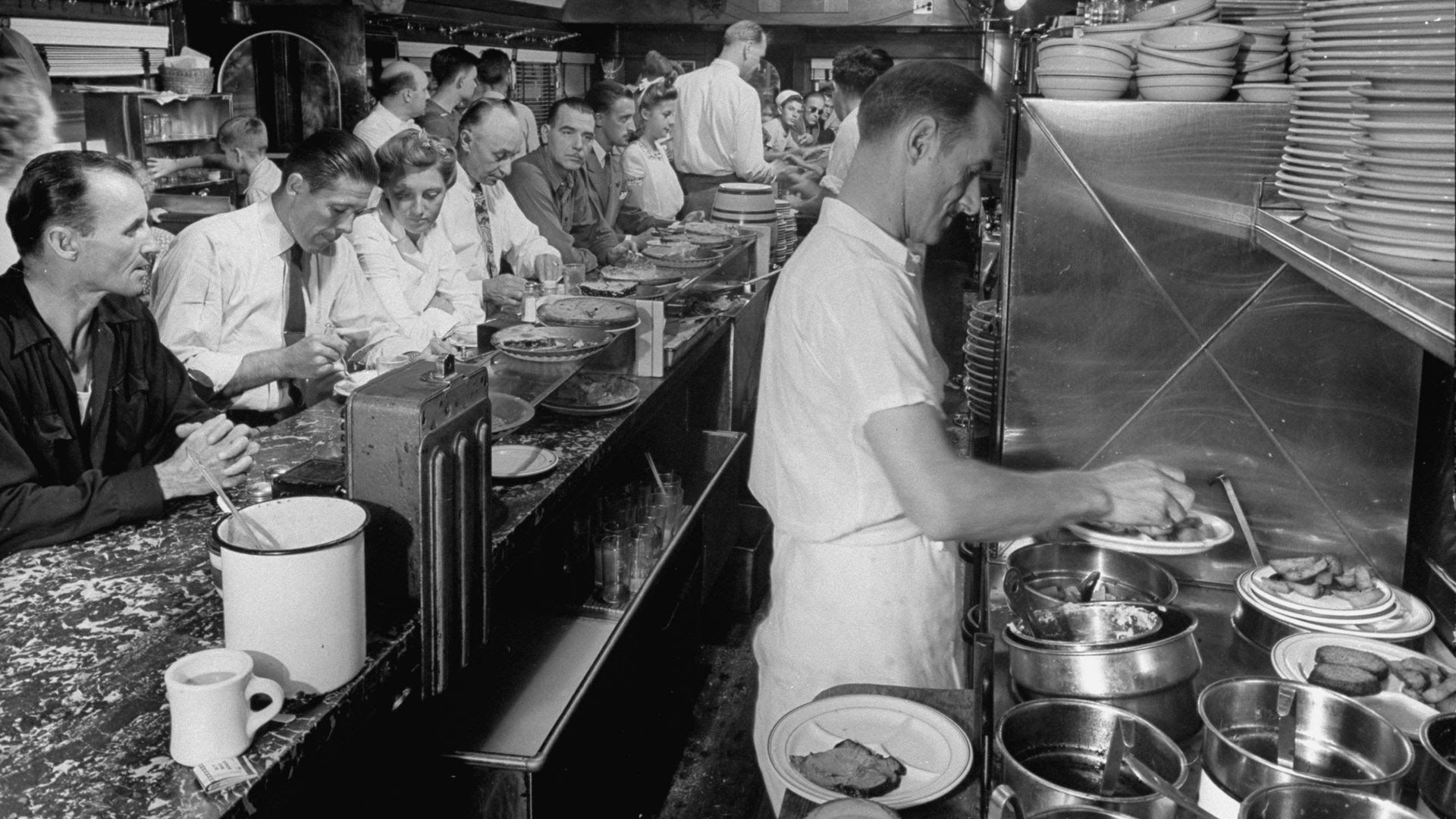
In the future of automation, the crisis in the advanced economies may be flat wages and not a lack of jobs. That future appears already to be here: In April, unemployment fell to 3.9%, but two-thirds of U.S. jobs pay less than $20 an hour. And the three most-common jobs, held by 11.5 million people, pay much less.
Retail sales ($13.07 an hour)
Cashier ($10.43)
Food-preparer ($9.84)
Why it matters: In the first technological cycle of the Industrial Age, in the beginning of the 19th century, we got the Luddite uprising. Over the subsequent decades, jobs were destroyed and new jobs created, roiling millions of people's lives. But the biggest crisis was low wages — Americans could not afford the basics.
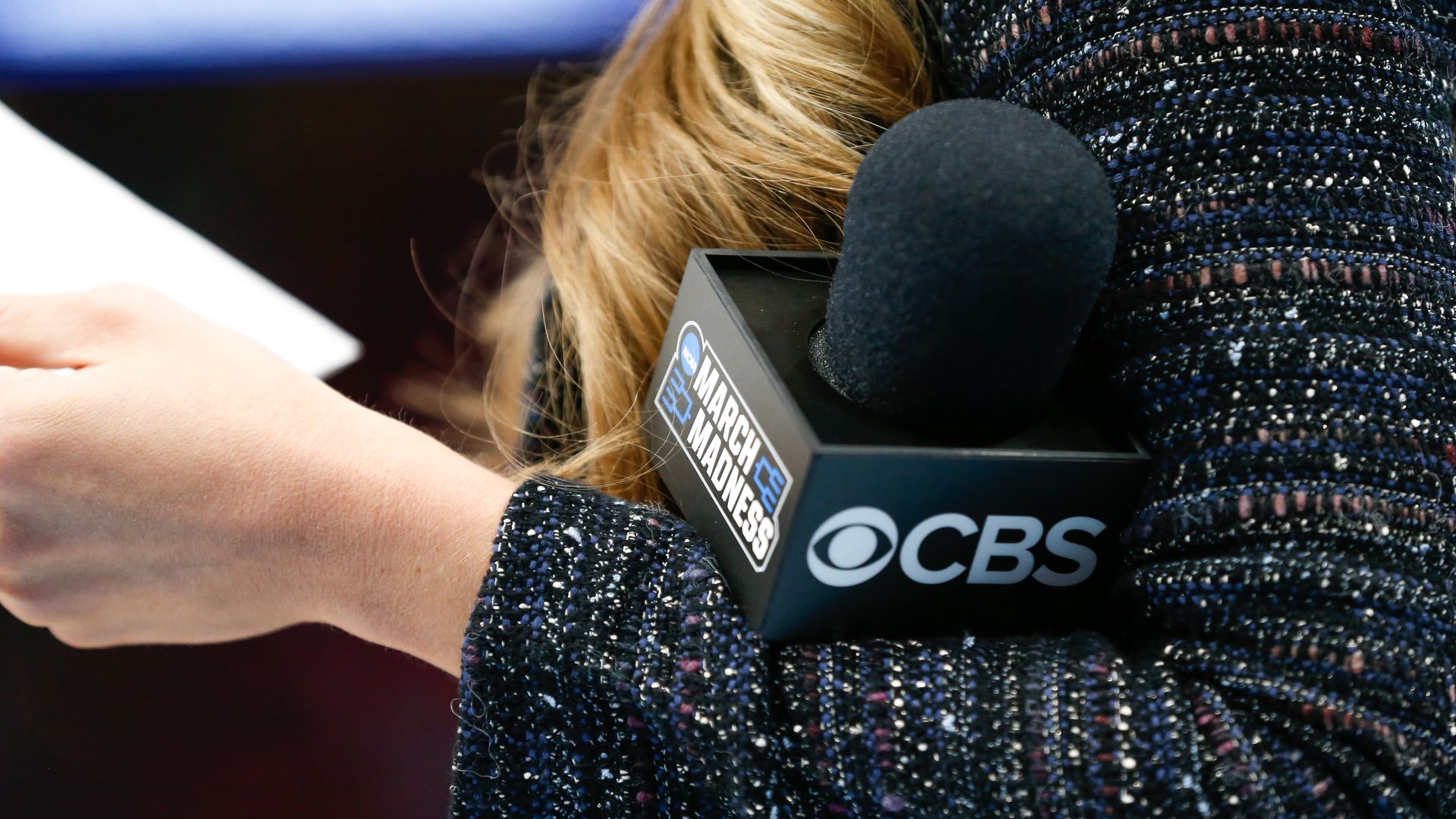
CBS is bringing its majority shareholder, National Amusements, to court Wednesday to fight for independence and stop a merger with cable network Viacom, also owned by National Amusements. At the same time, it’s also hosting its annual UpFront advertising presentation in New York Wednesday evening to convince advertisers that everything is fine.
Why it matters: It’s a historic split-screen moment for CBS. In one state it's fighting to lure marketers to save its linear TV business, and in another it's fighting a merger that would expand its linear TV business.
Pro-Trump media is spreading across the U.S., disseminating Trumpian rhetoric about fake news and mainstream media bias through every medium.
The big picture, from Rodney Benson, chair of NYU's Department of Media, Culture, and Communication: "Many of the media moving toward subscriptions have disproportionately left-liberal audiences. ... While liberal media draw their circles ever tighter around themselves (via paywalls, high-level content, etc.), conservatives are fighting to extend their mass reach."
At a time of rock-bottom joblessness, high corporate profits and a booming stock market, more than 40% of U.S. households cannot pay the basics of a middle-class lifestyle — rent, transportation, child care and a cellphone, according to a new study.
Quick take: The study, conducted by United Way, found a wide band of working U.S. households that live above the official poverty line, but below the cost of paying ordinary expenses. Based on 2016 data, there were 34.7 million households in that group — double the 16.1 million that are in actual poverty, project director Stephanie Hoopes tells Axios.
President Trump's desire to help save ZTE could set the tone for the treatment of another Chinese telecom company that's under investigation for sanctions violations.
Why it matters: China could use Trump's apparent pivot on ZTE as a stepping stone to free Huawei, the other, bigger Chinese phone maker. Or the ZTE case could be a lesson for the U.S. in negotiating with China that taking the toughest possible approach to China might not be the smartest when the Asian power is stronger than ever and prepared to fight back.
A digital ad targeting group for Democrats, DSPolitical, is launching a tool called Antidote to help candidates and organizations fight back against fake news.
Why it matters: We're just now learning the extent of how prevalent fake news was during the 2016 election. And there's really not yet an effective way to combat it, even though it's not showing any signs of stopping ahead of the 2018 election, spreading from social media to news websites to videos.
Tom Wolfe, a journalist and novelist who pioneered the "New Journalism" movement in the 1960s, died yesterday, age 88, after being hospitalized for an infection, the New York Times reports.
Between the shrimp cocktail shooters and flashy performances at their upfront presentations, you would have no idea that traditional TV networks have a very real problem on their hands.
Data: Weekly time spent with live TV + DVR / time-shifted TV; Source: Nielsen Total Audience Reports Q2 2017, Q2 2016, Q2 2015; Chart: Harry Stevens/Axios
The big picture: According to four years of data from Nielsen's Total Audience Reports, every age group except those aged 65+ is spending less time — and in the case of younger Americans, far less time — watching television live or via DVR.
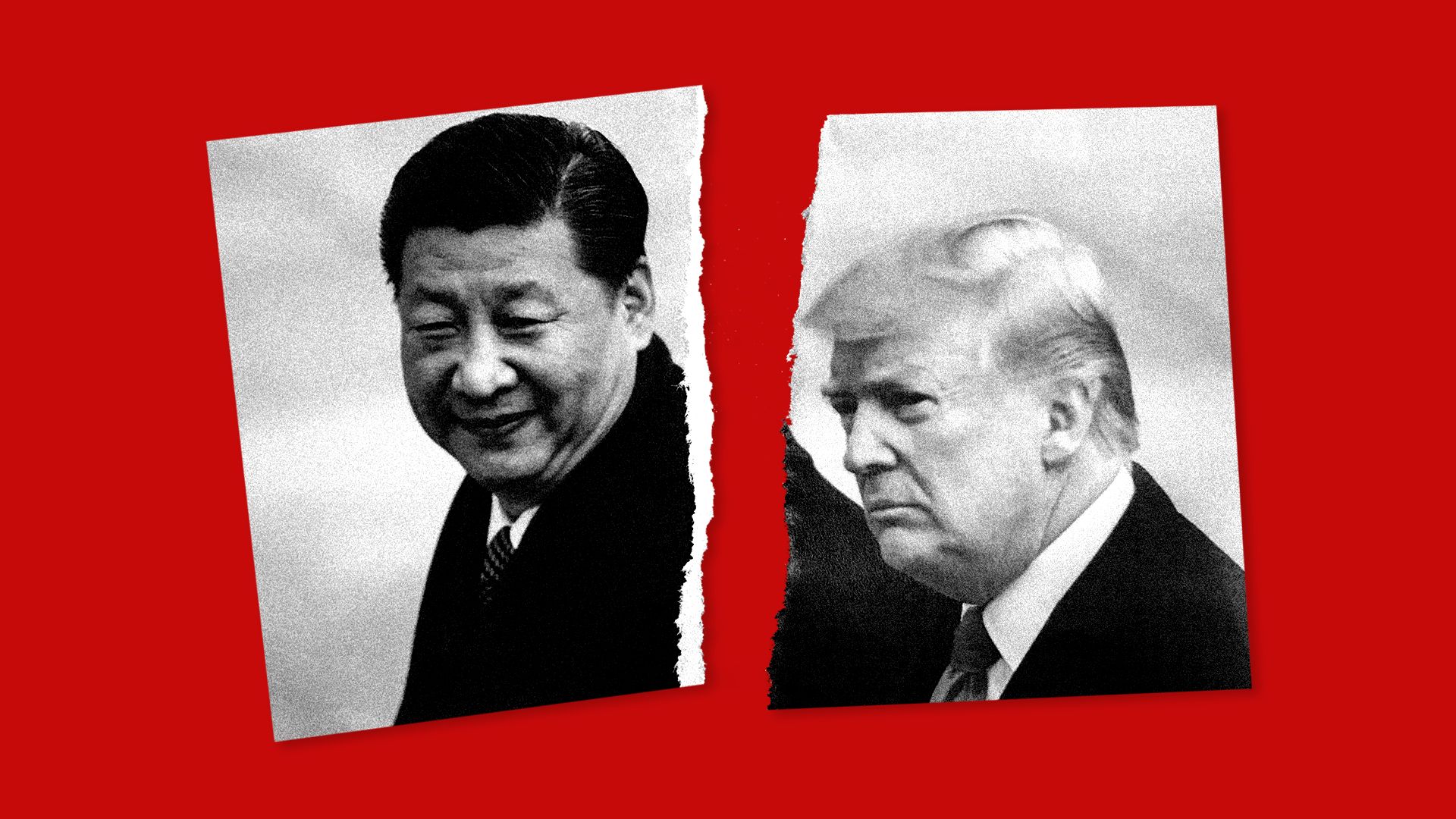
Larry Kudlow says the president doesn't want a trade war with China, adding that Trump is a free trader.
The big picture: "There's a little bit of a bromance" between Chinese President Xi Jinping and Trump, Kudlow told Axios' Mike Allen on Tuesday. "Bromances are always good."
Traditional TV networks spend millions of dollars renting out fancy venues and bringing in talent acts to wow advertisers their annual upfront presentations. The schedule is itself a thing of prestige. Only the top-tier networks will present in New York this week.
Why it matters: Billions of dollars of advertising dollars are spent on advanced commitments of programming during the TV upfronts season.
The internet age that started out as a boon for broadband and wireless providers has become an identity crisis as they face increasing competition from Silicon Valley, an uncertain merger landscape and global pressures in the race to 5G networks.
Why it matters: It's no longer enough to power the pipes and cell towers that send internet traffic coursing around the world. The services that ride on top of that traffic, like Google, Facebook and Amazon, now dominate the internet ecosystem. Meanwhile, companies like Comcast, Verizon and AT&T that built the networks in the first place are trying to stake their claims in the next round.