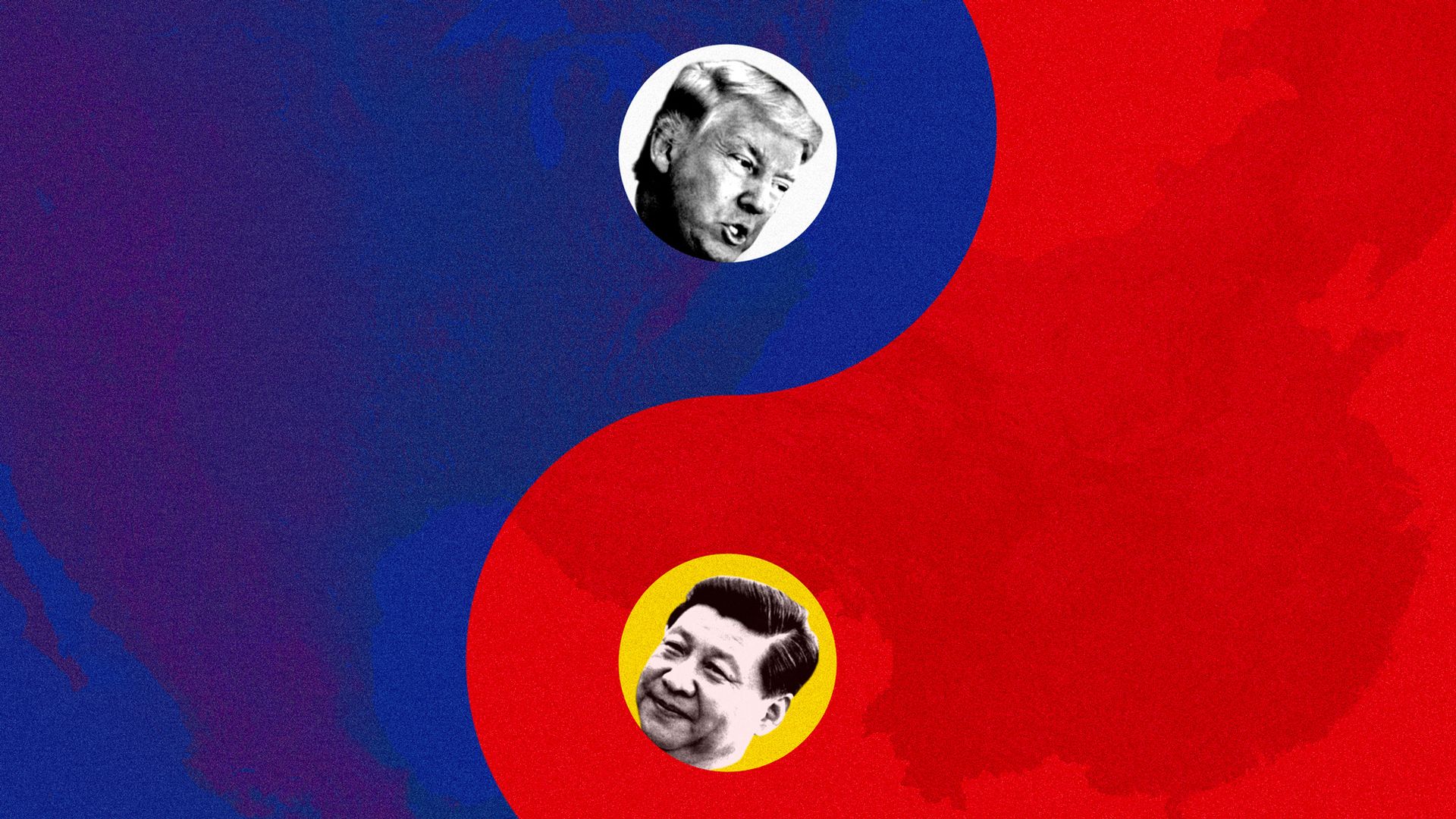
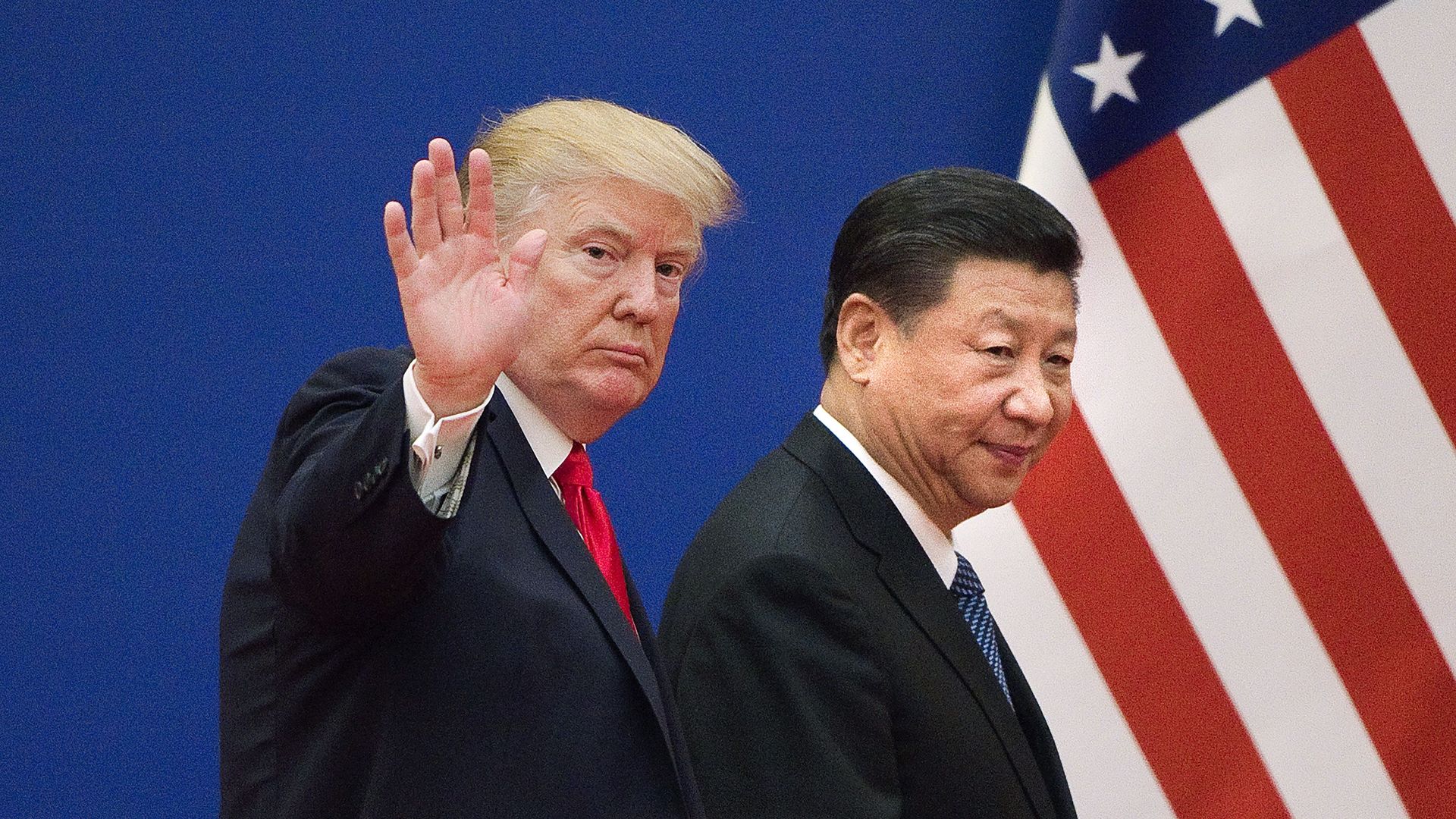
In a Monday tweet, President Trump provided additional reasoning for his surprise announcement yesterday that he hoped to save failed Chinese phone maker ZTE with Chinese President Xi Jinping, suggesting it comes as part of a "larger trade deal."
The big picture: The president's tweet confirms Axios' Jonathan Swan's reporting that Washington is considering a Mnuchin-led deal with Beijing that involves tariff concessions from the U.S. in exchange for the Chinese buying billions of dollars worth of U.S. products.
The big picture: The study found that the amount of gun violence in PG-13 films, which often sanitize both the bloodiness and consequence of such violence, had more than doubled since the rating's inception in 1985 — and even jumped above R-rated films in recent years.
GreenSky, an Atlanta-based digital lending platform, set its IPO terms to 34.09 million shares at $21-$23.
Why it's a big deal: Because this is a major market validation test for an online lending market whose last two VC-backed "unicorns" — LendingClub and OnDeck Capital — have flopped post-IPO.
The campaign arm for Senate Democrats said Monday that it will start running a short digital ad aimed at gaining support for their efforts to roll back the FCC's 2017 net neutrality rules repeal.
Why it matters: Democrats want this to become a campaign issue, especially for young people, ahead of the midterms. But right now, the rollback resolution is unlikely to pass the House.
President Trump's pivot on China has some of his most loyal supporters spooked.
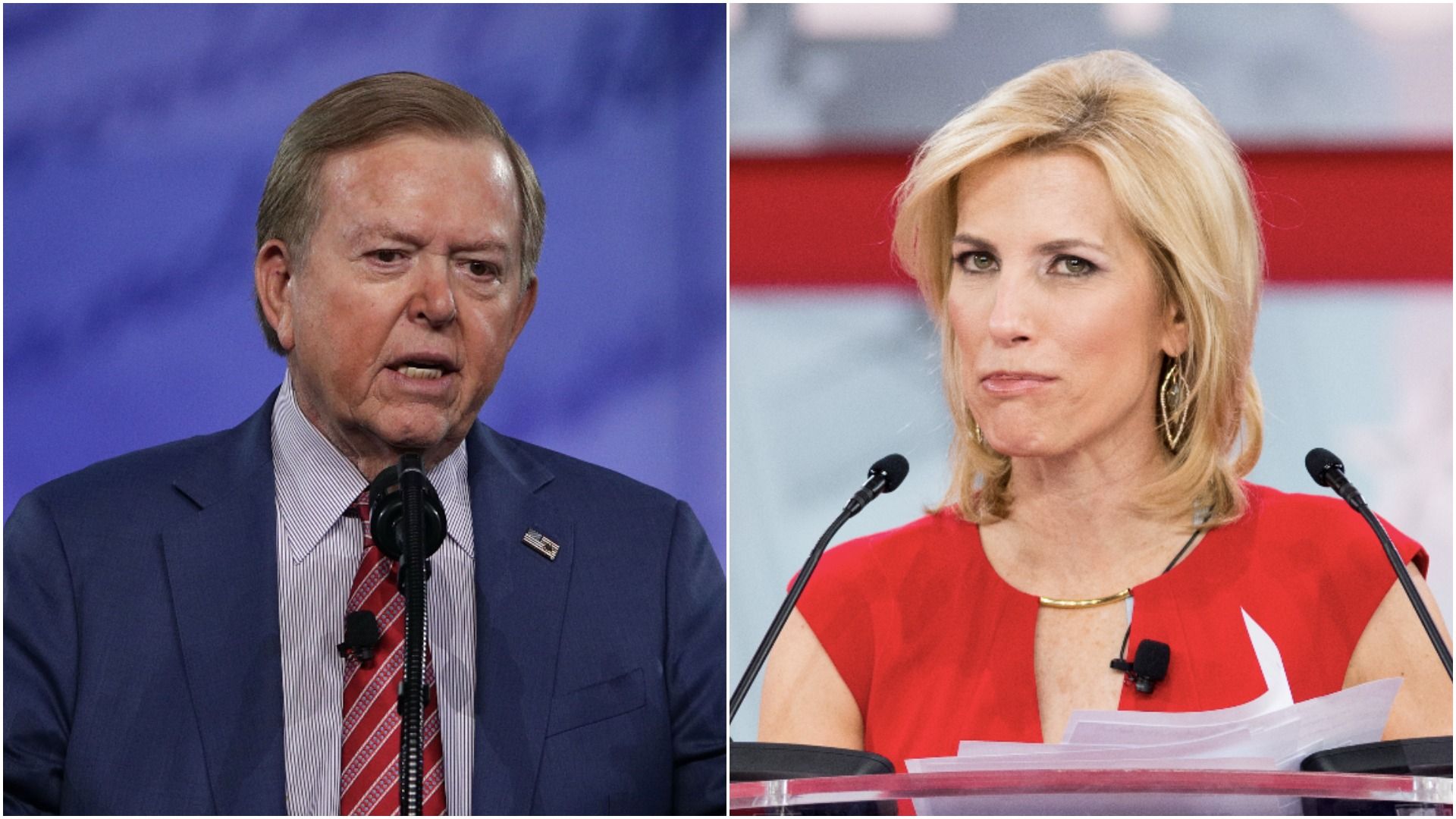
Why it matters: Several people outside the White House who have Trump's ear — FOX Business Network's Lou Dobbs and Fox News' Laura Ingraham — are publicly dissenting. And, internally, trade hardliners Peter Navarro and Robert Lighthizer are concerned about a Mnuchin-led deal that could give up on nailing China for its nefarious industrial practices.
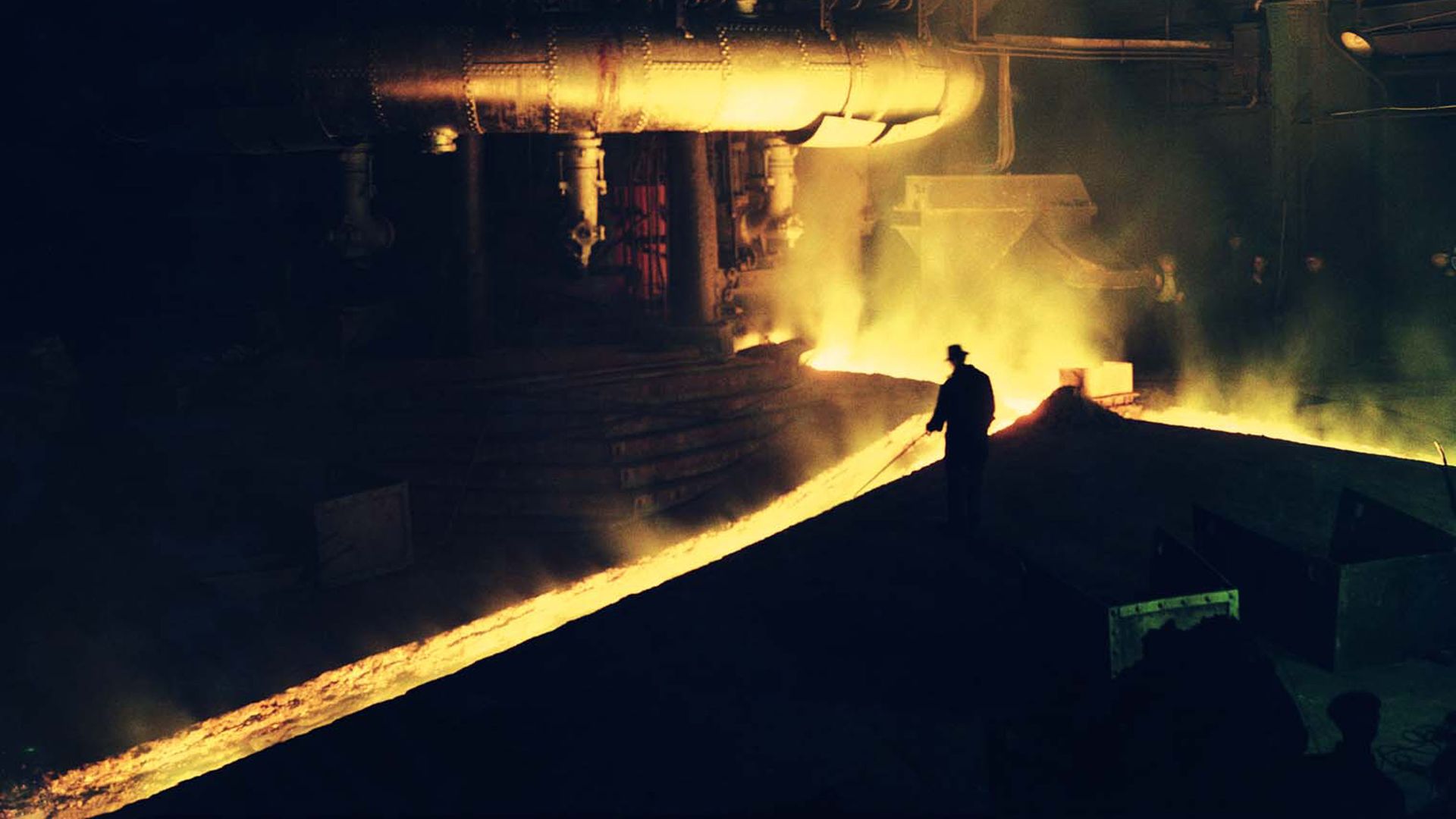
New data have persuaded many economists that Chinese trade, and not robots, is at fault for vanished manufacturing jobs across the Ohio and Mississippi river belts, but a key expert is disputing the finding.
Why it matters: Within the answer may lie the answer to resurrecting at least some of the hollowed out manufacturing heartland, or at least not making the same mistakes again. And it may also help explain the rise of populist leaders like President Trump.
President Trump wants a grand bargain with China. And hardliners in the Trump administration worry Treasury Secretary Steven Mnuchin is leading him down an accommodationist path that — in their minds — would betray the President's economic agenda and capitulate to Beijing.
The intrigue: Trump inflamed those internal fears today with this tweet that signaled he's willing to give away significant things for a deal: "President Xi of China, and I, are working together to give massive Chinese phone company, ZTE, a way to get back into business, fast. Too many jobs in China lost. Commerce Department has been instructed to get it done!"
The Trump team is bitterly divided over what's happening with China.
Between the lines: Treasury Steven Mnuchin and Larry Kudlow, Trump's top economic adviser, want a deal that has China buying billions in U.S. products in exchange for not facing retaliations on alleged theft of IP. But while hardliners Peter Navarro and Bob Lighthizer have been publicly silent, people familiar with their thinking say that they believe it would betray Trump’s economic agenda, missing a once-in-a-generation opportunity to force China to change its industrial practices.