The U.S. leveraged loans market market recently topped $1 trillion for the first time ever, having grown each consecutive year since 2010. We asked Randy Schwimmer, head of origination and capital markets at Churchill Asset Management, if markets should be concerned:
"Not by the level per se, which is pretty consistent with the popularity of the asset class. More worrisome is large cap structural deterioration at the borrower level."
Most major media deals that analysts and experts thought would be sure bets have taken unexpected turns in the past month, introducing new possibilities of what the future of media could look like for decades to come.
Why it matters: Nearly every deal is dependent on the outcome of another pending merger in the space. With a limited number of telecom, tech and TV companies in the mix, the fight for survival has created a game of merger musical chairs.
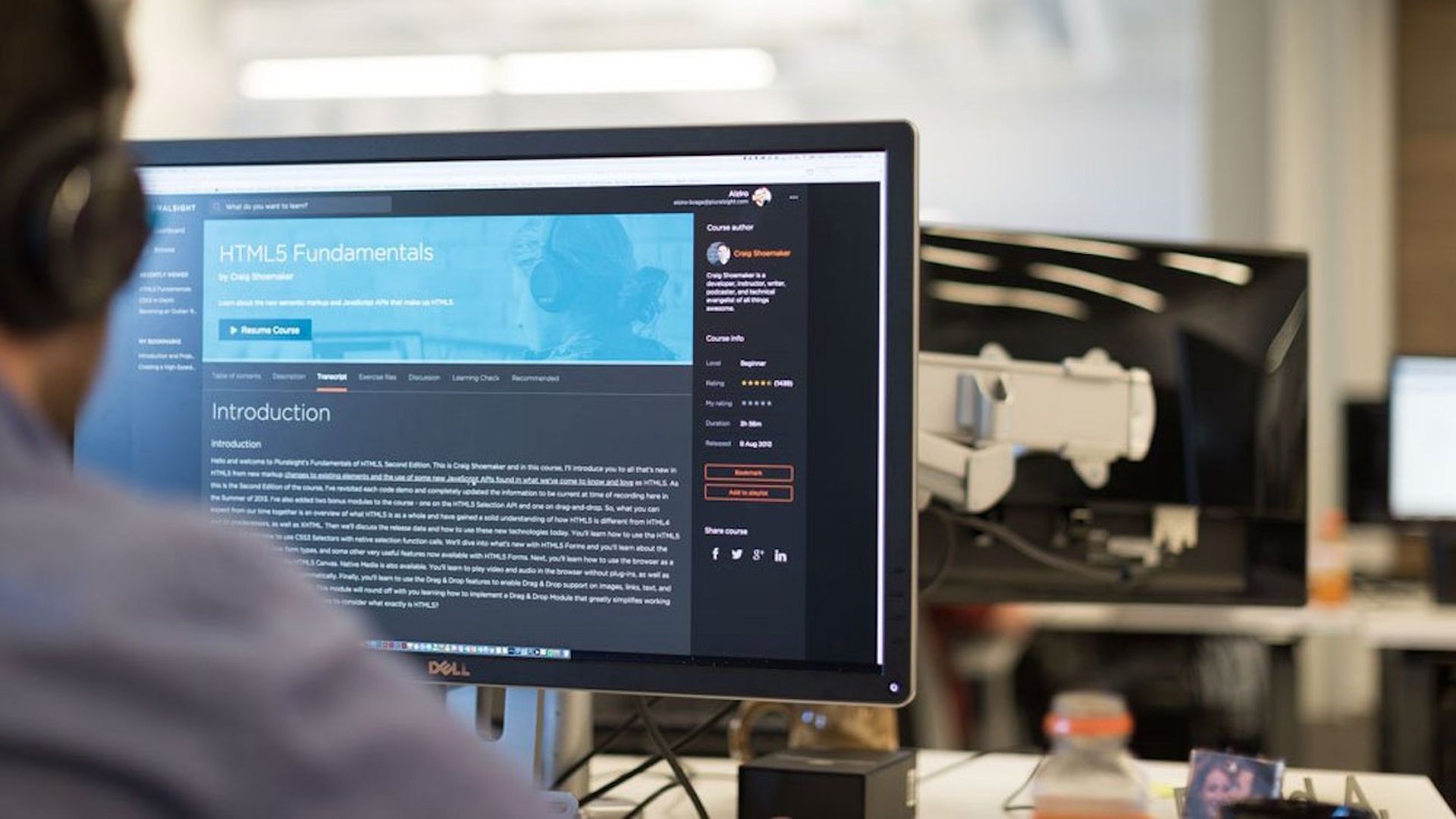
Online learning company Pluralsight raised $311 million in its IPO at a valuation just north of $2 billion, and began trading on the Nasdaq above its IPO price.
Why it matters: Pluralsight is the first company from Utah’s “Silicon Slopes” (its local tech and startup hub) to go public, with expectations that neighbors like Domo and Qualtrics could soon follow.
BJ's Wholesale Club on Thursday filed for an IPO, disclosing around $50 million in profit on $12.5 billion in revenue for its most recent fiscal year.
Why it matters: It's been a tough year for private equity-backed retailers, with some using examples like Toys "R" Us to argue that the model itself is flawed. BJ's — taken private in 2011 — could become a counter-narrative, showing that it is possible to increase both the top and bottom lines.
Staples, which was taken private last year by Sycamore Partners for $6.9 billion, yesterday disclosed a 9.9% stake in workplace supplies wholesaler Esesendant and offered to buy the rest for $11.50 per share in cash ($940m enterprise value, including debt).
Why it's a big deal: Because it's highly unusual for private equity sponsors to use their portfolio companies to put equity hooks into listed acquisition targets. Sycamore, however, has been known to use this strategy on its own.
The Trump administration is putting pressure on Germany to stop a multimillion gas pipeline project with Russia in order to avoid a trade war between the U.S. and Europe, according to the Wall Street Journal. President Trump reportedly told German Chancellor Angela Merkel that dropping support for the project would be the price for a new trade deal between the US and Europe.
The big picture: The Nord Stream 2 project would transport gas from Russia to Germany under the Baltic Sea. Its construction could cause Ukraine and other European allies to fall victim to Russian pressure via the energy sector — and threaten American hopes to become a major provider of gas to Europe.
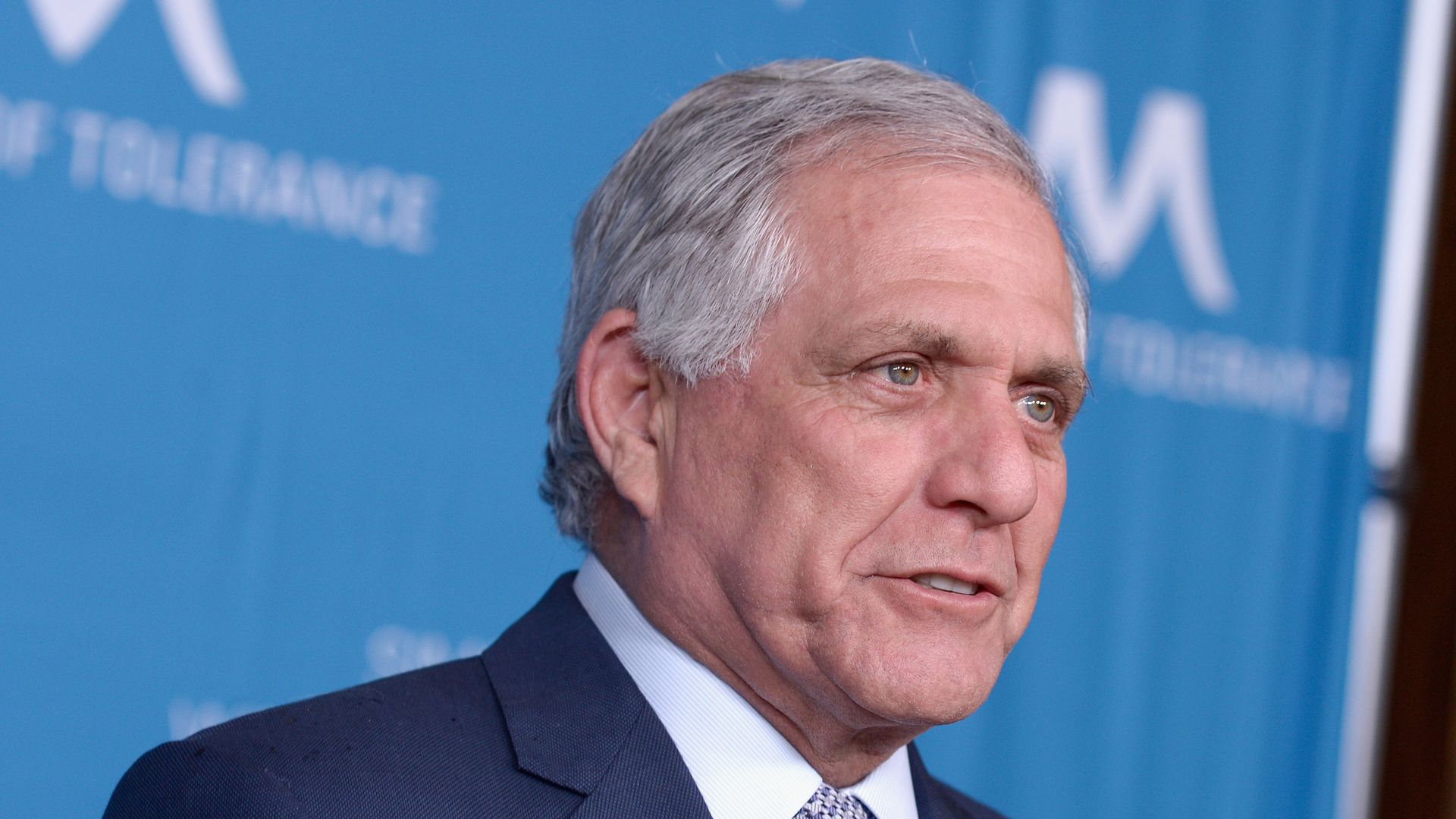
A Delaware judge has just ruled against CBS, in its effort to strip company control from Shari Redstone's National Amusements Inc.
Why it matters: This could pave the way for a merger with Viacom, and also lead to major management changes at CBS (whose stock is down more than 6% on the ruling).
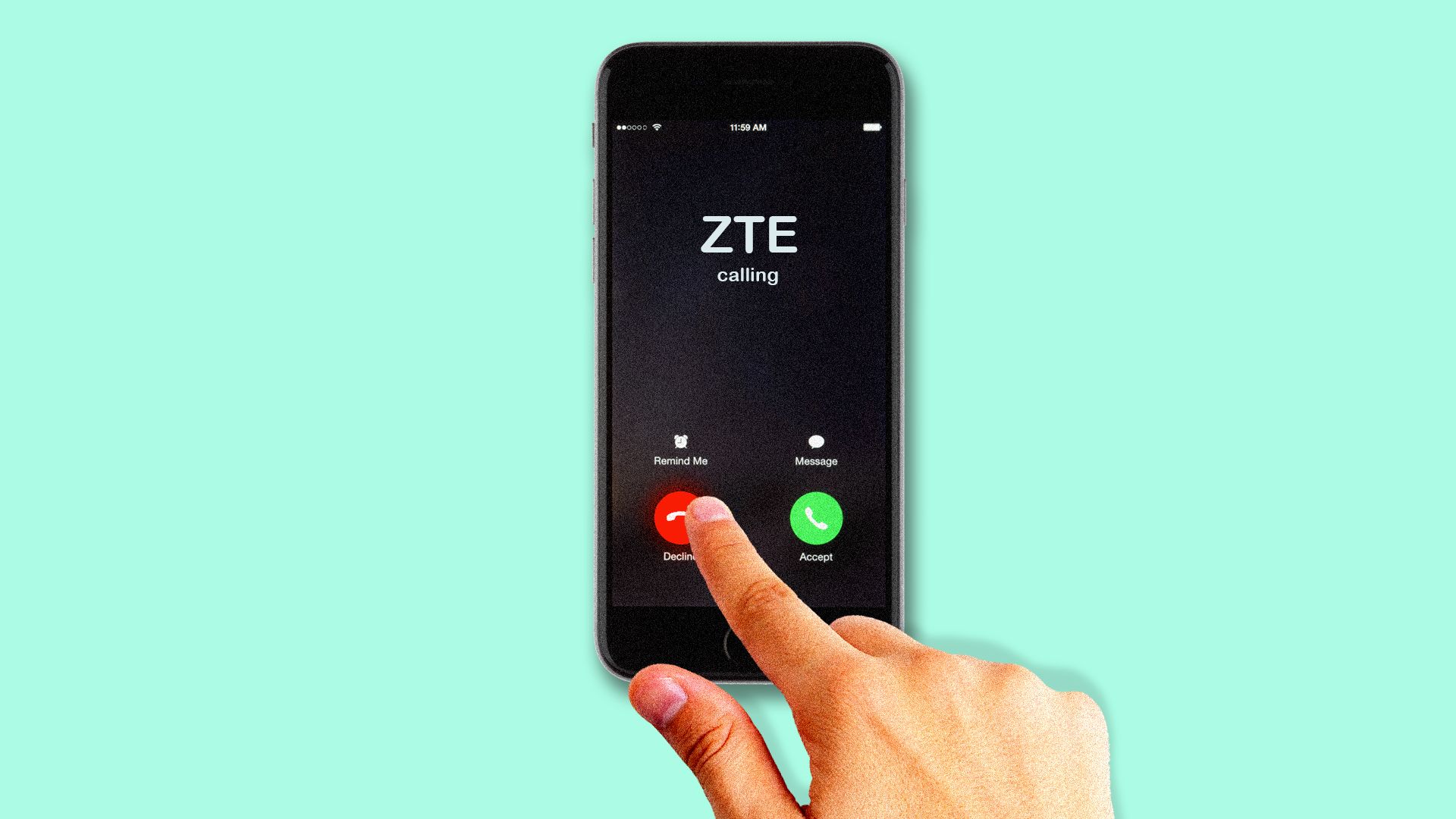
ZTE isn't the only Chinese tech manufacturer trying to navigate a volatile trans-Pacific trade climate. Of course, there's Huawei, another giant that, like ZTE, has long faced charges of assisting Chinese intelligence efforts. Then there's Coolpad, a phone maker that's hoping U.S. consumers won't judge every firm by its nation of origin.
Why it matters: Chinese companies are sending a loud "we're not all the same" message to the world. Despite the cloud over ZTE and the looming threat of a wider U.S.-China trade war, Coolpad hopes to break the perception of cheap products made with fealty to Beijing, and insists its business is different.