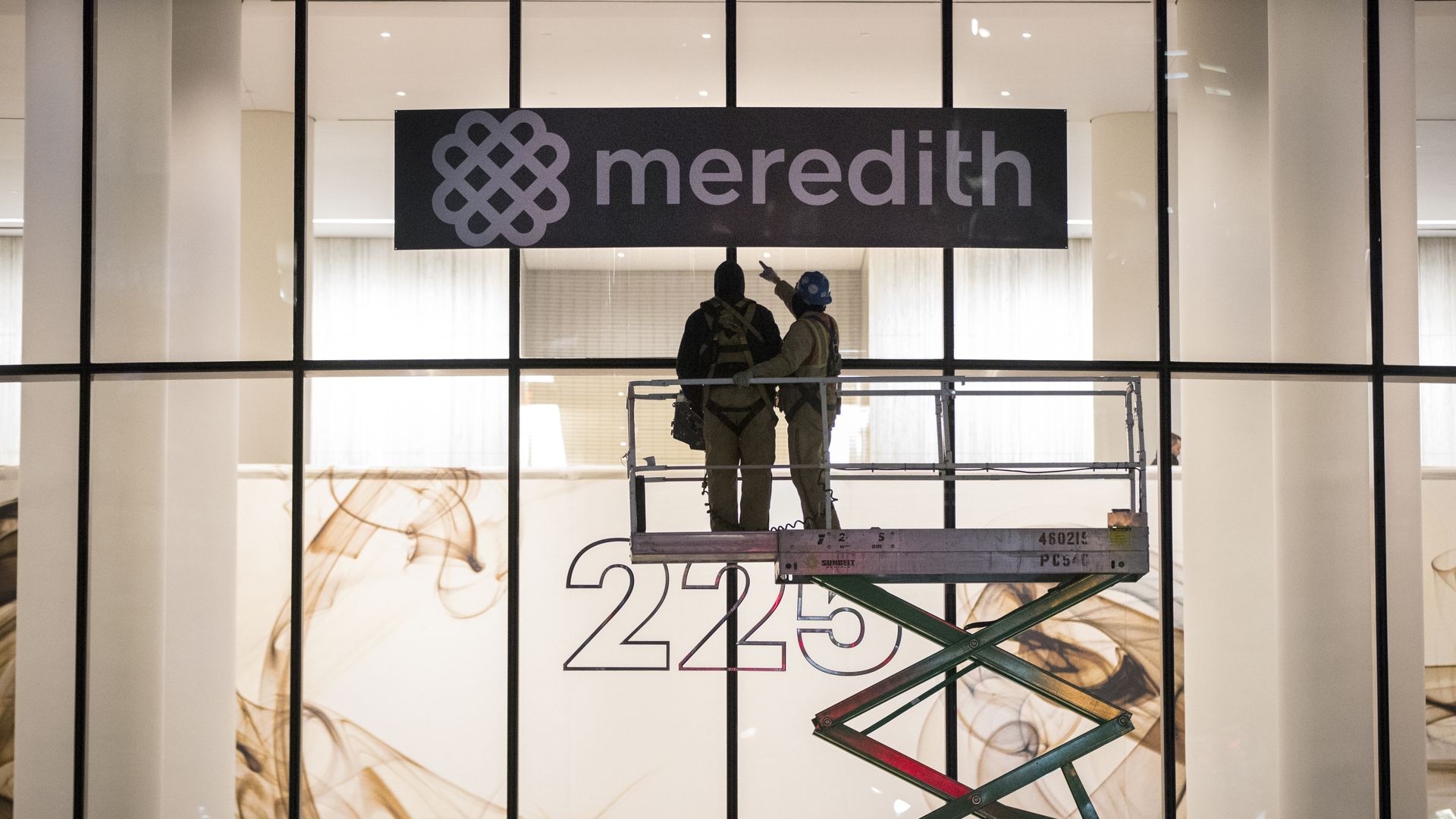
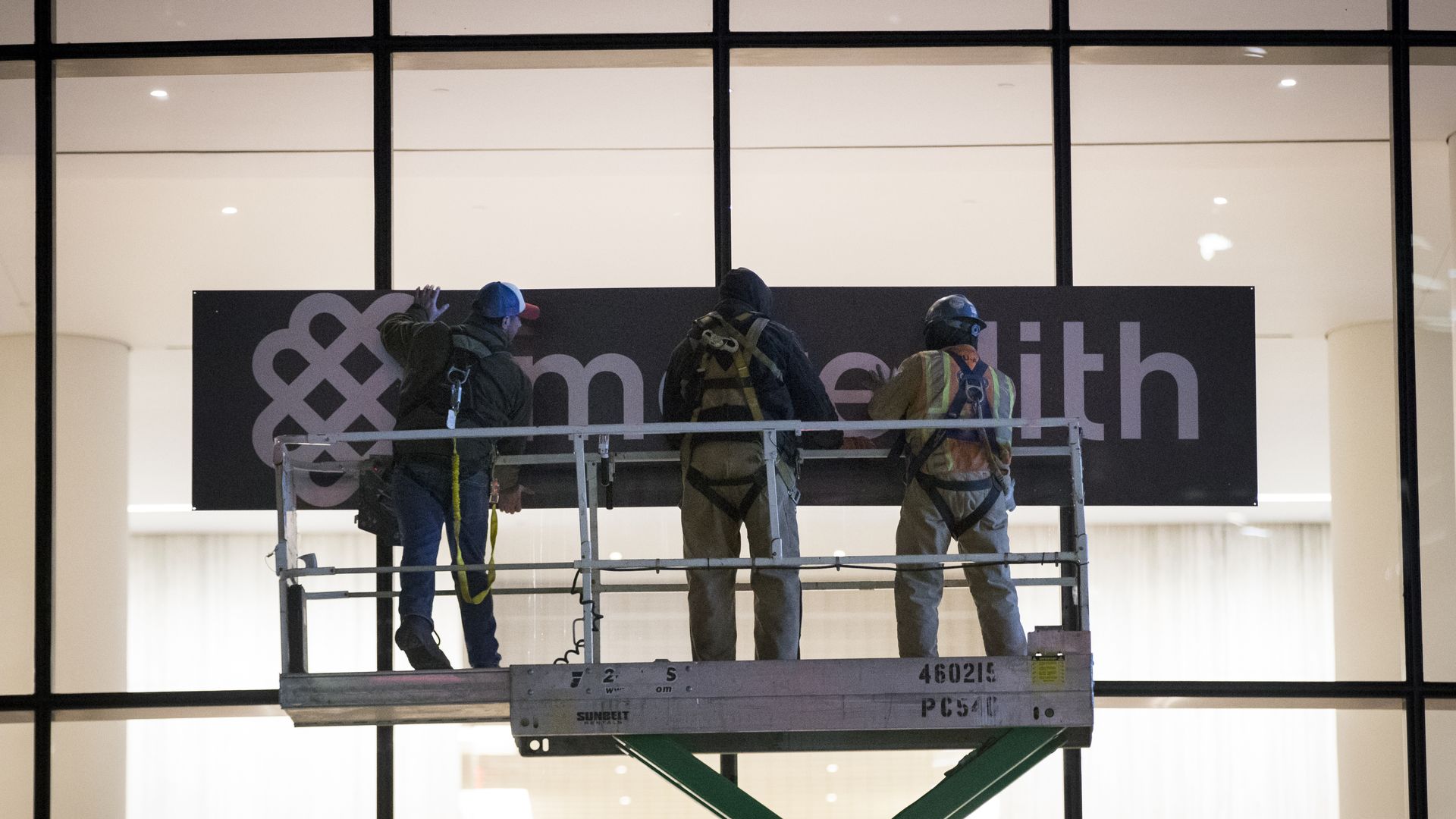
Just months after it announced the acquisition of Time Inc., Meredith Corporation, the Des Moines-based lifestyle magazine company, will lay off more than 1200 people, the company announced Wednesday.
Why it matters: With mergers of this size usually comes cost-cutting "synergies," which usually translate to layoffs. The company says positions are being eliminated in part to de-duplicate roles and to move more staff from Time Inc.'s former NYC headquarters to Meredith's Iowa headquarters, where operational costs are cheaper.
Amid a retail bloodbath last year and the first two months of 2018, the U.S. still has far too many shops, and their numbers need to shrink — 1 out of 5 need to close to reach the historical average, according to Costar, a research firm.
By the numbers: Ryan McCullough, senior real estate economist with Costar, said the U.S. has 18% too much retail space when compared with the historical average.
Meredith Corp. CEO Tom Harty today held meetings with the respective staffs of several magazines recently acquired in the Time Inc. merger, including Time, Fortune, Money and Sports Illustrated. Axios spoke with a source at Fortune.
Harty's basic message: We're trying to sell you, but won't shut you down if we fail.
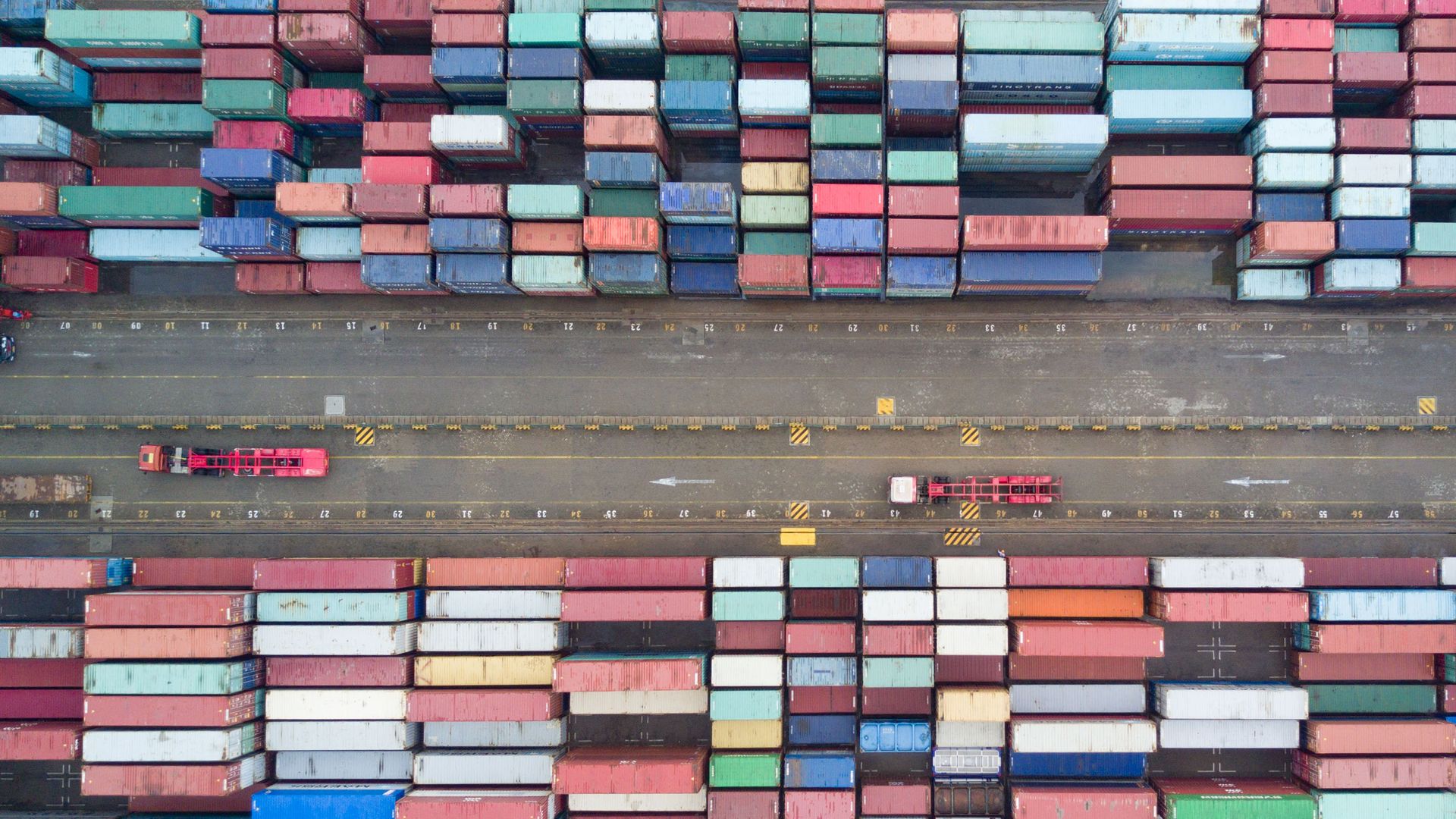
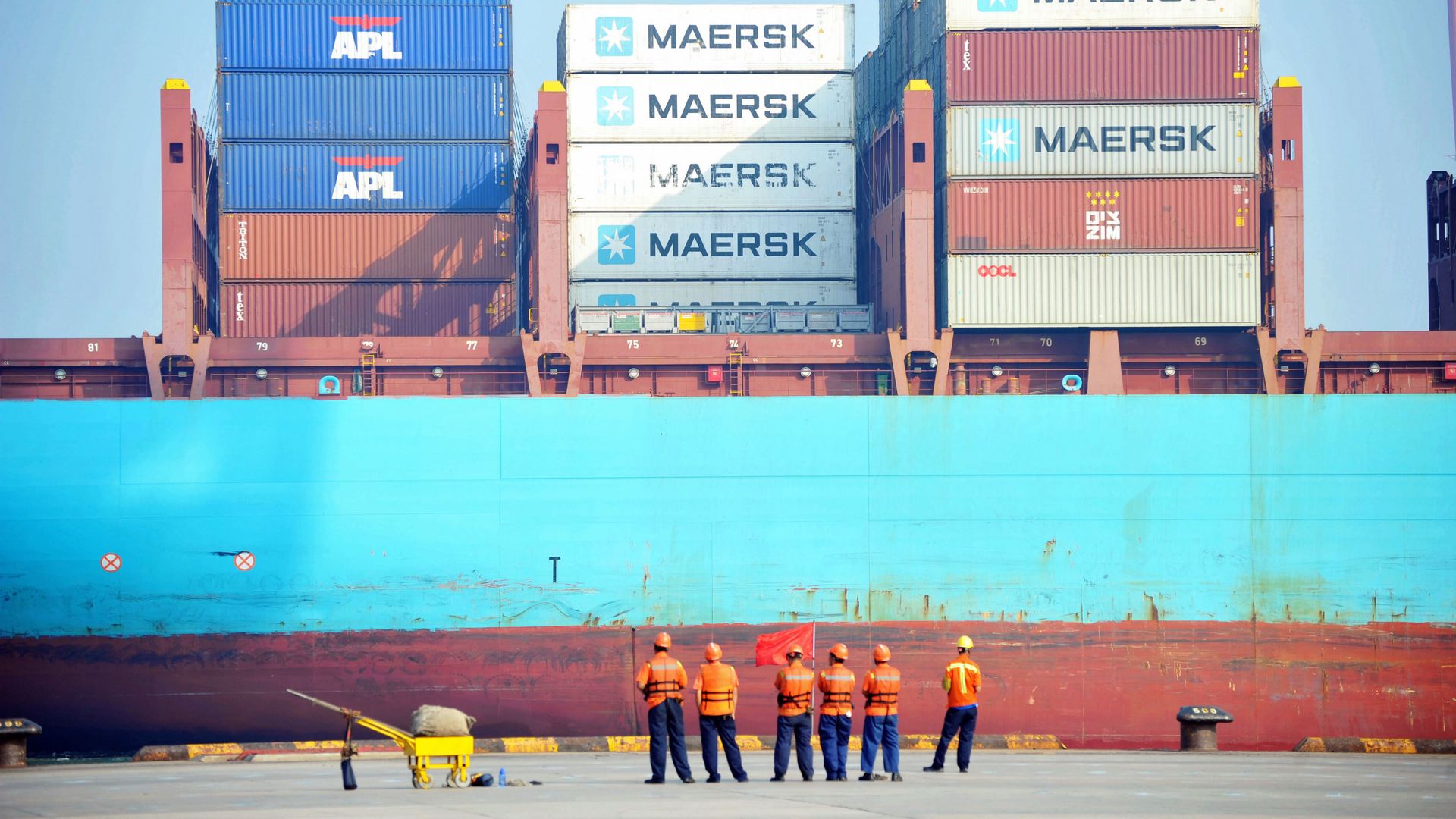
For decades, western companies have griped that Beijing is forcing them to hand over tech secrets and source code as a price of access to the Chinese market. Now they have a White House prepared to act forcefully to stop it — starting tomorrow, Axios' Jonathan Swan reports — but the fear is a costly tit-for-tat trade war.
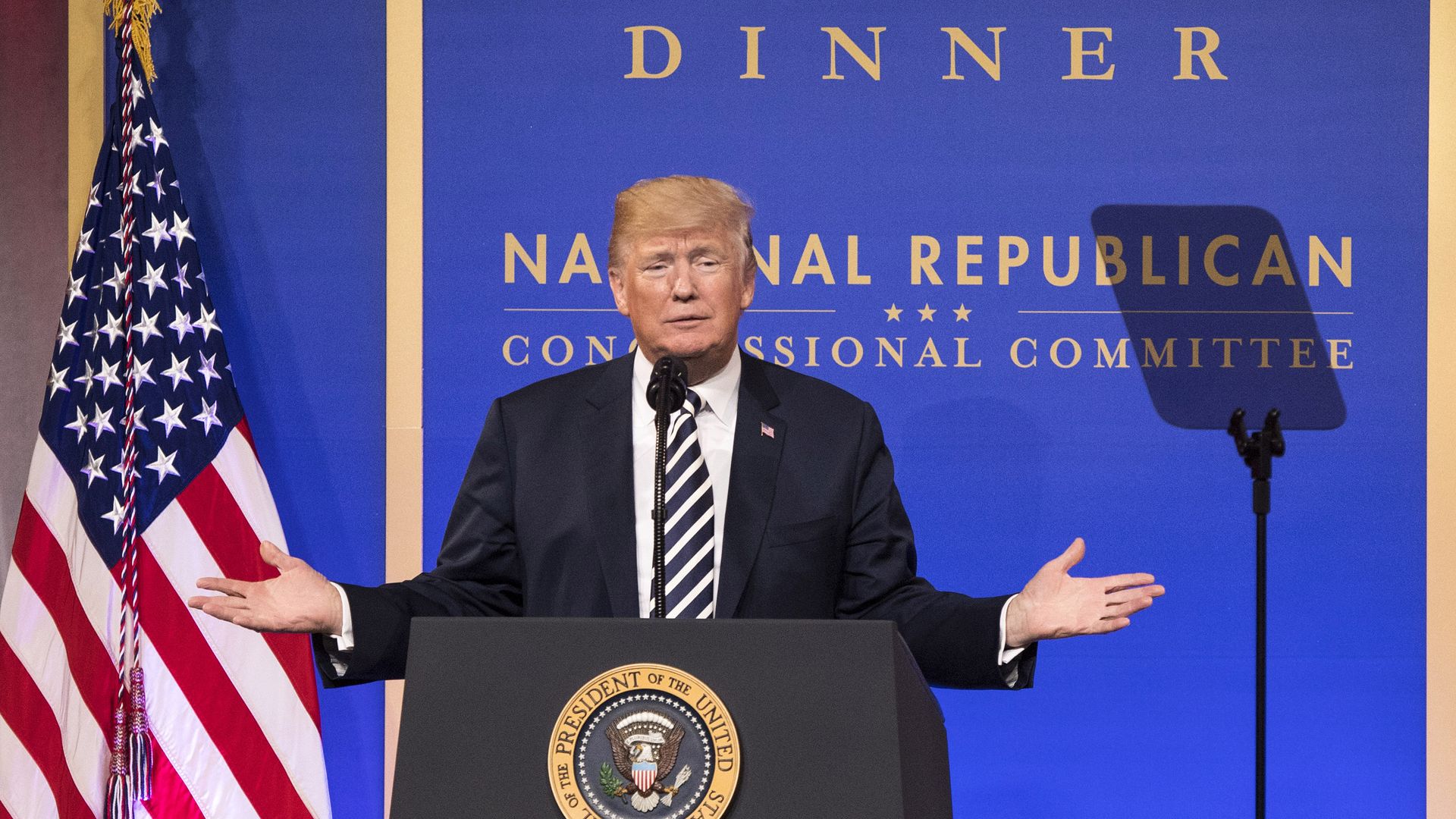
President Trump plans to unveil his aggressive package of tariffs against China tomorrow, with a charge led by U.S. Trade Representative Robert Lighthizer that will use Section 301 of the Trade Act of 1974 to target Beijing.
The big picture: Two sources with direct knowledge tell me Kevin Hassett has been crunching the numbers, and the dollar value of the tariffs will likely be around $50 billion per year — or slightly less. The administration has used an algorithm to select a batch of Chinese products and then apply tariff rates to those products in a way that will hopefully limit the harm to American consumers.
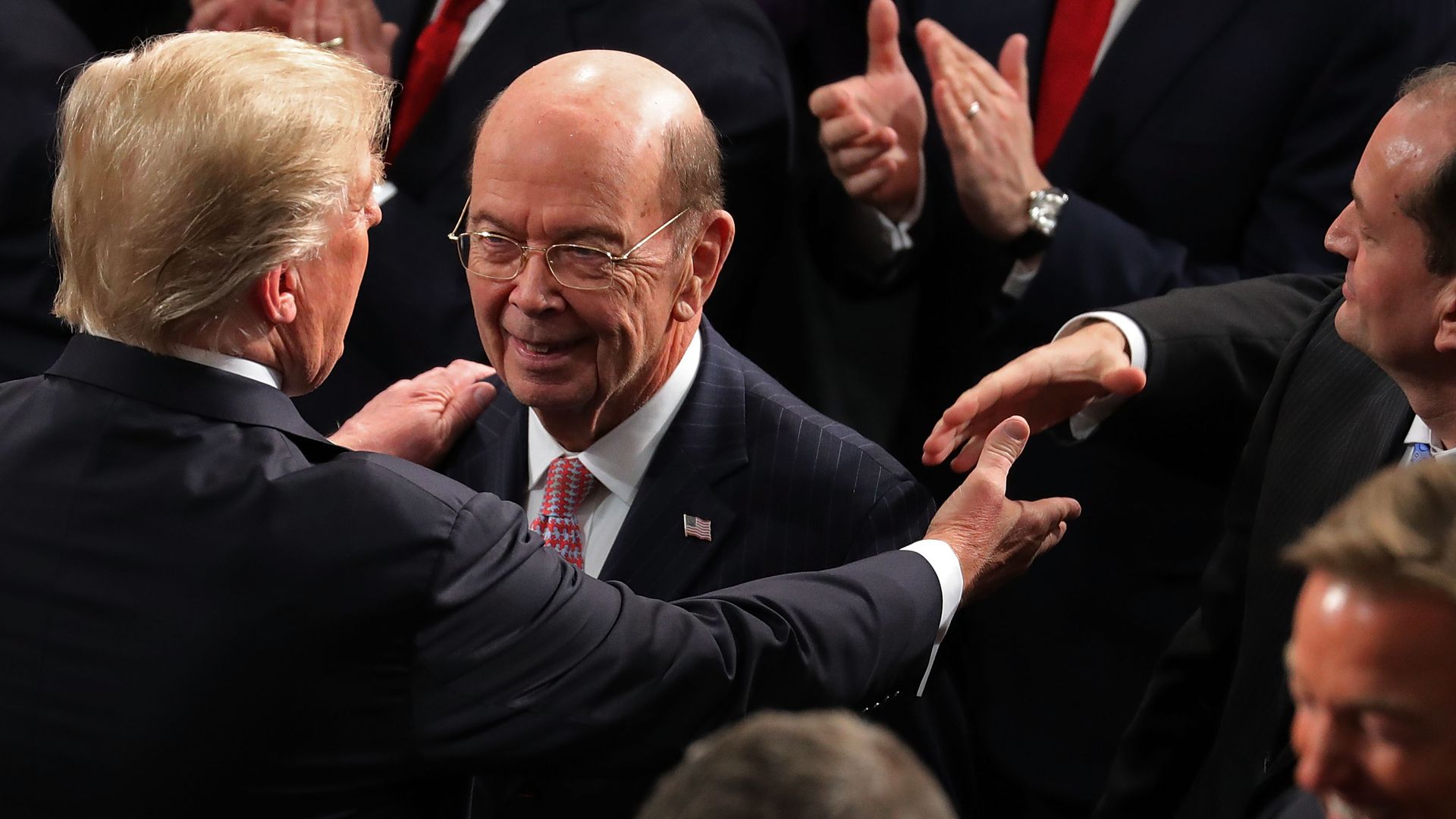
Commerce Secretary Wilbur Ross and European Trade Commissioner Cecilia Malmström released a joint statement saying they are looking for "mutually acceptable outcomes" for President Trump's recently announced steel and aluminum tariffs.
"We have agreed to launch immediately a process of discussion with President Trump and the Trump Administration on trade issues of common concern, including steel and aluminum, with a view to identifying mutually acceptable outcomes as rapidly as possible."
Why it matters: The EU threatened to strike back against President Trump's tariffs, which risked sparking a trade war with one of the United States' closest allies and trading partners.
"'Special Council [sic] is told to find crimes, wether [sic] crimes exist or not. I was opposed the the [sic] selection of Mueller to be Special Council [sic], I still am opposed to it. I think President Trump was right when he said there never should have been a Special Council [sic] appointed because there was no probable cause of believing that there was any crime, collusion or otherwise, or obstruction of justice!' So stated by Harvard Law Professor Alan Dershowitz"
Axios hosts a conversation on the future of work at Howard University in Washington, D.C., featuring JPMorgan Chase CEO Jamie Dimon, MSNBC hosts Stephanie Ruhle and Ali Velshi, AOL co-founder Steve Case and comedian and writer Baratunde Thurston.
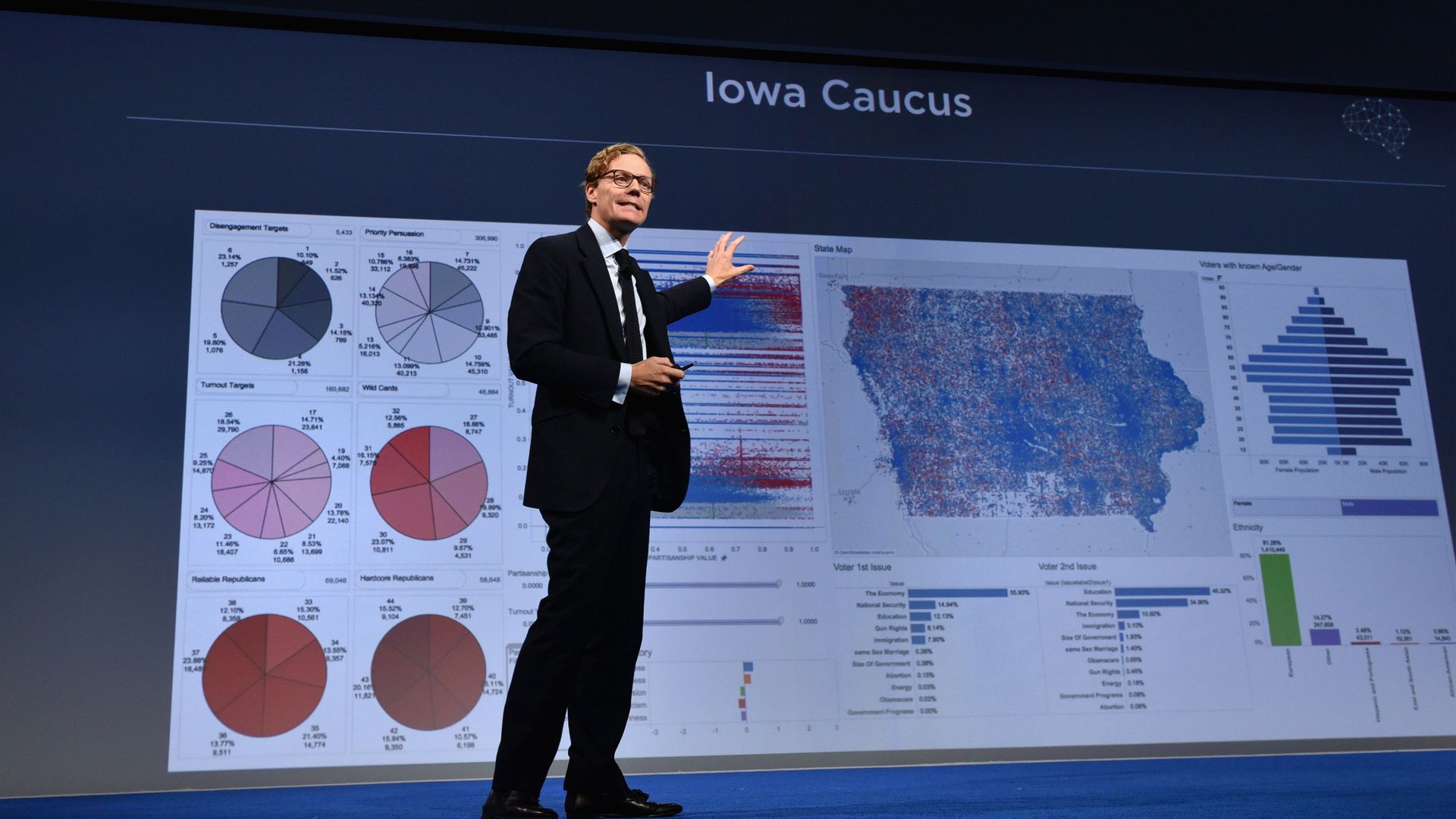
Suspended Cambridge Analytica (CA) CEO Alexander Nix said his firm "ran all the digital campaign" for President Donald Trump and played a crucial role in Trump winning the electoral college by a margin of 40,000 votes in three states, reports the UK's Channel 4 News. While being secretly recorded by an undercover reporter, Nix and other CA executives discussed how they acted as a conduit between the Trump campaign and outside super PACs — which is illegal under U.S. election law.
Bloom Energy, a Sunnyvale, Calif.-based fuel cell company that provides on-site power generation to large facilities, reportedly has restarted its IPO process and could list in the second quarter.
Why it's a big deal: Because Bloom is a survivor, albeit one with nearly $1 billion in venture funding and some unexpected help from the Trump administration. Most other capital-intensive "cleantech" startups from the early aughts failed, leading VCs to largely abandon the sector (including some of Bloom's own backers, like Kleiner Perkins).
The Wall Street Journal has the latest evidence that Saudi Arabia is delaying and potentially scaling back plans for the IPO of state oil giant Aramco. The paper reported yesterday that the Saudis will move ahead next year with a listing only on their domestic exchange, called the Tadawul, while "taking more time to decide if an international venue is worth it."
The intrigue: The WSJ story arrived on the eve of President Trump's meeting today with Crown Prince Mohammed bin Salman. Trump has urged the Saudis to select the U.S. as the international venue for what could be the largest IPO ever.
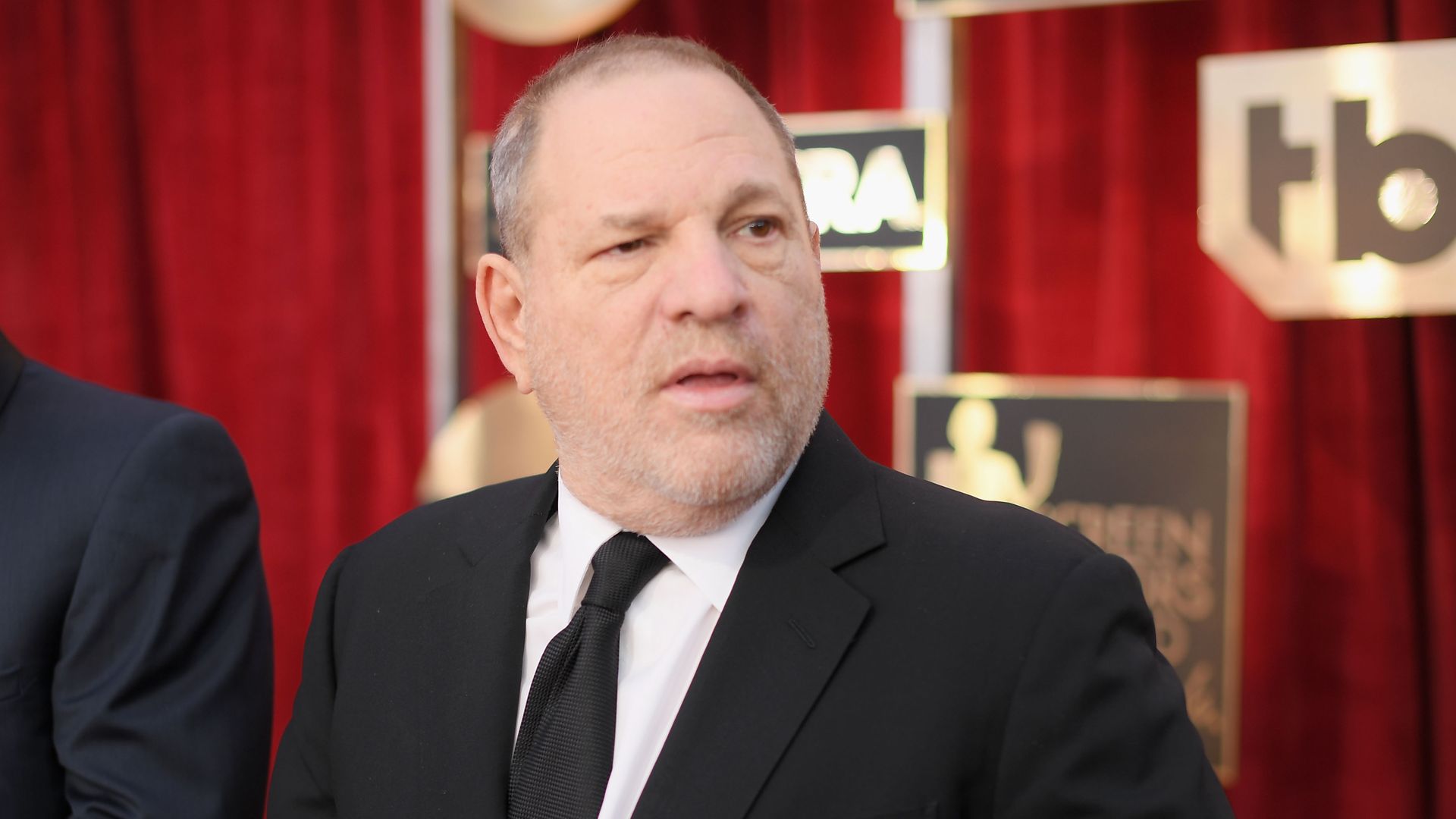
"Harvey Weinstein's embattled movie studio — once a premier maker of award-winning films — has filed for Chapter 11 bankruptcy more than five months after sexual misconduct allegations against its co-founder sent the company spiraling out of control," the L.A. Times reports.
The big picture: The company is also releasing its employees from non-disclosure agreements as part of the bankruptcy filing. New York AG Eric Schneiderman, who has been investigating the company, said, "The Weinstein Company's agreement to release victims of and witnesses to sexual misconduct from non-disclosure agreements ... will finally enable voices that have for too long been muzzled to be heard."
"The Trump administration plans to impose tariffs worth as much as $60 billion on Chinese products as early as this week to punish Beijing for what the U.S. perceives as intellectual property theft from American businesses," Bloomberg reports.
Why it matters, from WashPost: "Senior aides had presented Trump with a $30 billion tariff package that would apply to a range of products, but Trump directed them to roughly double the scope of the new trade levies."
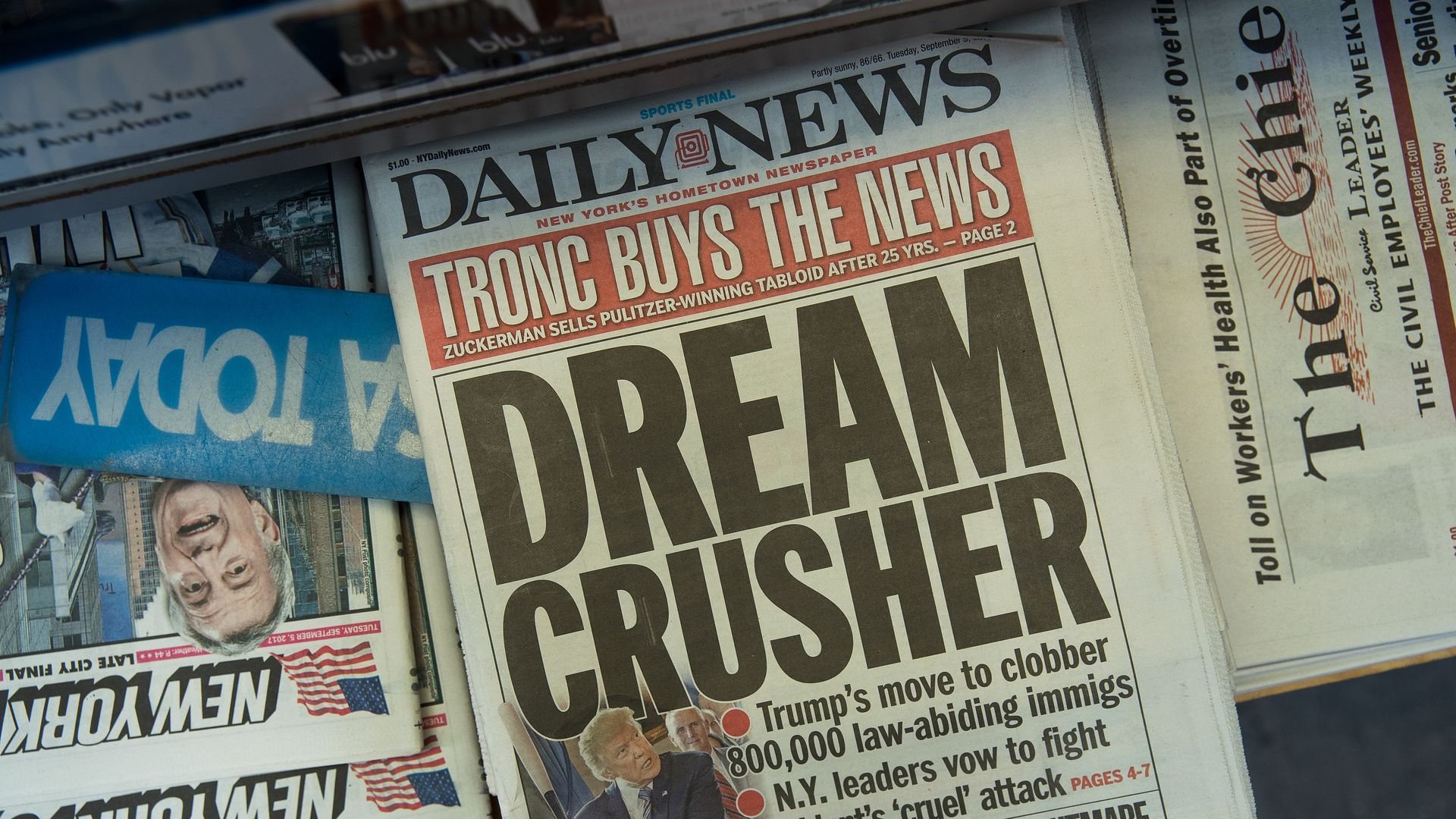
Newspaper publisher Tronc has had a rocky few months. Plagued by management shakeups, unionization battles, layoffs and accusations of sexual harassment, the media group formerly known as Tribune Publishing has struggled in its efforts to adapt to a digital landscape.
Why it matters: An underwhelming year-end earnings report further sounded the alarm for Tronc investors earlier this month, causing the company to lose almost a quarter of its market value in a single trading session.
iHeart Media, the country's biggest radio broadcaster, filed for bankruptcy protection last week. The news came after the company said it expected bankruptcy within a year last April and after its greatest rival, Cumulus Media, filed in November.
Why it matters: The fates of iHeart and Cumulus raise questions about the future of terrestrial radio, which is struggling to compete with digital broadcasting and streaming services like Spotify. Although the companies' ad-driven revenue model is facing headwinds, market research indicates that consumers are still tuning into radio in robust numbers.