Thursday's economy & business stories


Trump's Truth Social has trademark application denied as setbacks pile up
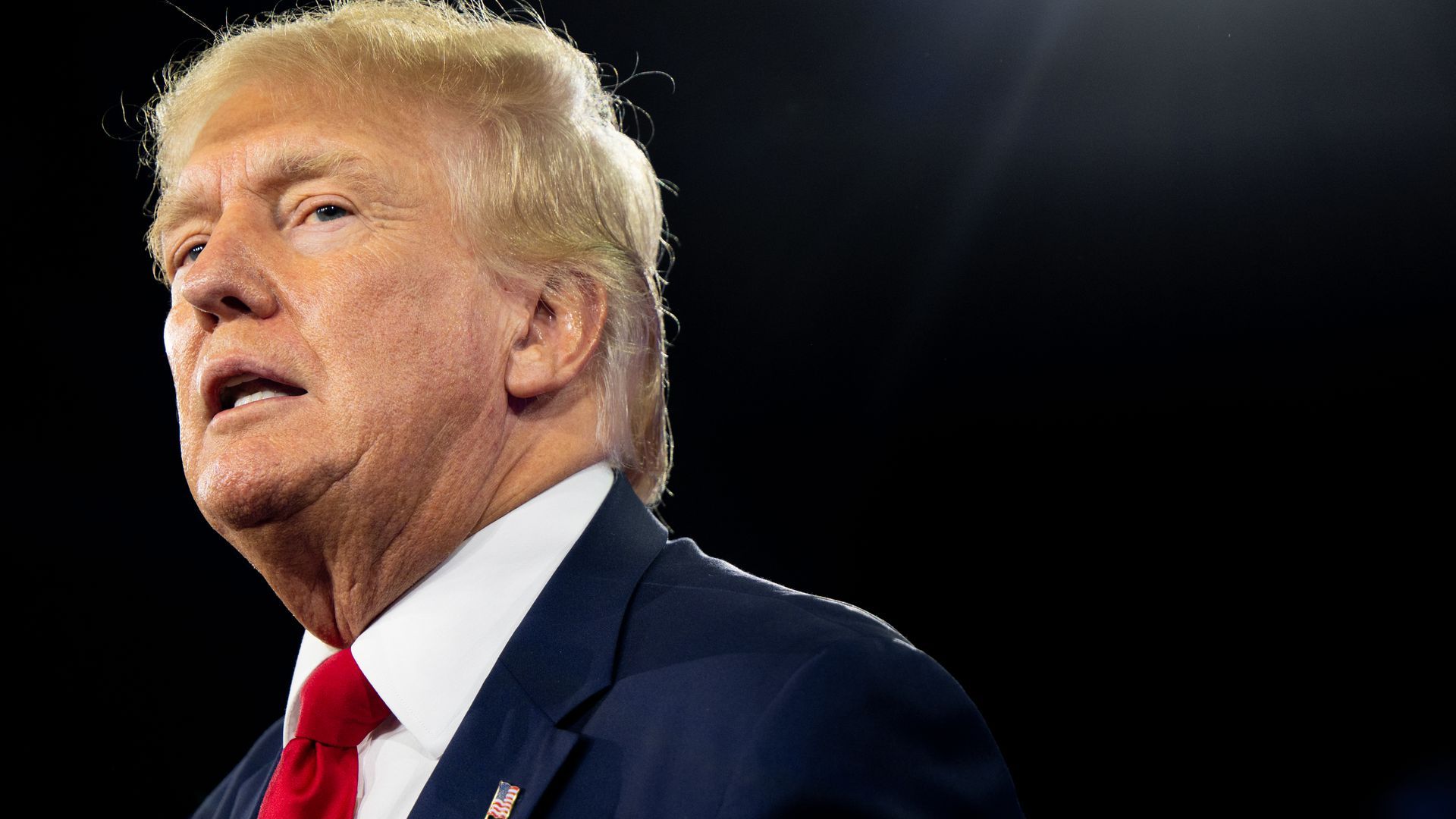
The U.S. Patent and Trademark Office (USPTO) refused Donald Trump's application for a trademark for "Truth Social," the name of his social media company earlier this month. A trademark lawyer in Washington surfaced the filing on Thursday.
Why it matters: The trademark refusal is just the latest setback for the former president's social media app and its parent company, which have been beset by a raft of issues over the past few months.

The humbling of Peloton's brand
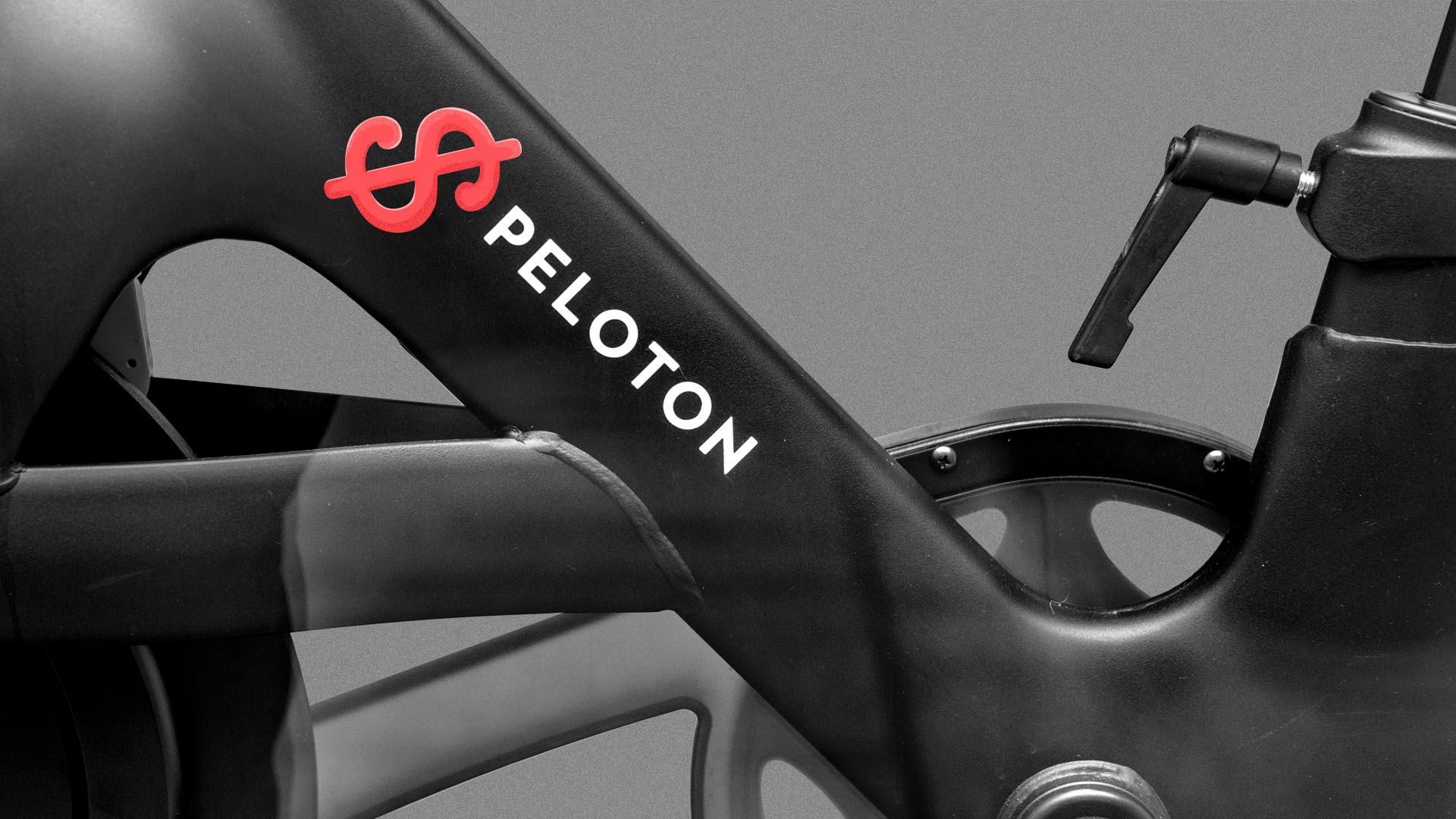
Peloton’s luxe veneer is fading fast as it seeks to find more customers.
Why it matters: The tradeoff is the result of a self-imposed makeover amid a huge turnaround strategy that began in February.

The C-suite shift
We’ve all witnessed social media posts, marketing emails or ad spots go awry — and if you’re like me, your first thought is, “How many approvals did this have to go through and why didn't anyone flag this?”
- Chances are, it’s because the marketing and communication teams weren’t in lockstep.
Why it matters: The lines between communications and marketing have always been blurry, but the rise of social media, branded content and corporate activism has further complicated an already tense relationship.
State of play: Communicators are now leading strategic messaging and storytelling, while marketing has shifted its focus to growth and reach.
- Because of this, marketing teams are realigning under the umbrella of communications.
- An Edelman study found that 43% of communication teams are now centralized under the CEO — a pivot away from reporting to marketing, human resources or legal functions.
What they’re saying: “I’m talking to more CEOs every day who recognize that one of the most critical skill sets they need sitting by their side are communicators— and I include marketers in that," says J.C. Lapierre, chief strategy and communications officer at PricewaterhouseCoopers (PwC).
- Lapierre, who reports directly to the CEO, says PwC has benefitted by combining marketing and communications because her team “owns every channel, so you actually cannot get anything out that isn't aligned to the strategic agenda.”
- IBM recently took a similar approach, bringing marketing under chief communications officer Jonathan Adashek.
- According to Adashek — who holds the dual title of CCO and SVP, marketing and communications — this reorganization allows the two teams to deliberately work together in a more streamlined way.
Yes, but: Why is marketing coming under communications and not the other way around?
- Boathouse Group CEO John Connors says it has to do with marketers' history of pushing expensive, shiny objects instead of long-lead strategic planning.
- According to Connors, “Agency presentations were reserved for lunchtime, and so we were treated like creative jesters. … Over time, I think too many marketing people gave up the strategic high ground.”
- This tracks with Boathouse’s 2022 performance study, which found that less than half of CEOs trust their CMOs and only 25% believe their CMOs have strong decision-making skills.
- Meanwhile, only 5% of CMOs consider themselves high performers in contributing to the overall direction of the business, garnering support among the C-suite and impacting strategic decisions, according to a Deloitte study.
Between the lines: The strategy piece is where communicators come in.
- By aligning with communications, marketers are better equipped to protect and promote the company’s brand, “and CEOs recognize that if they can use storytellers as strategic assets, they can help shape a strategy that is quicker to execute and will accelerate ROI,” says Lapierre.
- Together, the two departments can build messaging campaigns that reach broad audiences, says Connors. “It’s not just about reaching consumers anymore. There must be several issue narratives that companies can use to differentiate themselves among employees, consumers, legislators and the media.”
The bottom line: Communicators and marketers are magnetic forces that can either attract or repel.
- So communicators must lead by crafting clear messaging that aligns with company strategy, and marketers should use those narratives to attract the widest audience. Together, they can directly impact growth.


A beginner's guide to the Fed's big Jackson Hole conference
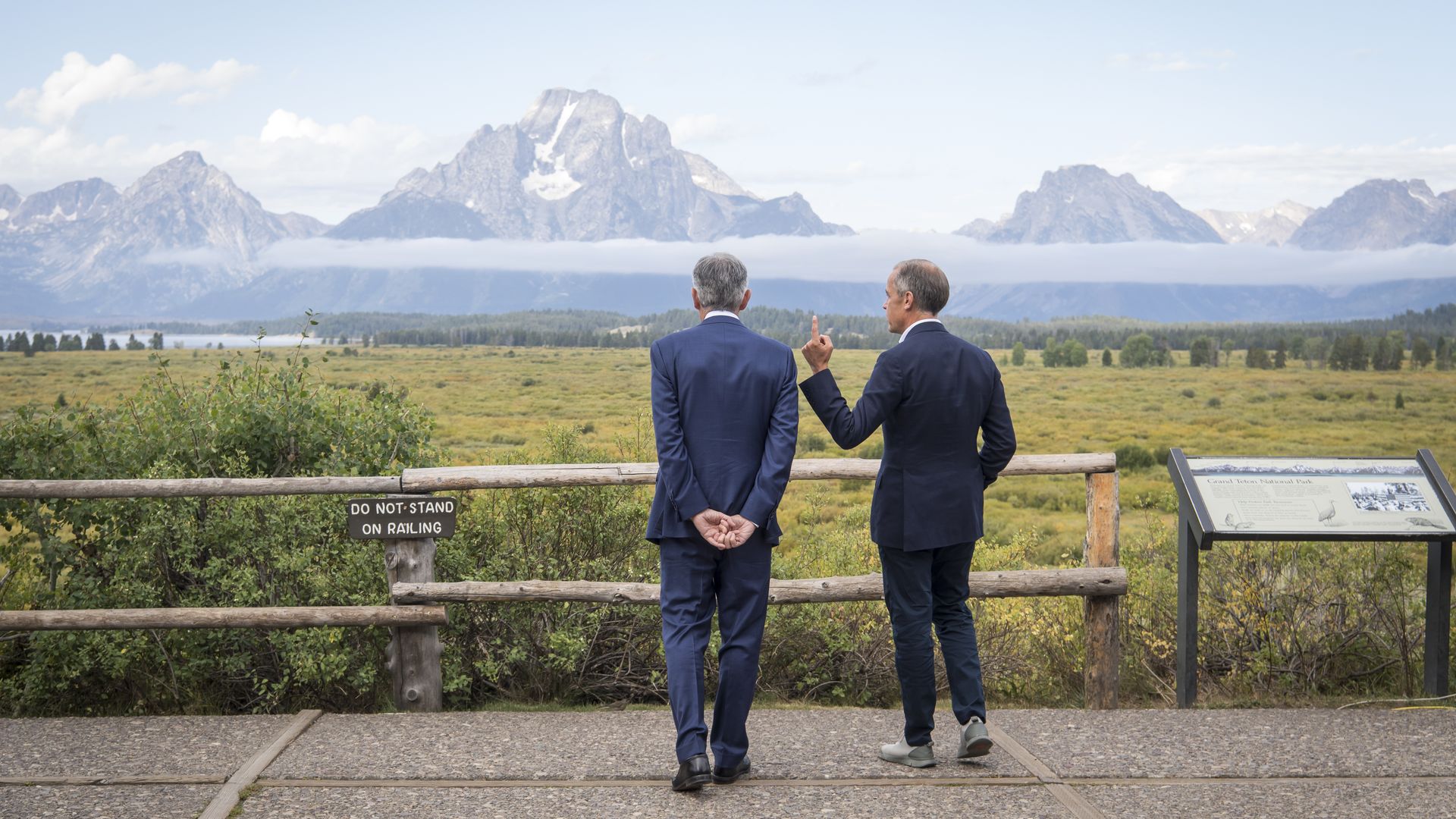
The financial headlines right now are dominated by talk of Jackson Hole, shorthand for an annual gathering of central bankers in Wyoming that inevitably makes big-time economic news. We're on our way there now: Neil for his ninth time, and Courtenay for her first.
- To set the scene, here are the basics you need to know about the event and what makes it special.
What is this thing? The Federal Reserve Bank of Kansas City has hosted its annual economic symposium in a lodge in Grand Teton National Park since 1982. It's a gathering of central bankers from around the world, academics, other influential economic thinkers, policymakers and journalists.
- The meat of the event consists of a series of papers on important economic ideas related to the year's topic. This year, it is "Reassessing Constraints on the Economy and Policy."
- Details on the papers to be presented won't be released until Thursday evening, but it has been confirmed that the symposium will begin with a speech by Fed chair Jerome Powell first thing Friday morning (8am local time, 10am EDT)
What will Powell say? If we knew, we would have already reported it! But traditionally, the Fed chair uses their Jackson Hole speech to deliver a particularly important and long-range message.
- Traders worldwide will scrutinize the text for signals of what the Fed will do next month, but Powell has seen this venue as a chance to lay out an intellectual framework for policy in the years ahead rather than tactical signaling of his next policy moves.
- For example, his 2018 "Guided by the Stars" speech has been perhaps his most memorable as chair. It outlined how he thinks about important but unmeasurable variables like the natural rate of interest (R-star) and natural rate of unemployment (U-star).
Why Jackson Hole? In the early 1980s, the Kansas City Fed leaders learned that the best way to ensure Fed chairman Paul Volcker would accept an invitation was to locate the event somewhere with good fly fishing in late August. Jackson Hole it was.
- Four decades later, the symposium has become entrenched as the premier event on the Fed's annual calendar, in no small part through network effects. Influential policymakers and thinkers want to be there because they know other influential policymakers and thinkers will be there.
- It also helps that the setting is gorgeous, the weather is usually great, and the Kansas City Fed has done an excellent job over the years of curating the topics, papers and guest lists.
What's the scene like? The event does not take place in some luxury resort. Rather, it is at a lodge in a national park that remains open to the public, and features a big grizzly bear taxidermy in the lobby. The rooms are decidedly rustic.
- It's not uncommon to see powerful economic policymakers from Europe or Asia wandering the hotel lobby, amid American tourists who pulled up on motorcycles or in RVs.
- Some attendees fully embrace the Western vibe, wearing cowboy boots, hats, and the like. Others stick to more traditional business casual attire.
- Behind closed doors at the symposium itself, things are considerably more intimate than at many economic conferences. The guest list, constrained by the size of the ballroom where the gathering takes place, is a bit over 100.
- After a long day of economy talk and maybe an afternoon hike, attendees usually go to a Friday dinner with Western-themed entertainment, such as a live show by a horse whisperer.
Who's there? The list of attendees this year has not yet been released, but in the past, the lineup has typically included:
- Most Fed governors and reserve bank presidents
- The governor or a top deputy from dozens of other global central banks
- Top economists from international organizations and the current U.S. administration
- Leading academic and private sector economists
What will make news? The biggest headlines are likely to come from Powell's speech, but the papers presented and the discussions they spur can create their own fireworks.
- The Kansas City Fed publishes the papers on its website.
- The presentations and discussions are not broadcast (except for Powell's speech this year), but the proceedings in the room are on the record, and economics journalists are on hand to report what they hear.
What are some historical highlights? Here are a few:
- In 1990, central bankers from former Soviet bloc countries attended — a vivid signal of global economic unity amid the end of the Cold War.
- In 1994, Fed vice-chair Alan Blinder gave a talk about the importance of the Fed keeping unemployment low, which gave some economic commentators apoplexy and created the appearance of a rift between him and chair Alan Greenspan. (If that sentence sounds bizarre to you, it should).
- The 2005 symposium became a celebration of Greenspan as he approached retirement, a high water mark for the Great Moderation, the era of solid growth and low inflation over which he presided.
- In 2007, chair Ben Bernanke started a pivot toward emergency footing in the early days of what would become the Global Financial Crisis. (This was Neil's first year there).
- In 2010, Bernanke began the push toward a new round of quantitative easing, which became a Fed policy signature over the years that followed.
- In 2014, European Central Bank president Mario Draghi indicated that he was worried about inflation falling persistently too low, laying the groundwork for Europe's version of QE.
What makes this year unique? A few things!
- It is the first in-person symposium in three years, following pandemic-forced remote gatherings in 2020 and 2021.
- It is the final year of Kansas City Fed president Esther George acting as host of the event, as she faces a mandatory retirement age and is set to step down in early 2023. She has led the bank, and the symposium, for 11 years.
- It is the first time really since the beginning of the event that inflation has been so high as to be a national crisis, which will surely shape the tone of the discussions.
So why is this gathering "special?" Maybe this is just Neil's nostalgia for his youth, when he was a cub Fed reporter with a lot less gray hair.
- But there is something unique about the beauty of the setting and the repetition of seeing many of the same people, in the same place, year after year.
- Most importantly, there is a sense that it is where important moments in modern economic history have taken place. It's cool to be in the room when history happens.

Another algorithmic stablecoin looks like it is giving up

It's probably the end of the line for another algorithmic stablecoin, fei. Either way, it is almost certainly the end of the road for the decentralized autonomous organization (DAO) that runs it, TribeDAO.
Why it matters: Crypto projects seldom completely disappear, but we're watching a DAO unwind itself in real time right now as the creators of the project propose a plan to break it up. This could end up being something of a historic moment in decentralized finance, as founders pioneer a shutdown.

Novartis to spin off Sandoz generics business

Novartis on Thursday announced plans to spin off its Sandoz generic drugs unit into a standalone company whose shares would trade in both Switzerland and the U.S.
Why it matters: This would create Europe's largest generics company by sales, and comes just a few years after Novartis spun off its Alcon eye care business (now valued at over $34 billion).
Exclusive: The Block launches tokenized paywall
The Block, a crypto media company, is moving parts of its consumer paywall exclusively to a crypto token model.
Why it matters: It becomes the first newsroom to launch a tokenized paywall within a new industry framework called the Access Protocol, which allows consumers to buy multiple media or creator subscriptions via a uniform set of tokens.

Report: Pregnant people face "systemic" barriers in states with abortion restrictions


States that have enacted abortion restrictions or bans also have "systemic" barriers in place that impede "the health and economic security of pregnant and birthing people and their families," according to a new report from the nonpartisan and nonprofit National Partnership for Women & Families first shared with Axios.
Driving the news: The report, which comes as three states are poised to enact trigger bans, shows that gaps in policies remain.

BlackRock, UBS and 348 ESG funds "banned" in Texas

Wall Street giants have a Texas-sized problem: making good on flashy vows to make clients' investments greener while limiting political and financial blowback from red states.
Catch up fast: On Wednesday, Texas Republican Comptroller Glenn Hegar released a list of 10 companies and 348 investment funds that will be barred from doing business with the state because they “boycott energy companies.”

Revlon shareholders get a dose of reality


Revlon’s bankruptcy judge just dealt a reality check to meme stock dreams.
What happened: The judge overseeing the case on Wednesday denied a retail shareholder group’s request to form an official equity committee. The move would have given the group a better seat at the table for bankruptcy plan negotiations.
Loan forgiveness is the cherry on top after years of pay moratorium

Americans with student loans cheered the announcement yesterday that the Biden Administration is forgiving some of that burden. But for many this was just the cherry on top of the unprecedented — and possibly even more impactful — nearly three-year loan payment moratorium.
Why it matters: At an individual level, for some borrowers, the freeze on student loan payments first put in place during the Trump administration freed them up to buy homes, rent better apartments, switch careers. Some even went back to school. They also bought stuff.

"Cities of the future," built from scratch

Billionaire Marc Lore is fleshing out his plan to build a utopian city called Telosa for 5 million people in the American desert — and he's not the only one with such ambitions.
Why it matters: There are about a dozen projects worldwide to create sustainable, hypermodern cities-from-scratch. While they may never come to fruition, the proposals themselves hint at what the city of the future might look like.

Zoom boom meets doom


Remember the stay-at-home stocks? How the trendy have fallen.
Why it matters: The saga of the stay-at-home stocks is a useful reminder that hot new technology stocks can fall out of favor fast.
The next student loan crisis

President Biden's student debt cancellation plan is welcome news for millions of existing borrowers, but it does little to address high college costs that will burden future students.
Why it matters: Student Defense, a nonprofit that is pushing for broader systemic changes, compared the plan to bailing the water out of a sinking boat without plugging the leak.

Axios Finish Line: Work advice from boomers and the Silent Generation

Hundreds of Axios readers born in 1964 or earlier answered our call for wisdom and insights on navigating work and life.
Why it matters: These readers have lived through multiple wars, recessions, boom times and presidents. And we can all learn from their decades of experience.