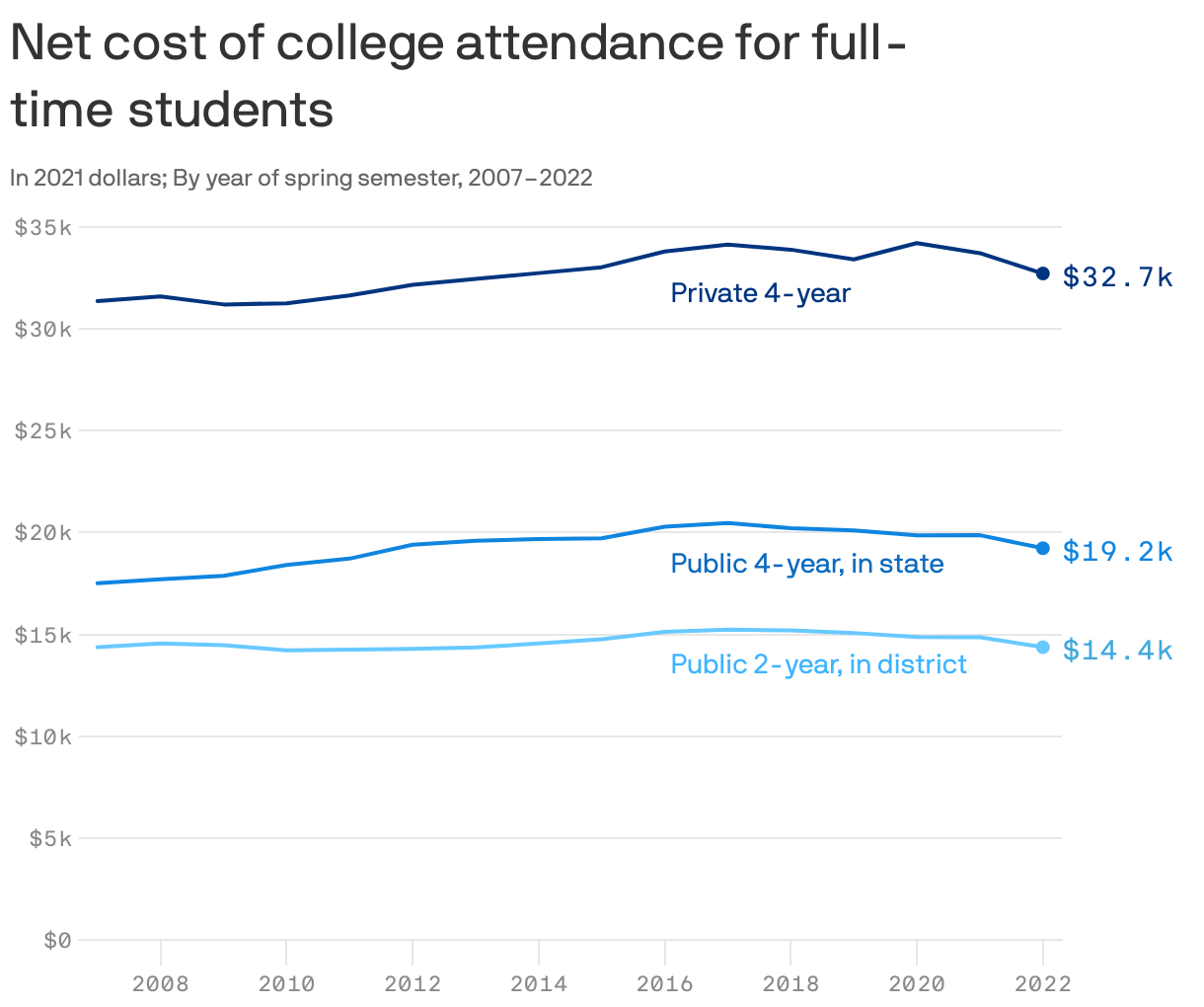
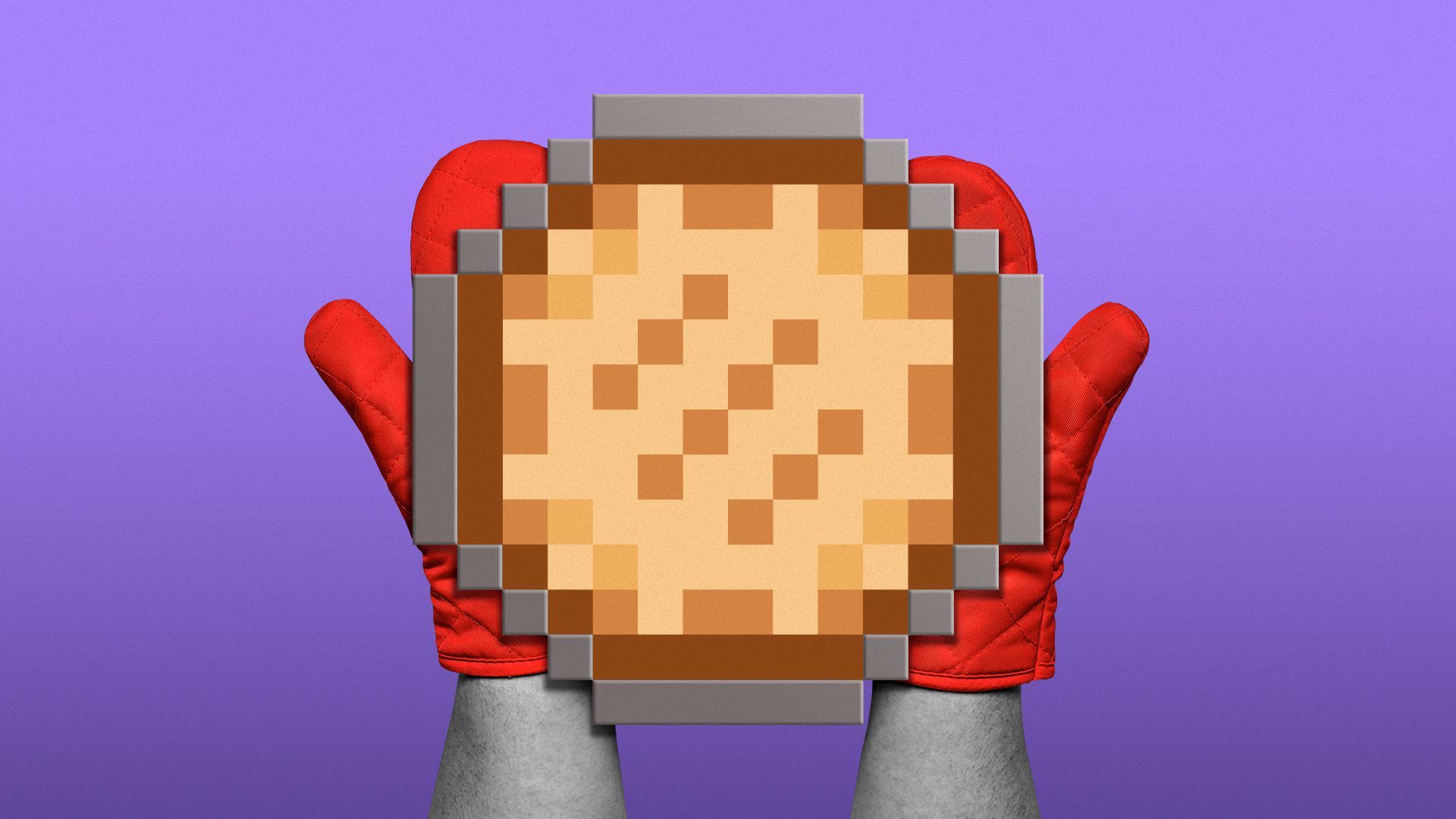
The decision to nationalize an entire industry is one that you'll very rarely see a U.S. politician make. But the U.S. did it in 2010, with student lending. From that year onward, rather than the federal government guaranteeing loans from private lenders, it just made the loans directly itself.
Why it matters: The outcome says a lot about the pros and cons of nationalization.
Donating money to charity is good and worthy. But should nonprofits encourage you to go into debt in order to do so? A new VC-funded company, BGenerous, says the answer is yes.
Why it matters: Hundreds of thousands of charities around the country rely on small-dollar donations from a broad range of individuals. As those donations move from physical checks to online pledges, BGenerous has decided to apply the buy-now-pay-later playbook to them. They call it "donate now, pay later."
It can take as little as under a minute to steal some Hyundai and Kia models, and it's happening all across the country.
Why it matters: The widespread problem is attributed to design flaws in the cars, forcing owners to resort — for now — to an old-fashioned steering wheel lock if they want to keep their vehicles safe.
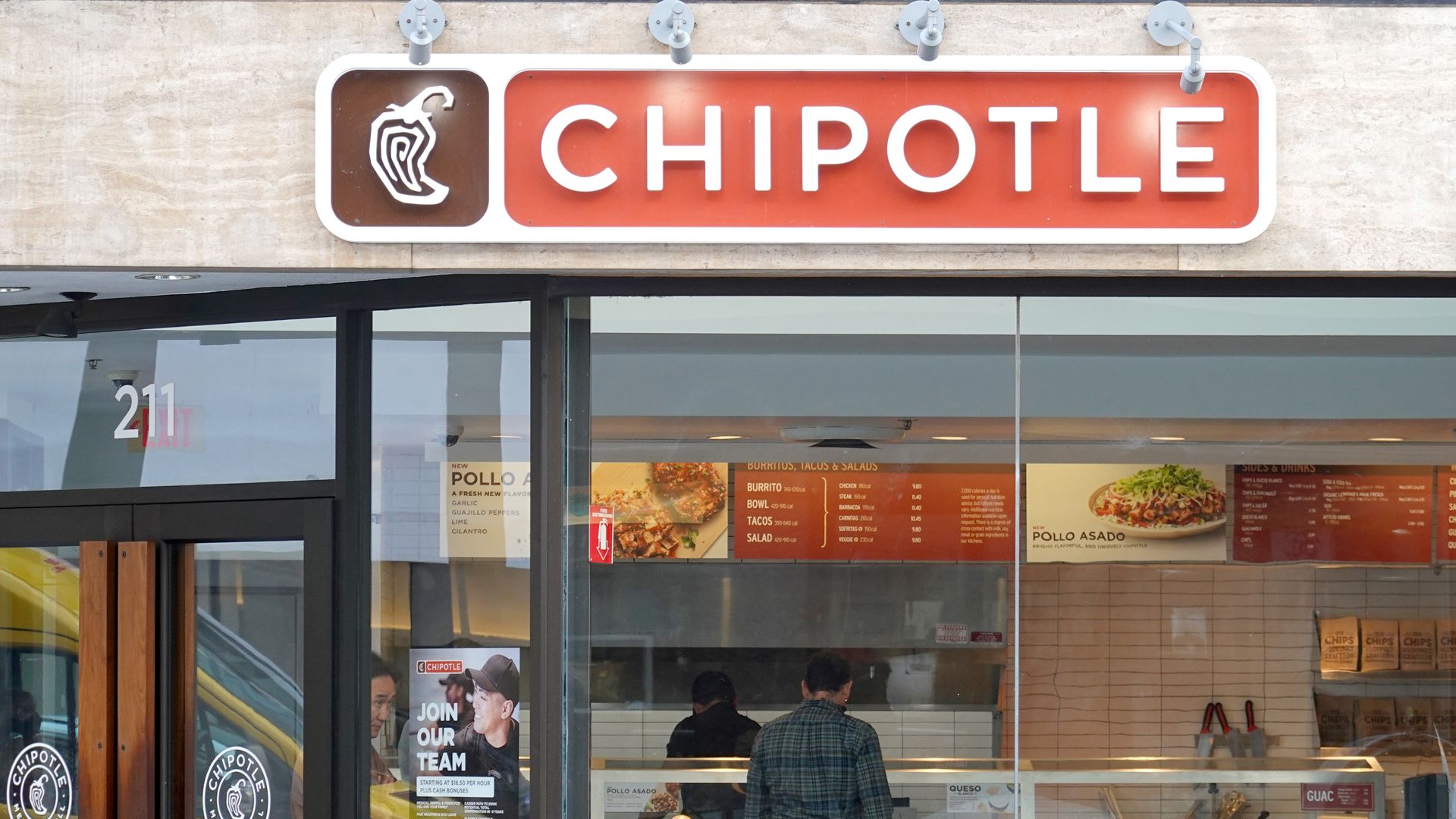
Momentum behind unionization efforts in the U.S. gained more steam this week, as workers at a Lansing, Mich. Chipotle became the first location in the chain's history tovote for a union.
Why it matters: It's the latest milestone for the fast-food industry where unions have struggled to gain traction due to the size of franchises, the franchise model itself and high worker turnover, the Washington Post reports.
Moderna’s decision to sue Pfizer and BioNTech over alleged COVID-19 vaccine patent infringement punctuates their turf war over technology poised to shape the future of immunization.
Why it matters: The mRNA technology underpinning the Pfizer and Moderna COVID vaccines — which are notably similar in substance and effectiveness — is viewed as a catalyst for the development of other potentially groundbreaking vaccines.
Driving the news: A video circulated this week of Rep. Marjorie Taylor Greene (R-Ga.) saying, "For our government just to say, 'OK, your debt is completely forgiven.' ... It's completely unfair." In response, the White House's official account on Thursday tweeted: "Congresswoman Marjorie Taylor Greene had $183,504 in PPP loans forgiven."
Sharp crypto investment tools that aim to deliver added "oomph" to returns are rolling out in Europe.
A pair of exchange-traded product (ETP) firms launched a slate of strategies that aim to deliver staking rewards, defined as passive income generated from holding a proof-of-stake blockchain's native coin.
But staking-made-easy, done via an investment vehicle, comes with significant tradeoffs.
Why it matters: The newest crypto ETPs tend to be launched first in Canada or Europe, where regulations allow them.
Yet these products are proliferating, and people are pouring money into them in spite of the downturn. It means they could eventually see the light of day in U.S. markets.
Be smart: Staking is in-demand now, in part because folks want to be compensated for sitting on the sidelines while they wait for coin prices to move in the other direction.
There are some 207 yield-bearing digital assets that pay an average rate of 9.1%, according to data compiled by Stakingrewards.com. And there are 229 staking service providers—DeFi, exchanges, wallets, and otherwise—to choose from ( Needless to say, that's a lot of "Doing Your Own Research").
What's happening: CoinShares and 21Shares try to take the guesswork out of the strategy, having launched about a half dozen physically-backed staking ETPs on tokens like Polkadot, Tezos, Cardano and Solana.
How it works: CoinShares splits staking rewards from ETPs with buyers in the form of an annual yield, plus a reduced management fee of zero.
CoinShares FTX Physical Staked Solana, for example, says it'll deliver an annual 3% yield on top of solana price returns, even if customer assets theoretically could deliver more (or less) than that per year.
CoinShares head of product Townsend Lansing explains to Axios: "Staking rewards are volatile and we smooth them out. So we think that's a more transparent message, right. We want to make sure investors understand exactly what they're getting and full knowledge," he said. "There are no other hidden costs."
21Shares Solana Staking ETP charges a 2.5% management fee, plus a 25% fee on earned staking rewards that the custodian and 21shares collects. The issuer does not market what yield a customer might expect from any of its staking ETPs. (Though, their website says there is "high-income potential" in "baking rewards.")
Yes, but: These investment vehicles are also structured as debt obligations. That means buyers holding ETP shares are effectively holding IOUs from the issuer pledging to deliver returns, plus yield on whatever staking PoS is tracked by the ETP.
Only it's hard to say what to expect from those returns, in part, because it's unclear what percentage of the underlying assets in those ETPs are staked.
The issuers also share staking rewards with their customers, but it's unclear what the take-rate for customers vs issuers are.
What they're saying: Staking ETPs can't stake 100% of assets due to a host of reasons including variable lockup periods, 21shares head of ETP product development Arthur Krause tells Axios.
For example, Polkadot has a 28-day lockup period that would inhibit the firm from distributing funds back to investors in the event of substantial redemptions.
Of note: When Axios asked the shops what portion of the underlying assets were staked, they declined to answer. However, Krause agreed that somewhere between 0% and 100% would be accurate to report.
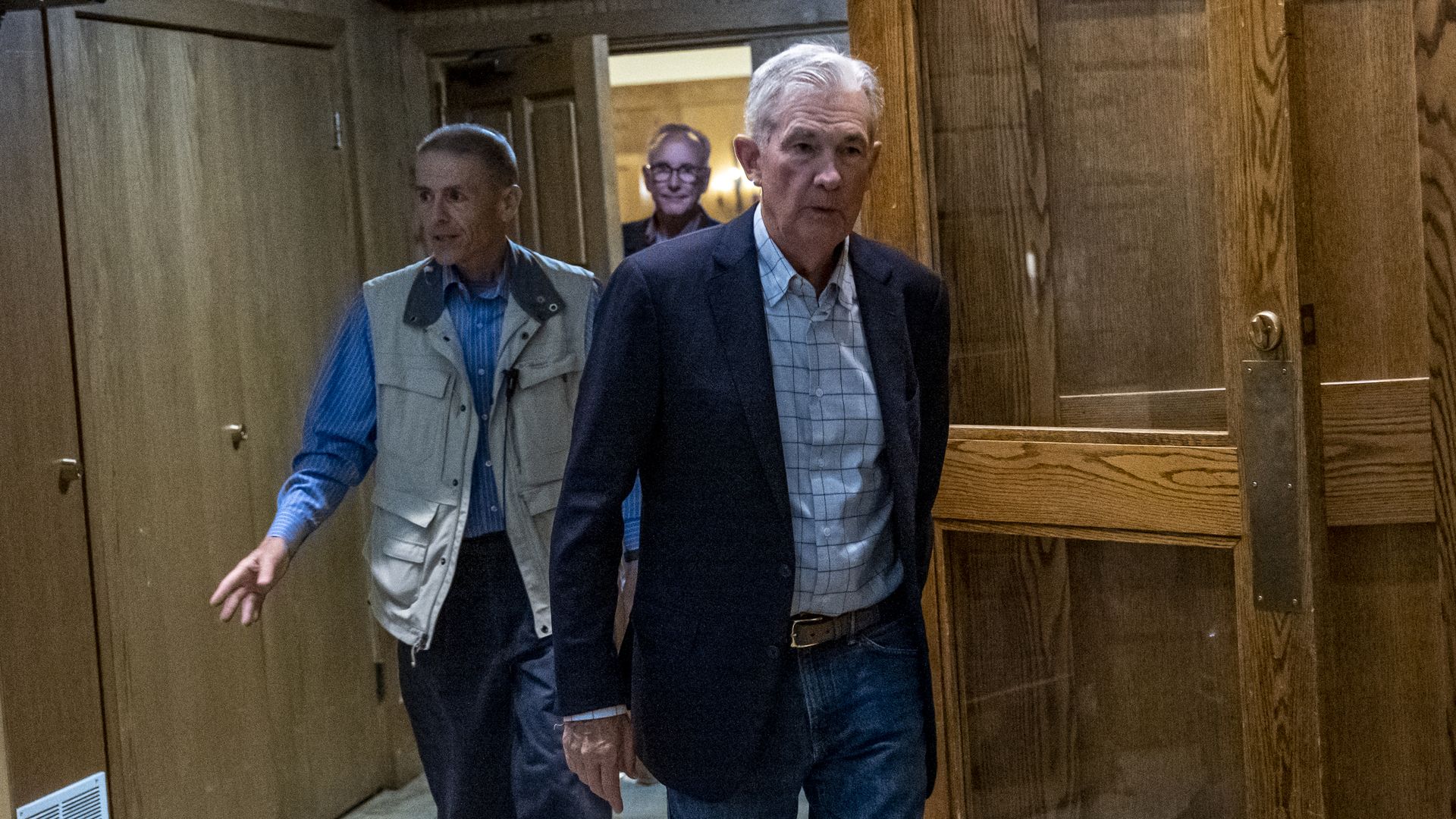
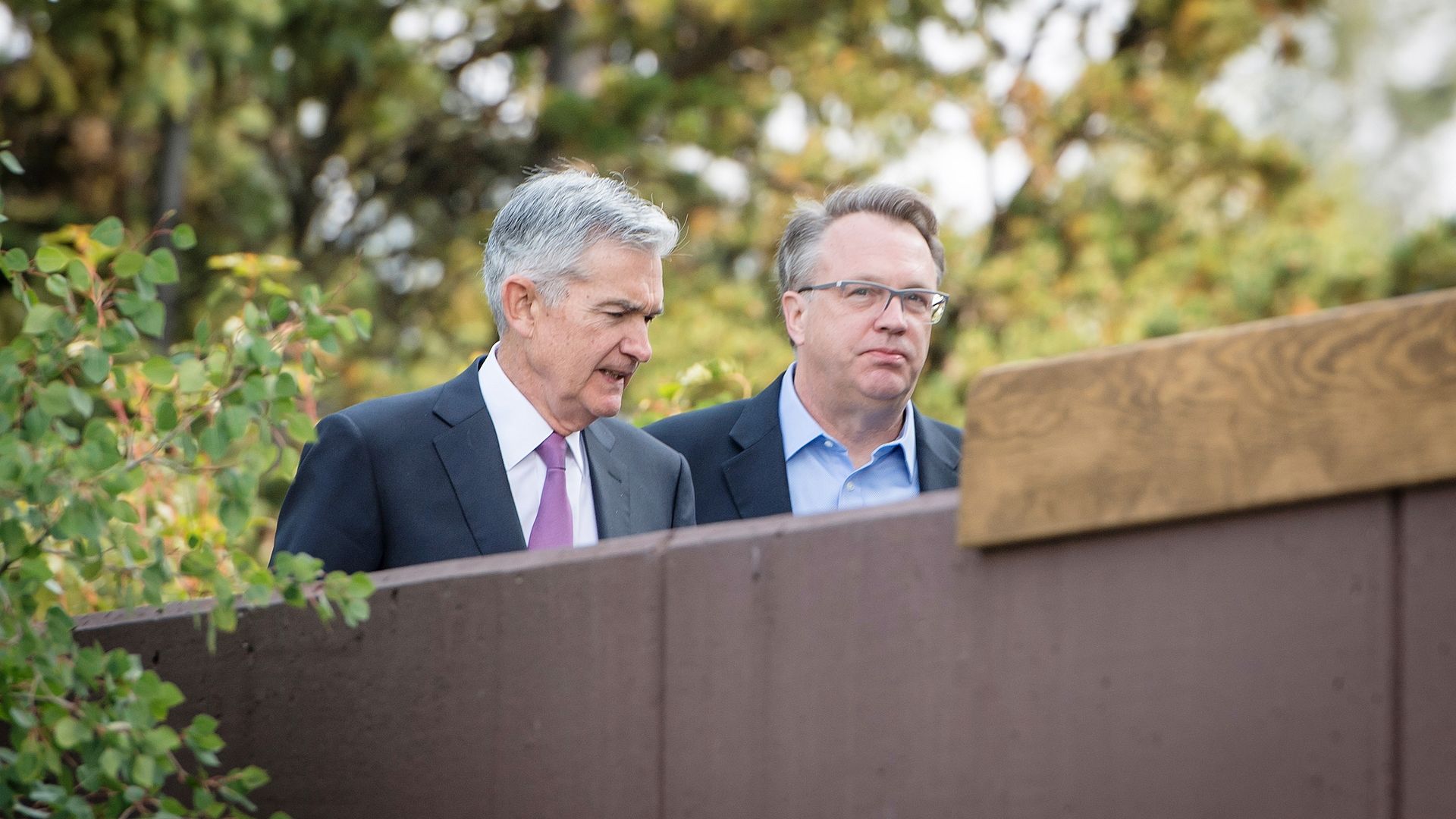
Bringing down inflation will require some economic pain, Federal Reserve chair Jerome Powell said on Friday in a tough-talking speech that signals the Fed is nowhere near relenting on interest rate increases.
Why it matters: In a much-awaited address, Powell was blunt about the likelihood that bringing down inflation will come at the expense of the solid labor market that's been beneficial to workers and softer business conditions. But he indicated the Fed does not intend to reverse course and cut rates just because of such softening.
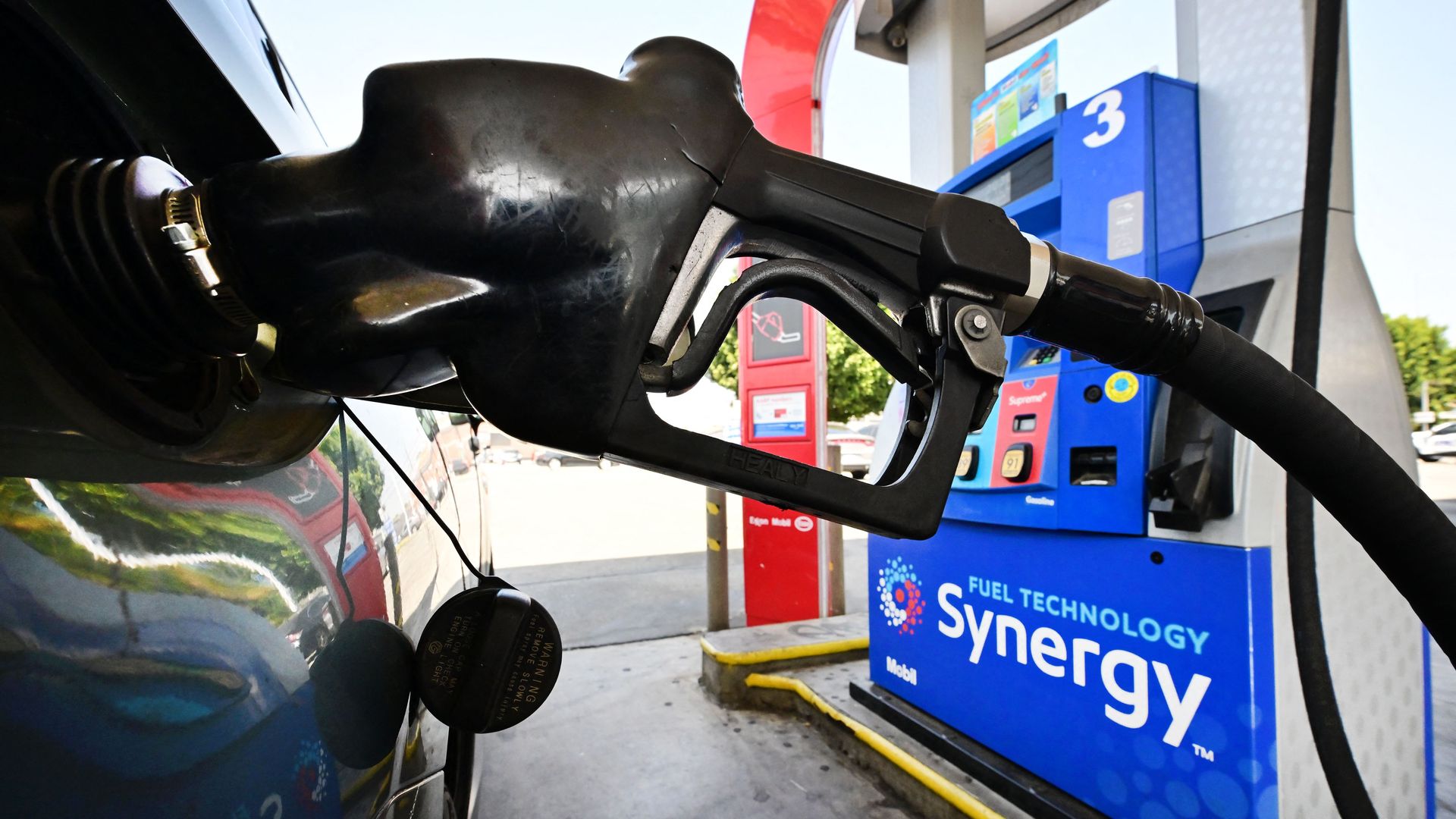
Consumer prices fell 0.1% in July, as plunging gasoline prices dragged down a price index that's closely watched by the Federal Reserve.
Why it matters: It's an encouraging sign for the Fed as it wages an intense battle against inflation. Still, even as price gains cool they remain uncomfortably high. Inflation is still up 6.3% compared to this time last year by this measure, the highest in decades.
As Federal Reserve Chair Jerome Powell gives a much-awaited speech this morning, he faces a paradox: The more he expresses confidence that America's inflation crisis is starting to abate, the greater the risk it won't.
Driving the news: Powell is on tap to speak in Jackson Hole, Wyoming at 10am EDT, and the whole financial world will be watching (you can, too).
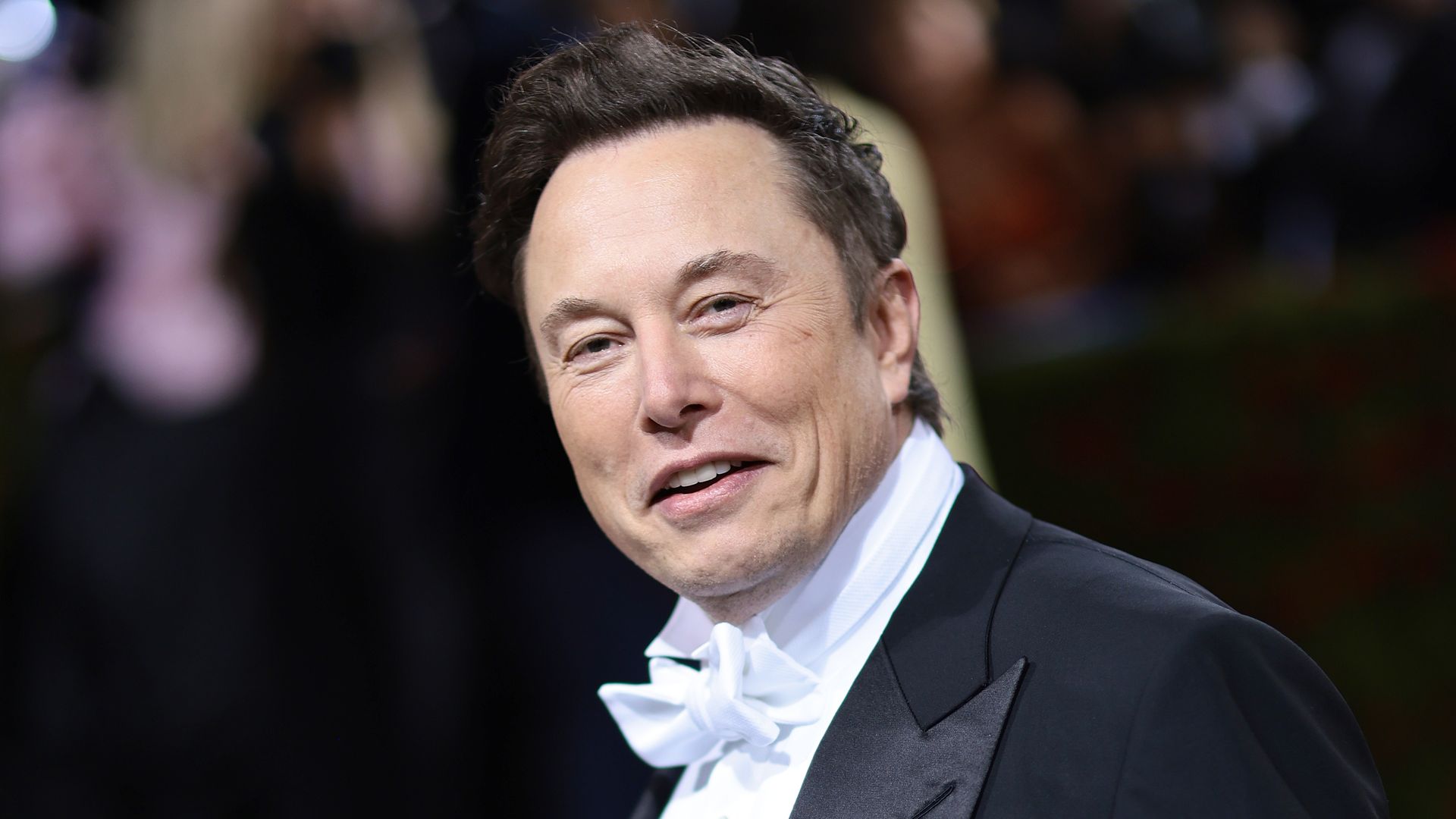
SpaceX and T-Mobile are partnering to bring wireless phone service to remote areas with spotty coverage.
Driving the news: T-Mobile CEO Mike Sievert and SpaceX founder Elon Musk announced the collaboration Thursday at the SpaceX facility in Boca Chica, Texas, claiming the service will roll out next year and work with existing phones.
The National Labor Relations Board says Starbucks is breaking the law by withholding pay raises and benefits from unionizing workers, while giving those benefits to other, non-union employees.
Why it matters: Labor leaders say it's part of a pattern of union-busting tactics used by the Seattle-based coffee giant, after more than 220 Starbucks stores nationwide voted to unionize in recent months.