Moonrise, an annual fund from Glitch that was created to help a handful of small developers, has announced its first three investment studios: Virtuoso Neomedia, Future Club and Perfect Garbage.
Why it matters: The fund is specifically aimed at developers who traditional publishers might pass on or otherwise deem as risky.
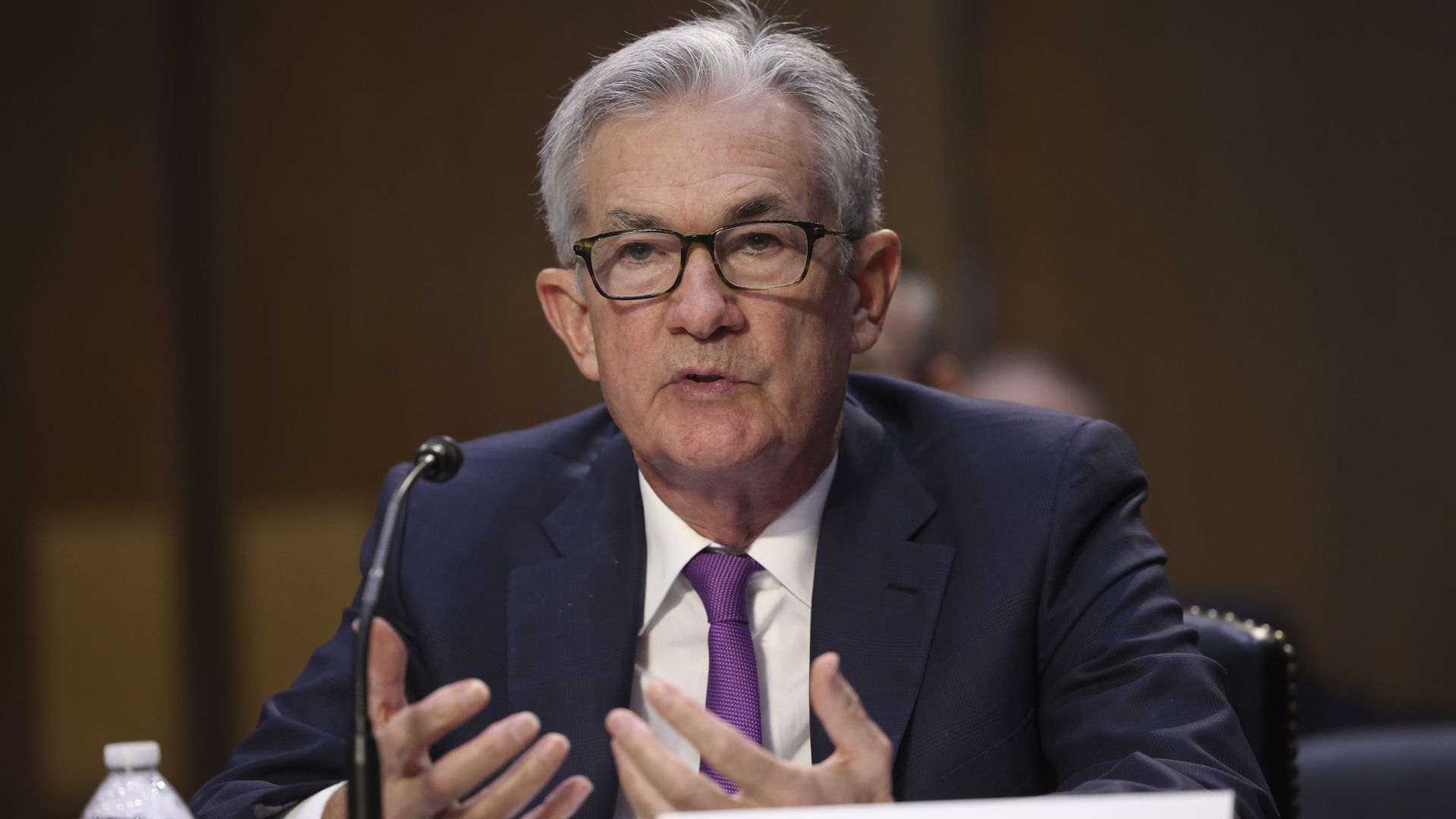
The Federal Open Market Committee on Wednesday laid out a framework for reducing — or tapering — the emergency bond purchases it's been making since March 2020.
Why it matters: These purchases, totaling $120 billion per month, were a keystone in the federal government's rescue of financial markets, which went into free fall soon after countries around the world instituted widespread stay-at-home orders.
Hertz on Wednesday disclosed that certain shareholders plan to sell 37.1 million shares via a public offering, up to $500 million of which will be repurchased by the car rental giant.
Why it matters: This comes amid a bizarre conflict between Hertz and Tesla over whether or not Hertz agreed to buy 100,000 electric vehicles from Tesla.
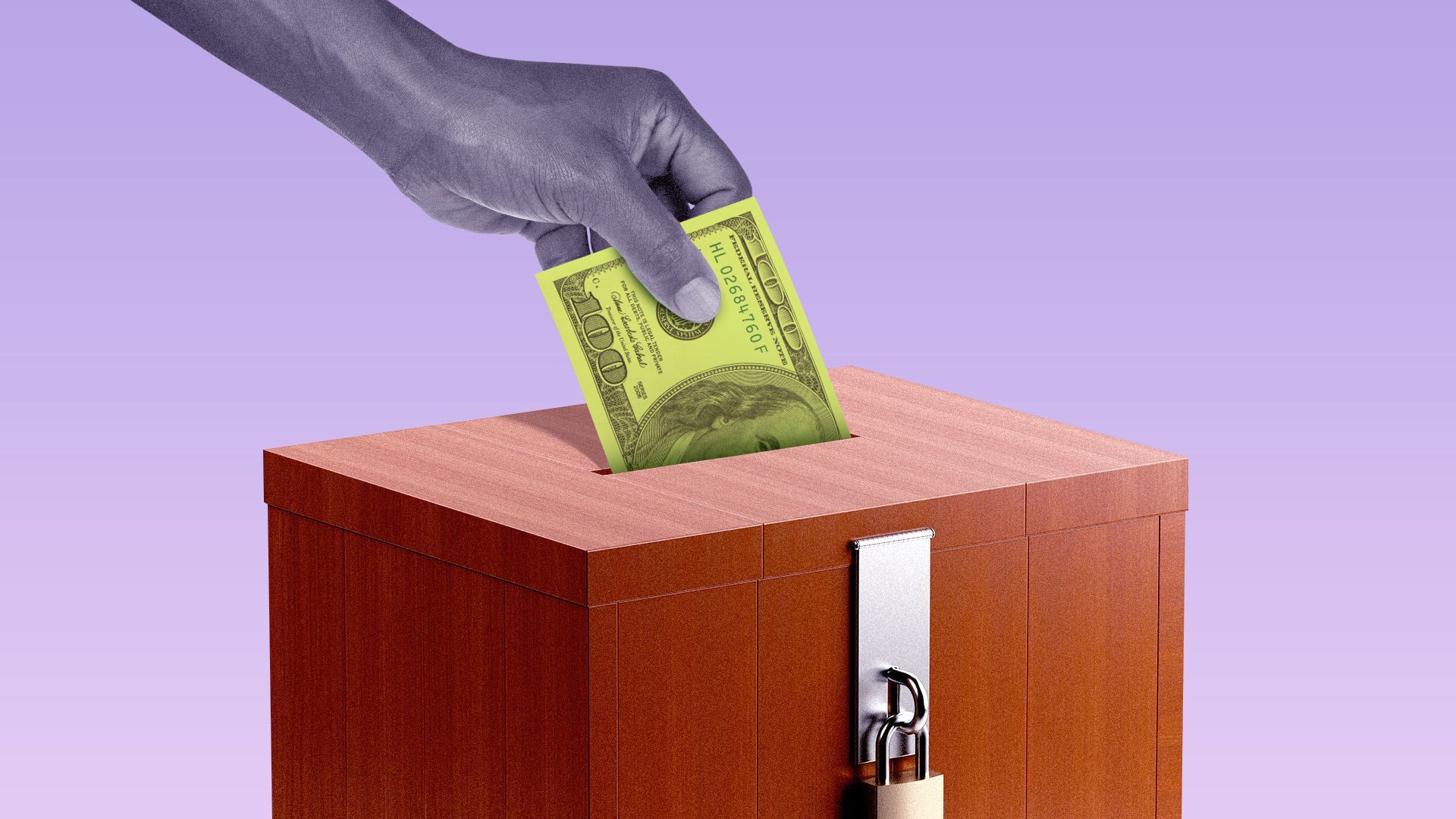
Glenn Youngkin will be the next governor of Virginia, after topping Democratic rival Terry McAuliffe in an election that many view as a purple proxy for November 2022.
Why it matters: It's a big win for private equity, often viewed as ballot box poison, given that Youngkin previously served as co-CEO of The Carlyle Group.
The Department of Justice filed suit on Tuesday to prevent Penguin Random House — a subsidiary of German publishing giant Bertelsmann — from acquiring rival publisher Simon & Schuster.
Why it matters: This isn't a standard anti-monopoly case. Quite the opposite, in fact: It's an anti-monopsony case, which shows that the DOJ — and the Biden administration more broadly — is willing to push the envelope of antitrust enforcement.
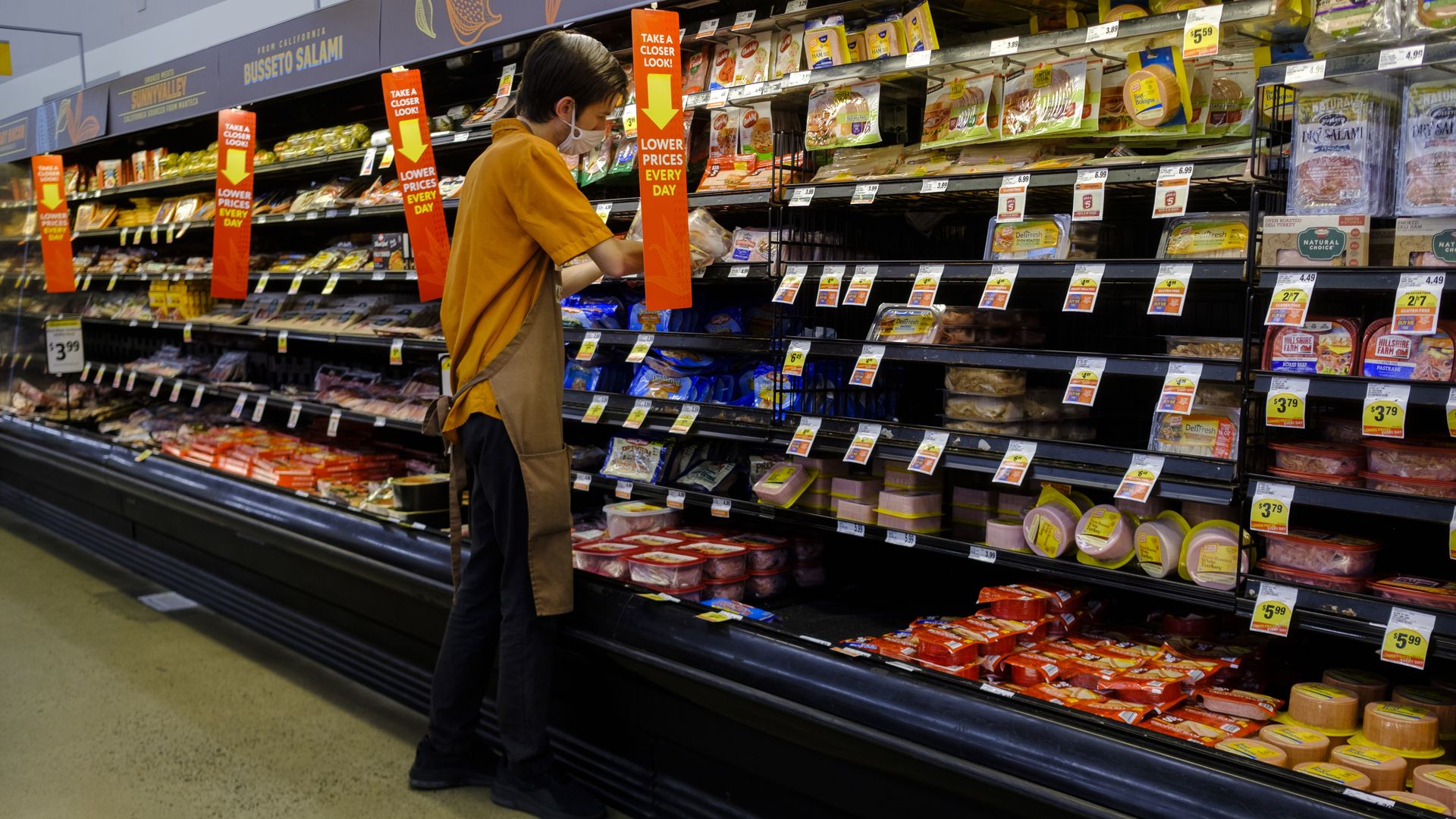
More than half — 56% — of frontline grocery store employees have plans to leave their jobs due to pandemic-induced burnout, according to a new report from the software firm Axonify.
Why it matters: The "Great Resignation" is more pronounced among frontline workers, who bore the brunt of the pandemic's dangers and demands.
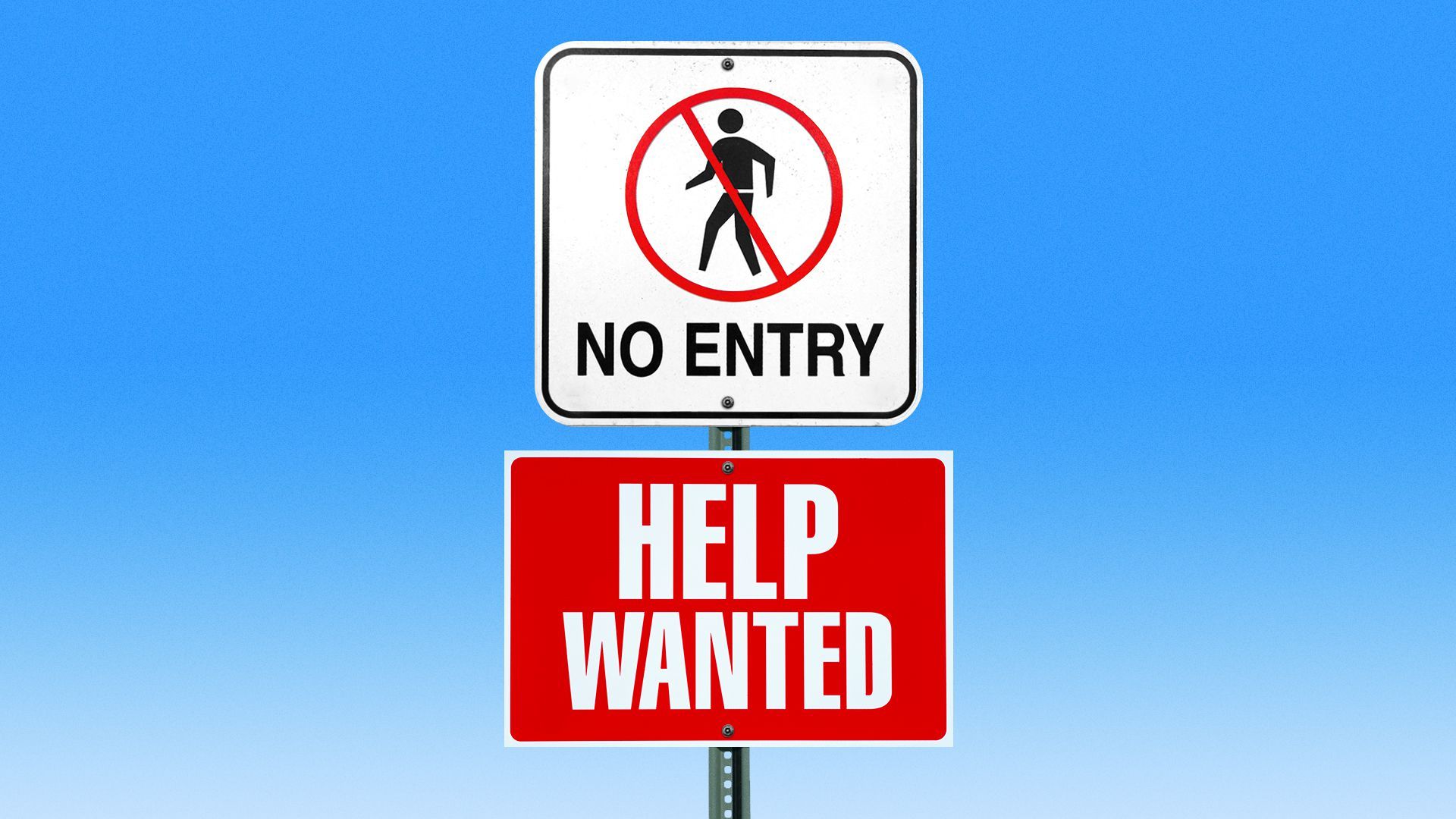
Returning to pre-pandemic levels of immigration could help put the U.S. on a path back to its pre-pandemic labor force, easing the staffing shortages that are holding back parts of the economy.
The big picture: The U.S. has 3 million more open jobs now than it did before the pandemic. Companies across the country are struggling to hire enough workers to meet demand. More immigration would help, experts say.
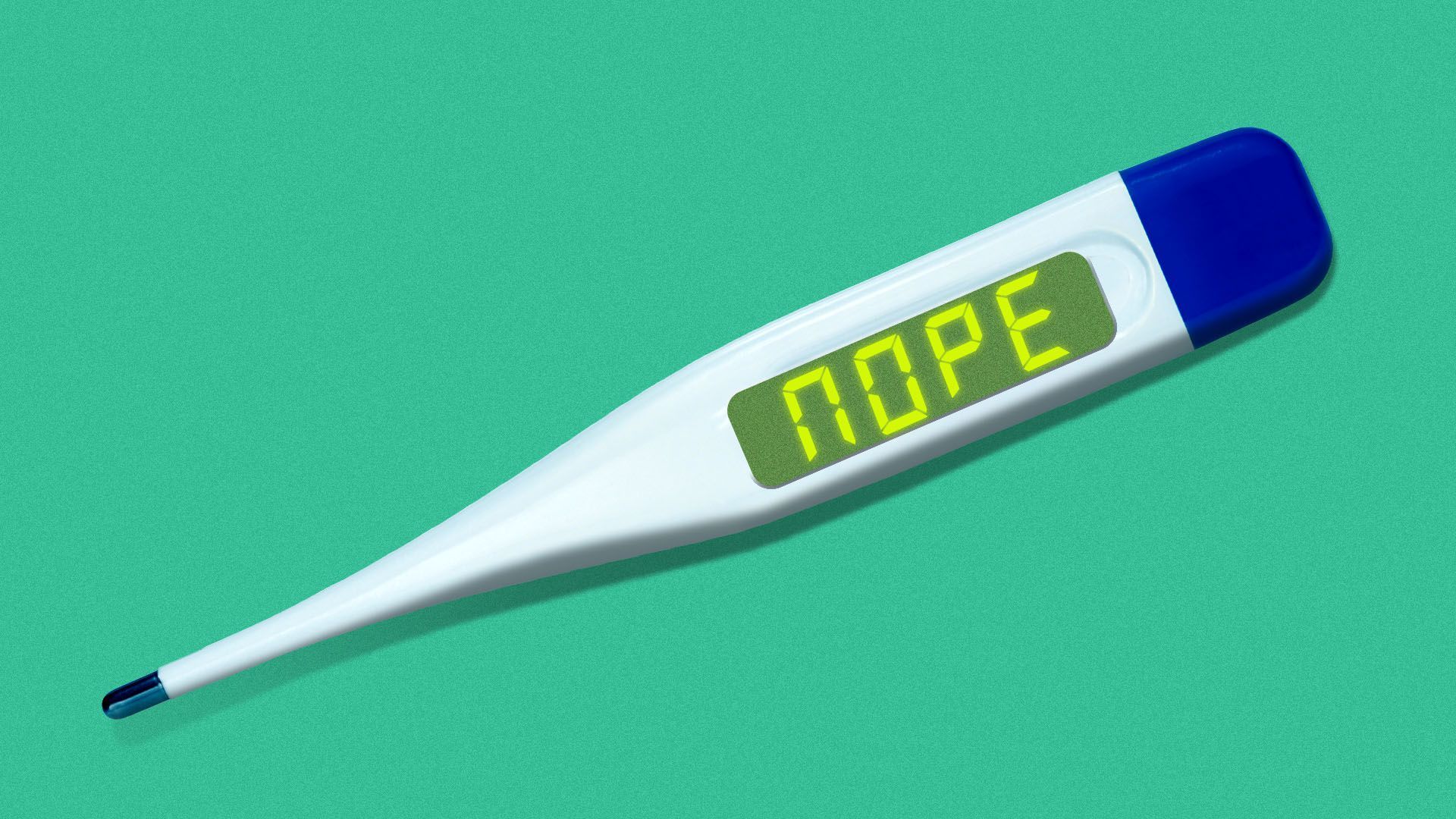
Before the pandemic, if you woke up with a runny nose or a tickle in your throat, it was a simple enough decision to stay home and avoid infecting your co-workers. Now, as more Americans work from home, sick days are disappearing.
Why it matters: Working through sickness and fatigue makes it harder for people to recover quickly and completely, prolonging the harm to their health and productivity.
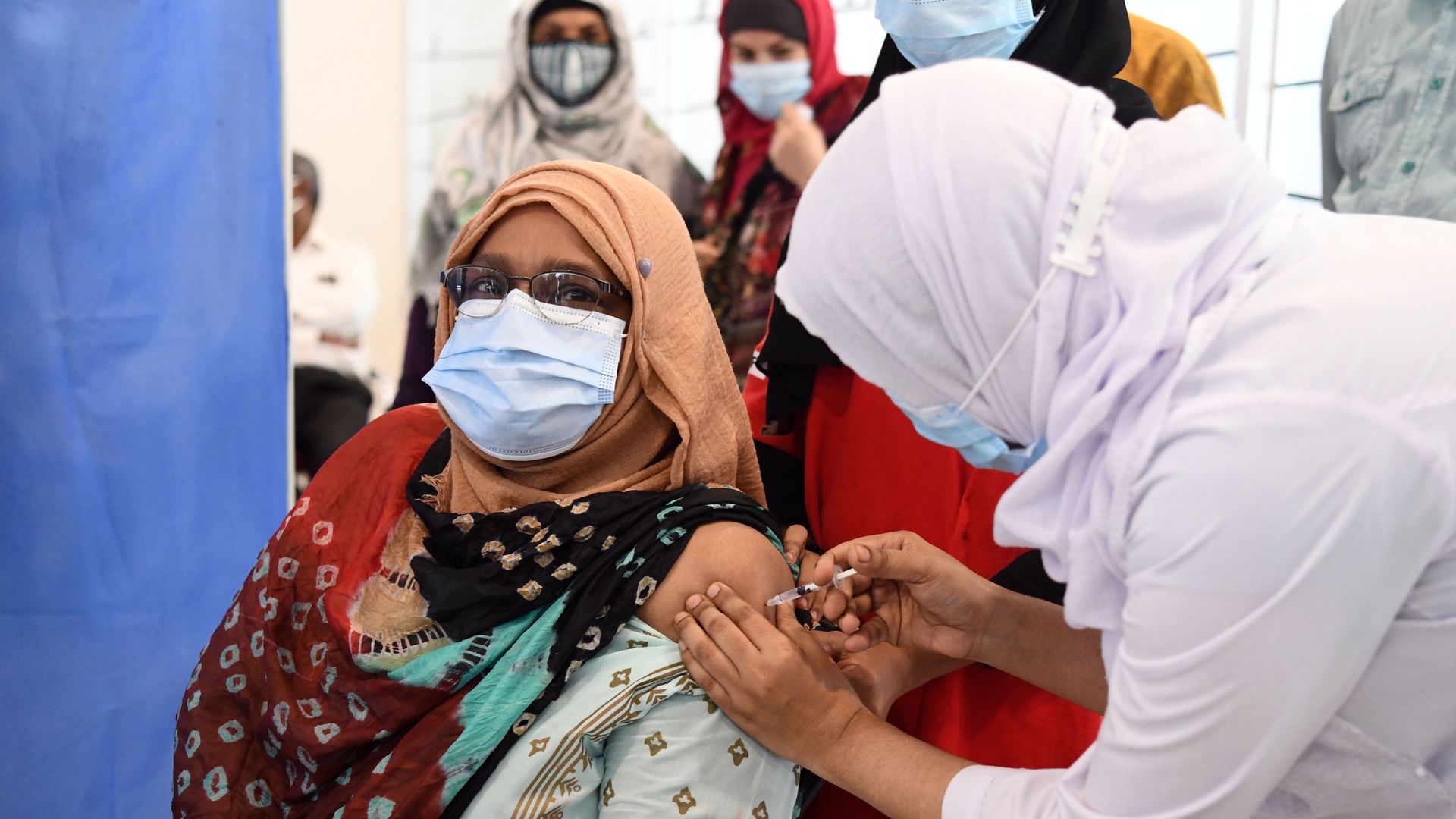
Shot: "Rich countries have given out more boosters in three months than poor countries have given total doses all year," the Financial Times reports.
Chaser: "Most of the negotiations for doses in the next year are coming from high-income countries and some middle-income countries," Pfizer CEO Albert Bourla said on an earnings call yesterday.
"I think we are producing enough. But for the low- and middle-income countries to receive ... a very severely discounted price ... they need to place orders ... The low- and middle-income countries will be behind in deliveries because they didn't place their orders."
Yes, but: The details matter. And the details as they stand suggest drug companies would still retain the power to set prices, and most drugs wouldn't be subject to government price negotiations.
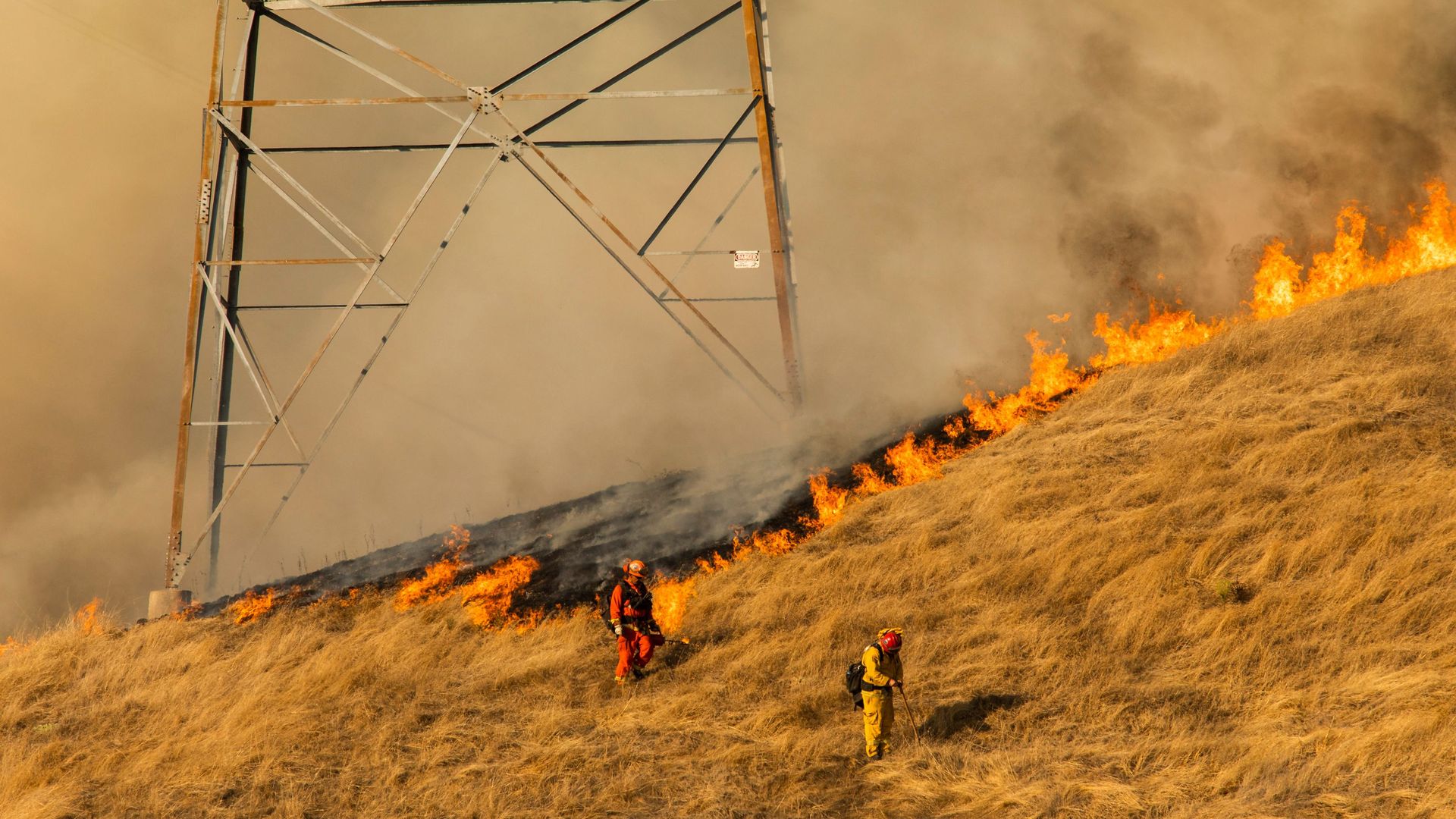
Pacific Gas & Electric reached a $125 million settlement with California's energy regulator Tuesday over the 2019 Kincade Fire, which burned more than 77,000 acres, destroyed hundreds of homes and injured four people in Sonoma County.
The big picture: The California Public Utilities Commission said in a statement the proposed settlement would address "multiple violations" that its safety and enforcement division found — notably a worn power line that investigators said "failed" and broke off a transmission tower during the blaze.
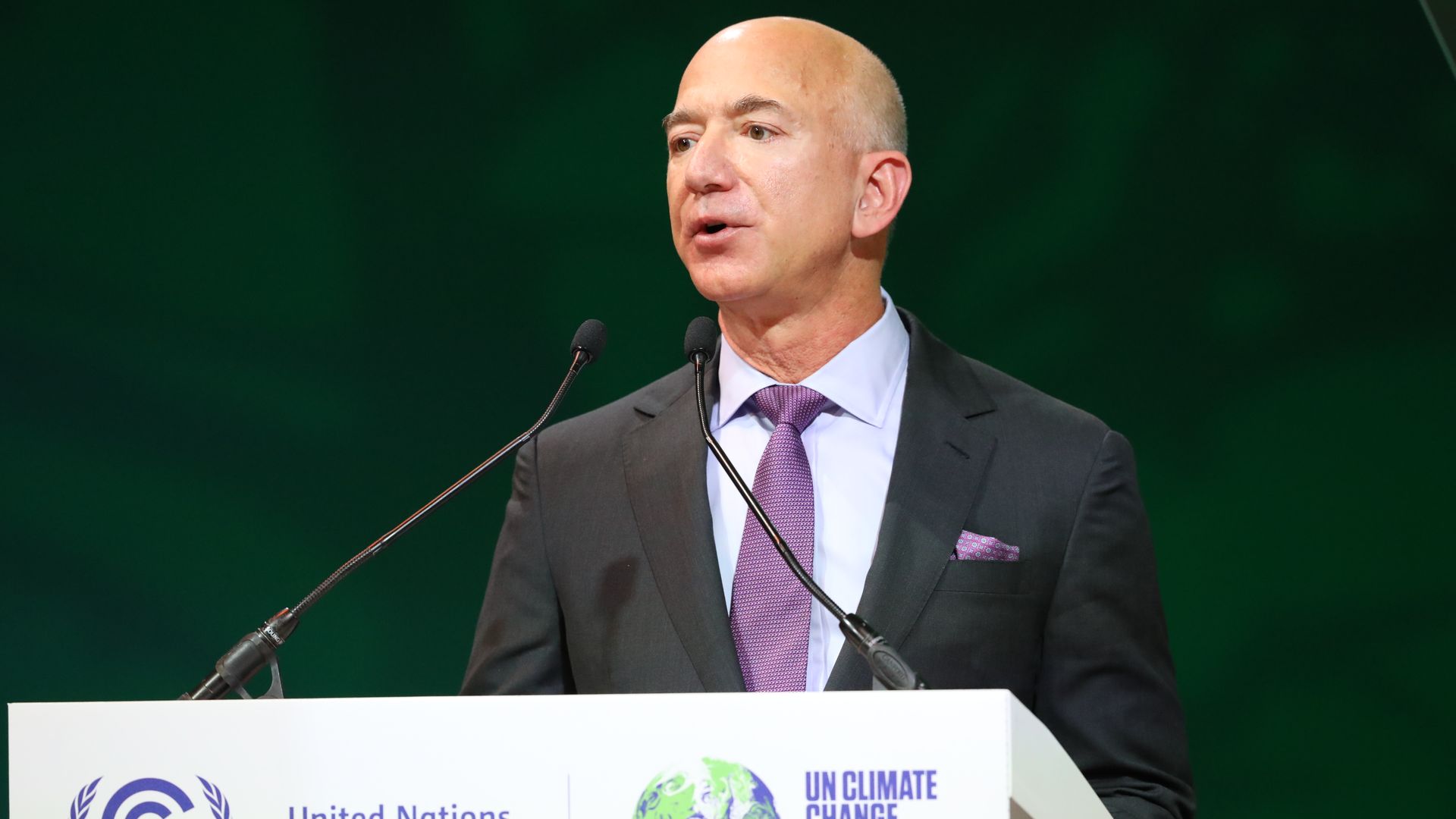
Jeff Bezos, one of the richest men in the world, made a climate philanthropy pledge to spend $2 billion on restoring natural habitats and transforming food systems in a speech at the COP26 conference in Glasgow, Scotland.
Why it matters: This is in addition to the $1 billion for conservation and biodiversity the Bezos Earth Fund committed to in September.
Ethiopia declared a state of emergency on Tuesday as rival forces from the northern region of Tigray move toward the capital, per AP.
Why it matters: It's the latest escalation of a yearlong civil war that threatens to tear apart Africa's second-most populous country and has killed thousands of citizens.