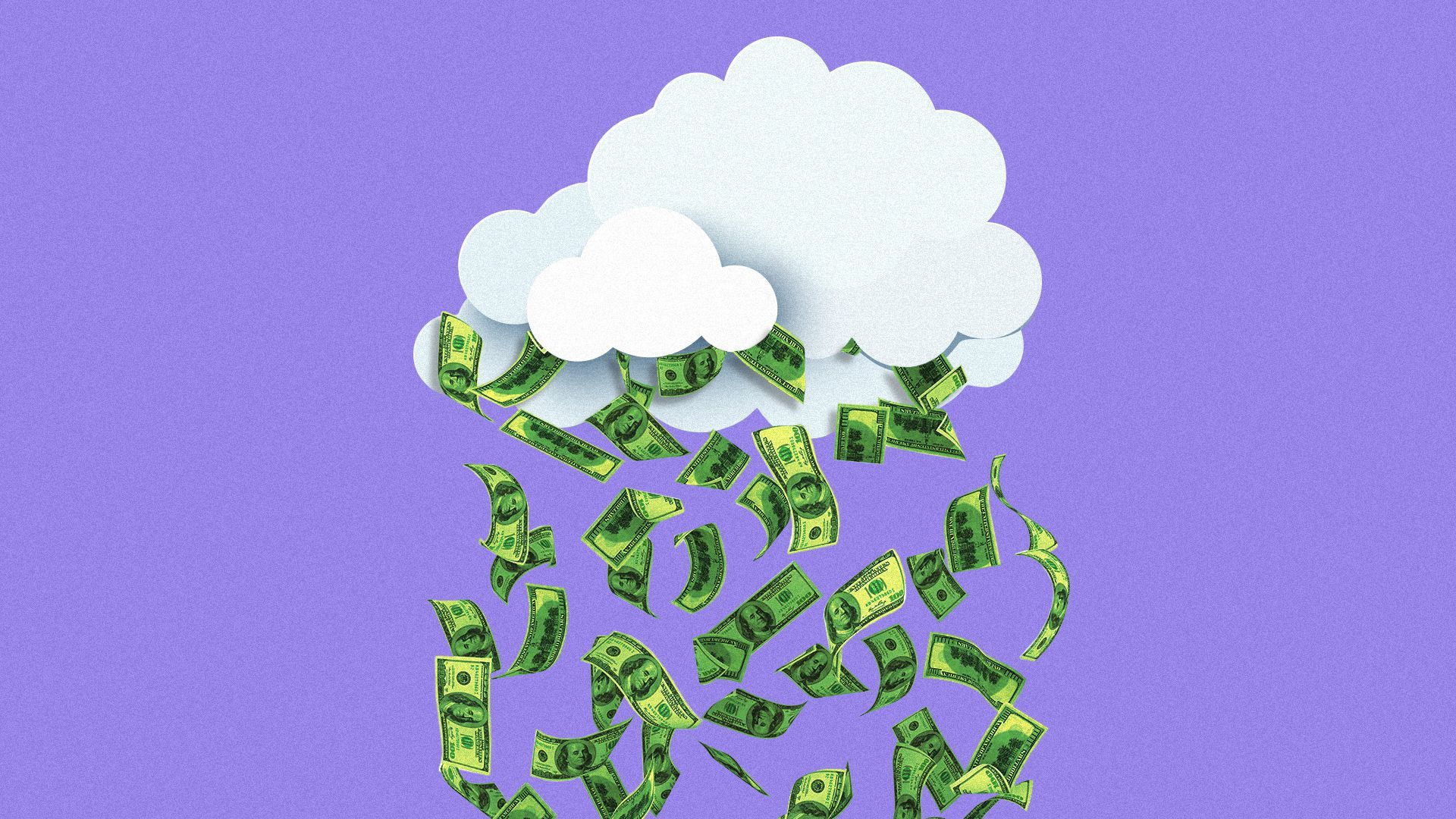
When Bloomberg recently reported that Intuit is in talks to buy Mailchimp for more than $10 billion, we noted how the email marketing company hadn't taken any outside funding since its 2001 founding. It got us to wondering about other bootstrapped success stories, particularly in this era of easy money for startups.
What we learned: Mailchimp is unique, so long as it sells for double-digit billions.
Box won its proxy fight with hedge fund Starboard Value, which had nominated three directors, sought to oust CEO Aaron Levie and opposed a $500 million investment from KKR.
Why it matters: Activist investors rarely lose when they go up against tech companies, either getting what they want via shareholder votes or settlements. Box's success, partially enabled by KKR's deep pockets, could represent a sea change; at least in terms of tech company confidence.
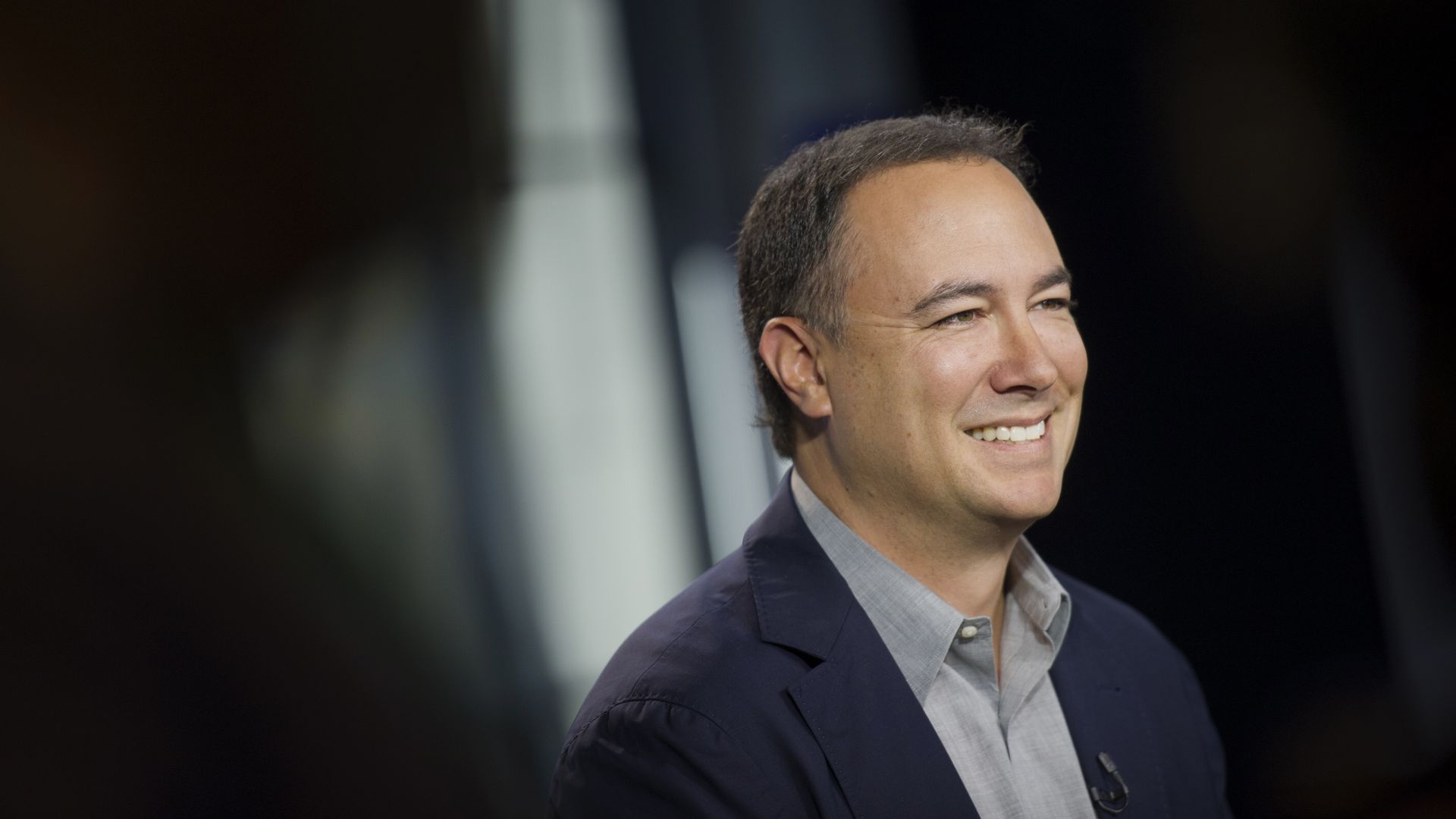
Yahoo on Friday announced that Jim Lanzone, the former CBS Interactive executive who most recently served as CEO of the dating app Tinder, has been named CEO of the company, effective Sept. 27.
Why it matters: Yahoo was bought by private equity giant Apollo Global Management earlier this year. Leadership changes were expected following the closing of the deal on Sept. 1.
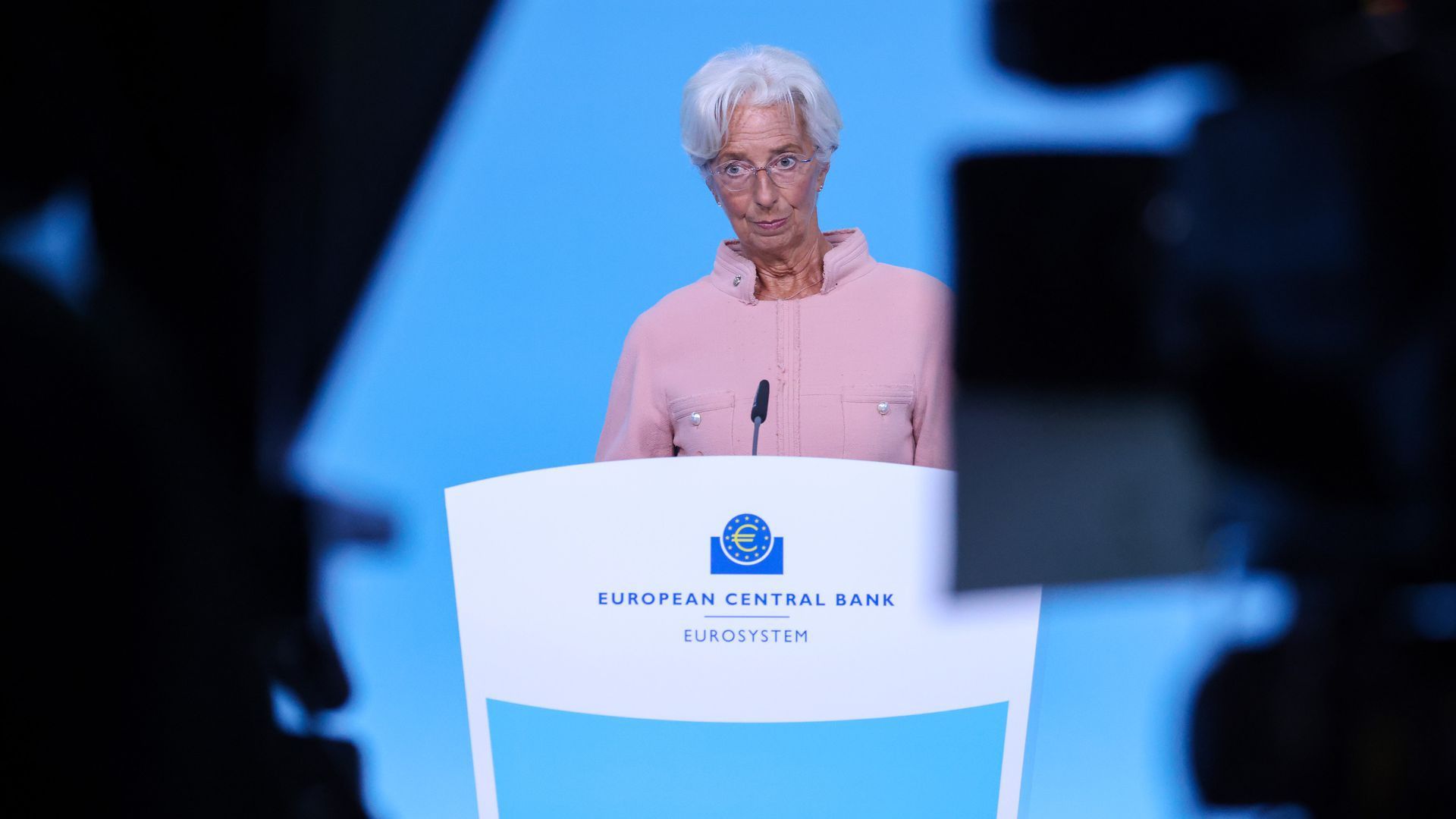
The European Central Bank just sent a signal that mirrors that of its U.S. counterpart: peeling off unprecedented pandemic-era support won’t be quick — leaving a full return to normal far out.
Why it matters: When and how the crisis-era measures end have big implications for global financial markets that have been buoyed by them.
Walmart just raised the largest green bond ever in the U.S. corporate bond market.
Why it matters: The $2 billion bond deal illustrates that U.S. investors’ interest in green bonds is not going anywhere. Companies are tapping into that demand, and putting money behind efforts to battle climate change.
Wall Street’s top stock market forecasters are already telling clients what to expect in the stock market in 2022.
Why it matters: The stock market, as measured by the S&P 500, is up an impressive 20% since the beginning of the year. It’s more than doubled from its March 2020 low.
The White House plansto lean into attacks on proposed taxes to pay for President Biden's "Build Back Better" agenda as "an inflection point where leaders need to choose which side they’re on."
Why it matters: Both ends of Pennsylvania Avenue are heading into an epic fall debate over the size and funding of transformational social and climate programs. The 2022 midterms are the backdrop, with Democrats running partly on jobs created by infrastructure spending.
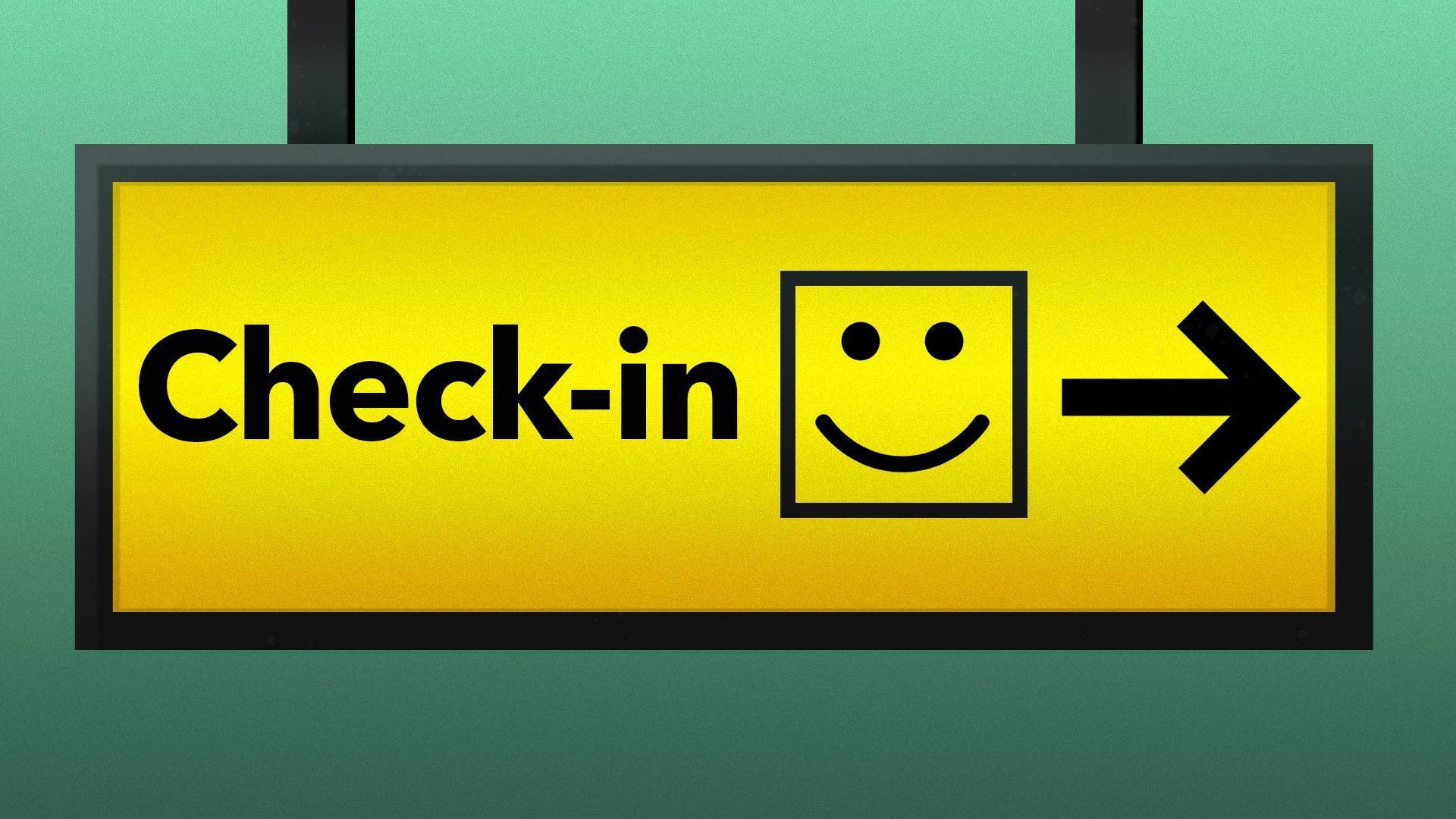
Airport security continues to evolve since 9/11, and it's possible that within the next decade or so, passengers will be able to sail through a virtually invisible screening portal without stopping.
That means shoes stay on, electronics stay in the bag and pockets don't have to be emptied.
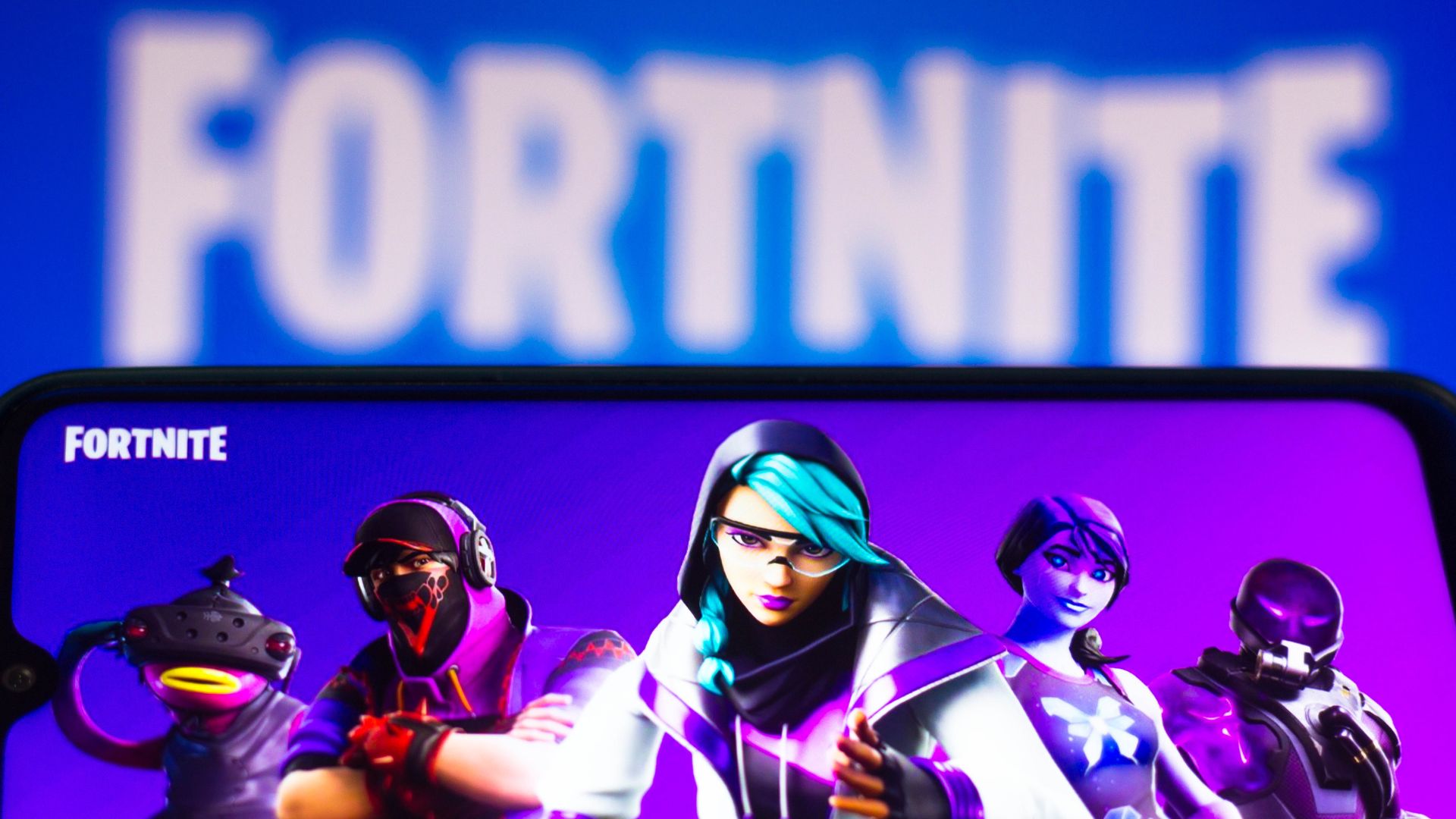
Epic Games says it "intends" to re-release its popular "Fortnite" battle royale game on iPhones and iPads in South Korea, citing the country's new law involving in-app purchases.
Why it matters: Epic's plan, announced tonight via a Tweet, would allow it to achieve one of its key goals in its ongoing fight with Apple, at least in one country.
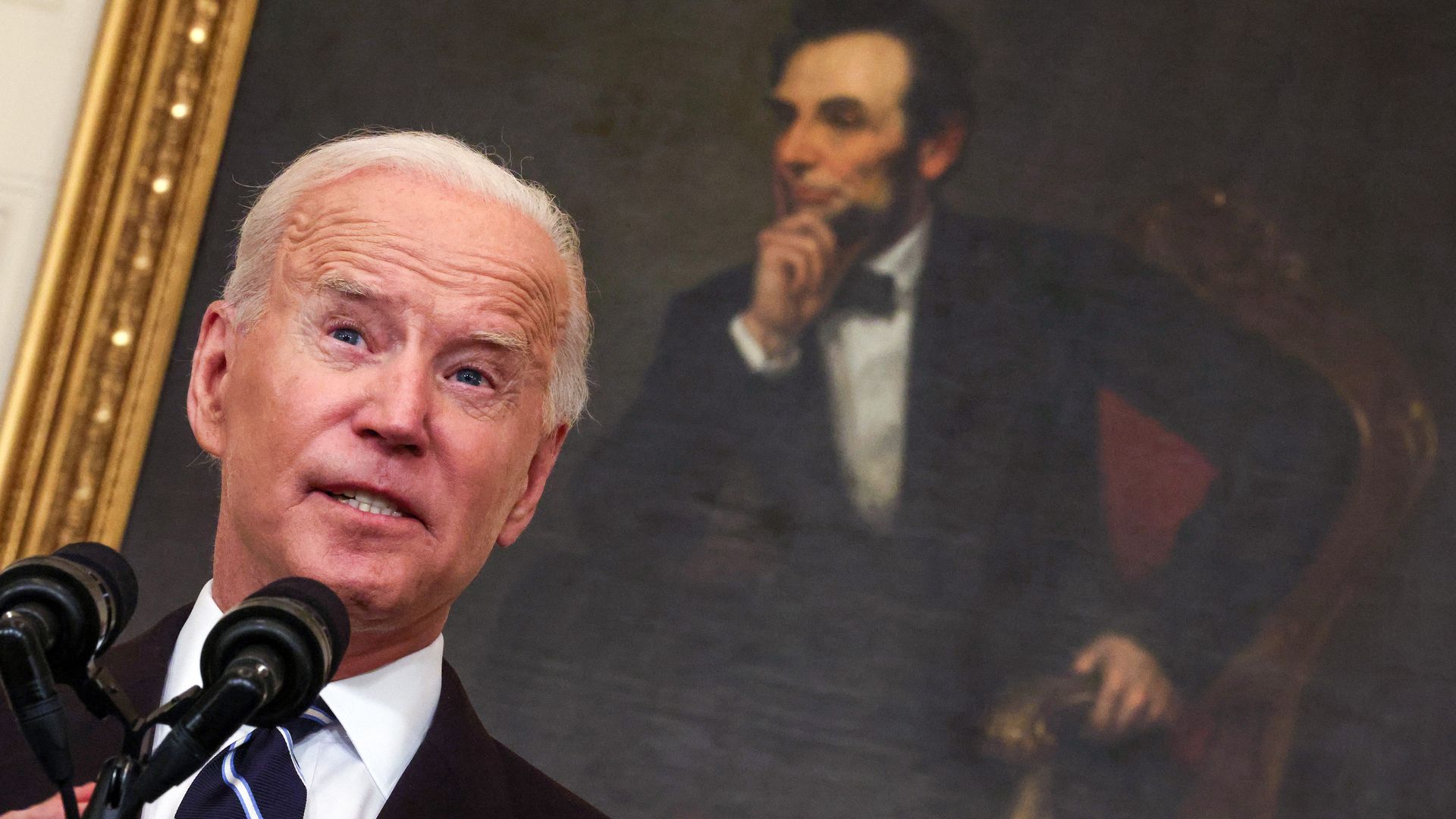
President Biden says he's met the enemy — and it's America's unvaccinated.
The big picture: The majority of U.S. sentiment may be with him. But Biden's still taking a major political risk, and he and his team know it. He's testing business leaders' resolve, putting Democrats' standing in swing states and districts on the line ahead of 2022's midterm elections and tempting a tsunami of litigation over new requirements that could touch 100 million Americans.
President Biden on Thursday announced aggressive new mandates on vaccinations and testing. Axios experts break down what the announcement means for politics, business and health care.
Axios' political reporter Hans Nichols: White House officials know that Biden was elected to contain the virus — and that if he’s not successful, his entire presidency is at risk.