Dontnod, the developer behind "Life Is Strange" and "Tell Me Why," will allow employees in its Paris and Montreal studios to decide if they'd like to work from the office or their homes.
Why it matters: Embracing remote work reduces industry gatekeeping and grants workers more control over their careers.
CBS on Wednesday announced the creation of a new, internal content studio that will be led by former CBS News President Susan Zirinsky.
Why it matters: Zirinsky stepped down from her role at CBS News earlier this year. It was rumored that she would remain with CBS in a role that focused more heavily on content production over newsroom management.
The world's largest direct-air carbon dioxide capture and sequestration plant, developed by Climeworks and Carbfix, went online in Iceland on Wednesday.
Why it matters: Though current direct CO2 capture and storage technologies can offset only a tiny fraction of annual emissions, some climate scientists believe they will have an important role in limiting global warming and climate change in the future.
We've written before that much of U.S. antitrust law is antiquated, having been written over a century ago to regulate railroads.
Yes, but: What we've not really mentioned is that railroad-specific rules were updated much more recently, and are complicating one of the largest announced mergers of 2021.
PayPal (Nasdaq: PYPL) agreed to acquire Paidy, a Japanese installment payments enabler, for around $2.7 billion.
Why it matters: This sets up a global consolidation spree in the "buy-now, pay-later space," following Square's agreement last month to buy Afterpay for $29 billion.
This morning brought the launch of a climate tech VC fund that's notable for its prominent backers and connective tissue to communities on the front lines of global warming.
Driving the news:Earthshot Ventures is a new early-stage investor in hardware and software companies that announced its presence today and the close of its first fund at $60 million.
It was a rocky start:Bitcoin suffered a disorderly sell-off on Tuesday, alongside most other cryptocurrencies, to mark the day on which it officially became legal tender in El Salvador, along with the more widely accepted U.S. dollar.
Why it matters: While a 17% daily swing is far from unprecedented for bitcoin, it's not the kind of thing most citizens want from their currencies. Neither is having a payments mechanism that can be unplugged by the government at will.
An unexpected pandemic side effect has legs: Average credit scores are still ticking up — to the highest in 13 years, new data from credit-reporting firm Experian shows.
Why it matters: America saw the worst recession on record (albeit the shortest). But stay-at-home orders that limited what consumers could spend on paired with stimulus funds that went toward paying down debt helped lift the average credit score — a phenomenon that cut across all generations.
Big companies continue to misread how global supply chain issues will affect business. One company just admitted it was too optimistic about its forecasts.
Drawing: Carlos Diniz (1928-2001). Courtesy Mark Cuban
Mark Cuban,the entrepreneur and Dallas Mavericks owner, has purchased a stunning set of drawings of the World Trade Center — and is giving them a permanent home in New York by donating them to the Cooper Hewitt, Smithsonian Design Museum.
Most of today's tech giants are no longer run by their founders, but by a new breed of successor CEOs tasked with holding true to a corporate mission while continuing to pump up growth.
The big picture: Silicon Valley has long embraced a "founders know best" philosophy. But eventually, most successful founders get old and tired and rich — and lose interest in the meetings, the management messes, and the sheer hard work of running a company.
A growing number of U.S. companies have mandated COVID-19 vaccinations for employees. But in the absence of a federal mandate there's a wide variance in what’s happening — mandates for all, some, or none — with employee demands being put front and center thanks to the Great Resignation.
Why it matters: How companies answer questions about vaccines and return-to-work policies has wide ranging impacts — on the health of their employees, on where people live, and on the strategic direction of their businesses.
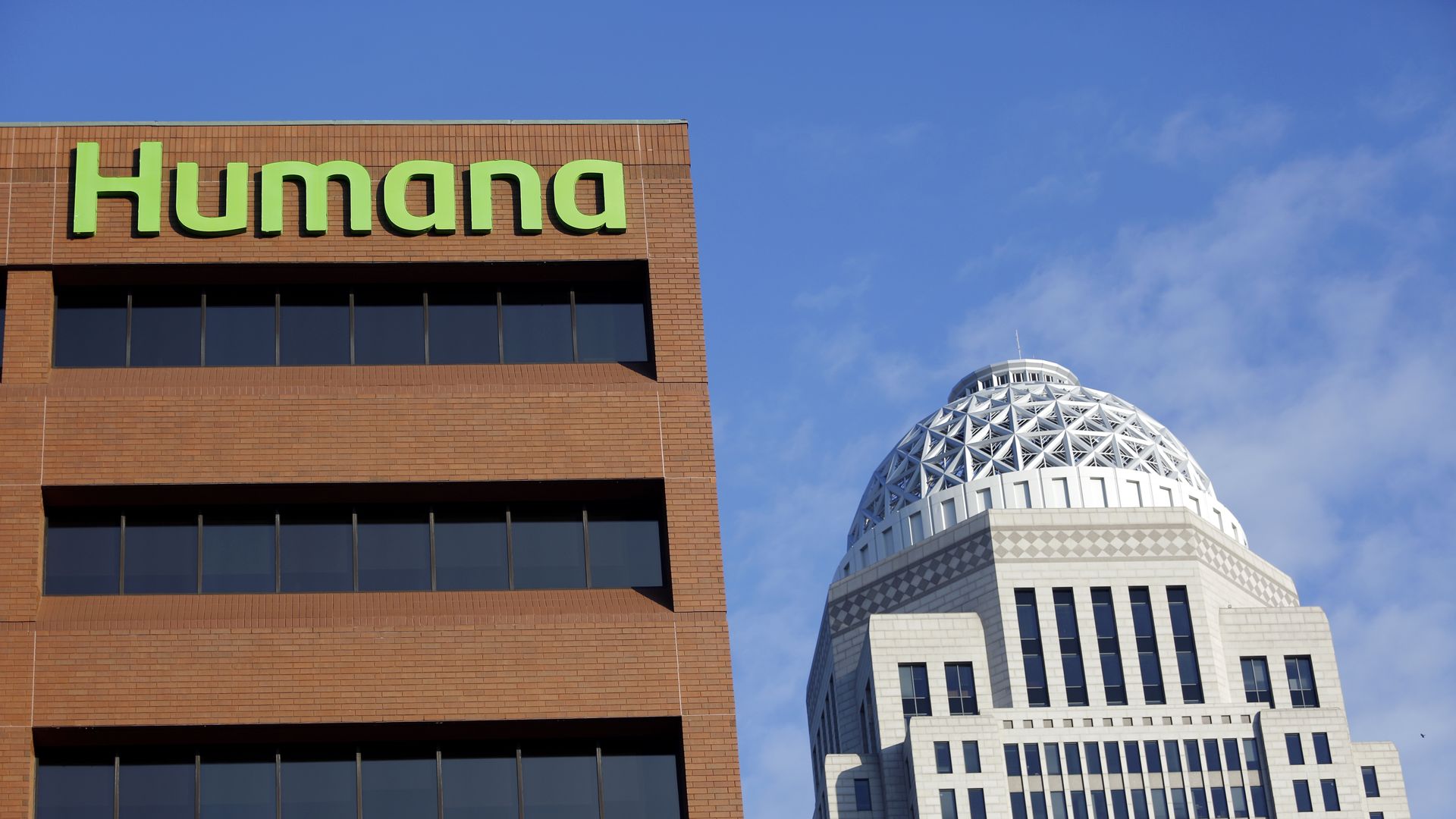
Humana has recorded more COVID-19 hospitalizations among its Medicare Advantage members in the past few weeks due to rising coronavirus cases. But non-COVID inpatient and outpatient care also appears to be declining as a result, the health insurance company said late Tuesday.
Why it matters: Health insurers profited heavily last year when hospitals and doctors delayed routine medical care, and that dynamic appears to be happening again.
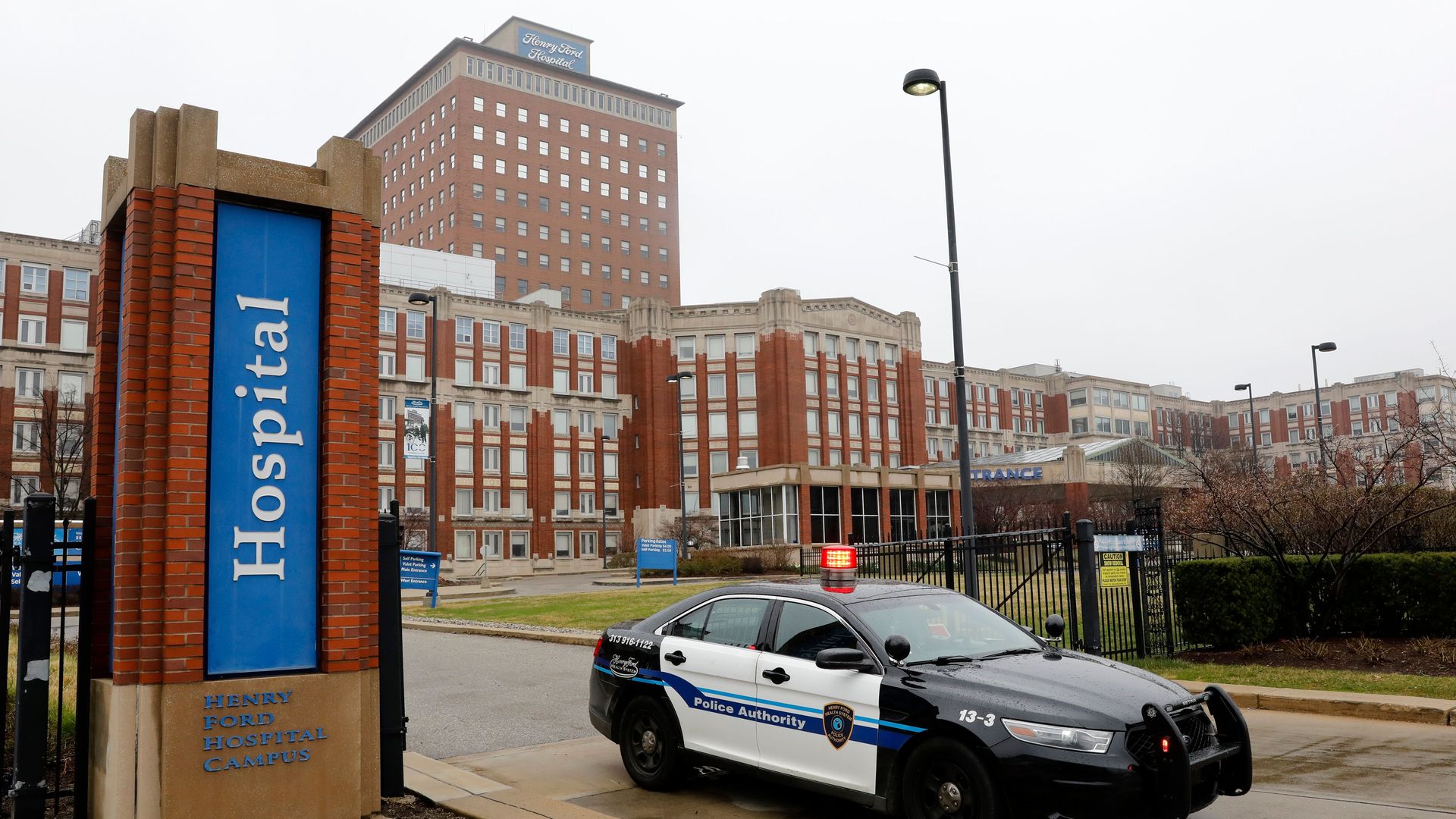
About 50 Detroit health care workers have filed a lawsuit against a hospital system, claiming its upcoming COVID-19 vaccine mandate violates the Fourteenth Amendment's protection of "personal autonomy and bodily integrity."
Why it matters: This is the second major legal test concerning vaccine mandates in the health care sector, after an unsuccessful lawsuit claiming a Texas hospital's policy requiring all staff be vaccinated against the virus was unlawful.