Here’s a surprising detail from Friday's jobs report: America is seeing insatiable building demand, but the sector that most directly benefits is shedding workers.
Why it matters: A material crunch and supply chain mess are holding down job gains.
Global food prices aren't leaving any wiggle room for bad harvests or demand spikes.
The state of play: A UN index of food prices"has reached its highest since September 2011, climbing almost 5% last month," reports Bloomberg. Another trackerof "prices from grains to sugar and coffee is up 70% in the past year."
Today’s jobs report showed that the U.S. economy added 577,000 jobs in May, which was a very strong number but below what many had been expecting.
Axios Re:Cap unpacks the report with Axios business reporters Courtenay Brown and Felix Salmon, who go below the headline numbers and explain what it all means for President Biden’s big spending plans. Plus, we discuss Facebook's decision to ban former President Trump for two years.
JPMorgan Chase will restart its political donations but will not give to Republican members of congress who objected to certifying the Electoral College victory of President-elect Biden, according to an internal memo reviewed by Reuters.
Why it matters: 147 congressional Republicans, the majority of whom hold seats in the House, objected to state election results over baseless claims of widespread election fraud fueled by former President Trump.
Pershing Square Tontine, the SPAC formed last summer by Bill Ackman, confirmed that it's in talks to buy a 10% stake in Universal Music Group from Vivendi at a $40 billion enterprise value.
The big picture: At first glance, this isn't what Tontine was formed to do. Or what any SPAC is formed to do, since they're expected to buy/merge private companies. It also had expected to sign a deal in 2020, per this Axios Re:Cap interview with Ackman last July.
One question heading into Apple's Worldwide Developer Conference next week is whether the iPhone maker will combine the usual software announcements with an olive branch to software makers who are criticizing the company's business practices.
The big picture: Outspoken critics like Spotify, Epic and Match Group are still in the minority, but the complaints they are voicing reflect broader concerns over everything from the size of Apple's commissions to its favorable treatment of its own products and services.
The U.S. economy added 559,000 jobs last month, while the unemployment rate fell to 5.8% from 6.1%, the government said on Friday.
Why it matters: Vaxxed America isn't surging back to work as quickly as economists, who had predicted 670,000 new jobs, hoped it would. Still, the total number of jobs in the U.S. rose by a reasonably healthy amount in May — much faster than the anemic growth of 278,000 we saw in April.
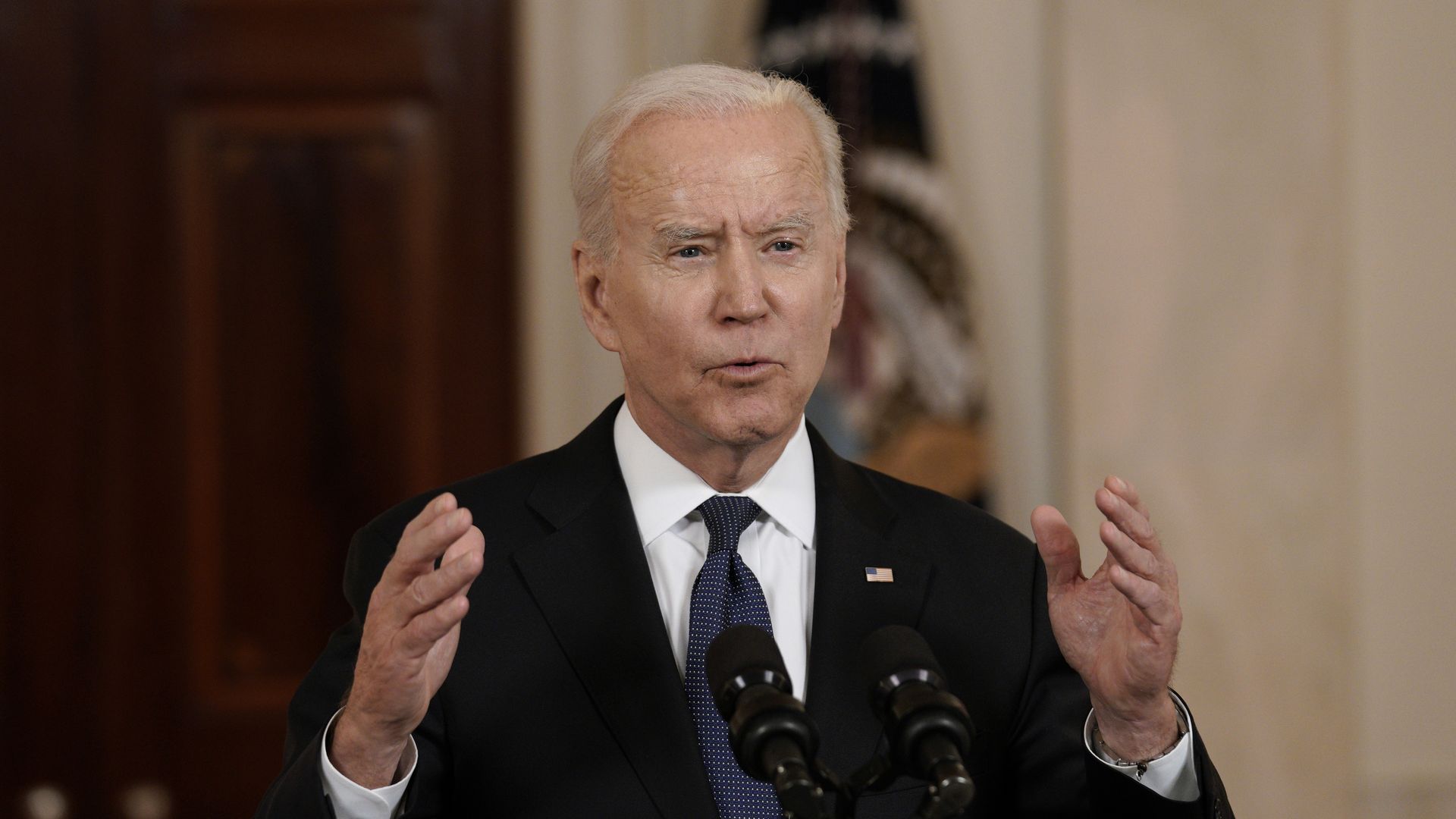
Democrats and Republicans are preparing to seize on today’s jobs numbers to argue for — or against — Biden’s proposal for $4 trillion in infrastructure and social safety net spending.
Why it matters: Like early in the Obama administration, the job report is serving as a monthly assessment of the president's economic policies.
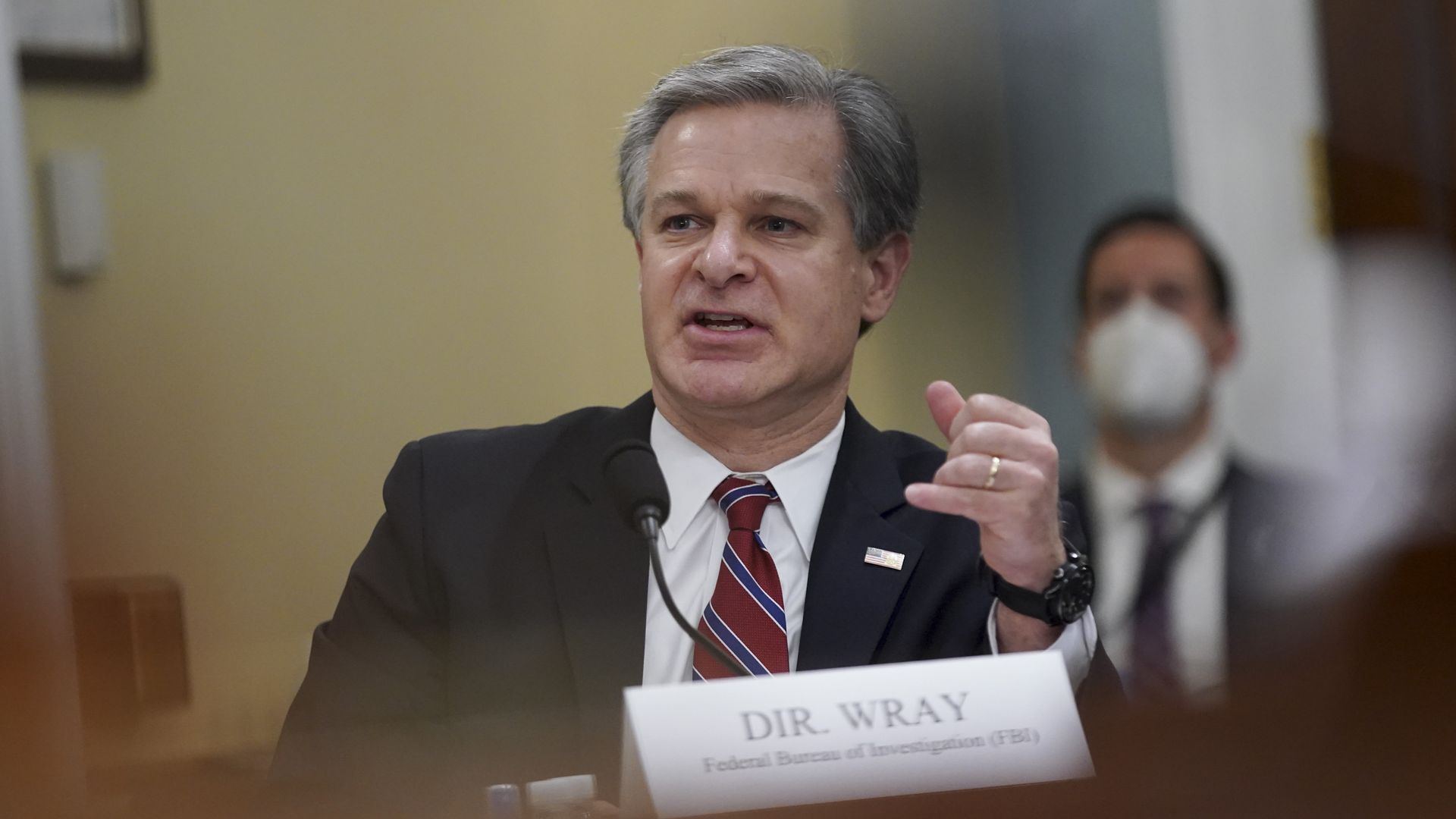
FBI Director Christopher Wray told the Wall Street Journal in an interview that the bureau is currently investigating around 100 different types of ransomware that have been used to targeted between a dozen and 100 organizations.
Driving the news: Wray said the malware attacks were similar to the challenges posed by the Sept. 11, 2001, terrorist attacks, and he called on Russia's government to do more to crack down on cyber criminal groups based in the country.
When the pandemic forced cities to shut down, millions of businesses moved their operations online — a shift that is having lasting impacts on hiring, real estate and the way we buy goods and services.
Why it matters: Small businesses are the engines of the economy. While many did not survive the last 15 months, new businesses have popped up and found ways to find customers in the new, all-online-all-the-time environment.
The FDA will soon decide the fate of Biogen's experimental Alzheimer's drug. But there is one glaring issue — there is no conclusive evidence the drug effectively treats the crippling neurological disease.
Why it matters: This will be one of the FDA's most important decisions in years. The outcome will show whether the federal agency sides with the overwhelming scientific consensus that the drug isn't proven to work, or with an industry and a patient population desperate for anything to be approved.







/2021/06/04/1622815795780.gif?w=3840)