Sony PlayStation's "Days Gone"is currently the top-selling game on PC gaming marketplace Steam, just a day after a release that was unthinkable not long ago.
Why it matters: For the last several years, once unbreakable rules about where games appear have snapped, as games from two of the big three console makers now frequently make it to PC and even mobile.
Companies are increasingly chasing next-gen consumers: America's youth.
What's new: Fidelity today said 13- to 17-year-olds can trade stocks using an account in teens' full control once it's opened by a guardian. It's an industry first — and other brokers could follow.
Why it matters: Kids are a lucrative market given how much younger they are developing online habits (something the pandemic has only made worse).
What they're saying: "It's basically hook 'em as young as you can, period," says Jim Steyer, founder of Common Sense Media, a children's advocacy group that's called for more regulations on this front.
"They market to kids and teens because a) you hook them at a young age and b) you get their parents."
44 state attorneys general urged Facebook to drop plans for a version of Instagram for those under 13. (It already has the controversial Messenger Kids.)
One toy retailer now "lets kids as young as 3 years old shop for gifts ... without requiring further signoff from an adult," the Wall Street Journal reported this week.
The big picture: For decades, there's been caution around what is too dangerous to be marketed to kids (think cigarettes and toy guns). But the line between what should and shouldn't be off-limits is getting blurrier.
What to watch: Big Tech's reputation for getting kids onto its platforms is the source of bipartisan ire. One concern: These companies have fallen short on privacy for adult users — the same will happen for children.
"Unfortunately, when it comes to putting children ahead of their profits, Big Tech always fails," Sen. Ed Markey (D-Mass.) said at a congressional hearing on children's online privacy today.
Of note: Fidelity says there are guardrails to ensure trading teens — who can't trade on margin — are supervised.
Guardians must agree to receive activity statements, plus they can sign up for alerts on all transactions, a spokesperson says.
An "expanded and enhanced" version of "Grand Theft Auto V" will be released on Nov. 11, Rockstar Games announced Tuesday, locking in a marquee pre-Thanksgiving spot in the year’s gaming calendar.
The big picture: In a fickle industry of changing tastes and ever-improving tech, video games released in 2013 aren’t supposed to still be a big deal in 2021, let alone stand ready to be one of the year’s biggest releases.
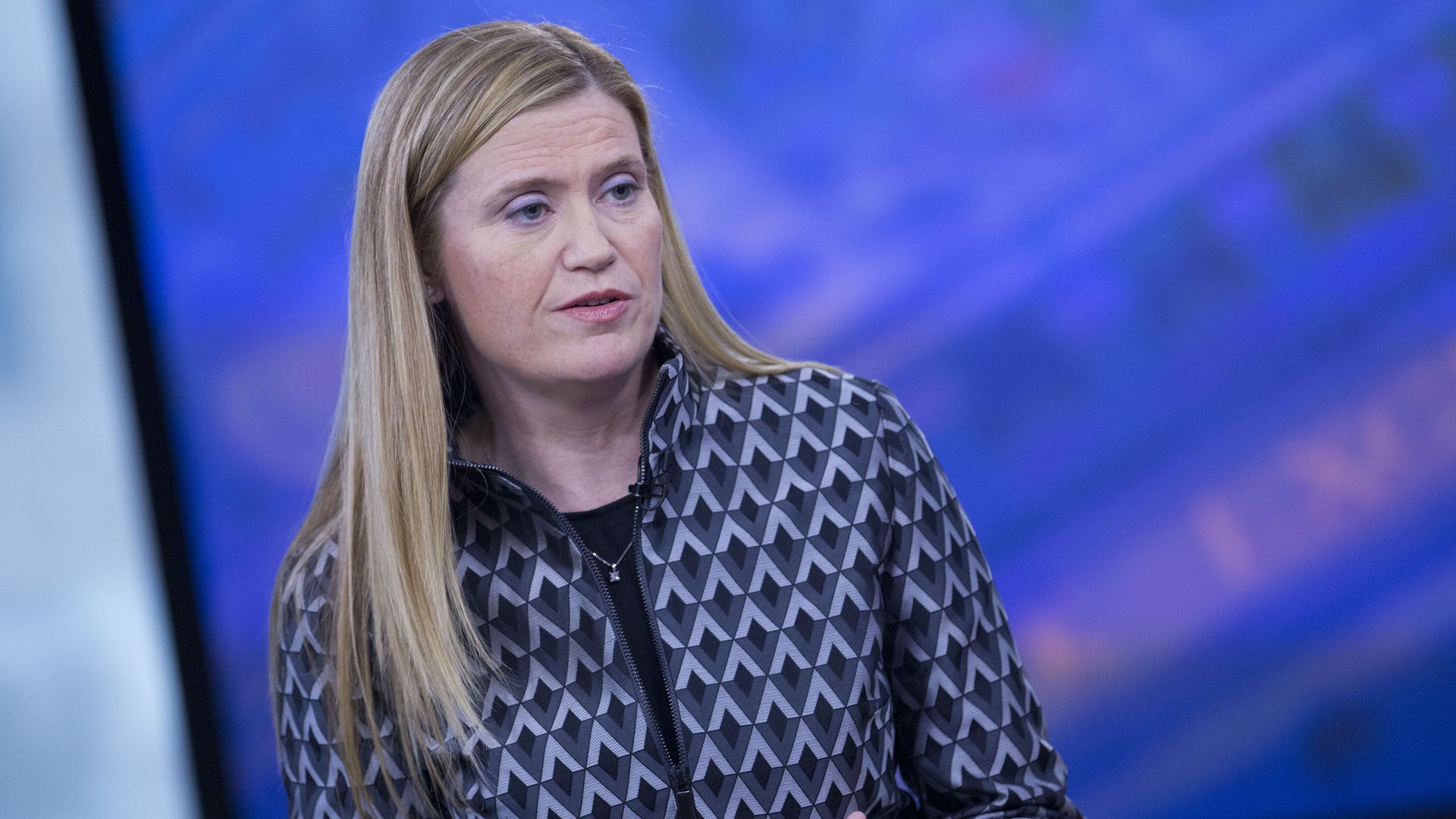
JPMorgan Chase announced on Tuesday that it has named Consumer Lending CEO Marianne Lake and CFO Jennifer Piepszak as co-heads of the bank's consumer unit.
Why it matters: The women had been named by the bank as front-runners to succeed JPMorgan CEO Jamie Dimon, who is now 65 years old, and placing them as finance chiefs cements their status as the most likely candidates to get the role.
The Chinese government's anti-monopoly machinery presents a major challenge to U.S. and European regulators, a new book argues.
Why it matters: China's huge markets are attracting investment from multinational corporations and shaping the behavior of its own globe-trotting companies — giving international heft to the country's idiosyncratic antitrust enforcement and putting it on a collision course with Western-style regulation.
Amazon is reportedly in talks to acquire MGM Holdings, the legendary Hollywood studio, according to The Information. The deal could cost between $7 billion and $10 billion.
Why it matters: This would be Amazon's biggest move yet into entertainment.
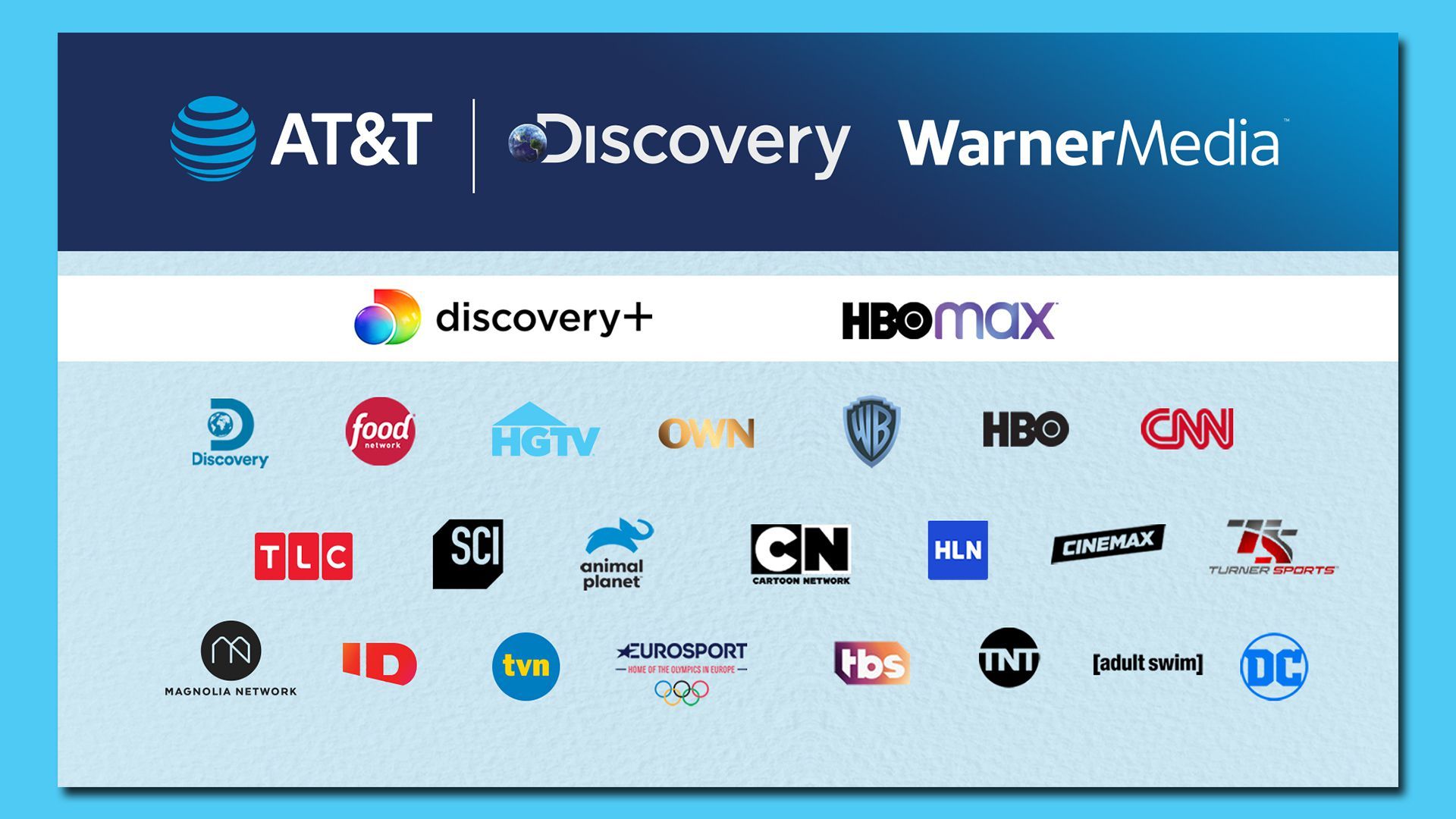
Yesterday's news that AT&T is offloading its WarnerMedia assets into a joint venture with Discovery is far from a surprise since buying a media company in the name of vertical "synergies" has rarely ended well.
Case in point: WarnerMedia itself merged in 1990 with Time Inc. to create Time Warner.
G/O, formerly Gizmodo Media Group, is launching a first party data platform called G/O Veritas to sell ads against the data it collects from its 11 websites, executives tell Axios.
Why it matters: It's the first new product from G/O Media since being acquired by Great Hill Partners in 2019.
TheSkimm, a digital media company catering to millennial women, has hired JPMorgan Chase & Co. to evaluate deal offers, sources tell Axios.
By the numbers: The company brought in roughly $20 million in 2019 revenue, per sources. Its leadership has been telling stakeholders that it expects revenues this year to be nearly double that number by year's end.
Crypto giant Coinbase is launching its own media operation and looking to poach a top media editor to guide the effort, sources tell Axios.
Unlike a typical newsroom, that person would report into Coinbase's marketing team.
Why it matters: While sources say the media operation would act as a top-of-the-funnel marketing vehicle to draw more people to its cyptocurrency exchange, it also could be used to help the company drive its own narratives.
AT&T is ditching the media properties it scooped up a few years ago. They'll merge with Discovery's in a new, yet-to-be-named entity.
The bottom line: The deal isn't doesn't just create a massive wrinkle in the streaming wars, but also the connectivity wars as AT&T shifts back to its telecom roots, Axios' Sara Fischer notes.
The cryptocurrency hype is real. New numbers show how scammers are benefiting.
Driving the news: Reported losses tied to crypto scams spiked 1,000% in the past year, the Federal Trade Commission said Monday. That includes over $2 million that people have sent to Elon Musk impersonators. (Yes, really.)
Japan's economy shrank by 5.1% in the first quarter, government data showed, putting the world's third-largest economy again at risk of falling into recession.
Where it stands: With Japan's economy shrinking by more than expected in Q1 and at risk for another contraction in Q2, the global recovery theme looks to be at risk.
The New York state manufacturing index fell from its April level and missed economists' expectations but the prices component jumped to the highest level on record this month.
Why it matters: It's the latest in a long line of local business surveys that show prices rising to yearslong or record highs.
Oil prices have continued to rise, gaining again on Tuesday after rising to the highest in two years on Monday.
Why it matters: Inflation worries and concerns that prices have run past reasonable valuations have weighed on equities recently, but bullish oil traders continue to be handsomely rewarded this year.
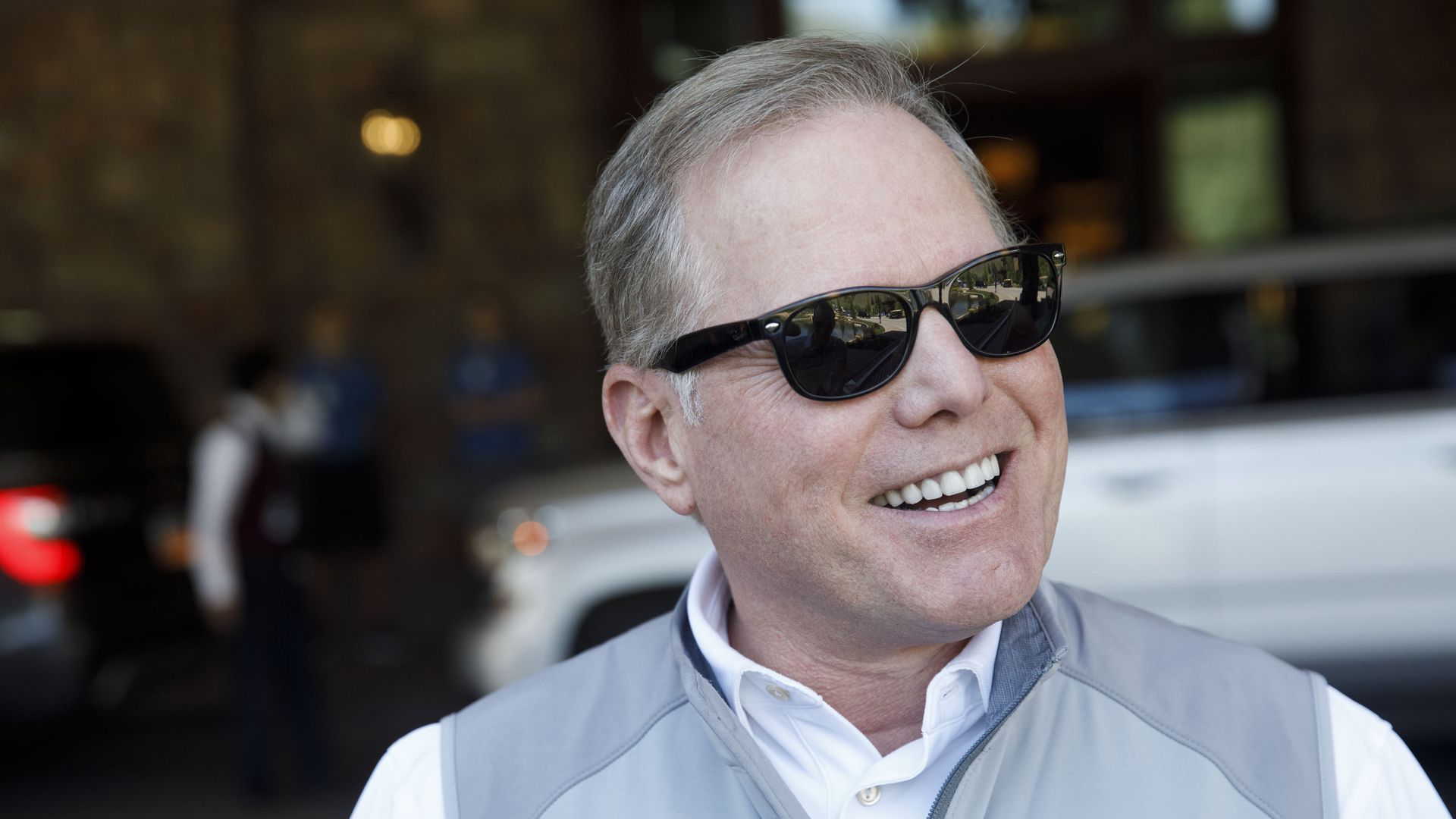
David Zaslav will stay on as Discovery CEO through at least 2027, leading the massive joint venture with WarnerMedia announced on Monday, sources tell Axios.
Driving the news: Zaslav's new contract will be announced next week in conjunction with the name of the new company that he just unveiled with AT&T CEO John Stankey.
The megamerger of Discovery and AT&T media assets is likely to trigger a chain reaction of other media giants forming ever bigger combinations.
Why it matters: There was a time when most Americans got their news and entertainment from three broadcast networks, a handful of Hollywood studios and their local paper. Today, Americans get content from hundreds of different sources, but they're increasingly being gobbled up by the same owners.
The pathway for transforming global energy systems to reach net-zero emissions by 2050 is "narrow but still achievable" and demands unprecedented acceleration away from fossil fuels, an International Energy Agency report published Tuesday concludes.
Why it matters: It provides detailed analysis and estimates of what's needed for a good shot at limiting temperature rise to 1.5°C above preindustrial levels — the Paris Agreement benchmark for avoiding some of the most damaging effects of climate change.
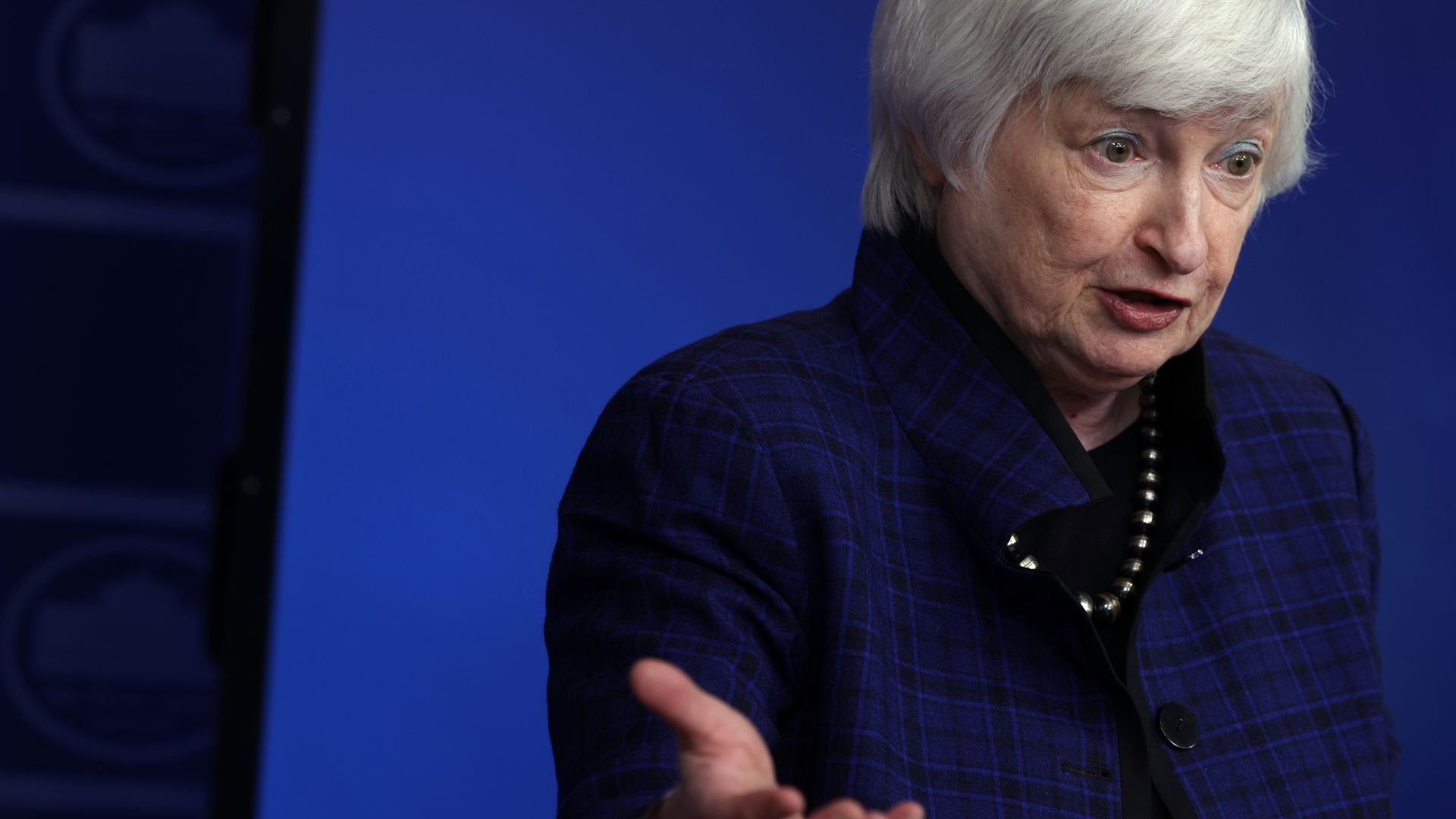
Treasury Secretary Janet Yellen is heading into the belly of the beast Tuesday and asking the business community to support President Biden's $2.3 trillion infrastructure plan during a speech to the U.S. Chamber of Commerce.
Why it matters: By trying to persuade a skeptical and targeted audience, Yellen is signaling the president’s commitment to raising corporate taxes to pay for his plan. Republican senators, critical to a potential bipartisan deal, oppose any corporate tax increase.