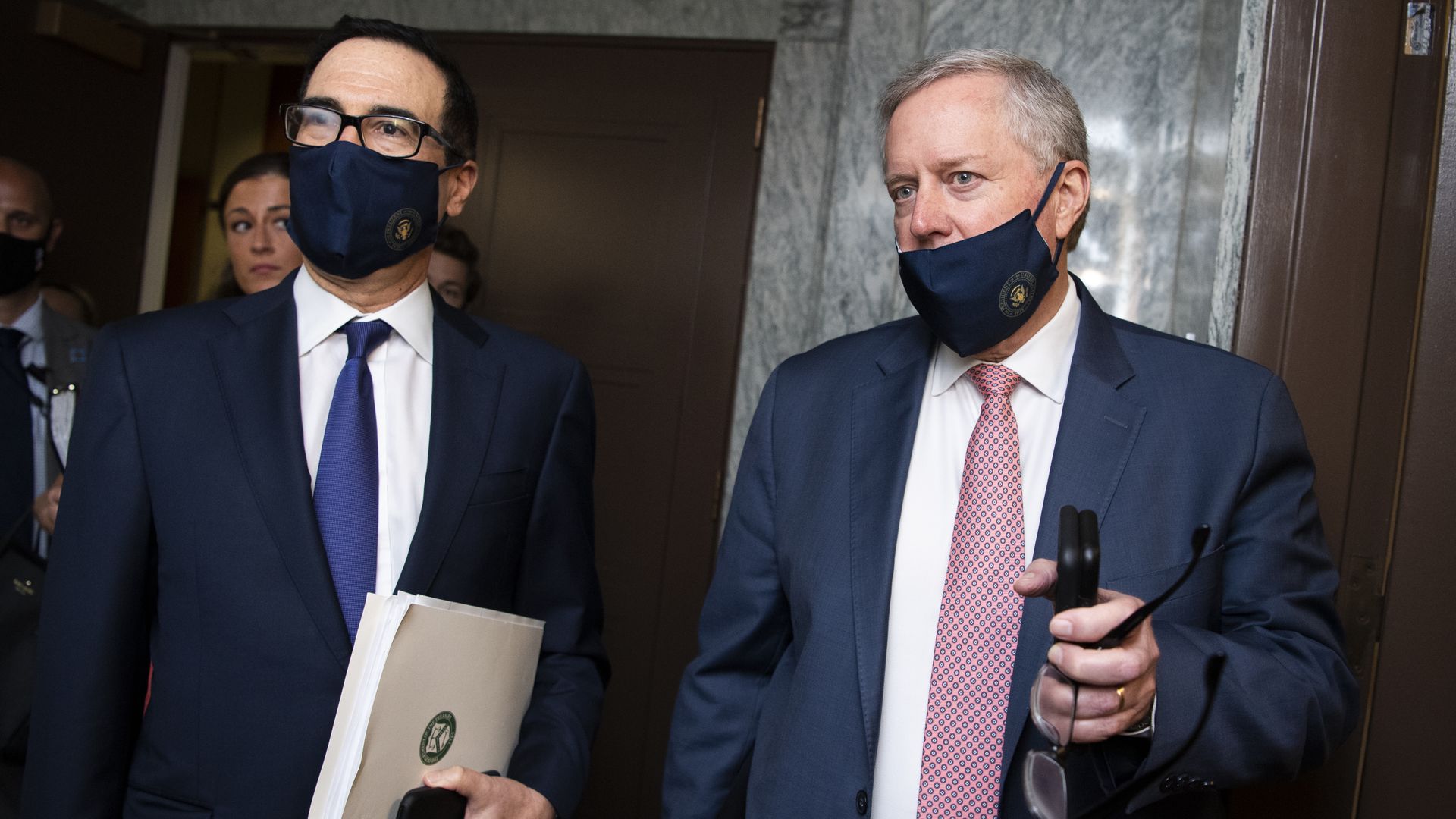
White House Chief of Staff Mark Meadows told reporters after meeting with Democratic leaders on Wednesday that the two sides are "nowhere close to a deal" on a coronavirus stimulus bill, acknowledging that extra unemployment benefits will expire on Friday.
Why it matters: More than 32 million Americans are currently receiving some form of unemployment benefits, according to the most recent Labor Department data. Democrats had hoped to extend the $600 weekly supplemental unemployment benefit passed in the $2.2 trillion CARES Act, but the Senate GOP remains extremely divided.
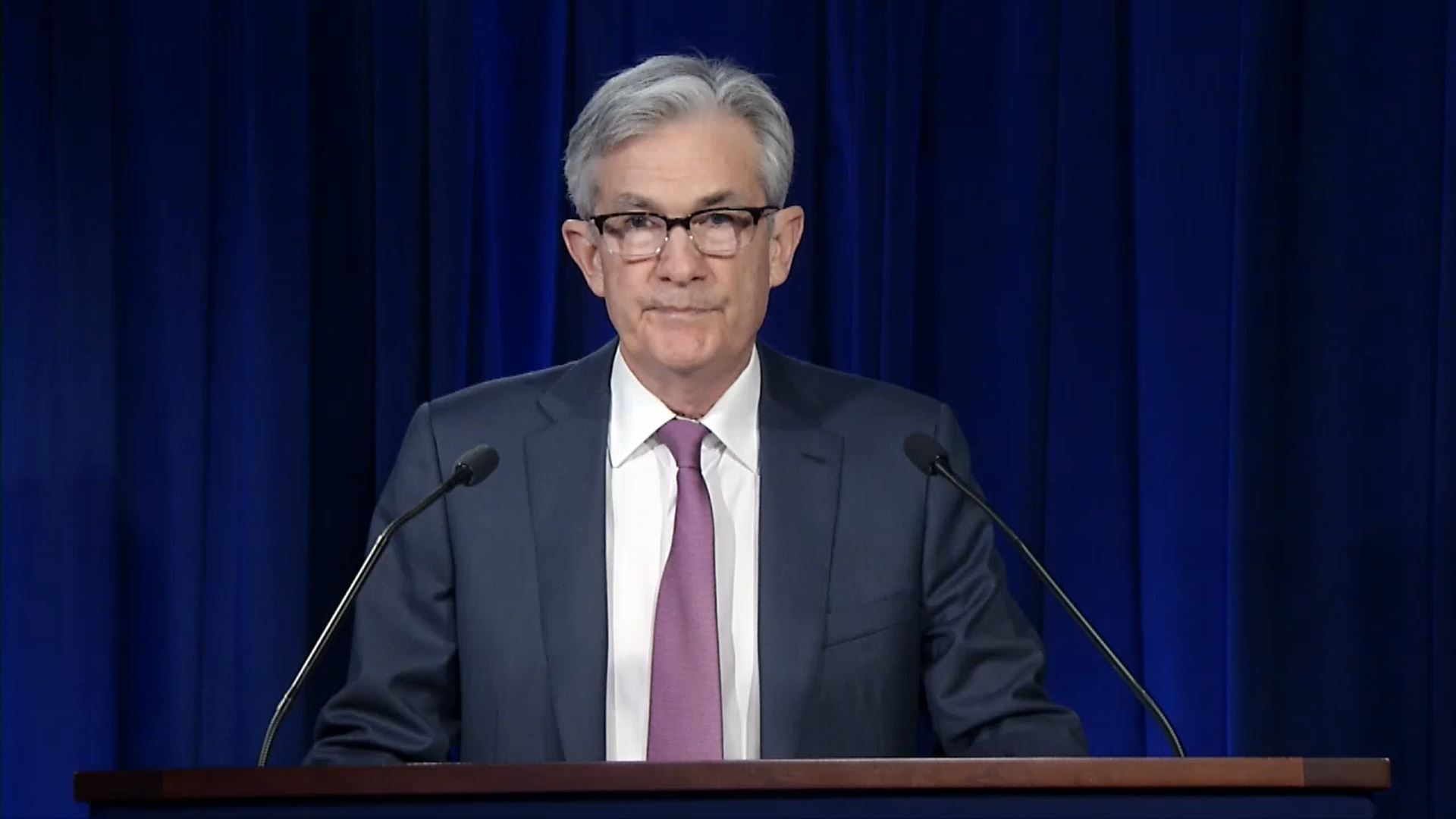
The Federal Reserve sees a slowing pace of economic growth after the coronavirus outbreak began to worsen in June, chairman Jerome Powell told reporters on Wednesday.
Why it matters: Powell's comments came as theFed took its most forceful tone yet to emphasize that the fate of the economy is inextricably linked to the course of the virus — alluding to the fact there is no trade-off between the economy and the pandemic, and that economic recovery is all but impossible if the virus isn't contained.
Snapchat on Wednesday released its first-ever diversity report, showing that the company is still slightly behind its peers in terms of equal representation of people of color and women, especially on its technology teams, but that it's made progress adding more women to its leadership team.
Why it matters: It's taken a while for the 9-year-old Los Angeles-based tech firm to publicly confront its diversity shortcomings on paper. But incidents, like settlement payouts to laid-off women, have pushed the firm to take the issue much more seriously.
Eastman Kodak (NYSE: KODK) secured a $765 million loan from the U.S. government, to create a business that will manufacture ingredients for use in key generic drugs (including hydroxychloroquine).
Why it matters: This is a lifeline for Kodak, which realized way too late that photography was going digital. It also seeks to remedy a situation in which the U.S. is reliant on foreign manufacturers (particularly in China and India) for drugs that are critical to national security.
Back-to-school plans have teachers and parents on edge — but for different reasons, according to two surveys out this morning.
Why it matters: Parents and teachers have proven to be powerful forces in influencing local back-to-school plans, but many feel conflicted about their local districts' fall plans and others feel unprepared to tackle all-virtual or hybrid learning.
President Trump will tout his policy of "restoring energy dominance" in Texas oil country Wednesday, but market forces, OPEC and a raging pandemic are complicating his plans.
Driving the news: Trump's swing through the state today includes a visit in Midland to a Double Eagle Energy oil rig and speech on energy, and a fundraiser in Odessa.
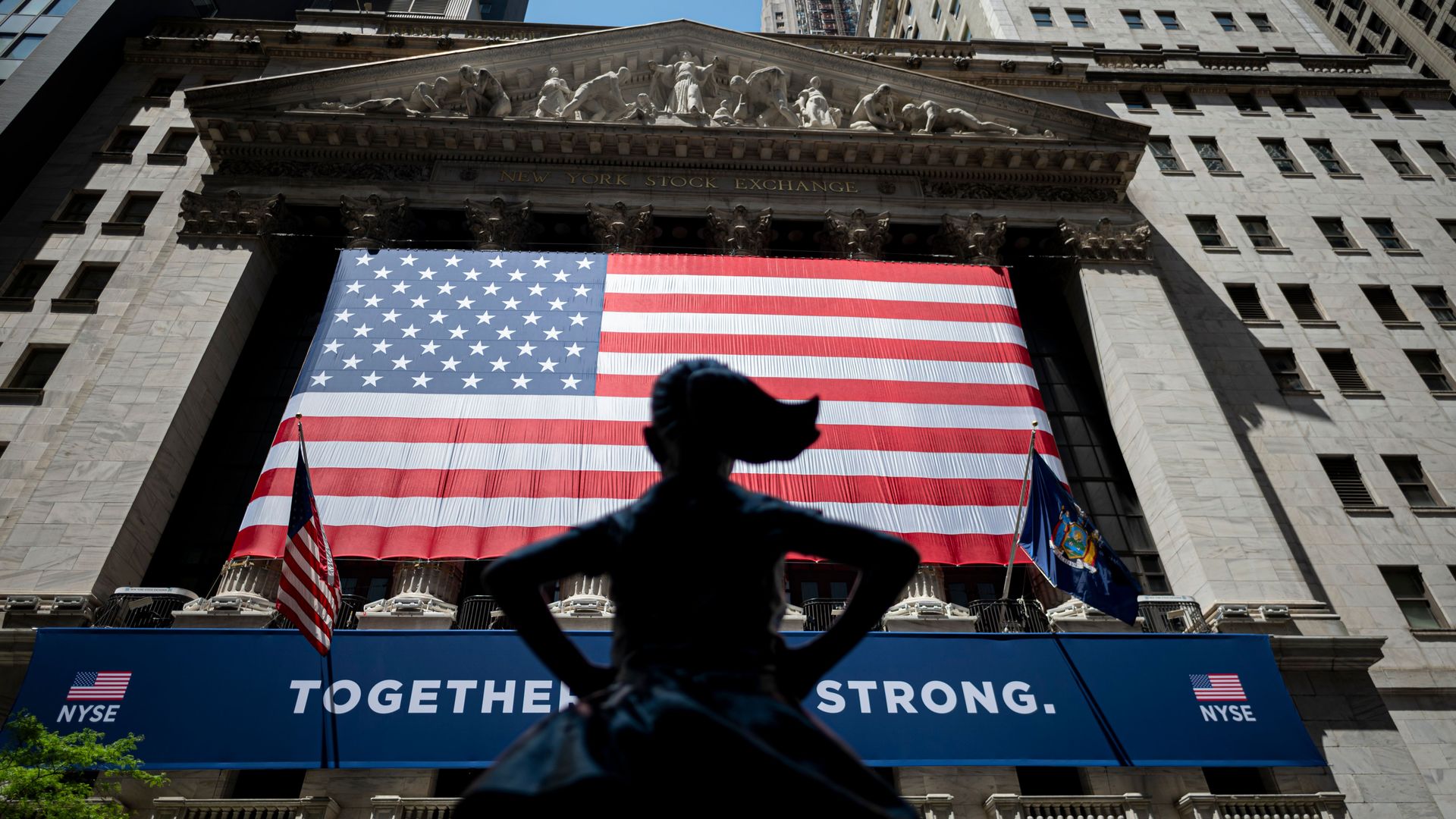
S&P 500 companies have beaten earnings estimates at a higher pace than usual in the second quarter, Deutsche Bank analysts point out in a recent note to clients.
Why it matters: That suggests businesses may have rebounded more strongly than originally thought from the coronavirus pandemic in May and June, they argue.
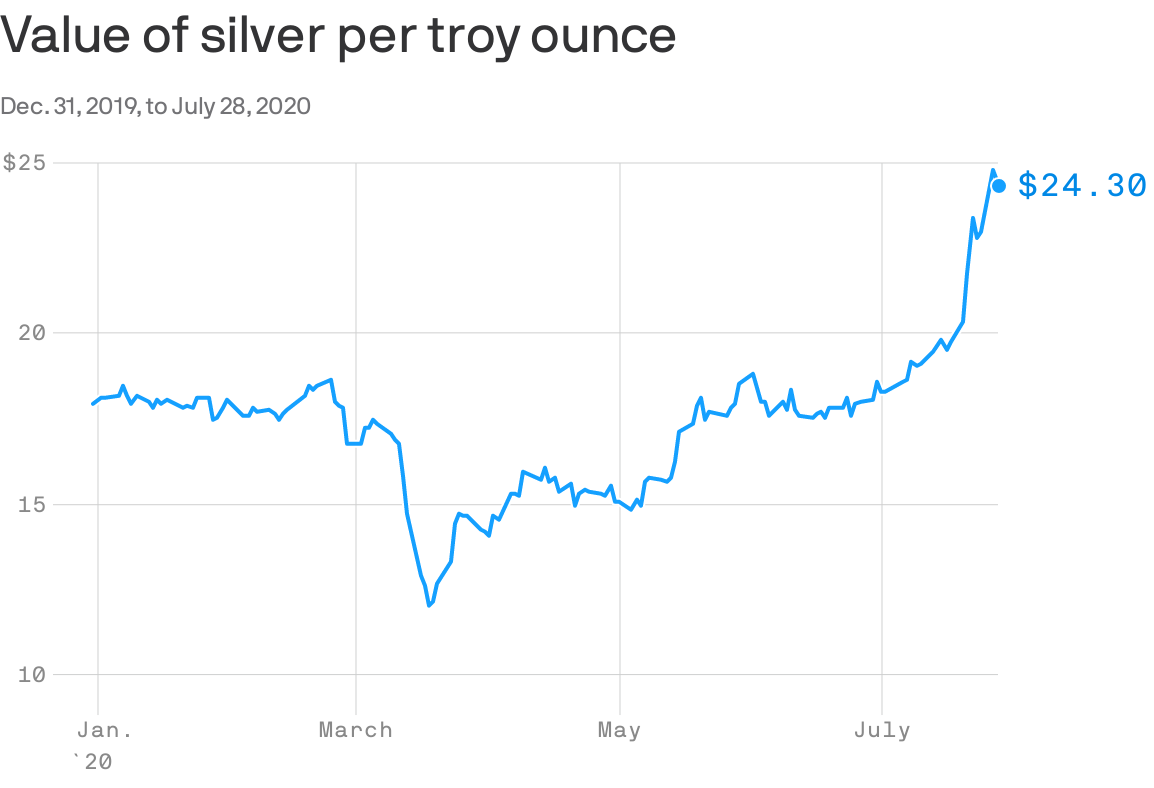
Silver is the top-performing major asset of 2020, displacing orange juice, according to a Wall Street Journal analysis, after a gain of nearly 34% since July 1.
What's happening: The rally has been boosted by a fast-falling U.S. dollar, concern about the U.S. economy amid the coronavirus pandemic, and increasing tension in the U.S.-China trade war, analysts say.
The Paycheck Protection Program (PPP) used $520 billion worth of taxpayer funds to save around 13.6 million jobs, according to estimates of available data from S&P Global U.S. chief economist Beth Ann Bovino.
Why it matters: That comes out to $38,235 per job over an eight-week period.
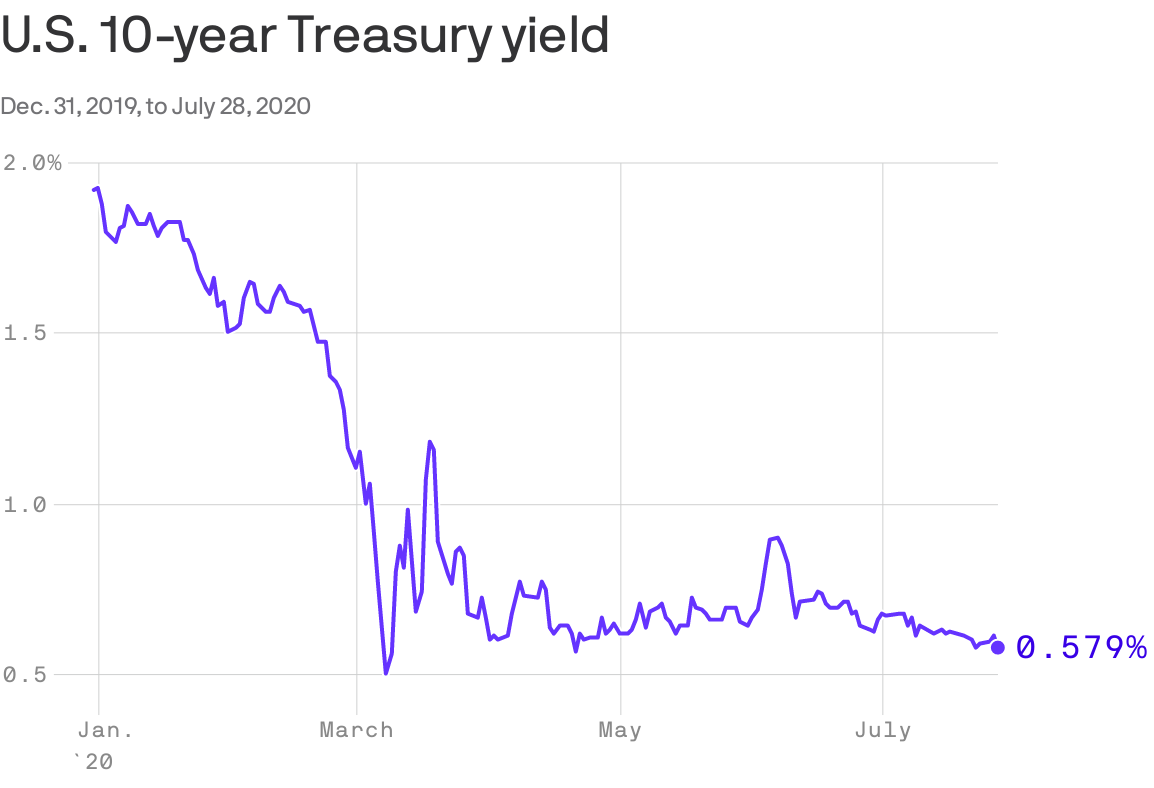
The fight in Congress over the next round of coronavirus relief legislation is shaping up to be a long one, and that's bad news for the economy and the stock market.
Why it matters: Assistance from the government and the Fed has been an integral part of the stock market's rally since March 23.
When CEOs testify before Congress, as tech's leaders will Wednesday, they have one job: to demonstrate their firms are good corporate citizens by enduring questioning without offending or putting their feet in their mouths.
The big picture: In recent history, CEOs have failed in one of two ways — making self-serving statements that are transparently untrue, or letting their contempt for the machinery of democracy show.
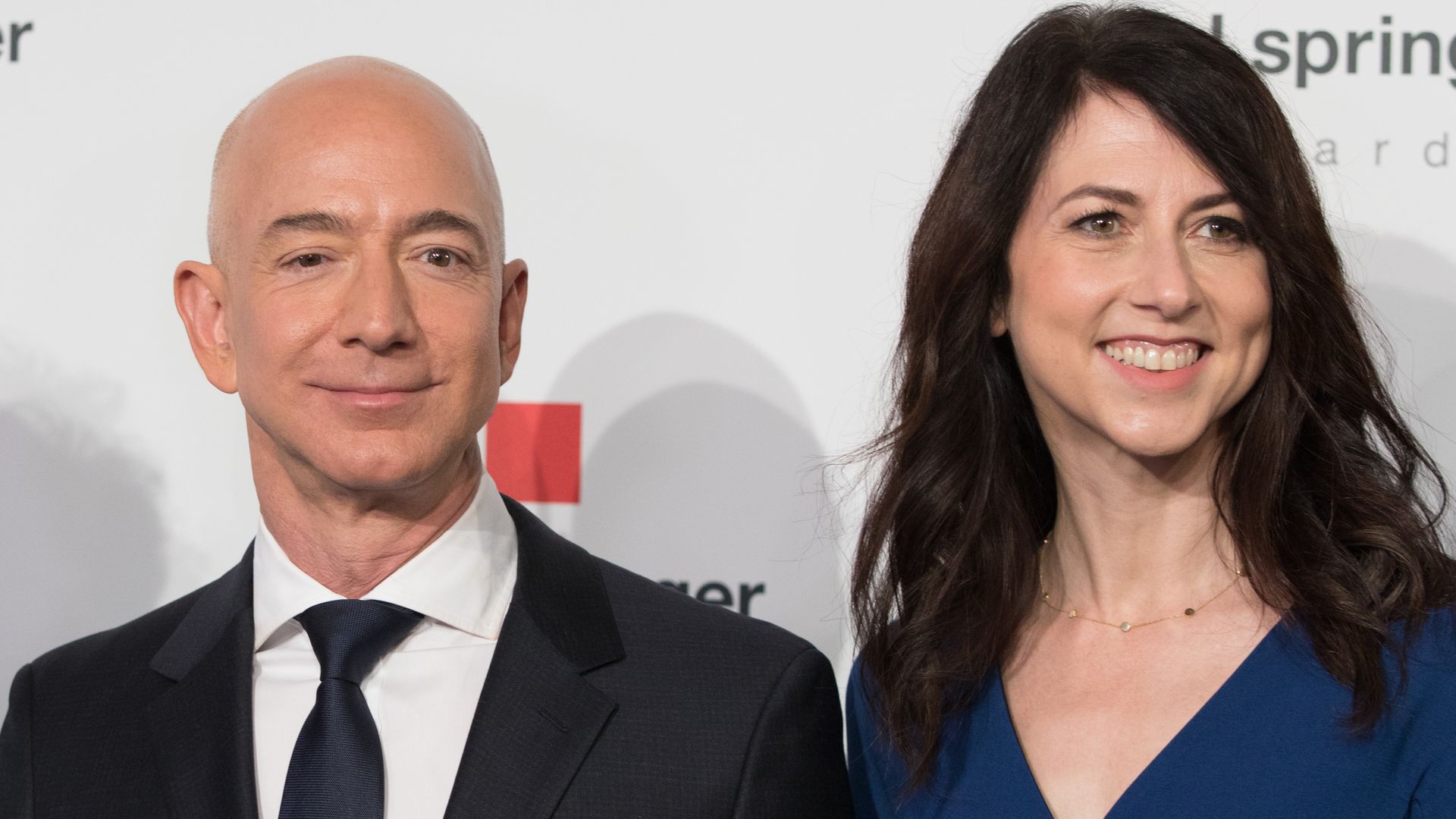
Novelist MacKenzie Scott revealed in a Medium blog post Tuesday that she's given $1.7 billion to charity over the past year since her divorce from Amazon CEO Jeff Bezos.
Details: Donations have mainly gone to social justice and public health organizations, along with groups fighting climate change. "Like many, I watched the first half of 2020 with a mixture of heartbreak and horror," Scott writes.
Universal and AMC, the largest theater chain in the U.S., struck an unprecedented multi-year deal on Tuesday to allow Universal films to appear on premium video on-demand services after being made available in theaters for 17 days — a significant departure from the traditional 90-day theatrical window.
Why it matters: The move represents a major step toward shifting movie consumption habits from theaters into homes, even after the coronavirus pandemic subsides. It also signals a new era for the struggling movie theater business, which has faced near-collapse during the outbreak.