The Senate has adjourned until 3pm on Monday, as Congress failed to reach an agreement on extending extra unemployment benefits that are set to expire on Friday.
Why it matters: Tens of millions of Americans are out of work and have been receiving $600 per week on top of their regular unemployment payments. That money has been used both to pay expenses and to prop up the broader economy via consumer spending.
Alphabet revenue dropped 2% from last year, the company announced in second-quarter earnings Thursday, beating Wall Street expectations a day after Google CEO Sundar Pichai appeared before the House Judiciary antitrust subcommittee to face allegations of anticompetitive behavior.
Yes, but: Despite beating expectations on revenue, the company still reported its first-ever decline, thanks to a reduction in the advertising growth rate thanks to the coronavirus pandemic. Stock rose slightly in after-hours trading.
Facebook's stock was up more than 6% in after-hours trading on Thursday, after the tech giant reported strong revenue growth, despite a global ad slowdown due to the pandemic and a growing advertiser boycott.
Why it matters: Facebook's ability to beat top and bottom line revenue expectations amid the coronavirus crisis and the boycott speaks to the strength of the company's appeal to marketers despite serious challenges.
Last year, nearly the entire editorial staff of sports-focused media site Deadspin quit in protest over private equity-backed management interference in their editorial decisions. Now they've reunited to form a company called Defector Media without any outside investors.
Why it matters: The broader media industry is watching Defector very carefully, particularly journalists who were either laid off or are worried about being laid off. Axios Re:Cap digs in with Defector co-founder Giri Nathan.
Triller, a short-video making app, sued rival TikTok for allegedly infringing on some of its patents.
Why it matters: This is the latest in a series of problems for TikTok, which is battling government and corporate critics of its ties to China. It's also the latest in the intellectual property wars among apps, following the dispute between Eko and Quibi.
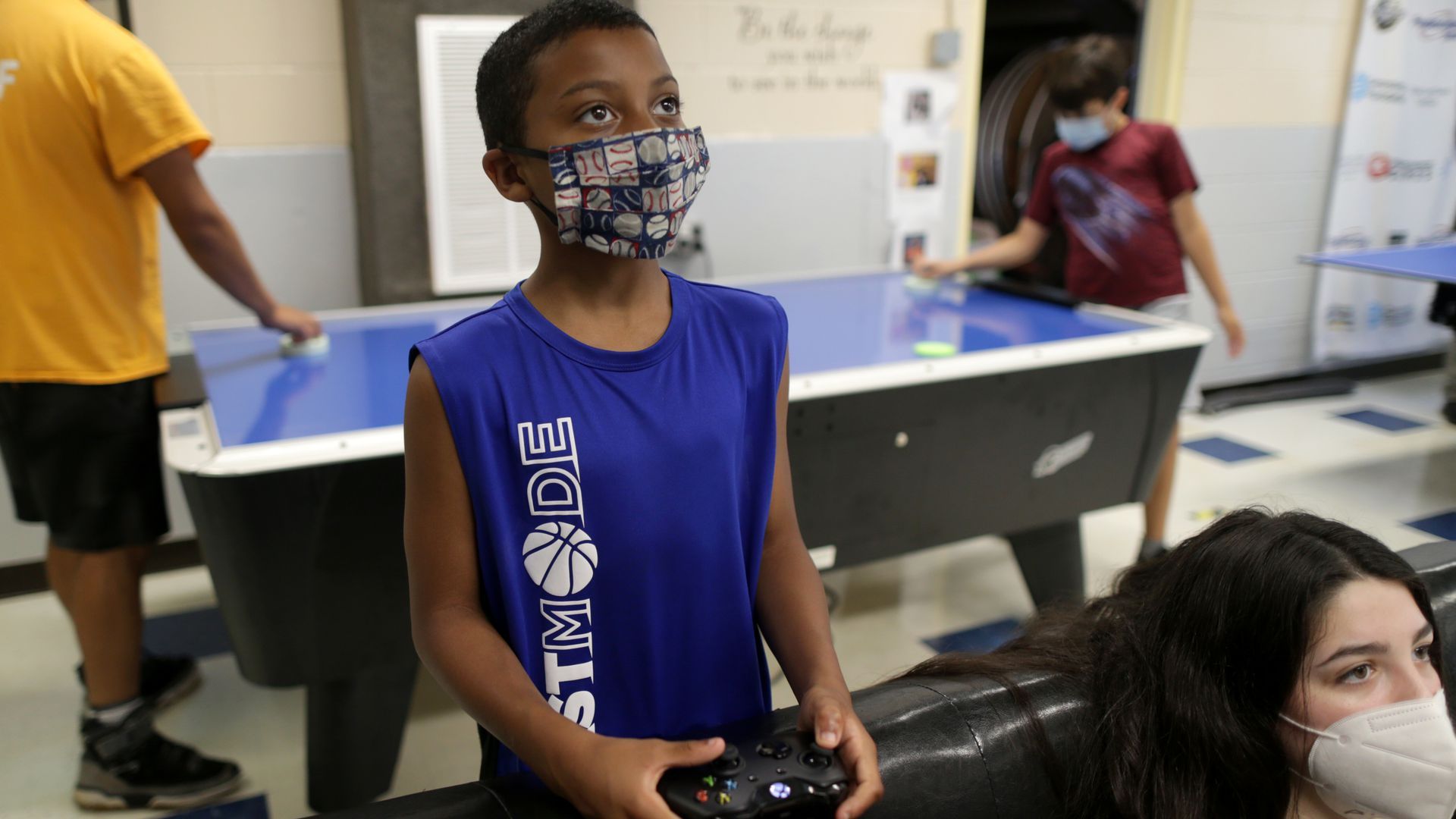
The financial strain of the COVID-19 pandemic is forcing YMCAs across the U.S. to close their doors.
Why it matters: In many communities, the local YMCA is a vital resource for youth in need of after-school activities, organized sports and summer camps. Local chapters also serve as food pantries and shelters during crises.
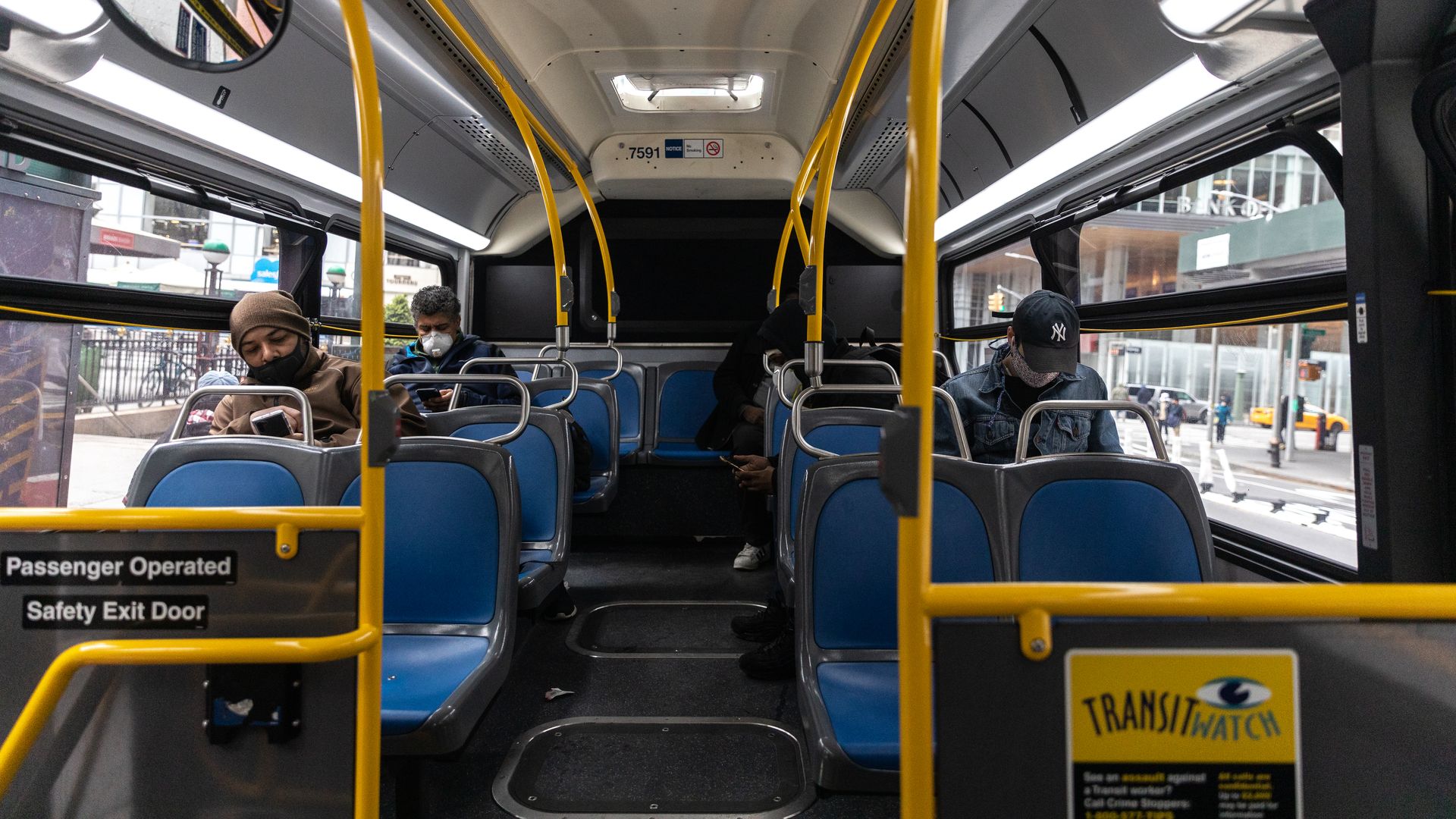
Public transportation agencies are getting squeezed by higher costs and lower revenues because of the pandemic, and warning they'll have to furlough employees or cut service without more government assistance.
The big picture: The funding squeeze is not just a big city problem. Transportation agencies in rural areas are suffering, too. Without a way for people to get to their jobs, shopping and schools, local economies can't recover.
Shell and Total SA announced mammoth earnings declines Thursday that reflect the pandemic's toll on energy prices and demand, but the companies nonetheless beat expectations and eked out profits.
Driving the news: Shell announced second-quarter adjusted net earnings of $638 million, an 82% decline from the same period last year.
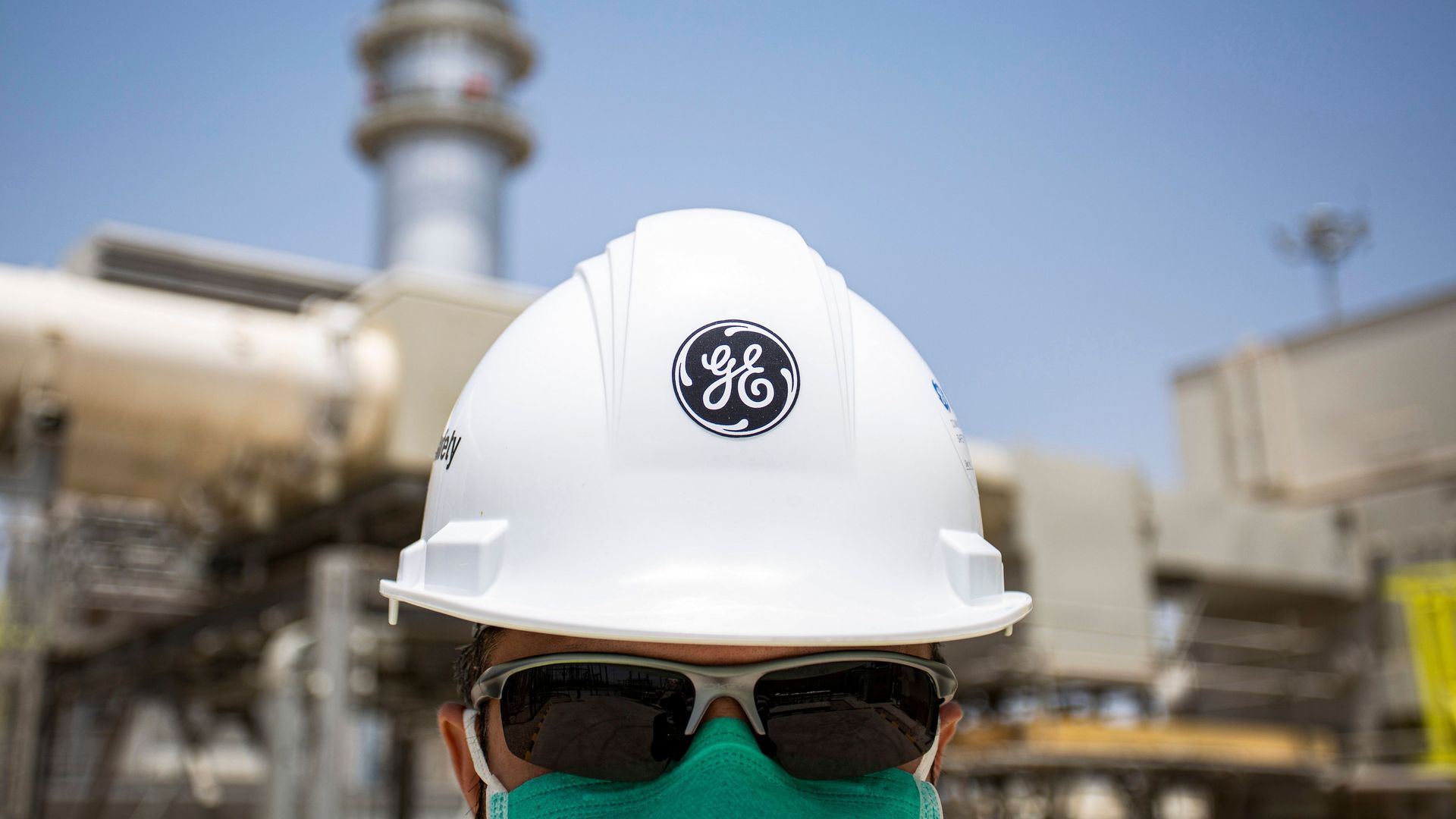
General Electric on Thursday will announce an agreement to sell investments in eleven startups to 40 North Ventures, an affiliate of Standard Industries.
Why it matters: GE was once among the most active corporate investors in startups, but now is in exit mode.
The U.S. economy shrank at an annualized 32.9% rate in the second quarter — the worst-ever contraction on records that date back to 1947, the government said on Thursday.
Why it matters: Widespread lockdowns to contain the spread of the coronavirus pandemic ravaged the economy in a way that's never been seen in modern times, and hope for a swift recovery has been dashed as cases have surged nationwide.
Even if the real economy is in shambles, that doesn't mean the stock market can't rise. And U.S. equities look primed for a "Superfecta," Jim Paulsen, chief investment strategist at the Leuthold Group, writes in a note to clients.
What it means: Superfecta is a horse racing term in which a bettor correctly picks the first four finishers in exact order.
Fed Chair Jerome Powell mentioned "lasting damage to the economy" as a worry three separate times during his prepared remarks on Wednesday, and called it a reason to continue providing support through fiscal and monetary policy.
The state of play: But experts say the damage already has been done, even as we're still in the midst of figuring out just how much. The labor market is changing and many who have lost their jobs are unlikely to get them back.
This survey is the result of a partnership between Axios and Harris Poll to gauge the reputation of the most visible brands in America, based on 20 years of Harris Poll research. From the Clorox Company to Juul Labs, here's how this year's class stacks up.
Data: The Harris Poll; Graphic: Axios Visuals
Methodology:The Harris Poll conducted four rounds of nominations totaling 8,392 respondents to determine the companies included in the ranking: Nov. 4-6, 2019; Nov. 12-14, 2019; Dec. 5-9, 2019; and June 11-15, 2020.
This year’s company ratings phase was conducted June 24-July 6, 2020 among 34,026 U.S. adults who are very or somewhat familiar with the company. Each company received an average of approximately 305 ratings per company.
The public's view of almost every industry has improved since the beginning of the coronavirus pandemic, according to a new Axios/Harris poll. Industries with a prominent role in life under quarantine have seen especially big jumps.
Why it matters: Businesses in America were already undergoing a transformation from being solely focused on profits to being focused on values as well. The coronavirus pandemic has expedited that shift, and consumers are responding favorably to it.
The big picture:: The coronavirus pandemic has ushered in a new wave of public approval for companies that have helped modernize and digitize the American household, according to a new Axios/Harris poll.
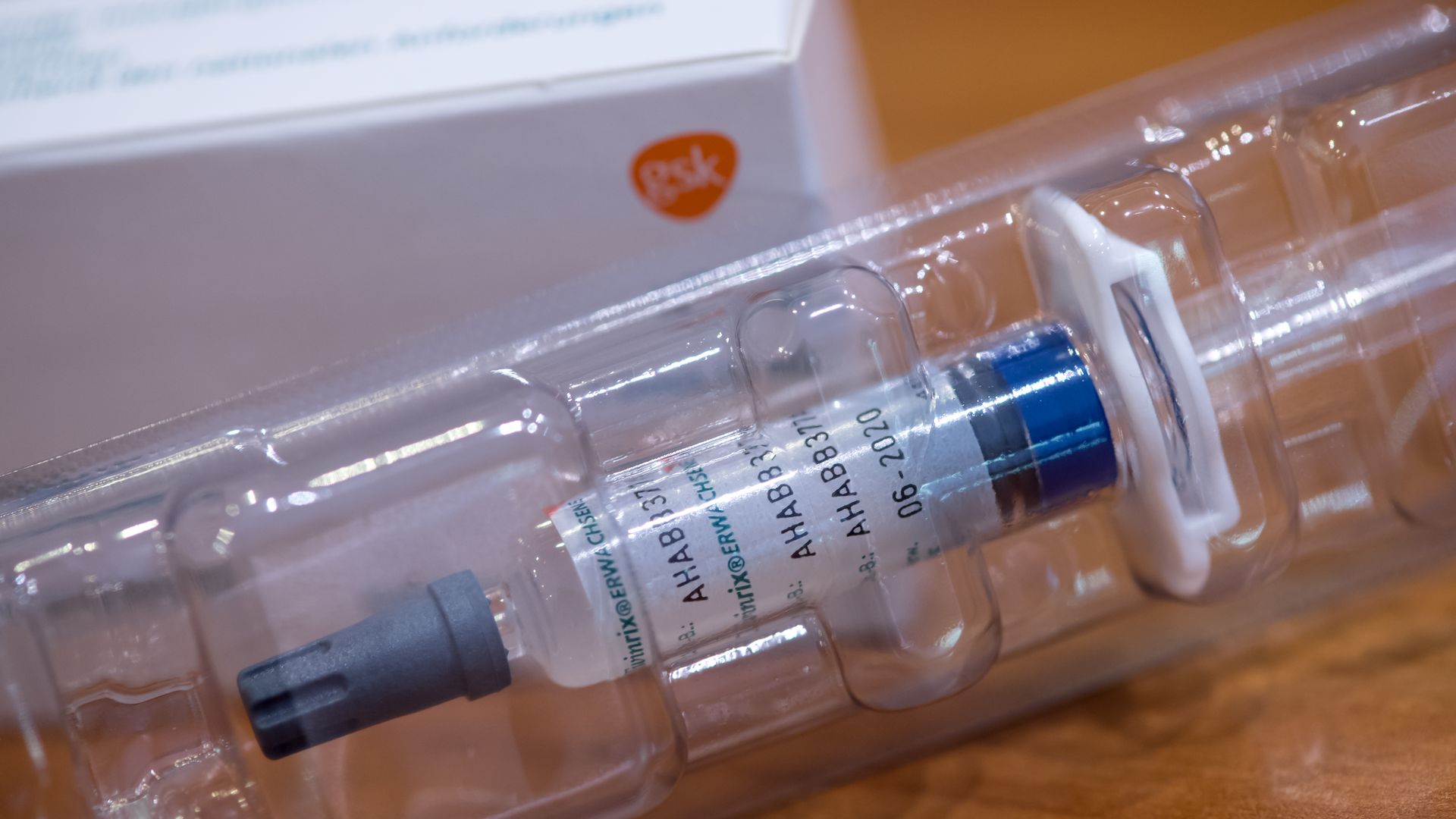
Global stay-at-home orders stemming from the coronavirus pandemic — especially those in the U.S. — have led to steep sales declines in routine vaccinations.
The big picture: Although more people are getting their vaccines now, "there remains some way to go to get back to pre-COVID levels for adult vaccinations," GlaxoSmithKline CEO Emma Walmsley said on an investor call Wednesday.