Remote work and remote learning look likely to continue through the end of the year or longer, potentially exacerbating inequalities in the workplace and at schools.
Why it matters: The coronavirus has laid bare how unequal access to technology divides us. And the longer-term implementation of telecommuting could make these issues, which disproportionately harm Black and Hispanic Americans, much worse.
Contrary to what you might expect, it's actually America's tech and finance hubs — where the most jobs can be done remotely — that are seeing the biggest declines in job postings amid the coronavirus pandemic.
What they're saying: "Job postings in these in-person service sectors — retail, food preparation, sales, and beauty & wellness — have fallen more in metros where people are more likely to work from home, like San Francisco, Washington, Boston, and Seattle," Jed Kolko, Indeed's chief economist, writes.
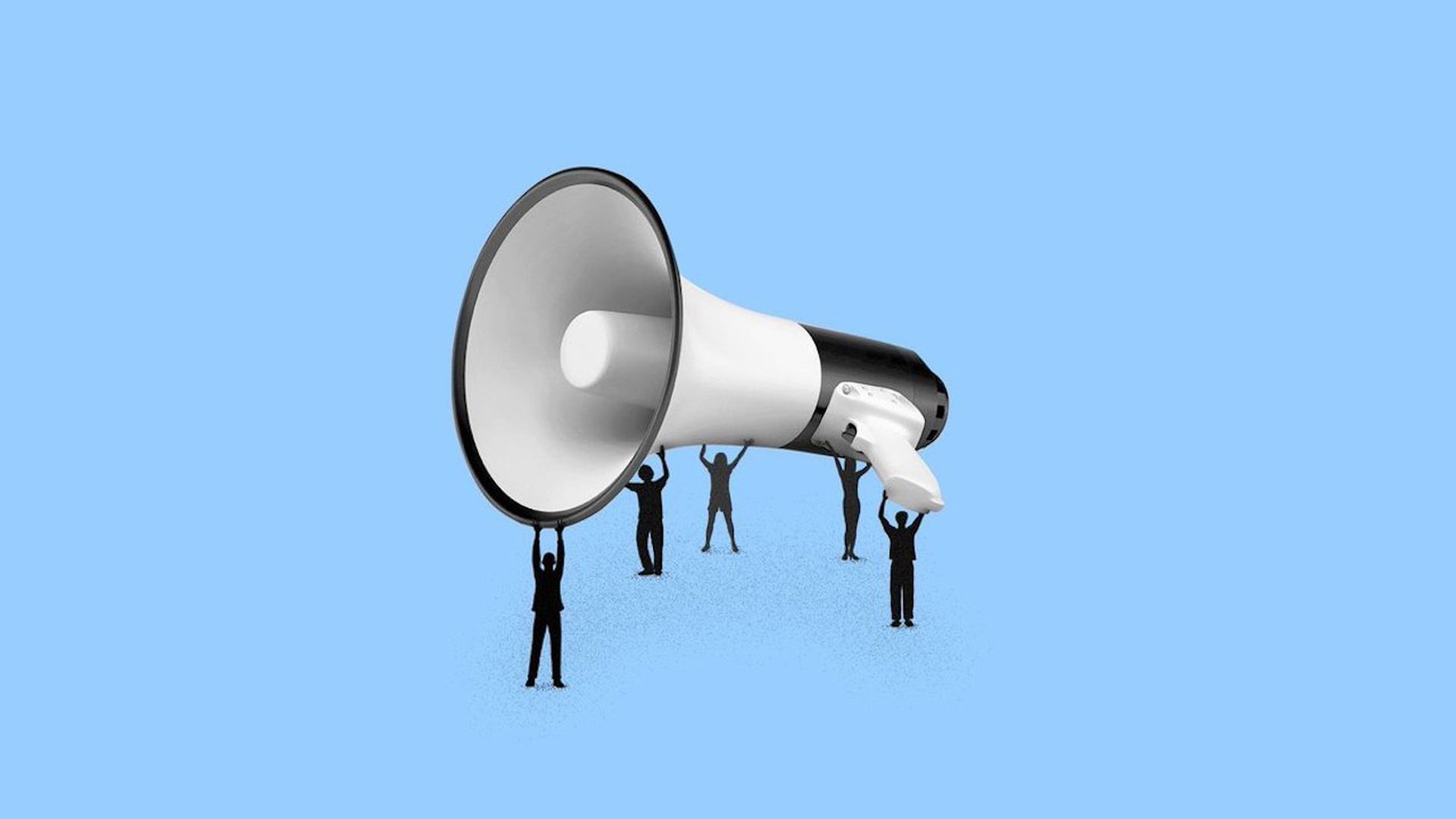
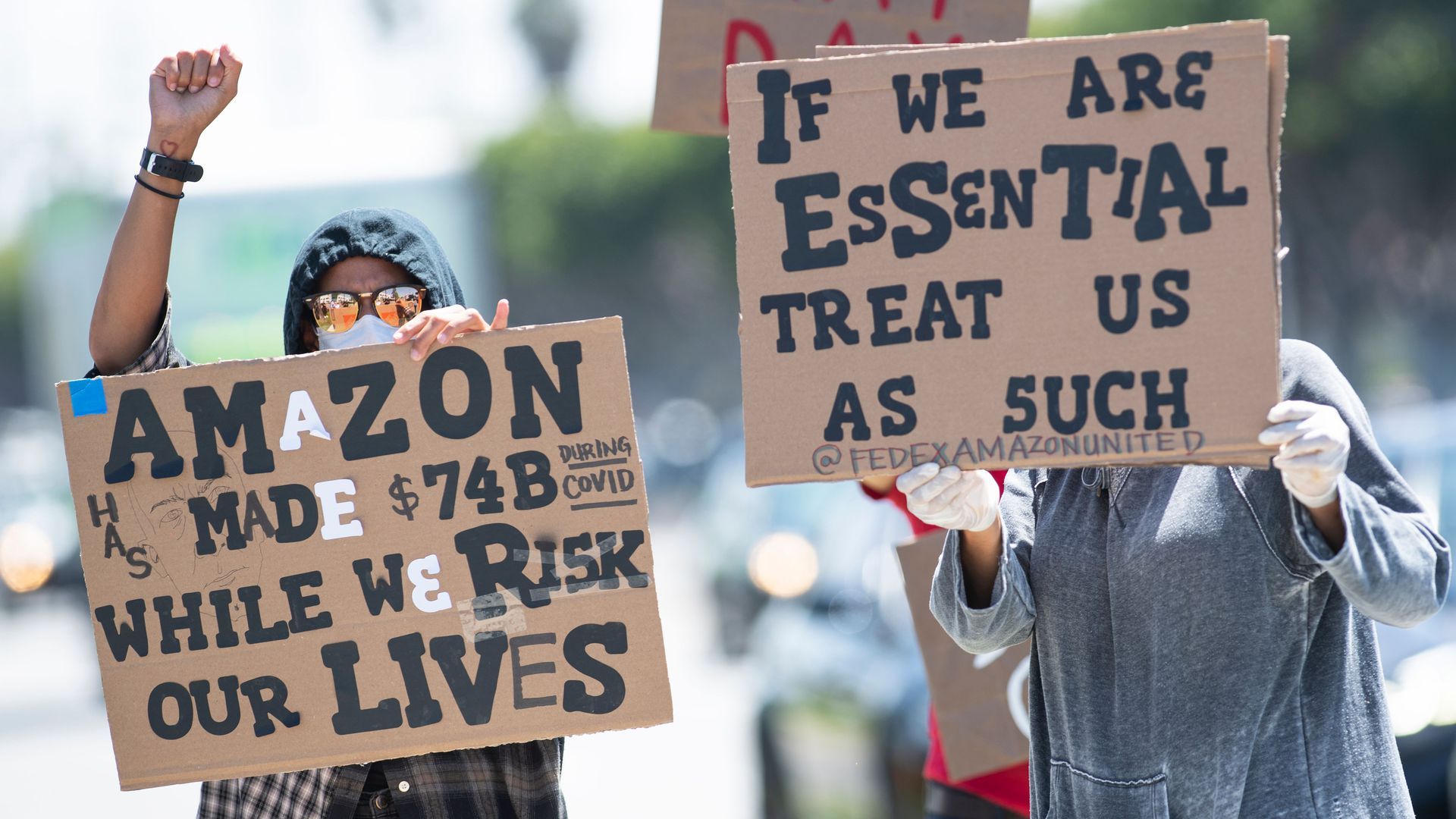
The coronavirus is spotlighting longstanding shortcomings in worker power at big companies — and that could lead to lasting change, experts say.
What's happening: "When the pandemic hit us and the protests emerged, it just illustrated that workers don’t have a voice," Tom Kochan, a professor of industrial relations, work and employment at MIT, tells Axios.
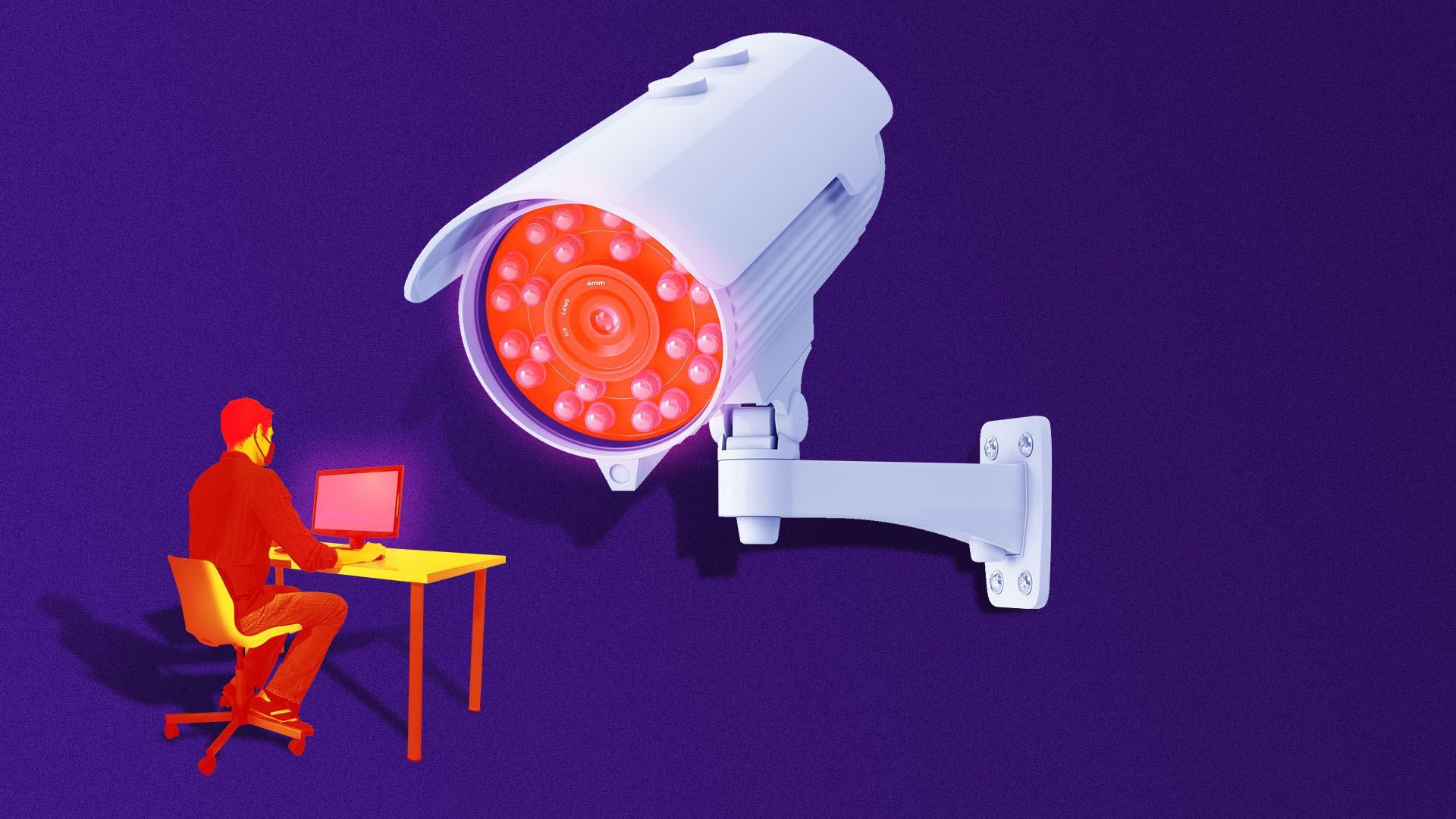
As companies continue to prepare for the return of their employees to the workplace, they're weighing new types of surveillance in the name of safety.
Why it matters: Just as the coronavirus pandemic has acted as an accelerant for the adoption of remote work, it has also normalized increased surveillance and data collection. In the post-pandemic workplace, our bosses will know a lot more about us than they used to.
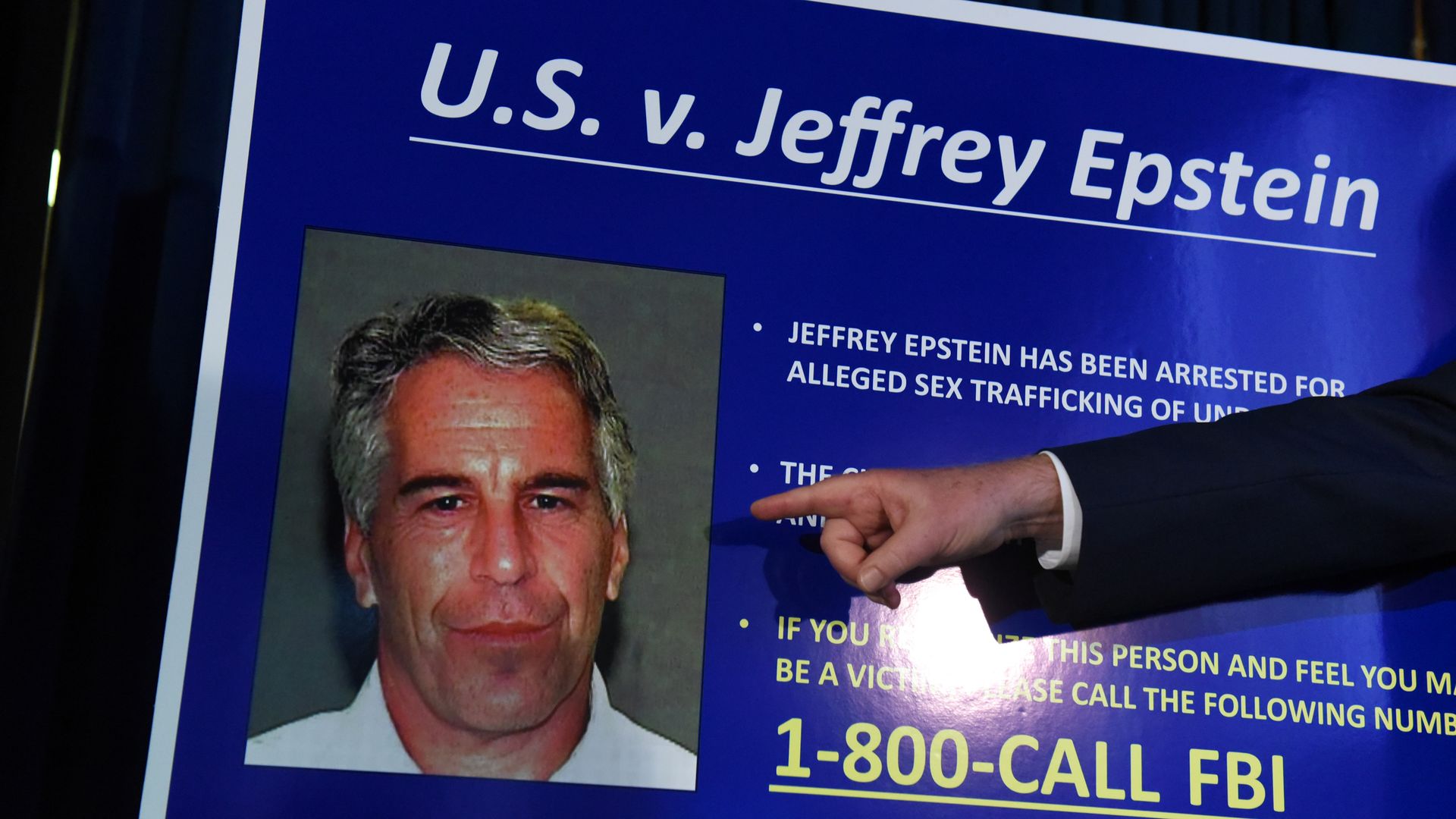
New York regulators on Tuesday fined Deutsche Bank $150 million for its dealings with Jeffrey Epstein. This came five days after the arrest of Epstein confidant Ghislaine Maxwell on sex trafficking charges.
Axios Re:Cap digs into what secrets Maxwell might know about Epstein's business dealings, and why it's causing some sleepless nights in the Hamptons, with Business Insider's Meghan Morris.
Deutsche Bank has agreed to pay the state of New York a $150 million penalty for "significant compliance failures" related to its dealings with now-dead convicted sex offender Jeffrey Epstein, the State Department of Financial Services announced Tuesday.
Why it matters: Deutsche Bank "failed to properly monitor account activity conducted on behalf of the registered sex offender despite ample" public information about Epstein's criminal history, according to regulators. It's the first time any financial institution has been penalized for its dealings with Epstein.
There has been a big uptick in traffic to conservative social media networks like Parler, thedonald.win and Gab over the past few months, according to data from SimilarWeb.
Why it matters: Conservatives are looking to build their own social media platforms, where they can escape from what they feel is baseless censorship of their viewpoints from mainstream social media networks.
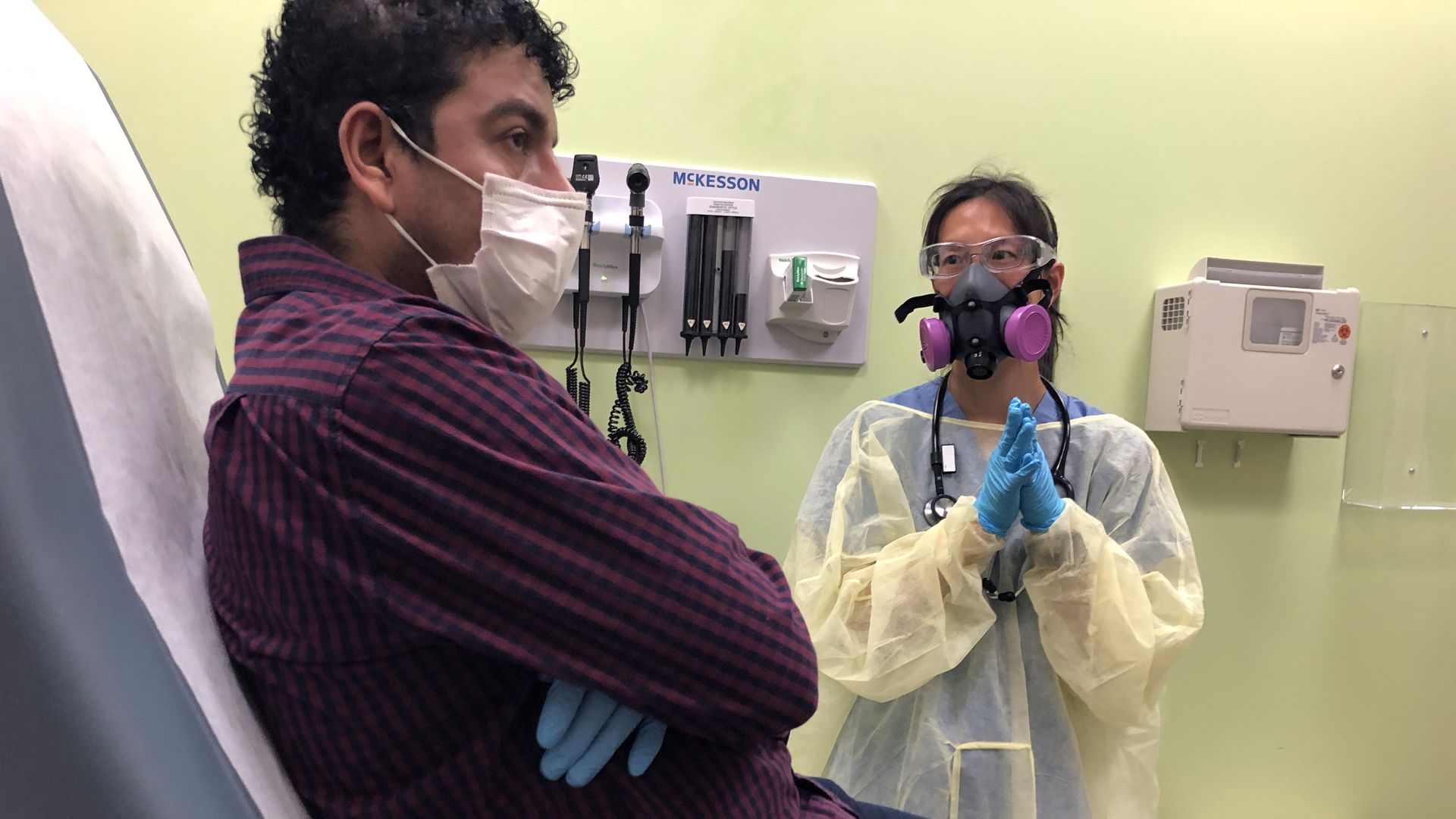
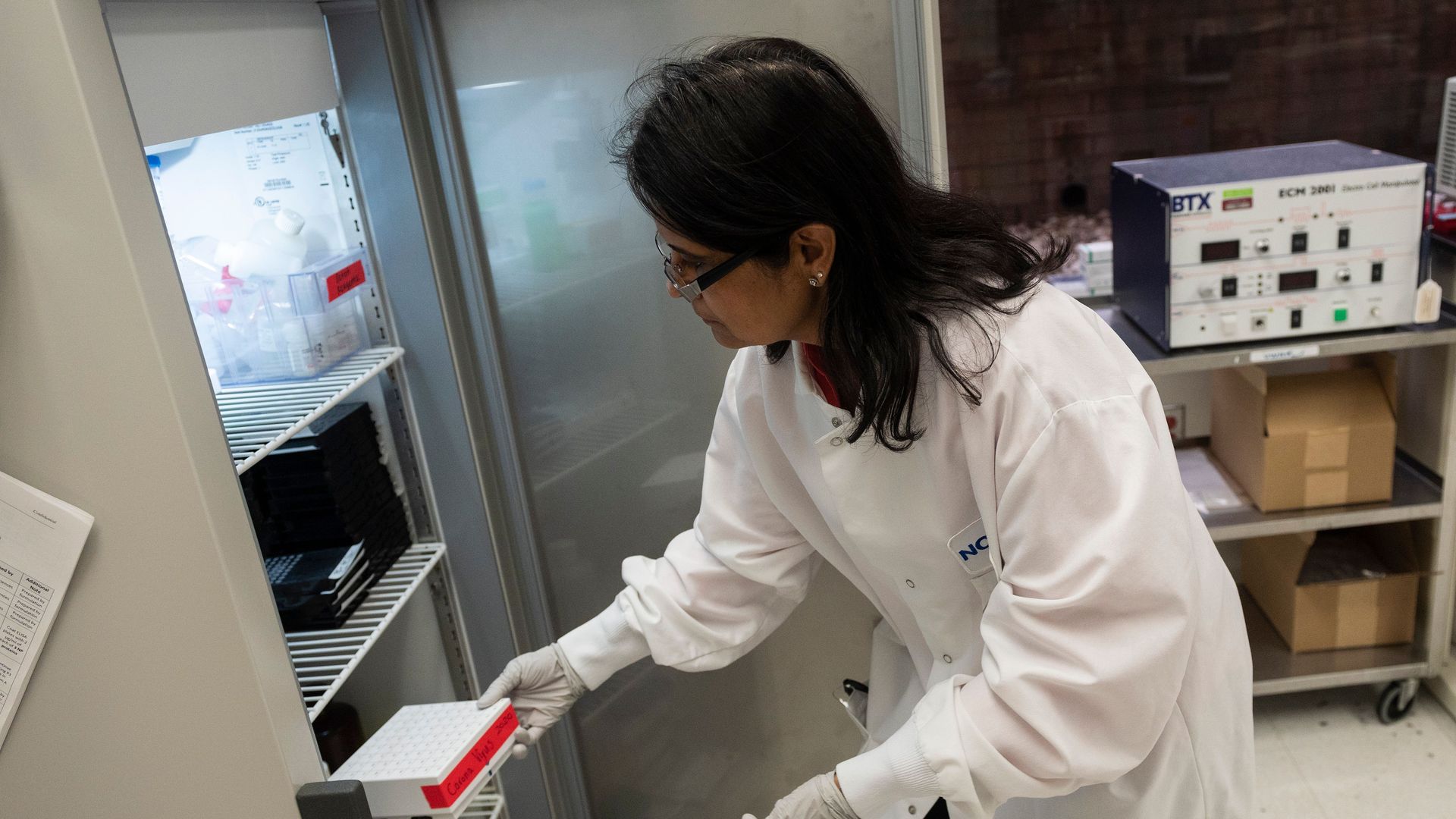
The Department of Health and Human Services and Department of Defense have awarded $1.6 billion to Novavax and $450 million to Regeneron Pharmaceuticals as part of the federal government's efforts to speed up the development of coronavirus treatments.
The bottom line: Federal scientists are holding out hope that these companies' treatments, along with other vaccines in development, will snuff out the spread of the coronavirus.
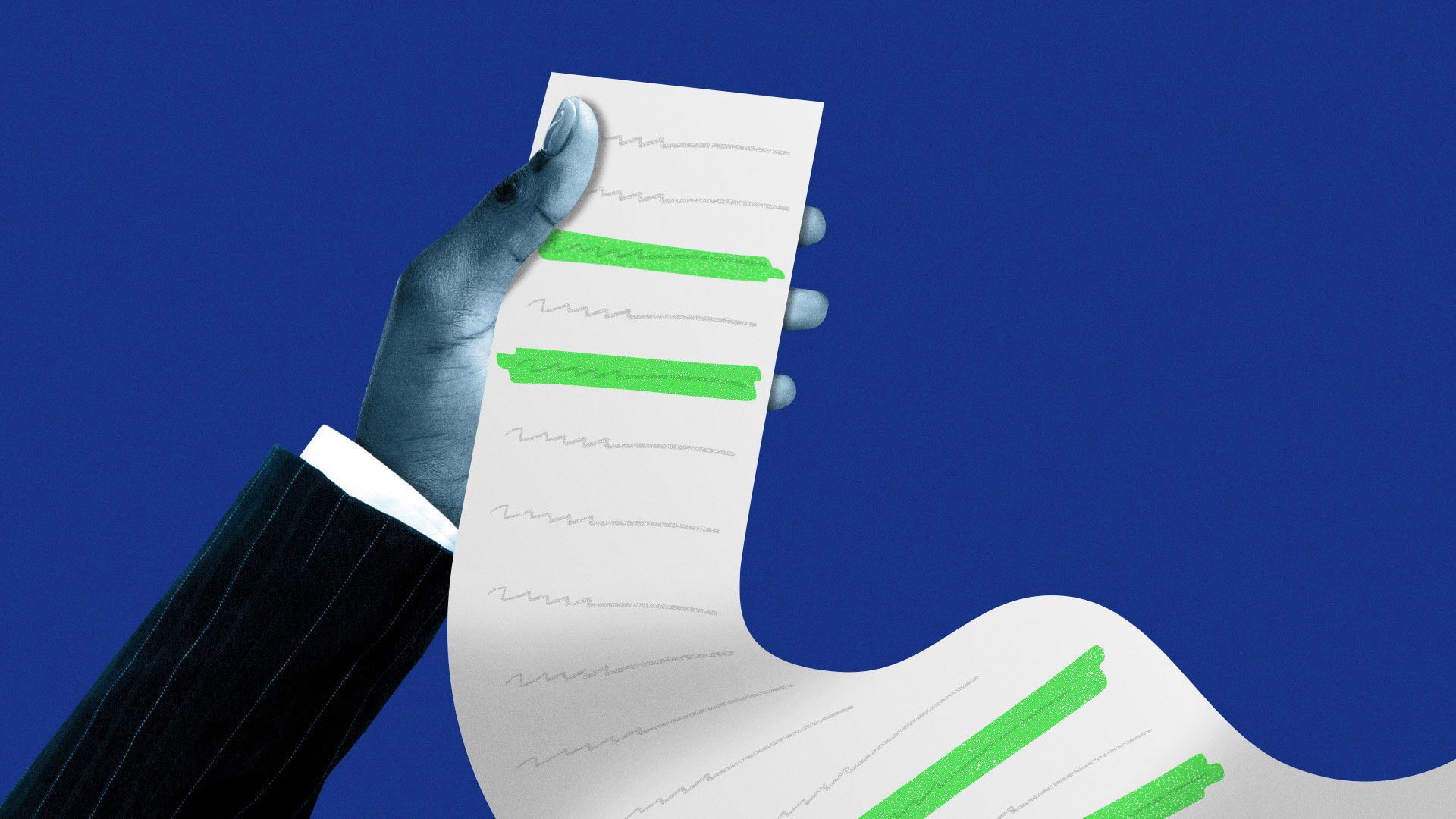
The U.S. Treasury Department Monday morning released the names of over 660,000 small businesses that received Paycheck Protection Program loans of at least $150,000, per its recent compromise with Congress. Well, at least that's what we thought Treasury did.
What happened: Within hours, several well-known companies and investment firms on the list denied that they had ever applied for PPP loans, let alone received them.
Sina Corp. (Nasdaq: SINA), parent company of Chinese social media platform Weibo (Nasdaq: WB), received a $2.68 billion takeover offer led by company chairman and CEO Charles Chao.
Why it matters: This comes in the context of the White House talking about strengthening rules on foreign tech companies listed on U.S. exchanges, and a new threat from Secretary of State Pompeo to ban Chinese social media apps like TikTok from operating in the United States.
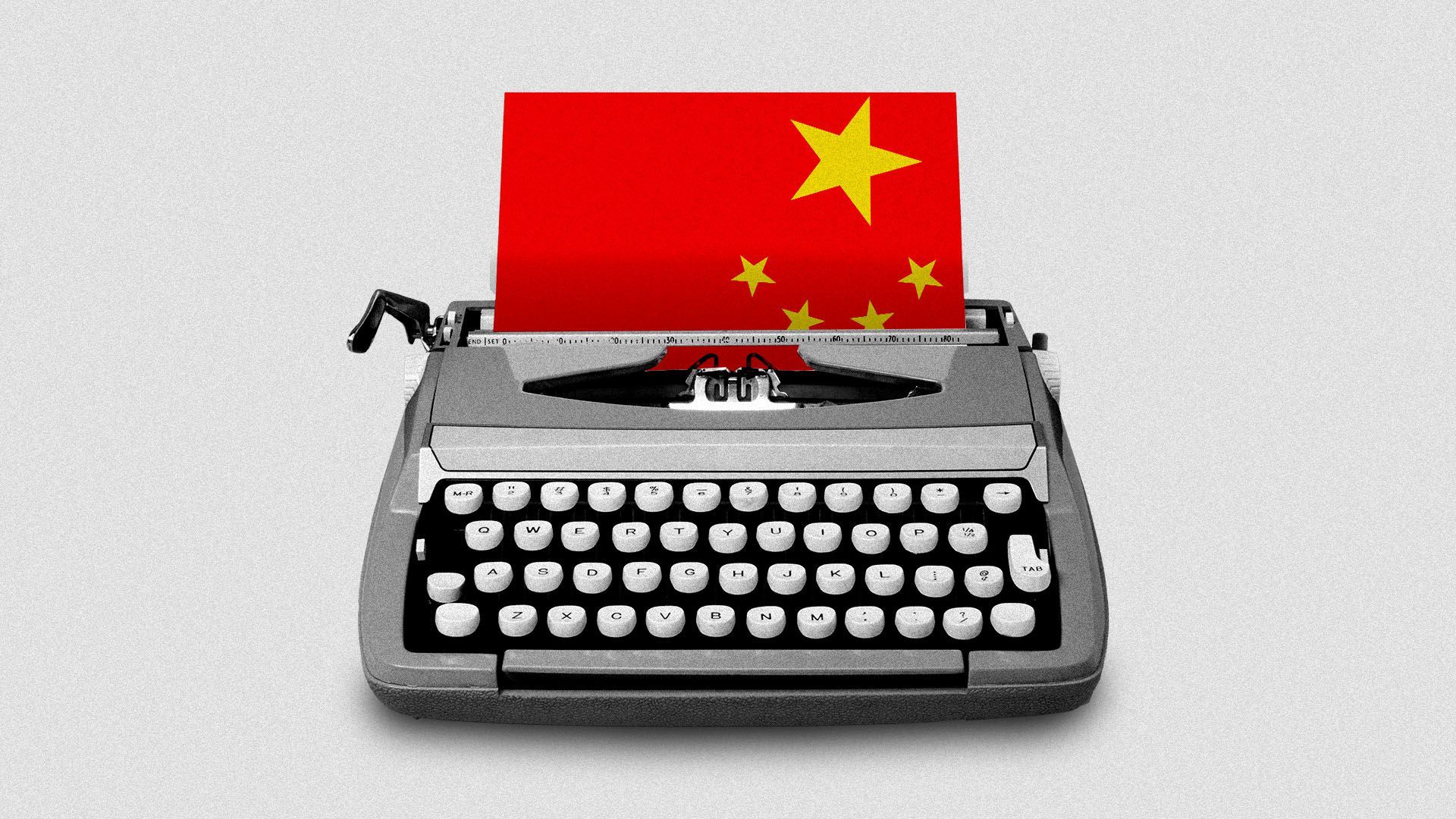
As tensions between the U.S. and China escalate, more U.S. media companies like The Information, Politico and The Wire China are looking to invest in coverage of the country and its technology and business boom.
Why it matters: "It's coverage you have to have if you're a serious tech or business news operation," says Bill Bishop, author of the Sinocism newsletter.
Verishop, the luxury e-commerce site created by former Snapchat Chief Business Officer Imran Khan, expects to sell $50 million of gross merchandise volume in 2020, sources tell Axios. It's also launching a social-shopping experience that will include influencers and a personalized feed of content.
Why it matters: Social media apps like Instagram, Facebook and Snapchat have made efforts over the past few years to offer users a better shopping experience. Verishop is doing the opposite by launching a trusted marketplace first and a social media experience around it second.
Given the reporting lag for most traditional economic indicators, investors have turned to real-time data to assess the U.S. economy. Almost all of which shows business activity stalling or declining.
What's happening: Economists at Jefferies write in a note to clients that their in-house economic activity index has "flat-lined" and "has now been moving sideways for the past three weeks."
A recent CNBC article suggests financial literacy is the "critical link" that could "help bridge America’s racial wealth gap."
Reality check: Increased financial knowledge is likely to help improve the lives of individuals, however even widespread increases in financial literacy would do little to close the racial wealth gap.
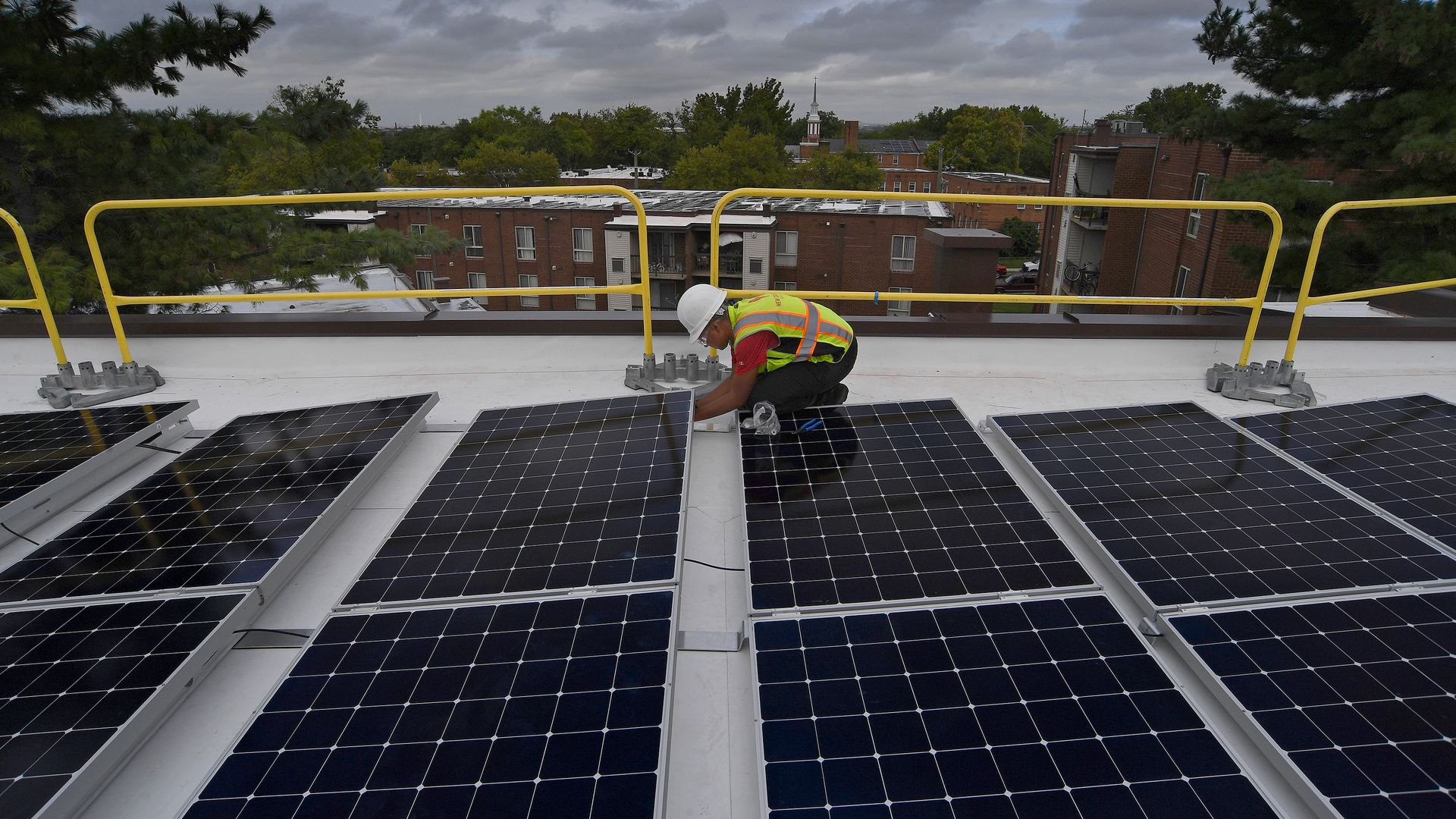
Sunrun, the largest U.S. home solar provider, is buying rival Vivint Solar in a $3.2 billion all-stock transaction, the companies announced Monday.
Why it matters: The deal between major players brings new consolidation to the U.S. solar sector, a growing market that has been hindered by the coronavirus pandemic.
Facebook CEO Mark Zuckerberg and COO Sheryl Sandberg, facing an ad boycott by more than 500 brands, will hold virtual meetings on Tuesday with civil rights groups who have been key organizers of the #StopHateforProfit campaign.
The state of play: Sandberg will say in a post later that she, Zuckerberg and other execs "are meeting with the organizers of the Stop Hate for Profit campaign followed by a meeting with other civil rights leaders ... including Vanita Gupta from the Leadership Conference on Civil & Human Rights [and] Sherrilyn Ifill from the NAACP Legal Defense Fund."
The national conversation about systemic racism has found its way to the sports media world, forcing companies to address their shortcomings around coverage of race and their own internal diversity.
Why it matters: Sports leagues, teams and athletes have been thrust into the cultural spotlight in recent weeks, as they often are. Now, the publications that cover sports have turned the camera on themselves.
The Glover Park Group (GPG), the D.C.-based public affairs firm founded by former Clinton-Gore aides in 2001, is merging with two other global advisory firms.
Finsbury is based in the UK and Hering Schuppener is based in Germany. The combined firm, launching in 2021, will be called Finsbury Glover Hering (FGH).
Why it matters: The deal formalizes a years-long partnership between the three groups, which all focus on different aspects of corporate branding, reputation and advocacy communications and public relations.
The debut of "Hamilton" on Disney+ last Friday sent downloads of the app soaring over the weekend.
Why it matters: With theaters closed until 2021, "Hamilton" is the biggest litmus test for whether Broadway will ever be able to successfully transition some of its iconic hits.
Betting markets have turned decisively toward an expected victory for Joe Biden in November — and asset managers at major investment banks are preparing for not only a Biden win, but potentially a Democratic sweep of the Senate and House too.
Why it matters: Wall Street had its chips on a Trump win until recently — even in the midst of the coronavirus-induced recession and Biden's rise in the polls.
Small hospitals, physician clinics, surgery centers, dental offices and other health care businesses were among the most common recipients of loans under the Paycheck Protection Program, according to data released by the federal government on Monday.
The big picture: Medical facilities had to halt routine procedures in the early days of the coronavirus pandemic as a way to prevent spread of infection and keep hospital beds open. PPP loans saved some, but certainly not all, of the jobs that are dependent on those routine procedures.








/2020/07/07/1594131025026.gif?w=3840)





/2020/07/07/1594119003972.gif?w=3840)