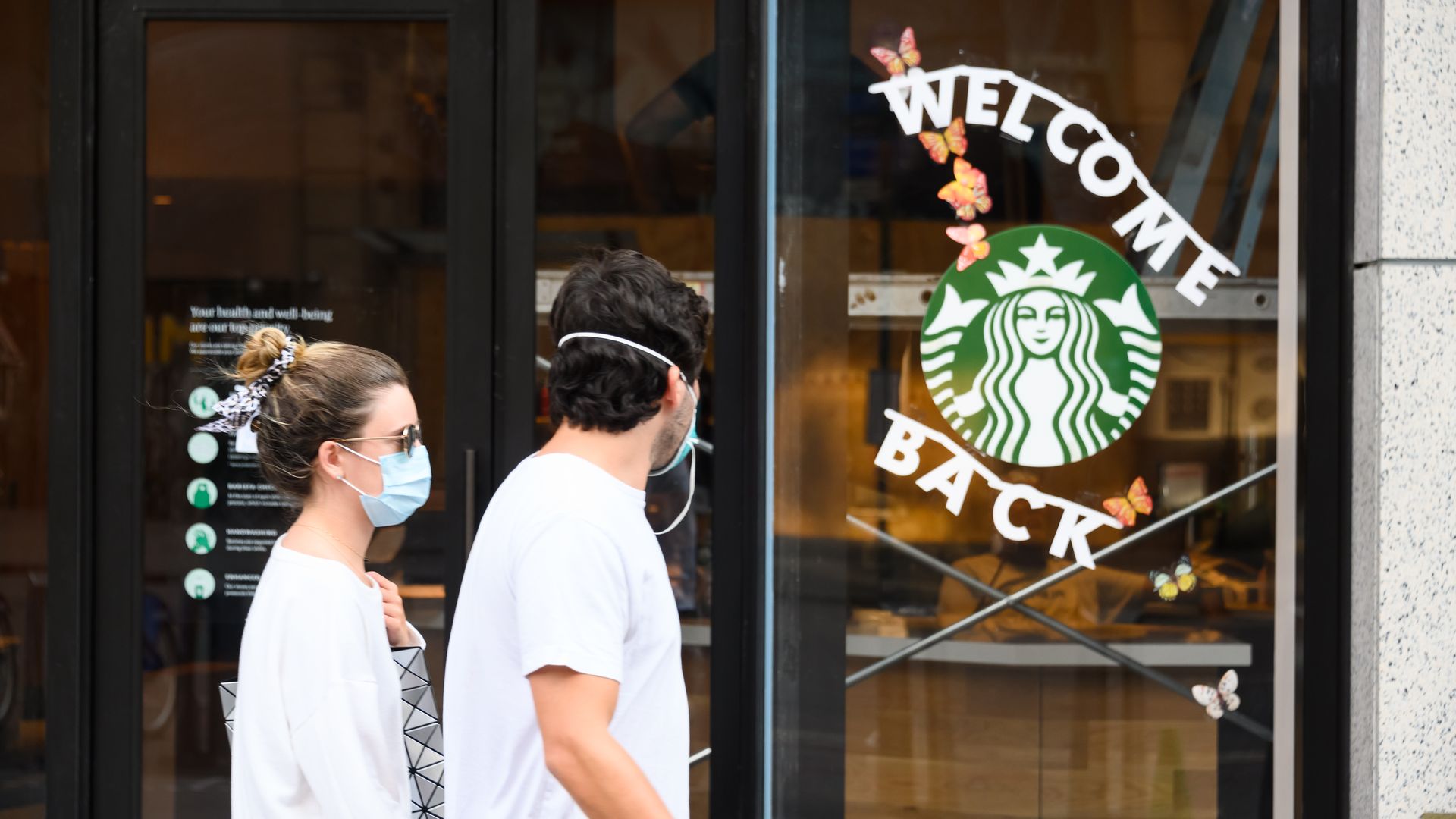
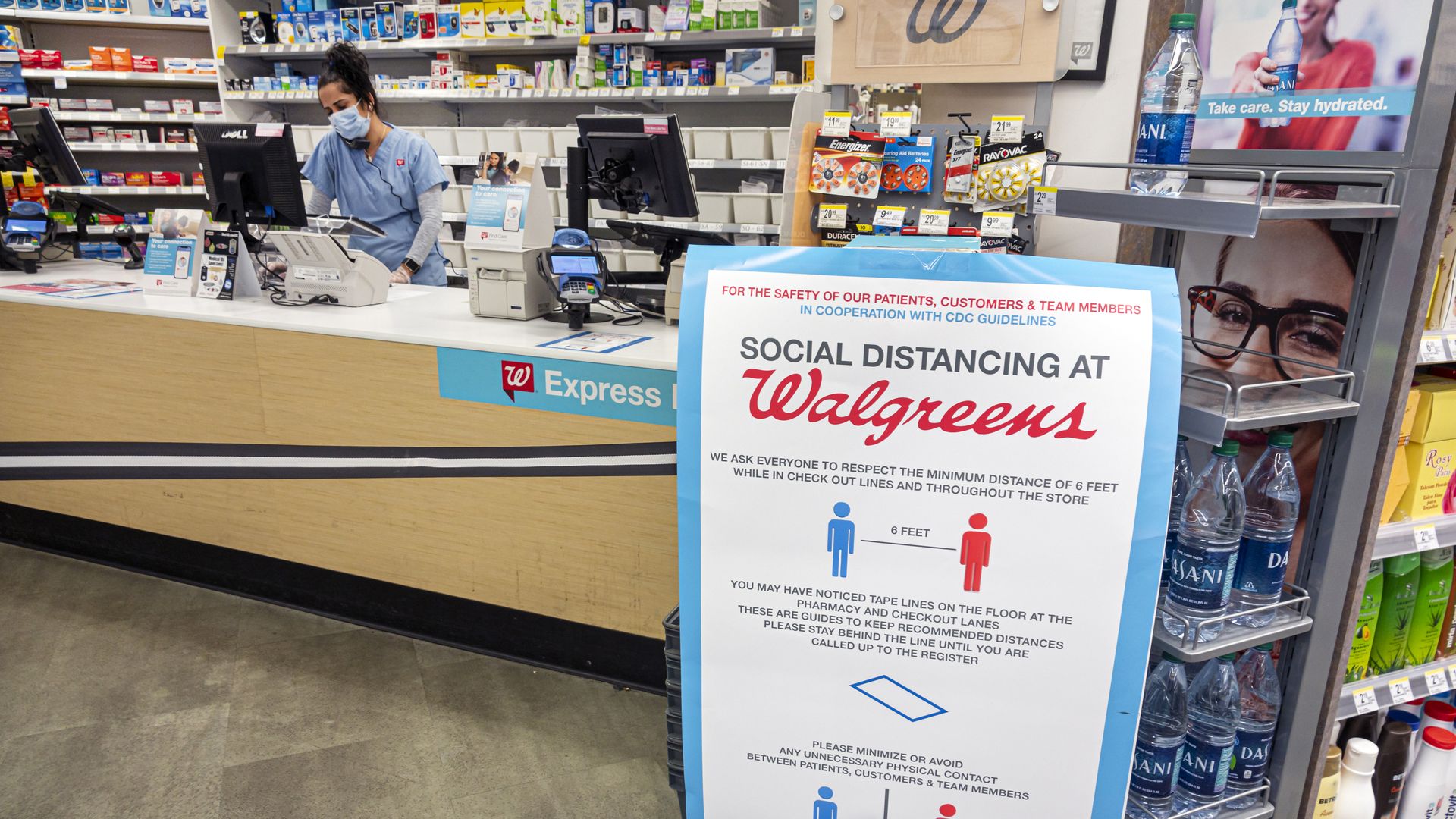
The big picture: "...many retail workers have reluctantly turned into de facto enforcers of public health guidelines, confronting customers who refuse to wear masks or to maintain a wide distance from others," the New York Times reported in May.
This is more than just a stock market rebound. The stock market is so frothy now that it's driving a whole slew of corporate actions that otherwise might well not have happened.
Why it matters: The IPO market, in particular, is white-hot. Lemonade, for example, a small home-insurance company, originally indicated that it would go public at between $23 and $26 per share. In the end it priced at $29 — and traded above $70 on its opening day.
Argentina and Ecuador are going to restructure their debts, and they're going to do so with surprisingly little drama.
Why it matters: Both countries are repeat players at this game, and it would be very easy for 2020 to resemble previous acrimonious fights. Wonderfully, however, it looks like that's not going to happen this time around.
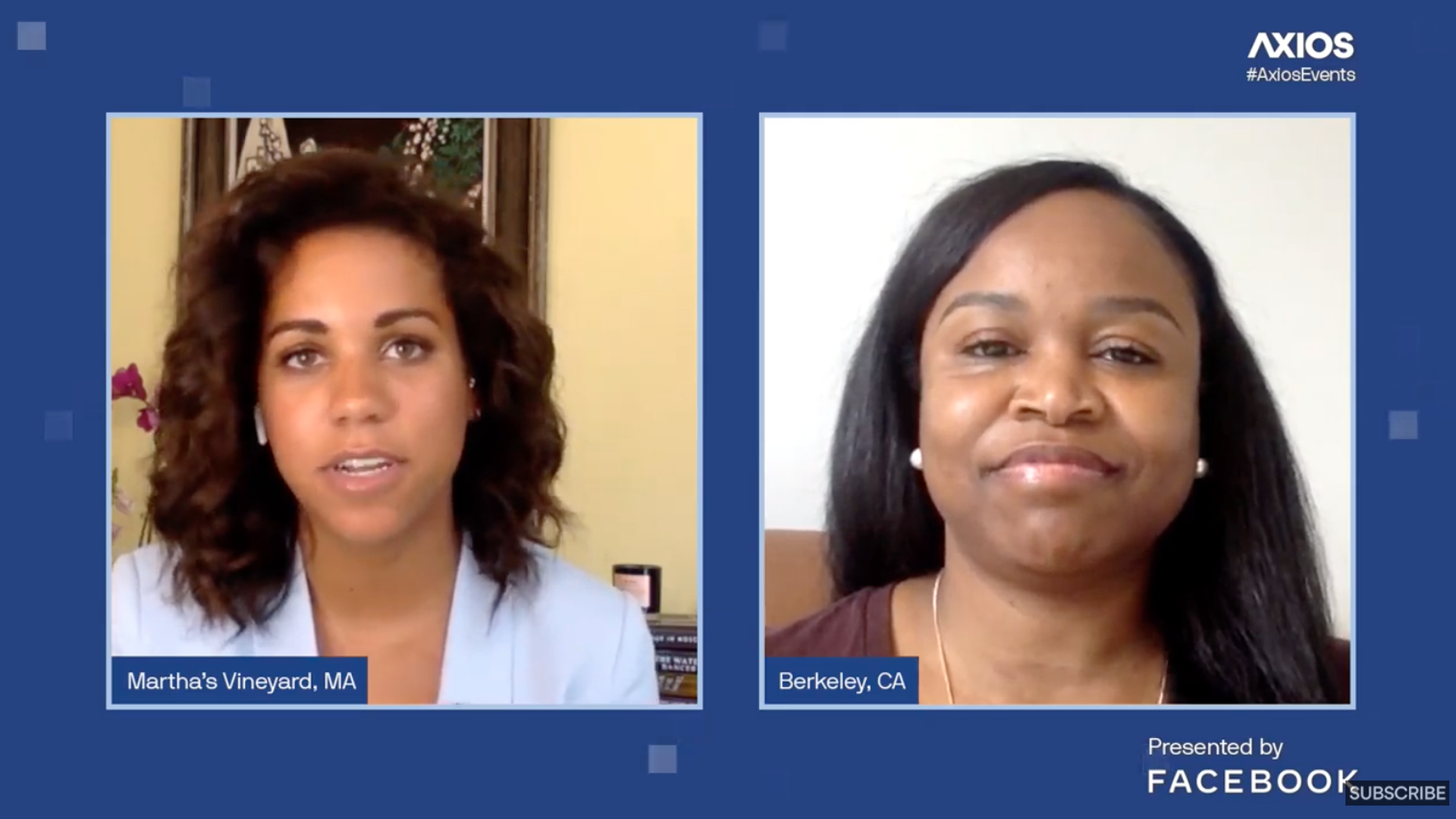
A shift towards digital operations and delivery can help small businesses stay afloat during the coronavirus pandemic, Cupcakin' Bake Shop owner Lila Owens at an Axios virtual event on Thursday.
What she's saying: Owens said she faced a decline in walk-in sales at her Berkeley, California, store and an onslaught of pre-paid order cancellations at the start of the pandemic. "People wanted refunds. So, not only did we have a decrease in the money coming in, but the money we had already collected we had to return."
A group of large drug companies launched a $1 billion AMR Action Fund Thursday in collaboration with policymakers, philanthropists and development banks to push the development of two to four new antibiotics by 2030.
Why it matters: Antimicrobial resistance (AMR) is a growing problem — possibly killing up to 20 million people annually by 2050 — but a severe lack of R&D market incentives has hampered efforts to develop a robust antibiotic pipeline to address the issue.
Small businesses face a daunting shift from storefront to online to adapt to the challenges of the coronavirus pandemic, but the Paycheck Protection Program and government outreach could help, California Lt. Gov. Elani Kounalakis said at an Axios virtual event on Thursday.
What she's saying: Small businesses, including those owned by people of color, often lack the resources that larger companies do to shift to digital operations.
Heartland cities are looking to take advantage of young professionals' sudden willingness to change addresses.
Driving the news: One America Works, which recruits for tech companies outside of Silicon Valley, is expanding into two new cities: Columbus and Indianapolis.
One in five U.S. adults say they've either moved because of the coronavirus pandemic or know someone who did, per new Pew Research Center data.
Why it matters: The pandemic has sparked a migration out of dense cities and cramped apartments and into roomier suburbs or the homes of family members, where many people continued to work or take classes remotely.
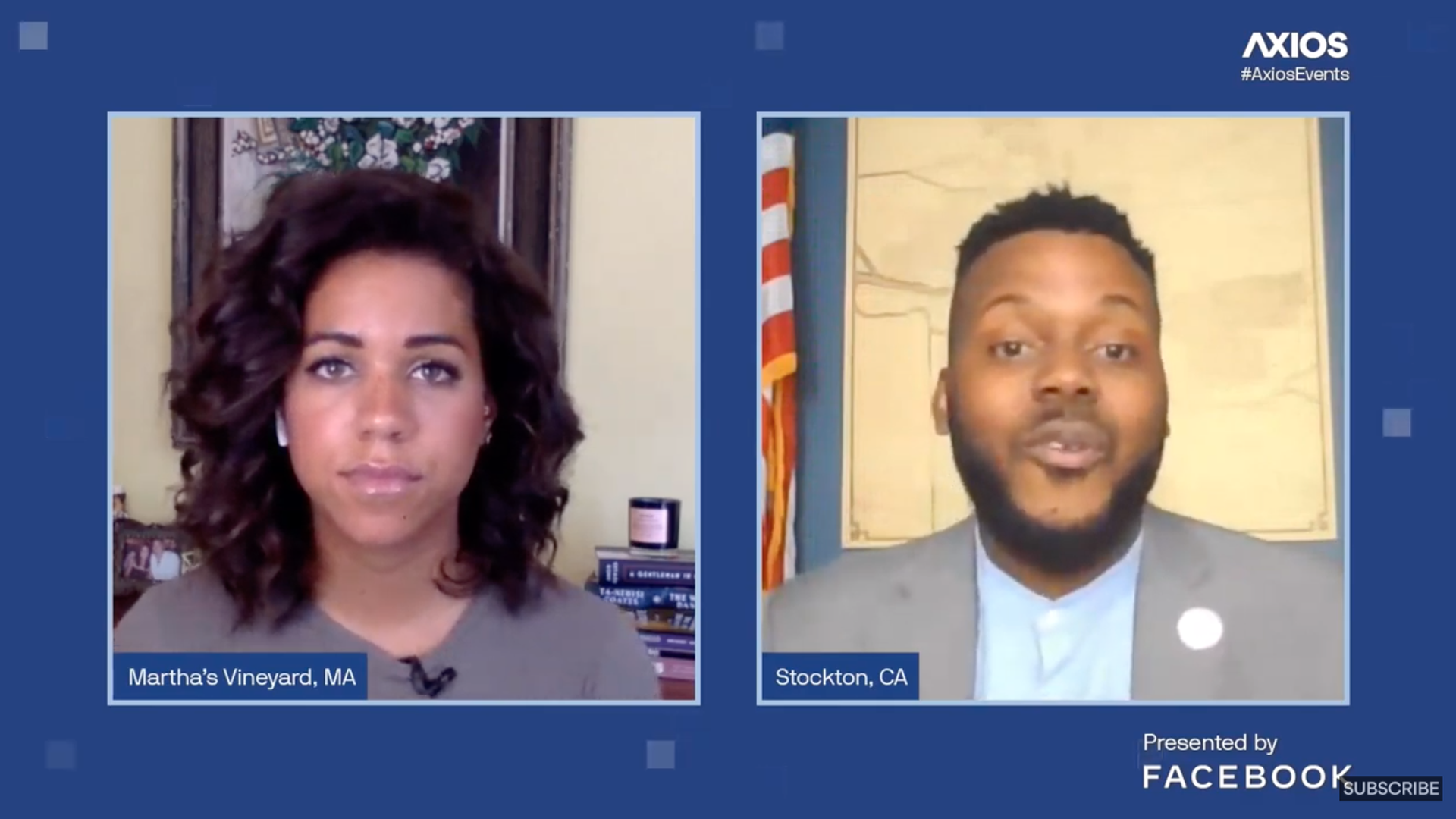
Government has a responsibility to give small businesses accurate data and information to help them operate during the coronavirus pandemic, Stockton, Calif., Mayor Michael Tubbs said at an Axios virtual event on Thursday.
What he's saying: "Our small businesses are being hit hard. But they also aren’t willing to sacrifice the lives of themselves, their employees, for their livelihoods, but are looking for a clear, common sense, data-backed way to operate as safely if possible," Stockton said.
Walgreens lost $1.7 billion in the three-month stretch that ended May 31, as the coronavirus outbreak kept shoppers at home and raised stores' costs.
Why it matters: The pandemic and global stay-at-home orders consumed almost all of those three months. Walgreens will now cut 7% of its workforce, mostly in the United Kingdom.
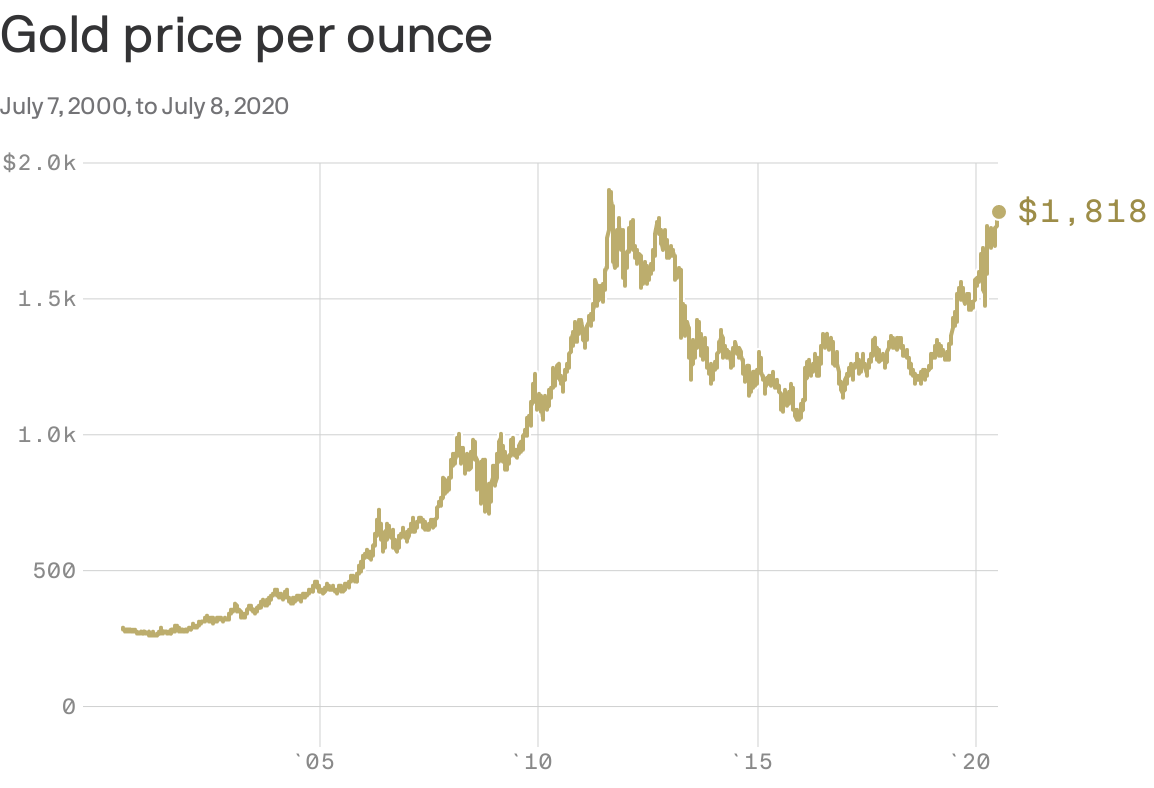
Despite holding in a tight range through most of the second quarter, gold has broken higher since late June and "seems to have recovered its mojo," Ross Norman, CEO of Metals Daily, told MarketWatch.
What's happening: Gold is "neither responding to either the U.S. dollar nor the virus, but the second quarter economic impact," of the massive M2 money supply growth leading to concerns about future inflation, debt and negative real yield on U.S. Treasuries, Norman added. "The precious metal stayed above the $1,800 level and hit its highest in nearly nine years Wednesday," Norman said.
SoFi, the fin-tech "unicorn" best known for refinancing student loans, has applied again for a bank charter with the Office of the Currency Comptroller, the company tells Axios.
1,018 federal TSA employees have tested positive for the coronavirus, the agency said in data updated on Thursday.
Why it matters: More people are getting on flights. After the TSA screened fewer than 100,000 people per day at airports across the U.S. in early April, the agency processed over 630,000 travelers on Wednesday.
Ant Financial, the fintech affiliate of Alibaba Group, is prepping a Hong Kong IPO that could value the business north of $200 billion, per Reuters. A company spokesman denied the report.
Why it matters: If legit, would be one of the year's largest global IPOs. It also would be a big boost for Hong Kong, whose status as a global financial hub is in flux due to new security laws from Beijing, and reflects how a growing number of Chinese tech companies are bypassing New York exchanges.
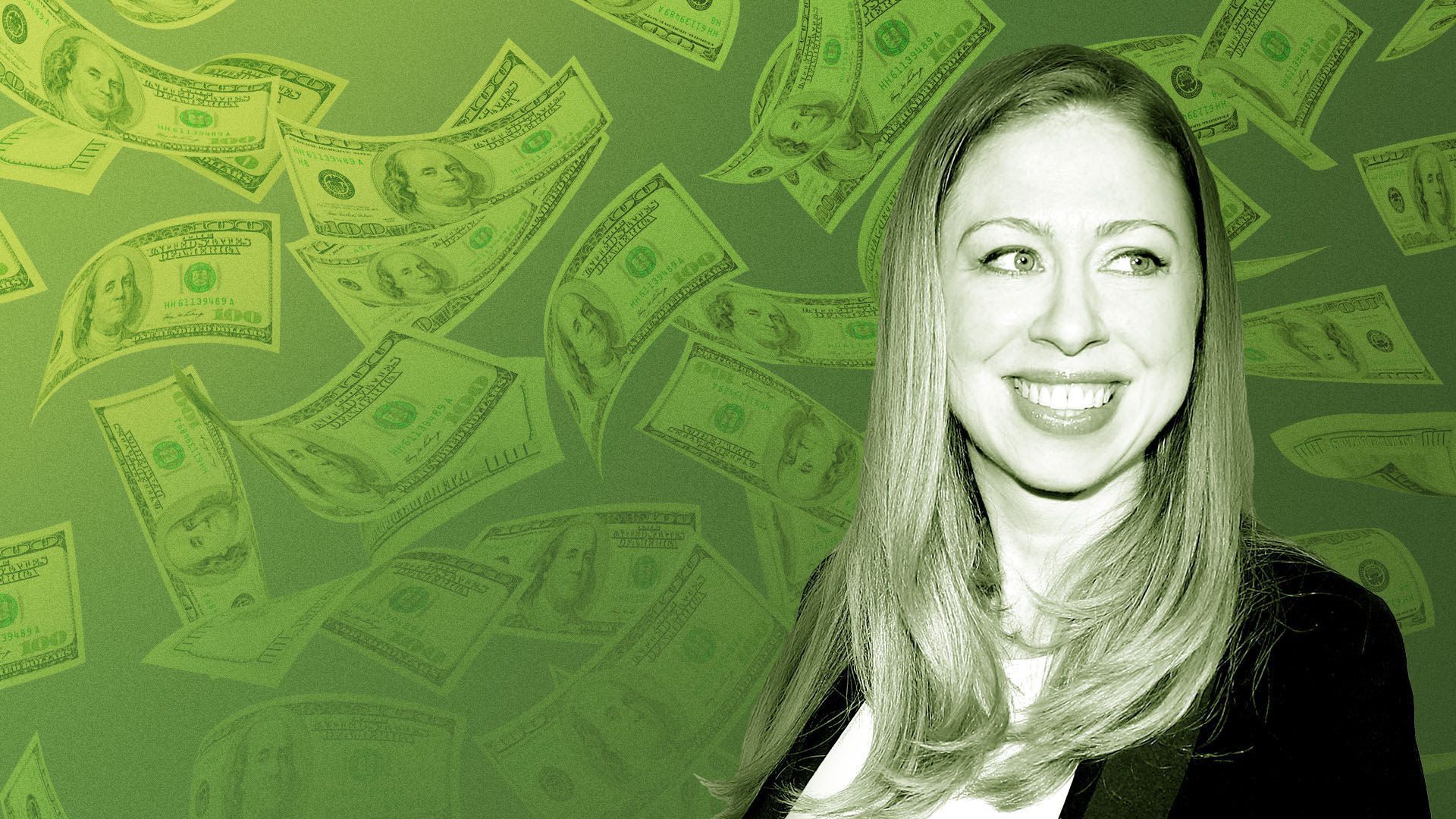
Chelsea Clinton is in the very early stages of forming a venture capital firm, Axios has learned from multiple sources.
What we’re hearing: The working name is Metrodora Ventures, after the author of the first medical text known to have been written by a woman (around 2,000 years ago in Greece).
Another 1.3 million Americans applied for unemployment benefits last week, the Labor Department said Thursday.
Why it matters: The number of new unemployment applications has fallen steadily since peaking in March, but the number is still historically higher than before the pandemic hit. Economists are watching the weekly gauge for any sign that spiking unemployment may come alongside the sharp uptick in coronavirus cases around the country.
A prevailing myth about the wealth gap between white and Black Americans is that it could be closed if Black people valued hard work and education like so-called model minorities, typically Asians and other recent U.S. immigrants.
Reality check: Data shows that to be untrue. A 2014 Bureau of Labor Statistics study finds that across races in the U.S., "Once families decide to invest in their children’s higher education, little difference exists in the level of expenditures between racial and ethnic groups."
U.S. economic data are crumbling as increasing coronavirus cases keep consumers at home and force more cities and states to restrict commerce, but the stock market has continued to rise.
What's happening: Bullish fund managers are starting to lay down bets that it will be this way for a while. "The reason is: You have monetary and fiscal policy pushing the economy out of a problem and that is very, very bullish," Andrew Slimmon, senior portfolio manager at Morgan Stanley Investment Management, tells Axios.
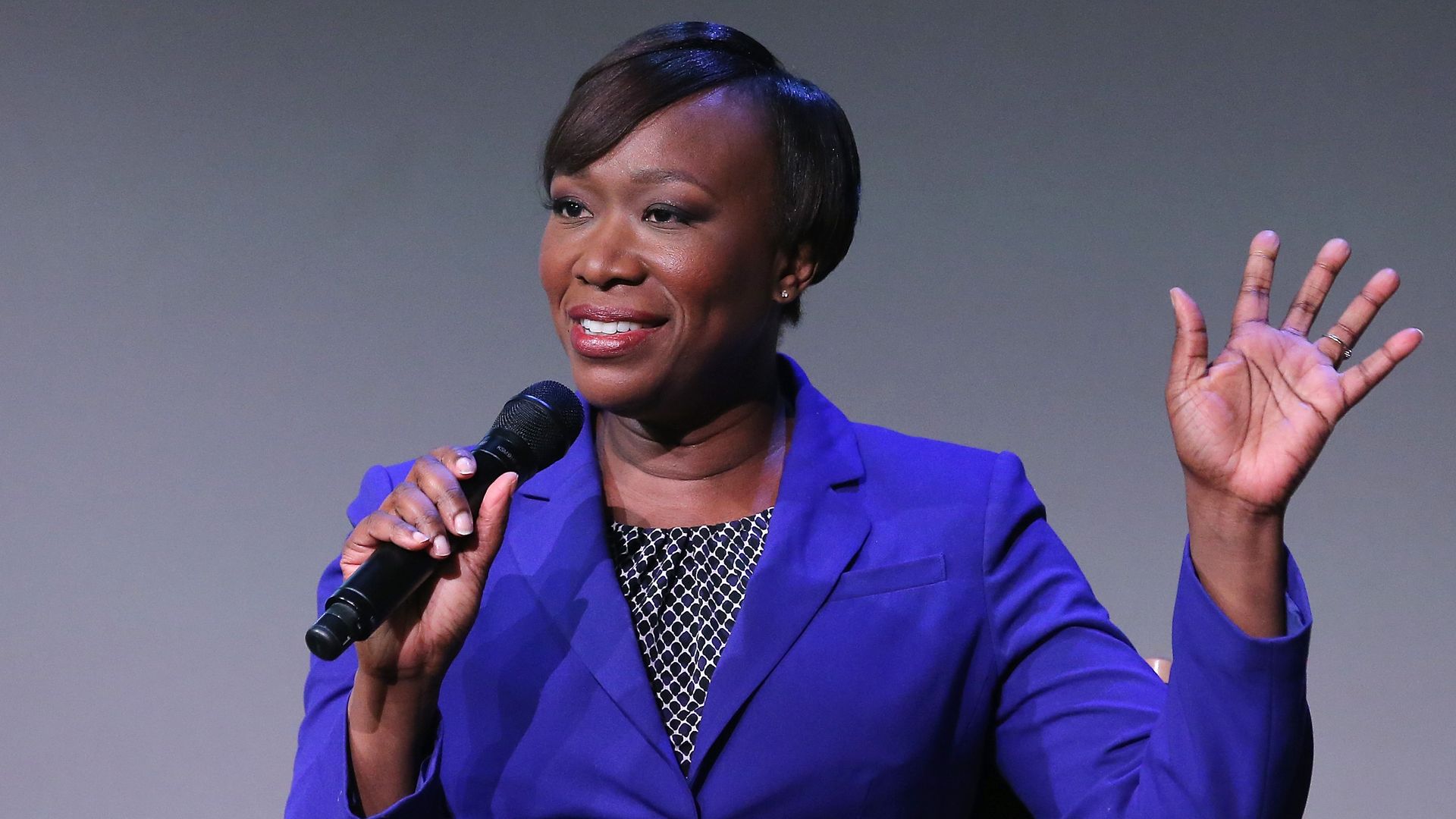
Joy Reid will anchor a new nightly show on MSNBC in the 7 p.m. hour beginning July 20, the New York Times reports.
Why it matters: Reid will join a small number of Black women who have hosted nightly news programs on a major network in an industry often dominated by white men.
Six of Joe Biden's former 2020 rivals — and other top Democrats — are barnstorming the airwaves and virtual campaign trail in crucial states this week to pitch a new economic recovery plan he released Thursday, called "Build Back Better."
Why it matters: Biden outperforms President Trump on every issue except for the economy, according to a Pew Research poll of 4,000 adults last month.
Hospitals in coronavirus hotspots are not scaling back their elective procedures, even as their intensive-care units are filling up with coronavirus patients.
Between the lines: Hospitals are ignoring federal recommendations and their own industry's guidance, which says non-urgent procedures should not restart until there is a "sustained reduction in the rate of new COVID-19 cases in the relevant geographic area for at least 14 days."
As the coronavirus poses risks and concerns for the youngest and oldest Americans, the generations in the middle are buckling under the increasing strain of having to take care of both.
Why it matters: People that make up the so-called sandwich generations are typically in their 30s, 40s and 50s, and in their prime working years. The increasing family and financial pressures on these workers means complications for employers, too.
Four of America’s biggest banks are backing a new nonprofit initiative to leverage the financial sector toward achieving climate-change goals.
Driving the news: The Rocky Mountain Institute (RMI) is launching a center focused on climate that will be supported by Wells Fargo, Goldman Sachs, Bank of America and JPMorgan Chase.