The pandemic will accentuatethe deepening uncertainty over the future of global trade, according to a new report.
Why it matters: Trade is the lifeblood of globalization, and it's helped lift hundreds of millions of people out of poverty. But populism, a growing rift between China and the U.S., and the wild card of COVID-19 could cause global trade to fracture into regional variations.
President Trump on Tuesday reiterated that the White House may consider shutting down TikTok due to security concerns over its relationship with the Chinese government, even though the company insists that its U.S. operations run independently.
Axios Re:Cap digs into the business ecosystem growing around TikTok with John Shahidi, who leads one of the U.S.'s top management and studio companies for social media influencers.
Top White House officials have bluntly warned the head of a board that administers railroad workers' retirement benefits that the investment trust he oversees is exposing investors to undue economic risk and endangering U.S. national security because it invests in certain Chinese companies.
Driving the news: The letter, dated July 7 and obtained by Axios, asks for a response within a week as to whether the U.S. Railroad Retirement Board, an independent federal agency, will cut off these Chinese investments.
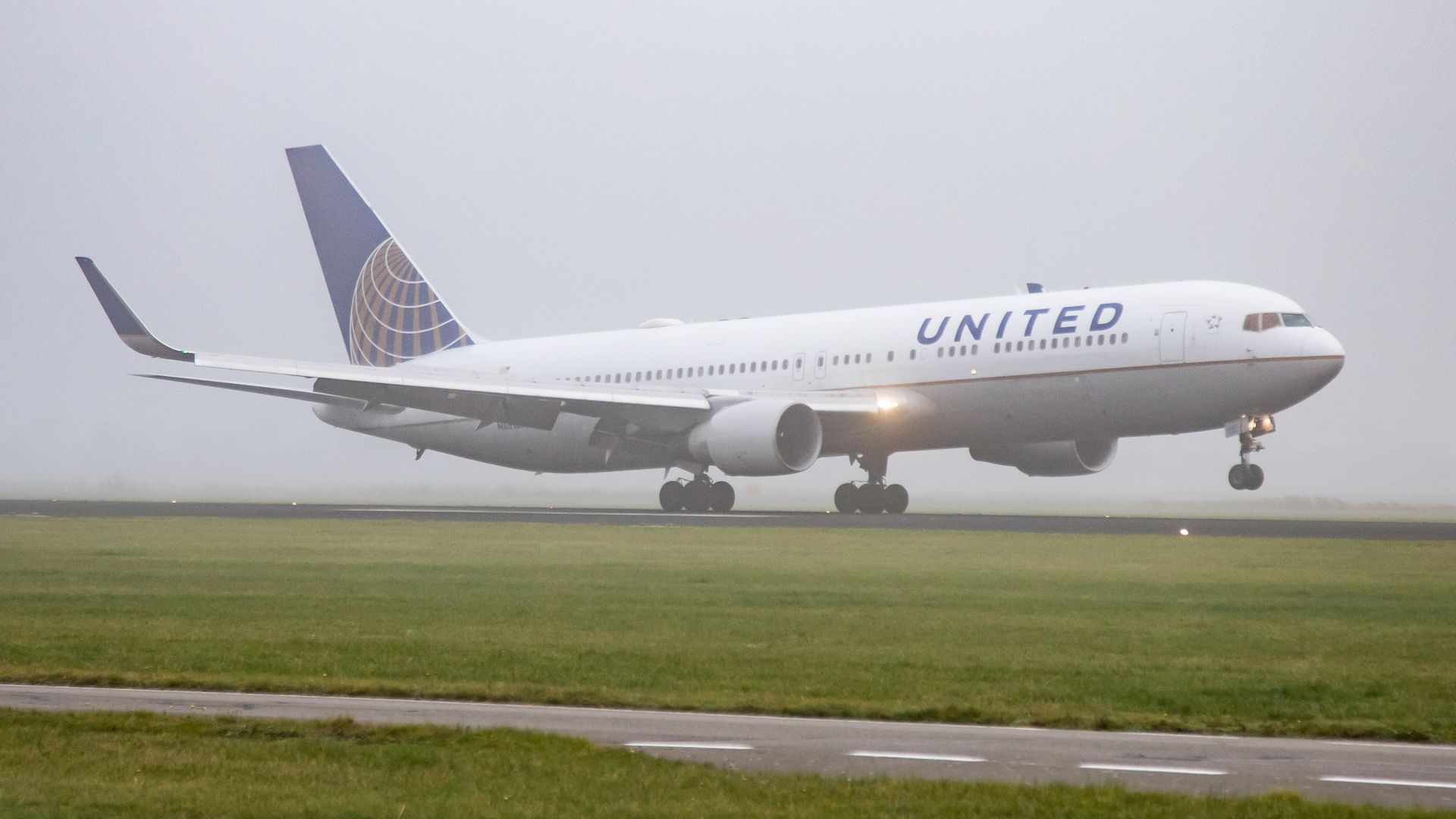
United Airlines warned its employees on Wednesday of furlough notices going out to 36,000 employees, or about 45% of its U.S. workforce, by October, according to a company memo obtained by Axios.
Why it matters: Demand for air travel has plummeted amid the coronavirus pandemic. Despite a slight rebound from its lows in April, United's scheduled capacity for July is down 75% compared to the same time last year, per the memo. It expects scheduled capacity for August to be down 65% compared to last year.
The U.S. Treasury Department is pointing the finger at lenders for errors discovered in Monday's PPP data disclosure.
What they're saying: "Companies listed had their PPP applications entered into SBA’s Electronic Transmission (ETran) system by an approved PPP lender. If a lender did not cancel the loan in the ETran system, the loan is listed," a senior administration official said.
AMC Entertainment (NYSE: AMC) is nearing a restructuring deal that would let it avoid bankruptcy, per the Wall Street Journal.
Why it matters: AMC is the country's largest cinema chain, last year serving more than 250 million U.S. attendees, but its screens have been dark since the pandemic began.
The British government will give diners a 50% discount on their restaurant bills as part of an effort to jumpstart the country's economy after emerging from its coronavirus lockdown, the U.K. Treasury announced Wednesday.
The state of play: Under the "Eat Out to Help Out" plan, each patron will get up to £10, or $12.57, off their meal — not including alcoholic beverages — if they eat out between Monday and Wednesday at businesses that sign up for the program.
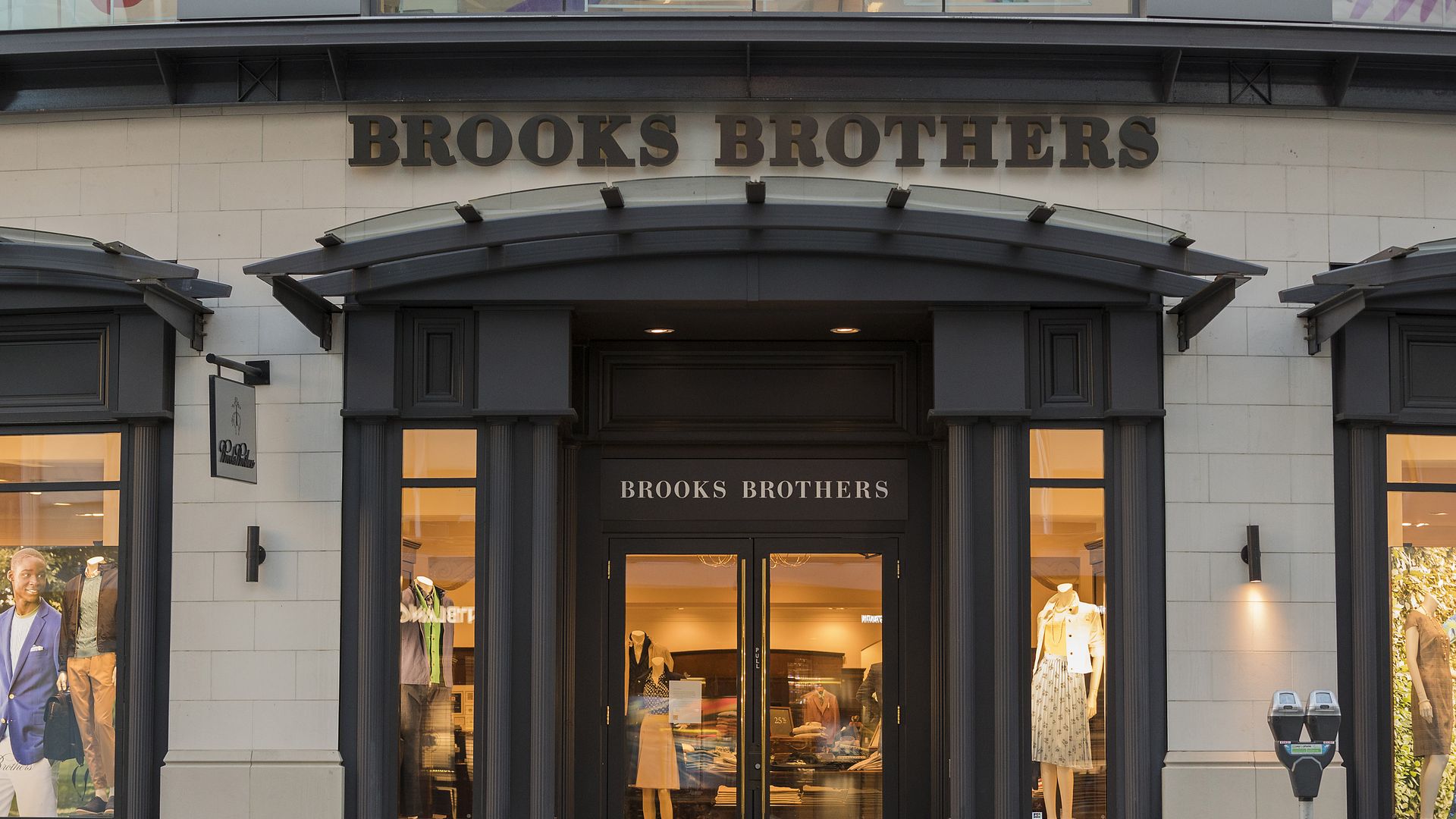
Clothing brand Brooks Brothers on Wednesday filed for bankruptcy, per Marketwatch, becoming the latest retail giant to topple amid the coronavirus pandemic.
Why it matters, via Axios' Dan Primack: Brooks Brothers is the poster child for the retail apocalypse. Legacy retail brands were already struggling before the pandemic, facing the death of brick-and-mortar stores as shopping shifts online. The company, which has relatively little debt and no private equity owners, still generated around 80% of its sales in physical stores that have been mostly shuttered for months — as demand for business attire has cratered with consumers working from home.
Entrepreneurship or starting a business has often been heralded as a way to reduce the U.S. racial wealth gap. However, Black Americans' attempts at entrepreneurship are often foiled by an initial lack of capital and an inability to obtain financing, especially through government programs.
The big picure: This was most recently evidenced when Black-owned small businesses were largely shut out of financing from the SBA's Payroll Protection Program.
While the U.S.-China trade war has drawn fewer headlines in recent months, nearly seven in 10 Americans say they are concerned about how tariffs are impacting the cost of things they purchase. That's the same number registered in March when the coronavirus pandemic began to escalate.
Why it matters: Despite record low interest rates and trillions of dollars in stimulus from Congress and the Fed, everyday Americans say they are pulling back spending, with 28% saying they are buying less than they used to because prices had increased.
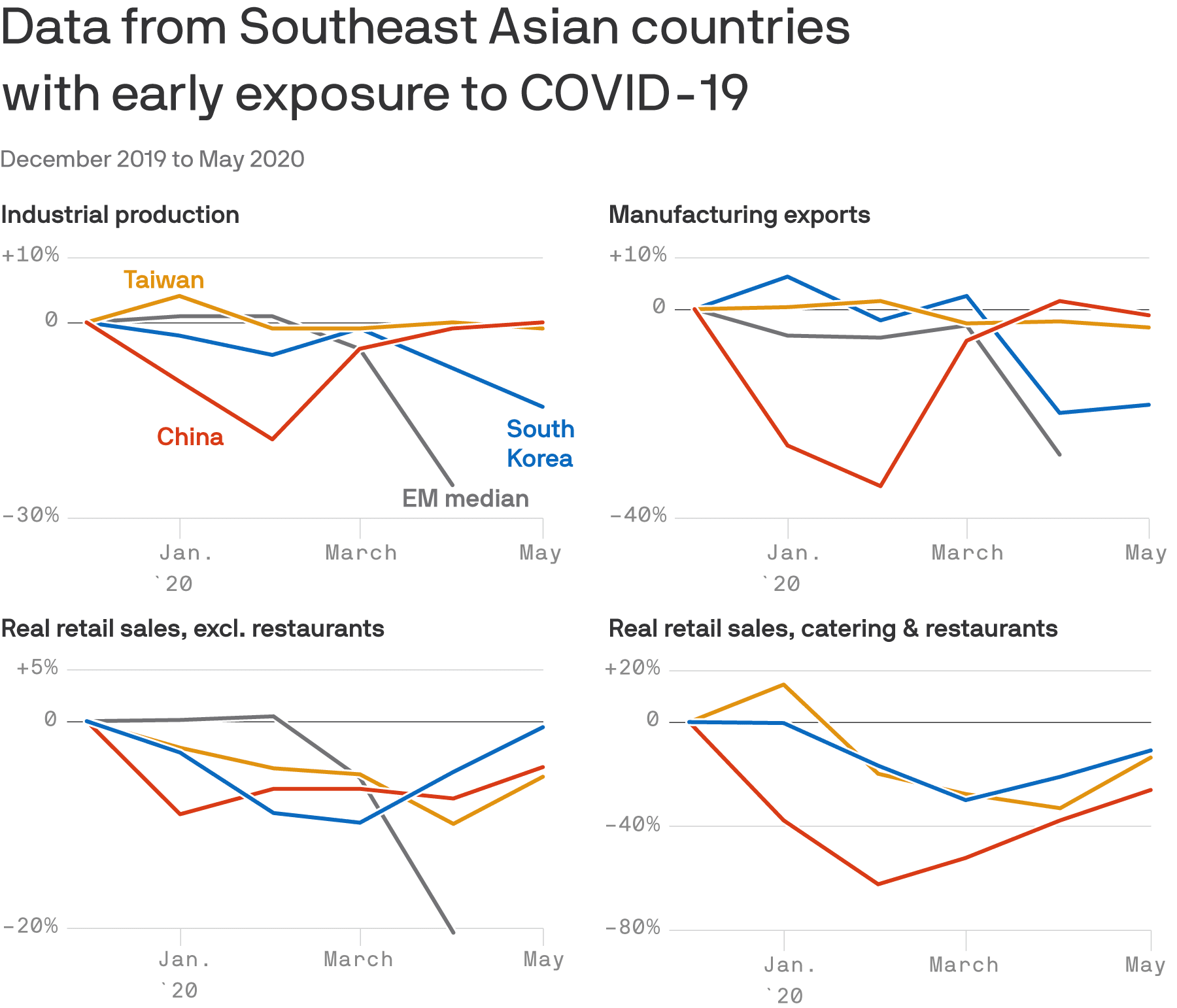
China and much of Southeast Asia look to be bouncing back strongly from the coronavirus pandemic as stock markets and much of the country's economic data are returning to pre-pandemic levels.
What's happening: "Our tracking points to a clear V-shaped recovery in China," economists at the Institute of International Finance said in a note to clients Tuesday, predicting the country's second-quarter growth will rise above 2% after its worst quarter on record in Q1.
The New York Fed's collection of real-time data indicators contributing to U.S. GDP growth showed a decline, reaching -7.35% for the week ended July 4, down from -6.81%.
What it means: The WEI is an index of ten daily and weekly indicators of real economic activity, scaled to align with the four-quarter GDP growth rate, according to the New York Fed. It follows a string of real-time data analysis from investment banks and asset managers that shows economic data stalling or declining since mid-June.
Spotify and Omnicom Media Group, one of the world's largest global ad agencies, announced Wednesday a deal that will see Omnicom spend $20 million on podcast ads in the second half of this year.
Why it matters: Most podcasts are typically bought and sold on a per-show or per-episode basis. A big agency's commitment to spending lots of money on podcast ads upfront, like they do with television, is a signal that the industry is growing.
While all major sports scramble to rescue their seasons, the networks are fixated on the NFL, which accounted for 41 of the 50 top-rated telecasts of any kind in 2019, per the Washington Post.
Why it matters: The NFL made up 39% of all ad revenue for Fox last year, 24% for CBS, 21% for NBC and 17% for ESPN (including ABC playoff simulcasts). "It’s practically the only thing on the minds of the networks," John Kosner, a former ESPN executive who is an industry consultant, told the Post. "If you lost an NFL season, you’re looking at a financial hemorrhage."
Facebook is in the midst of the largest ad boycott in its history, with nearly 1,000 brands having stopped paid advertising in July because they feel Facebook hasn't done enough to remove hate speech from its namesake app and Instagram.
Axios Re:Cap spoke with the boycott's four main organizers, who met on Tuesday with CEO Mark Zuckerberg and other top Facebook executives, to learn why they organized the boycott, what they took from the meeting, and what comes next.







/2020/07/08/1594218573445.gif?w=3840)