Governors in Georgia, Tennessee and South Carolina have announced plans to ease their coronavirus lockdowns.
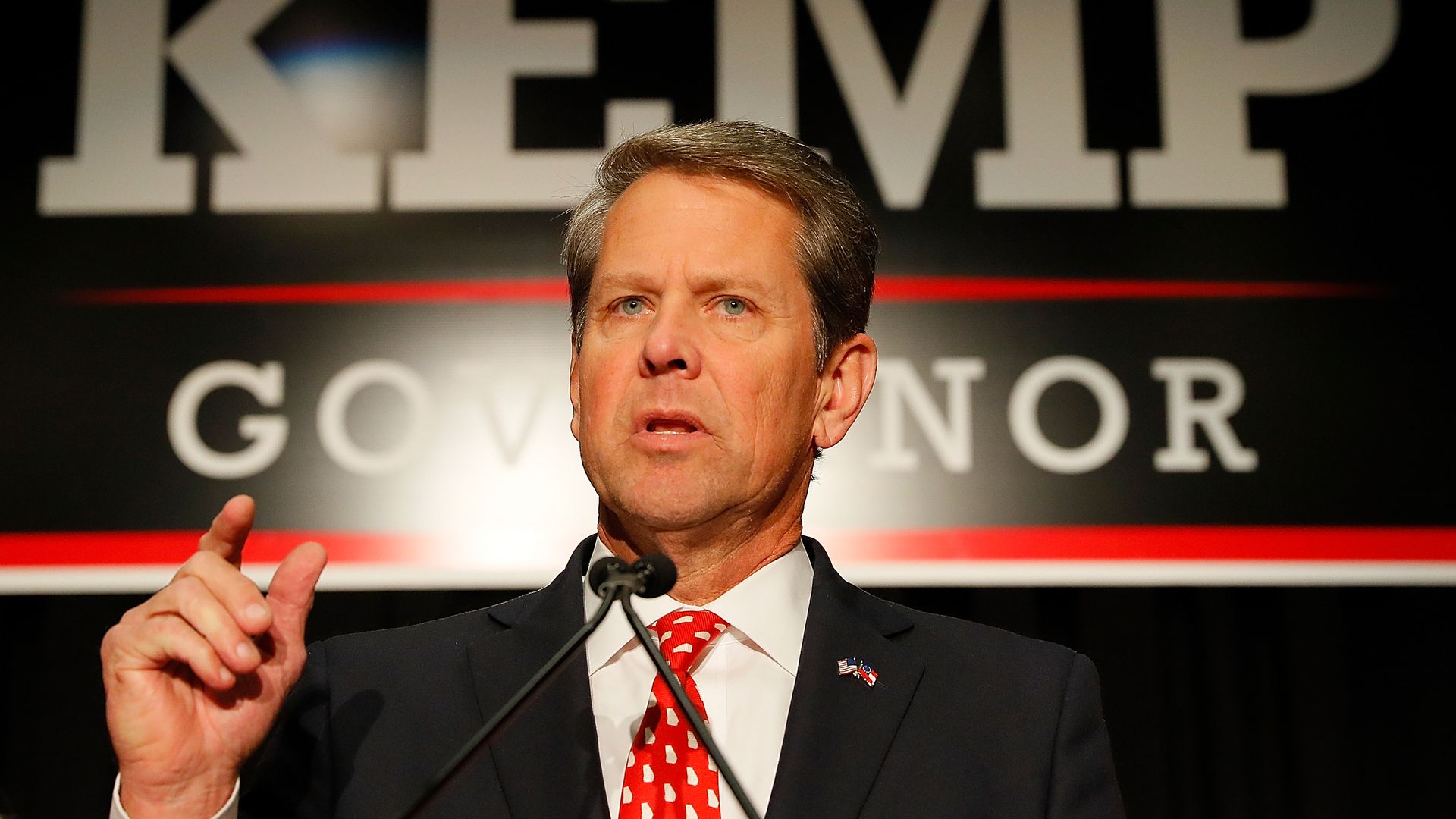
The latest: Georgia Gov. Brian Kemp (R) announced plans on Monday to allow some nonessential businesses to reopen on Friday, the Atlanta Journal-Constitution reports.
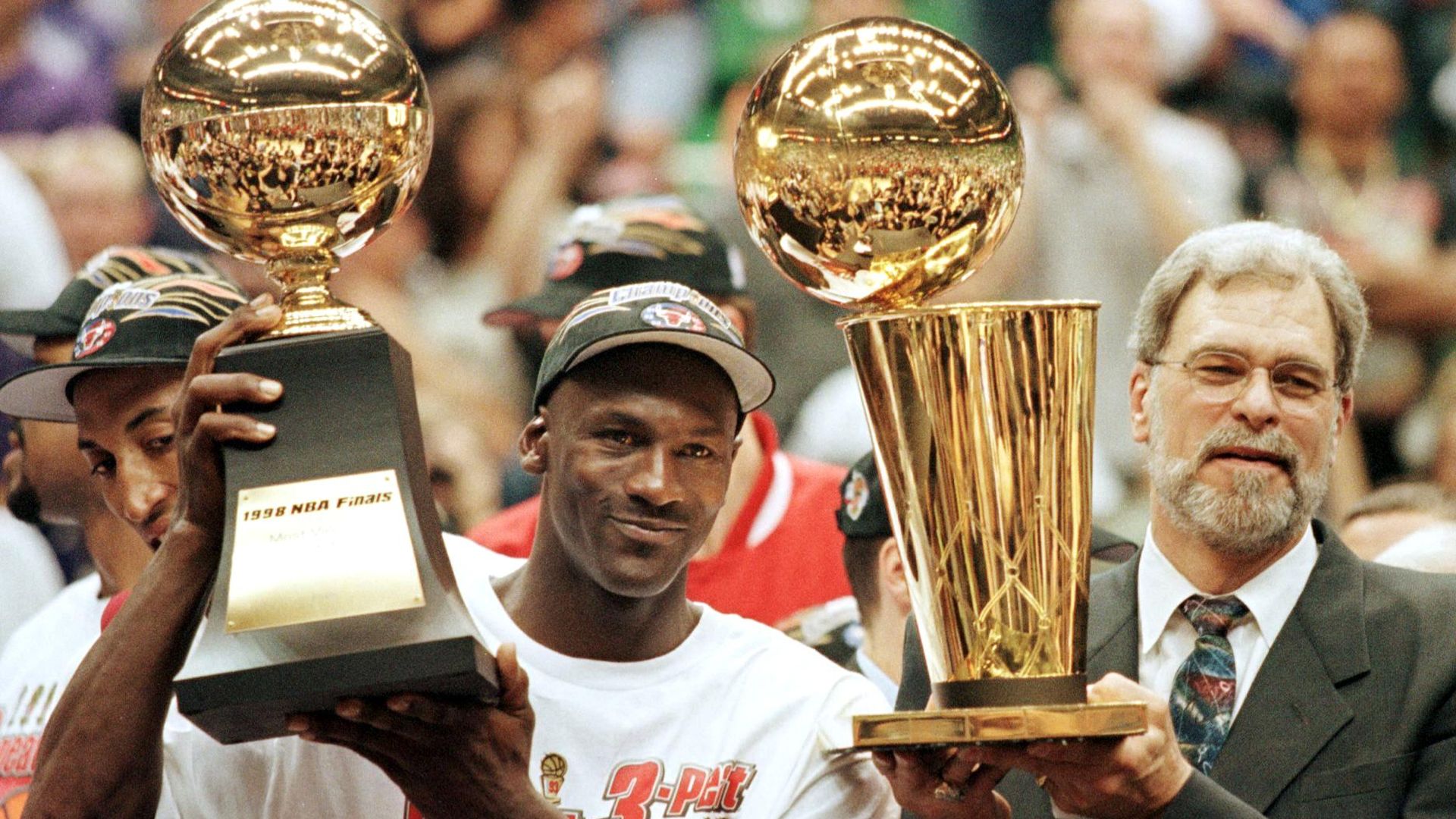
ESPN's "The Last Dance" documentary on the Chicago Bulls’ 1998 NBA championship run averaged a record-breaking 6.1 million viewers on Sunday night, ESPN said Monday. The first two episodes of the 10-part series aired Sunday across ESPN and ESPN3.
Why it matters: The documentary marked the first time in nearly two months that individual families — and the sports world as a whole — sat down to watch something together.
Fandango, the digital movie ticketing company owned mostly by NBCUniversal, has acquired the free, ad-supported video service Vudu from Walmart, Vudu announced Monday. Deal terms weren't disclosed.
Why it matters: Big media companies are investing in ad-supported streaming services that could help them transition their dying TV ad businesses to digital while also bolstering their streaming offerings.
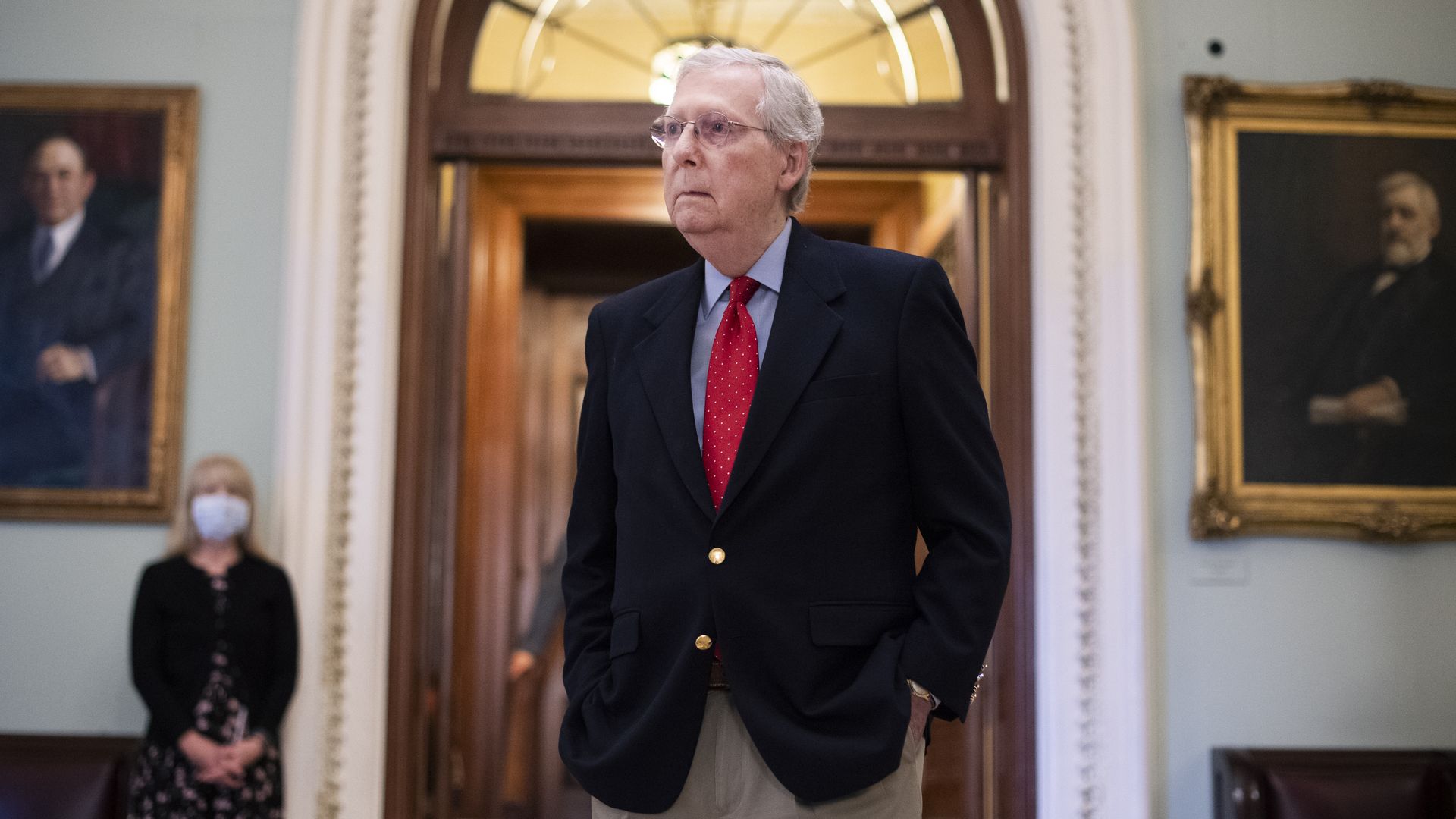
The Senate voted via unanimous consent on Monday to hold another pro forma session Tuesday afternoon, giving the White House and Congress another day to hammer out the details of the interim coronavirus spending package.
Why it matters: A vote on the bill is expected tomorrow, but the Trump administration and House and Senate leadership were hopeful they would reach a deal this morning to replenish the small business Paycheck Protection Program (PPP) and deliver billions of emergency funding for hospitals and testing.
New York Gov. Andrew Cuomo said at a press briefing Monday that his state is projecting it will need to cut funding for schools, local governments and hospitals by 20% if it doesn't get relief money from the federal government in the next coronavirus bill.
Why it matters: The $2 trillion stimulus bill passed by Congress last month did not provide money for state and local governments, which have faced massive revenue shortfalls as a result of coronavirus restrictions.
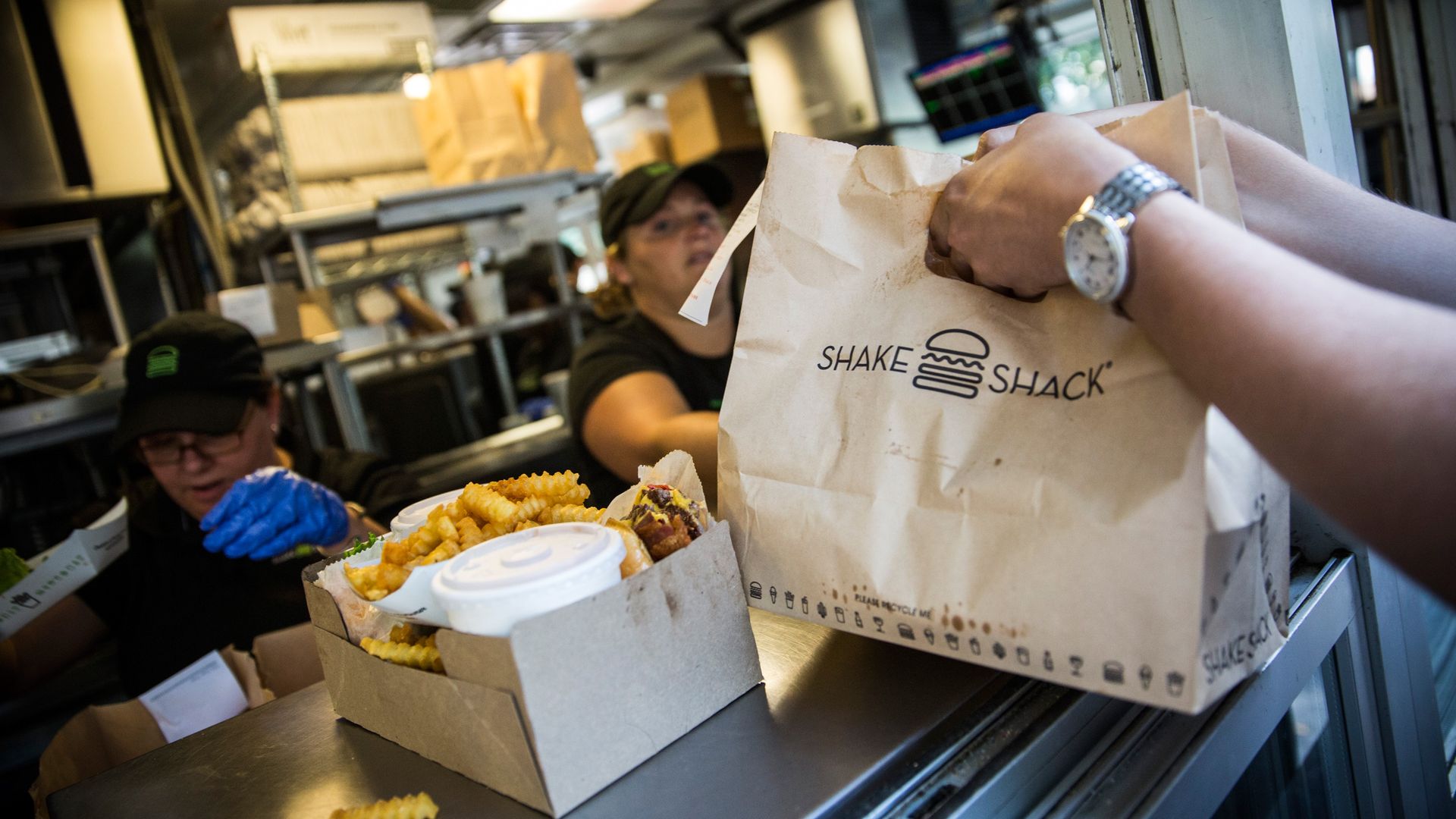
Shake Shack announced Monday it would give back the $10 million it received via the Paycheck Protection Program, in the midst of circulating criticisms of the program’s application process and how it distributed funds before it ran out.
Dan talks with Shake Shack founder and chairman Danny Meyer to discuss the company's decision, the dire state of restaurants, and how he thinks the next phase of PPP should be structured.
New startup formation has slowed significantly, with fading hopes for a late 2020 rebound.
Driving the news: Carta, a startup that manages employee equity for other startups (including Axios), last week laid off 161 employees, or around 16% of its staff. The basic takeaway was tempered expectations for the number of potential new customers to sign and service.
STX Entertainment, a U.S. production studio whose titles include "Bad Moms" and "Hustlers," agreed to merge with Indian film producer Eros International in an all-stock deal that will value the combined company north of $1 billion, including debt.
Why it matters: It's as much a merger between Hollywood and Bollywood as it is between two companies.
Axios Markets Reporter Dion Rabouin breaks down the coronavirus’s effect on daily life from the empty streets of New York City: “Everything we know is going to be different from ... the past. And they may be very different from the way we expect them to be in the future.”
United Airlines said Monday that it expects to report a pretax loss of about $2.1 billion in the first quarter, as it grapples to conserve cash and borrow money amid a sharp drop in travel demand from the coronavirus pandemic.
Why it matters: The Chicago-based airline says federal grants and loans, along with creative financing for planes on order, will help keep the company afloat through September — but with travel demand uncertain for the remainder of the year, it has warned employees to brace for layoffs.
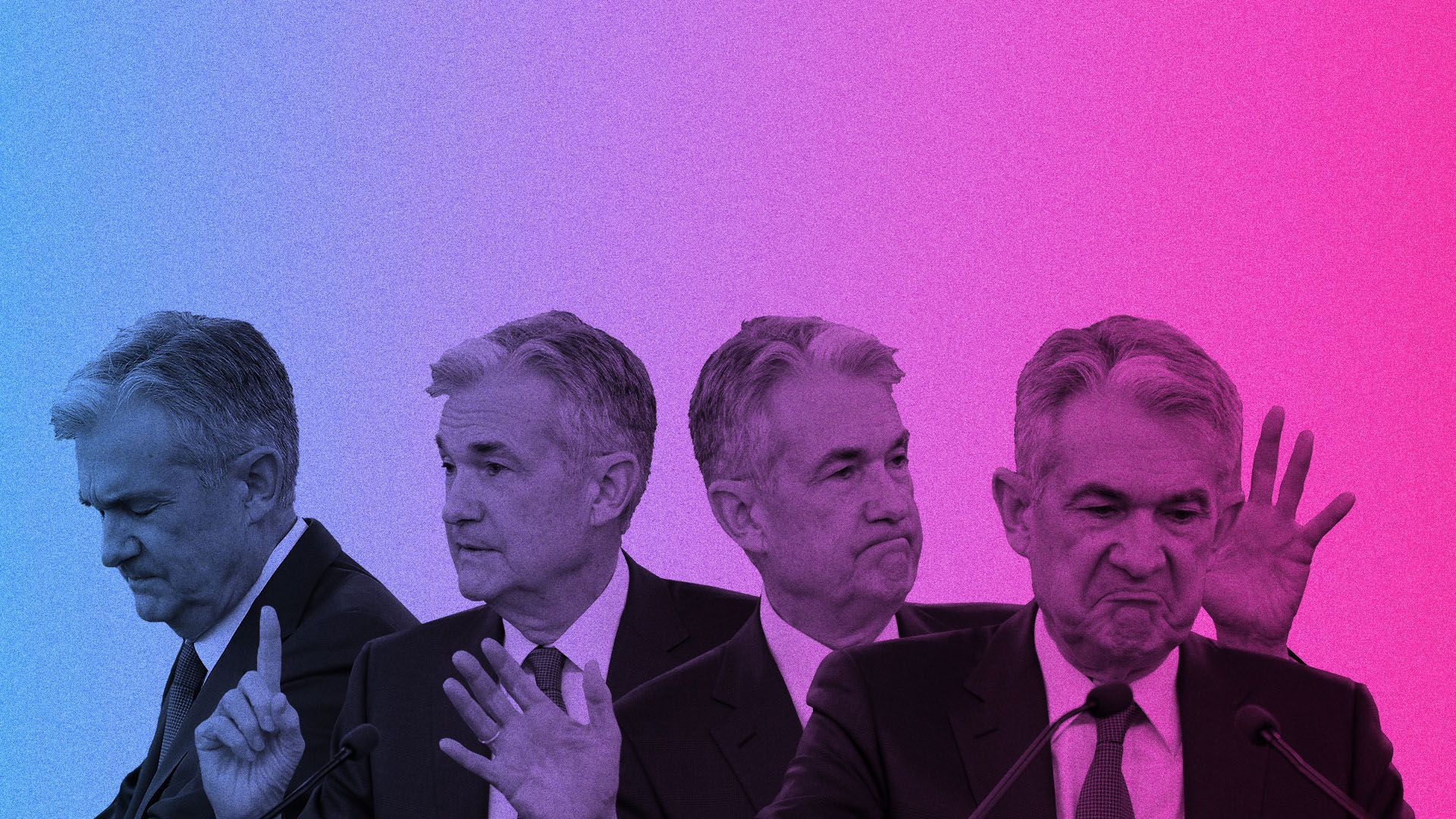
Chair Jerome Powell and the Federal Reserve reacted with unprecedented speed to the coronavirus pandemic, but the central bank's actions could unleash a Pandora's box of unintended consequences.
Why it matters: The Fed is an unelected institution whose head is chosen by the president and its new programs have paved the way for its powers to be significantly amplified and politicized.
Landscaping companies, gun stores, golf courses, live wrestling matches: Businesses considered "essential" in one state aren't designated the same way in others.
Why it matters: A patchwork of coronavirus-era policies is causing confusion — plus envy and resentment — across the country, with calls for clearer federal guidelines about what should and shouldn't remain open.
The coronavirus is shriveling the businesses of doctors' practices, which serve as the home base for most patients.
The big picture: Small and independent groups that are facing the most severe cash crunches eventually may be forced into two less-than-ideal options: sell the practice, which would further consolidate the industry and expose patients to higher costs, or close their doors for good.








/2020/04/20/1587391940722.gif?w=3840)