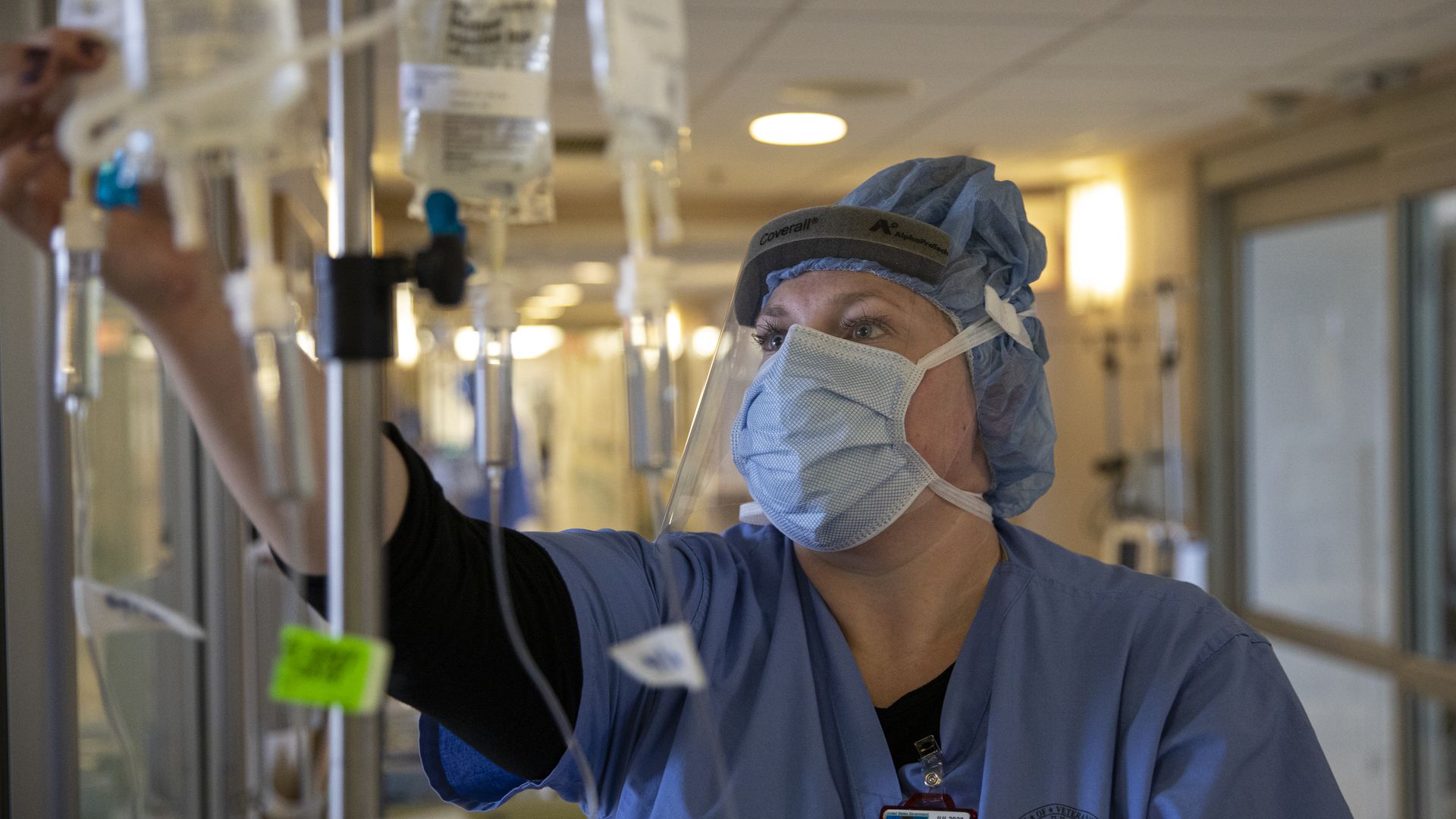
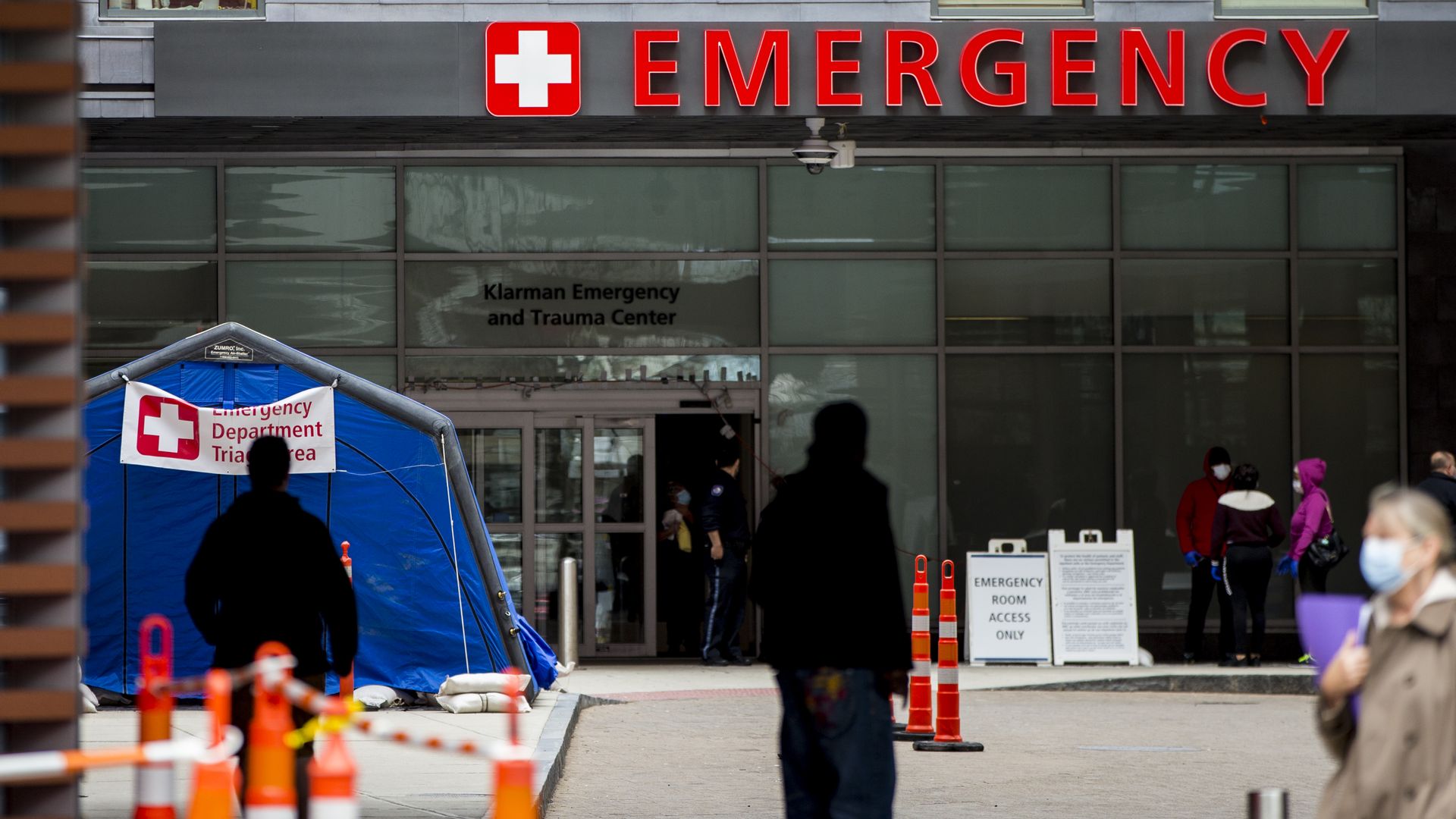
California is the latest state that plans to allow hospitals, doctors' practices, outpatient surgery centers and other facilities to resume some procedures and patient visits that have been postponed as a result of the coronavirus outbreak.
The big picture: The Trump administration and state leaders are urging that certain conditions be met before medical providers reopen their doors. For example, industry groups said procedures should resume only if the rate of new COVID-19 cases has dropped for at least 14 days and if the organization has enough protective equipment for workers.
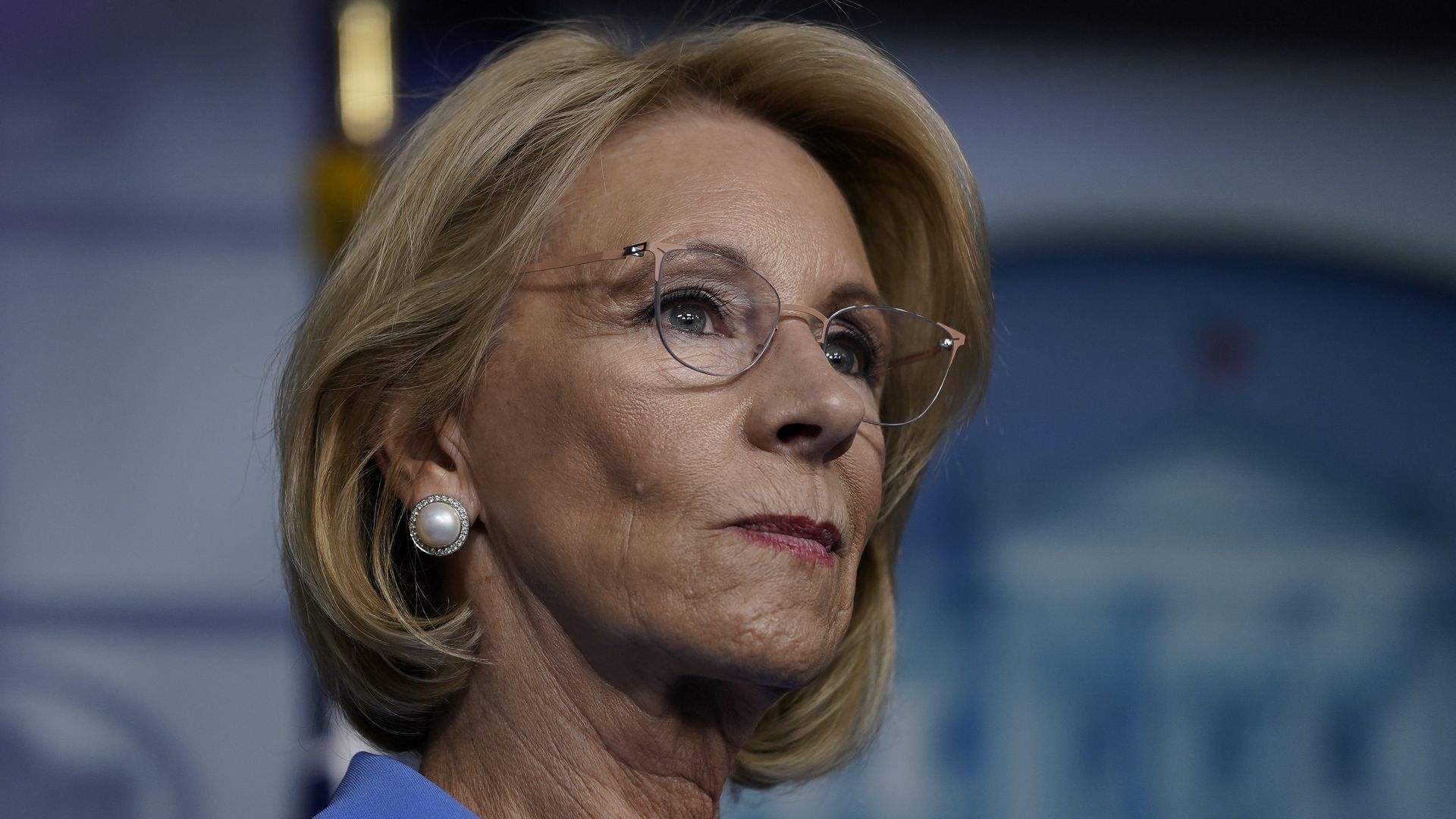
Education Secretary Betsy DeVos on Wednesday asked wealthy institutions to reject coronavirus emergency funding and requested that Congress change its eligibility requirements.
The big picture: Her statement comes one day after President Trump said Harvard University should pay back the $8.7 million in federal money it was due to receive from the Education Department via the Coronavirus Aid, Relief and Economic Security Act.
Las Vegas Mayor Carolyn Goodman told CNN on Wednesday that she believes it's time to reopen the city despite the ongoing threat of the coronavirus, calling Nevada's statewide lockdown "total insanity."
Why it matters: As CNN's Anderson Cooper repeatedly pointed out, hotels and casinos are hot spots for the spread of the virus, which visitors to Las Vegas could bring back to their home states. Goodman dismissed the fears as "alarmist" and said businesses should reopen and allow the free market to dictate whether they are "destroyed" by the virus.
A big question is whether people will still want to ride scooters — or any shared vehicles, for that matter — after we emerge from coronavirus lockdowns.
What they're saying: On the one hand, plenty of transportation experts think scooter riders will think twice before picking one up after it's been handled by previous riders.
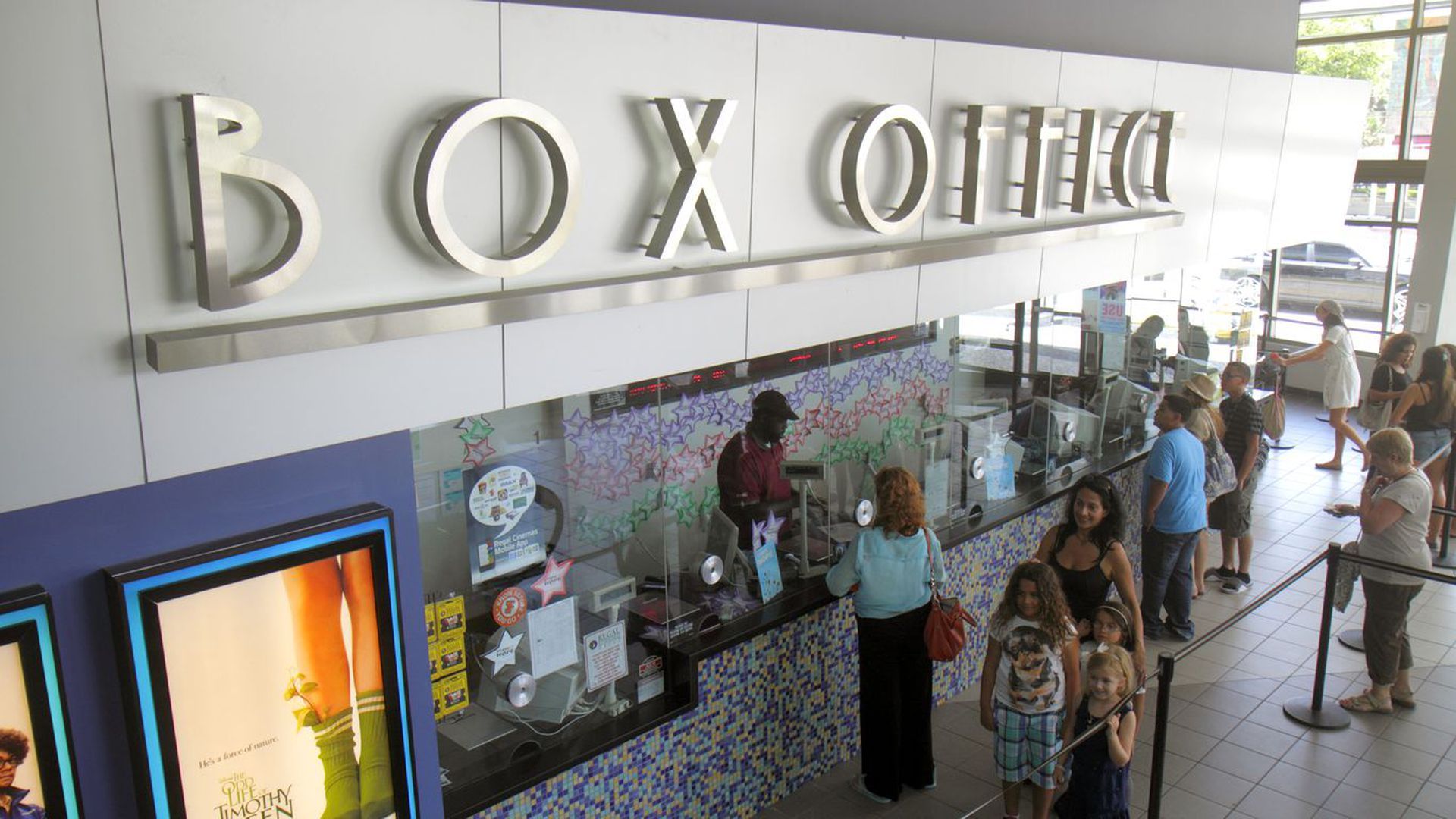
In response to some state-specific efforts to begin reopening movie theaters as soon as next week, the National Association of Theater Owners said Wednesday that it is unlikely many theaters will be ready to resume so soon.
Why it matters: When it comes to the movie theater industry, the business dynamics aren't ready for a full reopen, and consumer sentiment is likely to keep audiences away from theaters for the foreseeable future. Similar dynamics are expected to play out in other industries.
Driving the news: Local governments were left out of the latest coronavirus relief package passed by Senate on Tuesday, despite mayors from across the country asking for $250 billion in direct aid to help cities continue to function as tax revenue plummets and coronavirus-mitigation costs skyrocket.
New York Gov. Andrew Cuomo said at a press conference Wednesday that President Trump agreed during a meeting at the White House to work "very hard" to include funding for state governments in the next coronavirus relief package.
Yes, but: Senate Majority Leader Mitch McConnell said Wednesday that he prefers states be allowed to declare bankruptcy rather than receive federal bailouts.
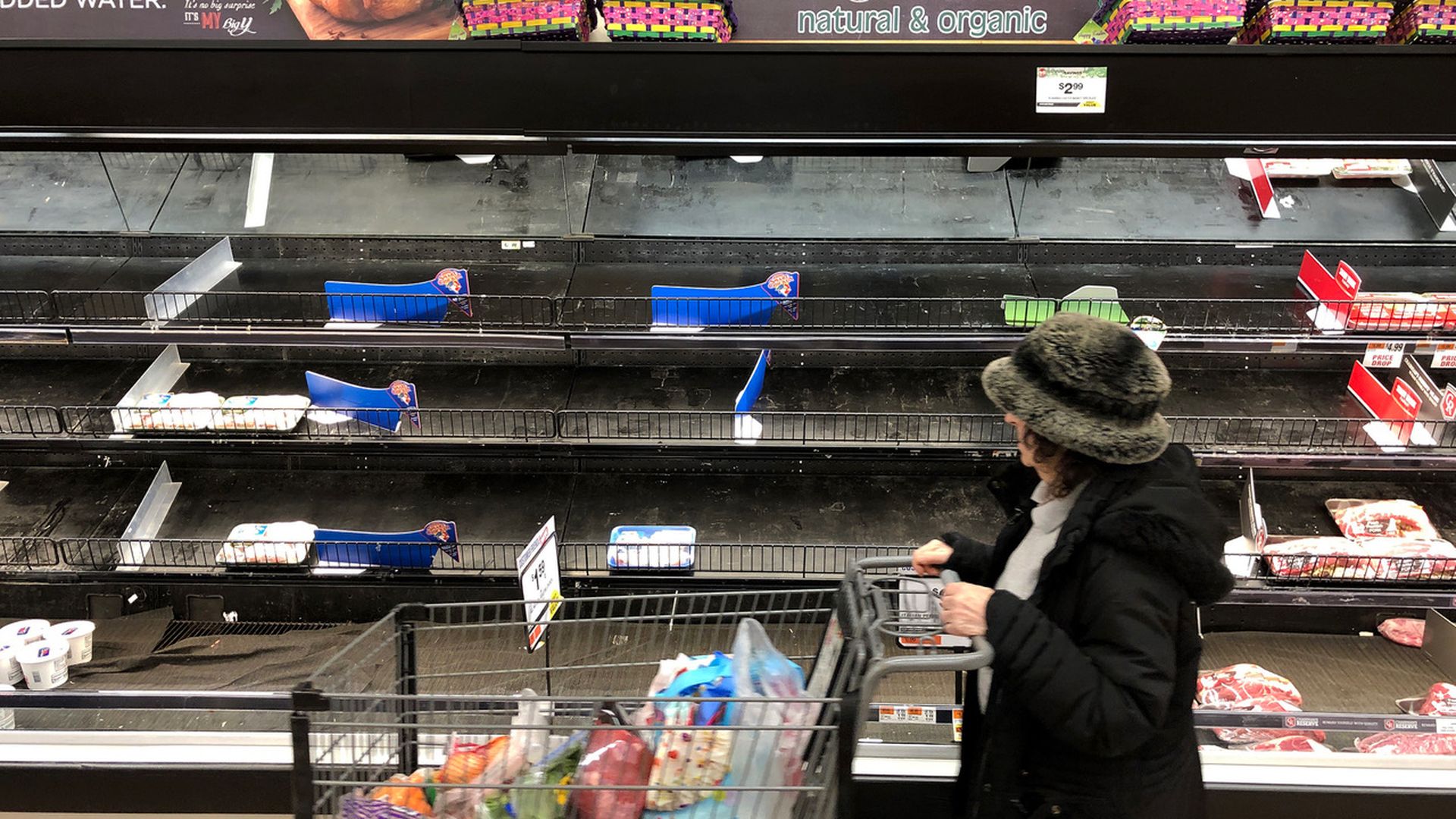
Tyson Fresh Meats, the beef and pork subsidiary of Tyson Foods, is suspending operations at its largest pork plant in Waterloo, Iowa, the company announced on Wednesday.
Why it matters: The closure "further contributes to the disruption of the nation’s pork supply," per the company. It comes as the meat industry has slowed production, leading to price increases, as plant workers across the country have fallen ill with the coronavirus.
Apollo Global Management and Silver Lake are in "advanced talks" to invest around $1 billion in travel-booking portal Expedia (Nasdaq: EXPE), per the Wall Street Journal.
Why it matters: Private equity has begun bargain-hunting, and Apollo and Silver Lake have emerged as the most eager coupon-clippers.
Between price declines and investor redemptions, the value of stock mutual funds and ETFs held by U.S. investors declined by $3.6 trillion during the first quarter.
Why it matters: Not only is the number a record high for a quarter, it's higher than any full year on record, according to data from Lipper Refinitiv.
U.S. farmers are fighting for their livelihoods as the coronavirus pandemic slashes commodity values, cuts off supply chains and closes markets around the globe to their products.
Why it matters: Farmers are at the center of industries being hardest hit by the virus and states' stay-at-home orders.
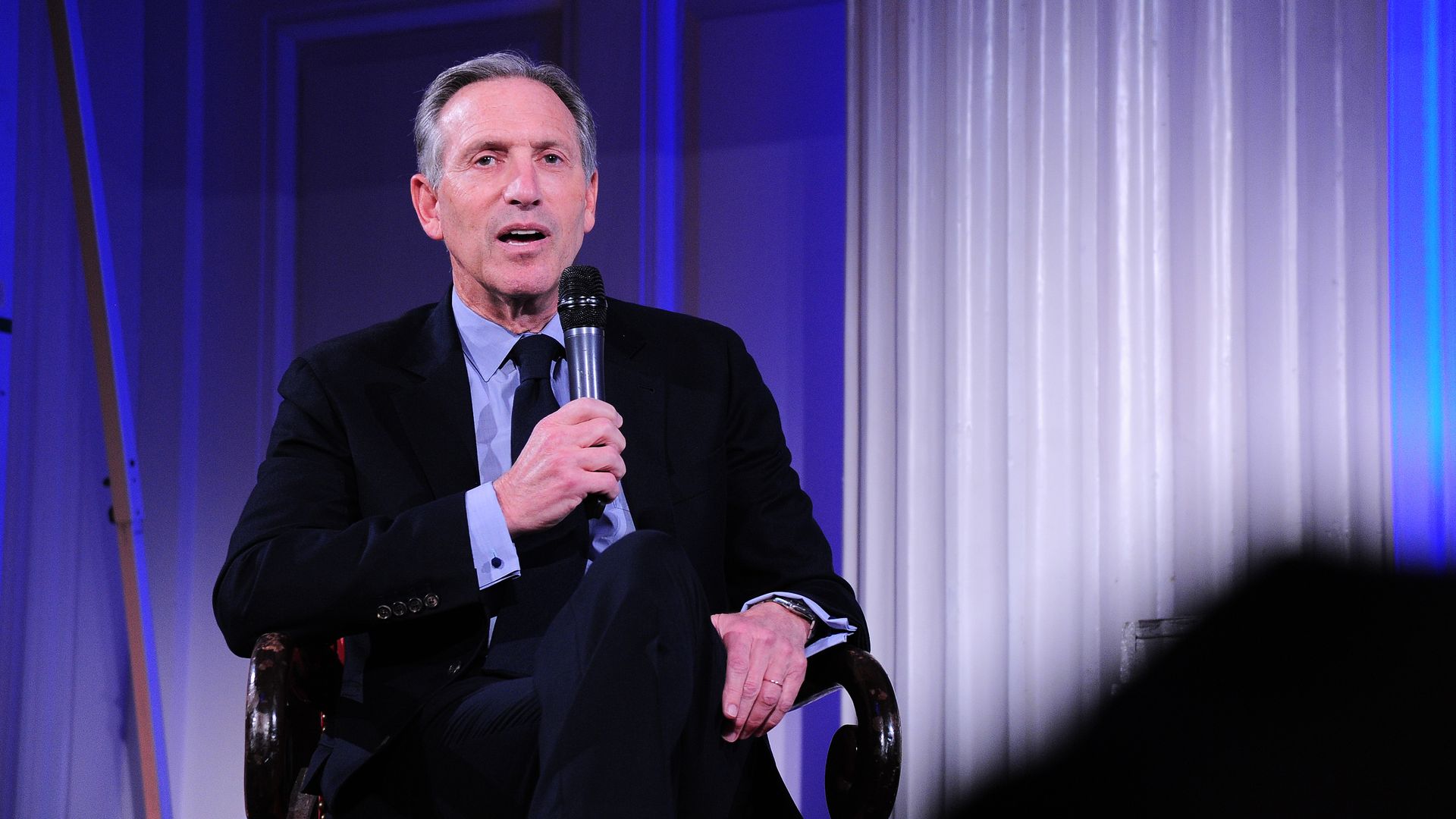
Howard Schultz — the Starbucks chairman emeritus, who has been quiet since dropping out of the presidential race in September — announces on Medium this morning that he'll push for "transformation" loans for small business.
What Schultz is saying: He states that some of the country's independent restaurants are "dismayed" after qualifying for the Trump administration's Paycheck Protection Program since they have to use it specifically to pay employees or risk the grant becoming a loan.
The drastic measures at top digital media outlets serve as a stark reminder that few victims will be spared by the economic crisis prompted by the coronavirus pandemic.
The big picture: Vice Media has laid out a plan for potential layoffs of over 300 people in digital operations, according to The Wall Street Journal. It would be joining Group Nine Media, BuzzFeed, Vox Media, Bustle Digital Group, Cheddar, Maven Media, G/O Media, Protocol and others who have resorted to layoffs and furloughs.
Hospitals, doctors' practices and other health care providers are getting another $75 billion in taxpayer money to cover the fallout of the coronavirus outbreak, bringing the total pot of bailout funds to $175 billion.
The big picture: The first $30 billion has been dispersed to providers based on Medicare billings, which raised the ire of hospitals that treat higher amounts of poor patients and children. The federal government has said the next "targeted distributions" will go to providers in COVID-19 hotspots, rural hospitals and groups that predominantly treat Medicaid patients.
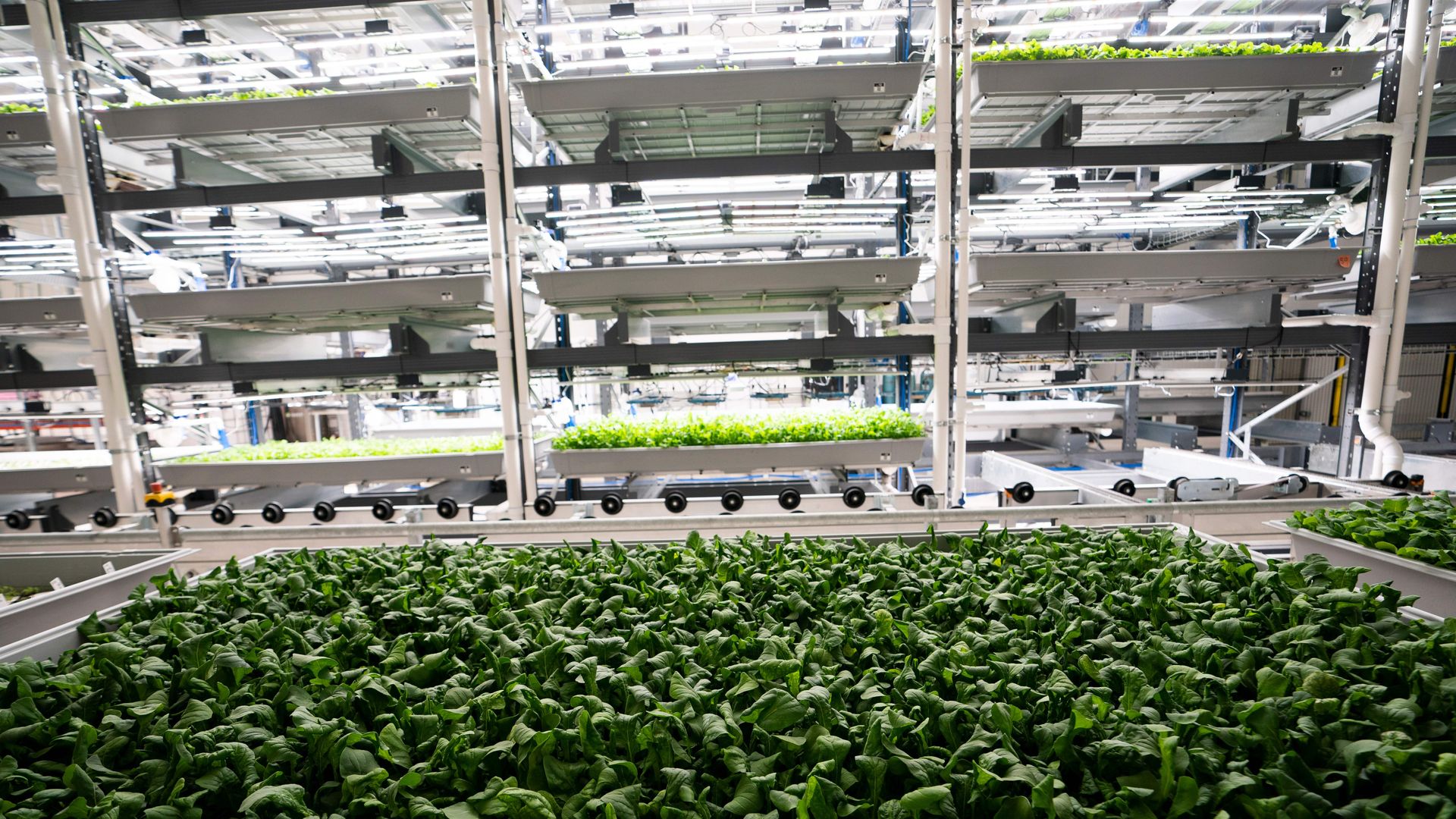
Indoor, urban vertical farms — which grow produce in warehouses with tightly controlled climate and light conditions — are seeing a surge in demand that could signal a lasting change in how we get our fruits and vegetables.
Why it matters: "People are more concerned about who is handling their food, where it's coming from, how many stops did it have before hitting the shelves," said Irving Fain, CEO of Bowery Farming.