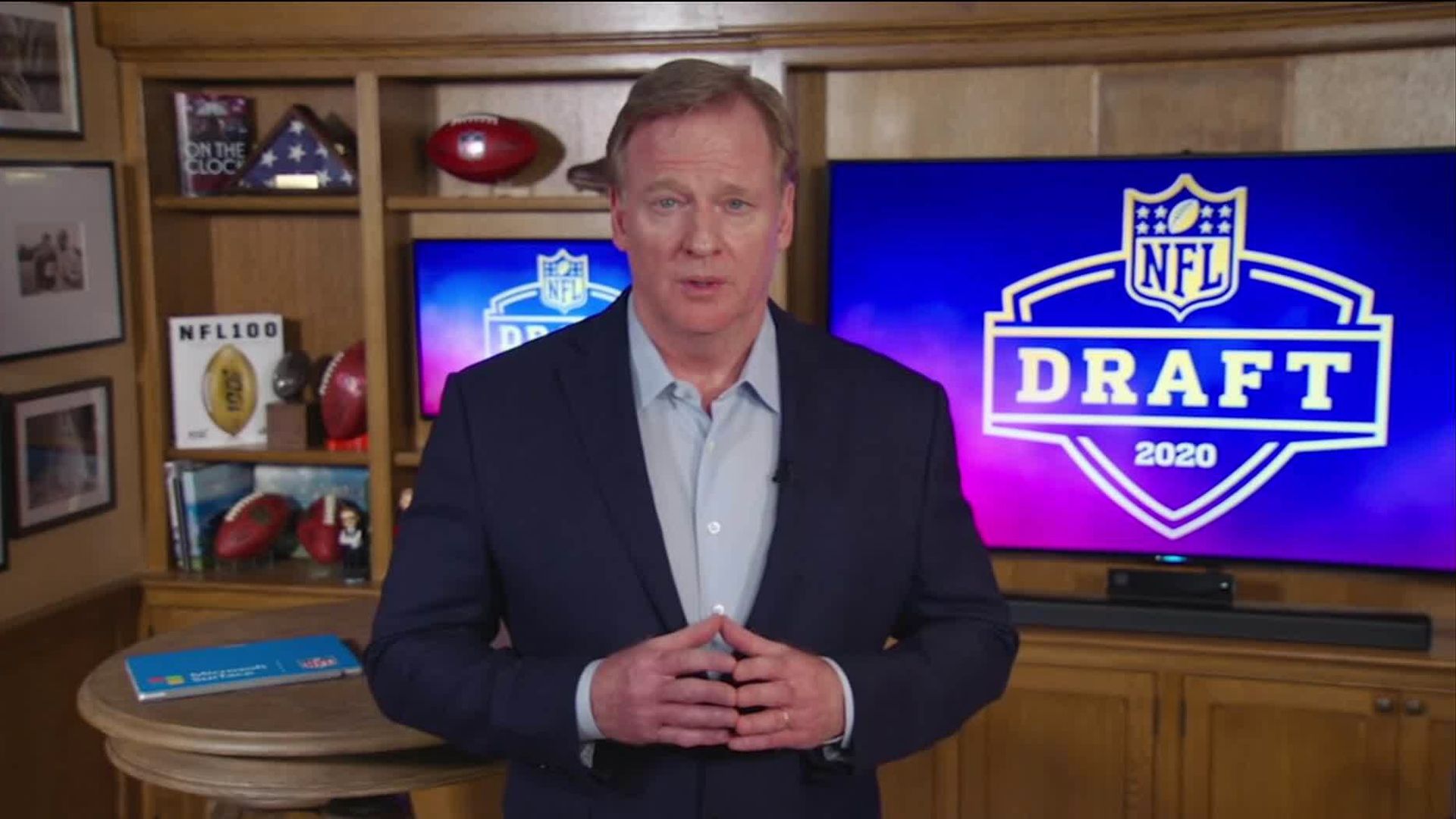
The National Football League's first-ever virtual draft shattered viewership records on Thursday night, with roughly 15.6 million people tuning in across digital platforms, ABC, ESPN, NFL Network and ESPN Deportes, per the NFL
Why it matters: It's no surprise the event drew vast interest, given that there haven't been many other professional sporting events for fans to follow during the coronavirus crisis.
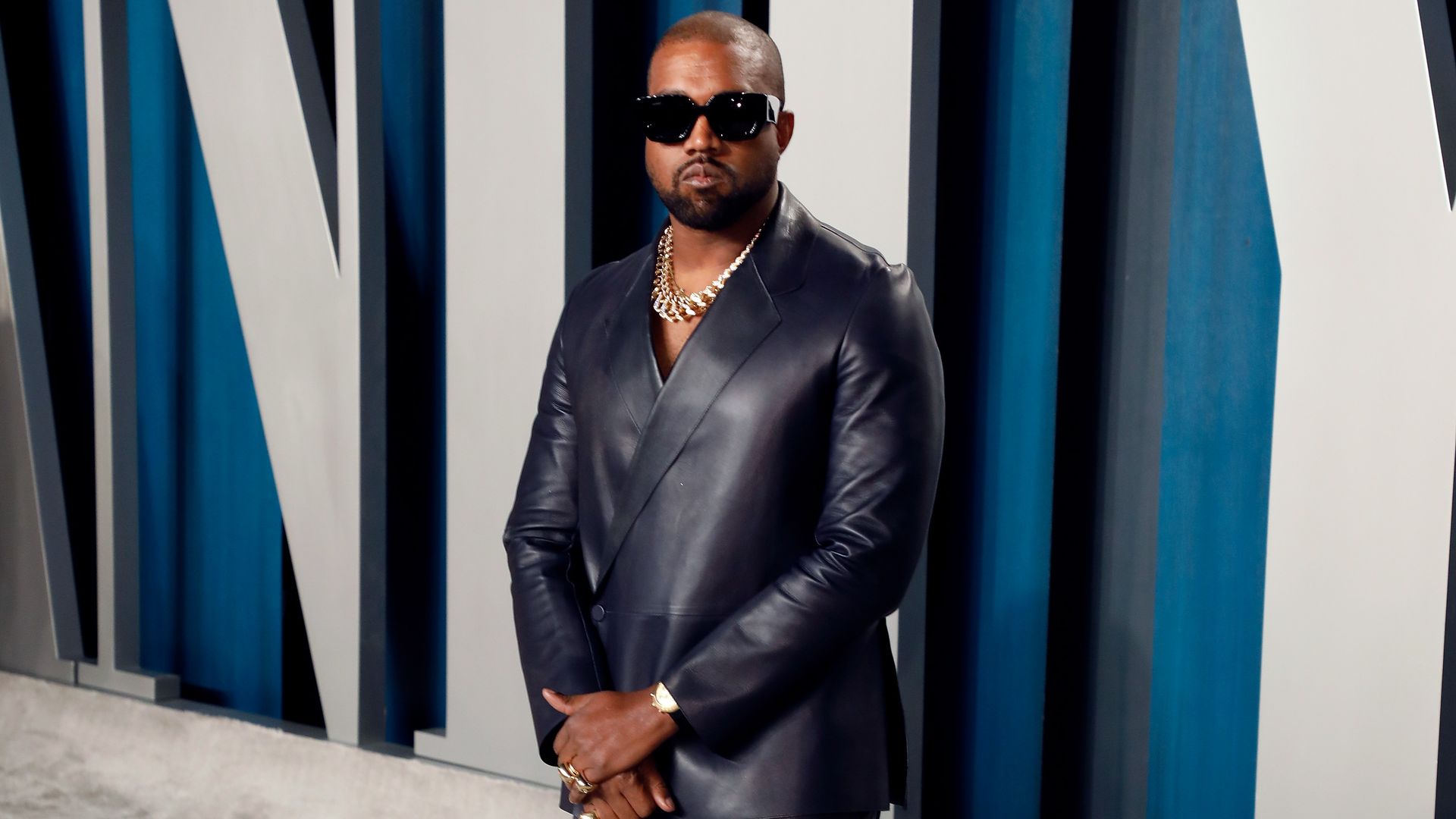
Entertainer Kanye West's sneaker company, Yeezy, was valued around $3 billion, according to a Bank of America document from 2019 reviewed by Bloomberg.
By the numbers: West was in debt four years ago after pouring money into the brand, which he maintains as sole owner. The valuation of "future royalties generated in the footwear category is estimated from $1.75 billion to $3 billion” in 2019, per the bank’s preliminary analysis prepared last September.
Multiple states are preparing to plunge into the unknown with partial coronavirus reopenings for non-essential businesses, and Georgia and Oklahoma will lead the way.
Why it matters: We have no idea how this will go, but experts emphasize that prematurely lifting the lockdowns could create a surge in new cases.
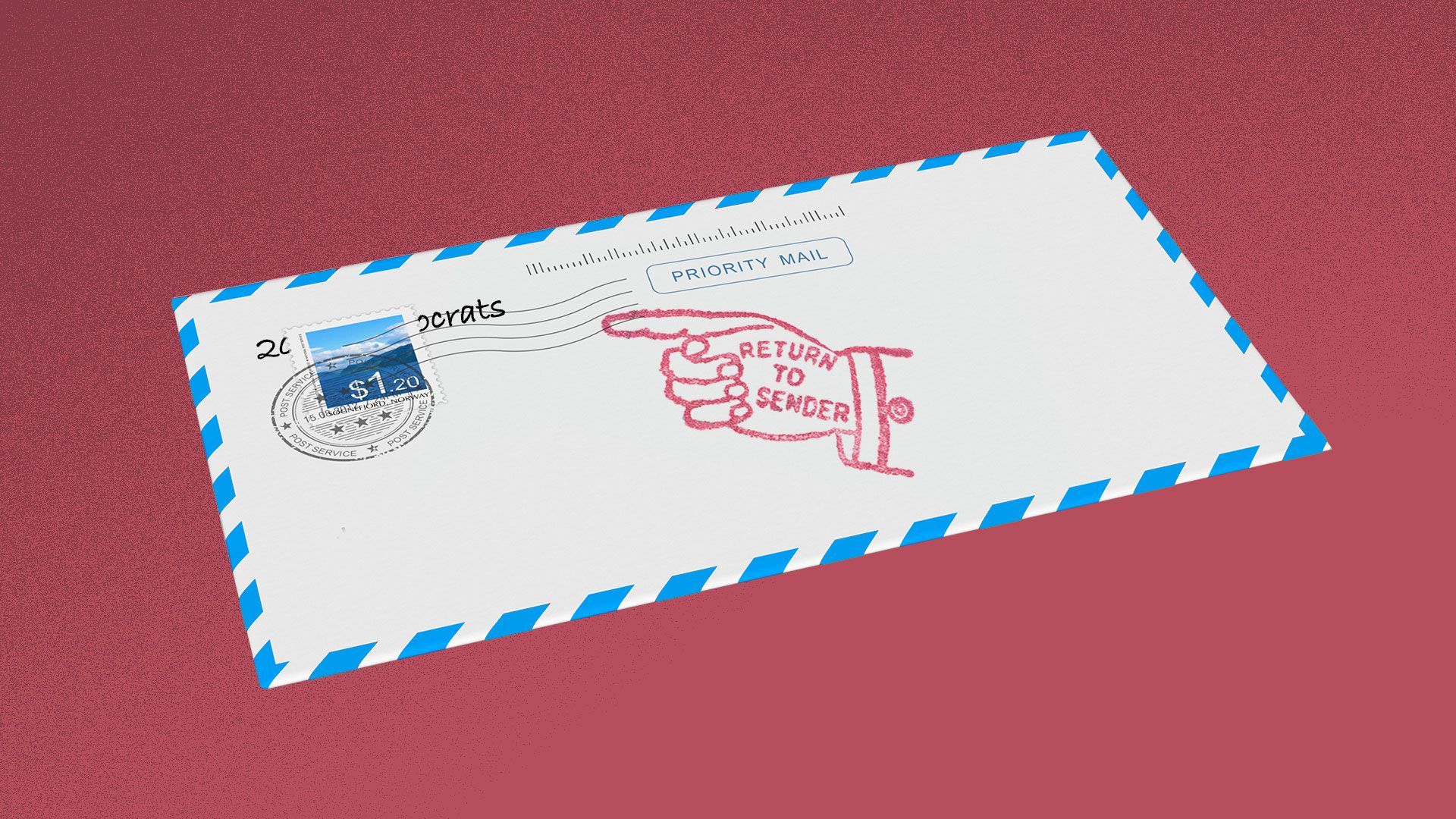
President Trump threatened on Friday to veto any new coronavirus legislation that includes funding for the U.S. Postal Service if it doesn't raise the price large companies, like Amazon, pay for a package "by approximately four times."
Why it matters: USPS is facing widening losses amid the coronavirus pandemic and could run out of money by the end of year if Congress fails to rescue it in the next stimulus package.
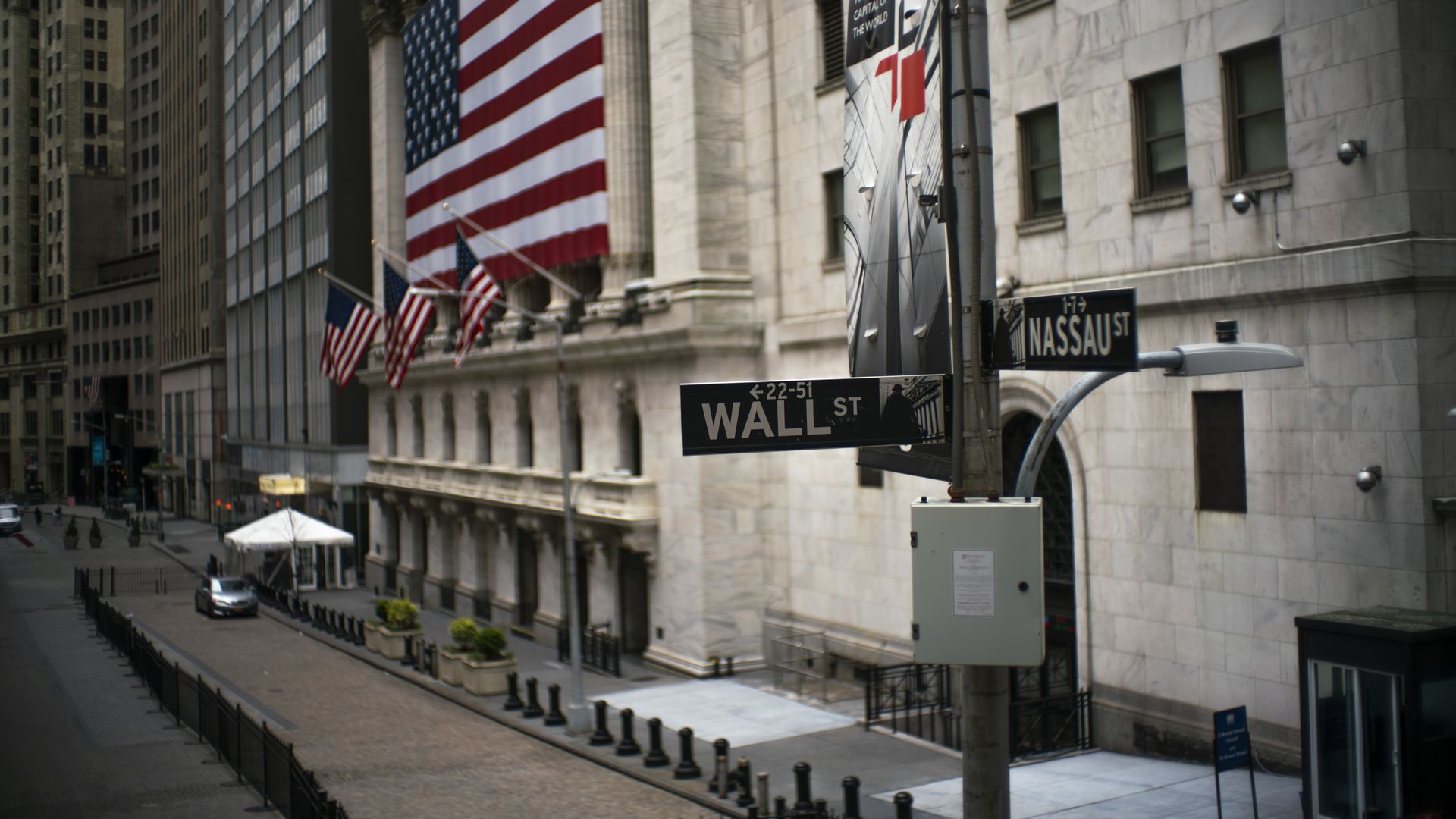
The national deficit is forecast to increase sharply to $3.7 trillion in the 2020 fiscal year, according to a Congressional Budget Office projection out Friday.
By the numbers: The report paints a grim picture of the U.S. economy in the second quarter of 2020. The unemployment rate is expected to average roughly 14% in that time, while GDP is projected to decline by about 12%. Interest rates on 3-month Treasury bills and 10-year Treasury notes are expected to average around 0.1% and 0.6% respectively.
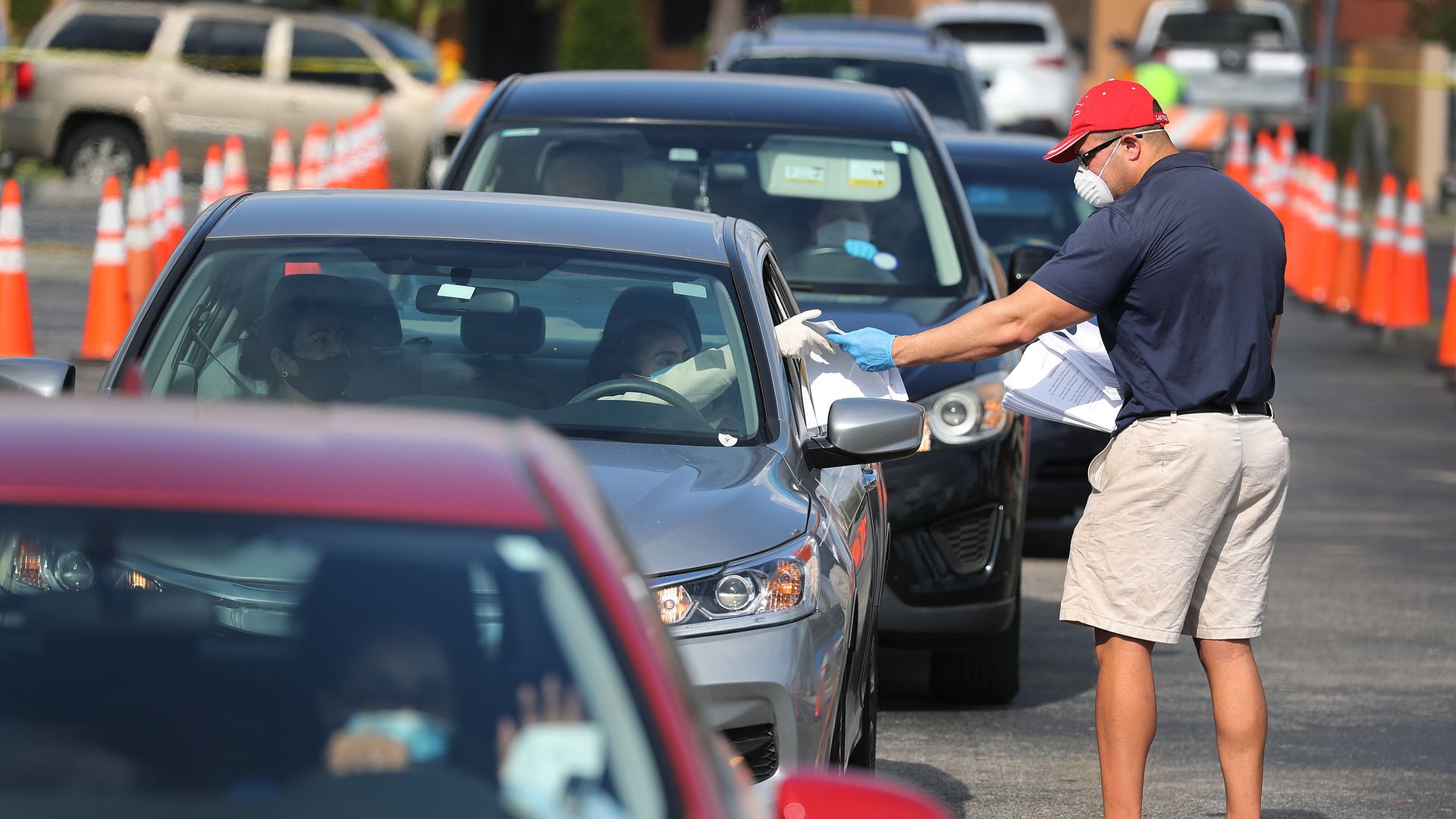
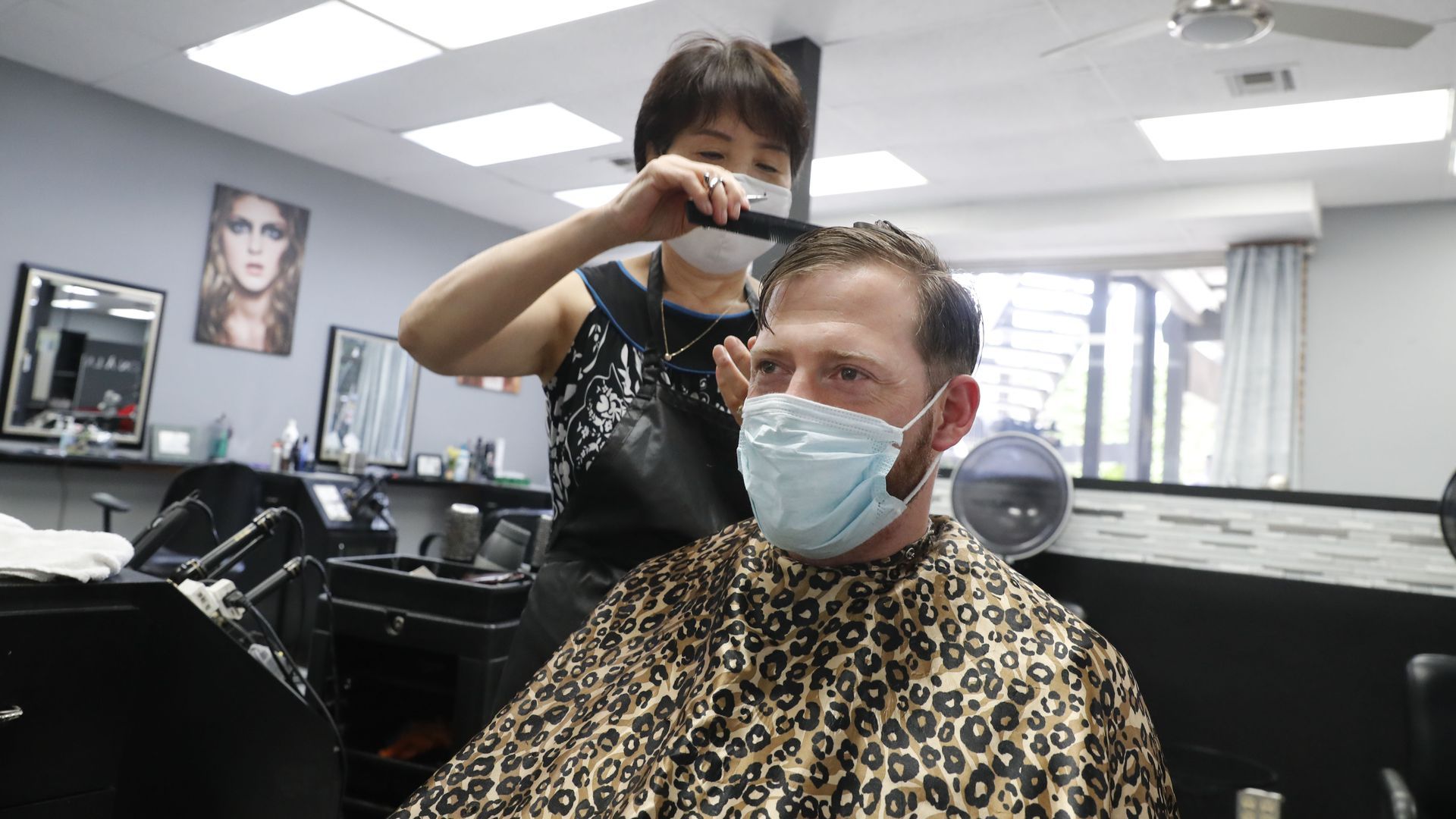
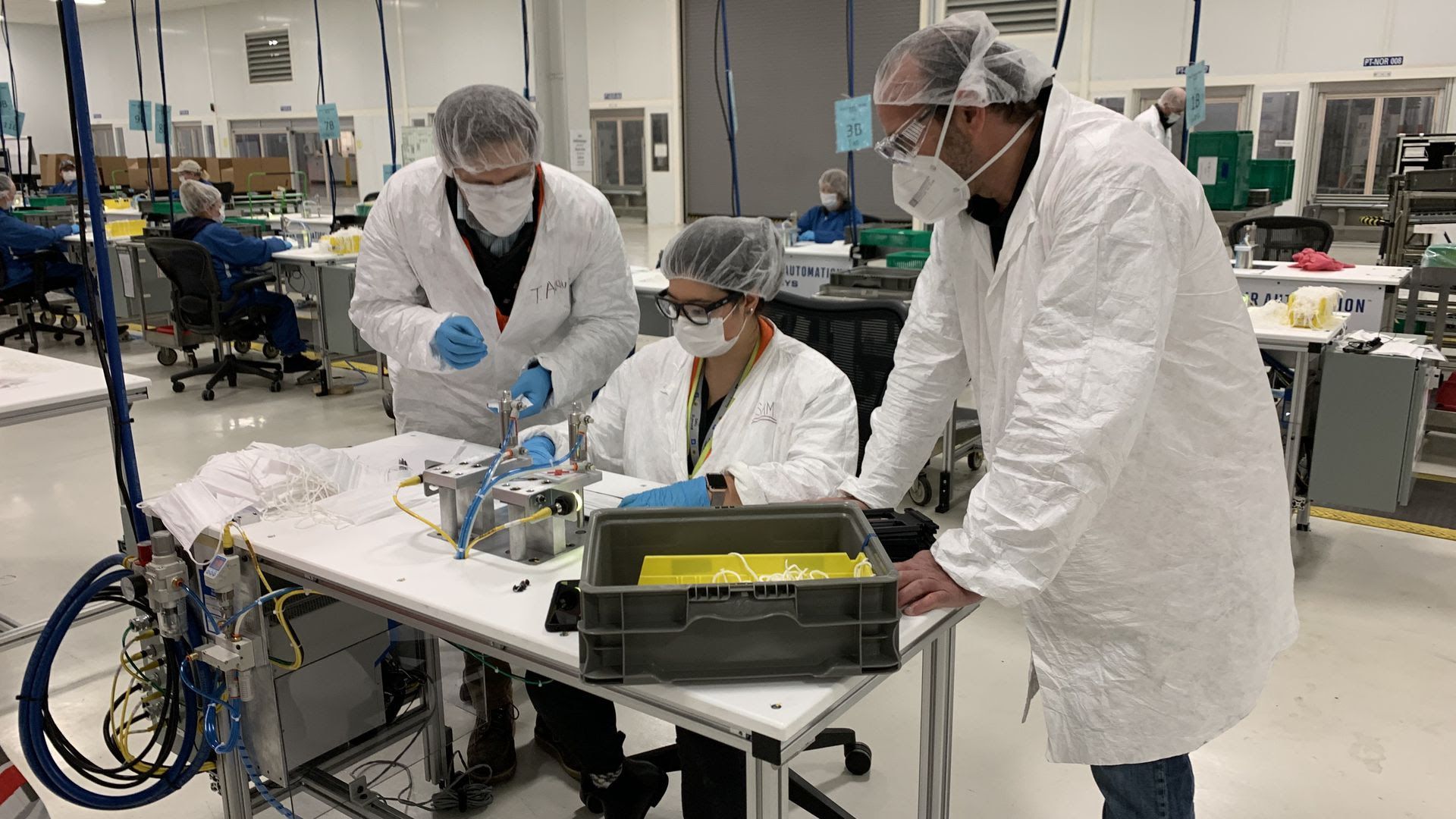
Whether you work in a factory, a retail store, a restaurant or an office, you're going to have to get used to wearing a mask at work for the foreseeable future.
Why it matters: Until there's a vaccine for the coronavirus, or enough people have been exposed that it's no longer a threat, masks will be advised, and likely required, in public.
Unionized auto workers say General Motors, Ford and Fiat Chrysler shouldn't restart production until there is sufficient testing to show it is safe to go back to work.
Why it matters: President Trump and a handful of governors are pushing to reopen the economy, while losses mount at companies whose operations are suspended. But consumers are wary about lifting stay-at-home restrictions too soon, and if worried employees don't show up either, it will be next to impossible to get America back up and running any time soon.
Restarting vehicle manufacturing plants when it is safe to do so would surely be good news for the U.S. economy, but it's only half the equation for automakers.
The big picture: Until consumers are ready to buy cars again, the industry's recovery will be muted.
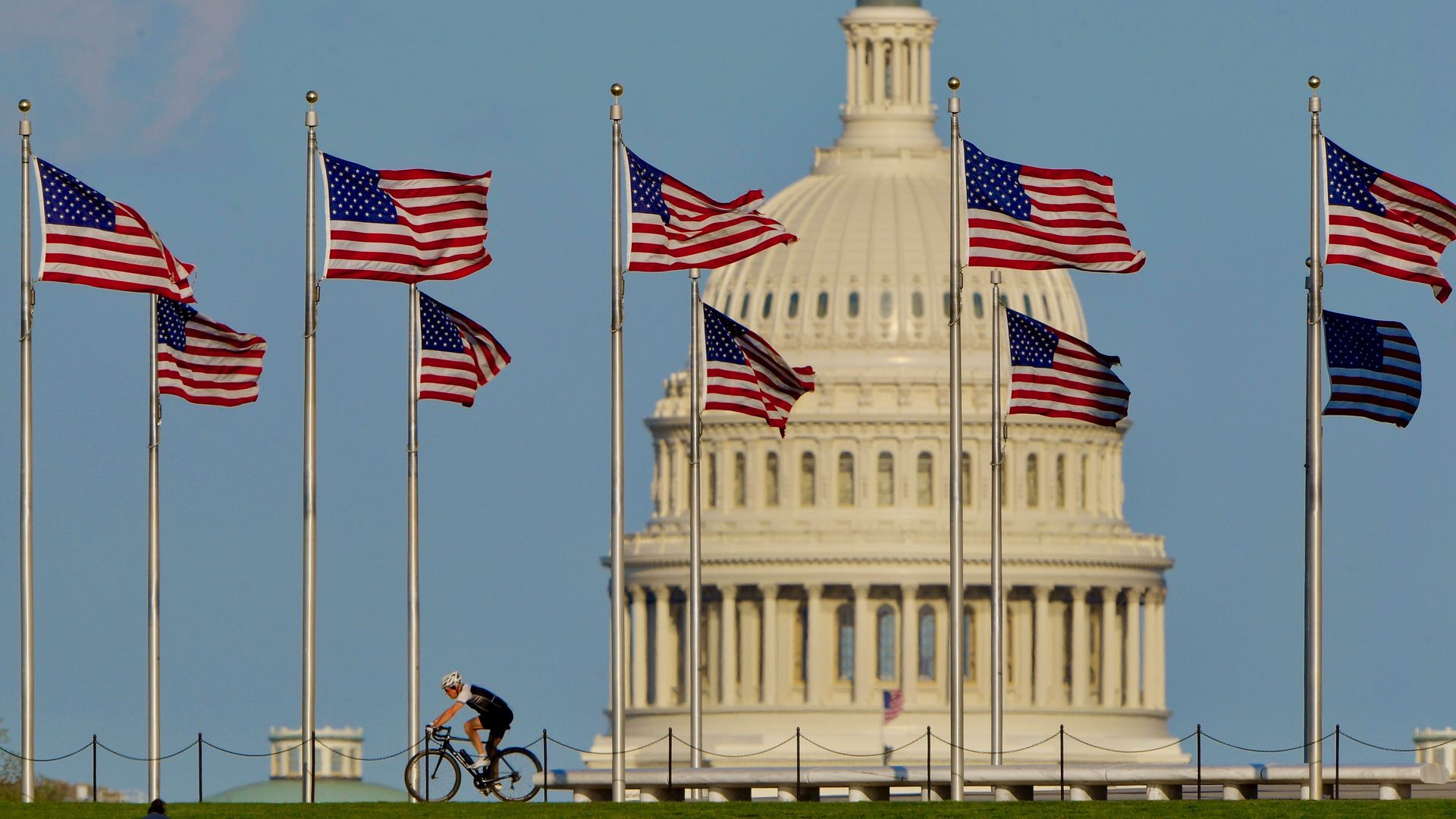
Merger activity has slowed to a trickle, but it's a raging river compared to what could be coming if some in Congress get their way.
Driving the news: Rep. David Cicilline (D-R.I.), who chairs House Judiciary's antitrust subcommittee, yesterday proposed a moratorium on all M&A activity outside of situations in which companies are bankrupt or on the brink of insolvency.
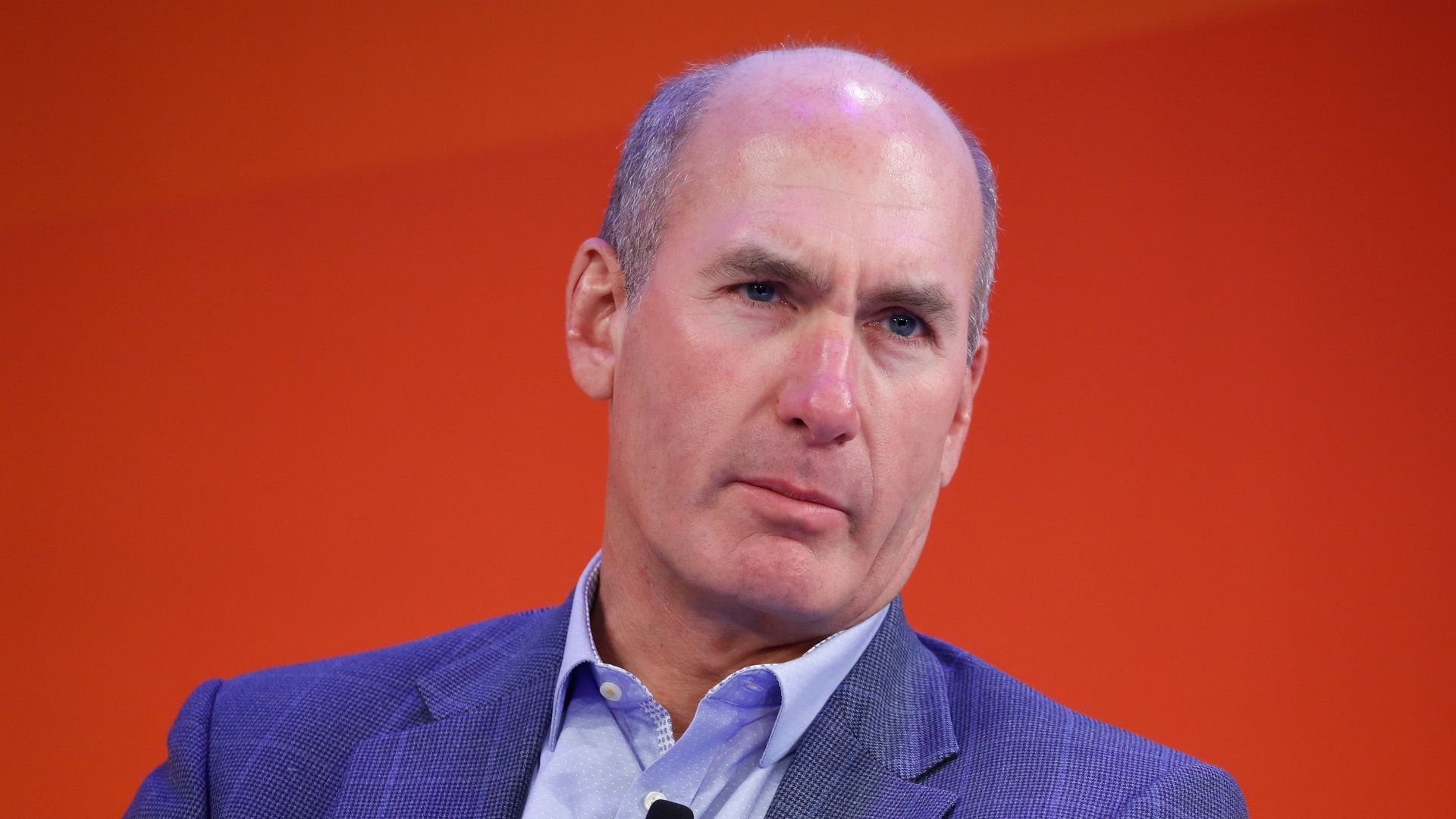
John Stankey will become CEO of AT&T when current CEO Randall Stephenson retires on July 1st, the company announced Friday at its annual shareholder meeting.
Why it matters: Stankey is currently AT&T's COO, and a bitter shareholder battle last year threatened his shot at the top job.
ORIC Pharmaceuticals, a developer of therapies for treatment-resistant cancers, raised $120 million in its IPO. The San Francisco-based company priced 7.5 million shares at $16, versus initial plans to sell 5 million shares at between $14-$16, giving it an initial market cap of $441 million.
Why it matters: This reflects how the IPO market remains open for biotech startups and SPACs, likely because neither type of issuer has any revenue to lose from pandemic closures.
Intel reported strong quarterly earnings Thursday, but its shares fell in after-hours trading amid concerns around its near-term outlook.
Why it matters: Investors are trying to figure out what to expect from the tech sector as the impact of the coronavirus and related shutdowns works its way through the economy. Some parts of the tech sector would appear to still be seeing strong demand amid the shift to remote work and e-commerce.
Some warehouse workers at Amazon are expected to call in sick Friday as a protest against what they say are inadequate protections for employees and retribution from the company against those who speak out.
Why it matters: Amazon has become a critical source of goods amid a pandemic that has shut down much of traditional retail. However, critics say the company has not done enough to prevent the spread of coronavirus among warehouse workers.
CityLab has some fascinating reporting on European cities making changes to their transit policy that will outlast the immediate crisis and, more intriguingly, perhaps become permanent after initial reemergence from lockdown.
Driving the news: It notes that in the near term, transit policies and systems will change in recognition that people should not be — and don't want to be — crammed into buses and trains cheek-by-jowl.
The return of Boeing's 737 MAX will likely be delayed until at least late summer as the coronavirus pandemic presents new challenges for the troubled jet's recertification process, the Wall Street Journal reports.
Why it matters: With the airline industry suffering amid coronavirus-driven travel restrictions, the plane's return could have given Boeing a much-needed financial boost.
Institutional investors revived their flight to safety last week, pushing inflows to money market funds to all-time-high levels, largely unaccompanied by retail investors.
What it means: Money market funds saw inflows of $108.70 billion for the week ending April 22, almost all of which came from professionals who added $108.26 billion.
The state of play: The true number of people currently unemployed in the U.S. is likely between 32 million and 70 million, putting the unemployment rate somewhere between 20% and 45%.
The stock market has risen by 25% since the Fed announced its QE-infinity program on March 23, committing to buy an uncapped amount of U.S. government debt for an unspecified amount of time, but 2020 has been all about the surge in U.S. Treasuries.
The big picture: Already seeing a bid this year as bond investors piled in because of early fears about the coronavirus and the U.S.-China trade war, long-dated Treasuries have been the world's best performing major asset class this year by a wide margin.
While usage of most mobile apps has remained neutral during the coronavirus pandemic, social media app usage has exploded during the lockdown, according to new data from Nielsen.
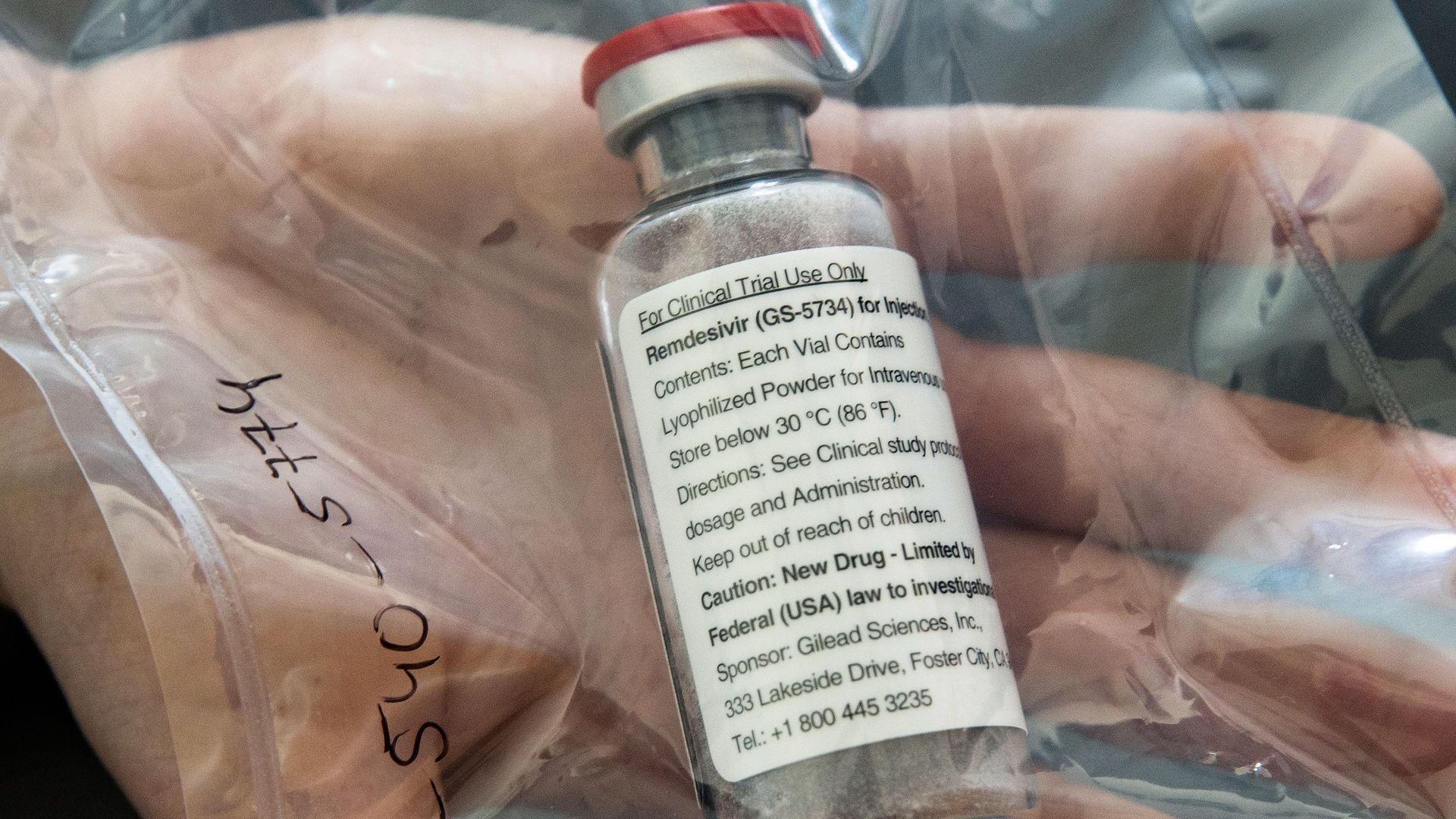
Depending on the study, remdesivir is either a clinical failure or a godsend for treating the novel coronavirus.
The big picture: The grim reality of the coronavirus pandemic has the world itching to know which experimental treatments actually work, but we're not necessarily getting any smarter from these incremental drips of incomplete information.










/2020/04/24/1587736891266.gif?w=3840)