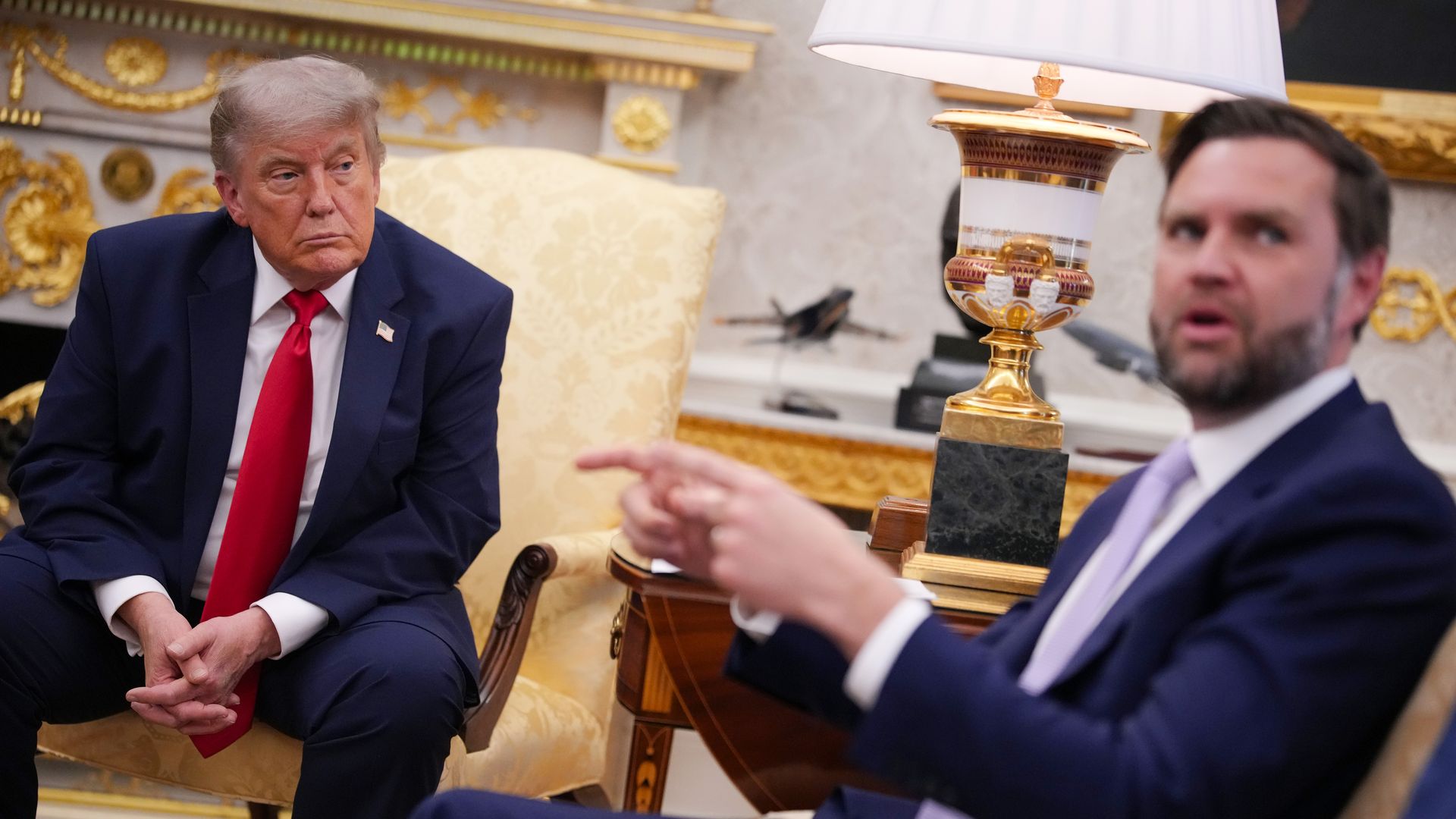
The Trump administration is demanding that Iran publicly acknowledge that the Strait of Hormuz is open and pledge to stop firing on commercial ships.
The message has been conveyed directly and through regional mediators, three U.S. officials said in a briefing with reporters Friday.
Why it matters: The administration says Iran violated the memorandum of understanding it signed with the U.S. three weeks ago by repeatedly firing on commercial vessels in and around the strait.
Apple is suing OpenAI for trade secret theft, alleging the AI giant deliberately and systematically solicited and stole confidential information from the iPhone maker's current and former employees.
Why it matters: Apple has lost significant talent to OpenAI as the frontier lab prepares to unveil its first hardware device this year.
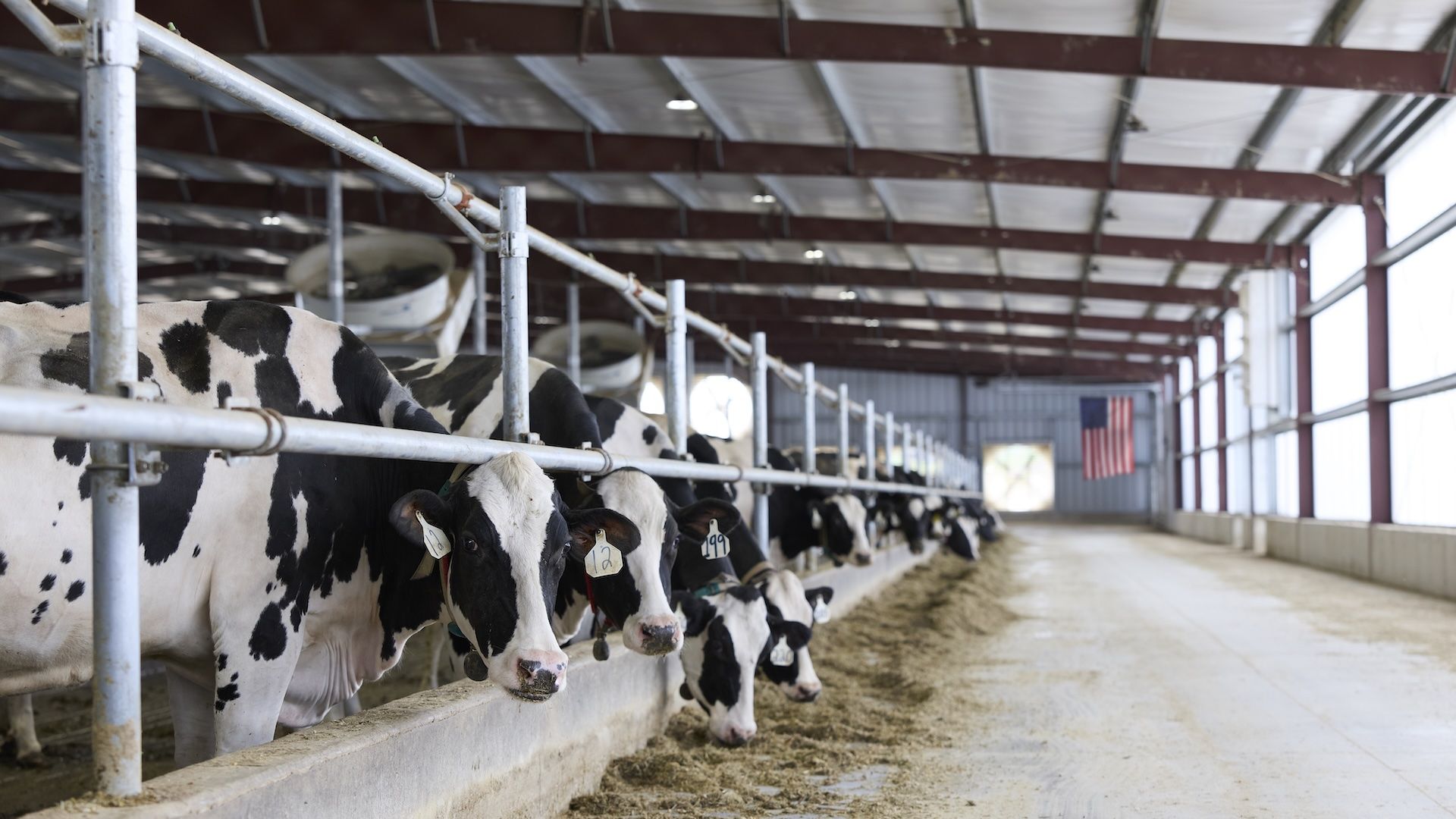
According to a study by NSF research, 64% of U.S. consumers now pay more attention to food labels compared to five years ago, suggesting that consumers are more aware of the nutrient-density of their food.
Why it's important: Meeting growing expectations for nutrition requires coordination across the food ecosystem, including deep collaboration with farmers, manufacturing and nutrition science.
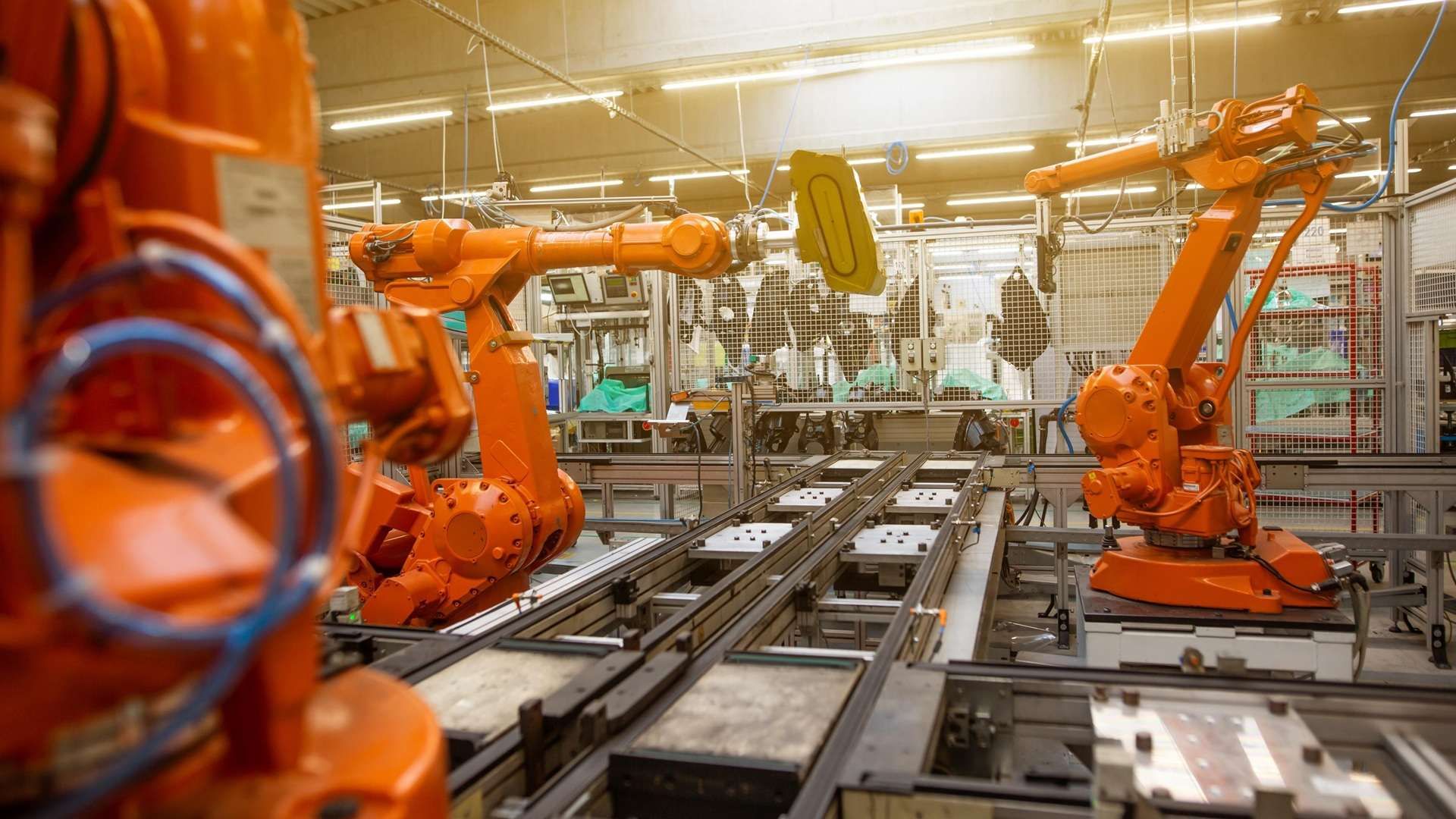
Our smartphones, electric cars and smart home electronics feel effortless, but behind them sits a dizzying web of interconnected hardware, mechanics and silicon.
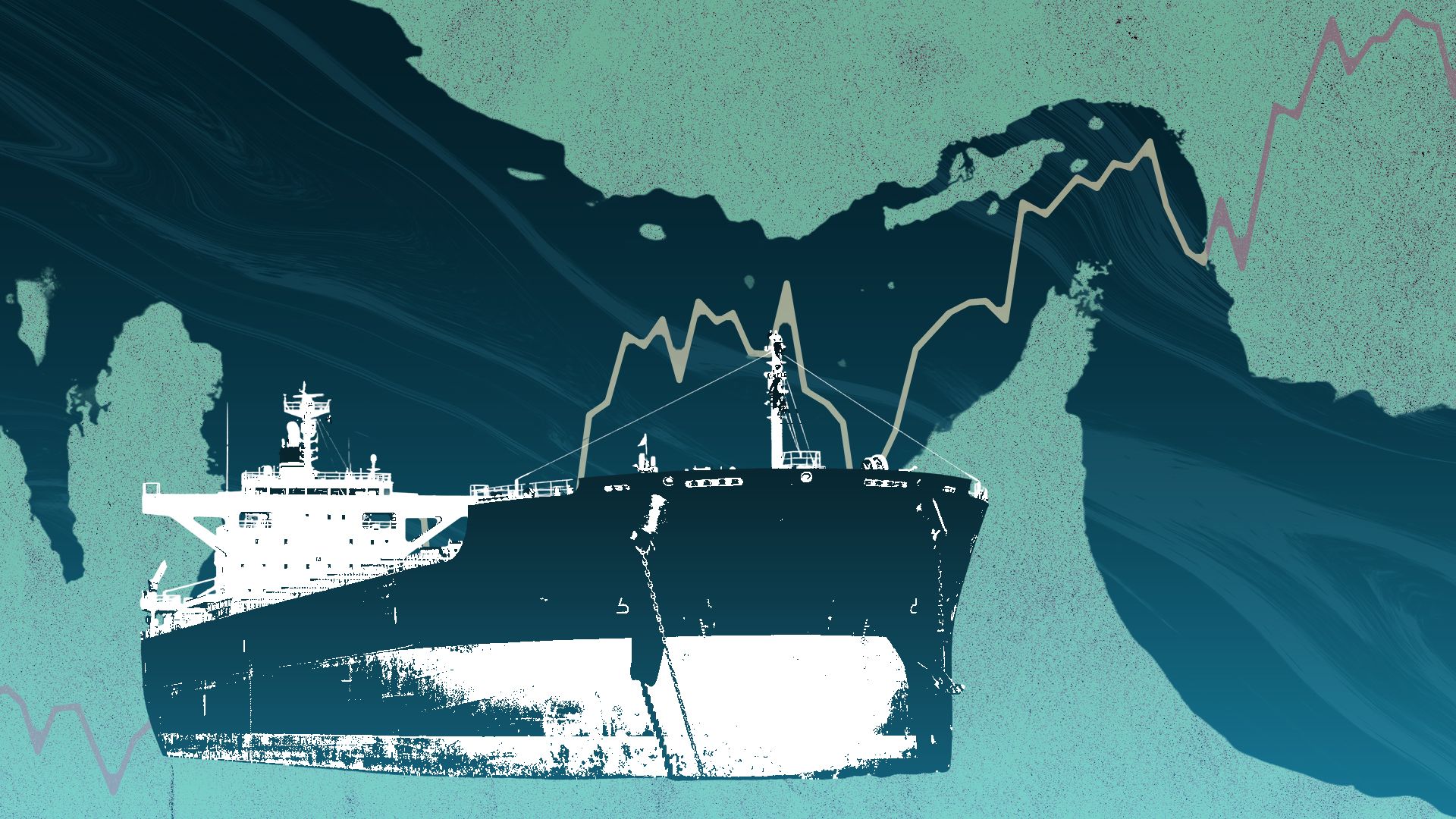
Crack spreads — energy industry measures of the gap between crude prices and refined products like diesel — have soared in recent days as the global fuel picture is increasingly determined by global politics and war.
Why it matters: Crack spreads are basically the profit margin that refiners add on top of the price of a barrel of crude in order to come up with the prices they charge for refined products like diesel.
Because the crack spread for diesel fuel, charted above, is rising, diesel fuel will likely get more expensive.
And because diesel is a key input for industries like trucking and agriculture, higher diesel prices will ultimately be passed along to consumers, at least in part.
Meta's move to allow users to create AI images using the likenesses of people with public Instagram accounts is drawing criticism from several camps, including privacy advocates and those who represent celebrities.
Why it matters: The backlash highlights a core AI-era fight: whether people should have to opt out of having their faces used in AI-generated content, or whether companies should get affirmative consent first.
After years of touting ambitious climate goals, big tech companies are now facing new scrutiny over what they disclose about AI's environmental footprint.
Why it matters: The AI boom is turning a handful of tech companies into defining players in the debate over electricity and water use. Their willingness to disclose these impacts is becoming almost as important as the impacts themselves.
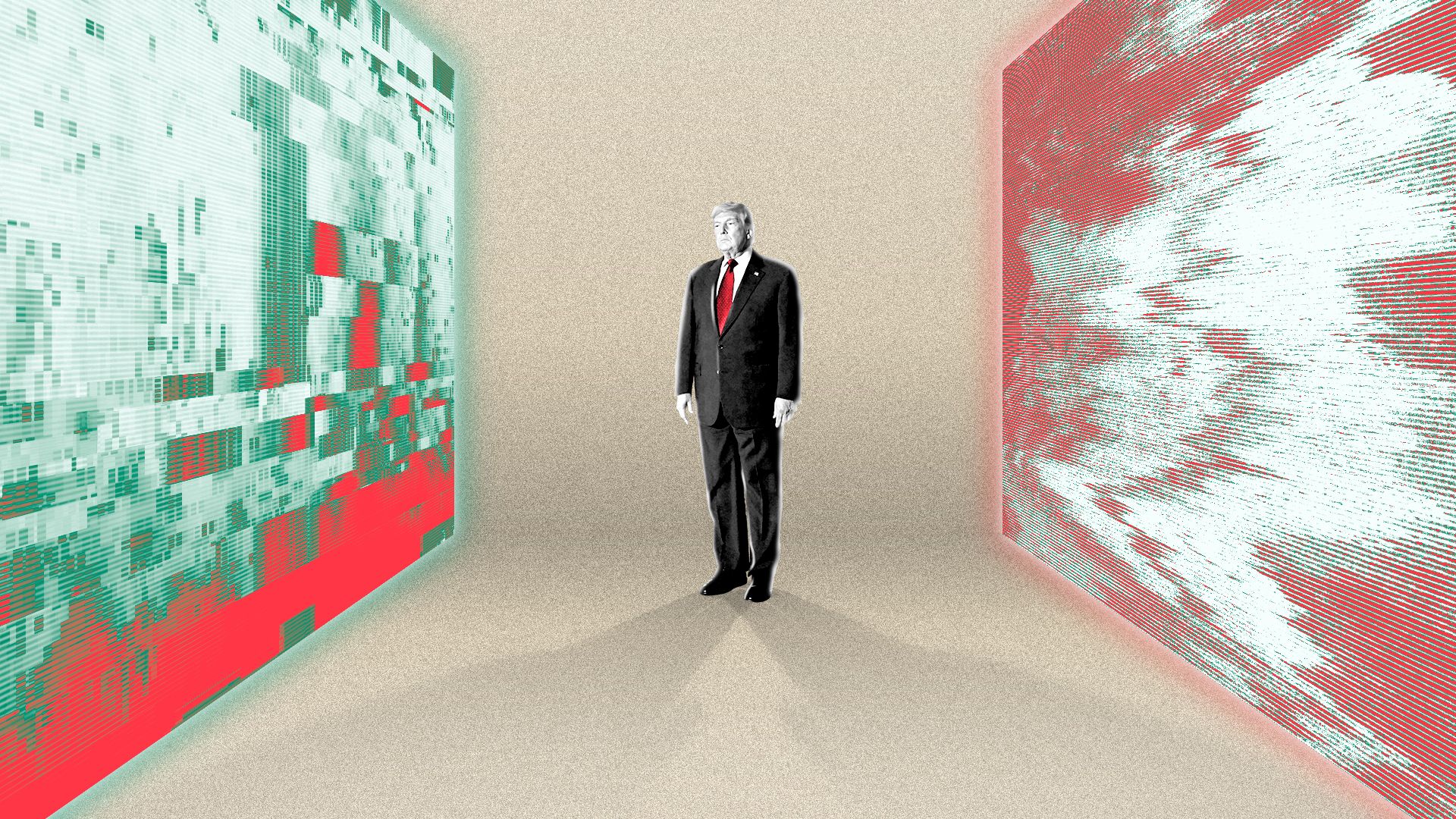
As fresh U.S. strikes hit Iran, President Trump's Truth Social profile became a visual diary of distant violence, distilling the Iran war into shareable clips and memes even as he demanded an end to hostilities.
The big picture: While Trump revels in the video game-like spectacle of raw military power in Iran, Venezuela and the Caribbean on social media, he's also scrambling to find an off-ramp to a war Americansdon'tsupport.
OpenAI on Thursday broadly released GPT-5.6, after staggering the powerful new model's rollout per a U.S. government request.
Why it matters: The leading players in AI are all speeding forward at breakneck speed, but the increasing power of the latest models has the Trump administration rethinking its previous hands-off approach.
For years, the economy has looked K-shaped. There's new evidence that some of that divide is beginning to narrow.
The wage-growth gap between lower- and middle-income workers has disappeared — with pay gains among lower-income workers nearly matching those of their higher-income counterparts.
Spending growth among lower- and higher-income households is the most similar in years.
Why it matters: A resilient labor market is chipping away at one dimension of the K-shaped economy, even as the wealth divide remains firmly intact.
If there's an overarching theme to Axios Communicators, it's the growing prominence of communicators, who are evolving from scribes restating others' priorities to trusted strategists directly counseling CEOs.
Why it matters: How communicators in those positions are approaching their roles, exerting their influence, and keeping seats at the leadership table revolve around four principles, according to conversations I've had this week with comms leaders reporting directly to their CEOs and advisory leaders who counsel them.
More venture capital dollars were invested in U.S. companies during the first half of 2026 than in any full year, according to data released Wednesday by PitchBook and the National Venture Capital Association.
By the numbers: U.S. companies raised $412.7 billion between January and June, a whopping 29% increase over what U.S. companies raised in all of 2025 and a 15% increase over the all-time record set in 2021.
B Capital and CalPERS on Wednesday agreed to acquire Russell Investments from TA Associates and Reverence Capital Partners.
Why it matters: It's not normal for a venture capital firm to buy a 90-year-old business from private equity, but we could see more of this as legacy industry looks to AI for growth and relevance.
Facebook's parent company on Thursday updated its Muse Spark large language model and followed through on a promise to make it available to developers.
Why it matters: It's a busy period for model upgrades across the industry, with OpenAI and SpaceXAI also debuting faster models this week.
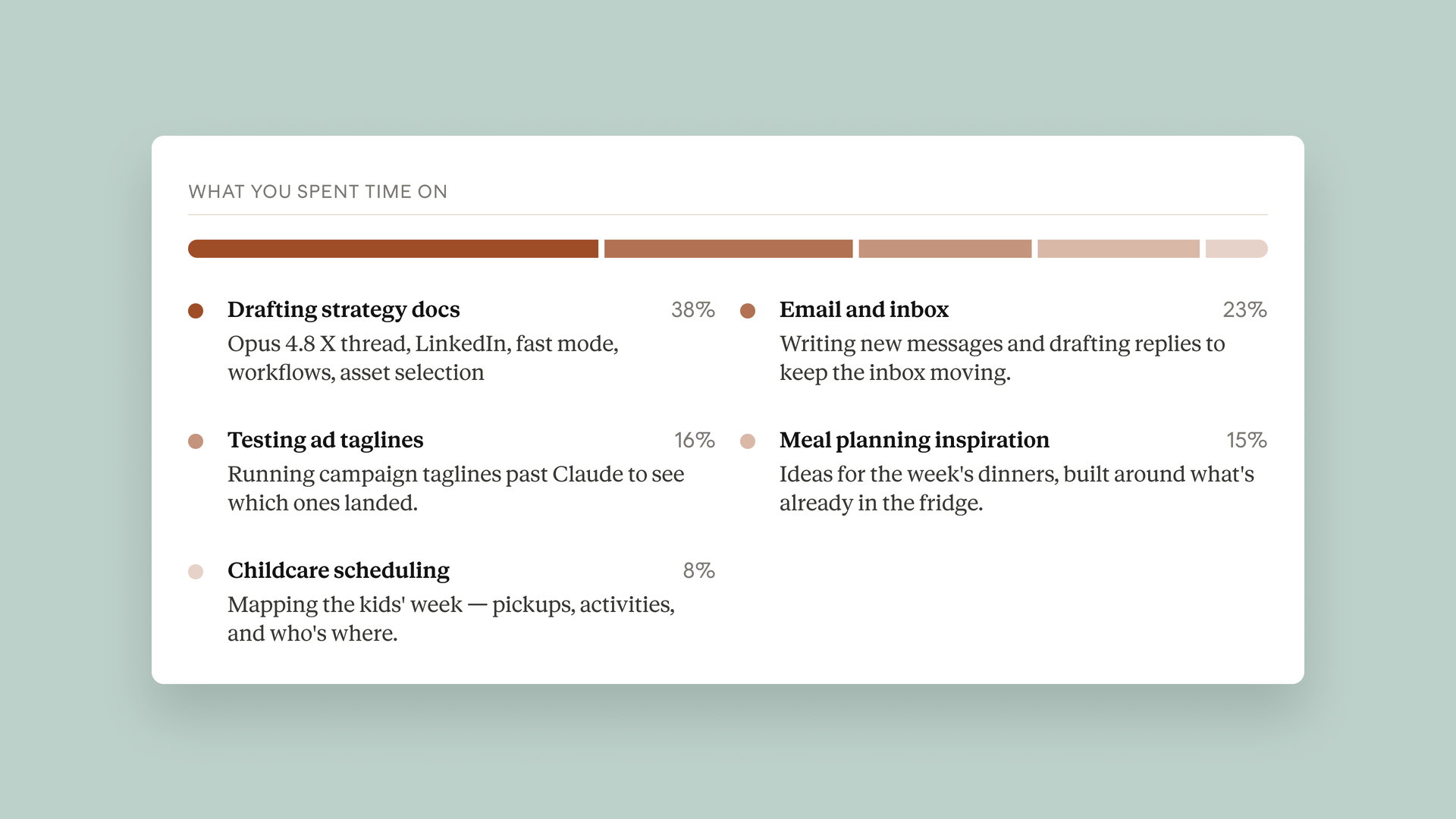
Anthropic is testing a new Reflection tool that helps Claude users see when they use the chatbot, what they use it for and whether that lines up with their goals.
Why it matters: AI chatbots are becoming work tool, search engine, confidant and coach all at once — raising the same kinds of questions about healthy use that social media did, but with even more intimate data.
As civic leaders and policymakers look to strengthen economic opportunity for all Americans, new research from the Capital One Insights Center unpacks small business owner confidence and how they are unlocking efficiency and new levels of growth.
The oil economy's surprising flexibility and countries' plans to cut reliance on the Strait of Hormuz could together limit how much the war boosts the global energy transition.
Why it matters: Energy crises have long-term consequences — like the 1970s oil shocks that brought U.S. gasoline mileage rules for cars, and the country's turn away from burning oil to make electricity.
President Trump's threat to "cut off all trade" with Spain was immediately a market event — at least in Europe.
Why it matters: Well into Trump's second term, foreign investors aren't totally dismissing the president's trade threats, even if the legal authority, the path to implementing them and the ultimate outcome remain unclear.
The group behind a 2025 report predicting dire outcomes from AI development is out with a new prescription: To avoid dangerous outcomes from superintelligent AI, slow everything down.
Why it matters: The researchers behind the new essay, first shared with Axios, are saying that while people can't stave off the development of superintelligence, they can slow it down so the world is ready when it comes.
America's state governments now run on two very different tax engines: income in many coastal and professional-class states, and consumption in much of the Sun Belt and low-tax-growth belt.
Why it matters: States are not just competing over tax rates. They've built systems around which parts of the economy to tax — and which residents feel it most.
The U.S. military struck Iranian targets near the Strait of Hormuz on Wednesday, a U.S. official said.
Why it matters: This was the second day in a row that the U.S. had attacked Iranian targets in what U.S. officials say is an effort to stop Tehran from striking commercial ships in the Strait of Hormuz.