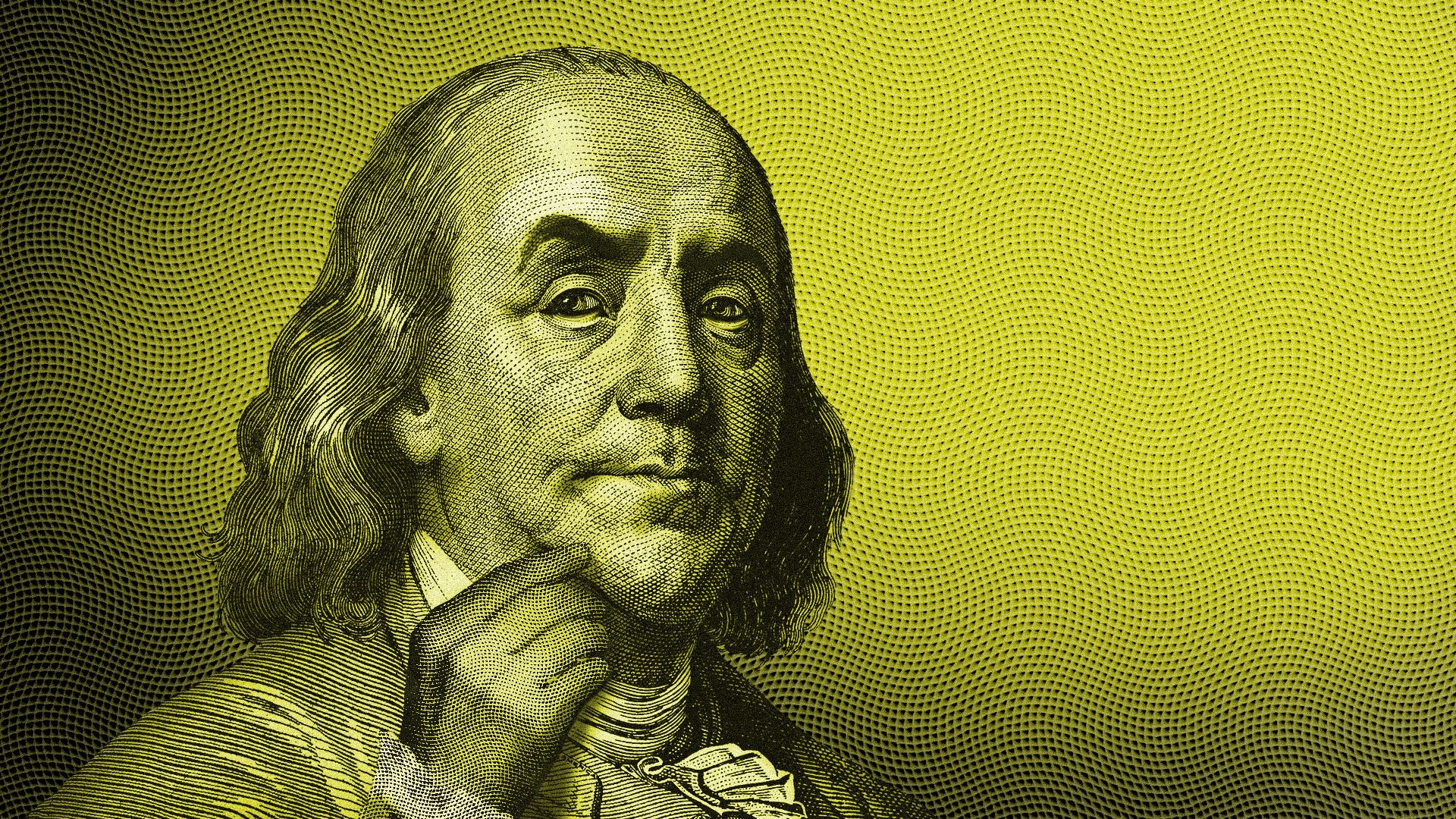
American political leaders on the left and right are rebelling against the market-first consensus that dominated Washington for four decades.
Why it matters: The result is one of the biggest shifts in U.S. economic policy since the Reagan revolution, overturning decades of orthodoxy on trade, manufacturing, housing, health care and corporate power.
The Trump administration is demanding that Iran publicly acknowledge that the Strait of Hormuz is open and pledge to stop firing on commercial ships.
The message has been conveyed directly and through regional mediators, three U.S. officials said in a briefing with reporters Friday.
Why it matters: The administration says Iran violated the memorandum of understanding it signed with the U.S. three weeks ago by repeatedly firing on commercial vessels in and around the strait.
Apple is suing OpenAI for trade secret theft, alleging the AI giant deliberately and systematically solicited and stole confidential information from the iPhone maker's current and former employees.
Why it matters: Apple has lost significant talent to OpenAI as the frontier lab prepares to unveil its first hardware device this year.
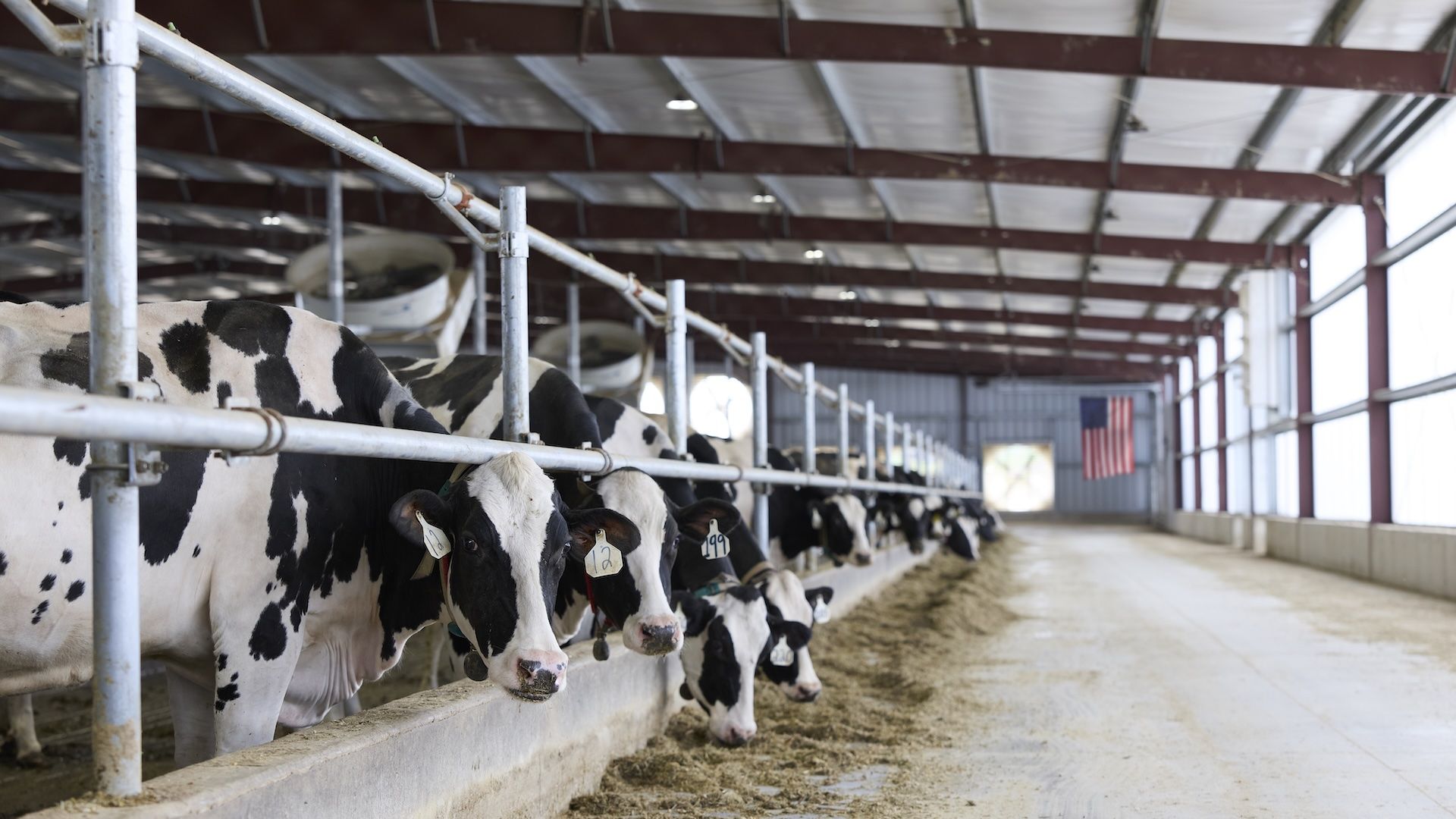
According to a study by NSF research, 64% of U.S. consumers now pay more attention to food labels compared to five years ago, suggesting that consumers are more aware of the nutrient-density of their food.
Why it's important: Meeting growing expectations for nutrition requires coordination across the food ecosystem, including deep collaboration with farmers, manufacturing and nutrition science.
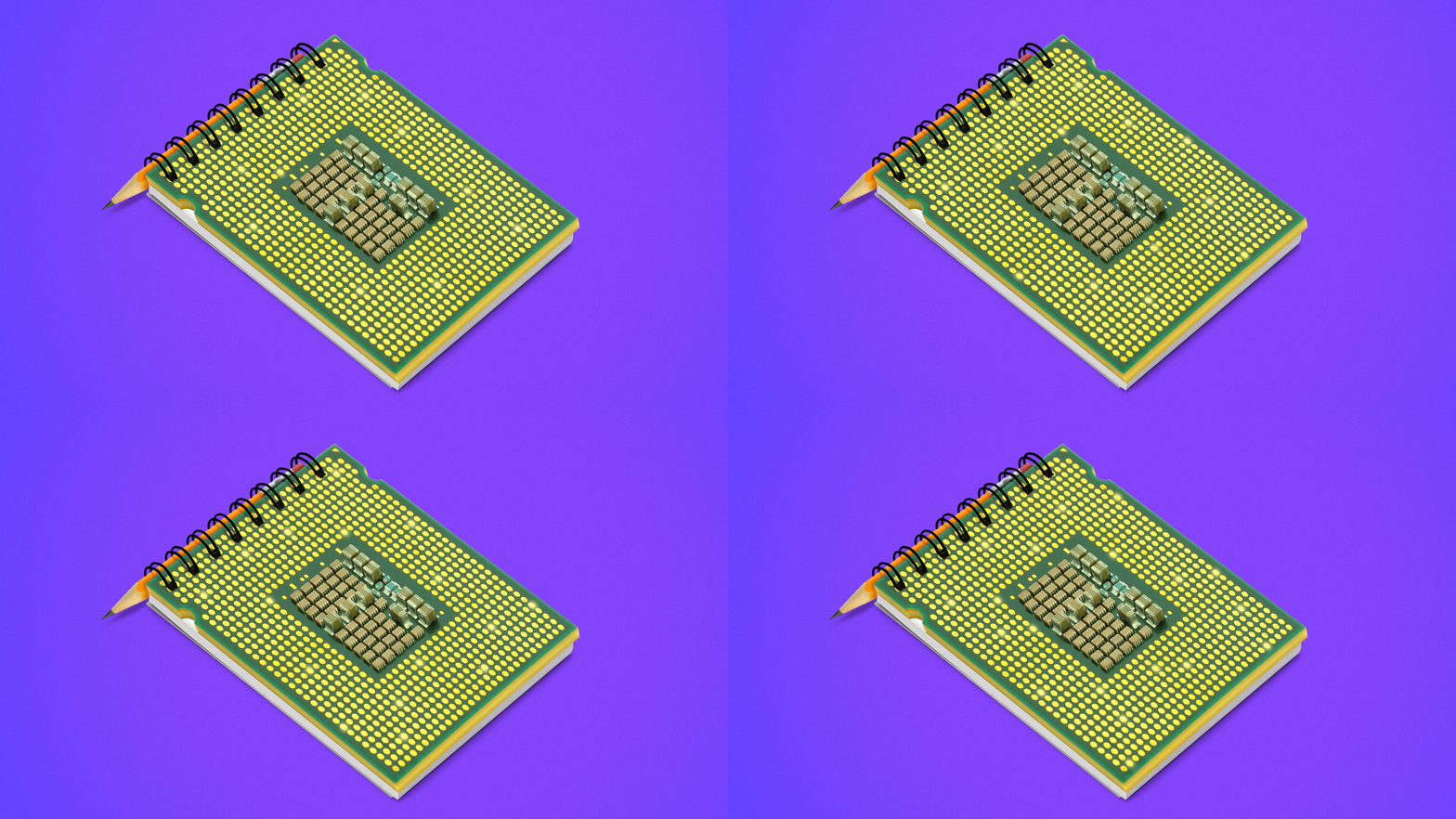
Our smartphones, electric cars and smart home electronics feel effortless, but behind them sits a dizzying web of interconnected hardware, mechanics and silicon.
Crack spreads — energy industry measures of the gap between crude prices and refined products like diesel — have soared in recent days as the global fuel picture is increasingly determined by global politics and war.
Why it matters: Crack spreads are basically the profit margin that refiners add on top of the price of a barrel of crude in order to come up with the prices they charge for refined products like diesel.
Because the crack spread for diesel fuel, charted above, is rising, diesel fuel will likely get more expensive.
And because diesel is a key input for industries like trucking and agriculture, higher diesel prices will ultimately be passed along to consumers, at least in part.
Meta's move to allow users to create AI images using the likenesses of people with public Instagram accounts is drawing criticism from several camps, including privacy advocates and those who represent celebrities.
Why it matters: The backlash highlights a core AI-era fight: whether people should have to opt out of having their faces used in AI-generated content, or whether companies should get affirmative consent first.
After years of touting ambitious climate goals, big tech companies are now facing new scrutiny over what they disclose about AI's environmental footprint.
Why it matters: The AI boom is turning a handful of tech companies into defining players in the debate over electricity and water use. Their willingness to disclose these impacts is becoming almost as important as the impacts themselves.